
• Home
  • About Me
  • The List
  • THE LIST (2016 Update)
  • THE LIST (2017 Update)
  • THE LIST (2018 Update)
  • THE LIST (2019 Update)
  • THE LIST (2020 Update)
  • THE LIST (2021 Update)
  • THE LIST (2022 Update)
  • Top Twelves and More
  • The End Credits Song Hall of Fame

Rhyme and Reason

~ Poetry Meets Film Reviews

Rhyme and Reason

Tag Archives: Drama

The Amazing Spider-Man (2012)

02 Saturday Apr 2022

Posted by sgliput in Movies, NaPoWriMo, Poetry, Reviews, Writing

≈ 3 Comments

Tags

Action, Drama, Romance, Sci-fi, Superhero, Thriller

(Today’s NaPoWriMo prompt was to write a poem inspired by a tweet from Haggard Hawks, an account that posts obscure English vocabulary. I liked this post on déjà vu and its variants, like déjà entendu (“the feeling you’ve heard something before”), so I used it for Hollywood’s incessant habit of churning out remakes and reboots.)

An alien far out in space was lounging in his ship,
Content to intercept the many signals from the earth.
He loved the so-called “movies” on his decades-spanning trip,
And though the words were Greek to him, he theorized their worth.

The stories held his fancy, stoking joy and shock and awe,
For nothing from his planet was original like these.
But gradually he noticed creativity withdraw,
With déjà vu and entendu in cyclical reprise.

“Now wait a zeptosecond,” he protested to his screen.
“The earthlings may be different, but I’ve seen this tale before.
That killer in the mask is one I’ve definitely seen.
That RoboCop got two at least; that star who’s born got four.

“That ship that’s flipped and upside down, that planet full of apes,
That ‘alien’ that made me laugh at how wrong humans are,
And all these superheroes with their uniforms and capes;
That spider guy especially must be quite popular.

“I fear that human beings must have reached their mental limit
If they’ve taken to recycling what dazzled in the past.
For any globe, there’s only so much innovation in it.
Perhaps I’ll find some younger planet’s budding telecast.”
______________________________

MPA rating:  PG-13

It’s difficult to appraise Sony’s Amazing Spider-Man films in retrospect the same as when they first came out. Five years after Spider-Man 3 seemed too soon for a reboot (never mind that Tom Holland’s Spidey would come just two years after Andrew Garfield’s second film), and Andrew Garfield was a largely unknown actor inevitably compared with the beloved Tobey Maguire. (All three Maguire films are beloved in my house anyway.) Now that No Way Home has been able to play on our short-term nostalgia for Garfield’s films, it’s hard to look at them the same way, but I’ll try to appraise them fairly since I did rewatch them in preparation for No Way Home.
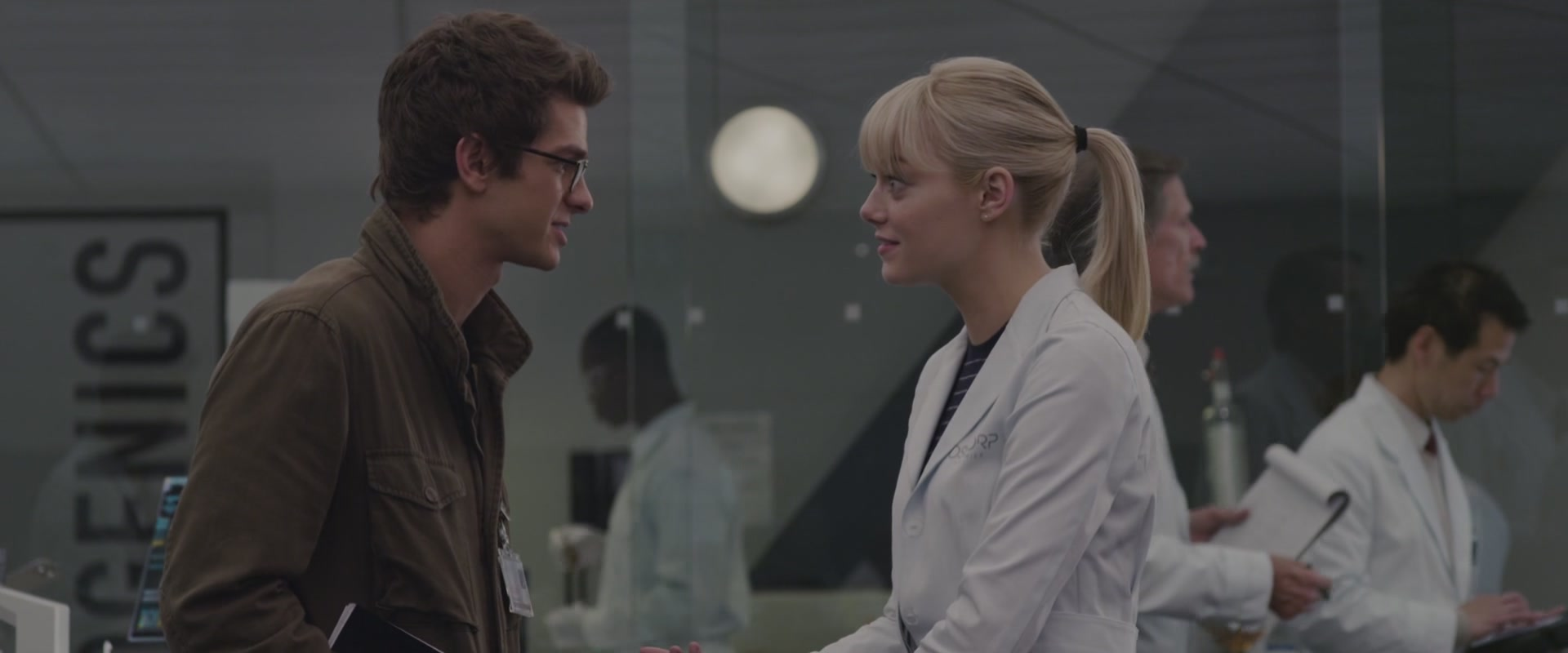
The first Amazing Spider-Man is not a bad film, just a largely forgettable one that treads some of the same ground that the original Spider-Man did better. (It’s no wonder Holland’s films decided to forgo the origin setup entirely.) Garfield’s Peter Parker is a loner geek who still displays a backbone, pining for high school overachiever Gwen Stacy (the always lovely Emma Stone) and bristling at the guidance of his Uncle Ben (Martin Sheen) and Aunt May (Sally Field). I still wish that a fourth Maguire Spider-Man film could have turned the old Dr. Curt Connors (Dylan Baker) into the villainous Lizard since there would have been more history with his character, but Rhys Ifans is serviceable in the role here, sort of a generic alpha predator bent on “curing” humanity.

The Amazing Spider-Man feels like a film that’s desperately trying to set itself apart from its predecessor, including a more realistic tone and lots of peripheral subplots around the all-too-familiar ingredients of the Spider-Man origin story. What happened with Peter’s disappearing parents? What’s up with the unseen Norman Osborne supposedly on his deathbed? Who’s that man in the shadows? It all feels like it should be more interesting, but it comes off as rather prosaic and extraneous. In lieu of an MJ, perhaps the best new addition is Peter and Gwen’s budding romance in the shadow of her stern policeman father (Denis Leary), who proves to Peter how dangerous the hero gig is for those around him. The couple’s awkward banter feels realistic for a pair of high-school students, though it also highlights that the script is generally rather weak on dialogue.
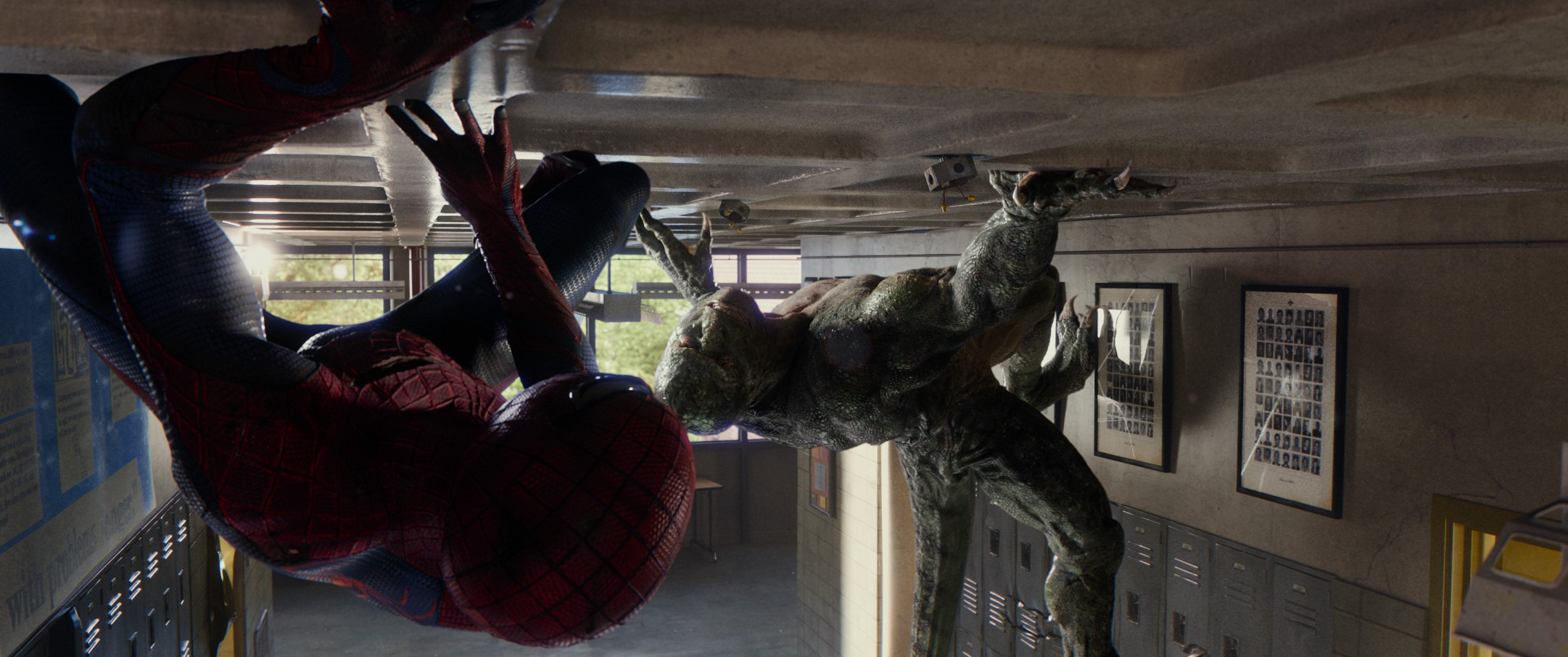
As I said before, The Amazing Spider-Man is a decent superhero film with good performances, an excellent James Horner score, an instantly classic Stan Lee cameo, and the expected impressive, high-flying visuals; it simply pales in comparison with Sam Raimi’s films, as well as the MCU ones. I hate to label Garfield as third-best Spider-Man when his future outings have improved his character and I’ve come to really like him as an actor. This first film simply shows that he and Emma Stone had a bright career ahead of them, considering they were both nominated for Oscars just a few years later. Every Spidey has to start somewhere.

Best line: (Uncle Ben’s voicemail) “If anyone’s destined for greatness, it’s you, son. You owe the world your gifts. You just have to figure out how to use them and know that wherever they take you, we’ll always be here. So, come on home, Peter. You’re my hero… and I love you!”

Rank: List Runner-Up

© 2022 S.G. Liput
763 Followers and Counting

Cyrano (2021)

11 Friday Mar 2022

Posted by sgliput in Movies, Music, Poetry, Reviews, Writing

≈ Leave a comment

Tags

Drama, Musical, Romance

I glance at you like Moses gazing toward the promised land,
His sight the only starving sense to perish satisfied.
No such content will compensate my ears, my lips, my hand,
For God has deemed to make the gulf between us two too wide.

My covert dreams alone can see you near me, arm in arm,
The scorn of cruel reality that jostles me awake.
I cultivate my nobler traits, my eloquence and charm,
Yet never do they seem enough for your transcendent sake.

I spy so many all around, in stories and in song,
Who find their love without the threat of mockery or laughter.
I’d whisper every secret of this lonely love lifelong
If only I lived not in fear of what might follow after.
___________________________

MPA rating:  PG-13

It’s so easy to associate musicals with Broadway since Hollywood usually only seems interested in adapting musicals into film if they have a reliable following that promises a decent box office. I can understand that instinct; no one wants to take a risk for a flop, especially when musicals are considered more effort with extra talents of singing or dancing required of their cast. Yet there are a host of excellent musicals out there that have never made it to Broadway, like Tick, Tick… Boom! or Frank Wildhorn’s The Count of Monte Cristo. I may never have heard of Erica Schmidt’s Cyrano stage production if not for this film adaptation, which only deepens my love of musical cinema and my desire for more like it.

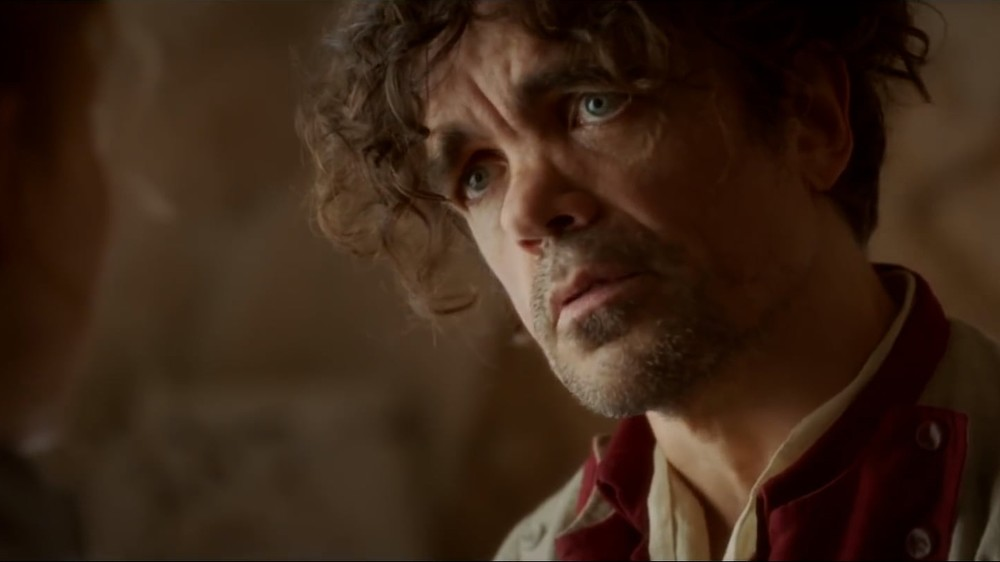
Many things fell into place for the creation of this film based on a musical play based on Edmond Rostand’s classic play Cyrano de Bergerac, the original catfishing story. Schmidt’s husband Peter Dinklage played the title role on stage, along with Haley Bennett as Roxanne, and Bennett’s involvement no doubt helped convince her partner Joe Wright of Atonement and Darkest Hour to take up directing the film version. Both Dinklage and Bennett reprise their stage roles and prove how well-cast they were from the beginning, joined by Kelvin Harrison, Jr., as Christian, the soldier who loves Roxanne and is aided by the eloquent Cyrano to woo her via love letters. Instead of the traditional abnormality of Cyrano’s large nose explaining his self-loathing and hesitance to pursue his love for Roxanne, Dinklage’s short stature is used instead, yet there are only a few direct references to his height. Indeed, the songs seem to be written so that any uncommon or “ugly” physical quality could take the place of Cyrano’s nose, even down to the series of taunts he lists for himself while dueling.

Musicals come in many different forms, and Cyrano is certainly not the typical Broadway product with big showstoppers. The choreography is decent but never vies for any kind of wow factor, and some of the lyrics are less than inspired in terms of rhyme and complexity, particularly a rather drab villain song for Ben Mendelsohn. Yet the songs, provided by rock band The National, still work on a more subtle level, with layers of sensitive piano and violin seamlessly folding the musical numbers into the score. Dinklage may not have a wide range, but his baritone complements his ever-expressive face, while Bennett gets more musical highs in songs like “Every Letter” and “I Need More.” I think “Every Letter” is my favorite, achieving its goal of making the sadly outdated act of letter-writing sensual with its beautiful staging of fluttering pages falling around the three overlapping singers. I’ve listened to the soundtrack quite a bit lately, and my love and appreciation for the songs have only grown with time.

It must be said that Dinklage absolutely deserved a Best Actor nomination, and the Academy’s ignoring of him is probably the worst snub since Amy Adams was passed over for Arrival. His eyes alone convey Cyrano’s latent heartache as he pines for Roxanne, especially when he is so close to her as a friend. Heck, the film could have deserved multiple nominations – Best Actress for Bennett, Cinematography, Score, Original Song for “Every Letter” – instead of just the one nod for Costume Design. Yet despite an 86% on Rotten Tomatoes, I’ve seen many articles labeling Cyrano a “failed musical” or a flop, which may be true in a purely box office sense but certainly not for the film’s quality. I don’t know what the moviegoing public wants in a musical, but their apathy toward recent movie musicals breaks my heart.

Though I may just be easier to please, I found Cyrano to be a perfect mixture of sincere and superb for any fan of tragic romance, elevated further by Wright’s elegant direction and a palpable fondness for the written word that rivals Violet Evergarden. To be honest, Steve Martin’s Roxanne was my previous touchpoint for Cyrano before this and sort of spoiled me with a happier ending than the source material had, but this Cyrano is the new gold standard for me, an exquisite film and a personal one for any sufferer of unrequited love.

Best line: (Roxanne, singing) “What is it you’re so afraid of losing?”
(Cyrano, singing) “That I might lose everything if I lose the pain.”

Rank:  List-Worthy

© 2022 S.G. Liput
759 Followers and Counting

Judas and the Black Messiah (2021)

27 Sunday Feb 2022

Posted by sgliput in Movies, Poetry, Reviews, Writing

≈ Leave a comment

Tags

Drama, History

Let history judge me for what I have done.
Let God alone bless or condemn.
Was I one who lived by the plow or the gun?
Was I part of us or of them?

Don’t ask me my politics, views, or beliefs.
Don’t paint me in black or in white.
Don’t ask if I’m proud for another man’s griefs.
Don’t classify me wrong or right.

I did what I did, though I still question how.
Was I more a tool or a sinner?
Perhaps I indeed am less holy than thou,
But no one can claim to be winner.
_______________________

MPA rating:  R (for some gun violence and frequent profanity)

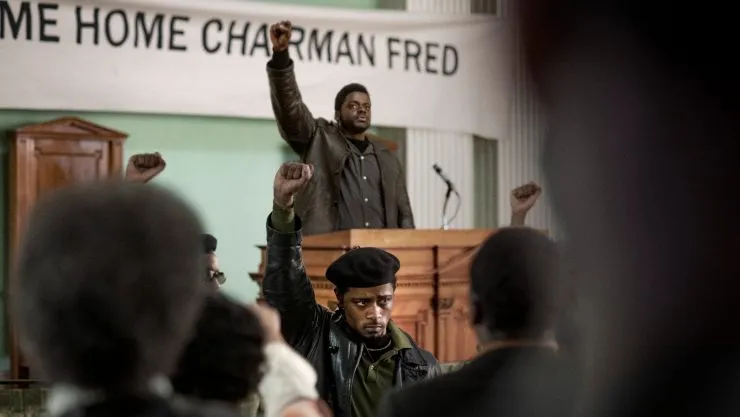
While everyone else is focusing on this year’s fast-approaching Oscar ceremony, I’m a bit embarrassed that I haven’t reviewed a single one of last year’s Best Picture nominees. While I’ve liked all of the ones I’ve seen, the one that most surprised me was Judas and the Black Messiah, a hard-hitting biopic of both Black Panther leader Fred Hampton and the man who betrayed him to the FBI.

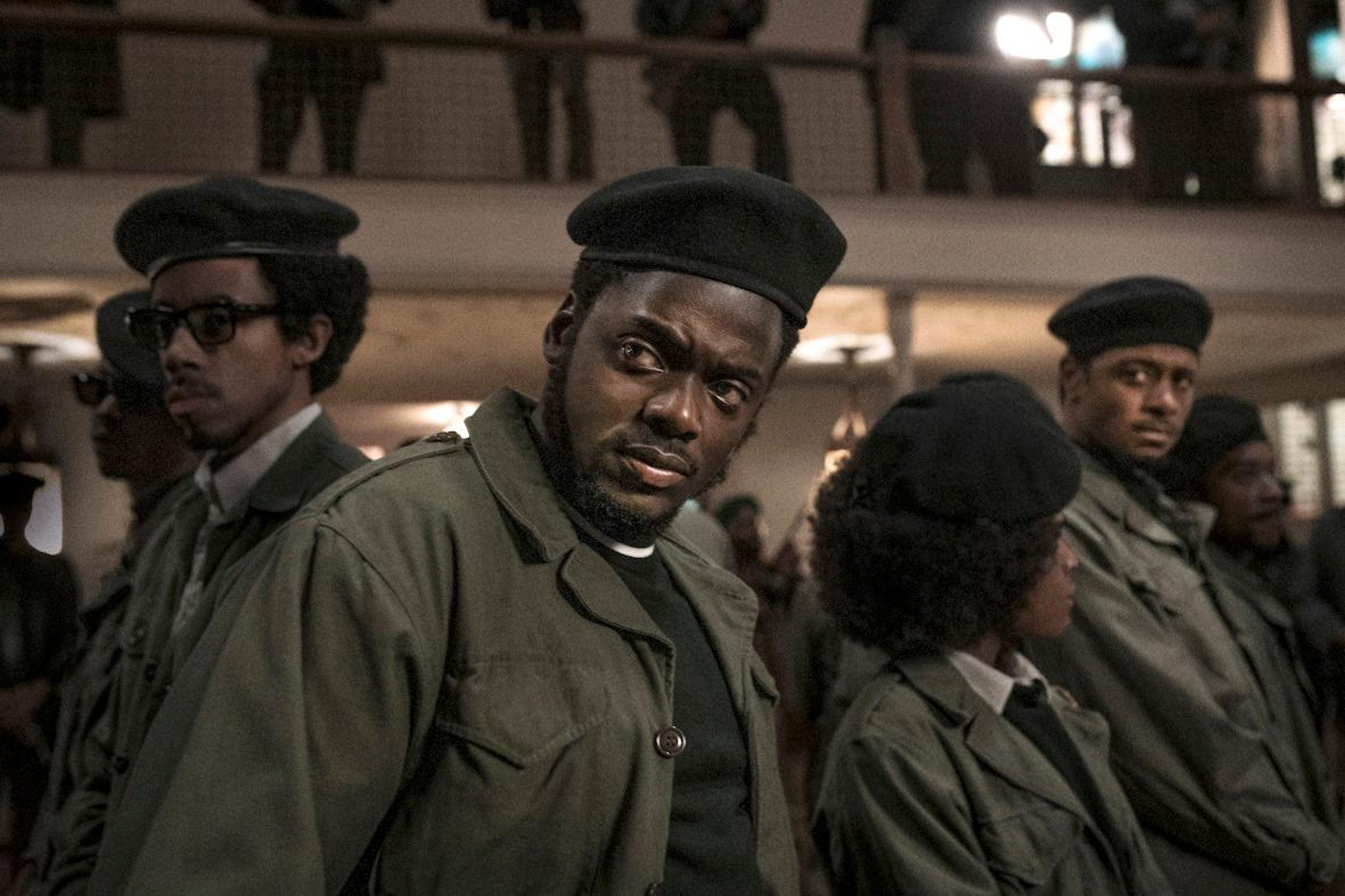
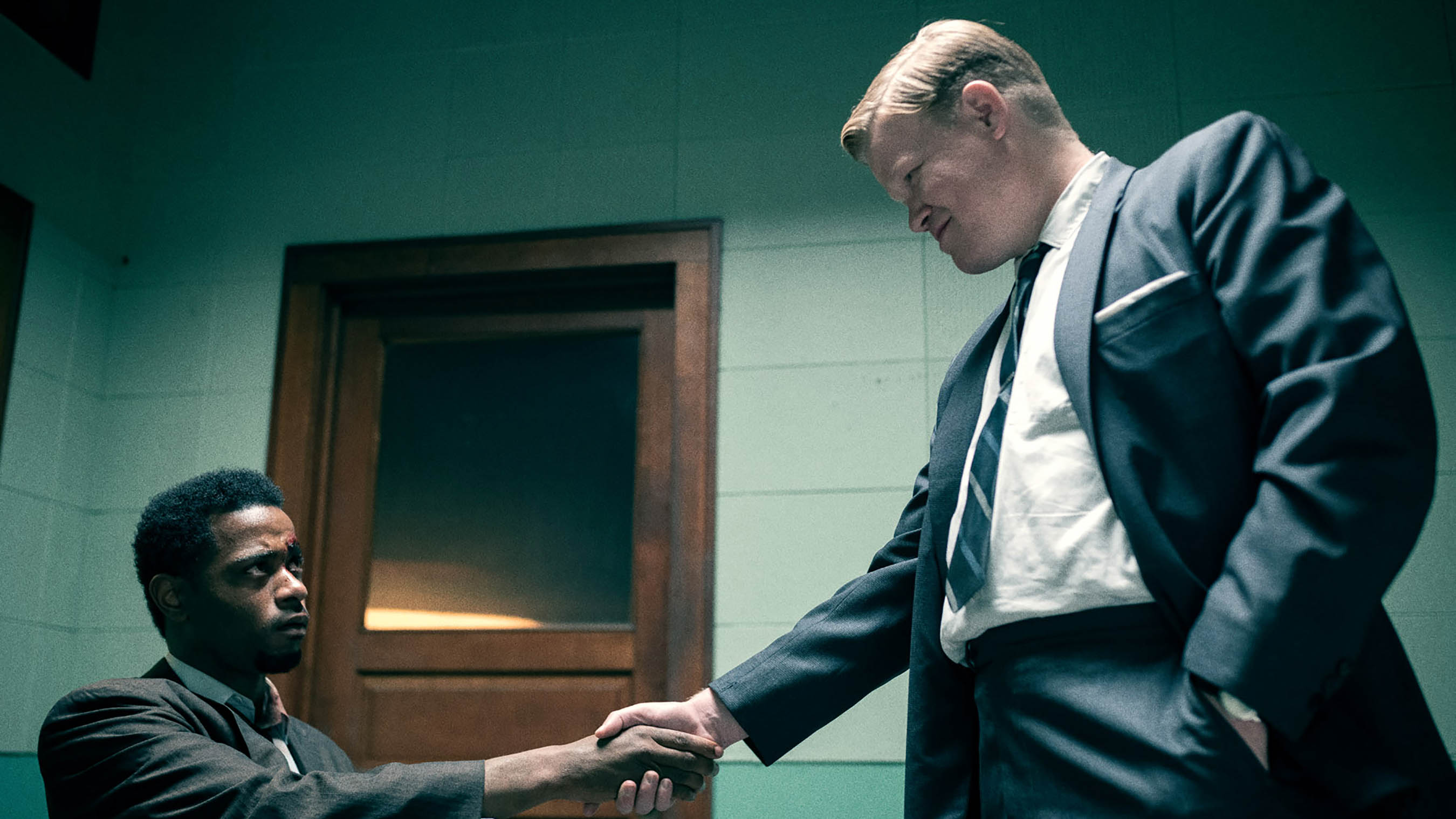
The Black Panthers are a group that is hard to label definitively, but owing to my schooling, I always viewed them as little more than a terrorist group, born of the same righteous indignation at prejudice as Martin Luther King, Jr., but choosing the path of violence instead.  FBI Special Agent Roy Mitchell (Jesse Plemons) voices a similar rationale, comparing the Panthers to the KKK as he tries to convince undercover informant Bill O’Neal (Lakeith Stanfield) to continue his infiltration of the Black Panthers, led in Chicago by the fiery Fred Hampton (Oscar winner Daniel Kaluuya). Even after the film, I still think Mitchell had a point, but that doesn’t mean the government opposing the Panthers was any more in the right. It’s so easy to paint the conflicts of history in broad strokes of simple heroics and villainy when the truth is much more complex.

While Judas and the Black Messiah does its job in exploring a piece of American history I never knew, it goes above and beyond in presenting this tragic, difficult story with impressive nuance. In his impassioned speeches, Kaluuya’s Hampton extols action and revolution with persuasive zeal but loses me when he gets to killing “pigs.” Based on that, it’s no wonder he was labeled a threat, yet he later balks when O’Neal presents a plan to blow up city hall, trying to catch Hampton in the act of violence. The FBI’s narrative of Hampton as a danger couldn’t reconcile facts like how the Black Panthers fed daily breakfast to the black children of Chicago or how his Rainbow Coalition united disparate gangs and organizations in cooperation, even one sporting a Confederate flag. These were just lumped into his reputation of subversion, with no consideration of their positive impacts. My political opinions are a far cry from Hampton’s anti-capitalist philosophy, but I can certainly recognize that the government’s response to such revolutionaries only served to justify their grievances.

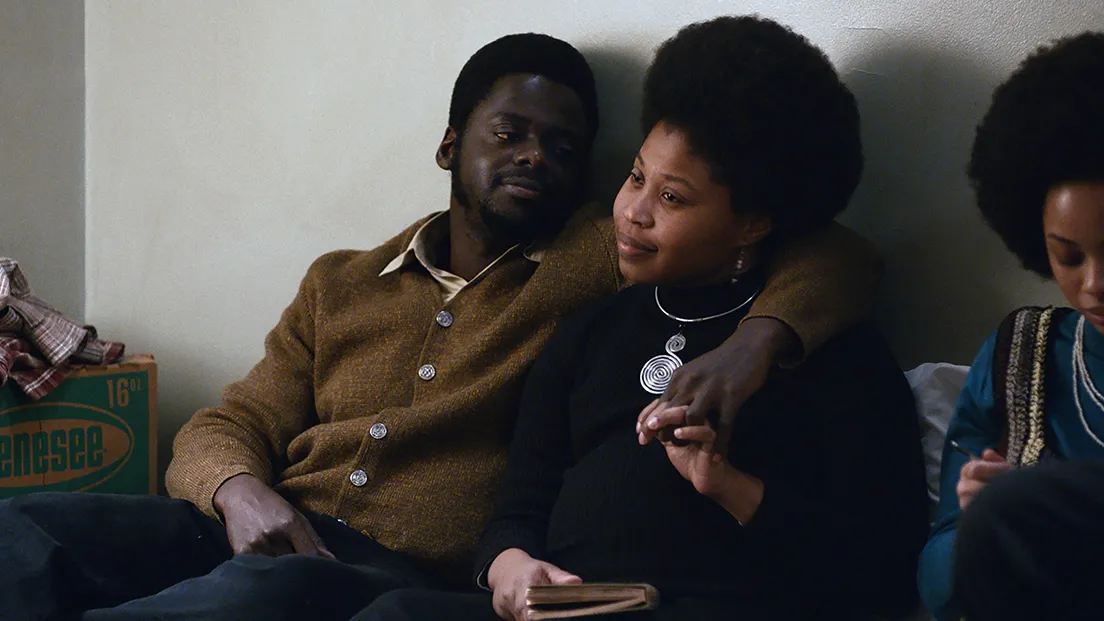
And the film doesn’t shy away from this dichotomy of good and evil actions. In a series of back-and-forth acts of violence, one Panthers member is shown killing a cop in cold blood before being killed himself. Yet soon after, Hampton speaks with the killer’s mother, who bemoans that her dear son, a well-behaved seven-year-old in her memory, will only be remembered by society as a murderer. “He did that. He did that,” she says, “but that ain’t all he did.” Paired with that violent scene is one of my new favorite scenes of poetry in film, wherein Hampton’s pregnant girlfriend Deborah Johnson (Dominique Fishback, who deserved an Oscar nom herself) reads her own verses to him, expressing the apprehension of bringing a new life into such a dangerous, conflicted world.

With such a nuanced screenplay, the acting had to be on point, and indeed it is. Kaluuya and Stanfield especially act the heck out of their respective roles, bringing to life Hampton’s intensity and O’Neal’s desperate uncertainty. I can understand Kaluuya winning out, since they were both nominated for Best Supporting Actor, but I probably would have preferred Stanfield, even if he is the “bad guy” of the story.

As he helps and gets to know Hampton and the Panthers, O’Neal clearly sympathizes at times but is too easily manipulated by self-interest to take the stand others around him do, preferring to do as he’s told rather than figure out what’s right for himself. The Biblical title is actually quite fitting, with the FBI standing in for the Pharisees wanting a concerning upstart out of the picture and using a weak-willed follower to make it happen, complete with further parallels.

As with so many Oscar-caliber films with that overly common R rating, the frequent profanity is the worst part of the movie for me. It might add authenticity and no one else may share this peeve of mine, but I still insist that the film would be better and more watchable without all the obscenities flying. Yet by the end, I was able to look past the language and the apparent political and racial divide between me and the film’s subject and recognize that Judas and the Black Messiah is a great film, with outstanding actors bringing to light a historical tragedy through a personal lens, with themes of action vs passivity and how people are remembered. Nuance is sorely lacking in the world these days, just as it was back then, but it’s certainly welcome when looking back at the past.

Best line:
(Deborah, reading her poem to Fred)
“We scream and we shout and we live by this anthem…
But is power to the people really worth the ransom?
Because that’s what a mother does –
Gives the world the most precious things she loves,
And I love you and I love our baby too,
And there’s nothing more radical than seeing that through,
Born pure to the blood, with the heart of a panther.
No regrets… I know my answer.”

Rank:  List-Worthy

© 2022 S.G. Liput
758 Followers and Counting
2022 Blindspot Pick #1: National Velvet (1944)

19 Saturday Feb 2022

Posted by sgliput in Blindspot, Movies, Poetry, Reviews, Writing

≈ Leave a comment

Tags

Classics, Drama, Family, Sports

A girl once loved a rebel horse,
As girls so often do.
She saw its gentle side within,
And by her gentleness, it grew.

She watched and loved its every move
And praised its every feat.
What others feared and labeled wild
She kissed, caressed, and called it sweet.

She never bore a single doubt
Of what her horse could do.
If she imagined it could fly,
The horse and she would make it true.

The doubts of others held no sway,
As mountains scoff at breeze,
For love’s conviction can make real
The smallest chance no other sees.
________________________

MPA rating:  Passed (easily G)

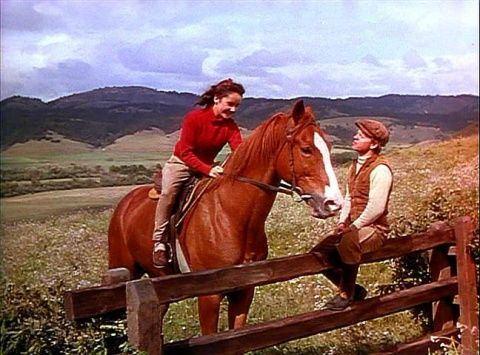
I may be a month late for my first Blindspot, but I’m still better off than the last couple years when I didn’t get started till April. For no particular reason, I decided to start with the oldest film on my 2022 Blindspot list, 1944’s National Velvet. This is a film my mom convinced me to see, and I wasn’t expecting much since I’m not a big fan of horses. So it was an utterly pleasant surprise to find it an absolute gem deserving of its classic status.

Set in England and based on a 1935 Enid Bagnold novel, National Velvet stars a twelve-year-old Elizabeth Taylor (in her first major role) as Velvet Brown, a country girl obsessed with horses who is thrilled to win a brown beauty she calls The Pie. Befriending Velvet is Mi Taylor (Mickey Rooney, not even attempting a British accent), a former jockey whose self-serving instincts are won over by Velvet’s earnestness until he agrees to train The Pie for the illustrious Grand National race.

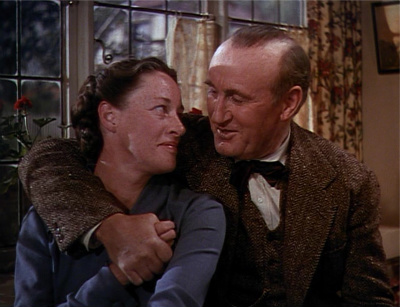
Older films like this can easily suffer from dated or exaggerated acting, but National Velvet is outstanding in every regard. While Velvet’s oddball little brother (Jackie “Butch” Jenkins) is an exception, I loved the warm portrayal of her family, from Angela Lansbury’s boy-crazy sister to Donald Crisp’s gregarious father. However, the standout and the winner of a Best Supporting Actress Oscar is Anne Revere as the family matriarch, seemingly stern and stoic but with a warm-hearted affection just below the surface as she verbally spars with her husband and encourages her daughter to chase her dreams. The family could be compared with the Morgan clan of How Green Was My Valley, which also starred Crisp as a father among lovely British countryside a few years earlier, but the Browns won me over even more than the Morgans.

I’m embarrassed to admit it, but I don’t think I’d ever seen an Elizabeth Taylor film before, unless you count her brief introduction in That’s Entertainment! I’ll have to see more, but it’s clear from this first major role that she was a star in the making, her guileless determination making Velvet a perfect cheer-worthy underdog. Likewise, Rooney shows dramatic grit beyond his lighthearted musicals, and I enjoyed his character’s moral transformation over the course of the film. The commitment of both leads makes the final race a nail-biting climax; even if you may assume what the result will be, it still bucks predictability. (It also features some surprisingly realistic horse falls, making me think films like this led to more stringent protections for animals on film sets.)

I’ve known girls like Velvet who are obsessed with horses, including my own mother who loved books like Misty of Chincoteague. I’ve never been enamored of them like that, so I wasn’t expecting much from National Velvet. As I so often quote from La La Land, “people love what other people are passionate about,” and the devoted enthusiasm of Velvet Brown made me root for The Pie just like her. I love when expectations are blasted away, and National Velvet is a pure, eloquent family classic that left me smiling for much of its runtime. Now that’s the way to start a Blindspot series.

Best line: (Mrs. Brown, to Velvet) “We’re alike. I, too, believe that everyone should have a chance at a breathtaking piece of folly once in his life. I was twenty when they said a woman couldn’t swim the Channel. You’re twelve; you think a horse of yours can win the Grand National. Your dream has come early, but remember, Velvet, it will have to last you all the rest of your life.”

Rank:  List-Worthy

© 2022 S.G. Liput
756 Followers and Counting

Violet Evergarden: The Movie (2020)

03 Thursday Feb 2022

Posted by sgliput in Movies, Poetry, Reviews, TV, Writing

≈ Leave a comment

Tags

Animation, Anime, Drama, Romance

See the source image

I wear a weak smile
With weights on each end.
I faithfully labor
And greet every neighbor
To be a bulwark
On which all can depend.

Yet what I have lost
Haunts that which I’ve found.
Like one stubborn ember,
Your face I remember,
A past that burned bright
Upon life’s battleground.

They say what I know,
That I have to move on.
I still love the trace
That remains of your face.
I doubt it will ever
Be totally gone.
_________________________

MPA rating:  Not Rated (should be PG-13 for some violent flashbacks and heavy emotional themes)

Although I love anime, I’m often not sure how to review films based on anime series. For example, Demon Slayer: Kimetsu no Yaiba – The Movie: Mugen Train was literally the highest grossing movie of 2020 worldwide, smashing records and becoming the first non-Hollywood film to top the global box office. Yet I don’t really know what to say about it. Because it’s a feature-length middle chapter for the Demon Slayer series, it’s hard to recommend it to those unfamiliar with the show, since a full appreciation of the film depends on some familiarity. It was exciting, eye-popping, a good continuation, and apparently a real tearjerker for some (not me), but its attachment to an ongoing TV series limits its appeal in my view. I feel the same for other anime films based on series, from the Steins;Gate sequel to the growing number of My Hero Academia features, which typically end up feeling decent but unnecessary.

See the source image

Obviously, that’s not always the case. I’ve sung the praises of The Disappearance of Haruhi Suzumiya, which built beautifully on its original show, and Cowboy Bebop: The Movie, which stands on its own just as well. I suppose it’s easier when a film comes after a show ends, rather than in the middle of its run. Anyway, it should indicate my high regard for Violet Evergarden: The Movie that I’m reviewing it at all, beyond making it List-Worthy.

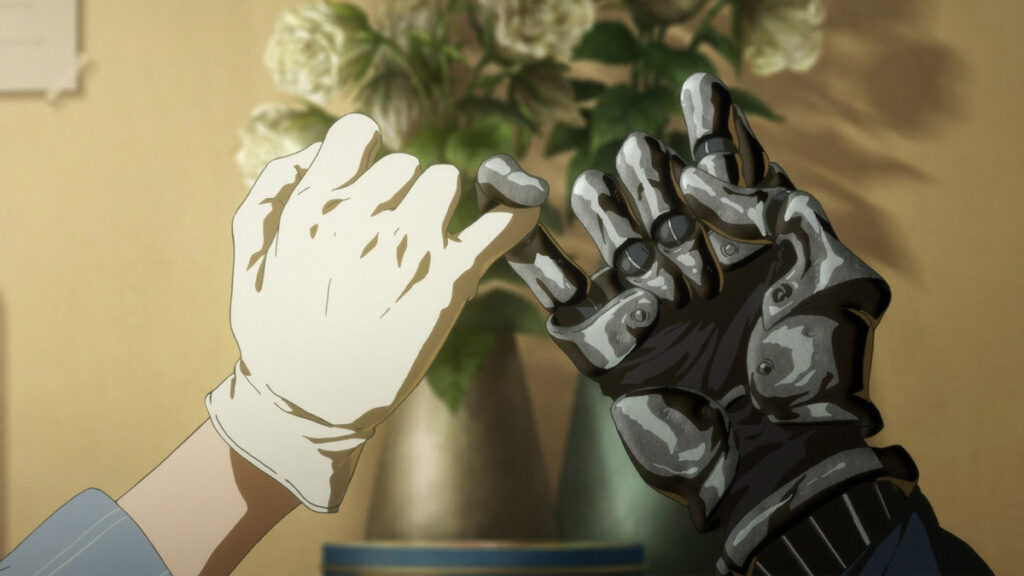
For those unfamiliar with Violet Evergarden, it’s a show from Kyoto Animation based on a popular light novel series about a girl in a fictional semi-Victorian country where gas lamps exist alongside advanced prosthetic limbs. Utilized as a lethal child warrior during a horrific war, the girl is taken in by a Major Gilbert, who gives her the name Violet and hates using her on the battlefield, despite her effectiveness. In the midst of a major victory, both of them are severely injured, and the Major is lost and presumed dead. With the war over, Violet is sent to a friend of the Major’s who runs a post office, and she gradually eases into the more peaceful life of typing letters for others, a job called an Auto Memory Doll (basically a transcriptionist with a typewriter). While struggling to understand simple concepts like love and pining for the Major, she meets an array of customers who help her grow as a person.

See the source image

The short 13-episode series itself is quite good, with strong characters and emotions, but its greatest strengths are the glorious, Oscar-caliber score and drop-dead gorgeous animation. It’s honestly some of the finest, most detailed animation out there, and almost any single frame could be hung on a wall as a work of art. I will say that the script can be weak at times, often ascribing great profundity to the letters Violet writes even when they’re more earnest than deep. But the film’s poignant themes grow more affecting with time, and the largely stand-alone tenth episode remains one of the most tear-jerking episodes of television imaginable. Even the thought of it makes me want to cry. The studio could have left the show alone or stopped after the spin-off film called Eternity and the Auto Memory Doll, which falls under that “decent but unnecessary” status that I mentioned before. But the studio decided to cap off the series with a finale film, despite delays from the infamous arson attack and COVID, and I’m glad they did because it’s everything I could have wanted in a conclusion (hello, 100% Rotten Tomatoes score).

It was a canny choice to frame the story as a retrospective investigation, with a young woman from decades in the future looking back on the tale of Violet Evergarden, and the woman’s connection to that moving tenth episode had me close to sobbing right from the start. The film soon jumps back to Violet’s time, after she has grown into the most popular Doll in the city, though her thoughts remain with her long-lost Major Gilbert. After accepting a job from a sick boy in the hospital who wants her help to write letters to his family once he is gone, Violet and her boss learn of evidence that Gilbert might be alive on a distant island, and they go in search of her beloved.

See the source image

There were many ways that the film could have gone wrong. Would they pull a fake-out and say it wasn’t Gilbert? Would it be a tired amnesia scenario? But the way it plays out is both touching and makes sense for the characters, highlighting Gilbert’s guilt from the war and how much Violet has grown apart from him. The eventual climax is a massive tug to the heartstrings, and I felt like the film was effective in encapsulating the overarching story and its emotions, even for those who may not have watched the series. (Even so, I certainly recommend watching the show first for the full context and emotional punch.)

I’ve always thought that the concept of an Auto Memory Doll seemed odd and quaint, like something that would be unrealistic in the real world, though that view is likely shaped by the prevalence of modern literacy and easy communication methods. The film actually addresses that head-on, with the advent of the telephone threatening the entire Doll profession. One shot of a lamplighter gazing up at a newfangled electric streetlight perfectly captured the theme of technological progress. I suppose the job of writing letters for others could be compared to something like the Pony Express, short-lived but memorable, and while the story could have been antagonistic toward such progress, it manages to show the positive aspects of both the telephone and letter-writing in, of course, the most poignant way possible.

See the source image

I can see how someone cynical could easily view Violet Evergarden with detachment and scoff at its overly melodramatic qualities. It can lay on the tragedy pretty thick at times and certainly falls under that category of anime that intentionally aim to bring the audience to tears, like Angel Beats, To Your Eternity, or anything from Mari Okada. But if you can truly connect with Violet’s journey to understand love, it’s well worth tears, and I like the fact that I’m not too jaded to be moved by it. I liked the series on its own, but Violet Evergarden: The Movie took the series’ strengths and elevated them with a near-perfect culmination of all that came before and left me with a precious lump in my throat. I feel sorry for those who don’t give anime a chance, because stories like this transcend the medium to be great films, period.

Best line:  (Daisy, the woman learning about Violet) “If there’s something I can’t tell them in words, maybe I could tell them in a letter. I want to finally tell them my true feelings. We don’t know how long we have, so I need to tell them while I still have time.”

Rank:  List-Worthy

© 2022 S.G. Liput
752 Followers and Counting
Tick, Tick… Boom! (2021)

15 Saturday Jan 2022

Posted by sgliput in Movies, Poetry, Reviews, Writing

≈ Leave a comment

Tags

Drama, Musical, Netflix

See the source image

We hear all these tales of unlikely success,
Of thousands of no’s that resulted in yes,
Of people achieving their triumph with less
Than anyone else could have guessed was required.

They seem the exception to that wretched truth
That work is not always rewarded, nor youth,
And even those weary and long-in-the-tooth
Have little to show for their being so tired.

But who could have guessed what those blessed ones would do?
What low expectations observed their debut?
And who says that I can’t be one of those few?
And who says that you aren’t exceptional too?
__________________________

MPA rating:  PG-13

I suppose the first order of business for 2022 should be reviewing the films that made it onto my end-of-year list for 2021. Considering my fondness for animation, musicals, and superhero films, it’s not surprising that these dominated much of the list, and the only musical of last year that didn’t disappoint at the box office (since it was released on Netflix) was my favorite of the bunch.

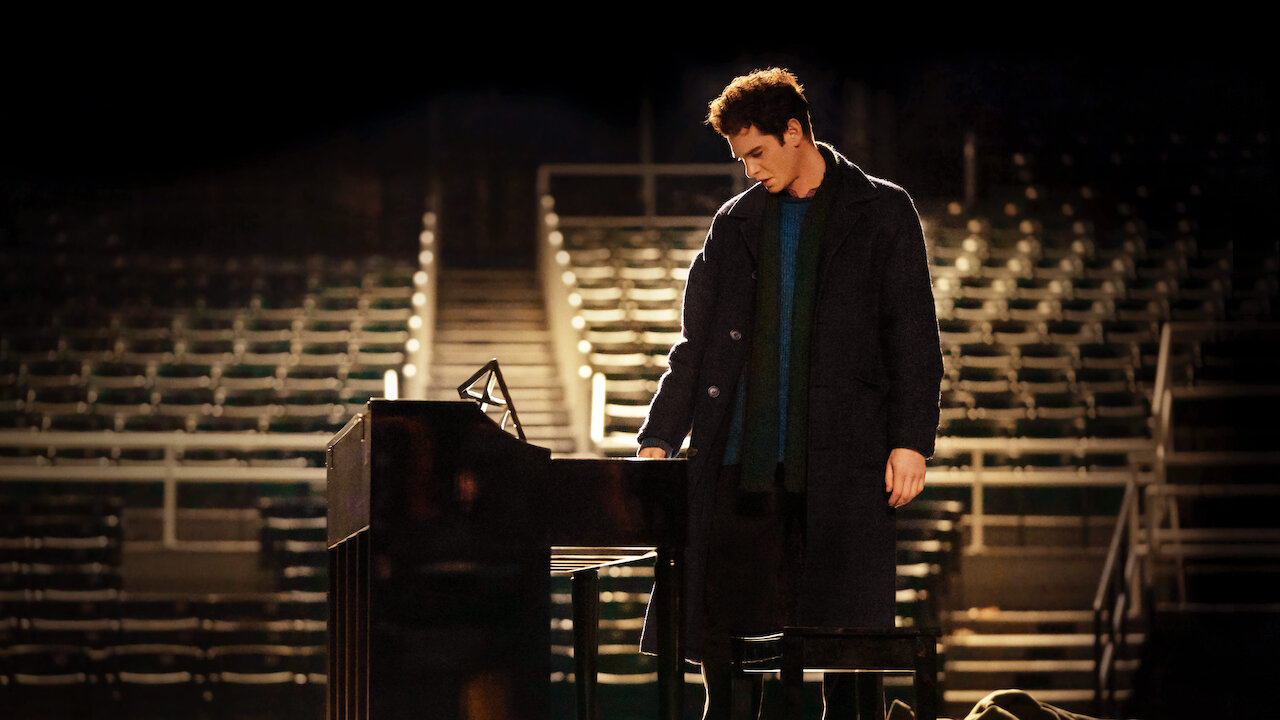
Tick, Tick… Boom! is the other Jonathan Larson work, a one-man musical monologue that never made it to Broadway like his hit Rent did five years later. Considering I doubt anyone was clamoring for a film version of this lesser-known “rock monologue” from thirty years ago, it’s clear that this was a passion project. First-time director Lin-Manuel Miranda has written that Tick, Tick… Boom! inspired him when he saw a reworked version performed after Larson’s untimely death, and he even played Larson himself in a 2014 production. It makes sense that Larson’s semi-autobiographical take on the stresses of chasing success in musical theater resonated with Miranda, whose Hamilton shared the role of someone writing “day and night like [they’re] running out of time.” In the case of Jonathan Larson (Andrew Garfield), he struggled to produce his futuristic rock opera Superbia and wrote Tick, Tick… Boom! as an outlet for his creative frustration, even as the 1990s and his thirtieth birthday loomed before him.

See the source image

I knew nothing about the story going in and was amazed at how fitting it was that I watched it on my own birthday. The very first (and very catchy) song “30/90” laments how quickly the years are outpacing Jonathan’s dreams of making his mark on the world, a sentiment that I can certainly relate to, along with most other twenty- or thirtysomethings out there. Andrew Garfield delivers one of his best performances yet in the lead role, demonstrating he’s a double threat of acting and singing (for the first time apparently). Whether he’s ecstatic over small achievements, harried working for every cent and every note he can muster for the sake of his workshop, or heartbroken by tragic news, he runs the full spectrum of emotions and well deserved his recent Golden Globe win.

Also outstanding are Alexandra Shipp as his girlfriend Susan and Robin de Jesús as his friend Michael, both of whom suffer being left behind by Jonathan’s mania of chasing success even as they sincerely want him to find it. Plus, like Zac Efron in The Greatest Showman, it was nice to see Vanessa Hudgens returning to her movie musical roots as one of the key singers for the show/workshop. The film also incorporates elements that would clearly go on to influence Larson’s next musical Rent, such as several of Jonathan’s gay friends falling to the AIDS epidemic.

Tick, Tick… Boom! has an unusual structure; while most of it is the expected movie musical format (drama with interspersed musical numbers), it’s mixed with scenes of Larson/Garfield narrating on stage with piano and band as if performing the show live to an audience. As a sort of blend of stage play and film memoir, it excels at folding the songs into the narrative as embellishments of the first-person storytelling. There’s really only one moment where the song seriously fails to match the tone, when a sardonically poppy song about relationship problems clashes with an otherwise very serious scene. Regardless of such minor hiccups, the quality of Larson’s music and lyrics speaks for itself, from the gentle guitar of “Johnny Can’t Decide” to the stark piano of “Why” to the full rock ensemble of “30/90” and “Louder Than Words.” In particular, “Why” struck me as an emotionally exhausting performance akin to Anne Hathaway’s “I Dreamed a Dream” in Les Miserables, so Garfield had better get an Oscar nomination.

See the source image

Every now and then, a movie about creativity and chasing art comes along and speaks to me on an especially personal level, films like Whisper of the Heart or La La Land that often are appreciated by some more than others. Tick, Tick… Boom! is just such a film. I have my own latent plans for a musical that I’ve been toying with for years, and while I have yet to put full effort toward it, watching Larson’s grueling journey and eventual vindication gives me hope that my own efforts won’t be in vain, even if it seems so.

The film is a tribute to both Jonathan Larson and the creative process of musical theater, elevated by Miranda’s personal direction and lots of cameos from Broadway legends that not everyone will recognize. Some cool trivia: Bradley Whitford plays Larson’s idol, the late great Stephen Sondheim, but when Sondheim leaves an encouraging voice mail toward the end of the film, Sondheim himself recorded the lines. All these layers make Tick, Tick… Boom! a clear labor of love and, for me at least, a film to love as well.

Best line: (Jonathan, after a rejection) “So what am I supposed to do now?” (Rosa, his agent) “You start writing the next one. And after you finish that one, you start on the next. And on and on, and that’s what it is to be a writer, honey. You just keep throwing them against the wall and hoping against hope that eventually something sticks. Listen. Little advice from someone who’s been in this business a long, long time. On the next one, maybe try writing about what you know.”

Rank: List-Worthy

© 2022 S.G. Liput
751 Followers and Counting
2021 Blindspot Pick #12: The Apartment (1960)

31 Friday Dec 2021

Posted by sgliput in Blindspot, Movies, Poetry, Reviews, Writing

≈ Leave a comment

Tags

Classics, Comedy, Drama, Romance

See the source image

If the world has left you no control
Of life or love, of plan or goal,
And made you think there’s no escape
From reality in its present shape,
Then I would say it’s worth reminding
You that inertia can be blinding,
Magnifying common stress
Into a mirage of helplessness.

You are still the one who chooses
All of your actions and excuses.
They can change and so can you
With simple thought and follow-through.
____________________________

MPA rating: Approved (nothing explicit but a definite PG-13 for subject matter)

Ah ha! I’ve done it. After school and life got me so behind, I have finally caught up and completed my 2021 Blindspot series before the end of the year! And I’m capping things off with the Best Picture winner of 1960, which fittingly happens to end on New Year’s Eve as well. I’d always heard about how The Apartment was such a classic and decided it was finally time to see why, and it gave me a rare shift of opinion.

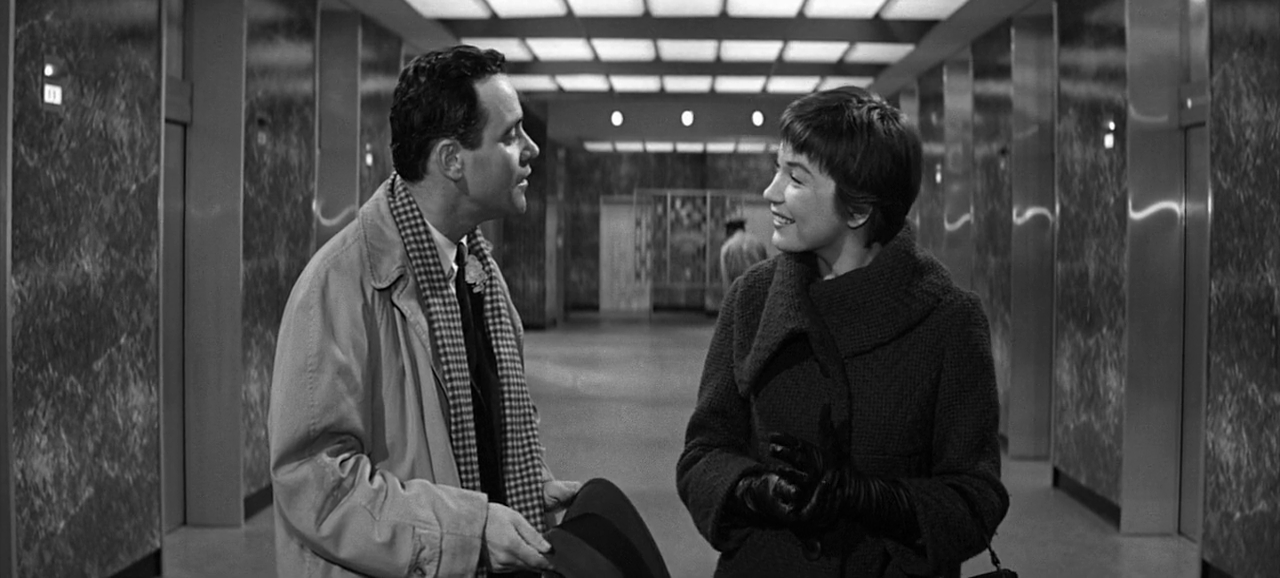
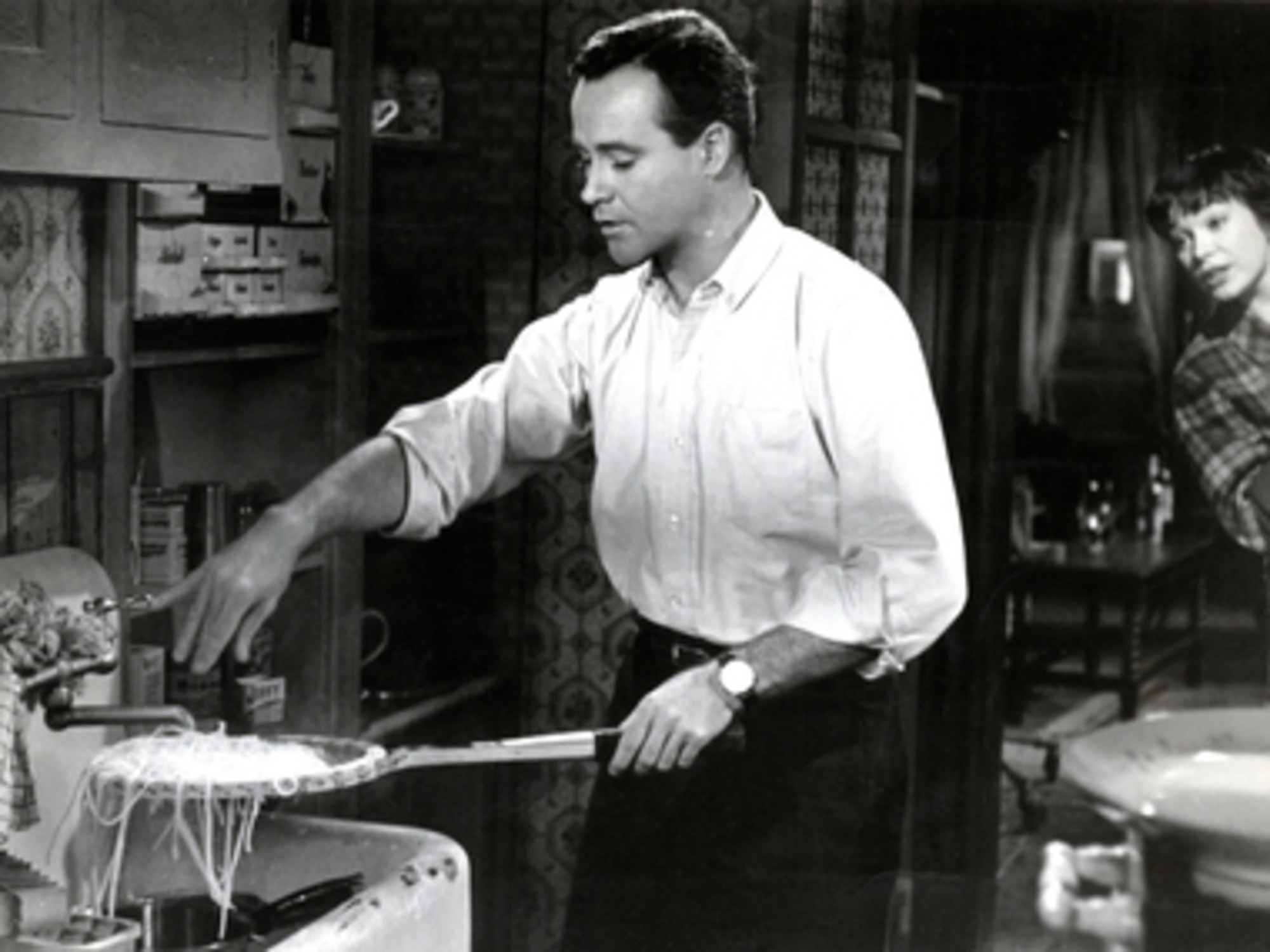
When I reviewed Strictly Ballroom years ago, I was flabbergasted at how it started as a movie I couldn’t stand and yet ended up being sweet and romantic in the second half. I had a similar experience here. The apartment of the title belongs to insurance clerk Bud Baxter (Jack Lemmon), though he rarely gets to enjoy it. Based on promises of promotions from his superiors in the company, he agrees to let them use his apartment for their frequent affairs, leaving them a key while he goes out. Even his own manager Mr. Sheldrake (Fred MacMurray) expects his cooperation, and Baxter is pliant enough to just look the other way, at least until he learns of the involvement of his elevator-operator crush Ms. Kubelik (Shirley MacLaine).

See the source image

Once I was knee-deep into the film, both my VC and I realized we didn’t like the premise one bit, even if we might sound like the fuddy-duddy critics of the ‘60s. There’s hardly anyone worth liking. Baxter’s boss is a proven womanizer, Ms. Kubelik is too weak and besotted to put an end to being used, and Baxter himself, despite Lemmon’s natural genteel charisma, is a spineless enabler to all this adultery, repeatedly taking the blame to cover up his managers’ infidelity. Perhaps Billy Wilder’s direction and witty script are supposed to make up for the moral vacancy of a plot that is probably (and sadly) all too accurate in its depiction of extramarital dalliances, but it wasn’t endearing to me.

And then… it turned a corner. One reckless move to put an end to the whole situation leads to a sudden surge of character growth and accompanying sympathy. Baxter and Ms. Kubelik get a chance to actually talk and bond outside of their passings in the elevator, and the story becomes not just an exposé of the characters’ moral failings but a chance for them to improve themselves. As Baxter’s doctor neighbor (Jack Kruschen) encourages him, “Be a mensch.” The ending left me smiling and satisfied in a way I never would have expected based on the first half of the film.

See the source image

I still fail to see why it’s lauded as one of the greatest films of all time, but The Apartment proved its worth as a classic, eventually anyway. Lemmon and MacLaine make a perfect pair, and their Oscar-nominated performances run the gamut from screwball comedy to some surprisingly dark moments. The premise still doesn’t appeal to me, but I liked how it is used by the end to further Baxter’s self-confidence and give him something worth caring about more than his job. Like Strictly Ballroom, it’s proof that you should withhold judgment not just from a story’s cover but should probably wait all the way to the end, appraisal-wise.

Best line: (Baxter, referring to her compact) “The mirror… it’s broken.”  (Ms. Kubelik) “Yes, I know. I like it that way. Makes me look the way I feel.”

Rank:  Honorable Mention

© 2021 S.G. Liput
748 Followers and Counting
A very Happy New Year to everyone, and here’s hoping for a much better 2022!

2021 Blindspot Pick #11: A Matter of Life and Death (1946)

29 Wednesday Dec 2021

Posted by sgliput in Blindspot, Movies, Poetry, Reviews, Writing

≈ Leave a comment

Tags

Classics, Drama, Fantasy, Romance

See the source image

If I should die before I wed,
I pray the Lord won’t keep me dead,
But let me live a longer life
So I can find and woo a wife,
For this film shows there is a chance,
Depending on the circumstance.
_________________________

MPA rating: PG

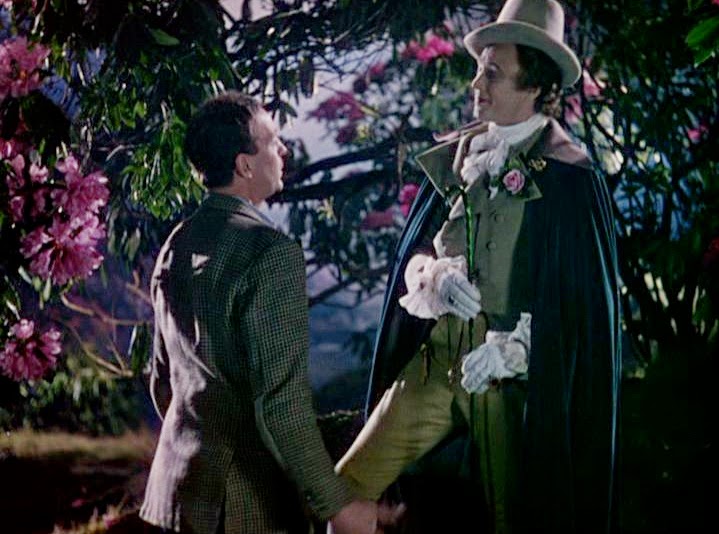
If it wasn’t obvious, yes, I am in full-on catch-up mode to finish my 2021 Blindspots before the end of the year. I wasn’t sure what to expect from A Matter of Life and Death (released as Stairway to Heaven in the U.S.), the oldest film on my Blindspot list and one that I had heard was as beloved in Britain as It’s a Wonderful Life is here in America. That’s not a bad comparison since they were both released in 1946, in the wake of World War II, and deal with a fantasy scenario of heavenly players appraising a man’s life.

See the source image

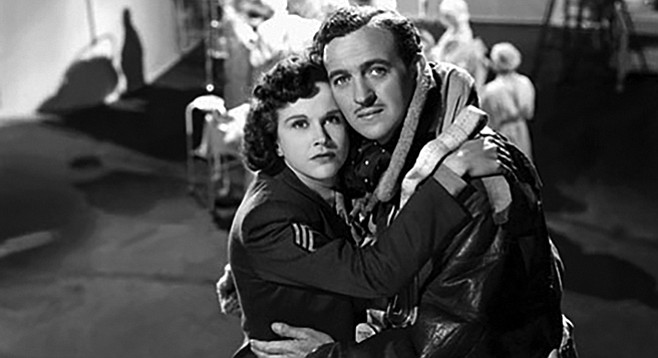
Before British airman Peter Carter (David Niven) jumps without a parachute from his damaged plane, he shares a brief but sincere conversation with an American radio operator named June (Kim Hunter). Somehow, he survives and wakes uninjured on the English shore the next day, quickly seeking out June to begin a relationship with this unexpected chance at life. However, the “Other World” realizes Carter should have died if not for the thick fog that kept his Conductor (Marius Goring, playing extremely French) from collecting him. While a doctor (Roger Livesey) investigates the survivor for brain damage, Carter must appeal to have his life extended, citing his newfound love of June and eventually appearing before a celestial courtroom to plead his case.

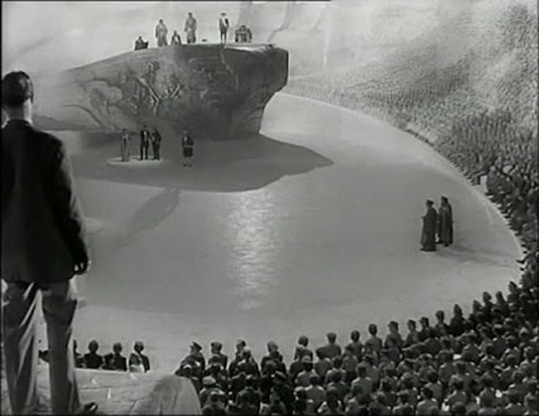
Considering I had never heard of it before last year, A Matter of Life and Death was actually a fascinating watch, one whose influence was present even when I didn’t recognize it. For example, the early conversation between Peter and June over the radio before his expected demise was definitely echoed at the end of Captain America: The First Avenger, and Bill and Ted’s Bogus Journey featured a suspiciously similar staircase lined with statues of famous people. However, the biggest inspiration borrower goes to last year’s Soul. Just like Inside Out was not without precedent (Herman’s Head, anyone?), Soul undoubtedly borrowed some of this film’s imagery, from the escalator slowly ascending to “another world” that is never explicitly called heaven to the large round portals that celestial workers look down through to view Earth below, not to mention the repeated name-dropping of famous historical figures. That’s not a slight, of course; I still love Soul, more than this film to be honest, but I enjoy being able to recognize cinematic influences. If anything, it helps me appreciate both the borrower and the original source even more.

See the source image

That being said, A Matter of Life and Death struggles at times to make the pacing as engaging as its script and imaginative imagery. I know it’s not uncommon in these old movies, but I found it a little hard to swallow that Peter and June would be all lovey-dovey, calling each other “darling,” immediately after meeting in person for the first time, a stretch that comes up in the trial too. Plus, the middle section loses some steam as the plot switches between Goring’s French aristocrat explaining things to Carter and the minutiae of the doctor’s theory about Carter’s medical condition. Similar to yesterday’s Blindspot Anthem of the Heart, there’s intentional doubt as to whether Carter’s celestial deadline and trial are actually real or all in his head, the result of a deteriorating brain injury. The ambiguity is handled better here, allowing enough room for either theory to be true or both even.

When the film really gets intriguing is during the trial of the last third, when a host of thought-provoking themes parade throughout the legal arguments. The prosecutor is an American killed during the Revolutionary War, whose belief in American exceptionalism is matched only by his prejudice against the British, Carter included. While I feel like the film spent more time than needed on the prejudice angle, it was a fascinating debate, with discussions of Britain’s checkered colonial history, America’s melting pot population, and the role of racism in deciding on one’s character. On top of that, the film is rife with poetry, inventive camerawork, and a rare mixture of black-and-white and color, leaving the Other World in pearly whites and shadows while Earth enjoys Technicolor, sort of a reversal of The Wizard of Oz.

See the source image

There’s quite a bit to appreciate about A Matter of Life and Death, and I feel that further viewings could make me admire it even more. Yet despite its dewy-eyed romance, it’s more cerebral than the sentimentality of It’s a Wonderful Life, which has also benefited from my watching it every year as both a Christmas favorite and my dad’s favorite film ever. One viewing didn’t make this an instant favorite for me personally (which could change in the future), but A Matter of Life and Death deserves its reputation and even greater exposure to American audiences.

Best line: (Abraham Farlan, the prosecutor) “You claim you love her.”
(Peter Carter) “I do love her!”
(Farlan) “Can you prove it?”
(Carter) “Well, give me time, sir. Fifty years will do.”
(Farlan) “But can you prove it?”
(Carter) “Well, can a starving man prove he’s hungry except by eating?”
(Farlan) “Would you die for her?”
(Carter) “I would, but, er, I’d rather live.”

Rank:  List Runner-Up

© 2021 S.G. Liput
748 Followers and Counting
2021 Blindspot Pick #10: The Anthem of the Heart (2015)

28 Tuesday Dec 2021

Posted by sgliput in Blindspot, Movies, Poetry, Reviews, Writing

≈ Leave a comment

Tags

Animation, Anime, Drama, Romance

See the source image

If pens are mightier than swords,
Then speaking what they write is too.
And words no pen or page records
Can leave impressions deep and true
While those who spoke them have no clue.

Invisible, words plant their seeds,
Perhaps to not mature for years.
The flowers can be choked by weeds,
From tactless slurs to whispered fears
That did not settle on deaf ears.

We cannot know their full result
And may not live to see them grow,
But whether child or adult,
Our words outlive us here below.
Beware the seeds that you bestow.
___________________________

MPA rating:  Not Rated (a safe PG for light innuendo)

I always like to include at least one anime in my Blindspots, and this is one that I had just never gotten around to watching. The Anthem of the Heart has a strong pedigree with scintillating animation from A-1 Pictures and a screenplay from the queen of emotions herself Mari Okada (who would go on to direct the heart-shattering Maquia). It’s a sweet and sad story that ends up being much more of a teenage romance than a fantasy, and there’s something endearing about its simplicity.

See the source image

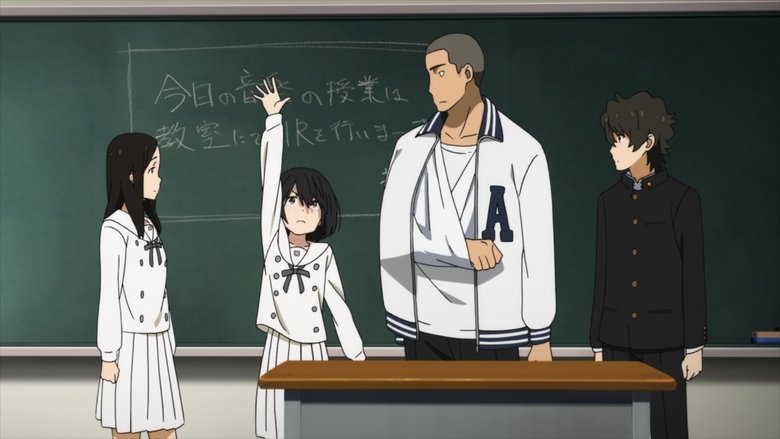
When Jun Naruse was a young girl, she caught sight of her father exiting a love hotel with another woman, and he outright blames her when her big mouth leads to her parents’ divorce. Overcome with guilt, she encounters an egg-like prince who offers to curse her and prevent her from ever hurting others with her words. Years later in high school, Naruse is known in her class and neighborhood for never speaking. When a teacher encourages her and three other classmates to collaborate on a community outreach event, they end up putting on a musical, and Naruse learns that the curse does not limit her when she tries singing her feelings, which include a growing crush on one of her new friends.

Like Sunshine on Leith, I feel like this is a film I ought to love more than I did, what with the lovely animation and the plotline of putting on a musical, which includes original lyrics added to familiar tunes like “Greensleeves” and “Over the Rainbow.” There’s a half-hearted effort at planting doubt as to whether Naruse’s condition is truly fantastical or simply a psychosomatic result of her childhood guilt, and the result is underwhelming albeit more realistic. Likewise, the love triangle/square between Naruse and some of her classmates indulges in dramatic clichés while also trying to buck them in a way that does satisfy but not in the expected way, accentuating the theme that the real world is messier than fairy tales.

See the source image

Nevertheless, The Anthem of the Heart had its fair share of strong and sincere emotions, with the climax giving me chills the way good musical drama does. Naruse’s concern about words hurting others affects more than just her story, and I liked the way it influences the supporting characters and helps her come out of her shell. The film ends up feeling like a small-scale story worth telling, one that probably would not have gotten as much love and detail put into it outside of the world of anime. It may not be a new favorite of mine, but I certainly hope to see more like it.

Best line: (Naruse) “Don’t tell people to disappear like it’s nothing. Words can hurt people. You can’t ever… You can’t ever take them back! Even if you regret, you can never take them back.”

Rank:  List Runner-Up

© 2021 S.G. Liput
748 Followers and Counting
Spider-Man: No Way Home (2021)

27 Monday Dec 2021

Posted by sgliput in Movies, Poetry, Reviews, Writing

≈ 1 Comment

Tags

Action, Comedy, Drama, Sci-fi, Superhero, Thriller

See the source image

Two worlds diverged in a multiverse,
And neither could know a single choice
Had split their fates to so disperse,
One to grieve, the other rejoice,
But which was better, which was worse?

The first was practical and straight,
Made sense for me and claimed its spoils.
My life it did not complicate
But ruined others’ mortal coils,
Which one could easily blame on fate.

The second took a rougher course,
With heartache sighing “them’s the breaks.”
Others prospered, while remorse
Reminded me of those mistakes
That all accept but none endorse.

If I could see the consequence
From some perspective few attain,
The world that thrived at my expense
Is the only choice I’d entertain,
If I could make all the difference.
_________________________________

MPA rating: PG-13

I think it’s safe to say that Spider-Man: No Way Home is the biggest movie since Avengers: Endgame, in both box office totals and audience enthusiasm. After months of speculation and leaks (which I did my best to avoid), the third entry in Tom Holland’s MCU trilogy promised the franchise’s first real exploration of the multiverse and its infinite possibilities, and it thankfully delivered on the Christmas hopes and dreams of countless fans, me included.

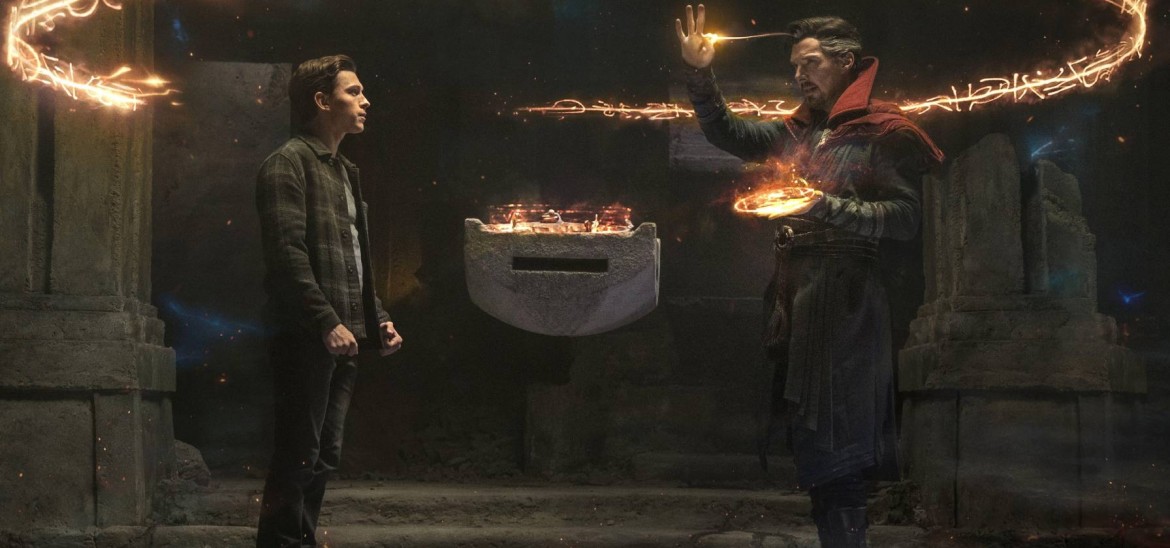
Picking up right where Far from Home left off, with Mysterio posthumously revealing Spider-Man’s true identity, Peter Parker’s life is turned upside down with haters, fans, and consequences ruining his and his friends’ chances at a normal future. When he seeks the help of Dr. Strange (Benedict Cumberbatch), their attempt to overwrite the collective memory of Spider-Man’s identity instead tears a hole in the multiverse, allowing in familiar characters from past Spider-Man films. It becomes apparent to Peter that the interloping baddies, including Doc Ock (Alfred Molina), Green Goblin (Willem Dafoe), and Electro (Jamie Foxx) among others, are equally in need of saving as the people they threaten, and he must make some hard decisions to help everyone he can.

See the source image

With the walls of the multiverse being punched through, Spider-Man: No Way Home is also the biggest all-out geek-fest since Endgame while also being similarly engrossing but easier to absorb than the multiversal mashup of Into the Spider-Verse. I’ve read critical complaints over the rowdiness of audience members, but I thoroughly enjoyed my theater experience, with fanboys periodically whooping or cheering when awaited characters appeared or knowing references were dropped. Huge credit is due to the cast members returning from past movies, particularly Molina and Dafoe, who effortlessly channel their villainous personas as if it hasn’t been over fifteen years. And while I won’t outright spoil what is perhaps Hollywood’s best-kept open secret, I’ll just say that the film manages to grant closure to the two prior Spider-Man series in a satisfying way that only made me want even more.

One thing that No Way Home has in common with its Spider-predecessors is how its superhero must grapple with the weight of his own mistakes, and this film easily has the biggest stakes of Holland’s solo tenure in the MCU. Over the years, Spider-Man has had his fair share of tragedy, and I feel like the way he responds to it is a key part of what makes him such a universally appealing character. Here, Holland proves his selflessness in trying to assist villains who seemed beyond help in their prior appearances, his belief in second chances being tested to its limit. And through it all, Holland continues to be a wholly endearing Peter Parker with Zendaya’s MJ and Jacob Batalon’s Ned forming a tight group that I hope to see again in future movies. And anyone who wanted to see a Spider-Man/Dr. Strange fight will undoubtedly be satisfied.

See the source image

If I had to come up with a negative or two, I suppose my expectations were so high that I perhaps wish there had been even more multiverse-enabled cameos, like a glimpse into the aftermath of the other universes. Plus, as much as the film is concerned with handing out happy endings, it was a shame that one character ended up with the short end of the stick, for now at least. Even so, Spider-Man: No Way Home is a comic book movie nerd’s fantasy-come-true. It clearly depends on knowledge of the previous five Spider-Man films for full appreciation (and the mid-credits scene feels a bit shoehorned in), but No Way Home ranks among the best installments of the Marvel Cinematic Universe, an enjoyable ride twenty years in the making.

Best line: (classic in every way) “With great power, there must also come great responsibility.”

Rank:  List-Worthy (joining the previous Holland Spidey films)

© 2021 S.G. Liput
748 Followers and Counting
← Older posts
Newer posts →

Recent Posts

  • We Didn’t Start 2025 (Recap)
  • NaPoWriMo 2025 Recap (Finally)
  • Sonic the Hedgehog 3 (2024)
  • It Happened One Night (1934)
  • Spellbound (2024)

Recent Comments

associatesofshellymann's avatarassociatesofshellyma… on My Top Twelve La La La So…
Kit's avatarKit Nichols on Bonnie and Clyde (1967)
lifelessons's avatarlifelessons on Look Back (2024)
Carol Jackson's avatarCarol Jackson on The Thief of Bagdad (1940…
Stephen's avatarStephen on Love Story (1970)

Archives

  • January 2026
  • December 2025
  • May 2025
  • April 2025
  • March 2025
  • February 2025
  • January 2025
  • December 2024
  • May 2024
  • April 2024
  • March 2024
  • February 2024
  • January 2024
  • December 2023
  • November 2023
  • October 2023
  • September 2023
  • July 2023
  • June 2023
  • May 2023
  • April 2023
  • March 2023
  • February 2023
  • January 2023
  • December 2022
  • November 2022
  • October 2022
  • September 2022
  • August 2022
  • July 2022
  • June 2022
  • May 2022
  • April 2022
  • March 2022
  • February 2022
  • January 2022
  • December 2021
  • November 2021
  • October 2021
  • September 2021
  • August 2021
  • July 2021
  • June 2021
  • May 2021
  • April 2021
  • March 2021
  • February 2021
  • January 2021
  • December 2020
  • November 2020
  • October 2020
  • September 2020
  • August 2020
  • July 2020
  • June 2020
  • May 2020
  • April 2020
  • March 2020
  • February 2020
  • January 2020
  • December 2019
  • November 2019
  • October 2019
  • September 2019
  • August 2019
  • July 2019
  • June 2019
  • May 2019
  • April 2019
  • March 2019
  • February 2019
  • January 2019
  • December 2018
  • November 2018
  • October 2018
  • September 2018
  • August 2018
  • July 2018
  • June 2018
  • May 2018
  • April 2018
  • March 2018
  • February 2018
  • January 2018
  • December 2017
  • November 2017
  • October 2017
  • September 2017
  • August 2017
  • July 2017
  • June 2017
  • May 2017
  • April 2017
  • March 2017
  • February 2017
  • January 2017
  • December 2016
  • November 2016
  • October 2016
  • September 2016
  • August 2016
  • July 2016
  • June 2016
  • May 2016
  • April 2016
  • March 2016
  • February 2016
  • January 2016
  • December 2015
  • November 2015
  • October 2015
  • September 2015
  • August 2015
  • July 2015
  • June 2015
  • May 2015
  • April 2015
  • March 2015
  • February 2015
  • January 2015
  • December 2014
  • November 2014
  • October 2014
  • September 2014
  • August 2014
  • July 2014
  • June 2014
  • May 2014
  • April 2014
  • March 2014
  • February 2014
  • January 2014
  • December 2013

Categories

  • Blindspot
  • Blogathon
  • Christian
  • Movies
  • Music
  • NaPoWriMo
  • Poetry
  • Reviews
  • TV
  • Writing

Meta

  • Create account
  • Log in
  • Entries feed
  • Comments feed
  • WordPress.com

Recent Posts

  • We Didn’t Start 2025 (Recap)
  • NaPoWriMo 2025 Recap (Finally)
  • Sonic the Hedgehog 3 (2024)
  • It Happened One Night (1934)
  • Spellbound (2024)

Recent Comments

associatesofshellymann's avatarassociatesofshellyma… on My Top Twelve La La La So…
Kit's avatarKit Nichols on Bonnie and Clyde (1967)
lifelessons's avatarlifelessons on Look Back (2024)
Carol Jackson's avatarCarol Jackson on The Thief of Bagdad (1940…
Stephen's avatarStephen on Love Story (1970)

Archives

  • January 2026
  • December 2025
  • May 2025
  • April 2025
  • March 2025
  • February 2025
  • January 2025
  • December 2024
  • May 2024
  • April 2024
  • March 2024
  • February 2024
  • January 2024
  • December 2023
  • November 2023
  • October 2023
  • September 2023
  • July 2023
  • June 2023
  • May 2023
  • April 2023
  • March 2023
  • February 2023
  • January 2023
  • December 2022
  • November 2022
  • October 2022
  • September 2022
  • August 2022
  • July 2022
  • June 2022
  • May 2022
  • April 2022
  • March 2022
  • February 2022
  • January 2022
  • December 2021
  • November 2021
  • October 2021
  • September 2021
  • August 2021
  • July 2021
  • June 2021
  • May 2021
  • April 2021
  • March 2021
  • February 2021
  • January 2021
  • December 2020
  • November 2020
  • October 2020
  • September 2020
  • August 2020
  • July 2020
  • June 2020
  • May 2020
  • April 2020
  • March 2020
  • February 2020
  • January 2020
  • December 2019
  • November 2019
  • October 2019
  • September 2019
  • August 2019
  • July 2019
  • June 2019
  • May 2019
  • April 2019
  • March 2019
  • February 2019
  • January 2019
  • December 2018
  • November 2018
  • October 2018
  • September 2018
  • August 2018
  • July 2018
  • June 2018
  • May 2018
  • April 2018
  • March 2018
  • February 2018
  • January 2018
  • December 2017
  • November 2017
  • October 2017
  • September 2017
  • August 2017
  • July 2017
  • June 2017
  • May 2017
  • April 2017
  • March 2017
  • February 2017
  • January 2017
  • December 2016
  • November 2016
  • October 2016
  • September 2016
  • August 2016
  • July 2016
  • June 2016
  • May 2016
  • April 2016
  • March 2016
  • February 2016
  • January 2016
  • December 2015
  • November 2015
  • October 2015
  • September 2015
  • August 2015
  • July 2015
  • June 2015
  • May 2015
  • April 2015
  • March 2015
  • February 2015
  • January 2015
  • December 2014
  • November 2014
  • October 2014
  • September 2014
  • August 2014
  • July 2014
  • June 2014
  • May 2014
  • April 2014
  • March 2014
  • February 2014
  • January 2014
  • December 2013

Categories

  • Blindspot
  • Blogathon
  • Christian
  • Movies
  • Music
  • NaPoWriMo
  • Poetry
  • Reviews
  • TV
  • Writing

Meta

  • Create account
  • Log in
  • Entries feed
  • Comments feed
  • WordPress.com

Blog at WordPress.com.

  • Subscribe Subscribed
    • Rhyme and Reason
    • Join 814 other subscribers
    • Already have a WordPress.com account? Log in now.
    • Rhyme and Reason
    • Subscribe Subscribed
    • Sign up
    • Log in
    • Report this content
    • View site in Reader
    • Manage subscriptions
    • Collapse this bar
 

Loading Comments...