Here we are once again on the cusp of another April, and with it, National/Global Poetry Writing Month and the annual poem-a-day challenge! I really thought the start of this year would be different for my posting schedule, but I have again been plagued by writer’s block, or rather preoccupation with the musical I’m writing, which leaves little mental room for movie reviews. But this month, NaPoWriMo will have my full attention, and I have a nice backlog of movies to match with the daily prompts from the NaPoWriMo website.
So here’s hoping that this month will be the inspiration outlet it has been in the past! No guarantees that I can keep up with that poem-and-review-a-day cadence, but I’ll do my best. I invite anyone else out there to take part in NaPoWriMo as well; it’s always a highlight of the year for poets and poetry fans!
Every life is a movie in pre-pre-production, Awaiting the blockbuster stars and bestsellers. We live building lives that await deconstruction, In hopes we’ll get one of the good storytellers.
The artists and soldiers and key politicians, The dazzling minds are all ripe for the picking. They’ll woo the awards with their subtle omissions And screw their renown to the places worth sticking.
But what of us peasants who lack reputations, In search of that hook of the story to sell it? I think even your life is worth celebrations. My friends, it depends upon how well you tell it. _______________________
MPAA rating: Not Rated (PG-13 seems right, due to some sexual content)
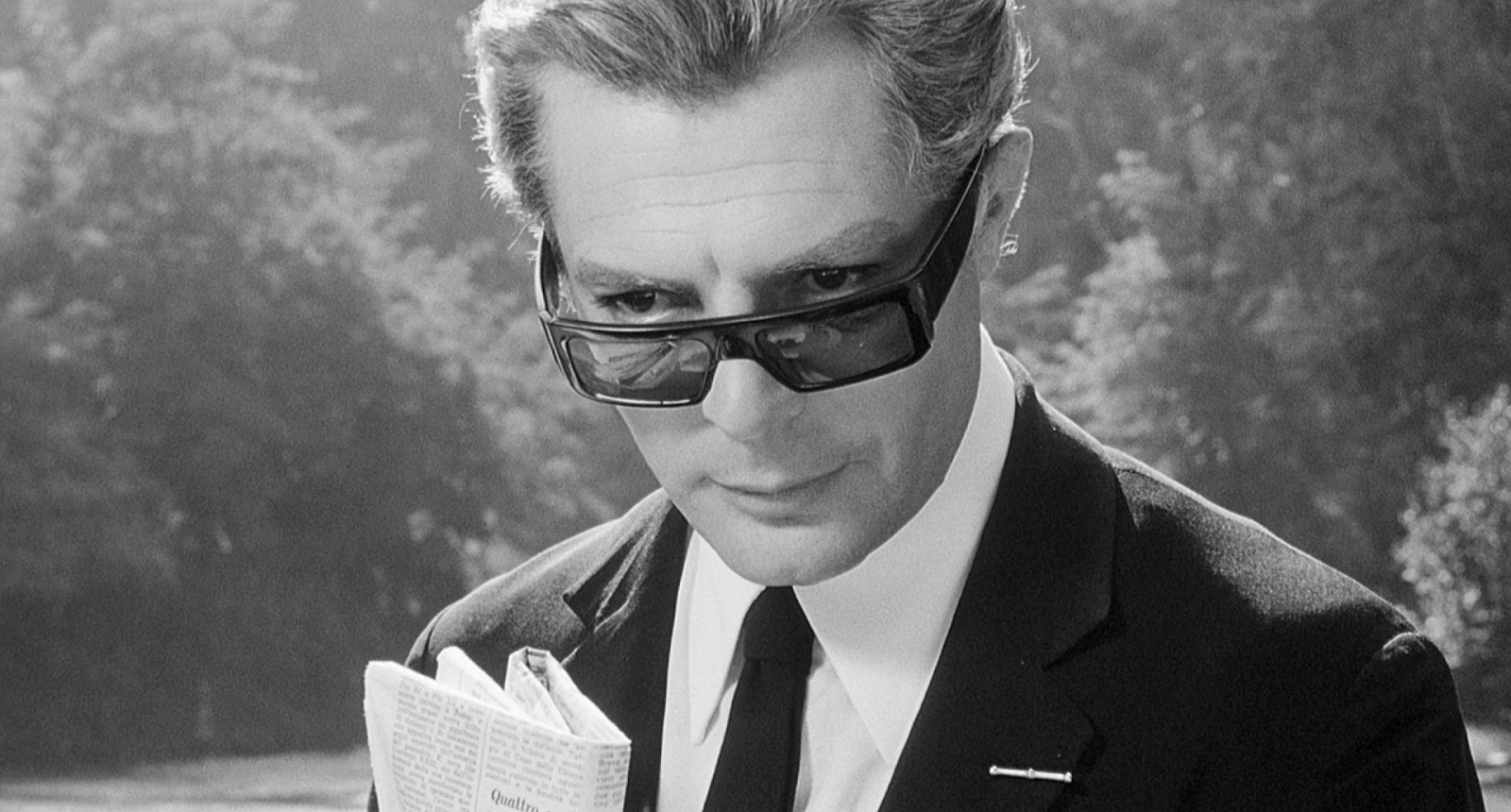
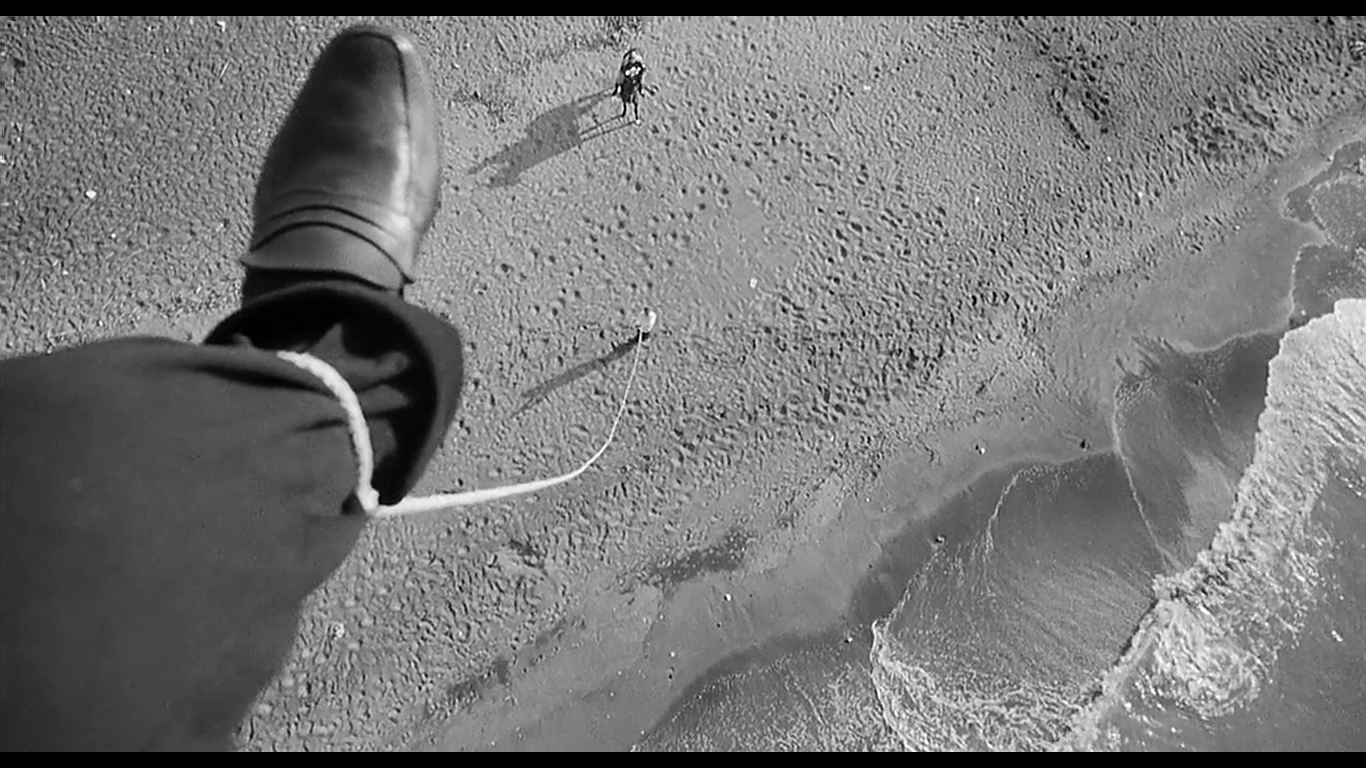
I included Federico Fellini’s 8½ on last year’s Blindspot list for the same reason as I watched 2001 or Bicycle Thieves, because it’s one of those films that any self-proclaimed cinephile is supposed to see. Sitting through two-plus hours of an Italian director’s introspection and daydreaming isn’t exactly my idea of a good time, but 8½ has had such an impact on these kinds of life-summarizing stories that it’s worth watching if only for historical value. And, this being my first foray into Fellini’s filmography, I can certainly appreciate his eye for framing and innovative non-linear structure, fueled by self-analysis and dream logic.
The avant-garde plot follows Fellini’s self-insert, Italian director Guido Anselmi (Marcello Mastroianni), as he struggles to focus on directing an ambitious sci-fi opus that increasingly mirrors his own life and churning emotions. It weaves in and out of Guido’s past and present, particularly his relationships with various women, from his mistrusting wife (Anouk Aimée) and her level-headed friend (Rosella Falk) to Guido’s brazen mistress (Sandra Milo) and a prostitute known as La Saraghina (Eddra Gale), who danced for him and his friends when he was a child. Throughout the runtime, Guido wrestles with his strained relationship with the Catholic Church, the weight of expectation for his increasingly expensive film project, and what he wants out of female love, the last theme epitomized in an extended sequence where he fantasizes a harem of all the women in his life worshiping him before inevitably rebelling against his tyranny.
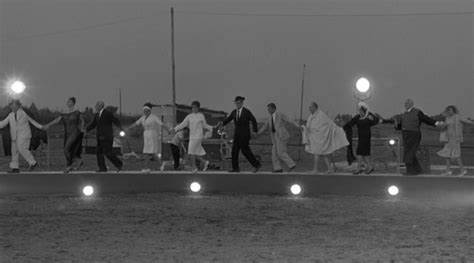
I know I’m supposed to fawn over Fellini and how his filmmaking is a surreal monument of life affirmation (which I suppose it is), but I must admit that I also found it rather boring and self-absorbed, the kind of art meant for critics rather than the common man. There is still plenty to appreciate, particularly the script’s incisive musings on the creative process and the final scene that makes a lovely metaphor for life itself, which has been emulated by other life-encapsulating features like All That Jazz. Perhaps I just wasn’t in the right frame of mind to fully connect with the artistry of 8½; it’s the sort of film that I’m glad to have seen but don’t plan to rewatch any time soon.
Best line: (Guido, to his dream harem) “My dears, happiness consists of being able to tell the truth without hurting anyone.”