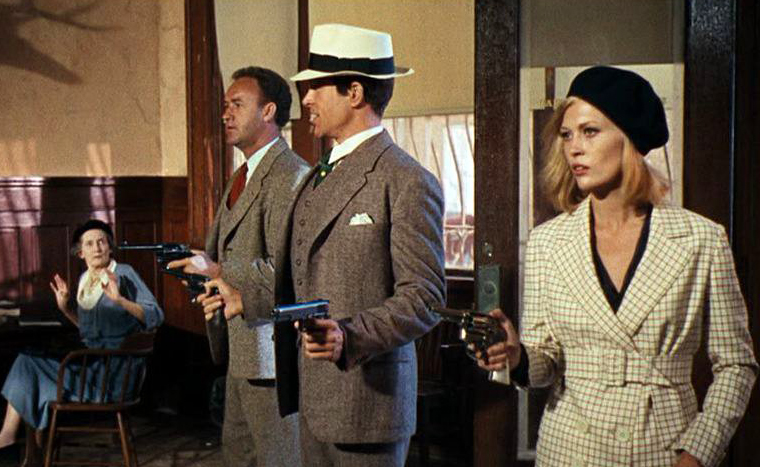
(For Day 19 of NaPoWriMo, the prompt was for a story poem “in the style of a blues song or ballad,” and the mention of crimes and murder ballads brought to mind this classic.)
The money could run and the tellers could hide,
But that meant fun for Bonnie and Clyde.
Never was a danger from which they shied.
Ride or die were Bonnie and Clyde.
The banks would quail at the loss of pride,
Left in the trail of Bonnie and Clyde.
Withdrawals like theirs couldn’t be denied;
Ride or die were Bonnie and Clyde.
Warn all the wimps and stay inside
If you get a glimpse of Bonnie and Clyde.
Quick with a trigger and wild-eyed,
Ride or die were Bonnie and Clyde.
Gotta get caught to be cuffed and tried,
And they were not, not Bonnie and Clyde.
Famed and feared both far and wide,
Ride or die were Bonnie and Clyde.
King and queen of the homicide,
None came between ol’ Bonnie and Clyde.
Couldn’t last long till they lost their stride;
Ride and die did Bonnie and Clyde.
_______________________
MPA rating: R (for violence, though closer to PG-13 by today’s standards)
I saw Bonnie and Clyde more out of deference for its reputation than personal interest, since I’m not typically a fan of crime films known for their violence. (This was before the passing of Gene Hackman that made the recent watch even more worthwhile.) But I was very pleasantly surprised.
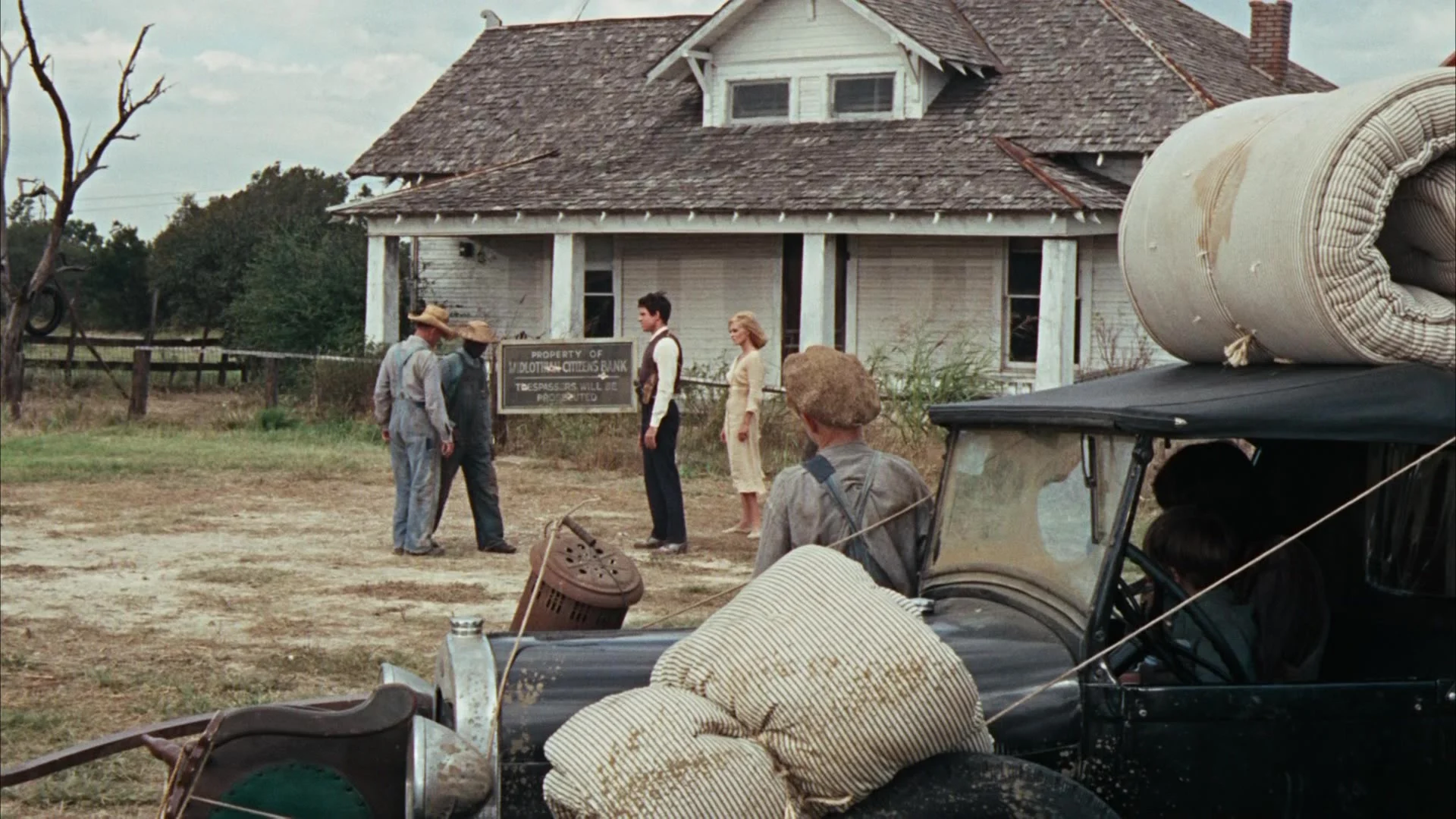
Faye Dunaway’s Bonnie Parker and Warren Beatty’s Clyde Barrow are quintessential anti-heroes, earning sympathy with their romantic chemistry and Depression-relevant targeting of banks yet allowing their bad choices to spiral further and further into infamy. They eventually form a gang with Clyde’s brother Buck (Hackman), Buck’s excitable wife Blanche (Estelle Parsons), and a mechanic accomplice C. W. Moss (Michael J. Pollard), terrorizing the countryside and evading the law, for a while at least.
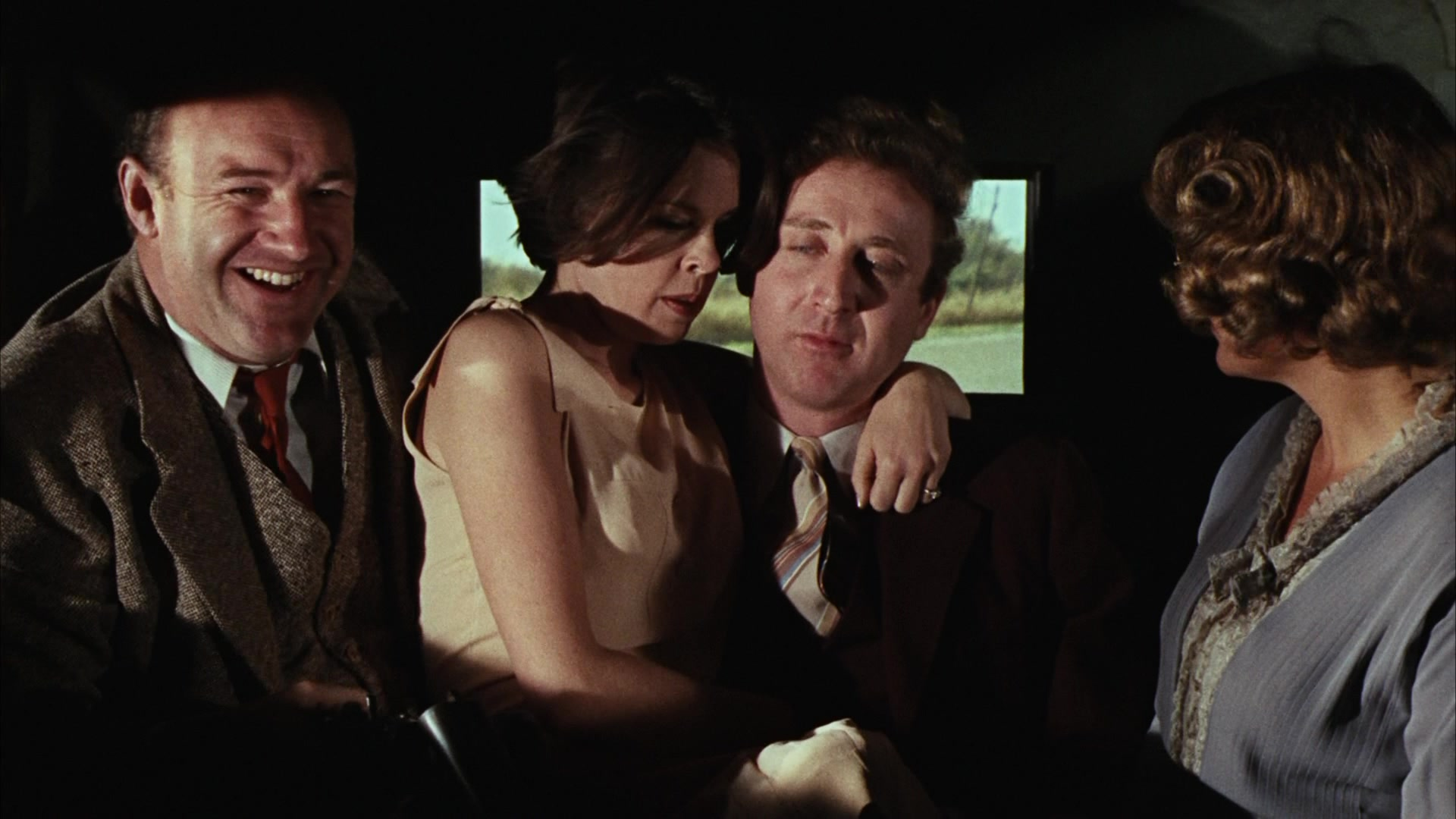
The film is full of little moments that make the characters more than one-dimensional villains, like the head-butting between Bonnie and Blanche or the brief kidnapping of a young couple (including Gene Wilder in his film debut) that reveals Bonnie’s aversion to any reminder of death. Bonnie’s brief reunion with her mother (Mabel Cavitt, a local extra chosen for the role) especially brings home how much their crime spree has ruined a chance at a normal life, something with which they may never have been satisfied anyway. I also quite liked the inclusion of a poem the real Bonnie Parker wrote about themselves, which would have made my Poems in Movies list had I known about it then.
Bonnie and Clyde is famous for its taboo-breaking depiction of violence, though it’s quite tame compared with even TV shows these days, and it serves the story well, especially in the famous final scene. The film is also beautifully shot, and all the major performances excel and were Oscar-nominated, though Estelle Parsons (probably the weakest link) was the only one to win, along with the cinematography. Combining history, romance, and tragedy, Bonnie and Clyde certainly deserves its status as a classic.
Best line: (Clyde, responding to Bonnie’s poem) “You know what you done there? You told my story, you told my whole story right there, right there. One time, I told you I was gonna make you somebody. That’s what you done for me. You made me somebody they’re gonna remember.”
Rank: List Runner-Up
© 2025 S.G. Liput
806 Followers and Counting