(I’m catching up after the fact, but for Day 15 of NaPoWriMo, the prompt was for a six-line poem characterized by simple language and enthusiasm, so I focused on the film itself this time.)
I played the games when I was young. I guess I’ll go watch the movie. Looks fun. It’s not as if I’ve been waiting for this, But all my friends saw it. I don’t want to miss The tragic backstory, Jim Carrey’s full glory, ooh, that scene was peak! Shut up, I’m no geek…. ______________________
MPA rating: PG
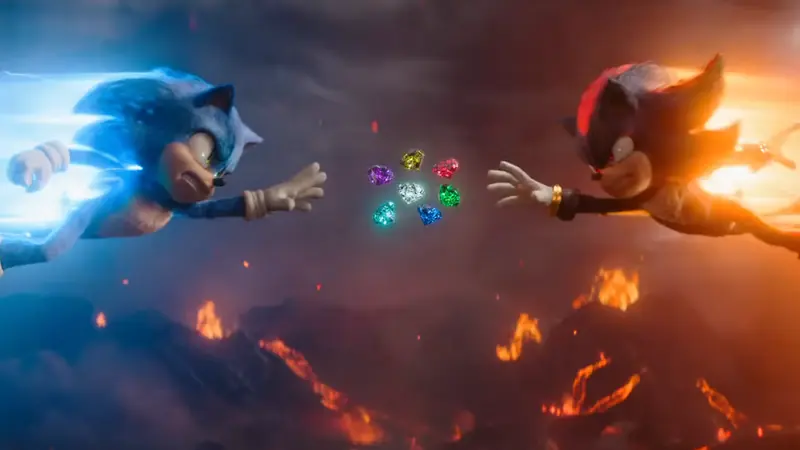
It honestly feels like a minor miracle that the Sonic the Hedgehog franchise has translated to the big screen as well as it has. It seemed as if it would be a bomb on arrival after the poorly received initial design for the title character, but three live-action movies and a streaming show later, it’s proven to be remarkably fun. In this third outing (did I never review the sequel? Guess not.), a powerful black and red hedgehog called Shadow (Keanu Reeves) is freed from decades-long imprisonment and embarks on a spree of vengeance, leading Sonic (Ben Schwartz), Tails (Colleen O’Shaughnessey), and Knuckles (Idris Elba) to team with the non-shockingly not dead Dr. Robotnik (Jim Carrey) to bring him down.
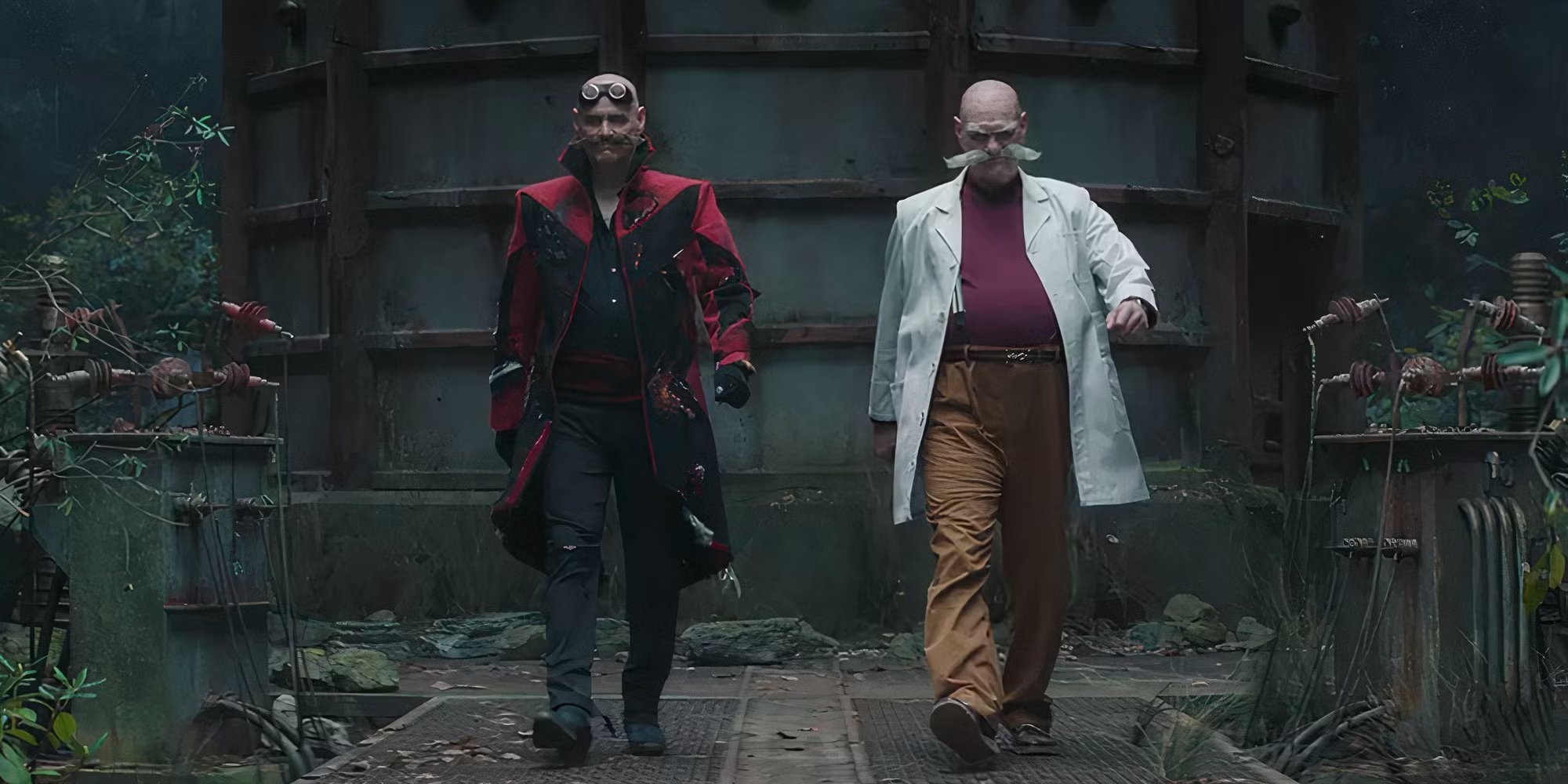
While the Knuckles series got rather dumb as it dragged out, the movies have found the right secret sauce for Team Sonic, with Sonic’s quippy super-speed antics bouncing well off of Tails’ earnest tech support and Knuckles’ headstrong aggression. Add in a self-serious straight man in the form of Shadow, a villain very much in the mold of Mewtwo from Pokémon, and the film is able to find a surprising balance between silly action and emotional stakes. It also helps that James Marsden and Tika Sumpter as Sonic’s adoptive parents are given more to do this time, while Jim Carrey pulls eccentric double duty as both the returning mad scientist Ivo Robotnik and his even madder grandfather Gerald.
Sonic the Hedgehog 3 gives every indication that this franchise has the potential to keep getting better, with yet another character from the games teased at the end for a sequel. One dance scene between the Robotniks will no doubt go down as one of Carrey’s finest and most hilarious moments and well worth his return from retirement. And though there’s nothing revolutionary about the plot or themes, the overall entertainment value makes this a film to please nostalgic nerds and present kids alike.
Best line: (Shadow) “The light shines, even though the star is gone.”
(For Day 30 of NaPoWriMo, the prompt was for a poem about hearing a band or song throughout one’s lifetime. Based on a scene from this film, I went with the classic “The Man on the Flying Trapeze,” so the poem can be sung to that tune. This might be the end of the month, but I’ve missed I think three days so I’ll be catching up before calling it quits.)
Remember that song we sang on the bus When life was just you and me and not us? My voice was drowned out by the crowd (‘twas a plus), But yours, like a bell, had me reeling.
I hear it, years later, but clearly To the sound of cans dragging behind. The bouquet had been thrown, and we weren’t on our own, And we sang with our voices combined.
Oh, we warble it still on the road all the time, And though my voice borders on audial crime, You still sound as sweet as you did in your prime. So one more time, honey, with feeling! _________________________
MPA rating: Approved (G-level)
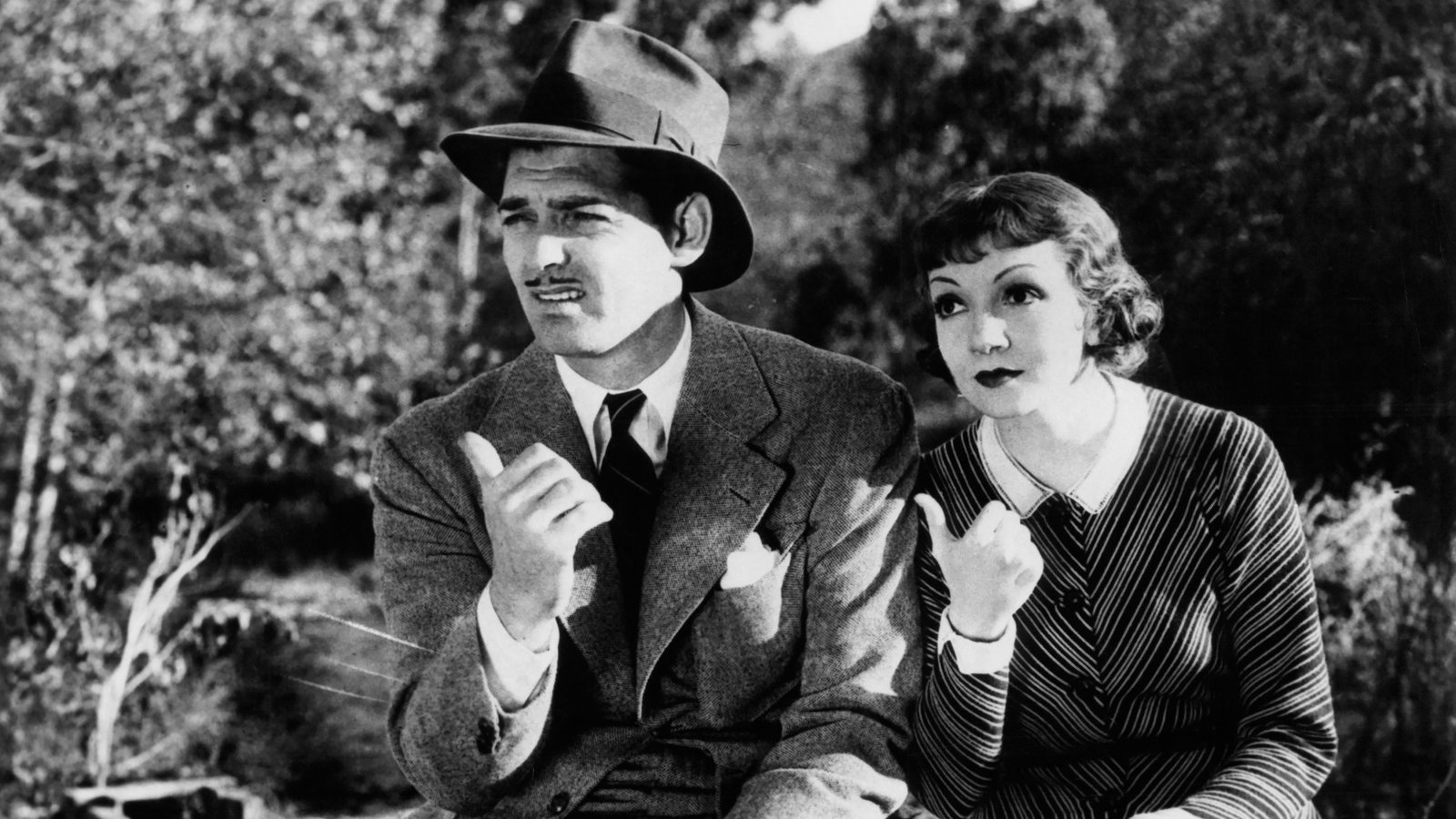
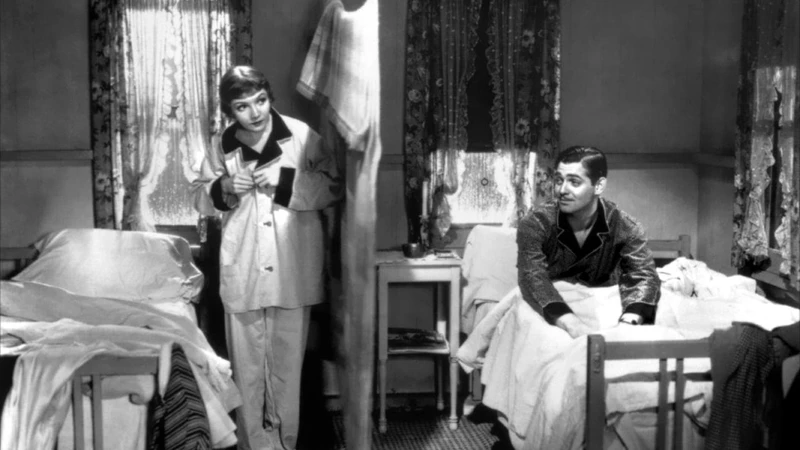
Another Oscar-season showing from TCM, It Happened One Night is still fondly regarded today as a Frank Capra classic, so I was curious if the Best Picture winner of 1934 would hold up and, for the most part, it does. Claudette Colbert plays spoiled heiress Ellie Andrews, who elopes against her father’s wishes and then goes on the lam as he puts up a reward for her return. She is found by beleaguered newspaper reporter Peter Warne (Clark Gable), who helps her in exchange for covering her story, and the two gradually grow closer along their travel misadventures. Both actors also won Oscars, as did the screenplay and Capra as director.
Any film this old is going to be somewhat dated, but the banter between Peter and Ellie feels more natural than a lot of other repartee from the era, like the flowery dialogue of Double Indemnity or the pretentious quips of The Philadelphia Story. It’s fun to watch the beauty Colbert humbled by the travails of being on the road, while Gable bears the bulk of the film’s charm on his back, proving it was second nature for him to play an appealing rogue even five years before Gone with the Wind. From the running joke of “the walls of Jericho” to Colbert’s famous hitchhiking scene, the film stays amusing without going silly with its screwball comedy, and I was surprised by a scene toward the end that was blatantly borrowed by Spaceballs, a testament to its influence. While I didn’t think It Happened One Night rose to the level of greatness I’ve seen critics ascribe to it, it’s an excellent early rom com that further proves the talents of Gable and Capra.
Best line: (Ellie’s father Alexander, to Peter) “Do you love her?” (Peter) “A normal human being couldn’t live under the same roof with her without going nutty! She’s my idea of nothing!” (Alexander) “I asked you a simple question! Do you love her?” (Peter) “Yes! But don’t hold that against me, I’m a little screwy myself!”
(For Day 28 of NaPoWriMo, the prompt was for a poem about “music at a ceremony or event of some kind,” like for instance a birthday.)
“Happy Birthday!” everyone sang. The sound of unity in my ears rang. Everyone loved me, at least for a song That needed more verses to feel at all long, And oh, how I wished, as the candles were blown, That mom would stop yelling and put down her phone And dad would stop cursing and pointing his finger, That both would just stay as a smiling singer And love me enough to not hate one another. Not too much to ask for a father and mother. I knew what would happen but blew all the same. Then maybe the candles would carry the blame. _____________________
MPA rating: PG
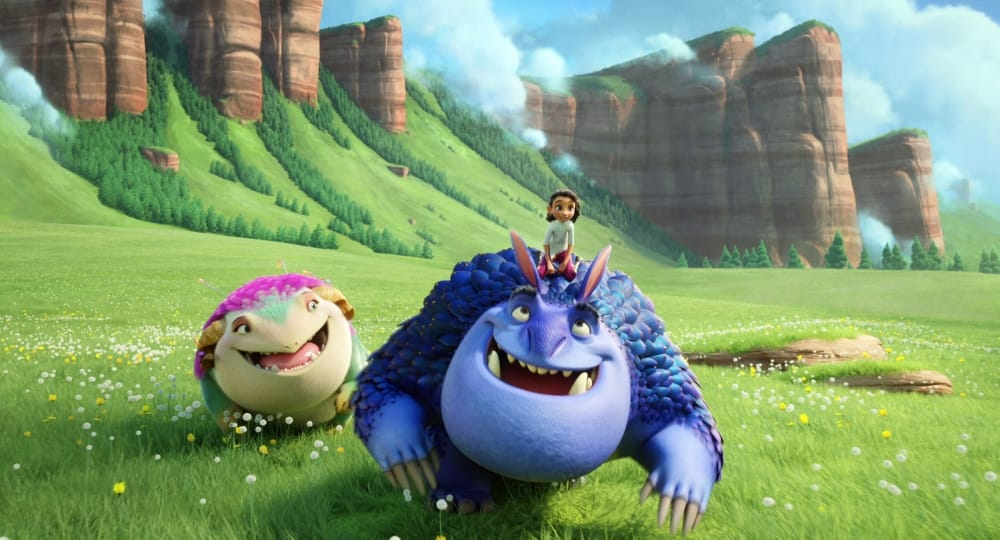
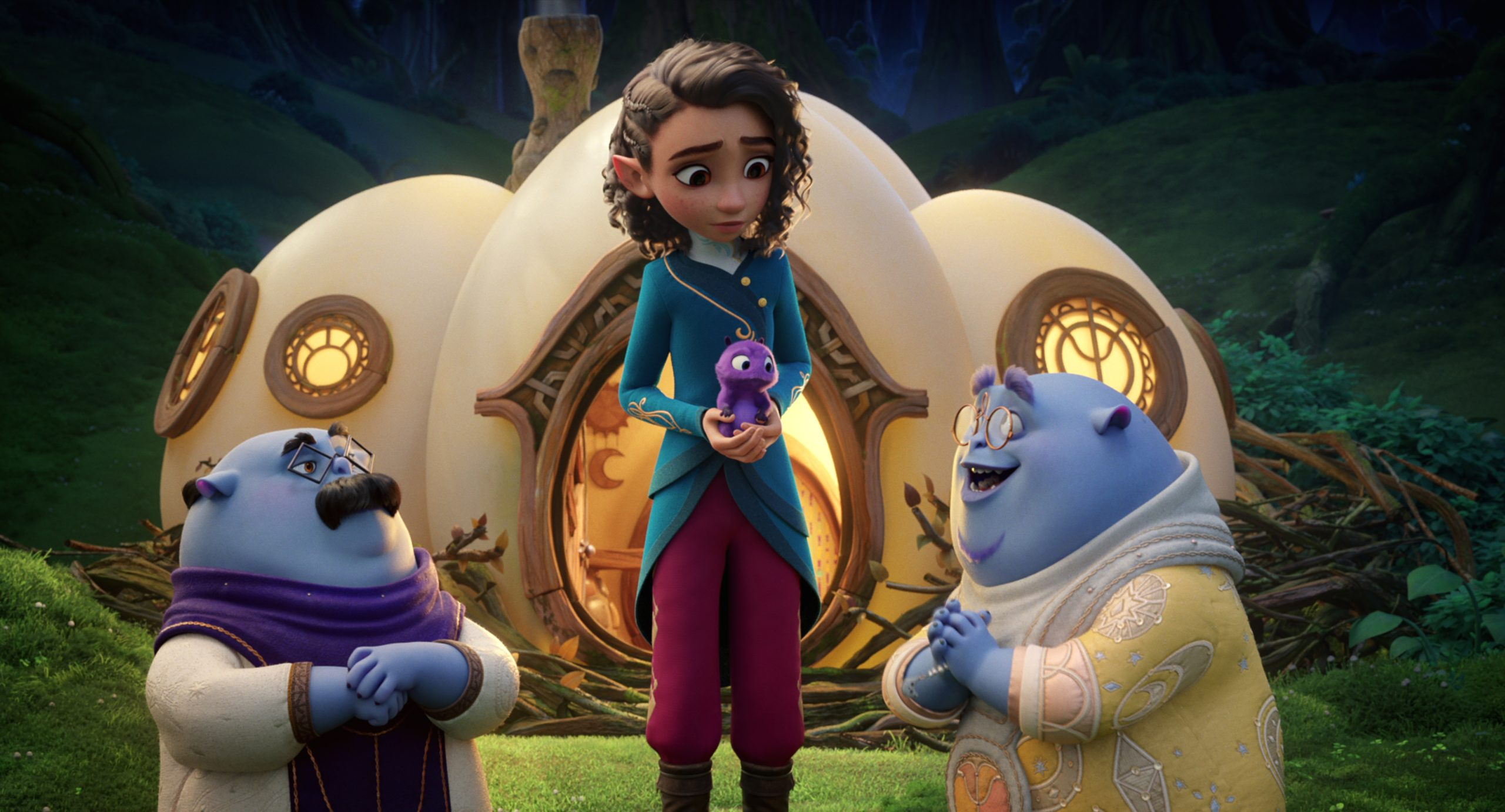
Sometimes a film so clearly wants to be like its predecessors that you have to at least admire the effort that went into its earnest attempt. Mary and the Witch’s Flower comes to mind in trying to live up to Studio Ghibli’s legacy, while Skydance Animation’s Spellbound aspires to be like the Disney princess musicals of yore. It certainly has a pedigree with producer John Lassiter, director Vicky Jenson of Shrek, and songs by the great Alan Menken. In it, Princess Ellian (Rachel Zegler) of the fantasy kingdom of Lumbria desperately tries to keep secret from the citizens that her royal parents (Javier Bardem, Nicole Kidman) have been transformed into animal-like monsters running amok in the palace. Seeking the help of two magical Oracles (Nathan Lane and Titus Burgess as an unspoken gay couple), Ellian takes her parents on a dangerous journey to transform them back to humans.
Spellbound has a lot of great ideas to its credit, particularly in the world-building, from a waterfall used as a massive gate to a desert that turns to quicksand under cloud shadows or a tunnel where sounds become projectiles. The songs are quite good too, though still don’t hold a candle to Menken’s best work, and the voice cast is on point, especially Zegler’s original spunky princess role and John Lithgow as her long-suffering adviser/sidekick.
But it’s hard to escape the feeling that Spellbound is a pale imitation that needed more fleshing out to avoid its own plot holes, like how the monster king and queen escape the palace when their cages are left open yet had been free to wander the palace for months before that. And then there’s the message that makes itself known rather late in the runtime, clarifying the monster situation as a metaphor for divorce and saying many of the right things for a resolution while not diving deep enough to make it land emotionally. Spellbound is a valiant effort, often funny, cute, and imaginative, but its muddled tone and oversimplified lesson keep it from rising to the level of its forerunners.
Best line: (Queen Ellsmere, to her daughter) “The best thing about us is you. And it always has been.”
(For Day 24 of NaPoWriMo, the prompt was for a poem about “people making music together,” ideally with a reference to another poem or song, so I took a comedian’s metaphorical view.)
Music can sound like many things, Beyond the range of voice and strings. To Andrew Lloyd Webber, the yowls of cats; To Dracula, ‘tis the shrieks of bats; To Beethoven, a silent dream; To Pollock, friendship with a theme; To writers, their pithier paragraphs; But in my case, it’s laughs.
I’ve trained my ear here over the years, And many a friend has shared premieres: A generous bellow is melody mellow, And chuckles transport me more than any cello; A snicker is symphony; cracks, a cornet; And two people cackling’s like a duet. I’ve been a conductor of smiles, my dear, A banter-and-beam balladeer. ________________________
MPA rating: PG-13
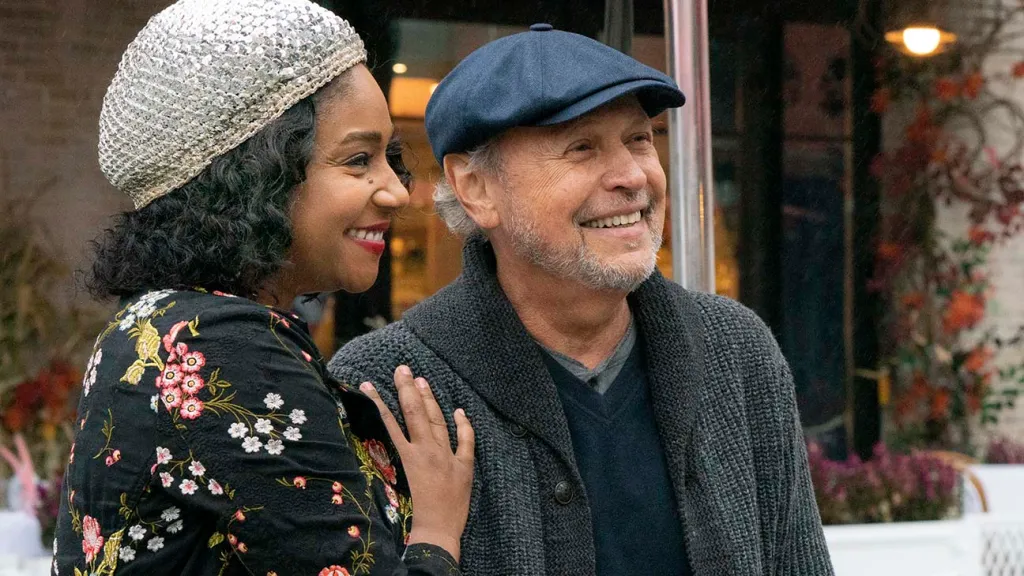
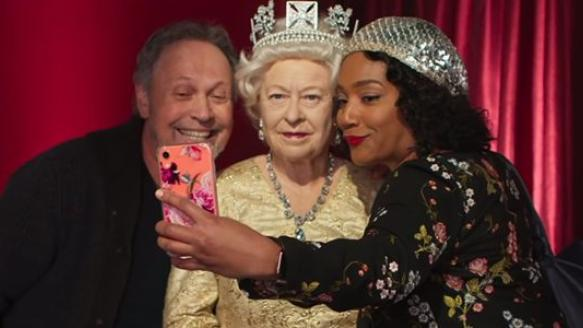
Directed and co-written by Billy Crystal (alongside SNL writer Alan Zweibel), Here Today is my kind of film, the sort that critics acknowledge as pleasant while criticizing its sentimentality. Well, maybe I’m just sentimental because I thoroughly enjoyed it! Crystal plays aging comedy writer Charlie Burnz, who is trying to hide his developing symptoms of Alzheimer’s from his coworkers and estranged children. Through a serendipity of spite and epinephrine, he builds an unlikely relationship with a singer named Emma (Tiffany Haddish), who becomes the friend and confidante he needs most right now.
Crystal still boasts an effortless comic touch and manages to mix it with deep pathos as his character feels his life, his work, his memories of love slipping away. I’m generally not a fan of Haddish’s loud-mouthed comedy, but she reins it in somewhat while remaining an endearing contrast to Charlie. (It’s neat knowing they became real-life friends too.) There’s some awkward uncertainty over whether their bond will veer toward romance, but thankfully it stays meaningfully platonic.
Along with some nice cameos, Here Today has several great scenes that could be deemed corny with the right cynicism, like Charlie’s flashbacks to his wife, his epic comedic meltdown during a live show, or Emma’s impromptu singalong at a bat mitzvah, but I like to keep my cynicism low enough to enjoy a film like this. Its release sadly suffered from the lingering pandemic slump, but, in my book, Here Today is another charmer to Billy Crystal’s credit.
Best line: (Charlie) “I’m writing something, and I have to finish before my words run out.”
(For Day 21 of NaPoWriMo, the prompt was for a poem describing an abnormal version of an event as if it’s normal, so I took an outsider’s view of a wild party.)
The neighbors had another party last night. I saw from a distance and rolled my eyes. I got a nice view of each head light As all of the guests rolled in. It didn’t take long for the hahs and guffaws, The drunken cheers and smoky highs. They probably broke some local laws, But, hey, I was used to the din.
And then, as usual, the screams began, The frenzied shrieks of “Eek, he’s dead!” It must be some weird game they plan For when the tension loosens. Threats were yelled and shots were fired, But I just tried to go to bed. I checked in the morning, sore and tired. More cops… what a nuisance…. ________________________
MPA rating: R (for frequent language and brief violence)
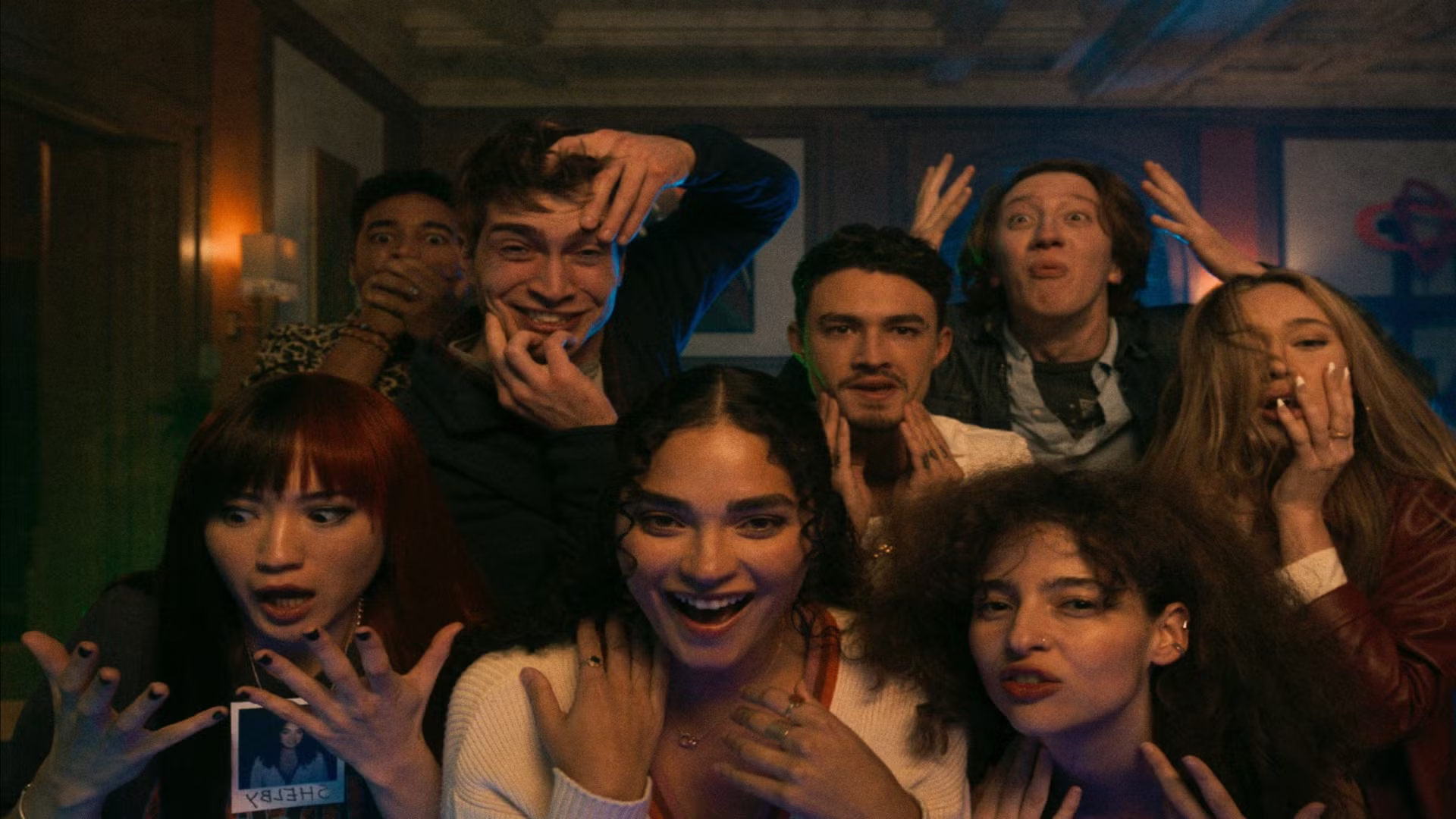
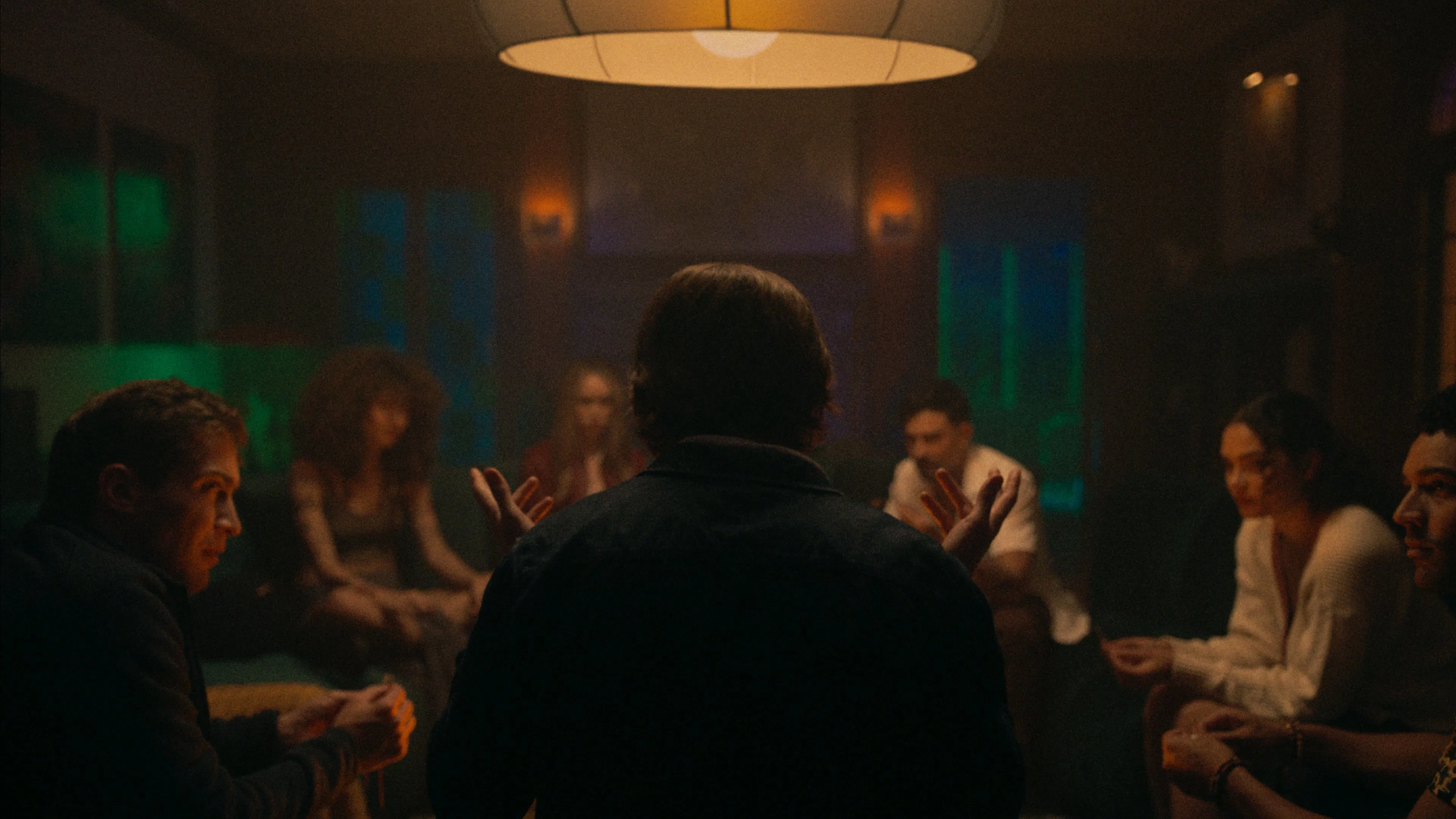
I’ve always been fascinated with the idea of body swaps; when I was growing up, they always made for especially fun cartoon episodes (and you’d be surprised at how many there are). So a film with multiple body switches at its core had my interest from the get-go. A group of seven college friends reunite after eight years for a pre-wedding party at a remote mansion. To their surprise, an estranged pal of theirs named Forbes (David Thompson) shows up as well, bearing a mysterious device and inviting them to play a game in which they all trade bodies and then must guess who is who. When an accident leaves, shall we say, fewer bodies to go around, chaos breaks out as their weird fun transforms into competing self-preservation.
It’s What’s Inside gets a lot of mileage out of its uniquely trippy take on a timeworn concept, even if it can be confusing to keep the ensemble cast straight as they swap bodies and sometimes lie about who they really are. There’s initial interest from the idea of being one’s own friend temporarily and how that can affect one’s self-esteem and ambitions, but, once the shoe drops, the second half is a twisting whirlwind of intrigue and backstabbing that makes for a wild ride. I had some reservations about the ending, though, particularly how one character is punished excessively for more of an interpersonal offense, but It’s What’s Inside was still a fun watch exploring the dangers of body-swapping.
(For Day 14 of NaPoWriMo, the prompt was for a poem describing a place in terms of the animals and natural sounds, so I thought of a certain humanless island from a recent animated film.)
The island was peaceful, no humans as kings, Serene with the sounds of dying things. Nature was spinning the circle of life That ends with a cry and then silence. The ocean was beating its breast on the rocks, As the yelp of a whelp and the laugh of a fox Echoed through trees as indifferent as death, So soothing (ignoring the violence).
The geese were declaring their edge over ducks, The does were all teases outrunning the bucks, The woodpeckers gifted headaches to the squirrels, And nothing was likely to change. But then a new creature came, bringing new noises, The whirring of servos, the shock that a voice is, No fur and no feathers, just a fool metal jacket, A new kind of racket, exciting and strange. ________________________
MPA rating: PG
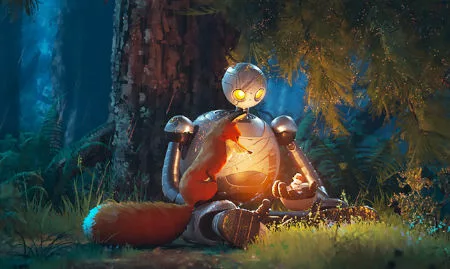
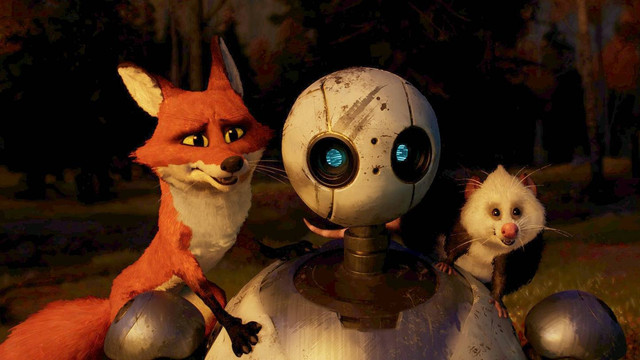
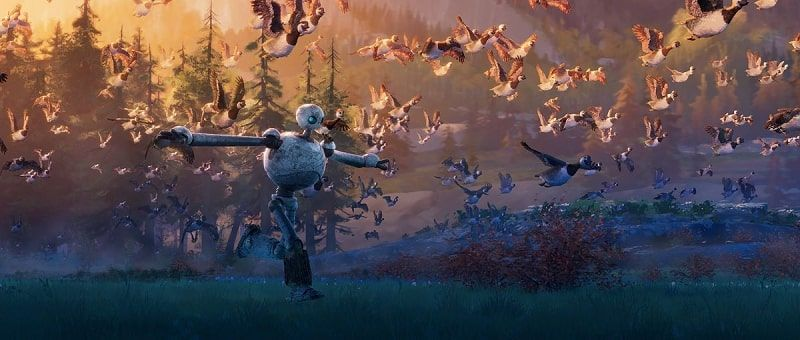
My favorite film of 2024, The Wild Robot is further proof that DreamWorks can match and even surpass Disney at its best. Based on a 2016 children’s novel by Peter Brown, the first in a trilogy, this animated adventure set in the future sees an unprogrammed robot, ROZZUM Unit 7134 or “Roz” (Lupita Nyong’o), wash up on an unpopulated island full of unfriendly wildlife. Seeking some meaningful service to offer, Roz stumbles into the care of a baby gosling eventually named Brightbill (Kit Connor), raising it with the aid of a crafty fox (Pedro Pascal) and gradually weaving herself into the ecosystem in a way none would have guessed.
The early scenes of Roz exploring the island, before she is able to communicate with the animals, bring to mind the beginning of WALL-E, near-wordless storytelling at its finest. And once she does make contact, the film is surprisingly candid about the dog-eat-dog nature of nature, slipping in some darker-than-expected humor for a kids movie. The film’s emotional core lies in Roz’s connection to Brightbill, a poignant bond of adoptive motherhood that is likely to draw out tears from the tenderhearted, especially when backed by Kris Bowers’ moving, instantly iconic score.
The animation is also a sheer joy to behold, a gorgeous watercolor style that puts other 3D animation to shame with its warmth and natural detail, and, although I quite enjoyed Flow too, it’s a crime that this didn’t win the Best Animated Feature Oscar. Nyong’o brings an excellent balance of robotic coolness and burgeoning emotion as the voice of Roz, while Pascal is a special delight as the wise-cracking fox she befriends. And did I mention the score? It still gives me goosebumps.
It’s true there’s nothing particularly new about The Wild Robot’s themes, borrowing from the likes of The Iron Giant and Wolf Children, and the latter half has some holes (the exciting climax feels a bit pointless by the end). But this fable of a robot learning humanity even without humans around is exceptionally well-crafted otherwise and will always hold a special place in my heart. I’m skeptical whether the planned sequel can match it, but I hope so.
Best line: (Roz) “Sometimes, to survive, we must become more than we were programmed to be.”
Truth is beauty and beauty is truth, said Keats, Yet beauty is beloved and truth is hard. If truths were as easy on the eyes as beauty, They wouldn’t be hidden and hated and hard, Veiled under changing subjects and yelling and smiles. Truth is pain, and nothing hides pain as well as smiles.
Horrors happen, in countries and eras far-flung And houses next door, just out of earshot. Tragedies are nothing new, so must they all hurt? Every life snuffed, innocence scarred, or errant shot? If I don’t care when strangers shed their distant tears, Why would anyone share my own predestined tears?
There’s something rare in a tragedy endured, Like insight begotten by blindness run amok. A lack of tragedy is apathy’s recipe, And the world hates apathy running amok. Pain cycles, cloaked in smiles and history lessons, Wondering when there will be no need for lessons. __________________________
MPA rating: R (for frequent language)
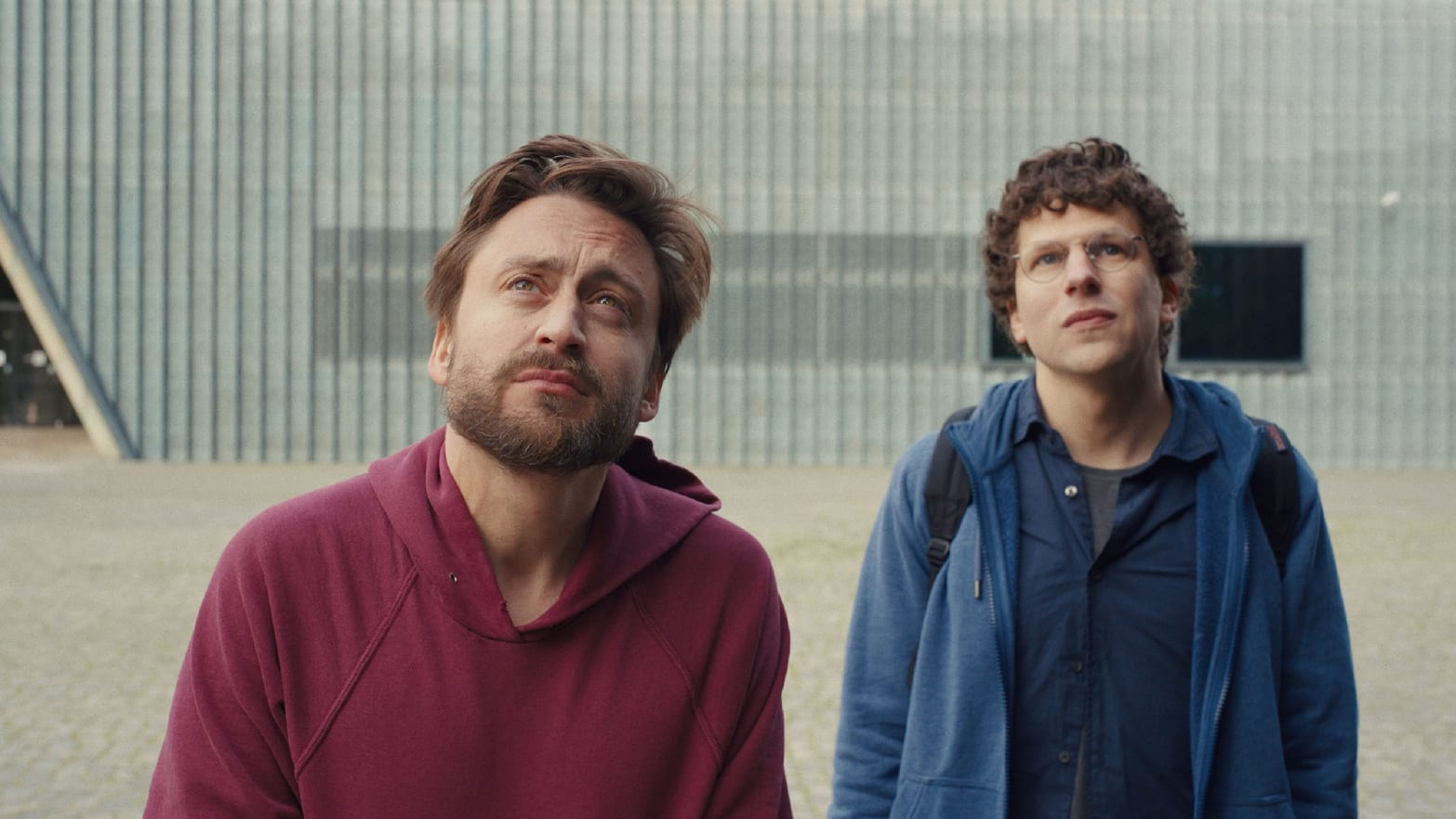
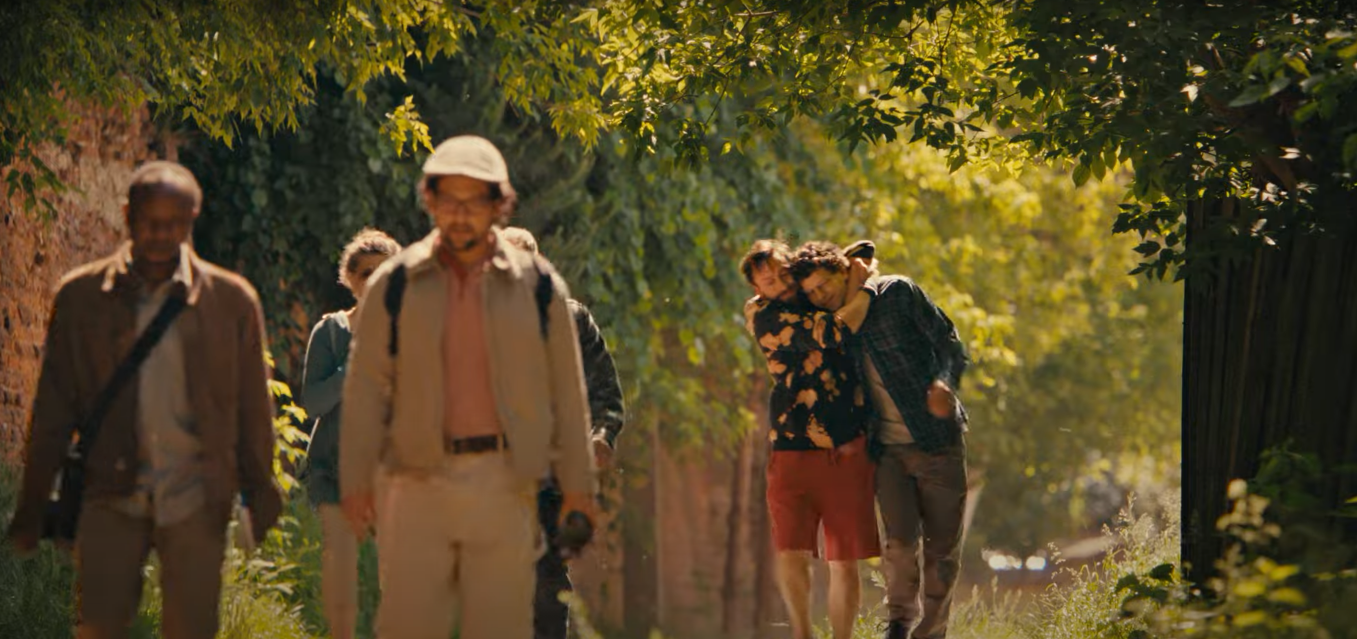
The sophomore directorial effort of Jesse Eisenberg, A Real Pain doesn’t live up to its name, in that it’s actually quite a pleasure. This familial dramedy pairs Eisenberg as David Kaplan with Kieran Culkin as his maverick of a cousin Benji, both of whom join a Jewish heritage tour in Poland to see where their late grandmother once lived before the Holocaust. While David is reserved and slightly neurotic, Benji is an unfiltered free spirit bordering on bipolar, attentive to strangers yet generally inconsiderate, the life of the party yet quick to complain if something rubs him the wrong way. (Having just been on a European tour several months ago, I’m grateful that my group didn’t include a Benji.)
With good reason, Culkin received universal acclaim for his layered performance, though I think Eisenberg deserved some of that love as well, more than just for the Oscar-nominated screenplay he also wrote. Benji is easily the most memorable character, both of the film and in the minds of his fellow tourgoers, but I found Eisenberg’s more understated role to be more relatable, always trying to keep up and apologize for his cousin’s eccentricities yet loving him despite it, a dichotomy that bubbles to the surface in an especially emotional dinner scene.
As a writer-director, Eisenberg also handles the tone with skilled sensitivity. The banter between David and Benji is frequently funny yet can easily segue to latent grief or lingering anxiety, and the visit to the Majdanek concentration camp plays out in near silence, as their tour guide (Will Sharpe) says, letting the haunting location speak for itself. Realistic in its open-ended return to “normal life,” A Real Pain is a testament to generational trauma and strained family dynamics, both of which are sadly all too common.
Best line: (Marcia, on their tour) “David, we numb ourselves to avoid thinking about our impact.” (Eloge, another tourist) “Ignoring the proverbial slaughterhouse to enjoy the steak, as it were.” (Benji) “Yes, Eloge! Damn, that’s a good analogy.” (David) “No, and I get that, I get all that. It just seems like maybe there’s, like, a time and a place to grieve, and maybe it’s not…” (Benji) “Yo, Dave.” (David) “What?” (Benji) “We’re on a f***ing Holocaust tour. If now is not the time and place to grieve, to open up, I don’t know what to tell you, man.”
(For Day 7 of NaPoWriMo, the prompt was for a perhaps outlandish poem explaining “why you are not a particular piece of art,” so I went a bit more cocky and risqué than usual.)
I can’t compare to a well-mixed drink, Although I go down smooth. I’m too impassioned to be Old-Fashioned, But I can also soothe.
The life of a humble bartender Is only as good as his roll. The patrons need us for margaritas So they can lose control.
Complexity is ecstasy, So savor them, no rush. Why, try my Mai Tai, and I swear More than the sky will blush.
I’ll sling in Singapore, slide in mud, And blow like a Hurricane too. My expertise is in daiquiris Or a Slow Comfortable Screw.
My Russians might, both black and white, Remove your power of speech, Till you taste some sherry, scream Bloody Mary, And ask for Sex on the Beach.
Between the Sheets, sour or sweet, Wallbangers, never wetter – My cocktails, girl, are works of art, But let’s face it… I’m better. ________________________
MPA rating: R (mainly language)
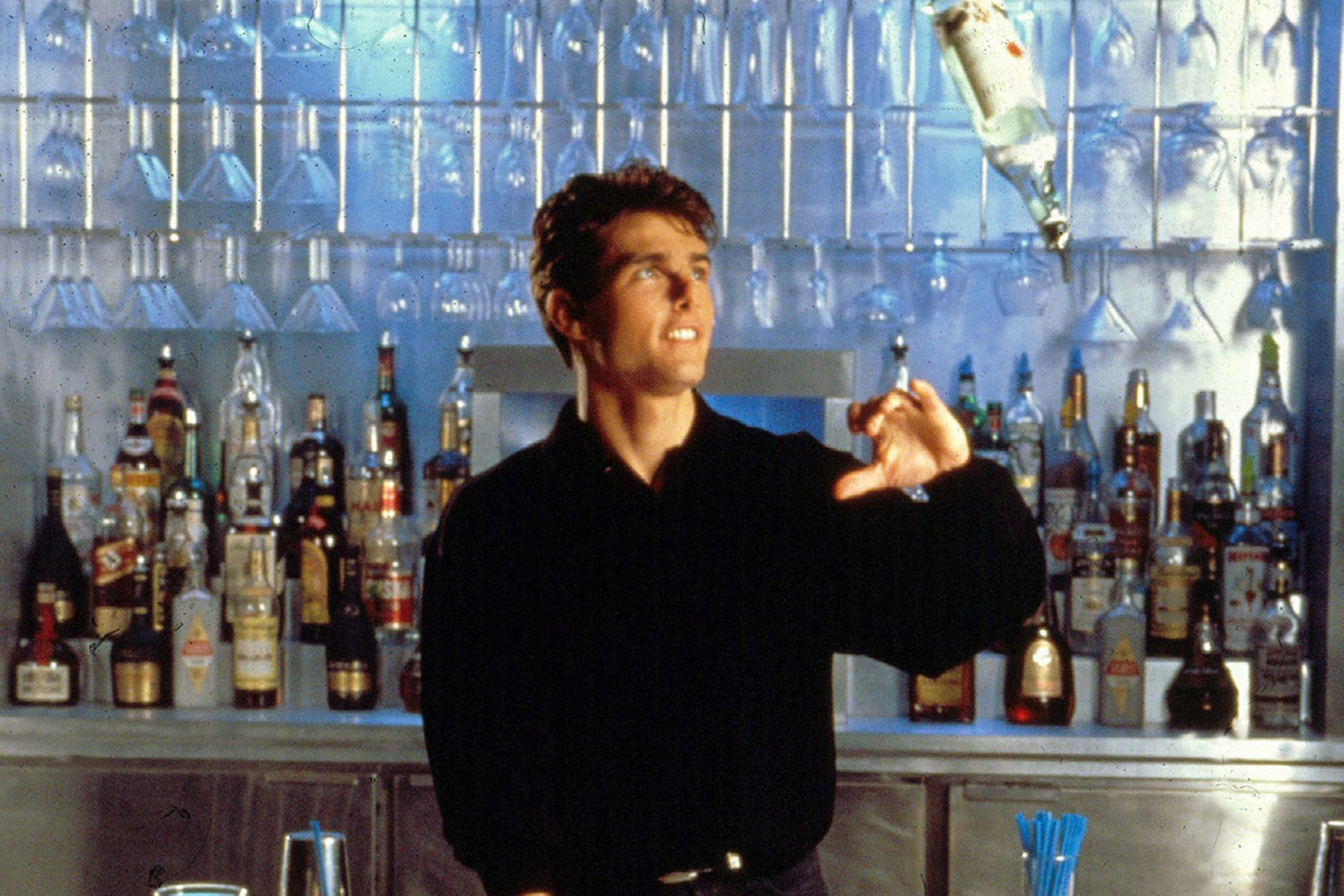
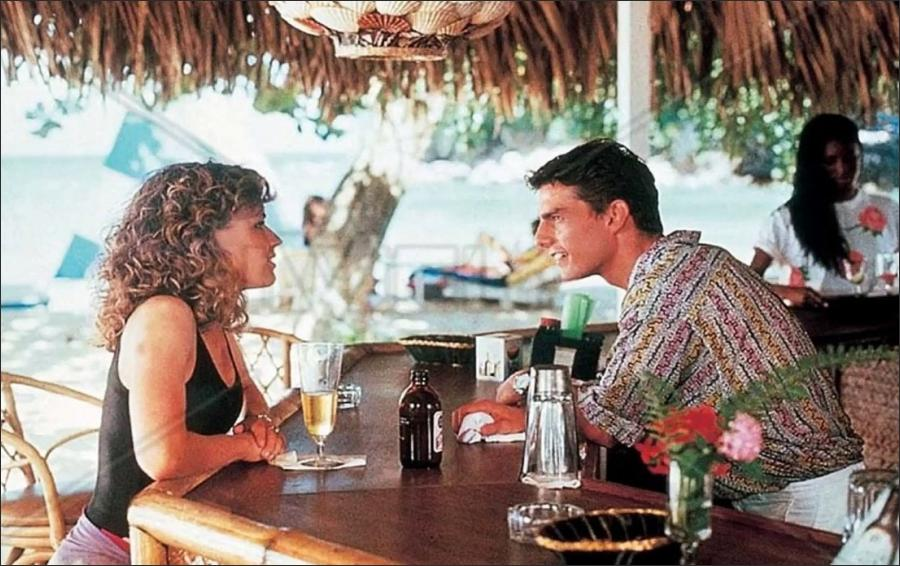
In the long and storied career of Tom Cruise, Cocktail is considered one of the low points, what with its Razzie win for Worst Picture, but it’s not as big a misfire as I thought it might be. Cruise plays self-motivated Brian Flanagan, who takes up flair bartending after his dreams of entering the business world in the big city are dashed. Trained by Australian mentor/rival Doug Coughlin (Bryan Brown), Brian flaunts his natural charisma to get ahead, even to the detriment of his island romance with Jordan (Elizabeth Shue, lovely as always).
As reflected by the film’s financial success in the face of negative reviews, Cocktail is quite entertaining, in no small part due to Cruise himself, who went to bartending school to learn the flipping and throwing tricks seen in the movie. (He even recites a few poems as part of the show.) His and Brown’s characters are frustratingly self-centered for most of the film, though not without consequence, yet there’s still an appeal to want them to succeed. I think the film mainly falls apart toward the end, where its tonal shift from tragedy to crowd-pleaser happens way too fast and saps the film’s themes of their power. Even if Cocktail isn’t Cruise’s finest hour, there are far worse Razzie winners out there; plus, it’s nice to think that he bounced right back with Rain Man later that same year.
Best line: (Brian) “I’m willing to start at the bottom.” (Job interviewer) “You’re aiming too high.”
Long time, no see, eh? I wish I had a better reason for dropping completely out of the blogosphere since May. I have been working on my musical still, and I had a wonderful trip to Europe in the meantime, but the absence simply boiled down to my not having the drive and interest to write about movies, even though I’ve still seen quite a few. With the new year approaching, I would like to change that and return to a somewhat more regular posting schedule, especially since I have a backlog of films to cover. So sorry for the long disappearance, but I’m back and with a movie musical no less! _________________________
Wicked is as wicked does as wicked is perceived. The good, by virtue of their virtue, always are believed. And no one stops to question if there’s something to be grieved When wicked people get what they deserve.
They surely had a childhood, a life before their fall, A point of view, a friend or two, a favorite book or doll, But something changed in them or us, though what I can’t recall, To slide them down a steep and shameful curve.
The public judge, of course they do, a jury of our peers, And when the executioner is playing on their fears, They’ll brand a person “wicked” to a hundred thousand cheers If only they will get what they deserve. And surely we all know what they deserve…. _________________________
MPA rating: PG
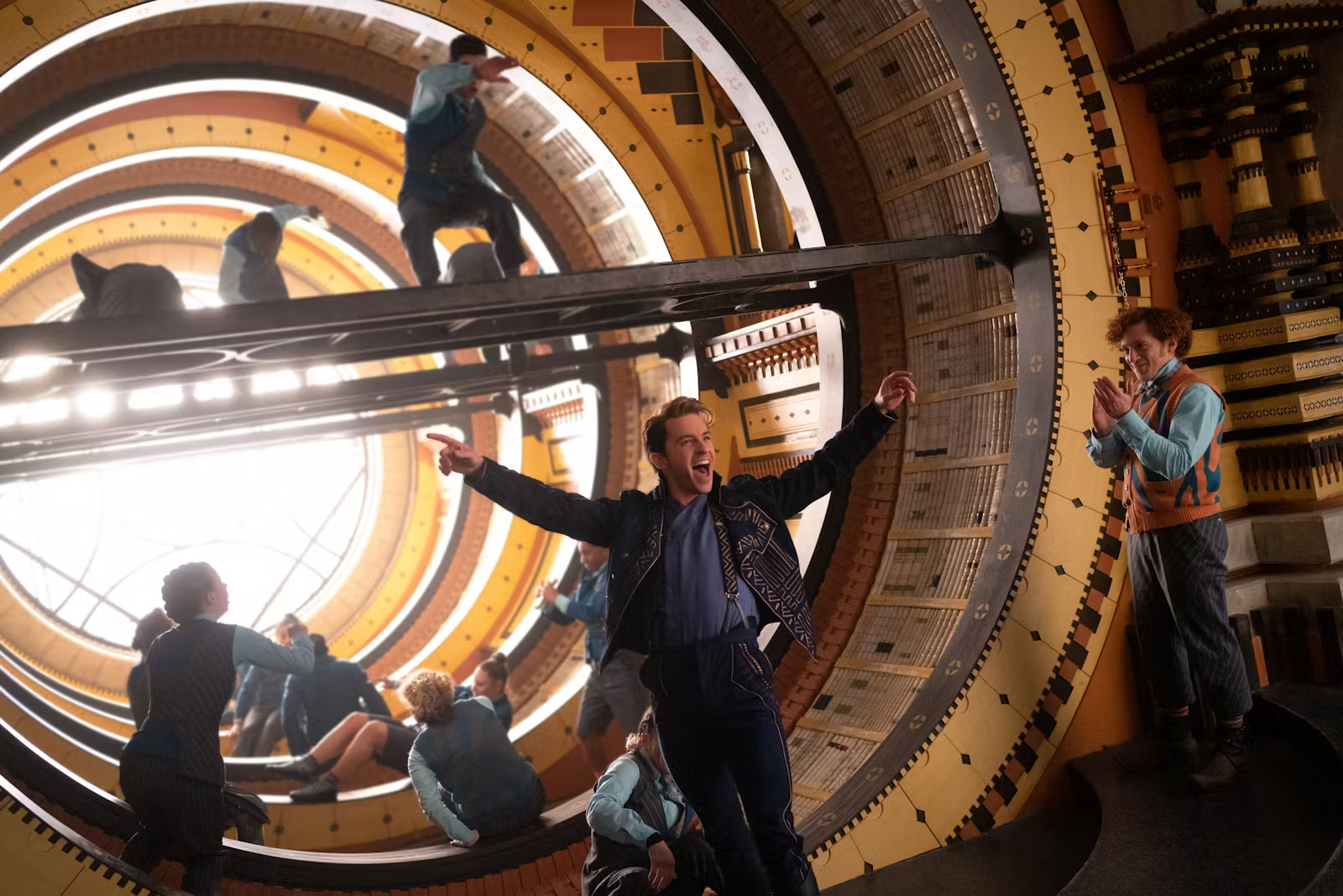
Despite my love of musical theater, I’m actually a comparative newcomer to the fandom of Wicked. I knew very little about it until a TV special celebrating the show’s 15th anniversary in 2018 (which featured Ariana Grande). I didn’t actually get to see a touring production of the show until earlier this year, so I feel like the timing of my interest in Wicked was far more convenient than for the ardent fans who have been waiting twenty-one years for this movie’s release. Even so, it’s finally here (Part 1 at least), and it’s a hit!
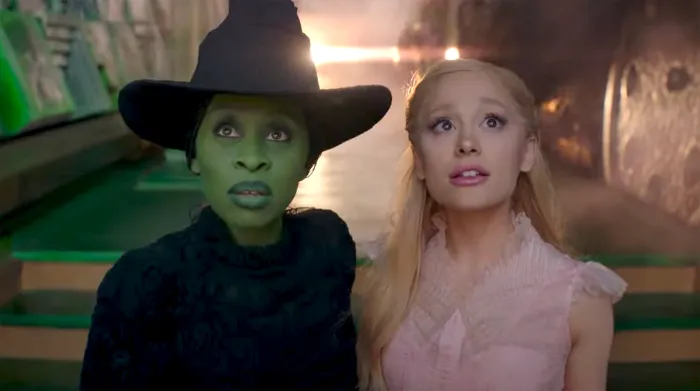
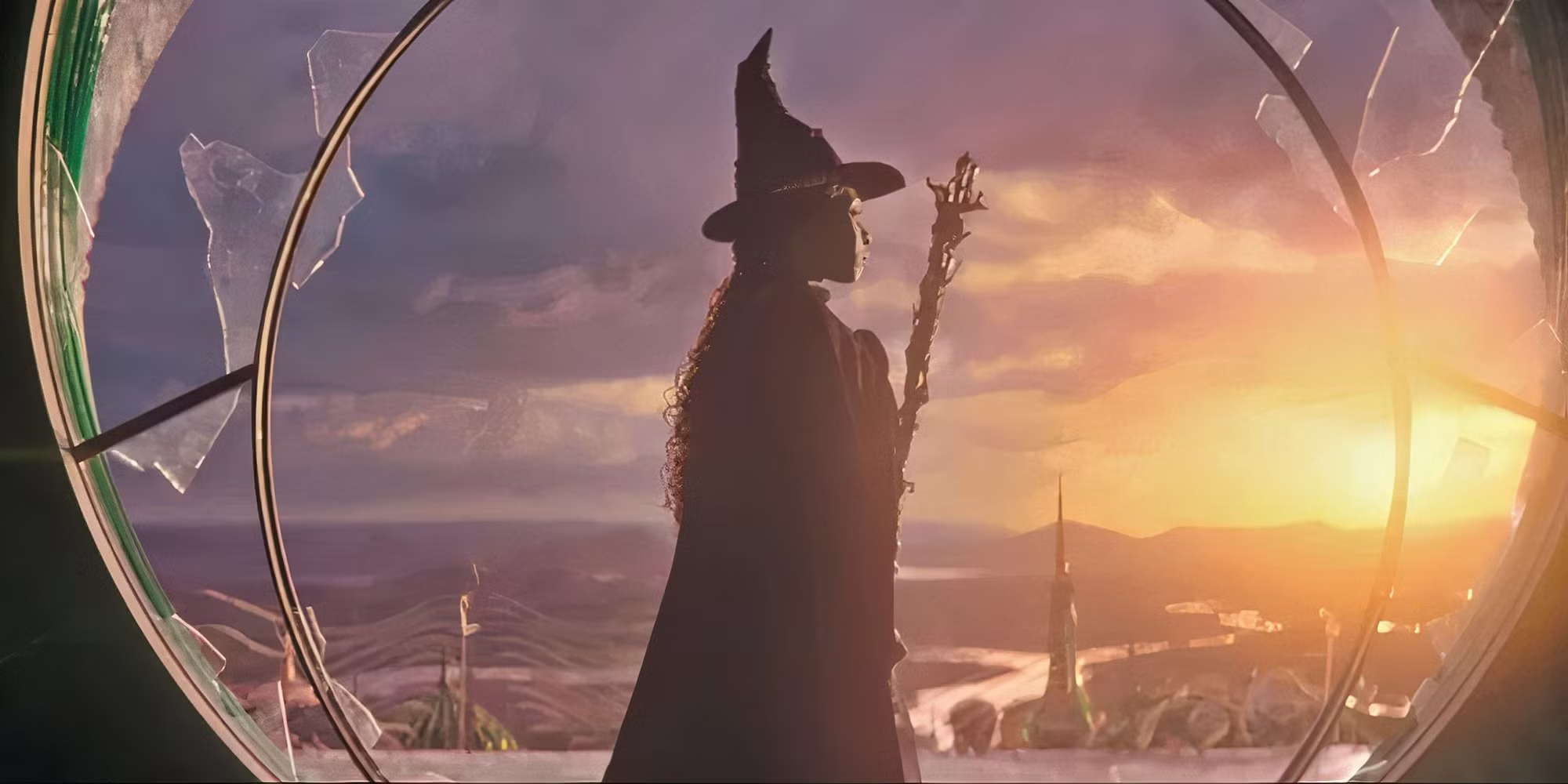
For those who still don’t know, Stephen Schwartz’s Broadway musical Wicked is based on the 1995 novel by Gregory Maguire, a then-innovative twisting of the classic Wizard of Oz storyline to make the Wicked Witch of the West, the green-skinned Elphaba, a more sympathetic main character. While I haven’t read the book myself, I’ve heard the musical and movie are a lighter PG version of the tale that nonetheless touches on themes of acceptance, persecution, and the perils of public perception, all amid a host of now-iconic showtunes. Here in Part 1, covering the first half of the stage show, Elphaba (Cynthia Erivo) is a new student at Oz’s prestigious Shiz University, unpopular but skilled with magic, alongside the more fashionable Galinda (Ariana Grande-Butera). Both dream of meeting the famous Wizard and making their mark on the world, and, though their initial interactions are strained, a friendship eventually blossoms, a bond to be tested by the different directions their ambitions take them.
While it didn’t gain mainstream success, I was a big fan of Jon M. Chu’s previous musical adaptation In the Heights, and Wicked further cements Chu as the premier director for movie musicals. The energy and choreography of the dance scenes are especially thrilling on a big screen, particularly “Dancing Through Life,” the carefree anthem of Fiyero (Jonathan Bailey), the girls’ dreamy Winkie love interest. Much has been said of the decision to split Wicked into two films, but I think it was a smart move. A common complaint of musical adaptations is that fans’ favorite songs or moments end up on the cutting room floor (ahem, Dear Evan Hansen), but Wicked is almost obsessively faithful to its source material, with every song accounted for and many in-between scenes expanded. Does that make its two-hour-and-forty-minute runtime a bit overlong, considering this first half is nearly as long as the whole stage show? Well, yes, but with few exceptions, I appreciate the extended runtime, which lets the relationships grow more naturally and gives the non-musical scenes some breathing room.
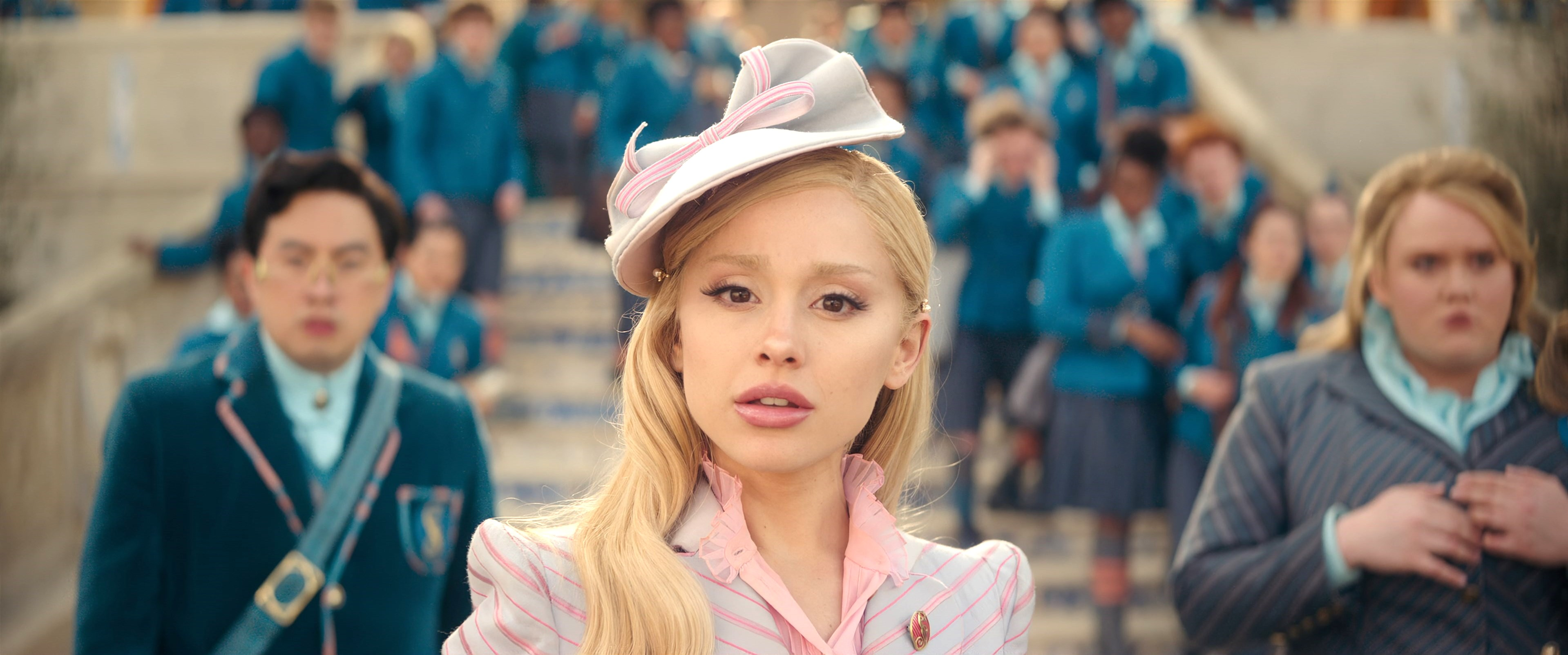
I may have had some reservations about the casting when the lead roles were first announced, but Erivo and Grande more than deliver, both of them ardent fans of the show who have publicly championed their commitment to Elphaba and Glinda. Erivo is an outstanding actress and singer and reliable as ever in the lead role, while Grande is more of a surprise. Considering her early acting role as the ditzy Cat Valentine on Nickelodeon, I doubted that she was a serious enough actress for Glinda, even if she was a superfan (and had already contributed to this Mika song that samples and remixes “Popular”). But she brings surprising depth to a character who could easily be written off as a vain blonde but whose connection to Elphaba feels genuine and sweet. It helps too that both lead actresses have amazing voices, with Erivo’s “The Wizard and I” and “Defying Gravity” and Grande’s “Popular” as auditory standouts. There are instances of the movie interrupting a song with some pause or vocal trick that didn’t need to be there, but that’s a minor critique.
Funnily enough, it seems that Wicked fans are the ones poking the most holes in the movie, whether it be a supposedly lackluster color palette or the overly indulgent superhero-style awakening of Elphaba’s witch persona at the end. Yet I as a casual fan found a lot to love and very little I would change. I thought one musicless dance scene was overly awkward and long, but I’ve seen others praise it as an emotional high point, so to each their own. I especially loved some pitch-perfect cameos in the Emerald City sequence, and I certainly think the practical sets and elaborate costumes deserve some Oscar love.
Now, with only a year to wait before part two (subtitled For Good) comes out, I am thrilled with what we have so far and hesitant for what is to come. The second half of Wicked is darker, has fewer memorable songs, and has a lot of stuff happening offstage that is easier to accept in a stage format. With the work they’ve done on extra characterization here, such as with Fiyero and Ethan Slater’s Boq, I do wonder how they’ll handle all that as a movie. But for now, its chill-inducing showstoppers still fresh in my mind, Wicked is a triumph and a treat for musical fans, already outgrossing all other Broadway adaptations, and one I hope to see again soon.
Best line: (the Wizard, played by the fitting Jeff Goldblum) “The best way to bring folks together is to give them a real good enemy.”
(For Day 27 of NaPoWriMo, the prompt was for an American sonnet, which is described as just a sonnet with “fewer rules.” For some reason, I couldn’t bring myself to abandon rhyme entirely, so I defaulted to the Shakespearean form, albeit in iambic heptameter.)
If opposites attract, then why are opposites so cruel? If different groups can get along, we marvel at the sight. So why is concord the exception rather than the rule, The urge to differ stronger than the wisdom to unite? We see the danger first, for every difference is a threat, A threat to what is “normal,” our bubble near the pin. Imagining the worst of people we have never met, We need the reassurance never needed from our kin. Then there are bad impressions left by others of their kind. If one is bad, then all are bad, all nuances be damned! Yet we have evil brothers too; by them are we maligned And earn a matching stigma, the traded hateful brand. If history could be erased enough to meet anew, Then maybe opposites could prosper, just like me and you. ______________________________
MPA rating: PG
Pixar isn’t quite the guaranteed powerhouse it once was, and with the easy availability of Disney+, its films are no longer must-sees at the theater. To be honest, I still haven’t gotten around to seeing Luca or Turning Red since they just felt like lesser efforts based on the trailers. But Soul proved the studio had some of its old magic, and Elemental is thankfully a confirmation of that.
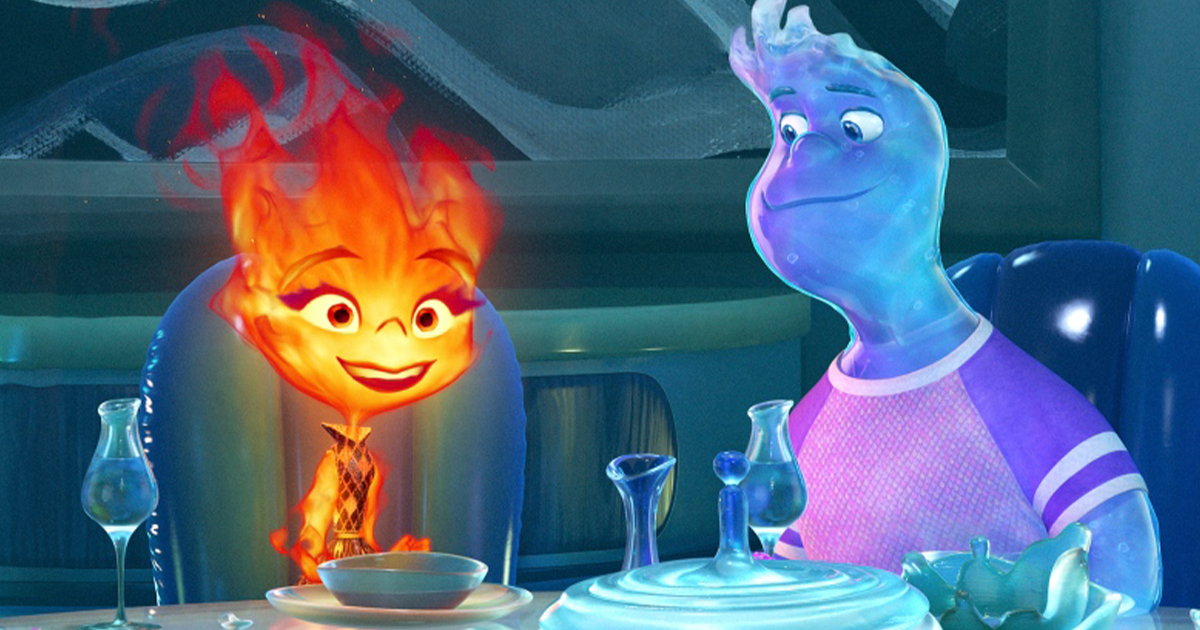
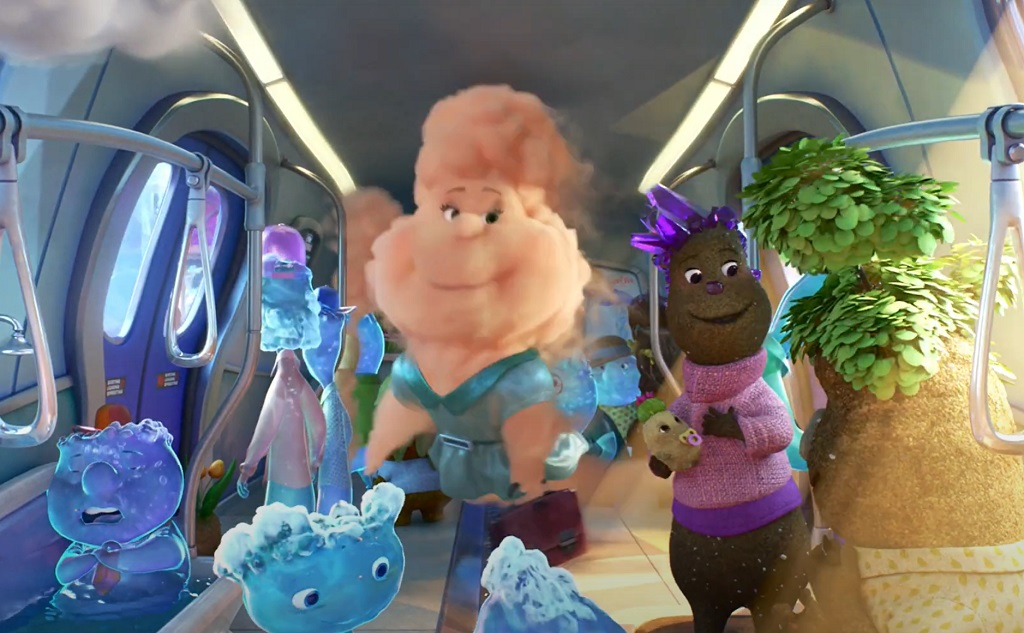
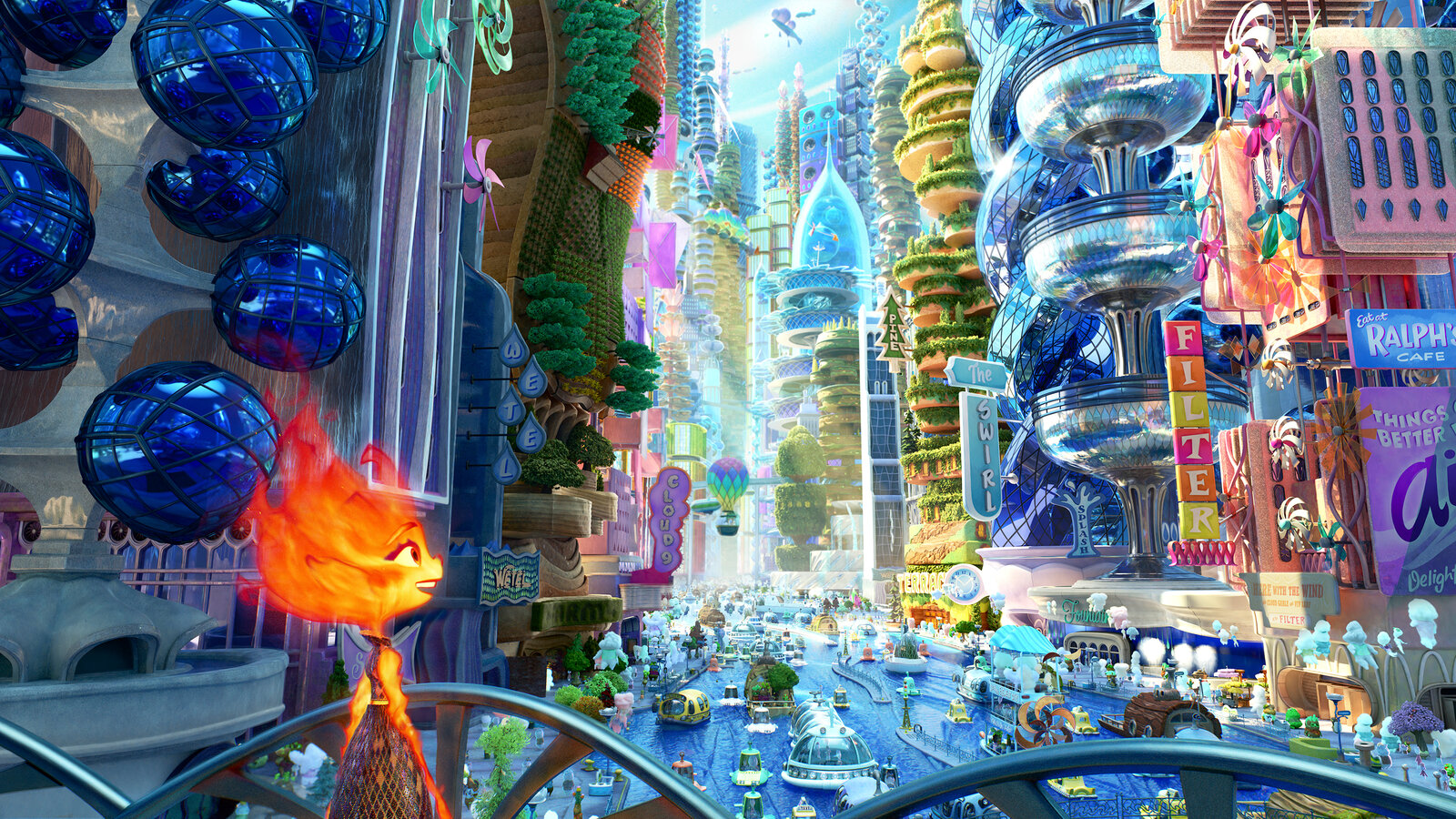
Continuing their time-honored tradition of anthropomorphized otherworlds, Elemental breathes life into the four classical elements – fire, water, earth, and air. In the metropolis of Element City, the citizens made of water, earth, and air have a well-established rapport living alongside each other, while fire elementals Bernie and Cinder Lumen (Ronnie del Carmen, Shila Ommi) are met with hostility moving there from Fire Land (represented as analogous to East Asia, likely director Peter Sohn’s ancestral Korea). Nevertheless, they establish a thriving store in the city’s Fire Town district, which their daughter Ember (Leah Lewis) hopes to inherit one day. After an unceremonious meet cute with the watery Wade Ripple (Mamoudou Athie), the two contrasting elements start to fall for each other, despite their natural differences and familial pressures.
While Pixar has featured love stories before, like WALL-E or the beginning of Up, Elemental is the first of their films to embrace the rom-com formula, hinging its success on the chemistry of lead characters Ember and Wade, and thankfully, they make a cheer-worthy couple. With its excess of elemental puns, the film might have relied too heavily on stereotypes, Ember with her fiery temper and Wade with his sappy sensitivity making him cry at the drop of a hat. Yet the two prove to be more than one-note with their relatable stresses around family responsibility or awkward anxiety.
Likewise, the film finds subtleties in its very obvious racism metaphor of fire as the outsider element. In a way, it’s understandable why fire people are viewed skeptically; fire burns plants, boils water, and is generally destructive. That hostility has affected how Ember’s father Bernie behaves toward the world, harboring resentment toward the water that is similarly destructive toward his kind. When both sides foster prejudices or barriers they feel are justifiable, it is no easy feat to break the cycle of bias, and Ember and Wade themselves have doubts about how their connection could even work. Yet it’s still a bond worth the effort.
Like Cars, I can’t deny that there are aspects of this fantasy world that strain credulity of how things work (how many fire people die if they forget an umbrella when near the city’s water train?), but what is presented is full of fun and bustling imagination. The beautifully fluid animation allows these elemental characters to do all kinds of funny and non-human actions, from slipping through cracks to melting and reshaping glass, and every scene is full of world-building details that make this universe a visual marvel.
I particularly liked how Elemental didn’t feel the need to have a traditional villain. Societal and familial expectations (and random accidents) are enough of a source of conflict, allowing for timely immigrant parallels and room for growth on all sides. Though it may be missing something from Pixar’s golden age when I was growing up, Elemental most definitely recalls those classics and thrives on its own visionary and romantic charm.
Best line: (Ember, voicing the unhealthy mindset of many an immigrant kid) “The only way to repay a sacrifice so big is by sacrificing your life too.”