(For Day 28 of NaPoWriMo, the prompt was for a poem about “music at a ceremony or event of some kind,” like for instance a birthday.)
“Happy Birthday!” everyone sang. The sound of unity in my ears rang. Everyone loved me, at least for a song That needed more verses to feel at all long, And oh, how I wished, as the candles were blown, That mom would stop yelling and put down her phone And dad would stop cursing and pointing his finger, That both would just stay as a smiling singer And love me enough to not hate one another. Not too much to ask for a father and mother. I knew what would happen but blew all the same. Then maybe the candles would carry the blame. _____________________
MPA rating: PG
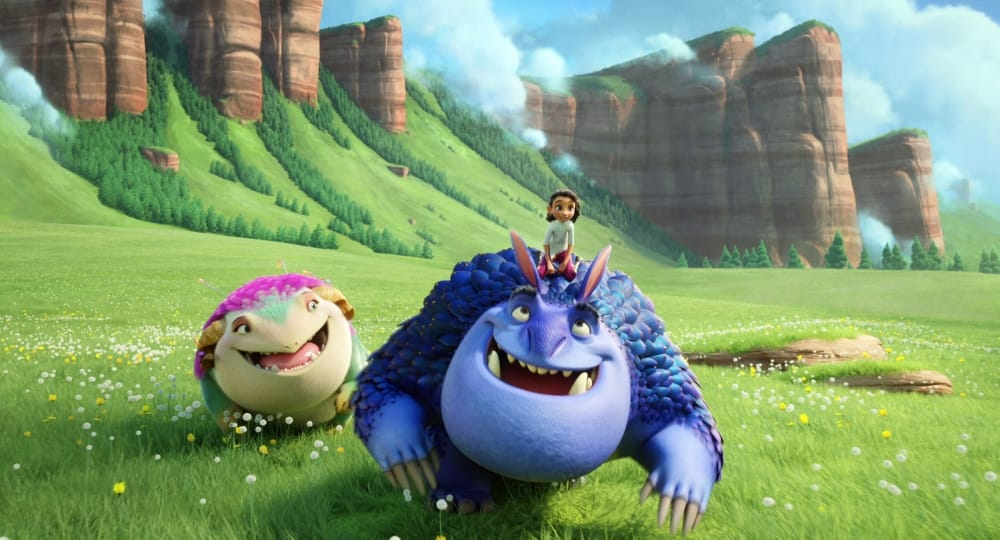
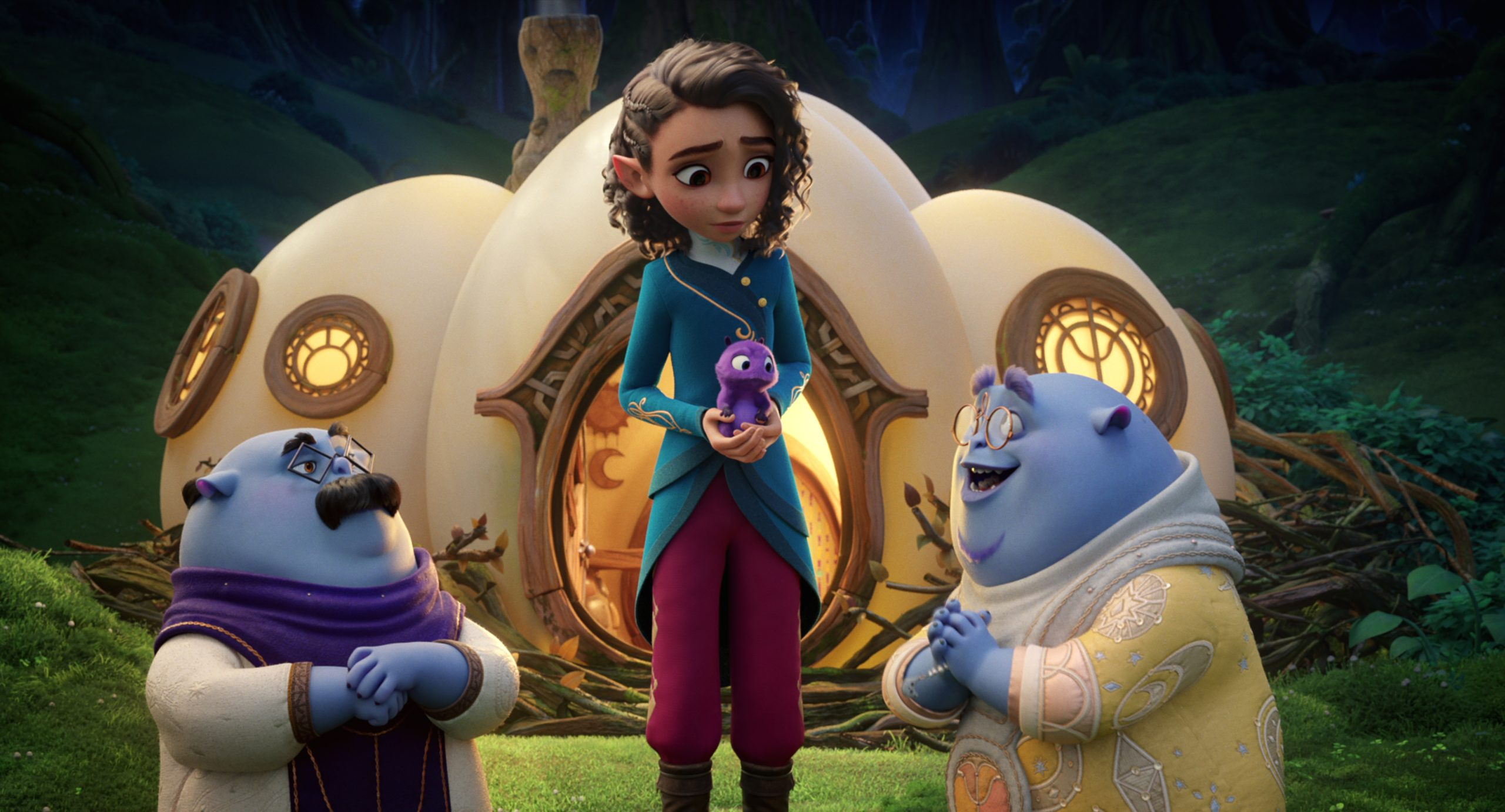
Sometimes a film so clearly wants to be like its predecessors that you have to at least admire the effort that went into its earnest attempt. Mary and the Witch’s Flower comes to mind in trying to live up to Studio Ghibli’s legacy, while Skydance Animation’s Spellbound aspires to be like the Disney princess musicals of yore. It certainly has a pedigree with producer John Lassiter, director Vicky Jenson of Shrek, and songs by the great Alan Menken. In it, Princess Ellian (Rachel Zegler) of the fantasy kingdom of Lumbria desperately tries to keep secret from the citizens that her royal parents (Javier Bardem, Nicole Kidman) have been transformed into animal-like monsters running amok in the palace. Seeking the help of two magical Oracles (Nathan Lane and Titus Burgess as an unspoken gay couple), Ellian takes her parents on a dangerous journey to transform them back to humans.
Spellbound has a lot of great ideas to its credit, particularly in the world-building, from a waterfall used as a massive gate to a desert that turns to quicksand under cloud shadows or a tunnel where sounds become projectiles. The songs are quite good too, though still don’t hold a candle to Menken’s best work, and the voice cast is on point, especially Zegler’s original spunky princess role and John Lithgow as her long-suffering adviser/sidekick.
But it’s hard to escape the feeling that Spellbound is a pale imitation that needed more fleshing out to avoid its own plot holes, like how the monster king and queen escape the palace when their cages are left open yet had been free to wander the palace for months before that. And then there’s the message that makes itself known rather late in the runtime, clarifying the monster situation as a metaphor for divorce and saying many of the right things for a resolution while not diving deep enough to make it land emotionally. Spellbound is a valiant effort, often funny, cute, and imaginative, but its muddled tone and oversimplified lesson keep it from rising to the level of its forerunners.
Best line: (Queen Ellsmere, to her daughter) “The best thing about us is you. And it always has been.”
(For Day 27 of NaPoWriMo, the prompt was for a poem focusing on a detail of a painting, but I think I’ll go off-prompt today and cover a movie I’ve been meaning to review for a while.)
The legends that matter endure through time. The others are lost with a final breath, Were not so luck’ly preserved in rhyme, And died an unremembered death.
What could have saved the tales so lost? A copied scroll or a memorized line? What bade a once-loved myth be tossed Ere passing history’s finish line?
What wonders, horrors, joys, and fears Have gone extinct with fossils none? The stories mute for want of ears… I wish I could read oblivion. ___________________
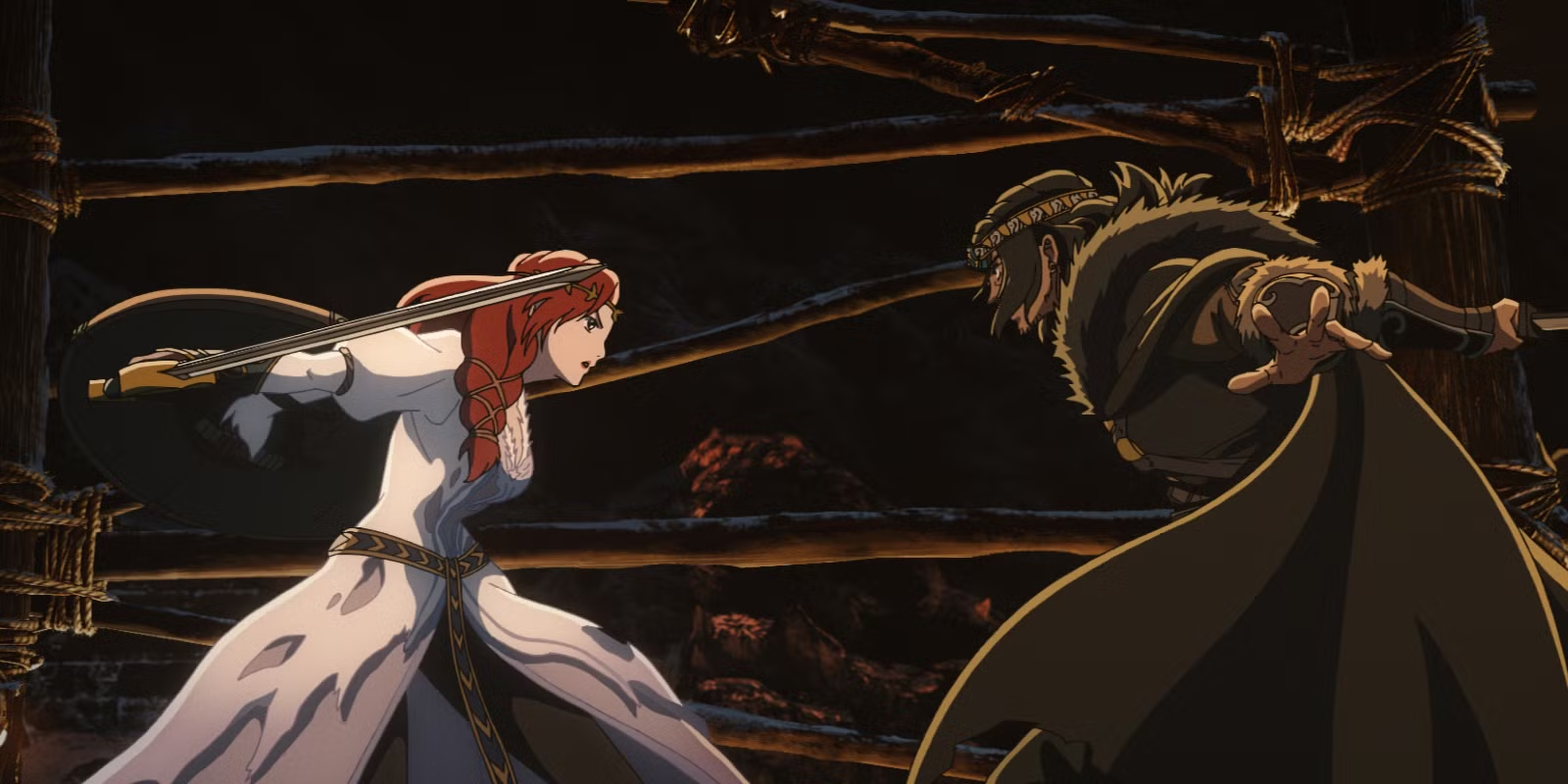
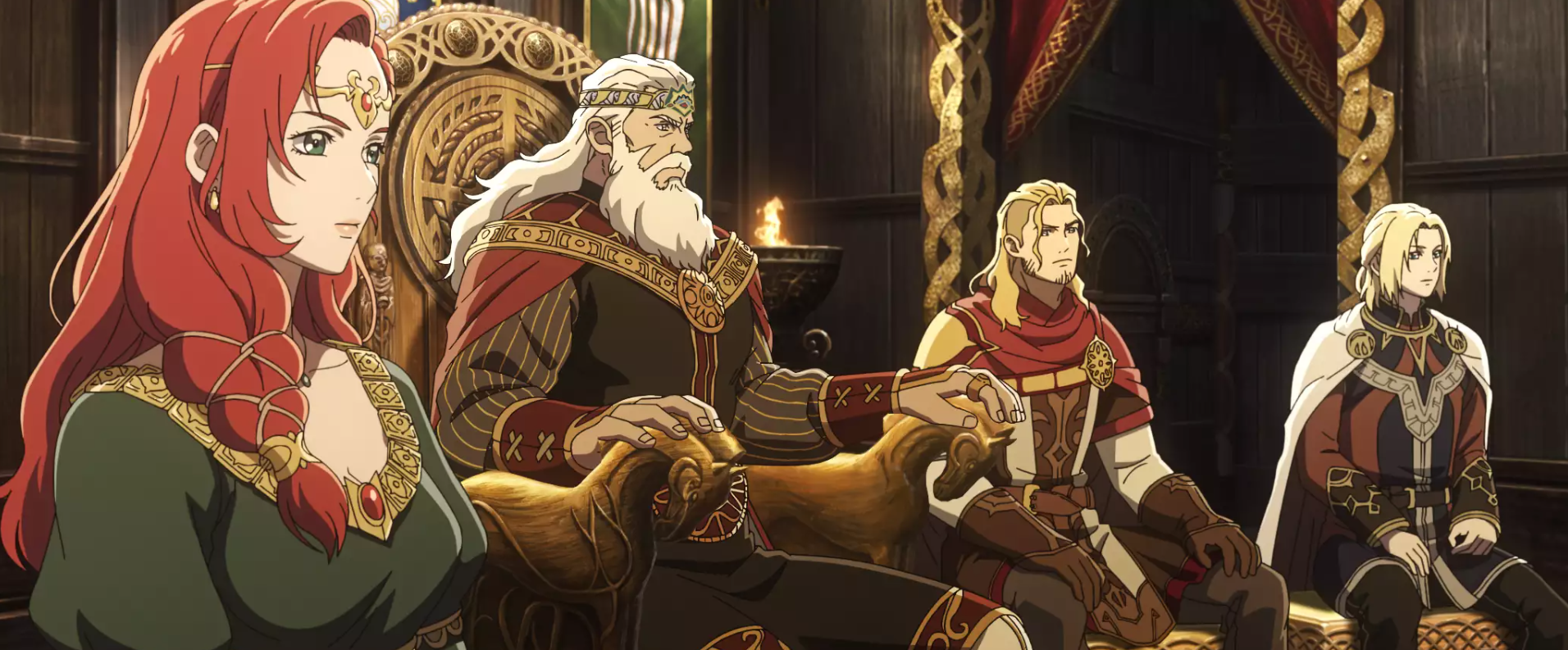
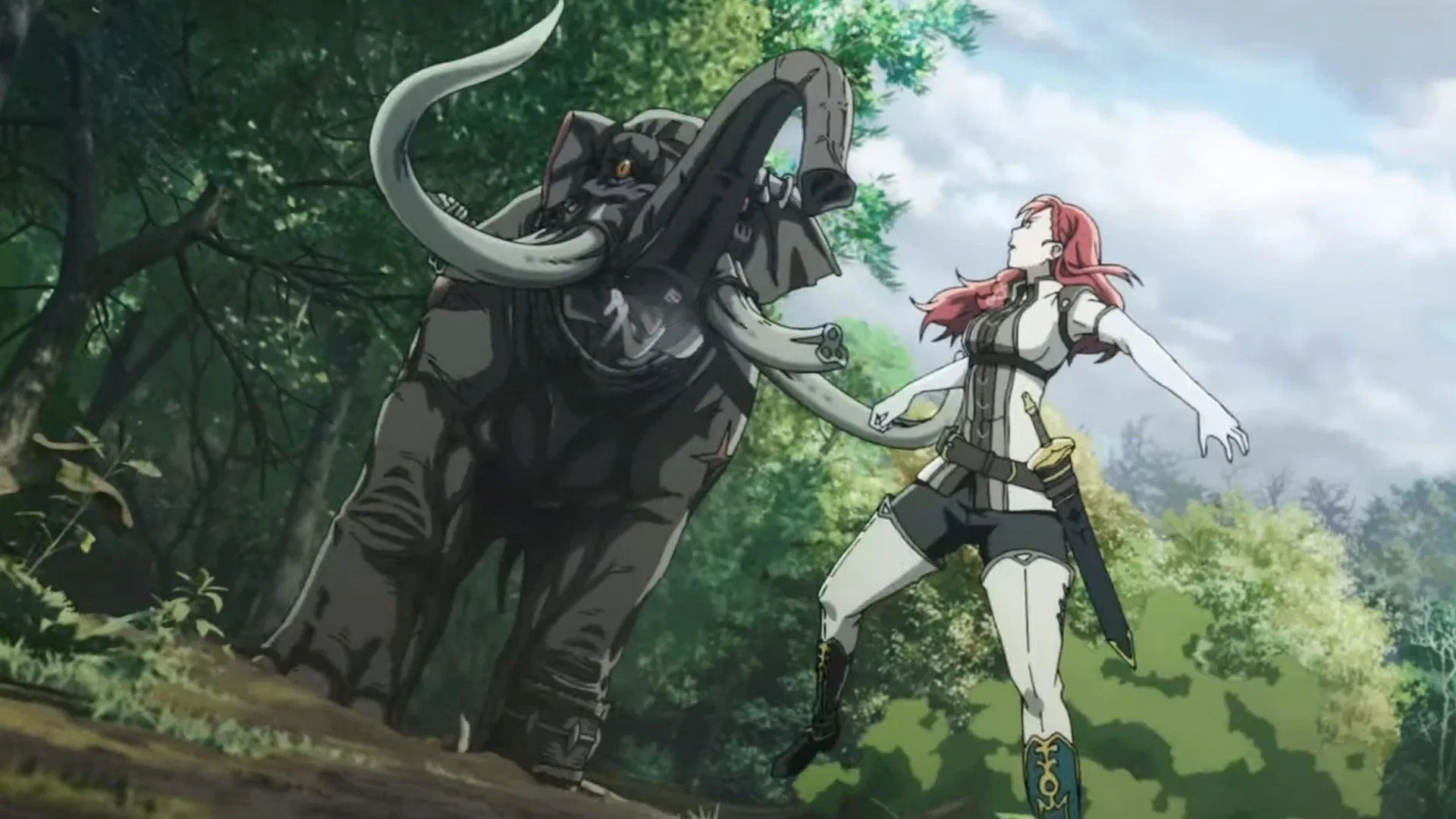
If you imagine a Venn diagram with anime fandom and Lord of the Rings fandom as the two circles, I would be squarely in the middle of the shared area. Therefore, an anime spin-off film set a couple hundred years before The Fellowship of the Ring was right up my alley from the start. Focusing on one of the legendary tales of the horse-riding nation of Rohan, the story follows Princess Héra (Gaia Wise), daughter of King Helm Hammerhand (Brian Cox), as she defends her nation from the invasion of Wulf (Luke Pasqualino), a former friend bent on vengeance.
The most common criticism I heard about War of the Rohirrim was about the choppy animation, and yes, character movement is a bit stilted at times, particularly at the beginning. Even using a 3D rotoscope-like technology, Sola Entertainment as a studio can’t match the butter-smooth animation of MAPPA or Science Saru, so we can only imagine how different the style might have been in the hands of a different studio. But the animation is still good throughout and even excels in the big action moments, and best of all, the style compliments Peter Jackson’s version of Middle-earth with some outstanding backgrounds and scenery. (Besides, the previous standard for LotR animation was Rankin/Bass or Ralph Bakshi, and this is still a cut above those.)
Beyond the animation, I’ve heard all the complaints, from the plot being too long, the characters one-note, the story being basically female-forward fan fiction since Héra isn’t even named in the Tolkien appendices from which the plot was drawn (and the film doesn’t explain why she was supposedly left out of the official history). And yet, I really liked this movie, my inherent love of the franchise winning out over all else. None of those grievances detracted from the experience of being able to visit Middle-earth again, with Howard Shore’s Rohan theme setting the epic mood and some hype-worthy set pieces bringing the action. A friend who saw it with me thought it went too anime at times, with clearly human characters pulling off superhuman feats as if they were elves, but I saw such moments perhaps as embellishments, considering the story is told as a legend of Rohan by the narrating voice of Eowyn (Miranda Otto). I also thought Héra was a good example of a “strong female character,” by simply rising to the challenge set before her rather than harping about gender differences or whatnot, similar to Miyazaki’s Nausicaä, who was cited as an influence by Wise.
All in all, The War of the Rohirrim is an epic story that continues the tradition of Peter Jackson’s world. Even if it was simply an expendable side project so New Line could hold onto the Tolkien rights, that just makes the care and quality that was put into it that much more impressive. It broke my heart then that, whether due to disinterest or poor marketing, the film flopped last December, failing to even earn back its budget. I don’t deny that it had room to be better with smoother animation or more interesting dialogue, but it met my high expectations for a Middle-earth movie and, in my opinion, deserved better.
(For Day 23 of NaPoWriMo, the prompt was for a poem focusing on birdsong. For some reason, I went with a bird of prey’s screech instead of the more pleasant bird sounds. It’s not even that applicable to this film, though there is a bird of prey in it. I’m also sick, which is why I missed yesterday, so I’ll have to catch up later.)
The cry of a bird of prey, Sharp, shrill shriek, Looking down from the sky, Strong far above the weak, Razor talons, knife beak.
Eyes follow every move, Sharp, skilled sight, Spotting each potential meal, Every morsel worth a bite, So unlucky lacking flight.
The dive of a bird of prey, Sharp, still stop, Then down, down, angle steep, Silent in its violent drop, Reaper of the flesh crop. ___________________
MPA rating: PG
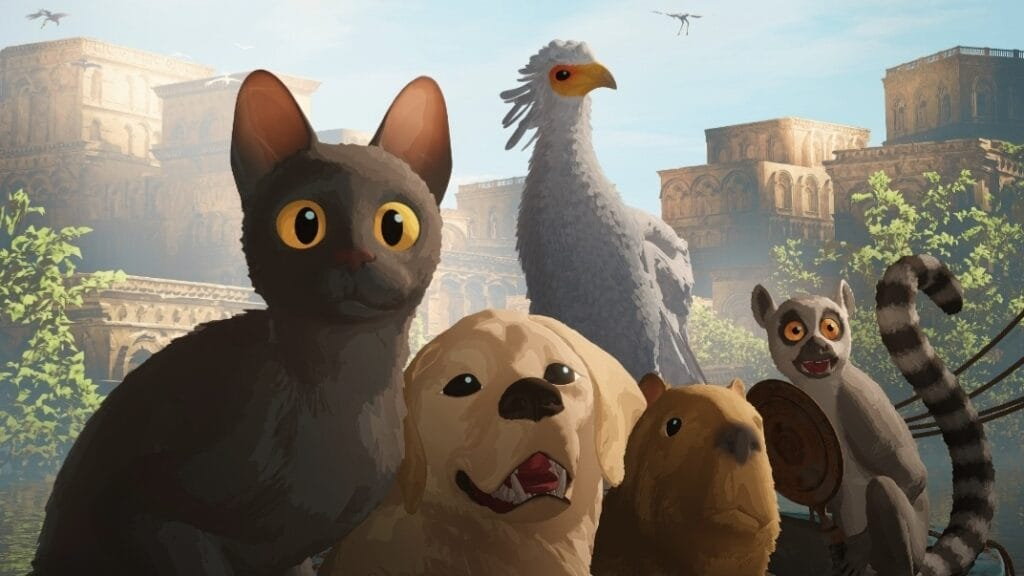
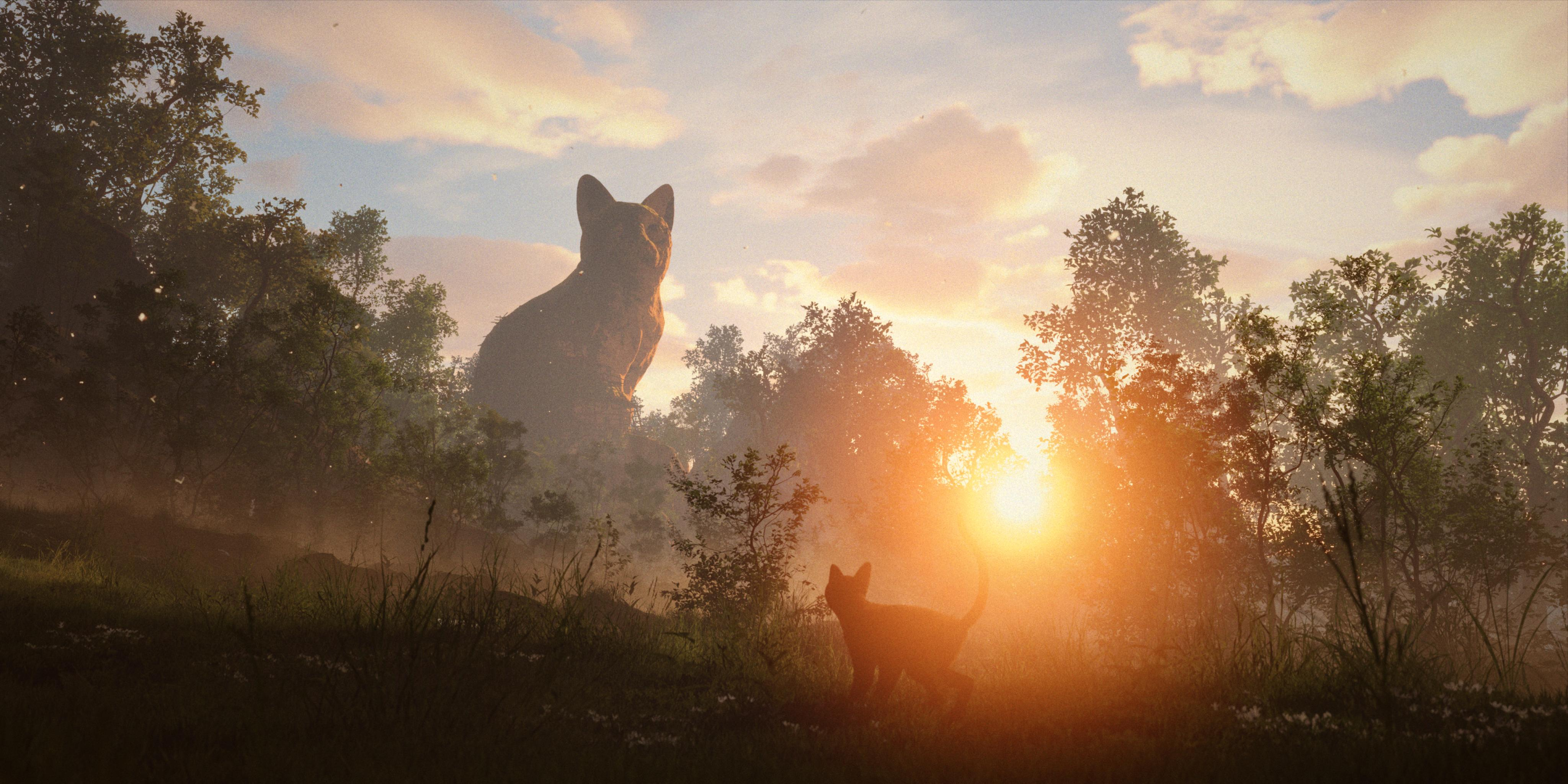
As a cat lover and a fan of serious animation, the trailer alone was enough to interest me in Flow, the little Latvian film that could, and did win the Oscar for Best Animated Feature. Told through a small collection of animal characters entirely without words, the story depicts an increasingly catastrophic flood and the way the wildlife handle their shared struggle for survival. It particularly follows a dark gray cat, who ends up sharing a boat Life-of-Pi-style with a capybara, a lemur, a Labrador Retriever, and a secretary bird.
The wordless interactions between the animals transcend language and are brilliantly rendered via the dynamic animation, surprisingly using only free Blender software, and, without any explanation of what is happening, the viewer is simply along for the ride, taking each danger as it comes with the animals. And despite an absence of human characters, the animals manage to represent human traits without being outright anthropomorphized, such as the lemur’s fascination with shiny things that triggers grief when it loses its possessions to the rising tides. Though a supernatural turn toward the end felt confusingly out of place, Flow is a fascinating adventure in the tradition of silent films, short, sweet, and visually magical; it’s a fine animated film, but I still contend The Wild Robot should have won instead.
(For Day 12 of NaPoWriMo, the prompt was a doozy: a multi-section poem drawing from myths and legends featuring rhyme and mixed formal and informal language. So, with this film in mind, I mused on what to do if offered three wishes by a genie.)
Wish 1
To access wishes, surely I Must be in dire straits myself. Trapped within a tomb of stone Or stranded on an icy shelf, Marooned upon an isle alone Or chained in jail, condemned to die.
For my first wish, therefore, I must Escape the fate that brought me here, Wish myself above the ground Or make what threatens disappear, Unstuck, unbound, uncooked, undrowned, Ideally somewhere I can trust.
Wish 2
My second wish Depends on much.
Has the djinn at least been kind, Or left half of me behind?
Am I truly free from harm, Or acquired a new alarm?
Am I not falling from the sky With no faculty to fly?
Is my friend in peril somewhere? Do I like them enough to care?
Does the djinn insist on rules, Like no death or love or ghouls?
And, unlike the foolish herds, Am I careful with my words?
If yes to all above, Then I guess I’ll side with love For my friend who’s so in need And ensure they’re also freed. Aren’t I nice? I am indeed.
Wish 3
Assuming both my prior wishes Haven’t spiraled far awry, Now that I’m not about to die, I have an epic choice ahead.
The world is mine to seize and form. With but a wish, I’d gain renown, A merry harem, a sultan’s crown, A sorcerer or god instead.
In place of a dark lord or queen, The world will love me and despair! I’m kidding, no, I wouldn’t dare, But I have to end this with a bang.
Hypnosis, health, wisdom, wealth? Would they be subject to some twist? I wish I knew the perfect wish To satisfy me… dang. _________________________
MPA rating: Approved (a likely G)
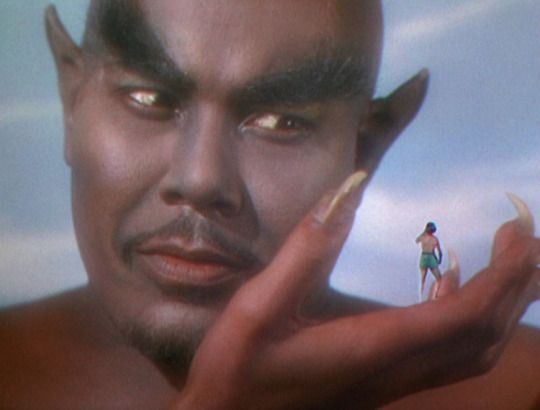
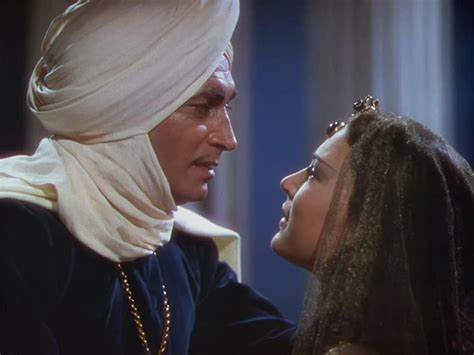
Having grown up with The Wizard of Oz, I’ve loved it from the start, viewing its dated or hokey elements as charming rather than a detraction, and I suspect the same would be true for The Thief of Bagdad, had it been an old childhood favorite as well. Boasting 100% on Rotten Tomatoes, this fantasy adventure draws elements from the One Thousand and One Nights to tell a partially non-linear tale of the betrayed Prince Ahmad of Bagdad (John Justin) and his wily friend/thief Abu (young Indian actor Sabu) as they fight against the evil vizier Jaffar (Conrad Veidt) and save a princess (June Duprez).
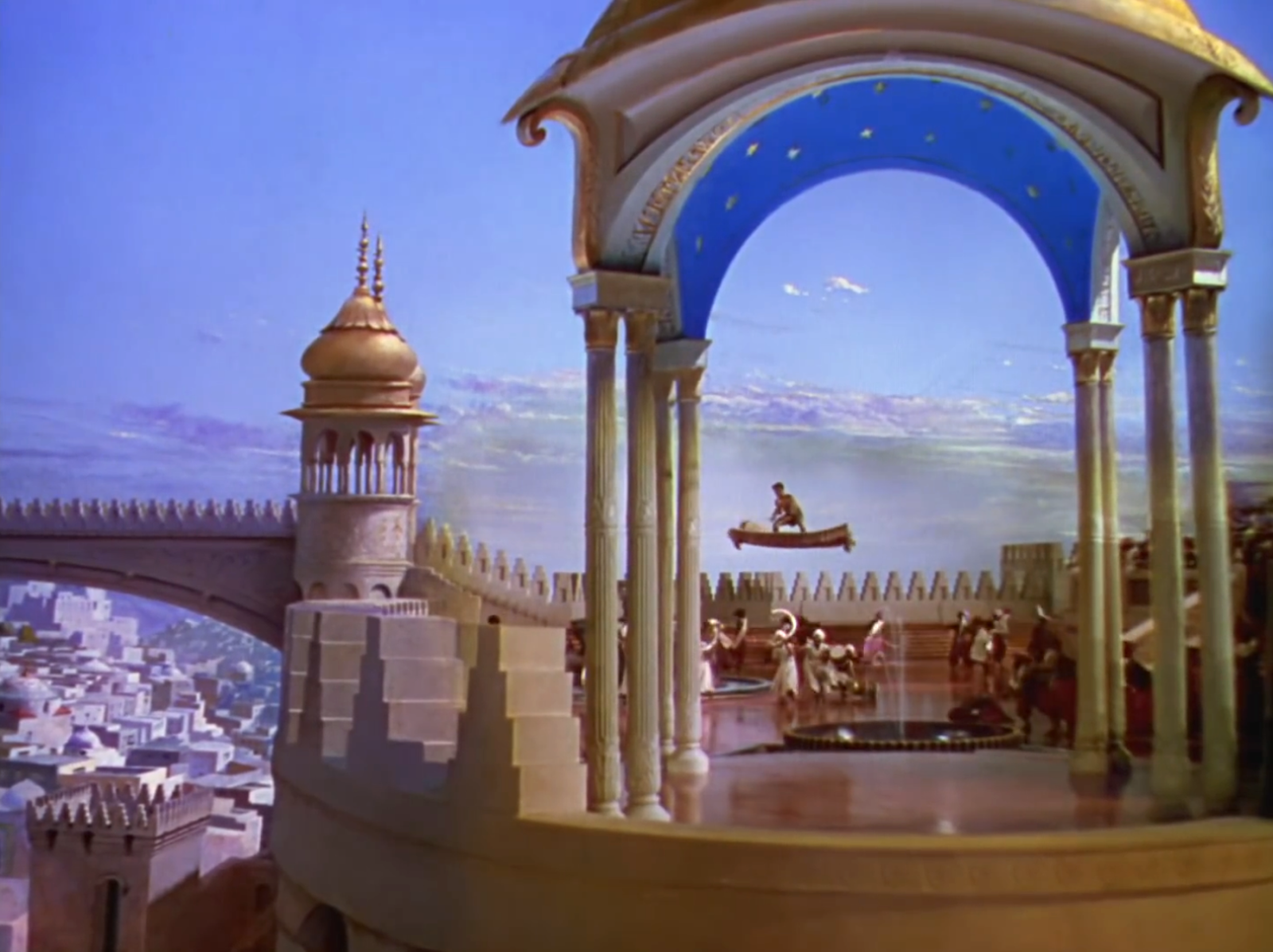
It was especially amusing to see how many aspects of Disney’s Aladdinwere borrowed directly from this film. Sharing a name with Aladdin’s monkey, Abu flees a crowd with stolen food in an early scene, instantly bringing to mind the opening number from the animated film. In addition, you have a vizier named Jaffar/Jafar, a weak-minded sultan (Miles Malleson) who loves toys and is looking to give his daughter in marriage, a sheltered royal sneaking out of the palace to mingle with the common folk, and a genie and magic carpet aiding the heroes. The Djinn/genie (Rex Ingram) is quite different, though, more malevolent and helping Abu grudgingly, and there are plenty of other differences to set it apart.
Sabu and Justin make an appealing heroic team, while Veidt has an excellent Vincent Price-like coldness that made him a popular villain actor at the time. Of course, it’s a bit odd that most of the main roles (save for Sabu) are clearly white actors surrounded by Middle Eastern extras and settings, but I suppose that’s just due to the time period. The sets and props really add to the world-building, and the film is known for pioneering the first use of bluescreen/greenscreen to place Sabu within the extravagant special effects sequences of the latter half. While The Thief of Bagdad starts off a bit awkwardly before the plot gets rolling, it’s a genre classic that deserves wider appreciation as an entertaining fantasy of Old Hollywood.
Best line: (the Djinn, to Abu) “You’re a clever little man, little master of the universe, but mortals are weak and frail. If their stomach speaks, they forget their brain. If their brain speaks, they forget their heart. And if their heart speaks [laughing], they forget everything.”
(I may be late, but not defeated! For yesterday’s Day 11 of NaPoWriMo, the prompt was for a poem that incorporates song lyrics as a refrain, so I drew from a certain musical and went with the suggested example of a villanelle.)
King and kingdom may yet fall, But my fealty shall remain. No, never could I leave you at all.
Laughter may yet leave this hall, Pleasured memories turned pain. King and kingdom may yet fall.
Our first meeting, I recall, Was joy God only could ordain. No, never could I leave you at all.
Peter may yet pillage Paul, Men and what they stood for slain. King and kingdom may yet fall.
How’d we get here, warts and all? Is our love a common bain? No, never could I leave you at all.
Trapped in adoration’s thrall, Let the legends mourn the reign. King and kingdom may yet fall. No, never could I leave you at all. _____________________________
MPA rating: G
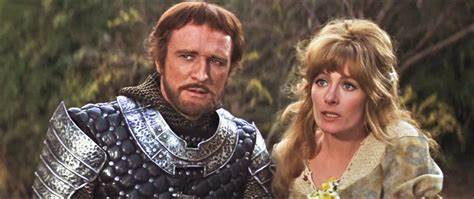
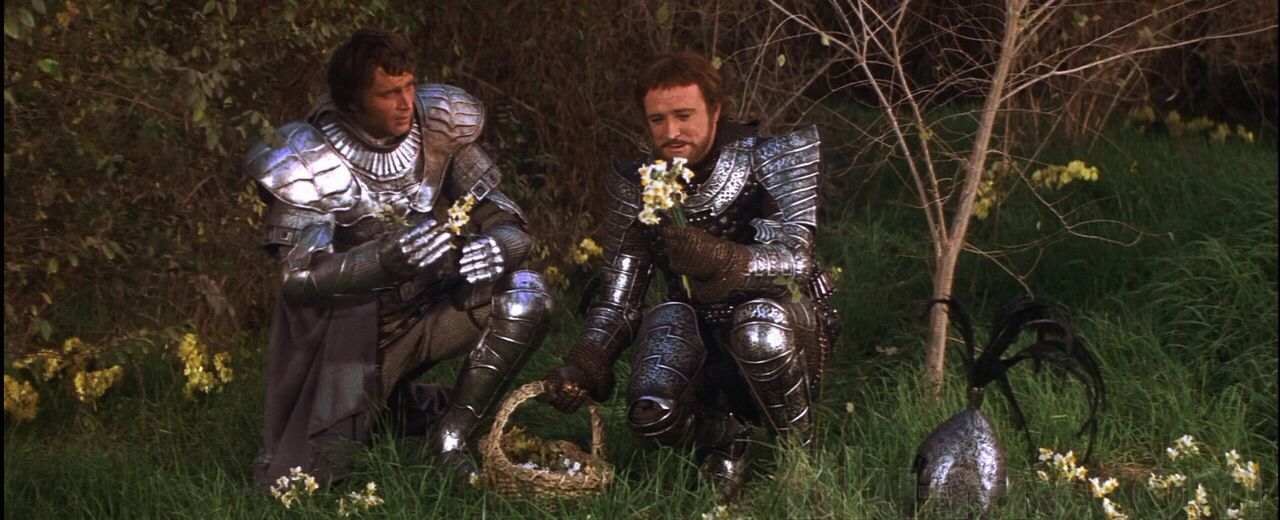
I love musicals, even long musicals like Les Misérables. Yet even I have a limit, and somehow Camelot was too much even for me. Based on the 1960 Lerner and Loewe stage musical, Camelot adapts the King Arthur legend, particularly the creation of the Knights of the Round Table and the doomed love triangle between Arthur (Richard Harris), Guenevere (Vanessa Redgrave), and Lancelot (Franco Nero, with Gene Merlino dubbing his singing voice).
All the events of the legendary scandal are well-portrayed: Lancelot’s boastful self-regard with the skill to back it up, the gradual transition of Guenevere disdaining and then falling for him, Arthur’s exasperation as he tries to overlook the uncomfortable rumor that everyone but he acknowledges, the corruptive role of Mordred (David Hemmings) in bringing Arthur’s idealistic kingdom low. Much of it is laudable, particularly an insightful script and the Oscar-winning score, production design, and costumes bringing Arthurian myth to life, yet it’s also dully self-indulgent at three hours long, in stark need of a skillful editor yet still leaving out songs from the stage version.
While Redgrave is a bewitching Guenevere and her eventual real-life husband Nero is dashing (if a bit insufferable) as Lancelot, Richard Harris is a strangely mixed bag as Arthur: sometimes, he’s excellent at embodying the king’s charm and deepening desperation while other times have him feeling too frivolous and unregal. It’s funny to think of him growing up to play the more Merlin-like role of Dumbledore, but he was indeed a singer too, known for the original version of “MacArthur Park.” His first number “I Wonder What the King is Doing Tonight” is a good representative of the film’s lack of imaginative staging, as Arthur just dips around some tree branches; Lerner’s lyrics are delightful, yet there’s little in the way of visual interest for the songs. As a poet, I certainly enjoyed the wordplay of “The Lusty Month of May” and “Take Me to the Fair,” but the film around the musical numbers, from its stolid pacing to the strain at an inspiring ending, sadly doesn’t rise above its flaws in my book.
Best lines: (Arthur) “I can’t quite remember all that Merlyn taught me, but I do remember this. That happiness is a virtue. No one can be happy and wicked. Triumphant, perhaps, but not happy.” and (young Arthur) “What’s the best thing for being sad?” (Merlin) “The best thing for being sad is to learn something.”
Long time, no see, eh? I wish I had a better reason for dropping completely out of the blogosphere since May. I have been working on my musical still, and I had a wonderful trip to Europe in the meantime, but the absence simply boiled down to my not having the drive and interest to write about movies, even though I’ve still seen quite a few. With the new year approaching, I would like to change that and return to a somewhat more regular posting schedule, especially since I have a backlog of films to cover. So sorry for the long disappearance, but I’m back and with a movie musical no less! _________________________
Wicked is as wicked does as wicked is perceived. The good, by virtue of their virtue, always are believed. And no one stops to question if there’s something to be grieved When wicked people get what they deserve.
They surely had a childhood, a life before their fall, A point of view, a friend or two, a favorite book or doll, But something changed in them or us, though what I can’t recall, To slide them down a steep and shameful curve.
The public judge, of course they do, a jury of our peers, And when the executioner is playing on their fears, They’ll brand a person “wicked” to a hundred thousand cheers If only they will get what they deserve. And surely we all know what they deserve…. _________________________
MPA rating: PG
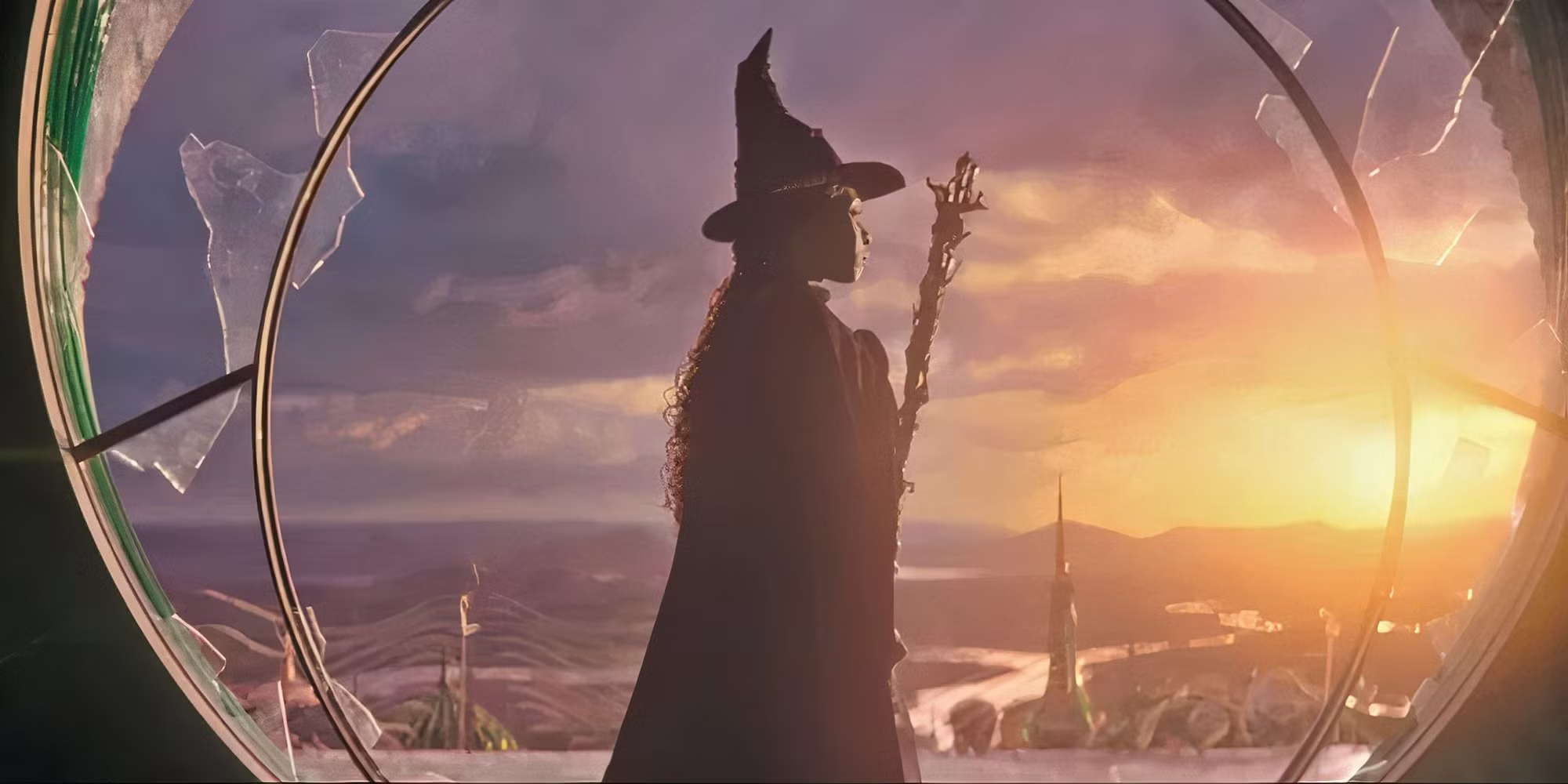
Despite my love of musical theater, I’m actually a comparative newcomer to the fandom of Wicked. I knew very little about it until a TV special celebrating the show’s 15th anniversary in 2018 (which featured Ariana Grande). I didn’t actually get to see a touring production of the show until earlier this year, so I feel like the timing of my interest in Wicked was far more convenient than for the ardent fans who have been waiting twenty-one years for this movie’s release. Even so, it’s finally here (Part 1 at least), and it’s a hit!
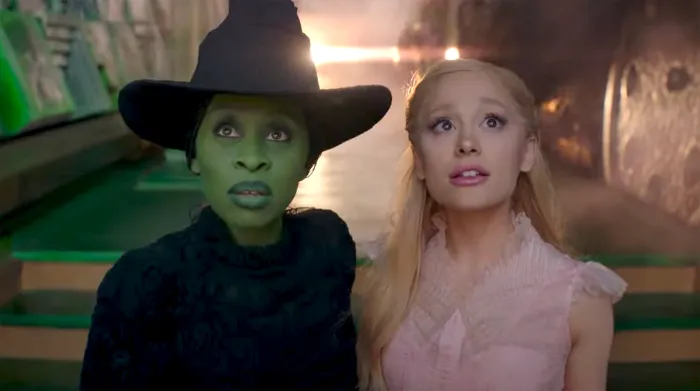
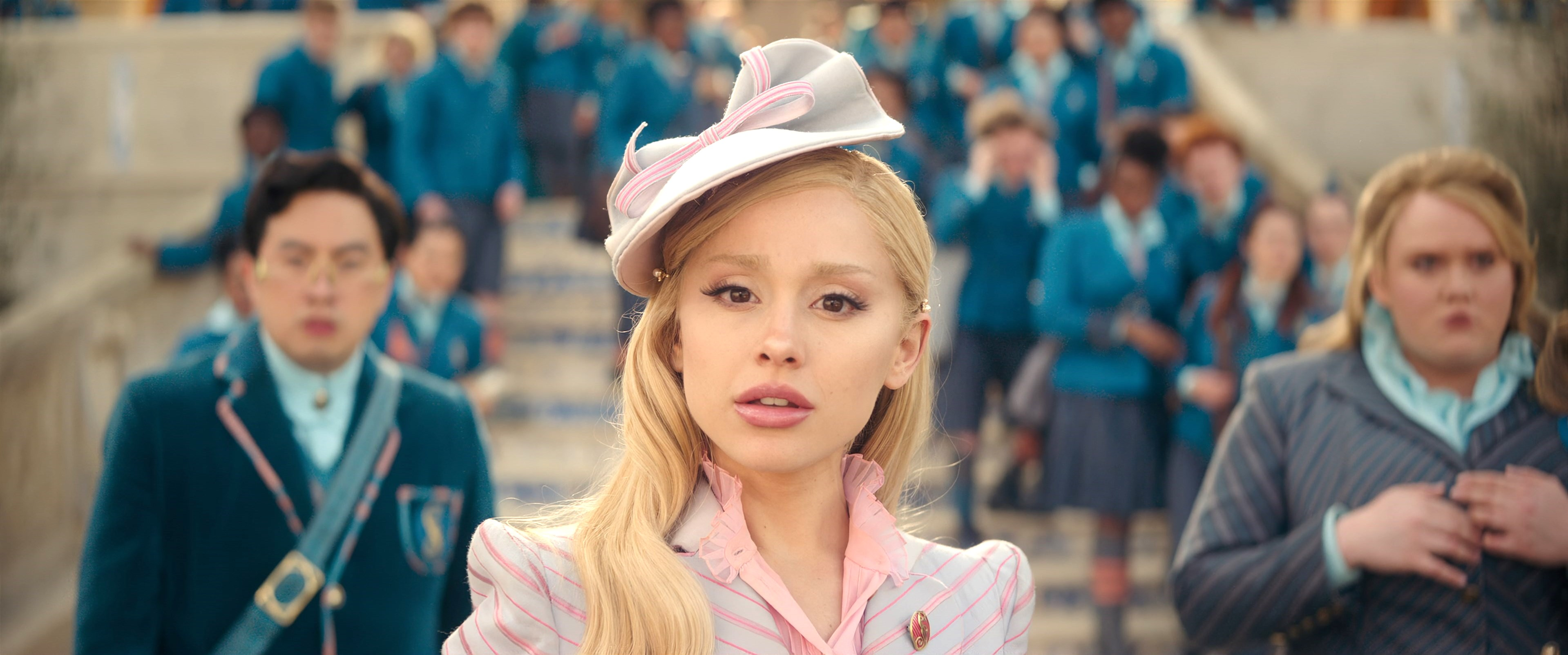
For those who still don’t know, Stephen Schwartz’s Broadway musical Wicked is based on the 1995 novel by Gregory Maguire, a then-innovative twisting of the classic Wizard of Oz storyline to make the Wicked Witch of the West, the green-skinned Elphaba, a more sympathetic main character. While I haven’t read the book myself, I’ve heard the musical and movie are a lighter PG version of the tale that nonetheless touches on themes of acceptance, persecution, and the perils of public perception, all amid a host of now-iconic showtunes. Here in Part 1, covering the first half of the stage show, Elphaba (Cynthia Erivo) is a new student at Oz’s prestigious Shiz University, unpopular but skilled with magic, alongside the more fashionable Galinda (Ariana Grande-Butera). Both dream of meeting the famous Wizard and making their mark on the world, and, though their initial interactions are strained, a friendship eventually blossoms, a bond to be tested by the different directions their ambitions take them.
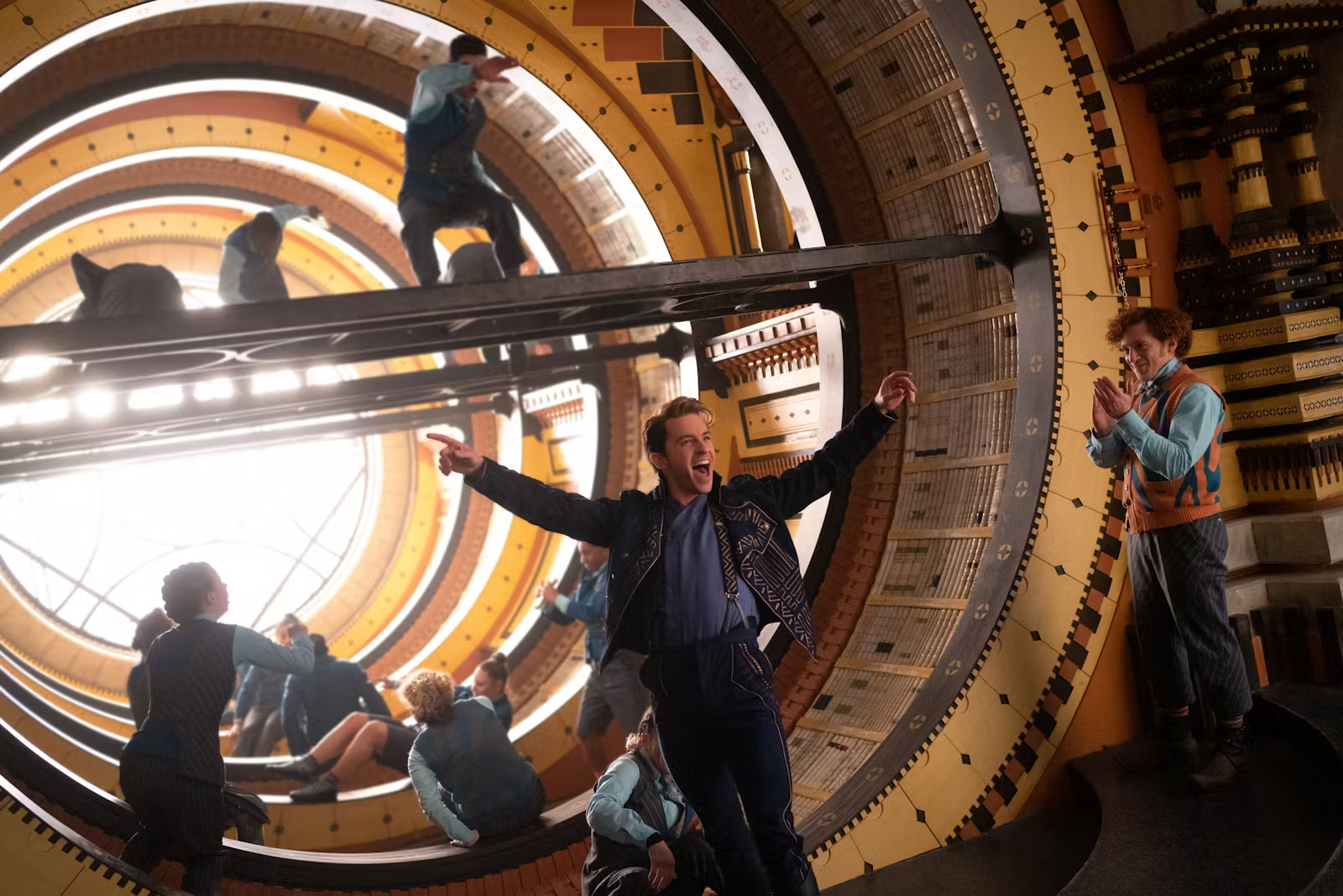
While it didn’t gain mainstream success, I was a big fan of Jon M. Chu’s previous musical adaptation In the Heights, and Wicked further cements Chu as the premier director for movie musicals. The energy and choreography of the dance scenes are especially thrilling on a big screen, particularly “Dancing Through Life,” the carefree anthem of Fiyero (Jonathan Bailey), the girls’ dreamy Winkie love interest. Much has been said of the decision to split Wicked into two films, but I think it was a smart move. A common complaint of musical adaptations is that fans’ favorite songs or moments end up on the cutting room floor (ahem, Dear Evan Hansen), but Wicked is almost obsessively faithful to its source material, with every song accounted for and many in-between scenes expanded. Does that make its two-hour-and-forty-minute runtime a bit overlong, considering this first half is nearly as long as the whole stage show? Well, yes, but with few exceptions, I appreciate the extended runtime, which lets the relationships grow more naturally and gives the non-musical scenes some breathing room.
I may have had some reservations about the casting when the lead roles were first announced, but Erivo and Grande more than deliver, both of them ardent fans of the show who have publicly championed their commitment to Elphaba and Glinda. Erivo is an outstanding actress and singer and reliable as ever in the lead role, while Grande is more of a surprise. Considering her early acting role as the ditzy Cat Valentine on Nickelodeon, I doubted that she was a serious enough actress for Glinda, even if she was a superfan (and had already contributed to this Mika song that samples and remixes “Popular”). But she brings surprising depth to a character who could easily be written off as a vain blonde but whose connection to Elphaba feels genuine and sweet. It helps too that both lead actresses have amazing voices, with Erivo’s “The Wizard and I” and “Defying Gravity” and Grande’s “Popular” as auditory standouts. There are instances of the movie interrupting a song with some pause or vocal trick that didn’t need to be there, but that’s a minor critique.
Funnily enough, it seems that Wicked fans are the ones poking the most holes in the movie, whether it be a supposedly lackluster color palette or the overly indulgent superhero-style awakening of Elphaba’s witch persona at the end. Yet I as a casual fan found a lot to love and very little I would change. I thought one musicless dance scene was overly awkward and long, but I’ve seen others praise it as an emotional high point, so to each their own. I especially loved some pitch-perfect cameos in the Emerald City sequence, and I certainly think the practical sets and elaborate costumes deserve some Oscar love.
Now, with only a year to wait before part two (subtitled For Good) comes out, I am thrilled with what we have so far and hesitant for what is to come. The second half of Wicked is darker, has fewer memorable songs, and has a lot of stuff happening offstage that is easier to accept in a stage format. With the work they’ve done on extra characterization here, such as with Fiyero and Ethan Slater’s Boq, I do wonder how they’ll handle all that as a movie. But for now, its chill-inducing showstoppers still fresh in my mind, Wicked is a triumph and a treat for musical fans, already outgrossing all other Broadway adaptations, and one I hope to see again soon.
Best line: (the Wizard, played by the fitting Jeff Goldblum) “The best way to bring folks together is to give them a real good enemy.”
(For Day 18 of NaPoWriMo, the prompt was for a poem in which the speaker desires to become someone or something else. With reincarnation featured in this movie, it seemed like a good fit.)
I’ve lived in fire, lived in water, Lived as someone else’s daughter. What can I be? What have I been? How can I hope to choose again?
I have been loved from sky to sea, But have I loved as selflessly? Always been given, and it’s been heaven, Lifting my heart like tender leaven.
How shall I live and love again Back in the realm of mortal men? Given new life, I’ll give to another. I want to be someone else’s mother. _________________________
MPA rating: PG-13
Hayao Miyazaki and Studio Ghibli have an astounding track record of instant classics, they boast an unparalleled reputation in the animation industry, and yet they are not infallible. Despite its many accolades, including the Academy Award for Best Animated Feature, The Boy and the Heron is quite possibly the weakest film of Miyazaki’s catalog, an unfocused fantasy that is both too much and not enough.
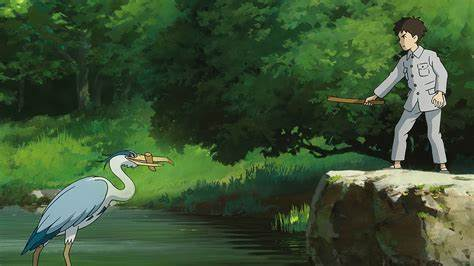
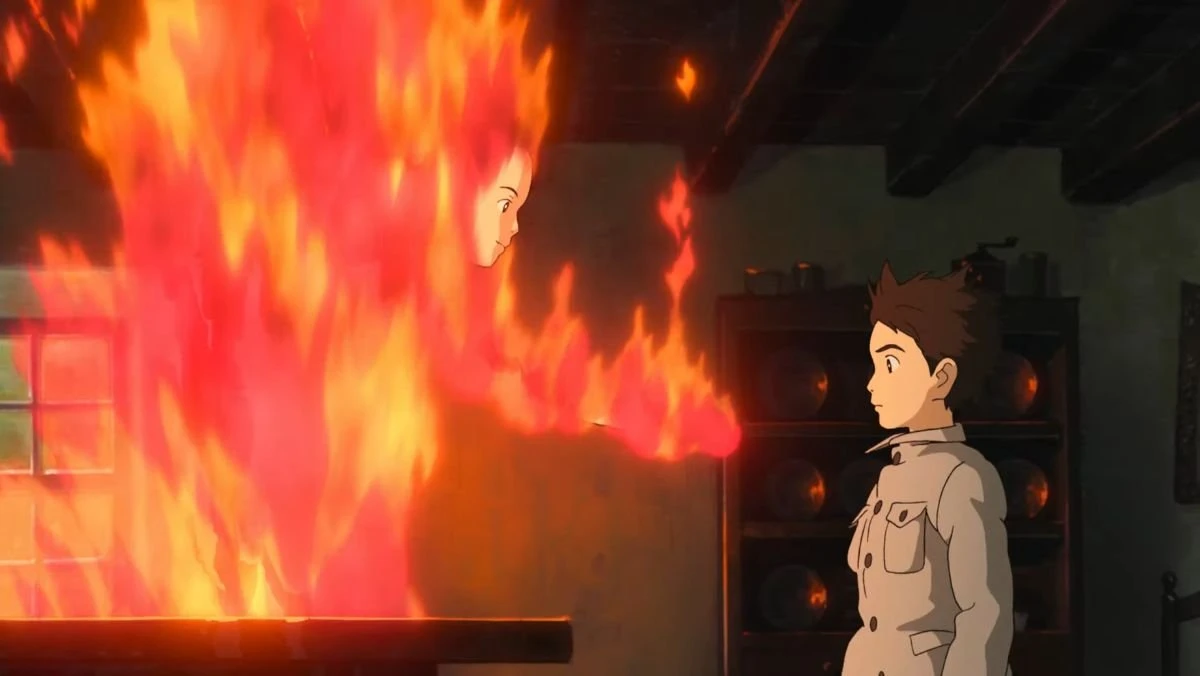
Taking its Japanese title How Do You Live? from a 1937 coming-of-age novel referenced in the film, the story begins similar to The Lion, The Witch, and the Wardrobe, with young Mahito Maki reeling from World War II and being brought to the countryside for safety. His mother lost in a hospital fire, he has no choice but to accept things as his father promptly marries her sister and moves him to a country estate. Mahito is drawn to a mysterious tower nearby, and a heron begins harassing him. When his pregnant aunt/stepmother disappears, the boy is led into a fantastical and very bird-oriented world as he commits to bringing her back while sorting out his conflicted feelings.
Ten years since his last film The Wind Rises, Miyazaki clearly had no shortage of ideas for his trademark imagination, but combining all of them into one fantasy world wasn’t the best move. After a rather long and boring prologue in the real world, Mahito’s introduction to the other dimension is a cavalcade of randomness, with a forbidden tomb, swarming pelicans, the butchering of a giant fish, and a representation of reincarnation, none of which really adds anything to Mahito’s story and feels more like padding to reinforce the world’s strangeness. There are also some other characters who have wandered in from the real world, yet they seem to fit right in, with magic powers and knowledge of how things work that Mahito lacks, making its rules further unclear. And the film keeps adding rules and characters right up to the end, making for a jumbled climax followed by a final scene that weirdly just… ends.
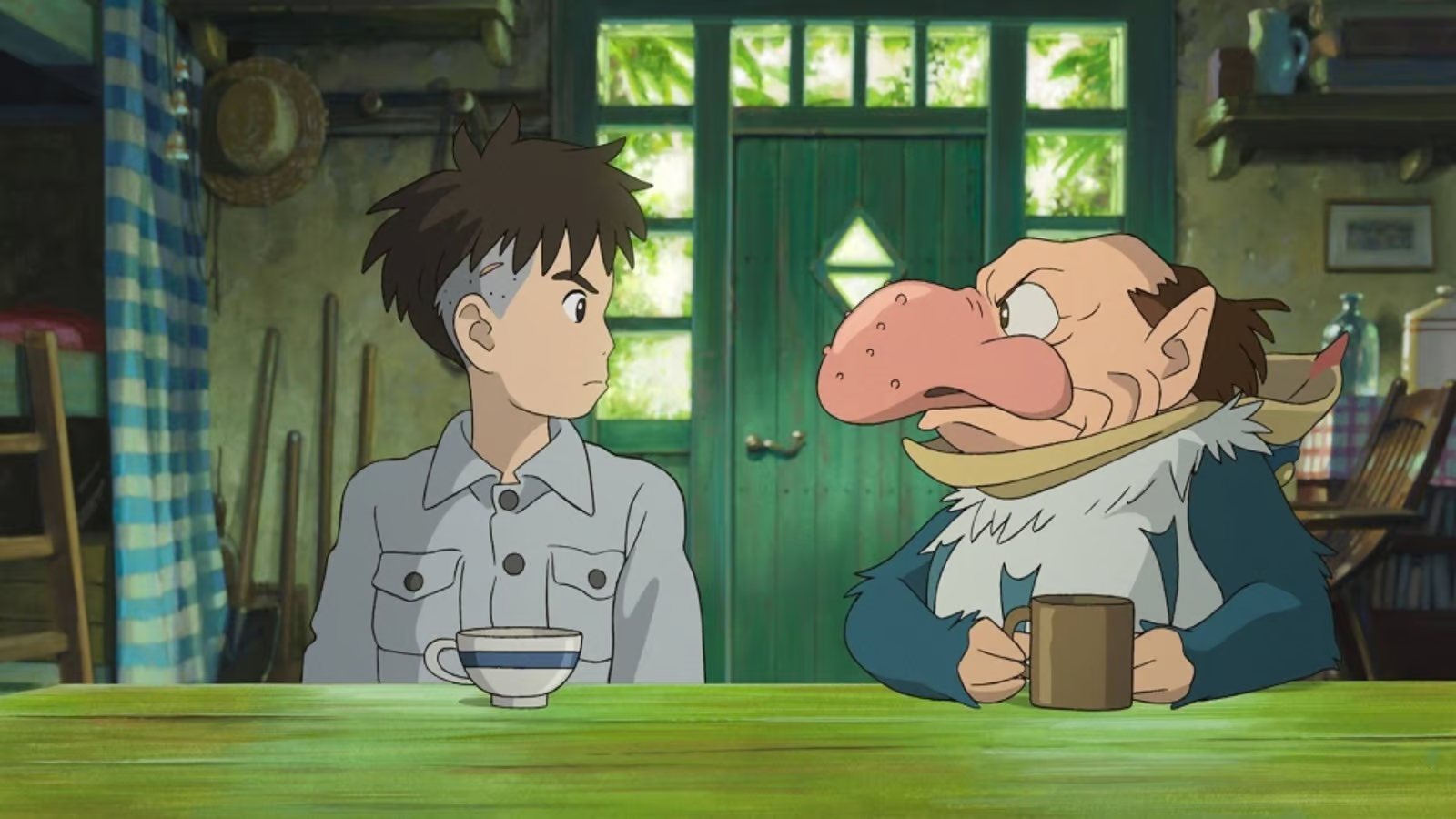
Of course, The Boy and the Heron does have its merits too, chief among them the gorgeous hand-drawn animation with that impeccable Ghibli style we haven’t seen in years. I enjoyed the middle section where Mahito teams up with a pyrokinetic girl and the little man who’s been wearing the heron like a suit, and the ending does have some touching themes involving family and personal choice. I only saw the English dub, and I have to applaud the star-studded voice cast, including Christian Bale, Dave Bautista, Gemma Chan, and especially Robert Pattinson sounding nothing like himself as the gremlin-like heron man.
Does it feel nice to have another Miyazaki film a decade after we thought his career was over? Sure. Did it deserve an Oscar? Nope, certainly not over Across the Spider-Verse, no matter what the Academy and critics say. Heck, The Boy and the Heron wasn’t even the best anime film I saw last year; I preferred Makoto Shinkai’s Suzume, and that wasn’t his strongest movie either. (Oddly, both films have a scene where characters’ true feelings of resentment bubble up to the surface in an outburst and then it’s never addressed again.) I won’t deny The Boy and the Heron its good points, especially visually, and it’s impressive how well it has performed with its experimental lack of initial promotion, coasting on the Miyazaki and Ghibli name, but I’m hoping the director can manage one more film that will hopefully end his career on a higher note.
(For Day 10 of NaPoWriMo, the prompt was to take inspiration from the old newspaper clippings and headlines featured on the Yesterday’s Print website. What caught my eye was from The Tennessean, Nashville, Tennessee, 11/16/1909: “Hundred years hence, women will then run the government, be rich and reign generally.” No surprise then that this film felt like a perfect fit.)
Call her a doll, call her a dame, Call her some other undignified name, Call her a damsel or call her a lass, Consign her to some subservient class At your peril.
Call him an oaf, call him a jock, Call him a chip off the barbarous block, Call him a wanker or call him a stud, Pigeonhole him as a chad or a chud At your peril.
Down with the queens and up with the kings. Down with the gods and up with the goddess. Always we swing to such eager extremes, Thinking so narrow we know not how broad is Our peril. __________________________
MPA rating: PG-13 (for some sexual references)
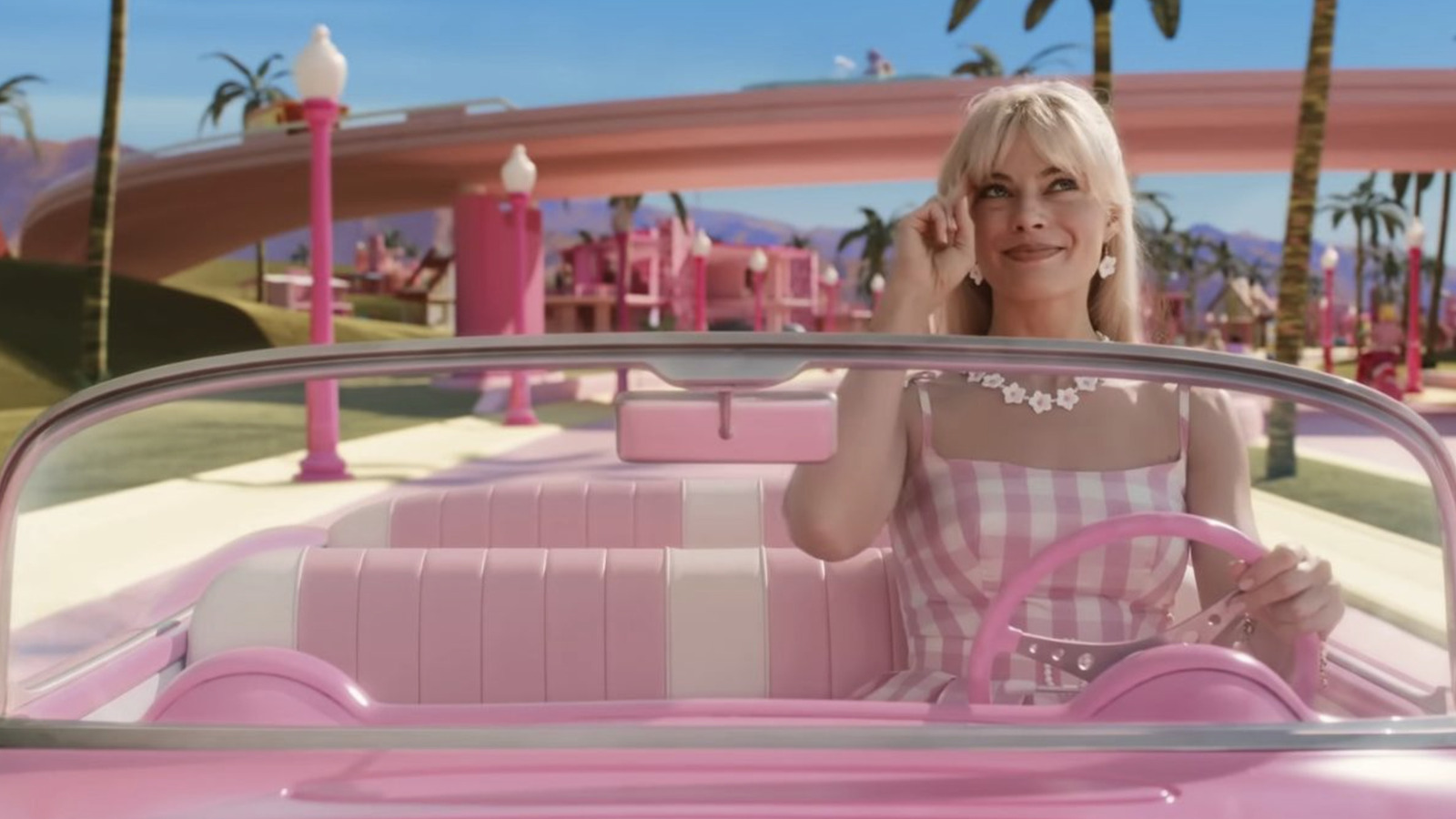
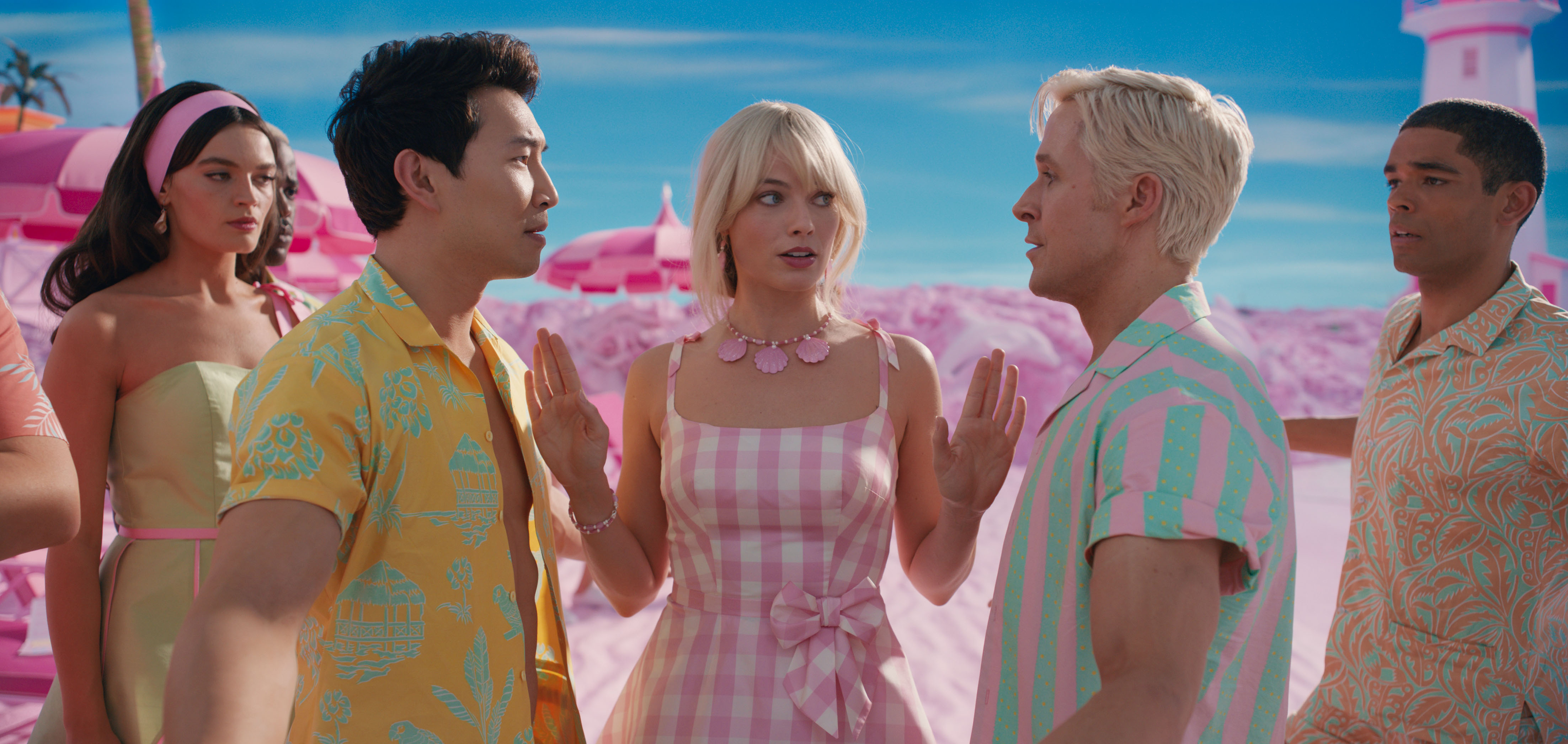
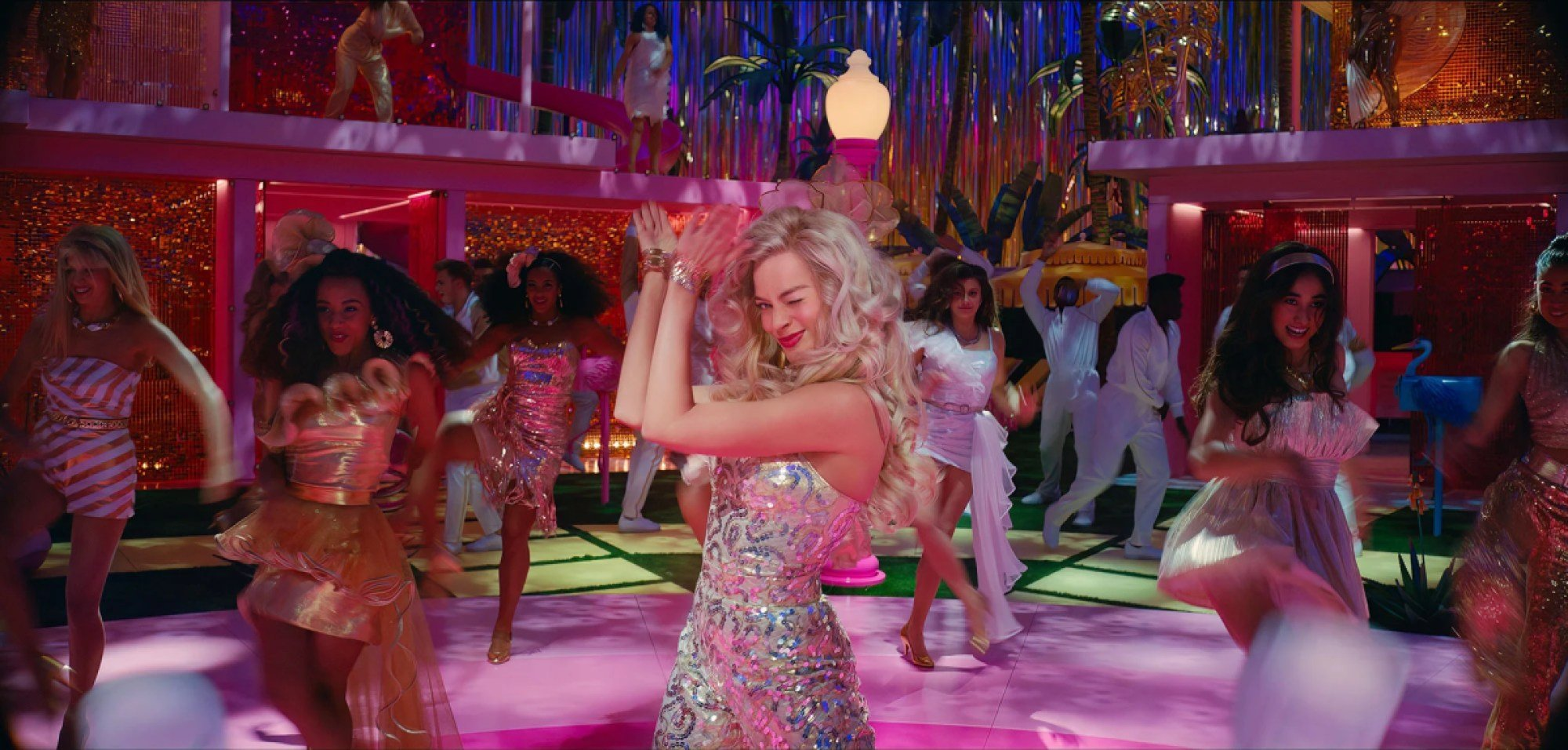
It took longer than most of the planet, but I finally got around to watching Barbie, Greta Gerwig’s billion-dollar juggernaut that made up the pinker half of the Barbenheimer craze. (I really should try to review Oppenheimer, considering I actually saw that one in the theater.) I’ve heard all manner of opinions for Barbie, some decrying it as feminist trash while others hailed it as a masterpiece of franchise reinvention that brought many female audiences to tears. Well, as a man with no former interest in the famous doll brand, I can declare that I fall squarely in the middle, considering Barbie equal parts dumb, fun, and thematically interesting.
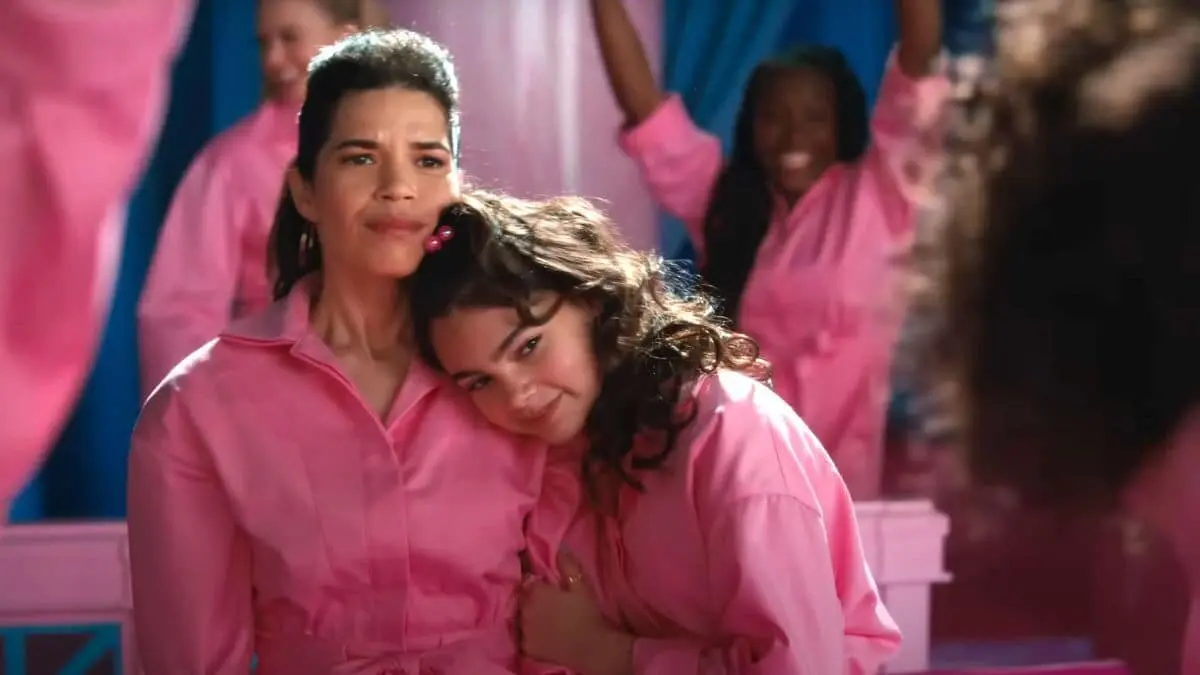
In near-perfect casting, Margot Robbie plays Stereotypical Barbie, the blond archetype who is just one of countless Barbies ruling the life-size toy world of Barbieland, while the second-class himbo Kens mainly focus on trying to impress their Barbies of choice. Robbie’s Barbie begins having “irrepressible thoughts of death” and cellulite, real-world problems shunned by Barbieland and forcing her to seek answers in, naturally, the real world, accompanied by her eager-to-please Ken (Ryan Gosling). There, she gets help from harried mother Gloria (America Ferrera) while Ken discovers the wonders of patriarchal society and plots to change Barbieland in ways beyond their ken (pun intended).
I should note that I watched this film, after much coaxing, with my dear Viewing Companion (VC), who was utterly against it at first. (I think Gosling’s stellar performance of “I’m Just Ken” at the Oscars might have convinced her to give it a try.) She has a very particular view of Barbie from when she was growing up, and the modern incarnation of the doll threatened to corrupt those happy memories. And while I found things to appreciate about the movie, she thought it was an altogether stupid waste of time with muddled messaging and overexaggerated acting. But at least she liked “I’m Just Ken”; that’s one thing even the haters seem to agree on.
The thing is that I don’t entirely disagree with my VC’s complaints. Barbie does have an annoyingly shallow view of the patriarchy and, despite giving voice to some downsides, seems to consider a similarly stratified matriarchy a better alternative, which may please girlbosses but is really no better. Yet the film also has fun playing with its various stereotypes and manages to mix in genuine laughs with the eyerolls, like Helen Mirren’s asides as the narrator or the awesome Pride and Prejudice joke. And while I didn’t find the cringy exaggerations of Barbieland particularly funny, I could see it appealing to other audiences’ sense of humor. I know everyone loves Gosling as Ken, but, despite his great song, I don’t really get his appeal, sorry.
While the pink production design and attention to brand detail and history deserve praise, I’m also mixed on the screenplay from Gerwig and Noah Baumbach. While it plays its excesses off for giggles, the plot is a mess, especially when Barbieland and the real world collide, not helped by the changing motivations of Will Ferrell as the CEO of Mattel (a caricature of corporatism that I’m surprised Mattel approved). Its treatment of what Barbie represents, how patriarchy shapes people, and the pros and cons of living in the real world all seems to play both sides of the argument. I loved her adaptation of Little Women, so, while some dismiss that duality as lazy writing, I have enough faith in Gerwig as a writer to believe it was all intentional to give the film more nuance than the simple narrative at its core would indicate. And the film’s climactic tearjerker scene that goes on a little too long at the end does a lot to deepen the film’s message into poignancy, despite being a drastic shift in tone.
Ultimately, Barbie is not as egregious as its detractors insist nor as innovative as its fans proclaim. It actually recycles quite a bit from The Lego Movie, complete with Will Ferrell as the real-world authority figure. While many decried the Oscar snubs of Gerwig’s direction and Robbie’s leading role, I can’t say I disagree with the Academy here, considering the competition. I will forever wish that “I’m Just Ken” had won Best Original Song over Billie Eilish’s “What Was I Made For,” which is also good but just not as iconic as the anthem for Kens everywhere. Barbie likely won’t become a favorite in my house, but its mixture of dumb fun and existential questions certainly left its mark on the cultural zeitgeist.
Best line: (Ruth Handler, creator of Barbie, with an absolute gem of a line) “We mothers stand still so our daughters can look back and see how far they’ve come.”
(For Day 9 of NaPoWriMo, the prompt was for an ode to an everyday object. While it may not be in everyone’s house, I’m sure many have a manuscript or poems or drawings they’re too nervous to share with the world, so I addressed this irregular sonnet to them.)
You mock me, you pile of papers, You unread manuscript, hiding in the corner. You say “Am I not fruit of all your labors? Am I not worth another pair of eyes? Is it better to be a cipher than a mourner, Lest someone dare to share or criticize? I’ll outlive you, your fear and blushing cheeks; I’ll wait till someone else will spy my corner And read what you had guarded from critiques And grieve its author’s sad, unknown demise.” I know that’s what you’re saying as time flies, The time that’s killing me and stalling you. The world can’t know what’s missing till it peeks, Until the shy apply for their debut. ____________________
MPA rating: Not Rated (should be PG for some drama but quite clean)
While not every international run can be on the level of Your Name or The Boy and the Heron, I am quite glad that smaller anime films are getting at least a limited release in American theaters, even if it takes a year to get here. The Tunnel to Summer, the Exit of Goodbyes may have a rather cumbersome title, but it’s one of the better under-the-radar anime movies, with appealing animation and a nice short runtime to deliver its poignant themes.
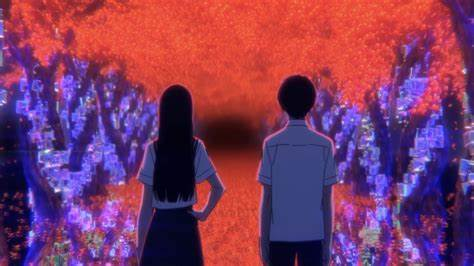
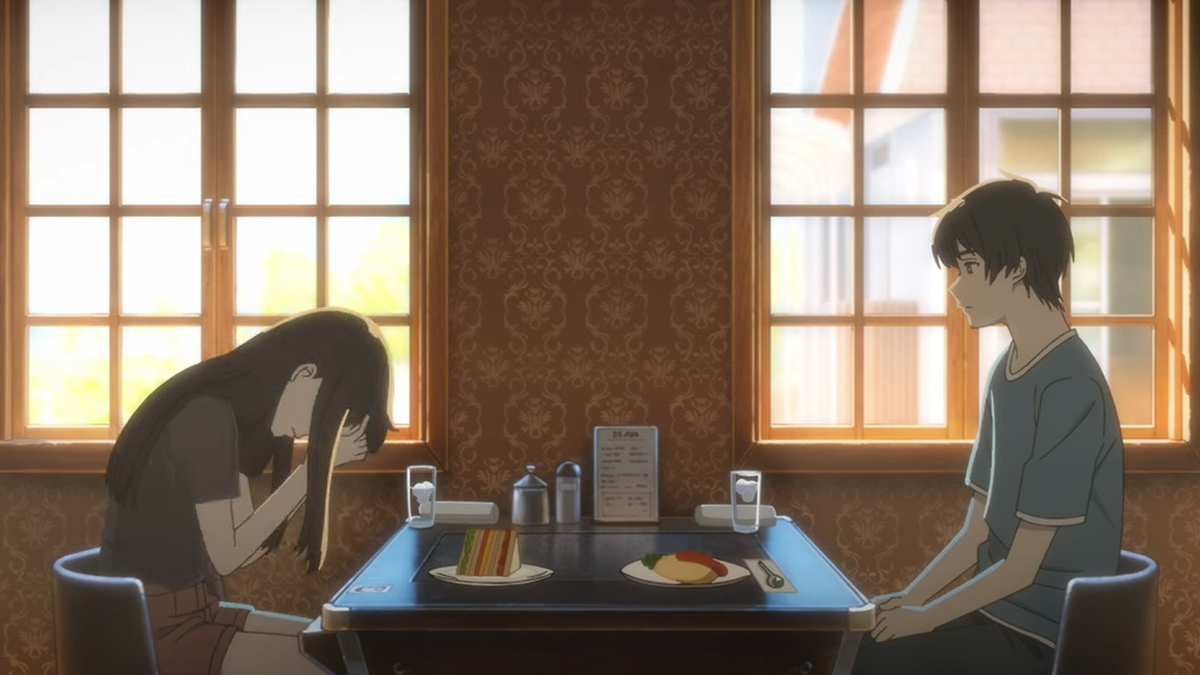
Kaoru is a high school student living in quiet grief with his abusive father, and he forms a bond with equally aloof transfer student Anzu, a budding manga artist unsure of her own talent (and inspiring the poem above). The two happen upon the fabled Urashima tunnel, which can supposedly grant a person’s greatest wish for a price. Mirroring the Urashima namesake, which is basically the equivalent of Rip Van Winkle in Japanese folklore, they discover that time passes differently inside the tunnel, where glowing trees line a watery path to their distant wish. After performing experiments on the tunnel’s strange properties, the duo must decide whether their wishes are worth giving up on their current life.
While there are plenty of films with this same romance-plus-supernatural storyline, I liked the natural progression of both, as the two main characters are actually smart about testing the temporal phenomenon, while also growing closer in the process. Though it can’t quite compare in scale or artistry, the film had some similarities to Your Name, and I suspect fans of one will also enjoy the other. It may be largely predictable, but The Tunnel to Summer, the Exit of Goodbyes is a lovely little movie to satisfy fans of star-crossed romance.
Are you new in Oz? I bet so because You’ve the look of someone lost, Exhausted, star-crossed, Like you’ve never seen a witch Or a road of yellow brick Or a beast with perfect pitch. Plus, you strike me as homesick.
But that’s no big deal; I know how you feel, Like a friend I miss a lot, Distraught, but fear not. See, we’ve done this all before, She got home still safe and sound. If what’s past is what’s in store, I’ve no doubt you’re homeward bound. _________________________
MPA rating: G (though PG fits better with some of the imagery and costumes)
Since 2024 marks the 85th anniversary of The Wizard of Oz and the first Broadway revival of The Wiz since its original 1970s run, it seemed like a good time to finally watch and review the film version of The Wiz. (We’ll ignore that this should have been done last year for my Blindspot list.) A modern retelling of L. Frank Baum’s classic story with an all-Black cast and different music, The Wiz was a definite Broadway hit, as its seven Tonys can attest, but I knew nothing about the film, beyond Michael Jackson playing the Scarecrow. So it was interesting going in blind to this version of Oz that has gone from a bomb to a cult classic in the 46 years since its release.
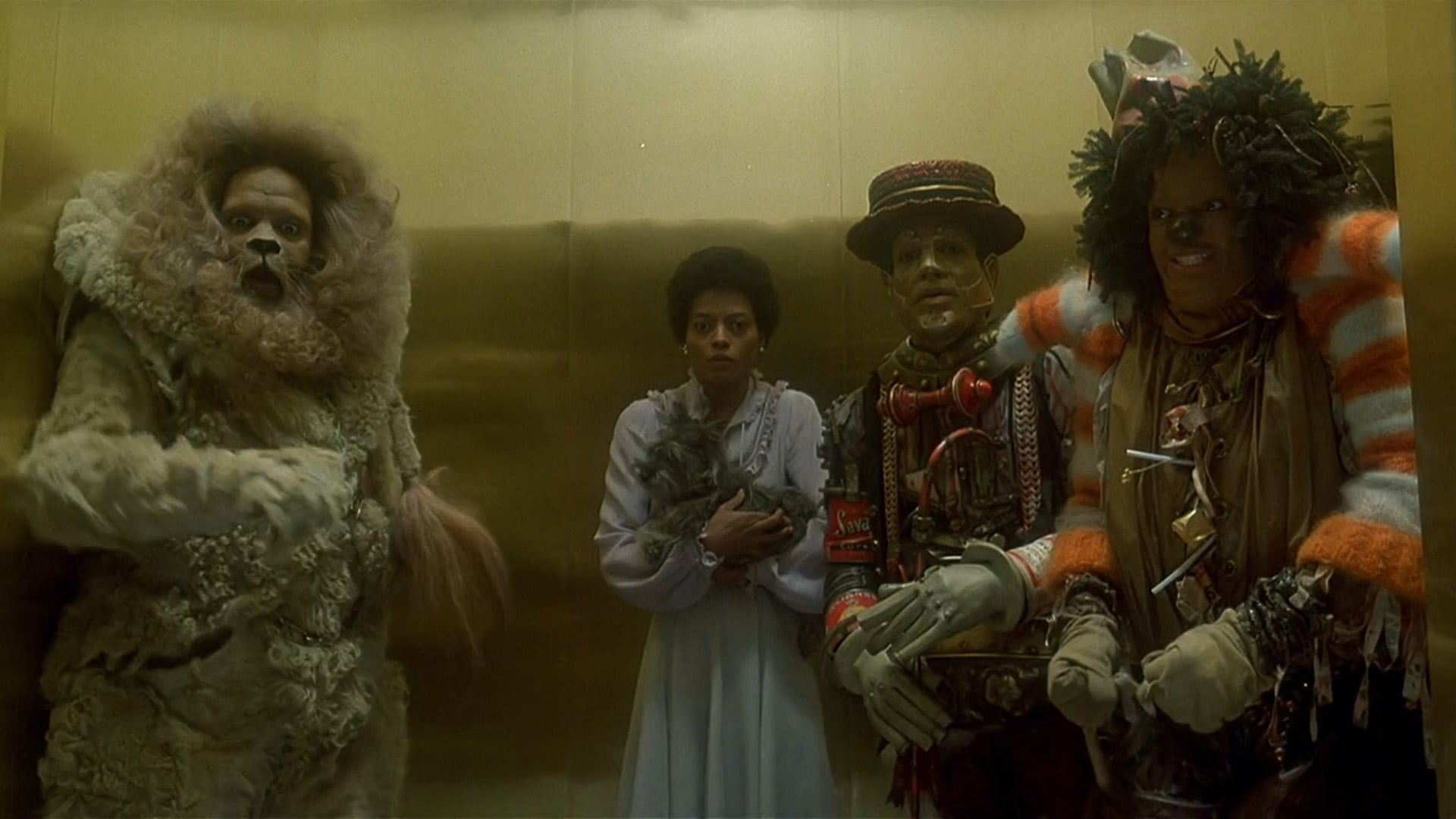
While the core isekai story remains the same, The Wiz is quite visually distinct from the Judy Garland classic, relocating from Kansas to urban Harlem and making the child Dorothy into an adult schoolteacher (Diana Ross) nervous to move away from her family neighborhood. When a freak snow twister (happens all the time in Harlem, I’m sure) transports her and her dog Toto to the dystopian land of Oz, the timid girl gathers companions (Jackson, Nipsey Russell, Ted Ross) on her way to ask the Wizard (Richard Pryor) to send her back home.
The Wiz takes some time to find its footing because I was surprisingly bored through initial set-up, and Diana Ross’s affected diffidence was more annoying than sympathetic. It wasn’t until the arrival of Michael Jackson’s Scarecrow and especially Ted Ross’s Cowardly Lion that I began truly enjoying it as a musical. Jackson plays the Scarecrow as a bashful doormat, pulling quotes out of his stuffing like a burlap Mrs. Who from A Wrinkle in Time, while Nipsey Russell is an affable carny Tin Man with some repressed trauma. But Ross as the Lion truly steals the show, matching the mix of insecurity and self-puffery that Bert Lahr brought to the original film, so it’s no wonder he won a Tony for the same role on Broadway. He also proves to be the MVP of the journey, saving the whole group from a subway come to life, in one of several nightmare-fuel sequences that must have haunted some childhoods. Pryor is a decently mousy Wizard, though he doesn’t have enough screen time to make an impression and doesn’t even provide any insight to the other characters; in researching the Broadway production, I was mainly floored to learn that André De Shields of Hadestown fame played the same role on stage.
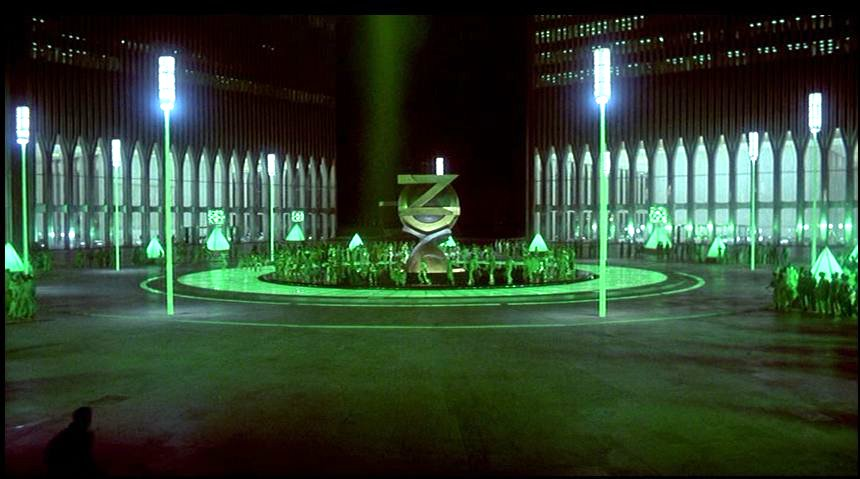
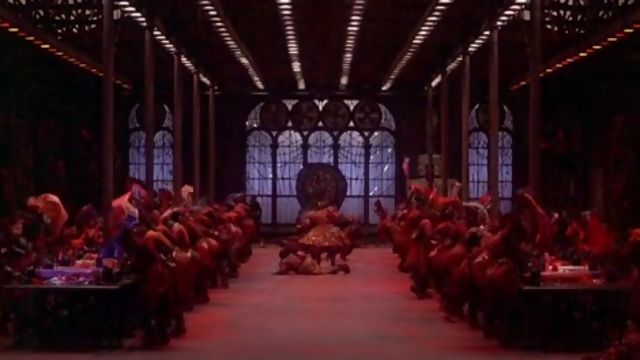
As for the music, “Ease on Down the Road” is the film’s most famous number, but “I’m a Mean Ole Lion” and “Don’t Nobody Bring Me No Bad News” are fitting showstoppers for the Lion and the Wicked Witch of the West Evillene (Mabel King), respectively. The disco “Emerald City Sequence” also has some gobsmacking set and costume design that illustrates the Wizard’s power as a trendsetter and contrasts with the urban decay of much of the production design. But the true star of the soundtrack is “Everybody Rejoice/A Brand New Day,” Luther Vandross’s utterly catchy and joyful group dance number with the ensemble celebrating Evillene’s defeat, even if it’s made a tad weird by the freed Winkies cavorting in only their underwear.
The Wiz has zero chance of replacing the 1939 film as the definitive Wizard of Oz musical, but it gives the material a worthy spin. I found some of the exaggerated acting a bit strange or overly childish at first, but the 1939 film was guilty of the same and simply benefits from decades of nostalgia, so I can see why time has been kind to people’s perception of The Wiz. It’s certainly uneven but not a total trainwreck, and its high points are worth the price of admission to its strange urban odyssey.
Best line: (Scarecrow) “Success, fame, and fortune, they’re all illusions. All there is that is real is the friendship that two can share.” (Dorothy) “That’s beautiful! Who said that?” (Scarecrow, modestly) “I did.”