Mass (2021)

Tags

,

(Today’s NaPoWriMo prompt was for a poem in the style of poet Kay Ryan, whose work is characterized by short lines “with a lot of rhyme and soundplay.”)

Everybody
Has regrets.
We only pray
That ours will not
Result someday
In death or debts
We cannot pay,
The kind of blot
That none forgets,
The kind that nought
Can wash away.
___________________________

MPA rating: PG-13 (for heavy subject matter and some language)

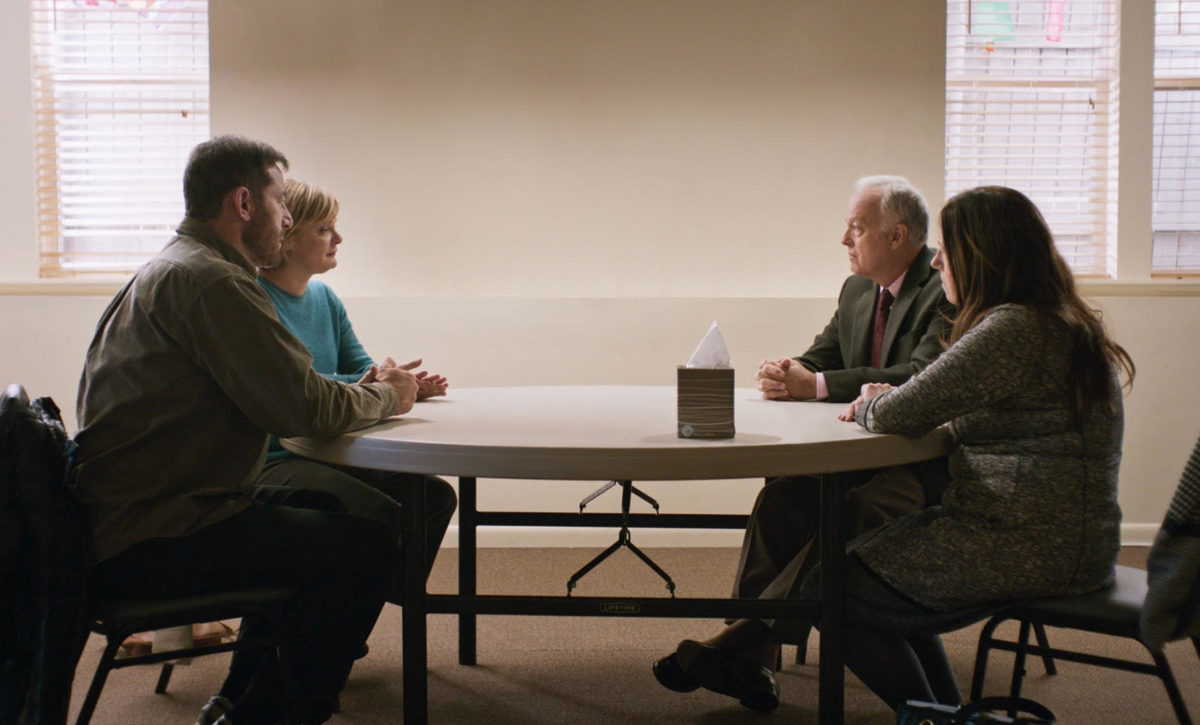
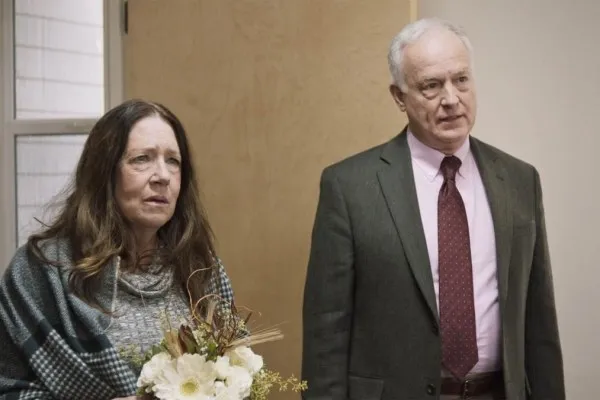
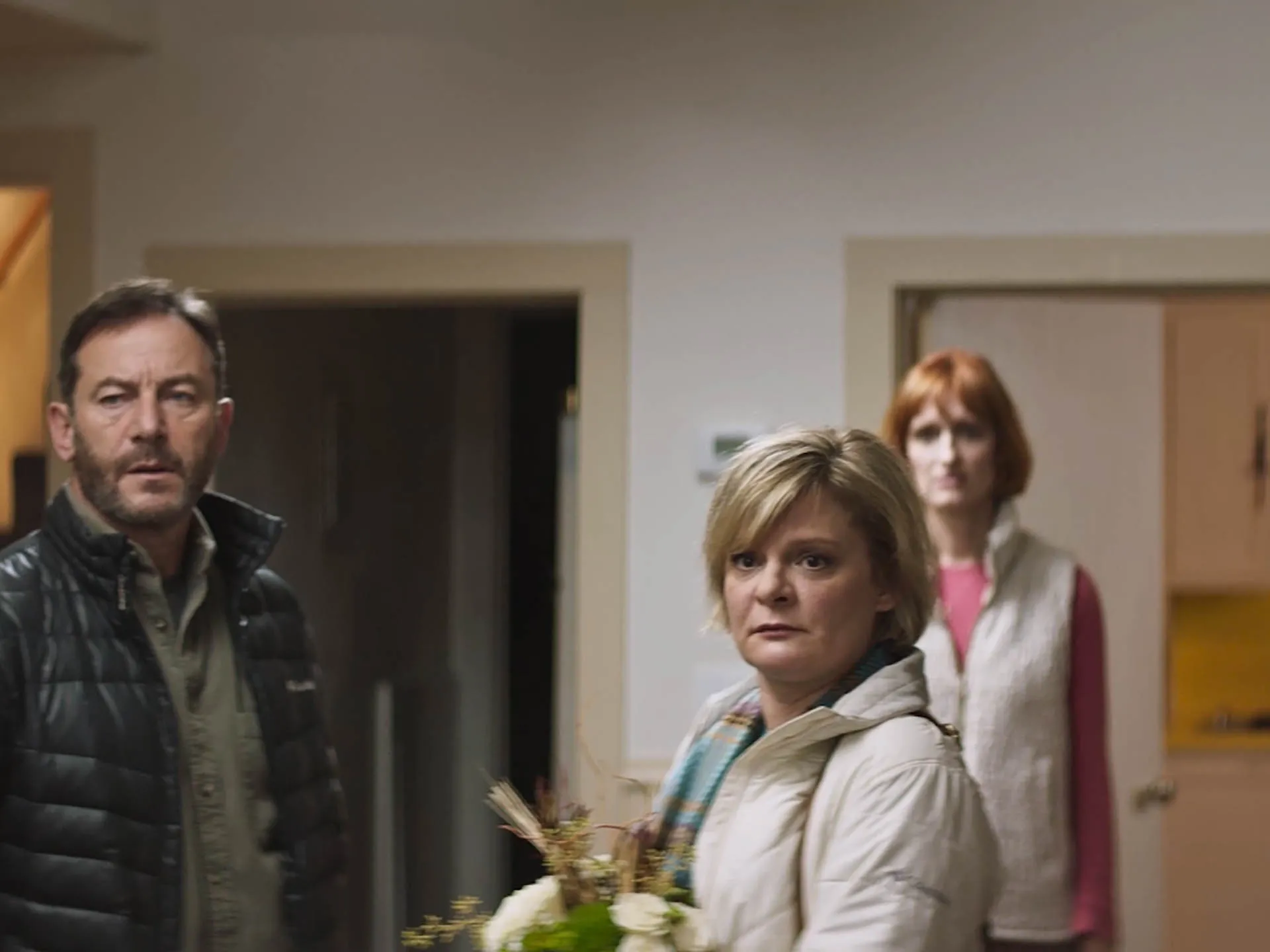
It’s hard to believe that Mass wasn’t based on some existing play but rather an original script from actor Fran Kranz, who also made his directorial debut with this small but emotionally potent drama. Set mostly in a small back room of an Episcopal church, the film is essentially one long conversation, or more of a therapy session between two middle-aged couples: Jay (Jason Isaacs) and Gail (Martha Plimpton), whose son was killed a few years before in a school shooting, and Richard (Lee Birney) and Linda (Ann Dowd), whose son was the shooter before committing suicide.

It takes time, but awkward pleasantries soon evolve into accusations, unanswerable questions, and mutual attempts at empathy. Shouldn’t Richard and Linda have seen what their son was capable of before it happened? Should Jay and Gail blame them for not raising their son differently? The film doesn’t give any definitive answers or go deep into the political attempts at a “solution,” instead seeking to bare the emotions of all and find compassion for those whose lived experience and responses to trauma can never be completely understood. And while neither couple evokes God or religion as part of their anger or recovery, the very setting in a church and its final scene imply that grace and comfort can be found by those who seek it.

I watched Mass with some detachment, admiring the award-worthy performances by all four of the main actors (shame on the Oscars for snubbing all of them) and sympathizing with each to different extents. Yet I found it interesting that my VC had a different reaction, one with more anger toward Richard and Linda for not recognizing their son’s descent into darkness before it was too late. Yet I felt such a scenario was all too realistic, since no mother or father wants to believe the worst in their child. So Kranz’s screenplay certainly manages to plumb the depths of its sensitive topic, which viewers will react to differently, yet hopefully gain an added perspective into how the victims of such tragedies extend to those left behind. Some of the story framing with a neurotic church employee didn’t seem necessary, and I’m not sure what a repeated scene of a field was supposed to represent, but Mass is still a hard-hitting Triple A film (one that’s All About the Acting) whose raw but valuable premise highlights the power of grace over finger-pointing in the universal expression of grief.

Best line: (Richard, to Jay) “You think you can attach one word to something in order to understand it? To make you feel safe? Well, I won’t say it. I don’t believe it. It’s not simple; it’s everything you cannot see.”

Rank: List Runner-Up

© 2022 S.G. Liput
767 Followers and Counting
Palm Springs (2020)

Tags

, , ,

(Today’s NaPoWriMo prompt was for a poem featuring repetition, so what better film to inspire me than one about a time loop?)

I woke up this morning
And jumped out of bed.
I woke up this morning
And lay there instead.

I woke up this morning
To paint the town red.
I woke up this morning
And ended up dead.

I woke up this morning,
My wild oats spread.
I woke up this morning
To tears and bloodshed.

I woke up this morning
And panicked and fled.
I woke up this morning
And just shook my head.

I woke up this morning,
To nothing but dread.
I woke up this morning
With nothing ahead.

I woke up this morning
Again, as I said.
I woke up this morning,
Tomorrow still gone.
So how many mornings
Will this hell go on?
______________________

MPA rating: R (mainly for language)

Time loop movies have gotten a sudden surge of interest recently, from the action of Boss Level to the teen romance of The Map of Tiny Perfect Things (both of which I still need to see), but 2020’s Palm Springs was a pandemic-era hit that brought the subgenre to the fore. I don’t want to sound dismissive, but no time loop movie will ever top the fantastically original Groundhog Day, which every other such film will inevitably be compared to and found lacking. Still, Palm Springs proves there’s room for more than just one ‘90s classic.

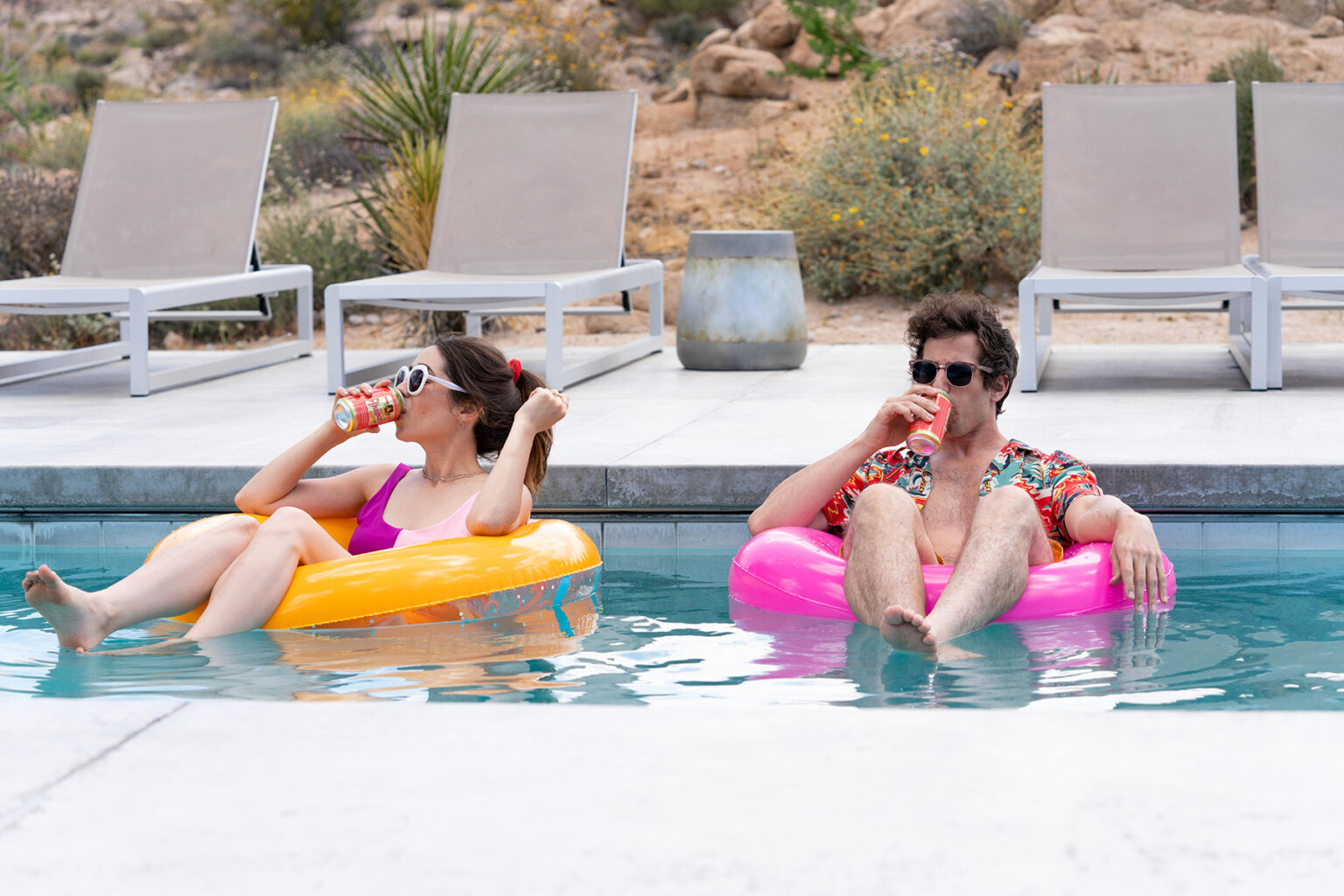
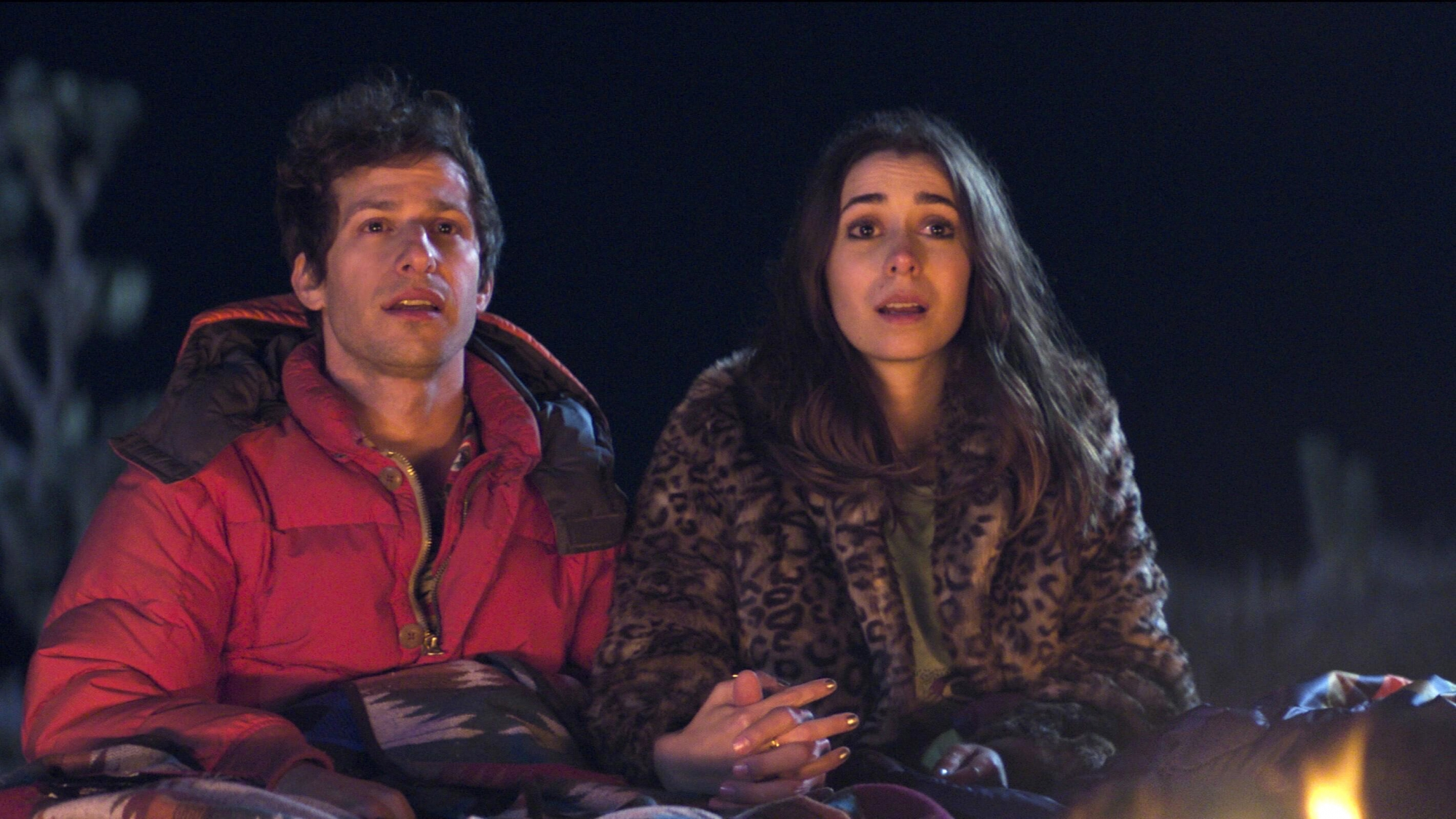
Set in the titular California desert resort, Palm Springs mixes up the usual time loop scenario by throwing in two loopers (well, actually three) rather than a single sufferer. The two in question are wedding guest Nyles (Andy Samberg) and the sister of the bride Sarah (Cristin Milioti), both of whom stumble upon a mysterious energy source within a cave at different times and end up endlessly repeating the wedding day, “one of those infinite time loop situations you might have heard about,” as Nyles calls it. Like Bill Murray did before, the reactions of the pair range from hedonism to despair to eventual nihilism as they both decide that nothing matters when time itself won’t let you move forward or even die, though each of them are in the rare position of having someone else sharing the same predicament, someone who may offer them something worth caring about.

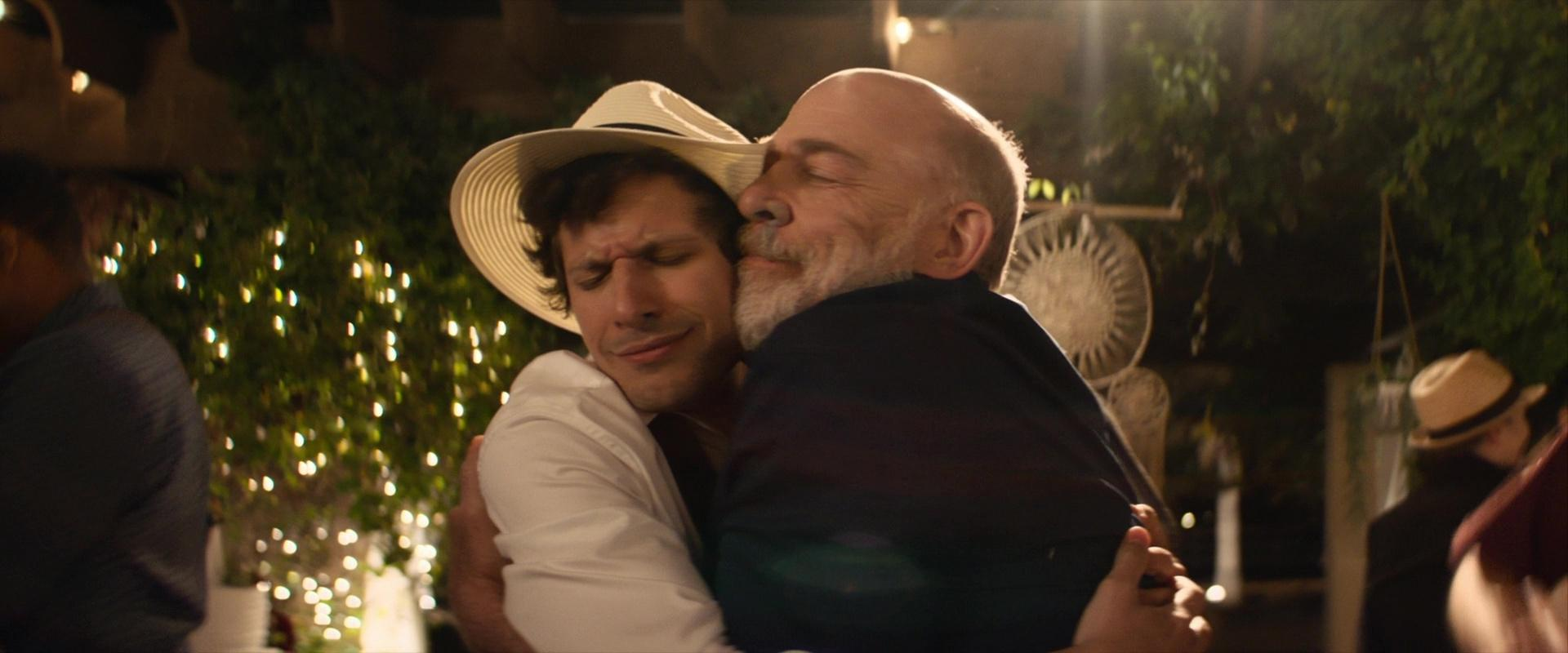
I can certainly appreciate an unconventional rom com, and Samberg and Milioti make a likable pair to root for… eventually. Truth be told, I didn’t much enjoy either of them at the beginning, owing to their casual promiscuity and growing cynicism, but they both reach a point where they realize their own failings and strive to be better. And while one finds their way to an actual solution to the time loop problem, the other grows confident enough to give a stirring confession of love reminiscent of the end of When Harry Met Sally…. Plus, there’s J.K. Simmons as a third time looper who naturally steals his few scenes with a different response to eternity than the other two.

I suppose my main complaint is one that few will share, just disappointment that this had to be R-rated when Groundhog Day remained clean enough to be watchable by all. Even so, Palm Springs caters to my fondness for time loop stories and becomes a far more satisfying and endearing rom com than I expected from its first half. Like its predecessor, it cleverly finds ways to keep its potential repetition from getting boring and has more original ideas than its borrowed concept might indicate, so I can give it some respect. But Groundhog Day was still better.

Best line: (Nyles) “You’re my favorite person that I’ve ever met, and, yes, I know that it’s crazy odds that the person I like the most in my entire life would be someone I met while I was stuck in a time loop, but you know what else is crazy odds, getting stuck in a time loop…”

Rank:  List Runner-Up

© 2022 S.G. Liput
767 Followers and Counting
Her Blue Sky (2019)

Tags

, , , ,

(Today’s NaPoWriMo prompt was rather detailed, to “recall someone you used to know closely but are no longer in touch with, then a job you used to have but no longer do, and then a piece of art that you saw once and that has stuck with you over time. Finally, close the poem with an unanswerable question.” I decided to adapt the prompt to the viewpoint of a character from this film.)

He made me laugh until the day
He made me cry and went away.
Though where he’s gone I cannot say,
I like to think he rues that day.

My sister worked me to the bone
When she was young and trouble-prone,
But now that she is nearly grown,
I hate to think of her alone.

I still recall the song he played,
And when my sister can be swayed,
She plays and makes me wish he’d stayed.
Why can’t I let the memories fade?
_______________________________

MPA rating:  Not Rated (a tame PG-13)

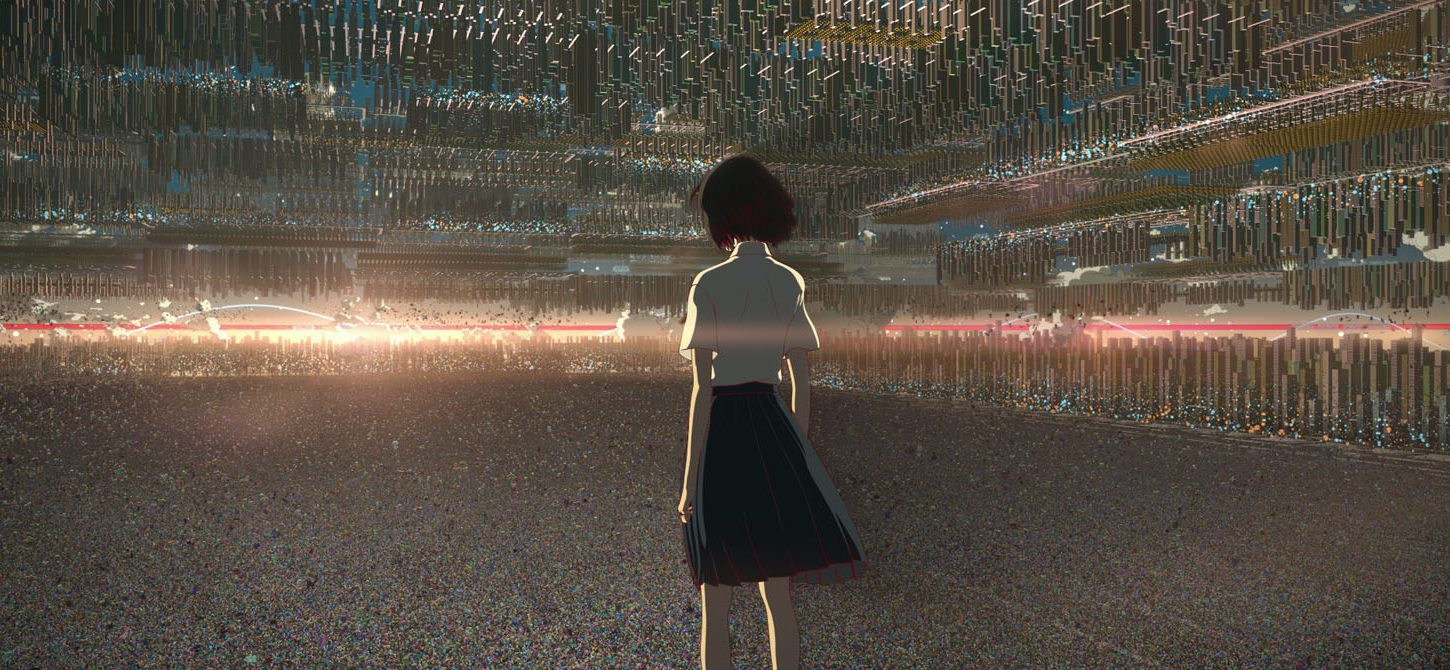
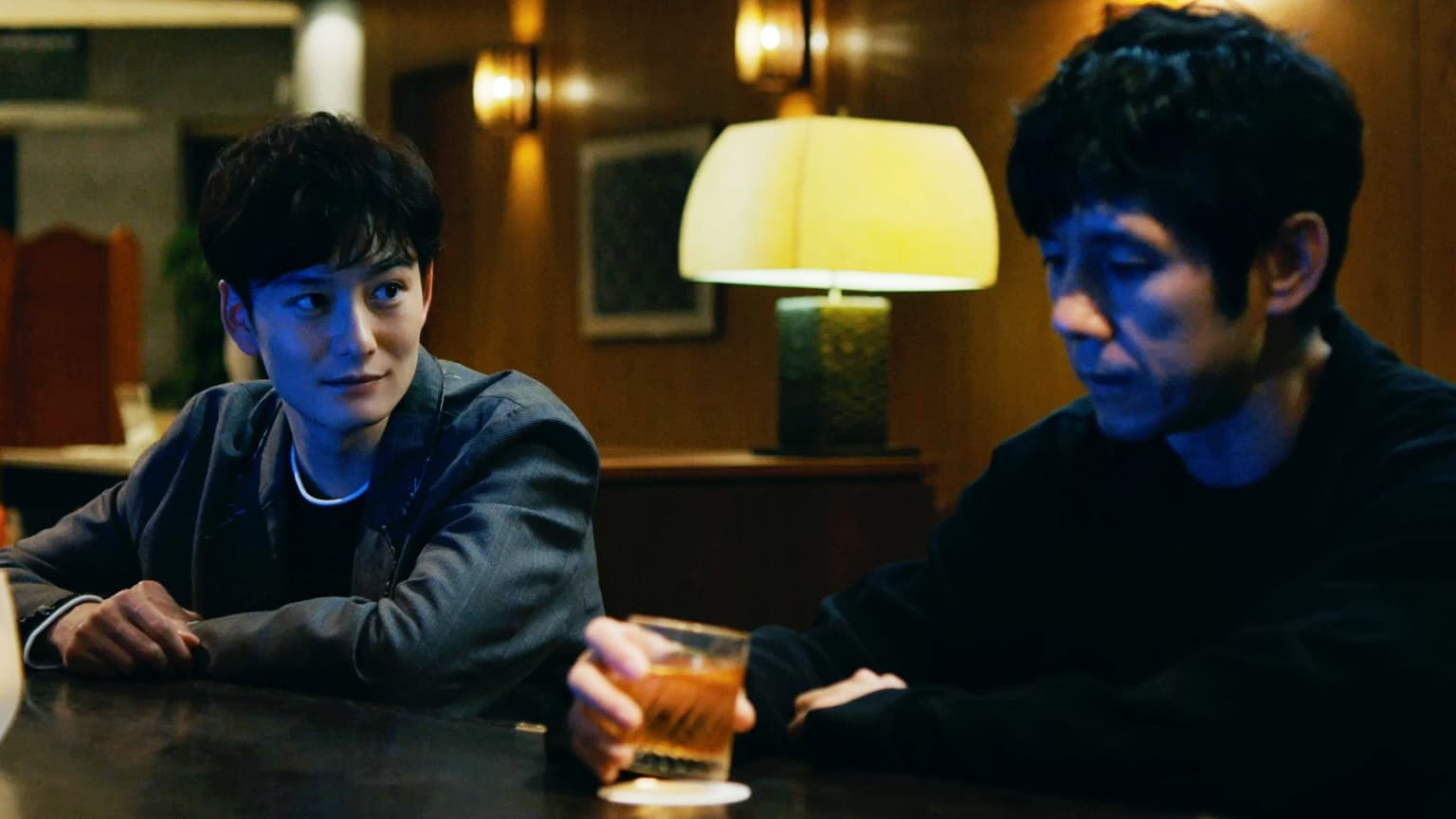
While modern anime films are dominated by Mamoru Hosoda and Makoto Shinkai (plus the plethora of films based on existing properties), there are some underrated original gems that don’t get as much attention as they should. Her Blue Sky is yet another example of the poignancy so easily captured by writer Mari Okada, known for emotion-heavy tearjerkers like The Anthem of the Heart and Maquia: When the Promised Flower Blooms. This one doesn’t really aim for tears as those do, but it certainly appeals to one’s sense of nostalgia and the regret that comes with looking back at how much we change over the years.

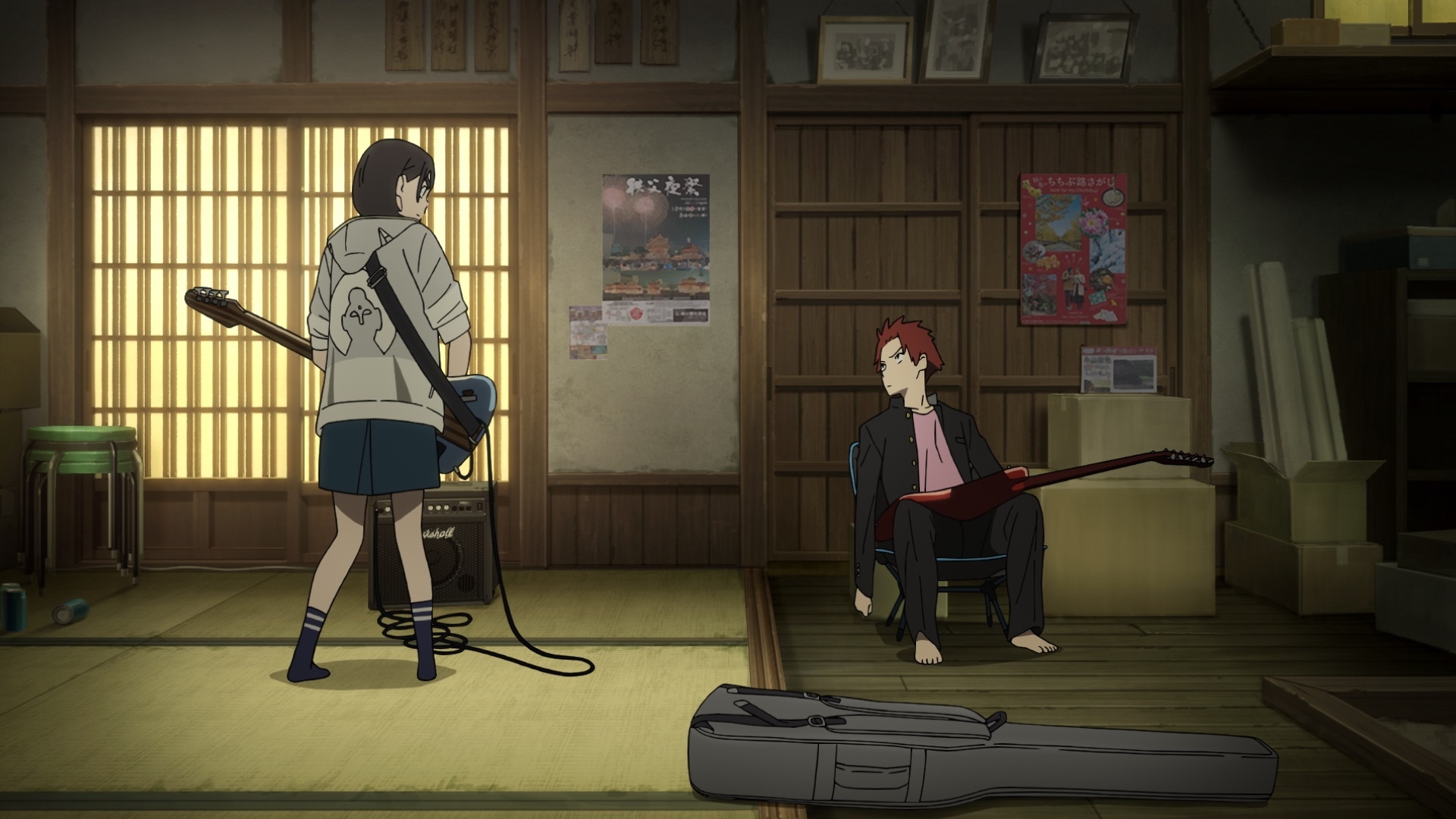
Set in the mountainous Chichibu area (where Okada was born herself), the film focuses on a young bassist named Aoi and her older sister Akane, who has cared for Aoi alone for the last thirteen years, choosing this responsibility over running off to Tokyo with her musician boyfriend Shinno. As a music festival approaches, Aoi remembers her fondness for Shinno and is shocked when he appears in her shed, looking exactly as he did thirteen years ago. While she suspects he is a ghost, the arrival of a grown, still-living Shinno back to town catches them off-guard, and the difference between his optimistic younger self and jaded older self puts both sisters through the emotional ringer.

While some may be disappointed at the lack of explanation for the supernatural elements, especially during a climactic sequence that is both delightfully touching and a little silly-looking, Shinno’s younger self is supposedly an ikiryō, a Japanese spirit that can manifest from a living person, a bit of interesting folklore I didn’t know, much like the 1970s song “Gondhara,” which features prominently in the film. The animation is a treat, with particular detail afforded to the instrument-playing, which is so often obscured to avoid the effort of animating authentic performances, and I’ve always enjoyed the character designs of this creative team, who previously worked on shows like Toradora.

While Aoi’s moody teenager shell may seem pretentious at first, her relationship with her sister is strained but quite sweet, as are the interactions with Shinno as she questions her feelings toward her sister’s ex. Thankfully, it all wraps up in a satisfying end, which is surprising since much of that end is only suggested in still images during the end credits. Her Blue Sky isn’t very easy to find and doesn’t even have an English dub yet, but it’s a small and tender drama of music and sisterhood that is worth seeking out.

Rank: List Runner-Up

© 2022 S.G. Liput
767 Followers and Counting

Bill and Ted Face the Music (2020)

Tags

,

(Today’s NaPoWriMo prompt was to anthropomorphize some food, so I took a glimpse into the inner life of leftovers.)

My leftovers were waiting, ever patient in the fridge.
They watched the inner door with bated breath.
They didn’t have a doubt
That the light (which does go out)
Would return to bring the sweet release of death.

They had their shining hour, hot and fresh upon the stove,
And relished in the sounds of tasty bliss.
But now they lingered, cold,
Fighting off the scourge of mold,
Till their maker came to show them the abyss.

At last, the door reopened, and they felt the microwaves
That brought them (almost) back into their prime.
Though their flavor might have waned,
Their appeal had been maintained,
And they heard my satisfaction one last time.
_______________________

MPA rating: PG-13

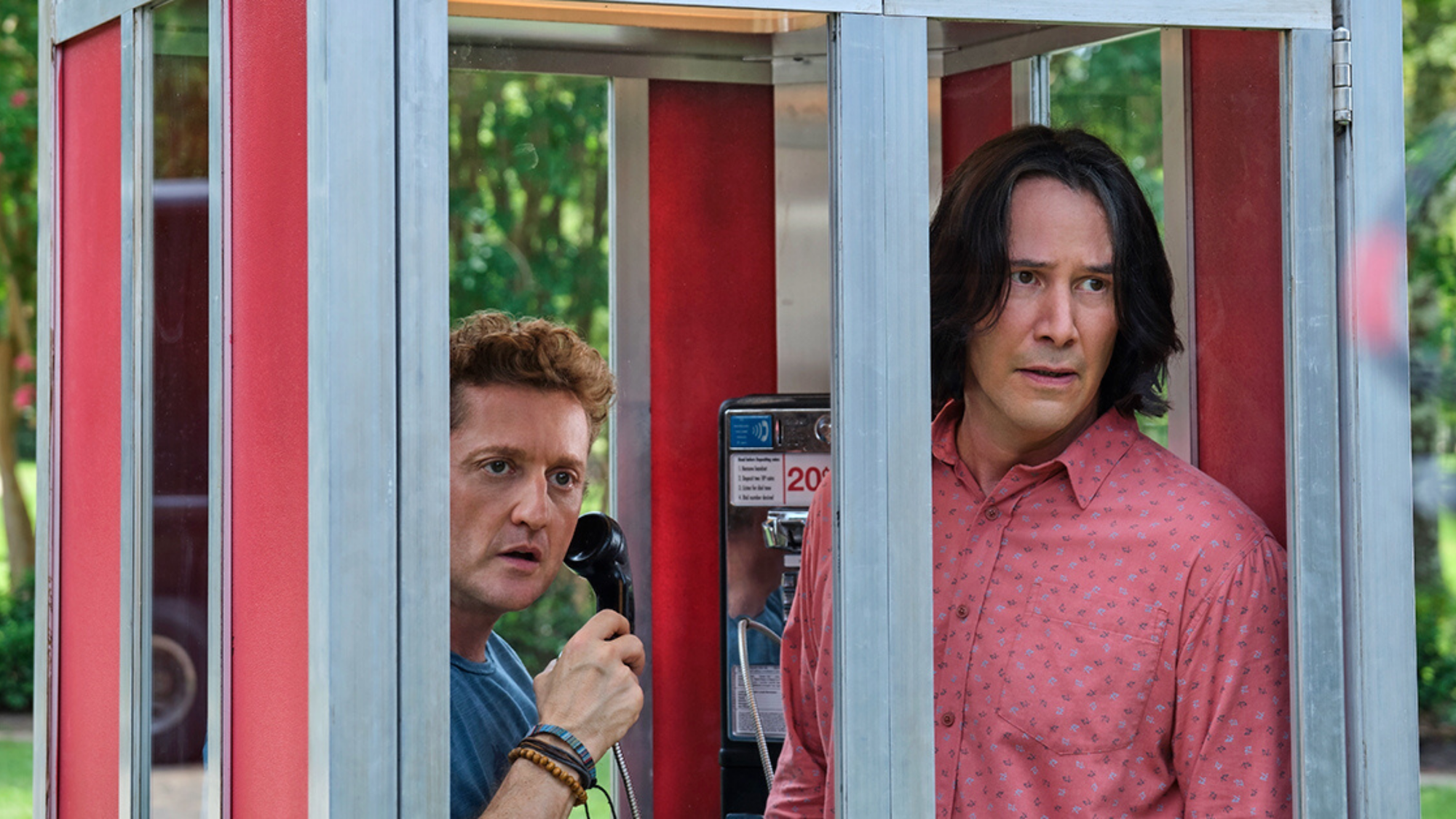
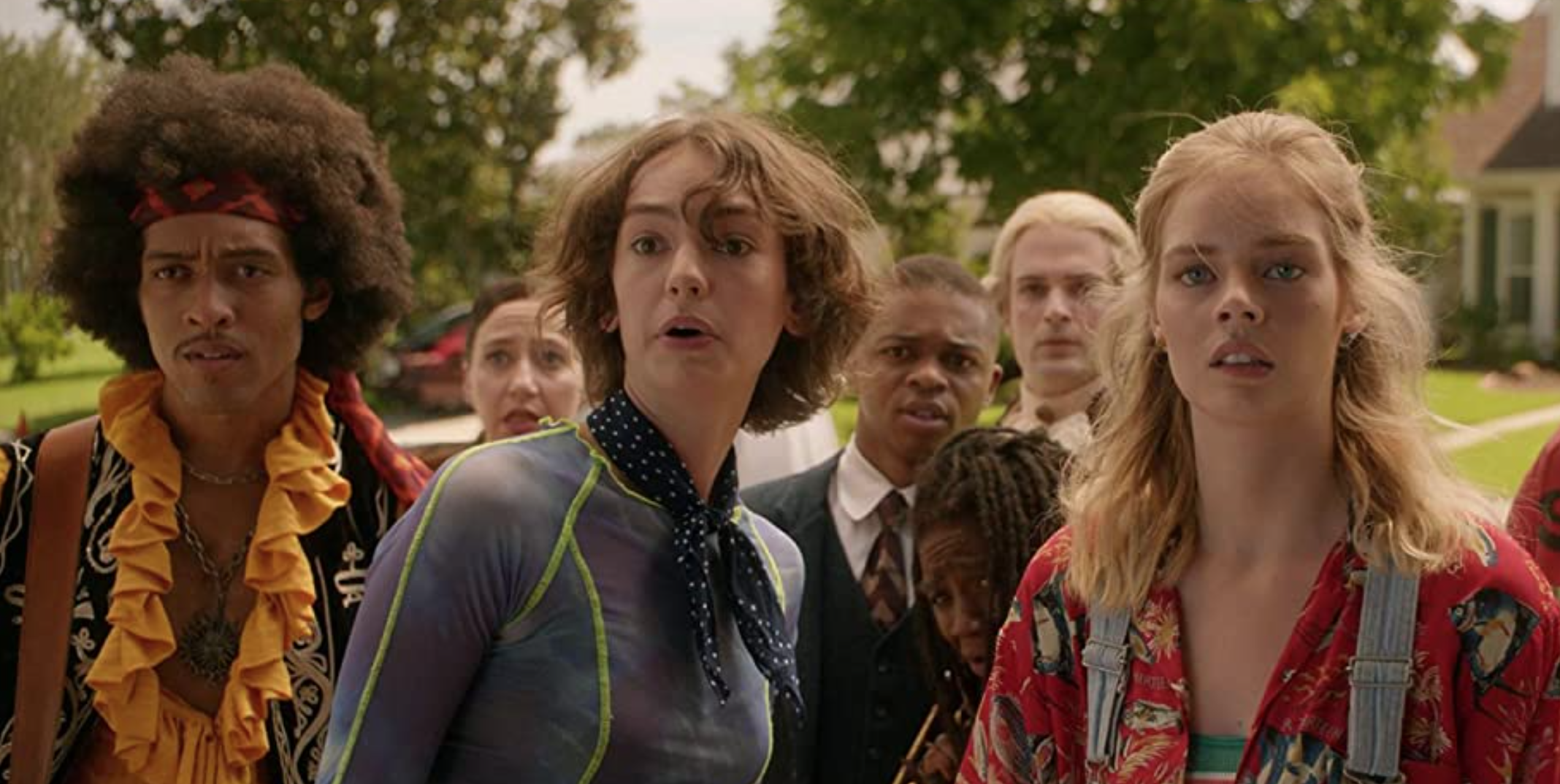
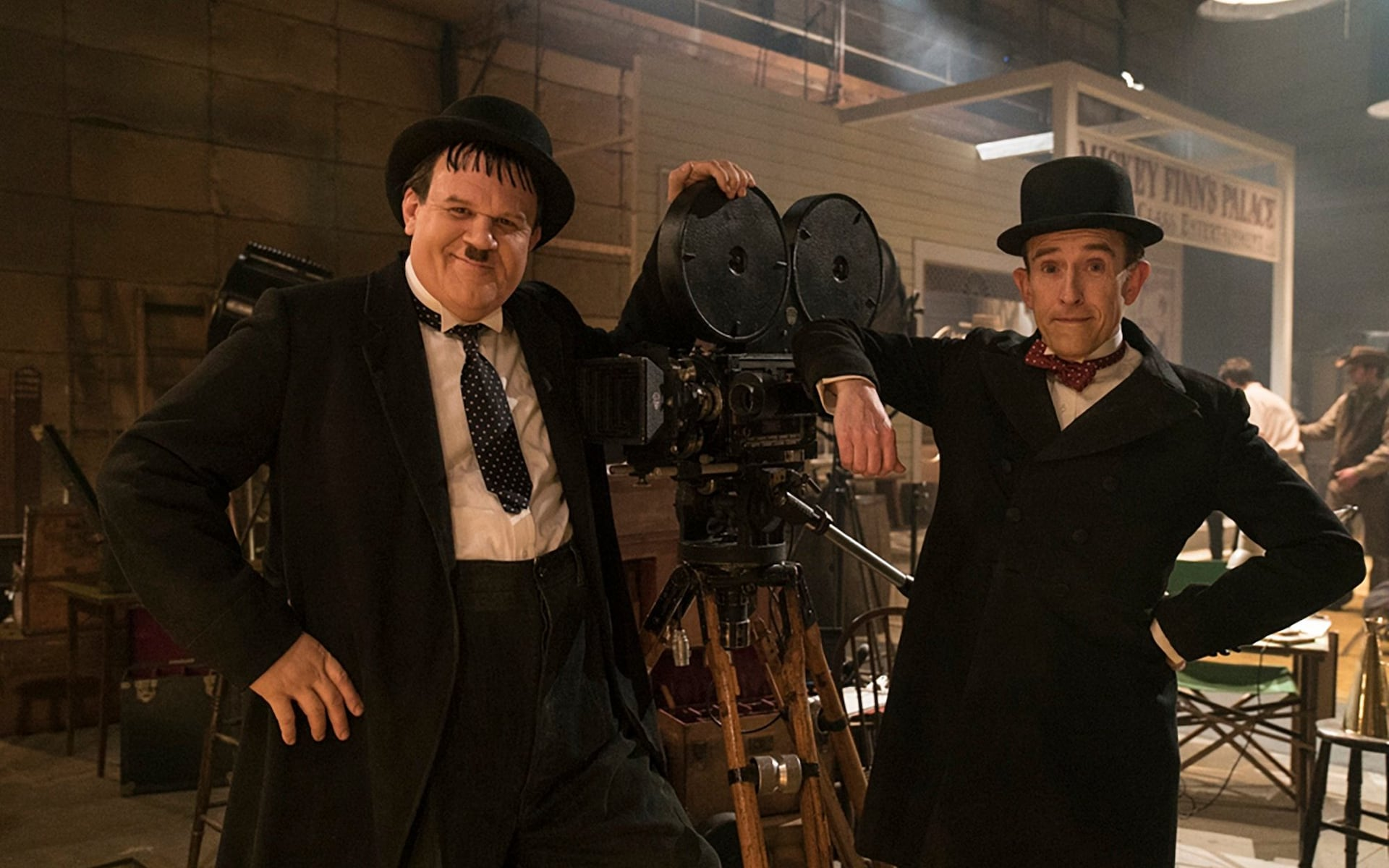
One more example of Hollywood resurrecting old beloved franchises for the sake of nostalgia (and money), Bill and Ted Face the Music is a fond rehash that also has the unfortunate feel of death warmed over. Decades after Bill Preston (Alex Winter) and Ted Logan (Keanu Reeves) had their Excellent Adventure through history and Bogus Journey into hell, Bill and Ted are washed-up suburban dads who have yet to write the song that will supposedly save the world. However, the pressure is suddenly cranked up when Rufus’s daughter (Kristen Schaal) arrives to notify them that the deadline is that very night to stave off the destruction of time and reality. While Bill and Ted look for short cuts by visiting their future selves, it’s their daughters Billie (Brigette Lundy-Paine) and Thea (Samara Weaving) who actually try writing the song and recruiting various musicians across history to help.

It’s best to go into a Bill and Ted movie with zero expectations and just let the goofiness of its title dimwits lead you along. Reeves and Winter never took themselves seriously in the roles, but here they tow the line between phoning it in and just having fun with their mellow performances. Surprisingly, Weaving and Lundy-Paine manage to capture their former amusingly brainless energy better than the returning stars. Bill and Ted Face the Music is made for undemanding fans of the original films, playing like a greatest hits compilation, from revisiting the pale-faced Death (William Sadler) to a hopeful rock-and-roll finale, and while the jokes can’t help but feel tired, it’s a likable epilogue to the Wyld Stallyns’ time-hopping adventures.

Best line: (Bill, after some “success”) “Ted, that totally worked!” (Ted) “Yeah; maybe we should always not know what we’re doing.”

Rank:  Honorable Mention

© 2022 S.G. Liput
767 Followers and Counting
Host (2020)

Tags

,

(Today’s NaPoWriMo prompt was for a poem that begins with a command, so I started mine with some advice everyone ought to follow.)

Don’t be a jerk to a ghost!
They’re likely to take offense.
They’re less than forgiving
When haunting the living,
Then claim it was all self-defense.

Don’t be a fool with a phantom!
Jokes give them a reason to hate.
They’ll ransack the room
And foreshadow your doom
Without any chance for debate.

A spirit can sense an idiot
A hundred and ten yards away.
One cheeky remark
To make fun of the dark,
And the Other Side will make you pay.
______________________________

MPA rating: Not Rated (probably R for language and frights)

The COVID pandemic resulted in Zoom becoming a bigger part of our lives than anyone could have foreseen, and that naturally was extended to the entertainment industry. Parks and Recreation had a reunion episode over their version of Zoom. The cast of One Cut of the Dead hilariously “reunited” to film a docudrama remotely via their own cameras. And the creators of Host found a way to make Zoom a vehicle for horror. Despite its 100% on Rotten Tomatoes, it’s not particularly revolutionary in the plot department, just impressive for how skillfully its gimmick is utilized.

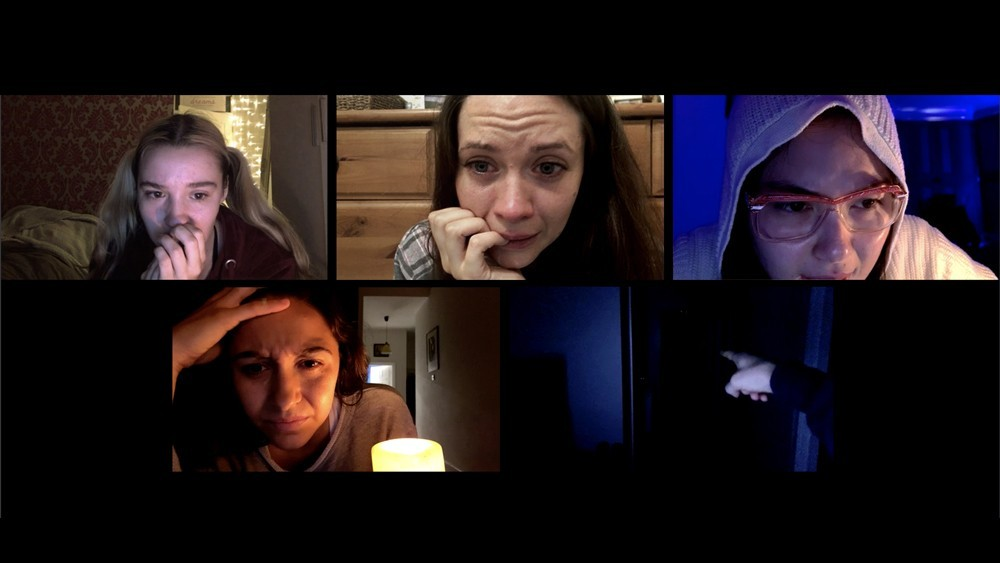
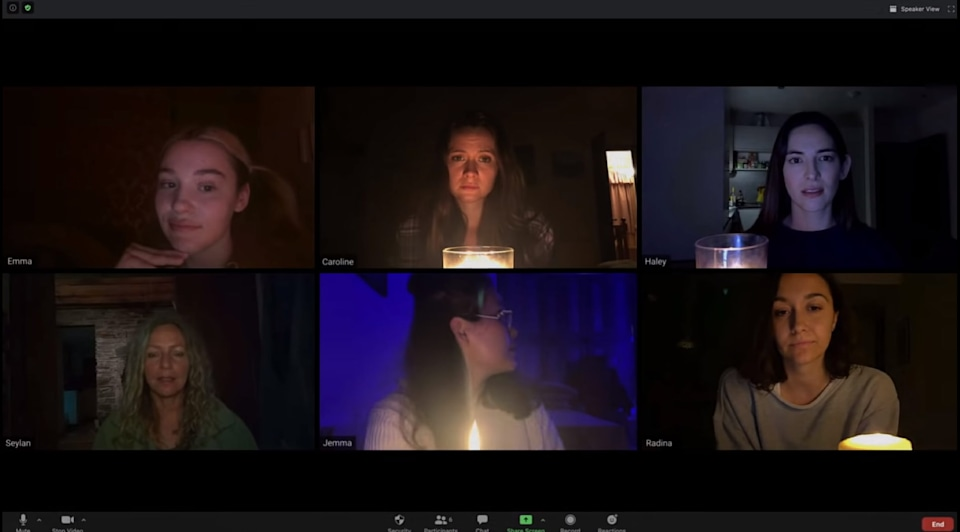
A band of friends log onto a Zoom call, and one of them has hired a medium to hold a remote séance. One girl talks about feeling the presence of an old classmate who killed himself, but when the medium is absent, she admits that she made up the story. Yet her disrespect has allowed an evil entity to begin terrorizing the group in their homes. With its pandemic setting, there’s a bit of the anxiety from Under the Shadow, where leaving the haunted house carries its own peril, though not as extreme as in that film. And while it carries the same suspension of disbelief inherent to found-footage films (like why they continually point their camera toward the danger), the filmmakers developed some clever uses for Zoom features, like the unnatural layering of virtual backgrounds or the facial recognition of filters that highlight the supernatural menace.

If you’re looking for a short spine-chiller (only 57 minutes) that amounts to “ghost attacks people,” Host is a good option. With its cast of interchangeable yuppies who don’t know when to turn the lights on and their cameras off, it’s still subject to the usual horror movie clichés and can’t compare to the storytelling of, say, Searching, another film in this new screenlife genre. It has at least confirmed my conviction to never attend a séance of any kind. Who knows who you might offend?

Best line: (Emma) “Haley, honestly, if I die, I’m going to haunt you myself.”

Rank:  Honorable Mention

© 2022 S.G. Liput
766 Followers and Counting
Drive My Car (2021)

Tags

,

(Today’s NaPoWriMo prompt was to write five answers to the same question, leaving it up to the reader to decide what question they answer.)

That I could catch her eye again,
Somewhat wiser than before,
And notice what she wore more.

That I could hold my hasty tongue
From its urge to disagree,
To help her in persuading me.

That I could catch her by surprise
And earn a smile unforeseen
And bask in sharing dopamine.

That I could hold her close once more
To compensate for every shrug
And drown my flaws in that one hug.

That I could part with my control
And sanction her to take the wheel,
Of both my car and how I feel.
__________________________

MPA rating:  Unrated (mostly PG-13-level content but some sex scenes bring it close to R)

Parasite certainly opened doors for other Asian imports to win over the Academy, since it would have been hard to imagine Drive My Car entering the race for Best Picture even a few years ago. A nearly three-hour meditation on grief, language, and regret, it is undoubtedly a “critic movie,” but one that would normally be resigned to the Best International Film category, which it did win at the most recent Oscars ceremony. While I would have preferred Tick, Tick …Boom! to take its place (or that of Don’t Look Up), something must have swayed the nominee voters, and indeed Drive My Car boasts a unique and indefinable poignance that is felt cumulatively rather than from any single scene.

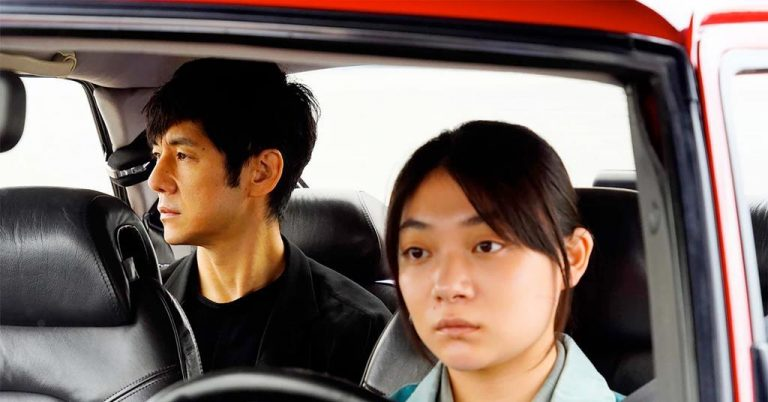
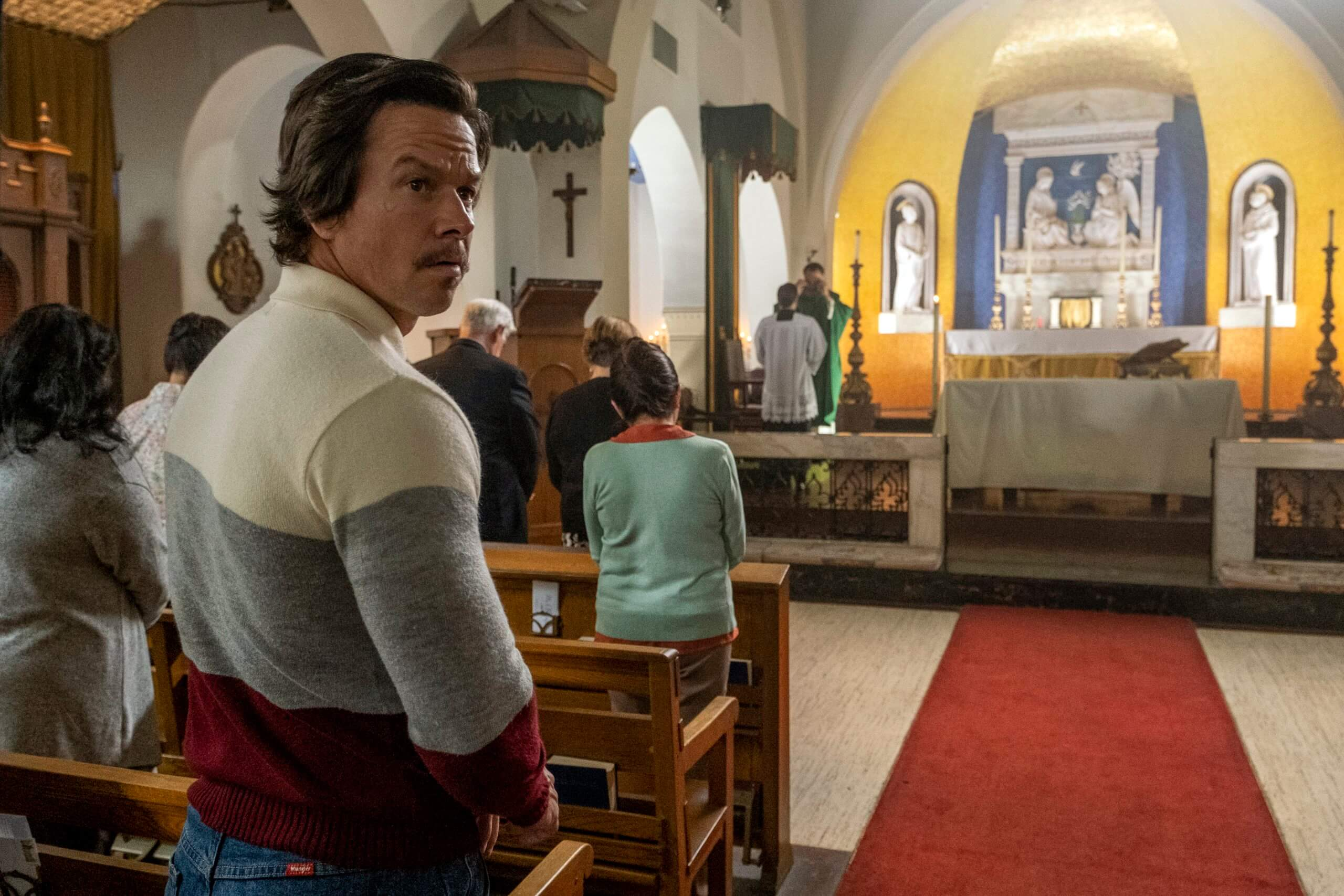
Based on a few short stories by unconventional Japanese author Haruki Murakami, the actual events of the film could have fit into half the time but are extended by heavy conversations and a naturally unhurried pace. Yūsuke Kafuku (Hidetoshi Nishijima) is a theater director and actor known for putting on multilingual productions in which the actors speak different languages, all of which are shown as subtitles on a screen above the stage. After he discovers that his screenwriter wife (Reika Kirishima) is cheating on him, he comes home one night to find her dead of a sudden stroke. A couple years later, he visits Hiroshima to put on a production of the play Uncle Vanya by Chekhov, which includes a young actor (Masaki Okada) who he believes was his wife’s lover. While Kafuku is quite attached to his red 1987 Saab, he is required by contract to accept a driver, a young woman named Misaki Watari, with whom he develops a gradual bond of shared grief.

If someone were to ask what Drive My Car is about, I wouldn’t know exactly where to start. The description above is literally what it is about, yet it hardly captures the complex emotions on display, the pregnant pauses, the subtle assessments, the heady metaphors that live only in the eloquent soliloquies. Kafuku’s wife introduces a running narrative about a girl obsessed with a boy she likes, and the direction of that tale alone is loaded with potential interpretations while remaining rather opaque as well. Kafuku’s conversations with the actor who also loved his wife defy expectations with how one would expect rivals to regard each other, and the gentle, heartbreaking catharsis that Kafuku and Watari share near the end is too measured and serene to feel at all melodramatic or forced.

All that being said, this is a film that prioritizes subtlety and is not meant to be watched if you’re at all feeling sleepy. The whole first third of the film with his wife could have been left out (the opening credits don’t start until 41 minutes in), yet it provides some needed context when Kafuku listens to a tape of his wife’s voice so that he can practice his lines while Watari drives him. The actual play rehearsals are rather fascinating, pulling in Chekhov’s somber yet hopeful themes while humanizing the actors, including a mute woman who uses Korean sign language and shares an extremely understated yet moving “climax” of sorts with Kafuku during the performance of Uncle Vanya. There are also a host of shrewd details that film enthusiasts can pick apart, like the way the film’s setting of Hiroshima ties into its theme of lasting trauma.

I’m not necessarily against “critic movies” when they have a worthwhile story or execution, and here the execution and dialogue certainly overshadow the story. I can still appreciate and admire a long, acclaimed foreign drama, like 2000’s Yi Yi, for example, and Drive My Car is a film that becomes more than the sum of its parts. Restrained yet intellectually passionate, it’s a melancholy plunge into the depths of the human experience, and while not conventionally entertaining, those with patience will walk away with plenty to think about.

Best line: (Lee Yoon-a, performing from Uncle Vanya in sign language) “We’ll live through the long, long days, and through the long nights. We’ll patiently endure the trials that fate sends our way. Even if we can’t rest, we’ll continue to work for others both now and when we have grown old. And when our last hour comes, we’ll go quietly. And in the great beyond, we’ll say to Him that we suffered, that we cried, that life was hard. And God will have pity on us. Then you and I, we’ll see that bright, wonderful, dreamlike life before our eyes. We shall rejoice, and with tender smiles on our faces, we’ll look back on our current sorrow. And then at last, we shall rest. I believe it. I strongly believe it from the bottom of my heart. When that time comes, we shall rest.”

Rank:  List Runner-Up

© 2022 S.G. Liput
766 Followers and Counting
Father Stu (2022)

Tags

, ,

(Today’s NaPoWriMo prompt was about dogs, but it’s Easter, so I went in a somewhat more religious direction instead.)

There lives a Light, a Whisper in the depths of every heart,
And every one is different in its susurrating art.
We’re welcome to ignore it,
Just as much as to explore it,
Or to drown it out or call it all imagined from the start.

We have no obligation to give credence to its needs,
But everyone in history who’s done praiseworthy deeds,
Who’s sacrificed or died
In a way deserving pride,
Has followed that small Whispering no matter where it leads.
_______________________________

MPA rating:  R (solely for language)

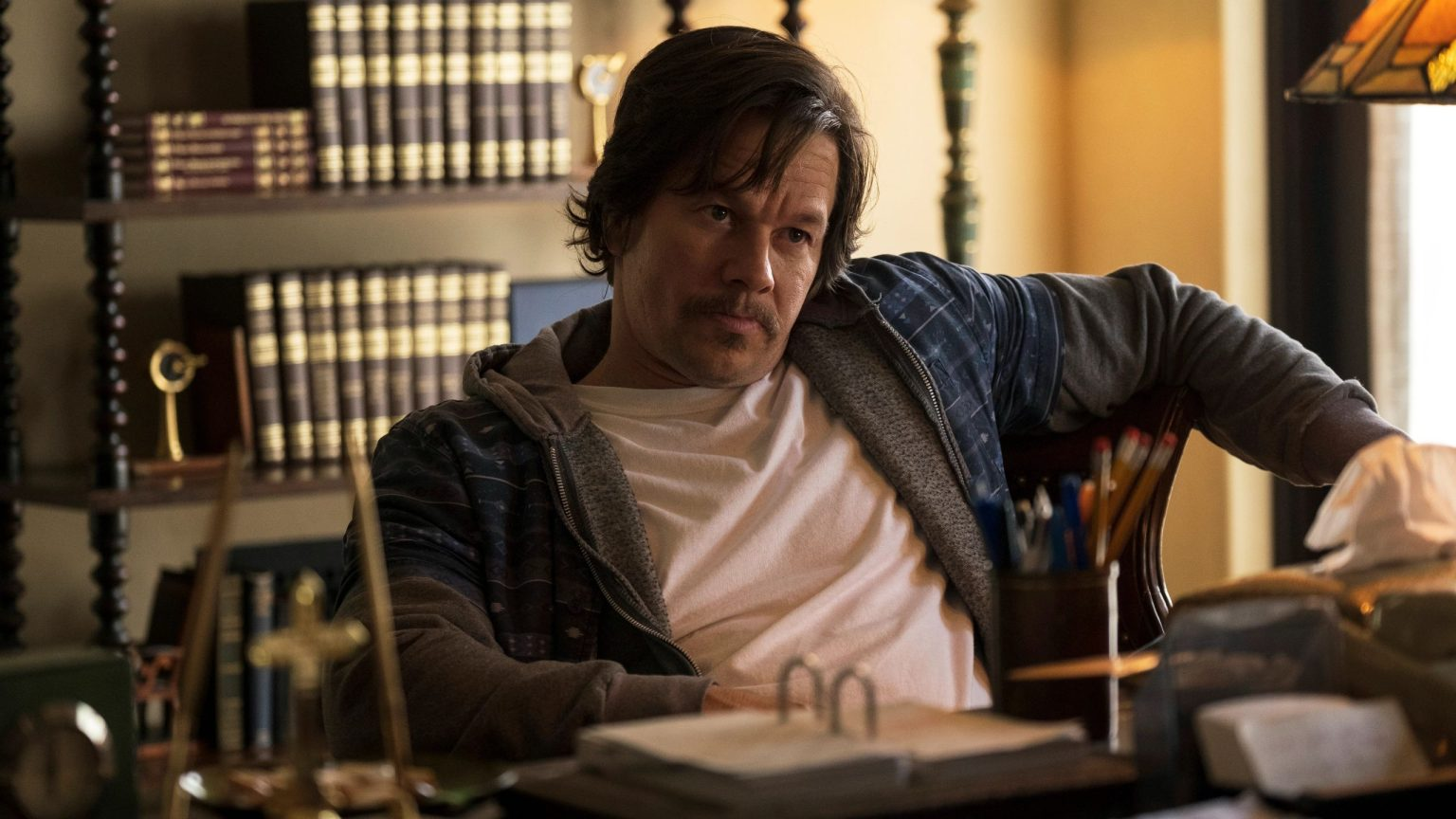
Faith-based films have gotten a bad rap in terms of general quality and appeal, and it’s not entirely undeserved since so many feel designed to convert rather than entertain. Christians like me may agree with the message, but preaching to the choir gets old after a while and is unlikely to sway nonbelievers. That generalization may make non-Christians roll their eyes at a film like Father Stu, Mark Wahlberg’s sincere biopic about boxer-turned-priest Stuart Long. That’s certainly what many critics seem to be doing with their reviews, but I would point out the wide disparity between the 45% Rotten Tomatoes score from critics and the 95% from audiences.

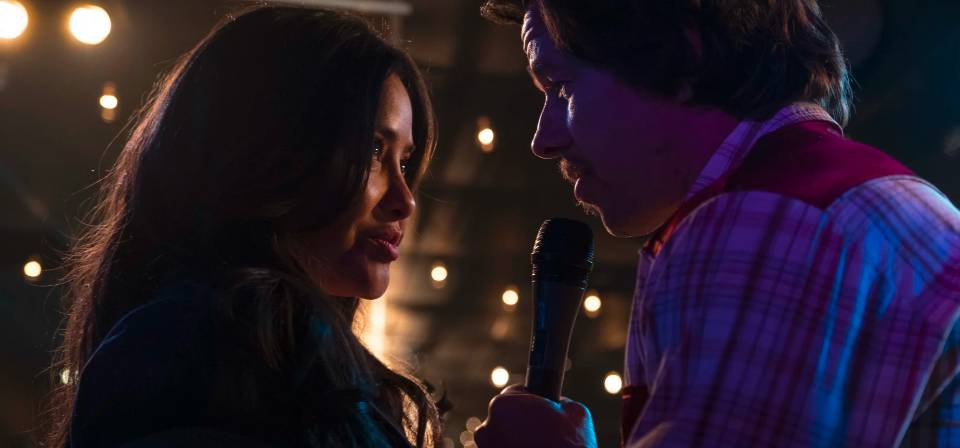
In the film, Stuart Long is, to put it bluntly, a low-class loser, the kind of lout who flaunts his charming smile when in a good mood but is quick to throw a punch when annoyed. His boxing career has hit its end, and despite the concerns of his mother (Jacki Weaver) and scorn of his deadbeat father (Mel Gibson), he decides to head out to Hollywood to be an actor. When his courtship of a devout Catholic girl (Teresa Ruiz) exposes him to religiosity, a near-death accident convinces him to unexpectedly seek the priesthood, no matter what doubts and physical limitations stand in his way.

Father Stu is certainly not the typical “faith-based film,” sporting an R rating for the abundant profanity from mainly Stu and his parents. Stu himself is no altar boy, expressing either contempt or flippancy toward the traditions of the Catholic church he wanders into and viewing it as merely a means to win over a pretty girl. His scoffing answers to some of the platitudes tossed his way act as the eye-roll cynical viewers might share, yet that blue-collar frankness becomes a strength when he decides to recognize that God might have a plan for him. One scene with a group of convicts during a prison visit highlights the contrast between Stu and one of his priggish fellow seminarians (Cody Fern), where the latter’s by-the-book moralizing may work well in a church setting but is unlikely to win over those not predisposed to listen. Stu doesn’t have fancy metaphors or perfect English, but he clearly relates to the down and out, which is half the battle in trying to reach an audience.

Father Stu is one of the few faith-based films that I think might actually have a chance at reaching nonbelievers with its message. It clearly hasn’t reached the critics, who seem to be complaining that it doesn’t “resonate” with its “inert” and “clumsy” attempt at inspiration, yet what doesn’t “resonate” with one reviewer very well might with others. I found plenty to admire, from Stu’s effort to control his short temper to his comparing himself with other reformed bad boys, like St. Augustine and St. Francis, to highlight how God can use anyone for His purposes. The gradual change he sparks in his father Bill is also moving, and Gibson manages to fit subtle regret beneath his constant bickering with Stu, especially by the end.

With both physical and spiritual transformations (and despite a mumbling drawl that can make him hard to understand at times), Wahlberg delivers the best performance I’ve seen from him, making me wish he could snag an Oscar nomination, though I know the Academy won’t allow that. It’s hard to say exactly how effective Father Stu is at inspiring since inspiration can obviously vary quite a bit among viewers, but it’s easily one of the best and best-written Christian films I’ve watched and one that even nonbelievers should appreciate to find the value in suffering. The heavy foul language makes me waver on whether it should be List-Worthy or a List Runner-Up, but I try to appraise films without regard to profanity, which in this case serves a purpose in highlighting Stu’s evolution from a crude roughneck to true believer. Whatever you may think of Wahlberg or Gibson or Christian films in general, there’s no denying the film’s sincerity at bringing Father Stu’s story to life.

Best lines: (Bill Long) “A man don’t lose when he gets knocked down, but when he won’t get up.”
and
(Father Stu) “We shouldn’t pray for an easy life, but the strength to endure a difficult one.”

Rank:  List-Worthy

© 2022 S.G. Liput
765 Followers and Counting
Happy Easter to all!

Belle (2021)

Tags

, , , , , , ,

(Good Friday and work obligations sadly made me miss yesterday, but I’m back on the wagon. Today’s NaPoWriMo prompt was for a curtal sonnet, an 11-line sonnet variant from Gerard Manley Hopkins.)

In the realm of cyberspace I hide,
Comforted by anonymity.
My flesh-self is content behind its smokescreen.
Robed in pixels, I can roam with pride,
Finding other introverts to agree,
Minorities like ghosts in the machine.

Life from womb to here has left me wincing;
Life since logging on is fancy-free,
Far easier to spurn the cruel and mean.
I’m someone else, and boy, am I convincing,
As you’ve seen.
________________________

MPA rating:  PG

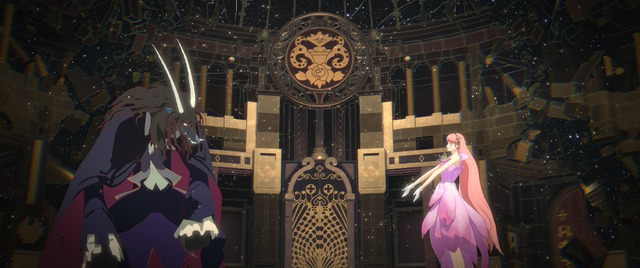
In anime circles, a new film from Mamoru Hosoda is an event. From Summer Wars to Wolf Children to the Oscar-nominated Mirai, he’s proven to be one of the most skilled anime directors around, and Belle promised to be yet another win. A modern riff on Beauty and the Beast fusing music and social media, the film garnered a fourteen-minute standing ovation at Cannes, making me wonder if it was just a case of no one wanting to be the first to stop clapping. Belle is another strong film in Hosoda’s oeuvre, but, like Encanto, it’s also proof that a film can be good while also being deeply flawed.

In the near-future of Belle, a digital world called U has become the most popular metaverse for people across the globe to interact with avatars somehow extrapolated from their own biometrics, resulting in an array of bizarre appearances ranging from babies to superheroes to literal hands with a face on it, which no one seems to object to. Suzu is a self-conscious high school student still haunted by her mother’s death, but when she logs into U as the beautiful Bell (which is what Suzu means), she finds that the anonymity allows her to sing again and, much to her surprise, become a celebrity. As she deals with the flurry of differing opinions that come with fame, she grows curious about the aggressive avatar known as the Beast, whose unknown identity is hunted by U’s authorities.

Hosoda is no stranger to virtual worlds, having previously worked with the concept in Digimon and Summer Wars, so it’s no surprise that the world of U is dazzling, an eye-popping blend of 3D and 2D animation, thanks in part to backgrounds from Cartoon Saloon. It’s easily Hosoda’s most visually resplendent and imaginative film that still carries his calling cards (he must have a thing for flying whales). The bad thing about U is that so much of it is left unexplained. While OZ in Summer Wars had several clear real-world applications, the avatars in U are never shown doing much more than floating around and commenting, though there are concerts and fighting tournaments, I suppose. Plus, it’s never clear how the real-world users are interacting with the virtual world; at some points, it’s as if their avatars are mirroring their real body’s movements, but is it like Ready Player One-style mechanics? There’s mention of sharing the senses of their avatars, so how can they see both U and the real world when logged in? Questions like that just require a suspension of disbelief that divorces the virtual and real worlds for the sake of the story.

The virtual world is ostensibly the main fantastical draw of the film, but I honestly enjoyed the parts in the real world more. The high school romance drama is nothing unusual for the genre, but the relatable supporting characters are an endearing bunch, particularly during a laughably awkward love confession. It was also a nice subversion to reveal the usually unsympathetic popular girl as a genuinely caring friend. However, the real world is also where the story falters toward the end. The revelation of the Beast’s identity is a powerful moment that speaks to the trauma of hidden abuse, yet it’s a reality for which the film doesn’t really have an answer. One culminating sacrifice hits an emotional high, but Suzu’s efforts afterward are unrealistic and absent of any long-term solution.

Belle has a lot of impressive elements in service to a somewhat half-baked plot, and the Beauty and the Beast parallels are rather incidental to the main story. Its vision of social media feeding frenzies and the online experience are timely and well-executed, while Suzu’s journey to understand the meaning of selflessness is suitably moving as well. And though the songs sometimes feel shoehorned in, I must give props to their quality, including the English recordings for the dub, and I think that the climactic “A Million Miles Away” would have been a worthy nominee for a Best Song Oscar if the Academy would look around more. Belle may not match the likes of Wolf Children, but it lives up to Summer Wars and exceeds Mirai, in my opinion. The visual splendor on display largely overshadows the plot issues, just as long as you don’t think about it too much.

Rank:  List Runner-Up

© 2022 S.G. Liput
765 Followers and Counting

Mank (2020)

Tags

, , ,

(Today’s NaPoWriMo prompt was a poem about the opening scene of a movie about my life. With this film about a scriptwriter in mind, I decided to get a bit meta.)

We open with a panning shot
That swings from a suburban street
And slowly lifts and nears a house
With bushes bloomed in April heat.

A window’s lit, and through its pane
We see a young man deep in thought,
Studying his laptop screen,
Unsure if he should type or not.

He reads the fourteenth prompt again,
And shifts upon the seat below him.
Then, he cracks a knowing grin
And swiftly rattles off this poem.
___________________________

MPA rating:  R (solely for some language, a fairly light R)

The name Herman Mankiewicz may not mean much to non-cinephiles, but he’s still held in high esteem for his Oscar-winning screenplay for Citizen Kane, sharing credit with Orson Welles, much to the chagrin of Welles’ ego. David Fincher’s treatment of Mank, as his friends called him, is an undeniable labor of love, with a screenplay written by Fincher’s father Jack prior to his 2003 death and delayed over the next two decades. On top of that, the black-and-white cinematography and sound were painstakingly designed to mimic the style of old Hollywood, though the level of that detail is more appreciated by film historians than average viewers.

Oscar nominee Gary Oldman brings Mank to life as a washed-up genius too witty and fond of alcohol for his own good, Whether he’s dictating the Citizen Kane script while recuperating from a broken leg in his desert hideaway or schmoozing with Louis B. Mayer (Arliss Howard), William Randolph Hearst (Charles Dance), and Marion Davies (Oscar-nominated Amanda Seyfried) ten years earlier, Oldman is brilliant as ever at portraying afflicted brilliance, while the rest of the cast is strong but somewhat forgettable compared to him.

Despite Oldman’s ever award-worthy presence, the true star is the script, which bears an old-timey eloquence that is uncommon these days, the kind that trusts in the intelligence of the audience to appreciate its wit. With such a reliance on dialogue, the film can get dry at times, but it also elucidates interesting details of Mank’s story, such as his assistance of Jews escaping Nazi Germany and how he changed his mind about receiving credit for the Citizen Kane script. From what I understand, the history is embellished to give Mank a greater claim to Citizen Kane’s brilliance than Orson Welles, but, taken with a grain of salt, it’s still an impressively crafted vision of classic Hollywood through the bleary eyes of one of its great writers.

Best line: (Louis B. Mayer) “This is a business where the buyer gets nothing for his money but a memory. What he bought still belongs to the man who sold it. That’s the real magic of the movies. And don’t let anybody tell you different.”

Ranking:  Honorable Mention

© 2022 S.G. Liput
765 Followers and Counting
Everything Everywhere All at Once (2022)

Tags

, , , ,

(Today’s NaPoWriMo prompt was for an optimistic pep-talk of a poem, and what better way to cheer up than to imagine all the possibilities of the future?)

Are you dwelling on your present and its causes in the past,
Believing that your current station cannot be surpassed
And thinking that what got you here’s so permanent and vast
That every future holds more of the same?

I tell you it’s a lie, for there are futures far and wide,
A you that is a lawyer with a master’s on the side,
An architect, an astronaut, or business never tried,
A plaque or medal waiting with your name.

Another you’s achieving in another universe,
And nothing but your mindset makes your version any worse.
A choice alone can breed a set of futures so diverse
That only you will see what you became.
_______________________

MPA rating:  R

With positive word of mouth still spreading this movie’s praises, I will affirm that Everything Everywhere All at Once is the genre-defying, expectation-blowing multiversal fever dream that no one knew they wanted. Born from the unorthodox imaginations of music video directors Daniel Kwan and Daniel Scheinert (known as Daniels, whose last film Swiss Army Man had a description weird enough to turn me off from seeing it at all), this new film is a head-trip, a drug trip, and a reality-spanning hero’s journey/familial drama all wrapped up in a Chinese-American cultural milieu and the distinctive anything-goes visual style of a pair of auteurs. Basically, it’s the ultimate indie film.

Michelle Yeoh plays Evelyn Wang, who owns a laundromat with her meek husband Waymond (Ke Huy Quan of Goonies and Temple of Doom fame) and is being audited by a no-nonsense IRS inspector named Deirdre (Jamie Lee Curtis). While attending a tax meeting, Evelyn is suddenly whisked into a multiverse-spanning struggle when an alternate version of Waymond informs her of a cosmic threat and the possibility of accessing the skills of other versions of Evelyn in different universes. She is understandably skeptical of such revelations but is soon forced to battle other multiverse-hoppers, not to mention the struggles of parenthood and the meaning of existence.

So much happens in Everything Everywhere All at Once that it’s hard to focus on what makes it so engaging, but I’ll say it’s probably the most wildly original film I’ve ever seen. With that originality, it must also be said that it embraces the surreal and outright bizarre with abandon, making it also a film whose sense of humor is not necessarily for all tastes. Quite a few scenes earned big laughs in the theater just from how unexpected and weird they were, like when a small dog on a leash is suddenly used in combat as a swinging weapon. This is a movie that alternates between relatable scenes of grappling with one’s disappointing life choices and Yeoh sparring with a pair of martial artists with trophies stuck up their butts (for a plot-sensible reason, strangely enough). It’s nuts, and yet, for the most part, it works.

Yeoh is at her best here, portraying Evelyn in a wide range of states from domestic despair to a glamorous lifestyle mirroring that of Yeoh herself. Evelyn is told that her potential “chosen one” status is because she is basically the worst version of herself, allowing all that unfulfilled potential to draw abilities from other universes instead. Between her regretful cynicism and burgeoning omnipotence, one sequence leads her on the path to nihilism and cruelty because “nothing matters” when you see how insignificant our lives are. A less satisfying film might have embraced that theme to its worst end, but that’s where Quan shines as the true heart of the film. In a triumphant return to acting, he provides a brilliant summation of kindness as the best alternative, which is basically what I consider my own worldview. He does much more than that, serving as the main deliverer of exposition and nailing a finely choreographed fight armed with only a fanny pack, but he grounds the film in a way that wouldn’t be possible without him.

I realize I’ve gone this far without even mentioning Stephanie Hsu as Evelyn’s estranged daughter or James Hong as her judgmental, wheelchair-bound father. I haven’t gotten to the reality-ending bagel or the zany reimagining of Pixar’s Ratatouille. The number of components to appreciate and discuss in this film can’t be crammed into this one review, but let’s just say there are plenty of them. I suppose the closest thing to which I can compare the wide breadth of this film is Cloud Atlas, but on crack. In both cases, neither film’s premise is really compatible with my own Christian worldview, never acknowledging any God but the “universe” and choosing to find meaning elsewhere, yet I can still admire the far-reaching search for that meaning, which touches on universal truth (like Waymond’s endorsement of kindness) and is inspiring in its own way.

Honestly, Everything Everywhere All at Once is a small miracle of a film, one that goes bat-crap crazy with its creativity yet never loses sight of the human story at its core, the one where everyone wants to be valued and loved. Even in its sillier alternative universes, it plays the emotions within them straight, so that they earn a chuckle for their absurdity while not detracting from the tear of the moment. I could have done without a few sexual elements of the weirdness that clinch the R rating, but there’s so much else to admire that I can overlook certain excesses.

In many ways, it feels like a game-changing milestone type of film, like Star Wars or The Matrix, one that others will no doubt try to imitate but never quite match. I bet Marvel thought the second Dr. Strange movie would monopolize the theme of an infinite multiverse, so who would have guessed that “Shang-Chi’s Aunt in the Multiverse of Madness” would come along to disrupt the conversation only a month before? From brilliant fight choreography to madcap editing and effects work, Everything Everywhere All at Once dares more than any film in recent memory and wins because of it.

Best line: (Waymond, to Evelyn) “You think because l’m kind that it means I’m naive, and maybe I am. It’s strategic and necessary. This is how I fight.”

Rank: List-Worthy

© 2022 S.G. Liput
765 Followers and Counting