• Home
  • About Me
  • The List
  • THE LIST (2016 Update)
  • THE LIST (2017 Update)
  • THE LIST (2018 Update)
  • THE LIST (2019 Update)
  • THE LIST (2020 Update)
  • THE LIST (2021 Update)
  • THE LIST (2022 Update)
  • Top Twelves and More
  • The End Credits Song Hall of Fame

Rhyme and Reason

~ Poetry Meets Film Reviews

Rhyme and Reason

Tag Archives: Triple A

Living (2022)

05 Friday Apr 2024

Posted by sgliput in Movies, NaPoWriMo, Poetry, Reviews, Writing

≈ 2 Comments

Tags

Drama, Triple A

(For Day 5 of NaPoWriMo, the prompt was for a poem describing how two or three different things perceive the same thing, with the example being how an old woman, a tulip, and a dog view being blessed. In keeping with this film, I imagined how those connected to a playground would view that place of fun.)

What is a playground?
Depends on who answers.

For kids, it is joy,
A chance to get higher
Than a small girl or boy
Ever could on their own,
To conquer the jungle,
To swing to the sky, or
To know they won’t crumble
When tripped by a stone.

For a parent, it’s peace,
Even for a short respite,
Like shepherds releasing
Their flock to the field.
A simple distraction
If ever they’re desperate,
They bask in inaction
And keep their eyes peeled.

And what of the no-name
Who built that location,
Who garners no fame
Yet has brought joy and peace?
He sits at a distance
In gratification
To watch their elation,
Such a simple foundation,
And knows his existence
Will only increase.
______________________

MPA rating:  PG-13 (mainly for poignant subject matter but quite tame)

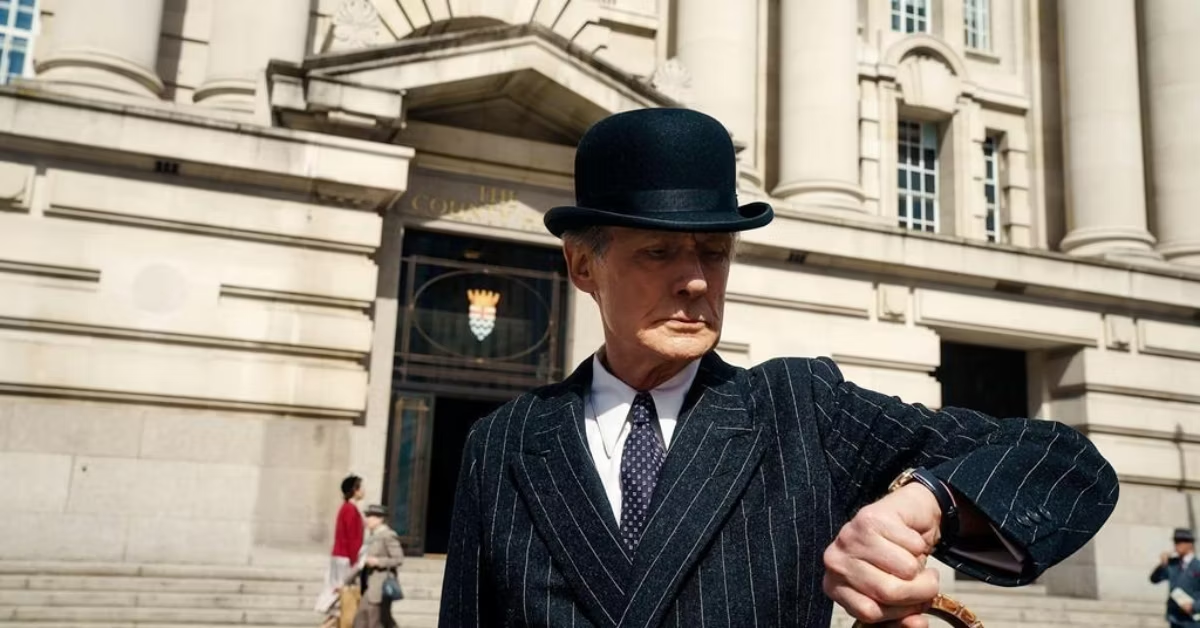
I know I probably should have first watched Ikiru, Akira Kurosawa’s classic film about a government bureaucrat dealing with his own mortality, but I was on my plane to Ireland last year and had a prime chance to watch Living, the British remake with Bill Nighy in the same situation. Nighy is undoubtedly a fine actor, with memorable roles in the Pirates of the Caribbean series and About Time, so it really is surprising that he had never received an Oscar nomination before this film. But he excels in the role on which the entire film rests, as Rodney Williams, a stuffy bureaucrat in post-War Britain, solemn and dour, his workplace “rather like church,” according to his chatting coworkers. His strict routine of coming and going to work on the train each day is disturbed by a sudden cancer diagnosis, and he is forced to come to terms with the fact his life has likewise come and gone with little in the way of joy or meaning. Buoyed by the companionship of a young friend (Aimee Lou Wood), the waning pencil pusher decides on a small way he can break from his inflexible mold.
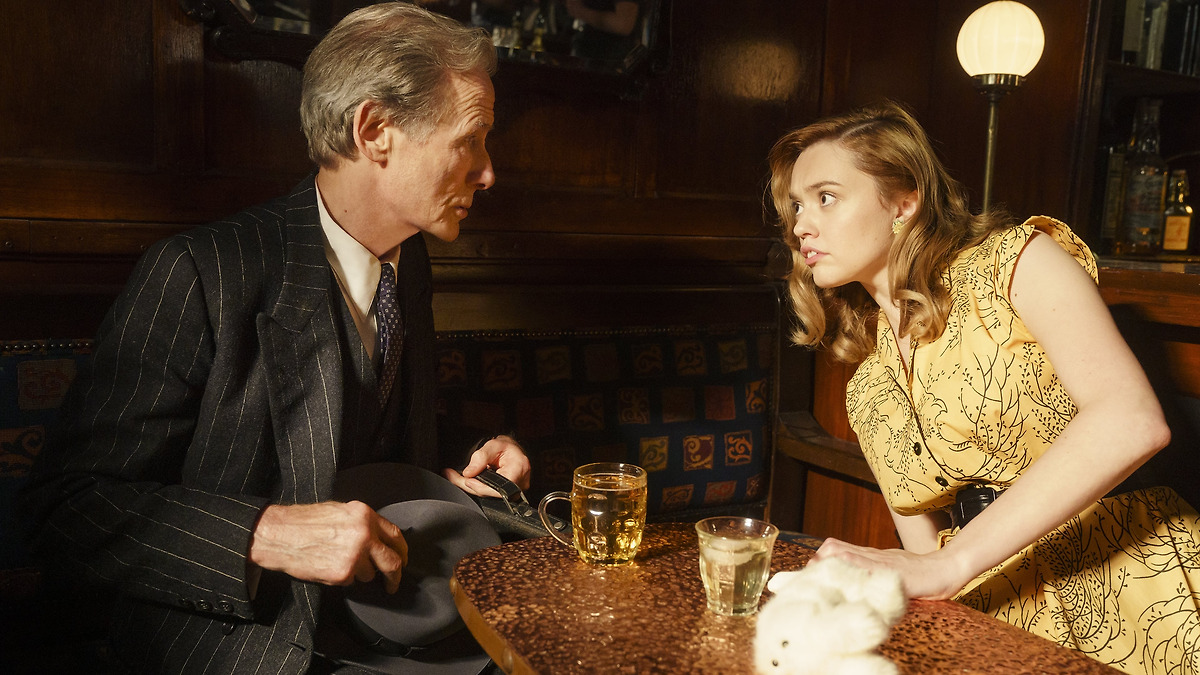
Living is a laudable prestige picture, shot and acted with a noble dignity reminiscent of yesteryear classics and boasting an elegant screenplay by acclaimed author Kazuo Ishiguro. Nighy exemplifies how complacent routine yields to personal regret, and even if he couldn’t compete with Brendan Fraser in The Whale, he certainly gives an Oscar-worthy performance. It may be easily overshadowed by the flashier Oscar bait, but Living is a subtly meaningful film that puts our daily grind into much-needed perspective.

Best line: (Williams) “I wonder if you ever stop on the way home and watch the children playing. In the street, or in the yard. And when the time comes and their mothers call them in, they’re often reluctant. They, they get a little contrary, but that’s as it should be. Far better than to be the child you occasionally see, he’s sitting by himself in the corner not taking part, not happy, not unhappy, merely waiting for his mother to call him in. I’ve become afraid that I might end up like that child. And I so very much do not wish to do so.”

Rank:  List Runner-Up

© 2024 S.G. Liput
791 Followers and Counting
The Whale (2022)

02 Tuesday Apr 2024

Posted by sgliput in Movies, NaPoWriMo, Poetry, Reviews, Writing

≈ Leave a comment

Tags

Drama, Triple A

(For Day 2 of NaPoWriMo, the prompt was for a platonic love poem directed toward the object of affection. Love of food is both platonic and universal, so I took it in a self-destructive direction based on this movie.)

Most might say they love a meal,
But I do not discriminate.
I love you, burgers, hot dogs, fries,
Cakes and shakes of every size,
Every snack they advertise,
Pizza boxes; hold the plate.

I never needed Mom’s reproach
To clean the plate, the bowl, the platter.
You were there to keep me full,
Flavor in a world so dull,
Spice to make it bearable,
Comfort where pain didn’t matter.

You were there for my mistakes,
Soothing me in guilt’s affliction.
People hand out blame and spite;
You just offered one more bite.
You were solace in the night.
That is love and not addiction.

You were there to catch my tears
Where empty wrappers now remain.
Every bite and every pound
Follows me and weighs me down.
Still I crave what love I’ve found.
Why is too much love such pain?
_______________________

MPAA rating:  R

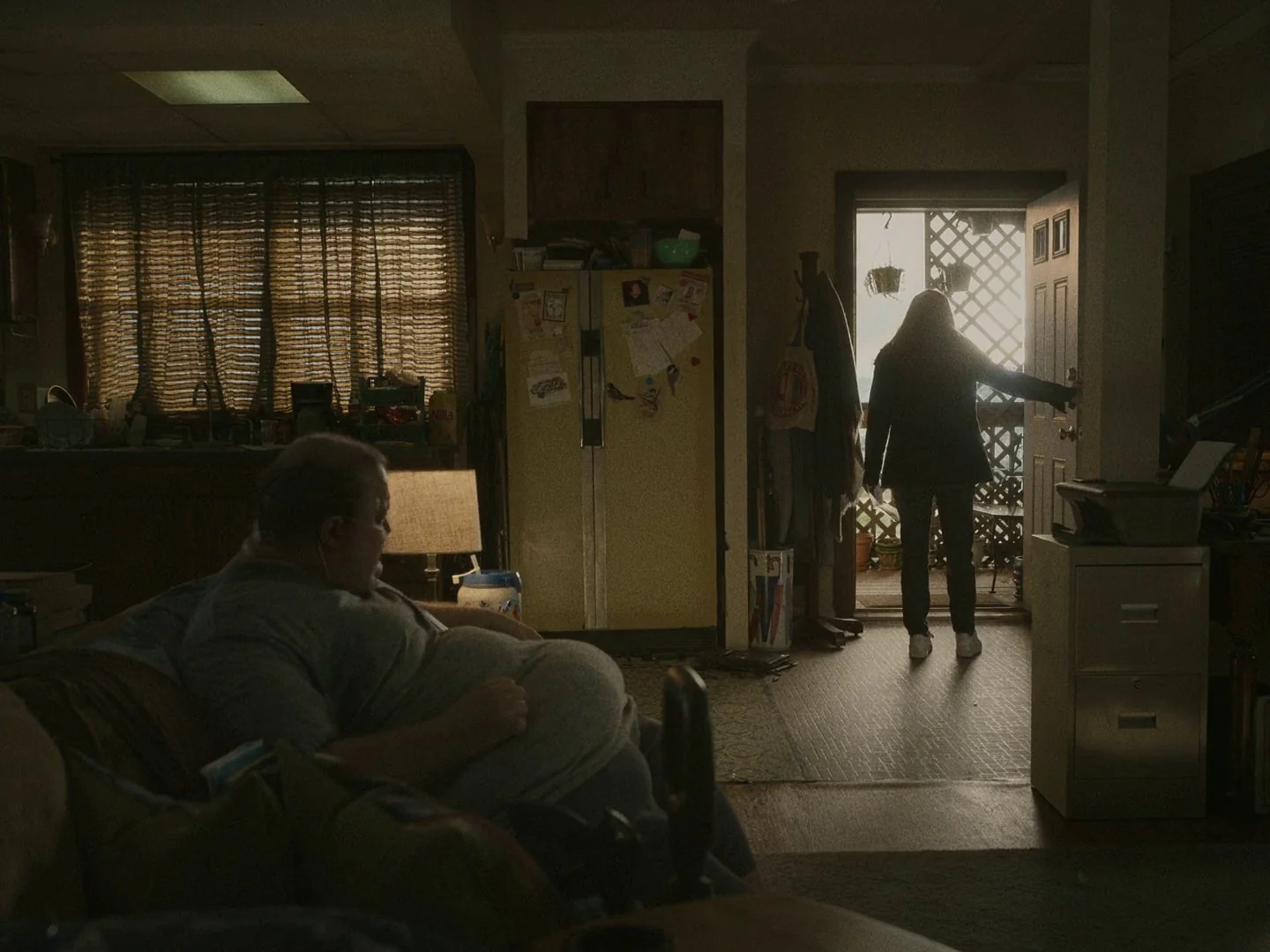
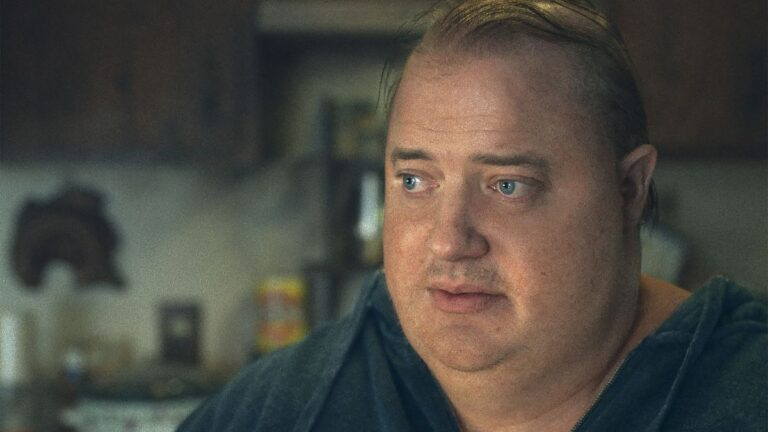
As a fan of Brendan Fraser back in his Mummy days, one who frequently lamented his less-than-prestigious choice of movie roles throughout the 2010s, I was utterly delighted that he finally found awards buzz and critical love for 2022’s The Whale, which won him a Best Actor Oscar on his first nomination. Like many actors, I think Fraser just needed the right role to prove his acting chops, and Darren Aronofsky’s adaptation of a Samuel D. Hunter play proved to be it. Having now seen the movie, I can confirm how deserving Fraser’s win was, playing morbidly obese English professor Charlie to devastating effect.

Charlie is a recluse in his tiny apartment, only teaching online classes with the camera off and barely able to get up from his couch, even with help from his nurse friend Liz (Oscar-nominated Hong Chau). Racked by guilt over abandoning his family for his gay lover years ago, he struggles to maintain optimism and connect with his daughter Ellie (Sadie Sink of Stranger Things), who never hesitates to make her anger and bitterness toward him known. His past comes to light when a visiting missionary (Ty Simpkins) tries to evangelize him, much to the indignation of everyone around him and Charlie himself.

The Whale is not an especially enjoyable watch, considering the vitriol flung by Ellie and Liz and the pitiable character at its center, but it is a showcase for outstanding performances from all involved, as well as how film can make the most of a small space originally suited for the stage. Being a Christian, I was saddened by how negative the film was toward religion, yet it also found nuance and slivers of sympathy amid what everyone can agree is a tragedy. In keeping with Charlie’s self-destructive eating, a key theme seemed to be that some people don’t want to be saved, instead finding whatever meager source of redemption they can find. Despite the seamless prosthetics weighing him down, Fraser brings the necessary human touch to make the tragedy heartbreakingly effective.

Best line: (Charlie) “I need to know that I have done one right thing with my life!”

Rank:  Honorable Mention

© 2024 S.G. Liput
790 Followers and Counting

Mass (2021)

23 Saturday Apr 2022

Posted by sgliput in Movies, NaPoWriMo, Poetry, Reviews, Writing

≈ 8 Comments

Tags

Drama, Triple A

(Today’s NaPoWriMo prompt was for a poem in the style of poet Kay Ryan, whose work is characterized by short lines “with a lot of rhyme and soundplay.”)

Everybody
Has regrets.
We only pray
That ours will not
Result someday
In death or debts
We cannot pay,
The kind of blot
That none forgets,
The kind that nought
Can wash away.
___________________________

MPA rating: PG-13 (for heavy subject matter and some language)

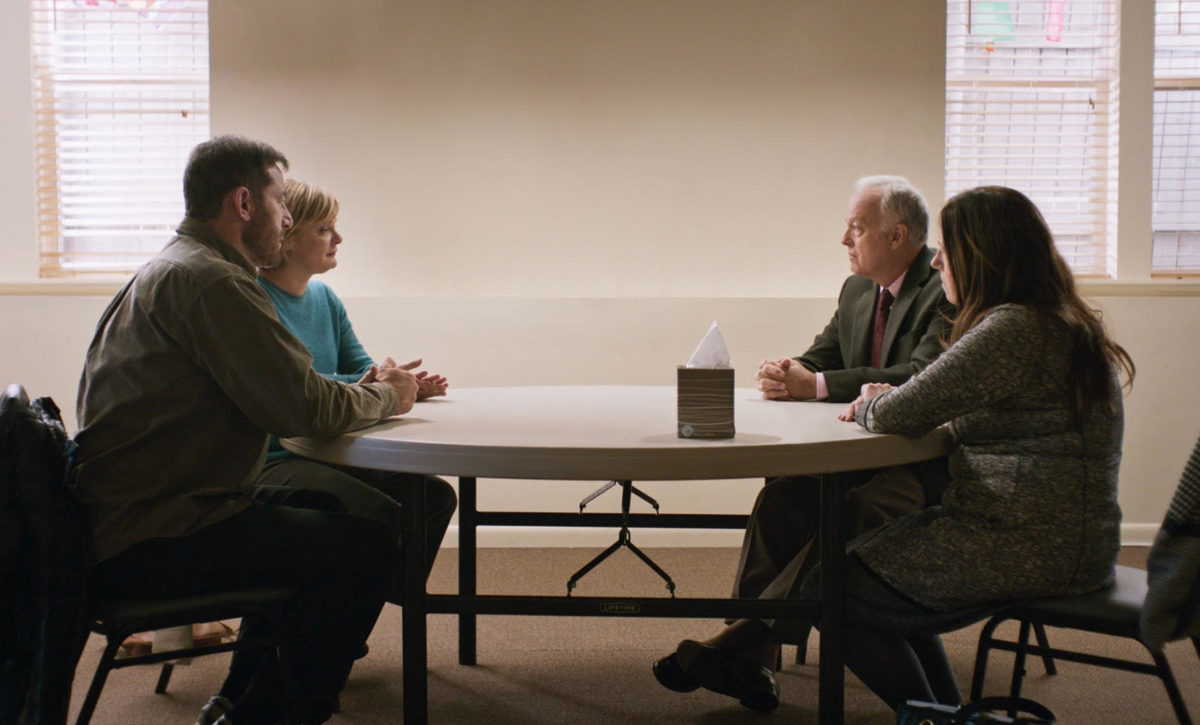
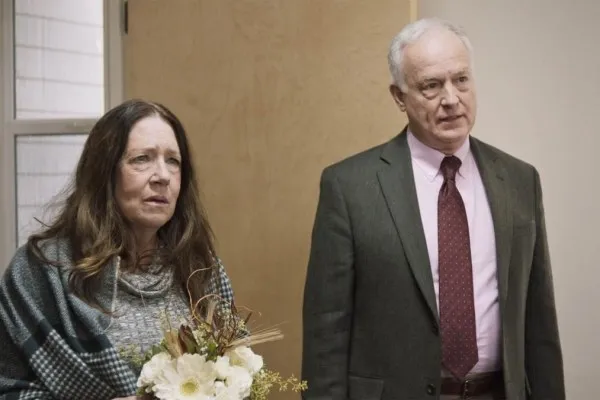
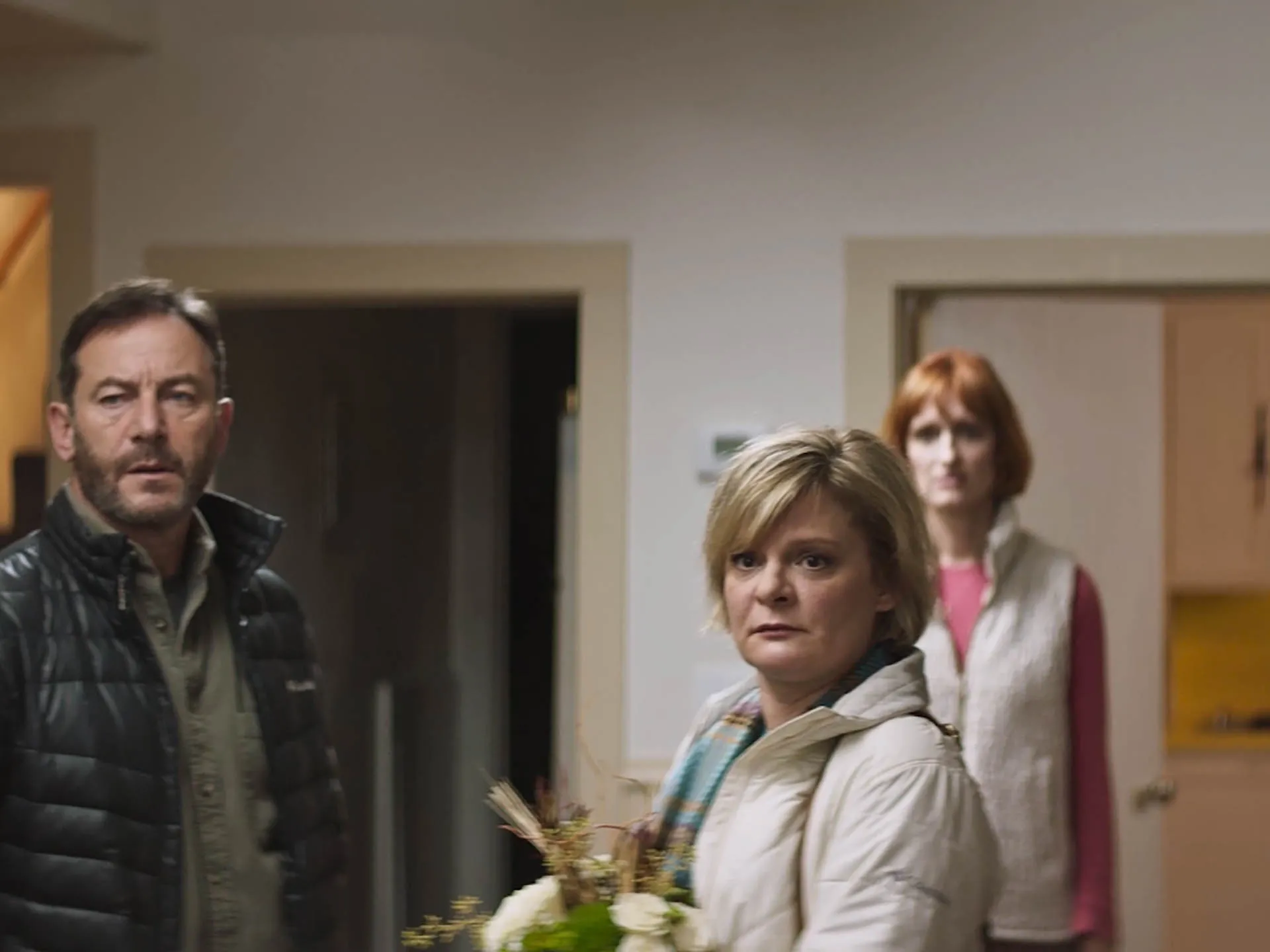
It’s hard to believe that Mass wasn’t based on some existing play but rather an original script from actor Fran Kranz, who also made his directorial debut with this small but emotionally potent drama. Set mostly in a small back room of an Episcopal church, the film is essentially one long conversation, or more of a therapy session between two middle-aged couples: Jay (Jason Isaacs) and Gail (Martha Plimpton), whose son was killed a few years before in a school shooting, and Richard (Lee Birney) and Linda (Ann Dowd), whose son was the shooter before committing suicide.

It takes time, but awkward pleasantries soon evolve into accusations, unanswerable questions, and mutual attempts at empathy. Shouldn’t Richard and Linda have seen what their son was capable of before it happened? Should Jay and Gail blame them for not raising their son differently? The film doesn’t give any definitive answers or go deep into the political attempts at a “solution,” instead seeking to bare the emotions of all and find compassion for those whose lived experience and responses to trauma can never be completely understood. And while neither couple evokes God or religion as part of their anger or recovery, the very setting in a church and its final scene imply that grace and comfort can be found by those who seek it.

I watched Mass with some detachment, admiring the award-worthy performances by all four of the main actors (shame on the Oscars for snubbing all of them) and sympathizing with each to different extents. Yet I found it interesting that my VC had a different reaction, one with more anger toward Richard and Linda for not recognizing their son’s descent into darkness before it was too late. Yet I felt such a scenario was all too realistic, since no mother or father wants to believe the worst in their child. So Kranz’s screenplay certainly manages to plumb the depths of its sensitive topic, which viewers will react to differently, yet hopefully gain an added perspective into how the victims of such tragedies extend to those left behind. Some of the story framing with a neurotic church employee didn’t seem necessary, and I’m not sure what a repeated scene of a field was supposed to represent, but Mass is still a hard-hitting Triple A film (one that’s All About the Acting) whose raw but valuable premise highlights the power of grace over finger-pointing in the universal expression of grief.

Best line: (Richard, to Jay) “You think you can attach one word to something in order to understand it? To make you feel safe? Well, I won’t say it. I don’t believe it. It’s not simple; it’s everything you cannot see.”

Rank: List Runner-Up

© 2022 S.G. Liput
767 Followers and Counting
Clemency (2019)

07 Wednesday Apr 2021

Posted by sgliput in Movies, NaPoWriMo, Poetry, Reviews, Writing

≈ Leave a comment

Tags

Drama, Triple A

See the source image

(For Day 7 of NaPoWriMo, the prompt was a choice between two syllable-based poem forms, the shadorma or the Fib. I chose the Fib, with its syllable count based on the Fibonacci sequence of 1, 1, 2, 3, 5, and 8. Take your pick of which character the poem applies to.)

Please
Have
Mercy
On my soul.
Its owner oft sinned.
Does grace or damnation await?
________________________

MPA rating:  R (for language and stressful themes)

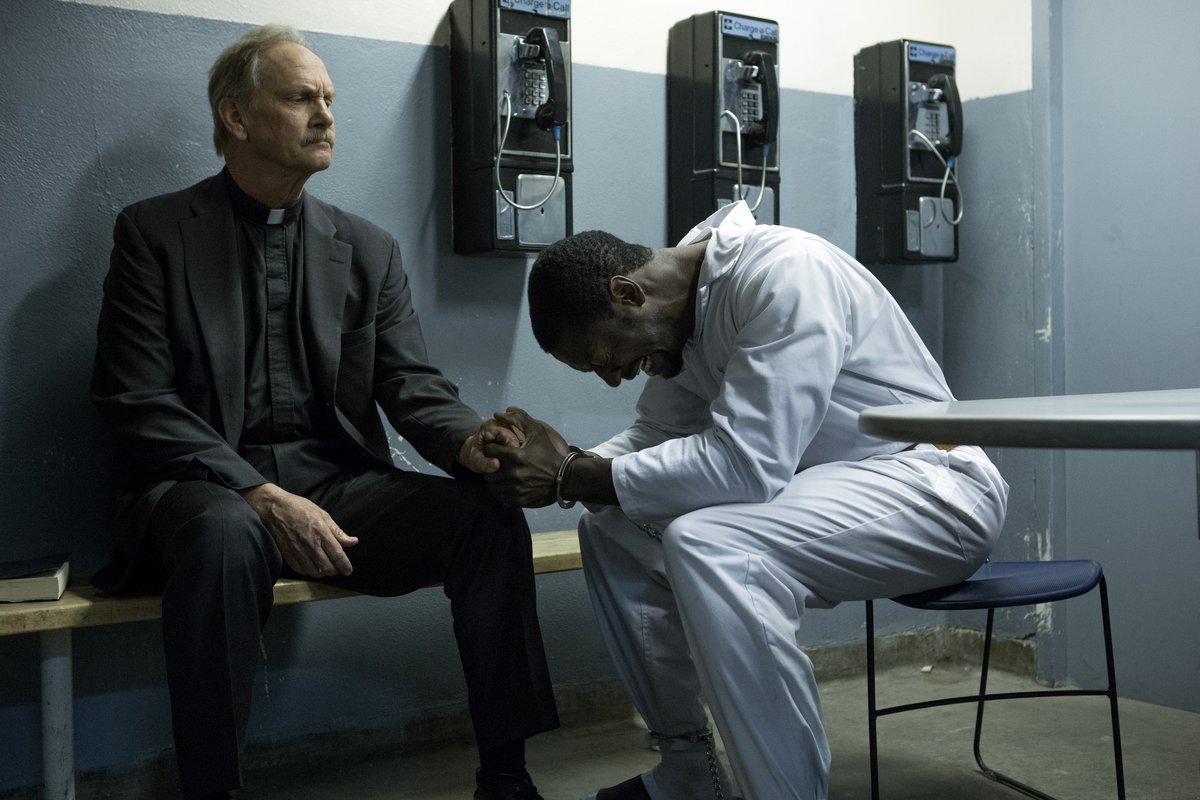
Clemency is a film with a clear message about the cruel nature of the prison system, yet it presents it subtly through the emotional responses of a warden (Alfre Woodard) and the convicted man she is to execute (Aldis Hodge). Woodard is the star here, hiding the psychological toll of her character’s work behind a stolid veil of professionalism while her marriage and soul suffer; the performance feels tailor-made for a Best Actress Oscar nomination, which sadly never came.

See the source image

Likewise, Aldis Hodge is a compelling victim, convicted of murder and insistent on his innocence. His guilt is neither verified nor disproven definitively, but he is still defended by his lawyer (Richard Schiff) and comforted by a chaplain (Michael O’Neill). His humanity is the focus as the film condemns neither him nor the warden doing her job. Death and execution are very distressing subjects, whether it’s the electric chair of The Green Mile or the lethal injections used here, and Clemency gets its sad point across while offering little light amidst the darkness. A bit slow in pace, it’s a difficult watch elevated by nuanced acting.

Rank:  Honorable Mention

© 2021 S.G. Liput
723 Followers and Counting

2020 Blindspot Pick #9: Make Way for Tomorrow (1937)

02 Tuesday Feb 2021

Posted by sgliput in Blindspot, Movies, Poetry, Reviews, Writing

≈ 3 Comments

Tags

Drama, Triple A

See the source image

“Honor thy father and mother.”
How simple and subtle a rule!
Our methods may vary
And end up contrary
To what we expected in school.

Our strained obligations
To past generations
Are wholesome but no longer cool.

Our lives take priority
Over seniority
Lest we be labeled a fool.

Good children are rarest
Where they be embarrassed
By wrinkles, dementia, and drool.

A list of excuses
Can equal abuses,
And lack of concern can be cruel.
_______________________

MPA rating:  Approved (easy G, though likely not of interest to kids)

Continuing with my 2020 Blindspots has still been subject to delays, but I’ll finish them one way or another, even if it means keeping my reviews short. It’s time now for the oldest entry on the list, 1937’s Make Way for Tomorrow, which seems to have earned the distinction of being a desperately sad drama long before more modern tearjerkers stained viewers’ cheeks and made this unsung classic fade from cinematic memory. Boasting a 100% score on Rotten Tomatoes yet failing to earn a single Oscar nomination, it’s one of those films that leaves you surprised that it’s not more well-known.

See the source image

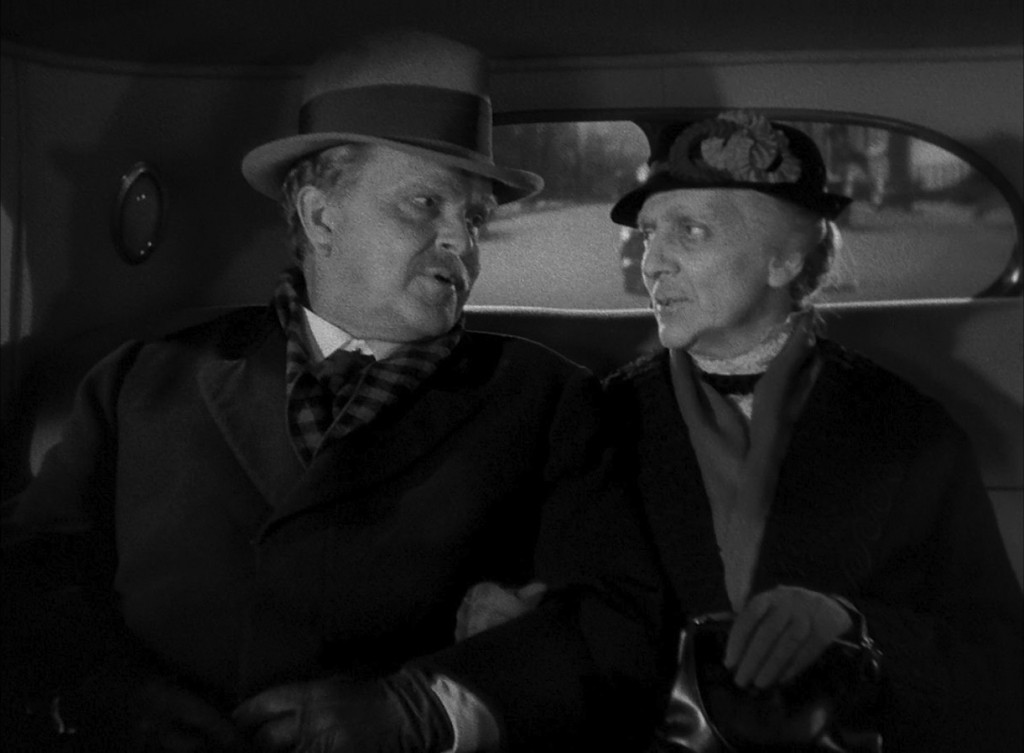
Make Way for Tomorrow qualifies as what I call a Triple A movie, one that is All About the Acting. The performances are nuanced and subtle, a far cry from the histrionics associated with old Hollywood, with stars Victor Moore and Beulah Bondi in top form. The pair, both significantly aged up with makeup made seamless by the black-and-white format, play the elderly Bark and Lucy Cooper, who are forced out of their home by the bank and must rely on the goodwill of their five grown children to board them. No one can take both parents, so they must live apart; as they wear on the nerves of the kids and their families, everyone wishes in vain for some better arrangement.

Based on a play that was based on a novel, the script of Make Way for Tomorrow is notable for its realism and pervasive sense of empathy. It’s the kind of situation that many families have no doubt had to endure, and you can’t entirely blame anyone for their frustration with it. One daughter (Elisabeth Risdon) who takes in Pa Cooper seems needlessly harsh and impatient, but Pa Cooper also acts opinionated and stubborn as he misses his wife. We can all say how we would act in such a situation, but I expect most people would find they have less patience than they think they do.

See the source image

Ma Cooper’s motherly idiosyncrasies in the home of her son George (Thomas Mitchell) brought to mind the more humorous aggravation from Doris Roberts’ Marie on Everybody Loves Raymond, and it’s a testament to the authenticity of the characters that such universal circumstances can inspire both comedy and drama. Bondi as Ma Cooper is the real heart of the film, and her last selfless scene with her son is a punch to the heartstrings. (It’s interesting to note that she plays Thomas Mitchell’s mother here, while she would play his sister nine years later in It’s a Wonderful Life.) By the end, I’ll admit the film does seem longer than its relatively short 91-minute runtime, but Moore and Bondi fill their few scenes together with the comfortable chemistry of a couple whose love has persisted through decades, which only makes the pitiable situation sadder. The director, Leo McCarey, actually won the Best Director Academy Award that year for The Awful Truth but said on stage that he thought they “gave it to [him] for the wrong picture”; I haven’t seen The Awful Truth myself, but I tend to think he was right.

Best line: (Lucy Cooper, quoting a poem, the source of which I’m still unsure but it deserves a place on my Poems in Movies list)

A man and a maid stood hand in hand
Bound by a tiny wedding band.
Before them lay the uncertain years
That promised joy and maybe tears.
“Is she afraid?” thought the man of the maid.

“Darling,” he said in a tender voice,
“Tell me. Do you regret your choice?
We know not where the road may wind,
Or what strange byways we may find.
Are you afraid?” said the man to the maid.

She raised her eyes and spoke at last.
“My dear,” she said, “the die is cast.
The vows have been spoken. The rice has been thrown.
Into the future we’ll travel alone.
With you,” said the maid, “I’m not afraid.”

Rank:  List Runner-Up

© 2021 S.G. Liput
714 Followers and Counting

Beautiful Boy (2018)

04 Thursday Apr 2019

Posted by sgliput in Movies, NaPoWriMo, Poetry, Reviews, Writing

≈ Leave a comment

Tags

Biopic, Drama, Triple A

See the source image

(Today’s NaPoWriMo prompt was for a sad poem using simple, straightforward language, and this story of a father mourning his son’s choices seemed like a perfect fit.)

When I first held you in my hands,
A life so small and yet so dear,
I dreamt of all your hopes and plans
That lay so far away from here,
In years ahead, when you perhaps
Did not need me as you did then.
Too soon did all those years elapse,
Too soon you joined the world of men.

You’ve gone your own way, that is clear,
On paths I’d never dreamed before,
And now I wait, with growing fear,
For news that you are here no more.
My son, I love you and I will,
Although you’ve left my heart so sore.
Afar, I stand and love you still
And wish I held you close once more.
_________________________

MPAA rating:  R (for much language and drug content)

Do you remember the final, heart-breaking scene of Philadelphia, where the film gives us a stark comparison between the disease-ridden character that just died and his innocent child self, subtly asking how someone once so pure could have been brought so low? That’s essentially what Beautiful Boy is, just stretched out to feature-length, yet still quite affecting, thanks to Oscar-worthy turns from Steve Carell and Timothée Chalamet as a father and son plagued by drug addiction.

See the source image

Carell plays real-life journalist and father David Sheff, who in the early 2000s had to endure the pain of watching his son Nic (Chalamet) battle a meth addiction. The story is rife with flashbacks, many of which contrast Nic’s current struggle with his free-spirited childhood, as I said. Some also offer hints of what led him down the dark road to addiction, as when he defends his early gateway drugs in the name of youthful experimentation, just as his father did back in the day. Yet the phase that David grew out of, Nic succumbs to, leading to an emotional rollercoaster as he goes in and out of rehab with David desperate to help him any way he can.

Since it’s what I call a Triple A movie (one that’s All About the Acting), I’m honestly shocked that Beautiful Boy was entirely snubbed by the Oscars, though it did get a couple nominations at the Golden Globes, including one for Chalamet. The repetitive plot ends up feeling longer than it really is, perhaps because it’s emotionally draining as well, but there’s genuine heartfelt talent here, not to mention the extra-timely subject matter, which brings home the personal cost of America’s drug epidemic in stark, sympathetic detail. I’ve personally never understood the attraction to drugs, but this movie brings into focus how destructive they are and how unpredictable their effects can be, with one man’s single experiment becoming another man’s road to addiction.

See the source image

I can see why it might not win Best Picture, with its excessive flashbacks and music (occasionally intrusive) stressing how dramatic it is, but the snub is hard to believe, especially compared to 2016’s Manchester By the Sea, another Amazon Studios film that won two Oscars and was dull and inferior next to this film. Chalamet and Carell give exceptional performances, and I highly suspect they’ll both end up with Oscars one of these day, or at least they should.

Best line: (David, to Nic as a child) “Do you know how much I love you? If you could take all the words in the language, it still wouldn’t describe how much I love you. And if you could gather all those words together, it still wouldn’t describe what I feel for you. What I feel for you is everything. I love you more than everything.”


Ranking: List Runner-Up


© 2019 S.G. Liput
618 Followers and Counting


Darkest Hour (2017)

20 Friday Apr 2018

Posted by sgliput in Movies, NaPoWriMo, Poetry, Reviews, Writing

≈ 1 Comment

Tags

Drama, History, Triple A, War

See the source image

(Today’s NaPoWriMo prompt was for a poem featuring rebellion, so I took inspiration from Winston Churchill’s tenacity in resisting the German onslaught in World War II.)


An animal fights never so hard
As when its den, its nest, its yard,
Its hole or burrow, lair or hollow
Is assaulted, threatened, scarred.
It’s then they most are on their guard.

If they defend their home so well,
Then we as humans must rebel
Against invasion, no persuasion
To assuage our raising hell
To screen and shield our citadel.

The brightest day requires no grit
When we are free to relish it.
The darkest hour tests our power
And our backbone not to quit,
For rebel lairs dare not submit.
____________________

MPAA rating: PG-13

Were you expecting the 2011 alien invasion movie set in Russia? If so, psych! Get with the times because I already reviewed that two days ago (and it’s The Darkest Hour, by the way). No, this is last year’s Winston Churchill biopic, which is more likely the film people will associate with the words Darkest Hour (no The), not only because it’s more recent but because it’s a fantastic movie.

See the source image

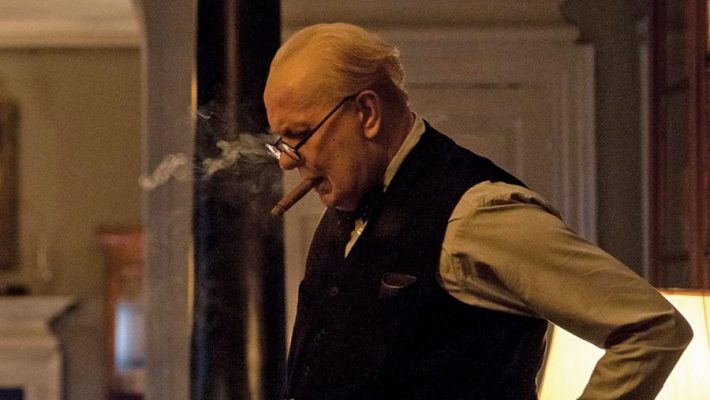
While Christopher Nolan’s Dunkirk depicted the famous rescue of the British army across the English Channel and Their Finest used it as propaganda back on the home front, Darkest Hour looks at the same events from the perspective of the leadership and politicians. An English political drama could very easily have made the proceedings eminently dry and boring, but that’s hardly the case when there’s an actor of Gary Oldman’s caliber in top form. His Oscar-winning performance as Winston Churchill is exceptional, one of those roles of a lifetime that he truly melts into, so that he’s hardly distinguishable from the real-life figure he plays, thanks also to the Oscar-winning makeup. From his droll habits and bearing to his brilliantly delivered speeches, it’s no wonder critics and audiences alike were saying, “Just give him the Oscar he so clearly deserves.”

Even the most acclaimed biopics so often leave me with a lessened opinion of their subjects, but Darkest Hour manages to show Churchill “warts and all,” so to speak, and still leave no doubt as to why he is considered such a great leader. In his very first scene, he’s at his worst, roaring at a fresh-faced, new secretary (Lily James) over minor annoyances, only to be calmed down by his loving and encouraging wife (Kristin Scott Thomas). The rest of the film serves to soften that intimidating figure we first see, as he buckles under the weight of the wartime decisions he faces and stands resolute in the face of overwhelming odds.

See the source image

It was interesting to see how naively Churchill’s fellow leaders believed they could sue for peace even while war and destruction were upon them, and I was surprised at how unpopular Churchill was among his own Conservative party. Did the way he was described as someone with one hundred ideas a day, four of them good and the rest dangerous, remind anyone else of Donald Trump? Honestly, there were several scenes where it was as if they were describing the sitting U.S. President. “One never knows what’s going to come out of your mouth next. Something that’ll flatter, something that’ll wound,” says King George VI, played by Ben Mendelsohn (since I suppose Colin Firth was busy). Considering Churchill’s dictation habits, I can’t help but wonder if a modern Churchill would be tweeting in the privy as well.

Beyond the outstanding acting, the rest of the production is equally praiseworthy, such as the realistic sets and the way the dates change onscreen to make clear that events are happening within mere days of each other. Joe Wright’s direction is elegant but straightforward, and the script intelligent and witty in equal measure, providing welcome humor to lighten various scenes while also stressing the desperation of Britain’s situation. There’s some disappointment when you realize a great scene or two was fabricated, such as a voice-of-the-people sequence in the London subway, but the high degree of historical accuracy is only part of Darkest Hour’s strength.

See the source image

It’s a testament to the power of oratory and a portrait of a great man under fire, not covering his whole life but the tension-filled days and weeks that helped define the course of his life and of the world. I’m tempted to rank it as a tie with The Iron Lady, another well-acted film about a great British prime minister that won its lead an Oscar, but I think Darkest Hour is a tad stronger overall and indeed one of the best films of 2017.

Best line (there are so many): (Churchill) “Those who never change their mind never change anything.”


Rank: List-Worthy


© 2018 S.G. Liput
562 Followers and Counting


Marjorie Prime (2017)

02 Monday Apr 2018

Posted by sgliput in Movies, NaPoWriMo, Poetry, Reviews, Writing

≈ 1 Comment

Tags

Drama, Sci-fi, Triple A

See the source image

(Today’s NaPoWriMo prompt was for a poem that plays with voice and the first-person “I.” Based on this film’s premise, below is a soliloquy of a ghost addressing his former living self.)


I don’t know
If I’m still you,
The same as you once were.
What you went through,
What I’ve been through
Has left my mind unsure.

I can tell
From those you knew
That I was well thought of,
And if I’m you,
The former you,
I too return their love.

You might ask
Why would I stay
When you, alas, could not.
To your dismay,
I came one day
To take your vacant slot.

I suppose
I’m still part of
This world and wish relief
For those you loved.
For those I love
Should not be left in grief.
_____________________

MPAA rating: PG-13

It may seem that I complain a lot about how slow artsy films can be, so eager to be avant-garde and critically studied that they forget to entertain. Yet Marjorie Prime is proof that I can still appreciate a slow and quiet movie with the right combination of acting and script. This is a prime example (get it?) of a Triple A movie (where it’s All About the Acting) and of low-key speculative fiction; there are no jaw-dropping effects or mind-bending visuals, just three or four people talking in a room and providing a very plausible vision of the future.

See the source image

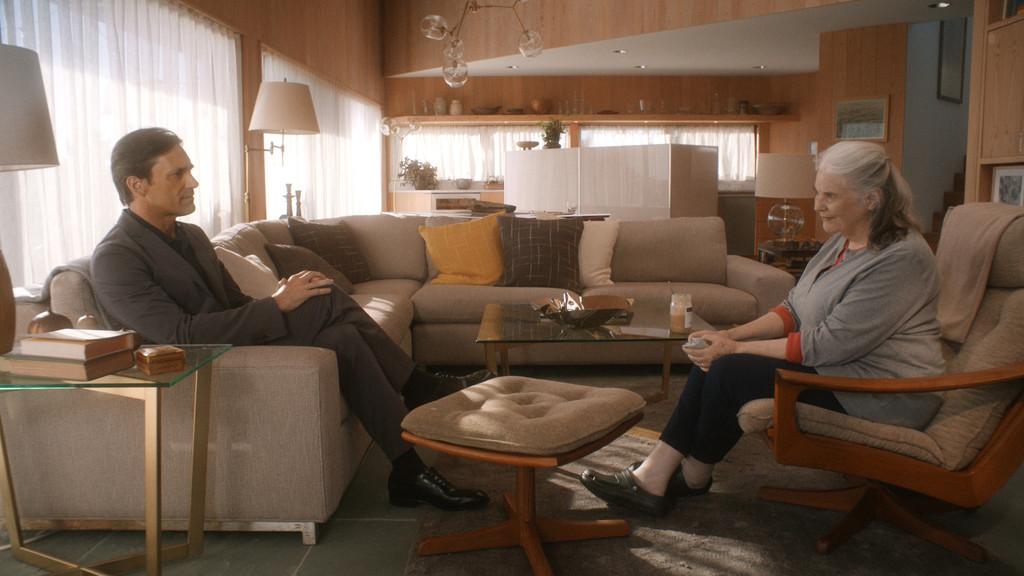
At home at her seaside beach house, Marjorie (Lois Smith, who I know best as Helen Hunt’s aunt in Twister) is an elderly widow around the year 2050, who comes out to her living room to have a conversation with her husband Walter (Jon Hamm). However, he’s not her husband but a Prime of him, a holographic re-creation of Walter in his forties, designed to keep her company and help cope with her worsening Alzheimer’s. Both Marjorie and her son-in-law Jon (Tim Robbins) tell Walter Prime about the Walter they knew, and their memories help form his personality. “I’ll remember that now,” he says with every new piece of information. As you might expect, the idea of Primes doesn’t please everyone, specifically Marjorie’s anxious daughter Tess (Geena Davis), yet the realism grows with time, especially with the way Walter Prime assimilates and repeats the stories he’s been told. When he tells Marjorie of things she has since forgotten, who’s to say it’s not as genuine as the original memory?

Based on a Pulitzer-nominated play by Jordan Harrison, Marjorie Prime is full of moving subtlety in the areas of technology and memory, with a script worthy of an Oscar nomination, in my opinion. Those with little patience will likely be bored to tears, but if your mind is engaged, there’s plenty of existential meat to chew here, from the hidden family tragedy of Marjorie’s past to the way technology is depicted as neither good nor bad but simply an inevitability. In a world where people are already inviting primitive A.I.’s into their homes, it’s oddly conceivable to envision such artificial companions cushioned in the guise of a loved one. Whether that excites or disturbs you may vary, but the film is sensitive and honest in that regard and quite credible too in the way Primes are shown to develop with more information, serving as both a comfort and a painful reminder. I also liked smaller examples of their use, such as enabling future generations to “meet” their ancestors, or at least an indistinguishably close approximation of them.

See the source image

The film does morph a bit from its starting point, tragically so in fact, yet there are three phenomenal performances at its heart. Lois Smith, Tim Robbins, and Geena Davis prove what outstanding actors they are, and I’m glad Smith in particular was able to step out from her usual side roles to portray the title character, reprising her role from the stage version. Memory and unspoken emotion hang over every conversation with a Prime, making them lump-in-throat encounters that stayed with me long after the credits had rolled. Perhaps the setting can get monotonous and the artsiness of a few interim scenes drags a bit, but the familial anguish and philosophical questions posed were both restrained and deeply compelling. This is the quiet side of science fiction, but for me, it’s one more reason to love the genre.

Best line: (Marjorie) “Well, the future will be here soon enough. You might as well be friendly with it.”


Rank: List Runner-Up


© 2018 S.G. Liput
548 Followers and Counting


45 Years (2015)

20 Wednesday Dec 2017

Posted by sgliput in Movies, Poetry, Reviews, Writing

≈ 2 Comments

Tags

Drama, Triple A

See the source image

A tree that grows as decades fly
Has proved its will to live.
And most may think a tree so high
Will yield all it can give.

Indeed it may, as many do,
Its strength confirmed by age,
But age can also rot it through,
A cancer hard to gauge.

We cannot know its fortitude
Until the tempest blows,
And if its weakened roots protrude,
Then everybody knows.
_______________

MPAA rating: R (for language and a bedroom scene)

I can usually admire what I call Triple A movies, those that are All About the Acting, but even the best actors need a worthwhile story to tell. I had hoped 45 Years would have the right combination, but not so. This golden-years pairing of Tom Courtenay and Charlotte Rampling has a pretty simple concept and doesn’t expand too much on it, filling the performances with subtlety but leaving the plot an unsatisfying bore.

See the source image

Norfolk retirees Kate (Rampling) and Geoff Mercer (Courtenay) are approaching their 45th anniversary, only to have their bucolic married bliss disturbed by a letter informing Geoff that the body of his former sweetheart in the ‘60s has been found frozen in a Swiss glacier. Geoff had told Kate about how he had lost his girlfriend Katya in an accident, so this isn’t too much of a surprise, but the flood of memories from this news overcomes Geoff and makes him obsess over his days with Katya. This sets off a chain of false fronts and hidden distress as Geoff says he’s all right but won’t let Katya and Switzerland go, while Kate insists it doesn’t bother her even though she’s clearly troubled.

The two stars carry off this slow escalation of emotion with expert nuance, and I can see why they were both nominated for several awards, with Rampling winning far more than Courtenay. Yet, as Kate’s irritation comes to a head, her deep-seated insecurity seems rather overblown considering that the whole film takes place over the course of a single week. If Geoff were to continue his preoccupation with Katya for weeks or months, I could better understand Kate’s objections, but shouldn’t she give him a chance to grieve when his buried sorrow is unearthed? I realize she loses some trust at his half-truths, but she takes it all much too personally. I mean, does she really expect to lose her husband of 45 years to a dead woman? By the end, it doesn’t matter how sincere Geoff’s professions of love seem; she’s let her unquieted doubts ruin her 45th anniversary, probably for nothing.

See the source image

Perhaps that’s the point (or should be) of this well-made and melancholy film, the danger of letting little troubles eat away at your inner peace, as when Kate sloughs off a potential source of agitation but adds on the word “Still….” That’s a worthwhile moral, but the film doesn’t pull it off as well as it could have. Looking back at it, the news Geoff got was only a big deal because their lives were so boring and uneventful. With 97% approval, Rotten Tomatoes describes 45 Years as a gem “for fans of adult cinema,” so perhaps I’m not adult enough to overlook the flimsy reason for this story to even be worth telling.

Best line: (Geoff) “What? You really believe you haven’t been enough for me?”   (Kate) “No. I think I was enough for you, I’m just not sure you do.”


Rank:  Dishonorable Mention


© 2017 S.G. Liput
520 Followers and Counting


September Morning (2017)

12 Tuesday Sep 2017

Posted by sgliput in Movies, Poetry, Reviews, Writing

≈ Leave a comment

Tags

Comedy, Drama, Triple A

Image result for september morning film 2017

Where were you when the towers fell,
When a nation was numbed by an unforeseen hell?
What hollow activities padded the day,
As newscasters had the same horrors to play,
The same videos, the same headlines to tell?
And wasn’t “tomorrow” new cause for dismay?

Yet here we are, many years past the threat,
Still filled with the grief that once shocked and upset.
New courage since then, we’ve been forced to adopt.
We all may recall the day normal life stopped,
But let not the sadness cause us to forget
The day it began again, day for night swapped.
___________________

MPAA rating: Not Rated (should be R, for language)

The last two years, I’ve commemorated the anniversary of 9/11 by watching movie re-creations, letting United 93 and World Trade Center remind me of the tragic power of that horrific day. This year, though, I had the privilege of attending a free local screening of a small independent film called September Morning, a 9/11 film that never shows the planes or the smoking towers, instead dramatizing how average Americans far from New York, specifically a group of college students, reacted to the day that changed America.

Filmed over thirteen days and set completely in a small dorm room, September Morning takes place during the night of September 11 into September 12, after everyone was sick of the repeated news stories, sick of the fear and uncertainty, “tired of watching history being made.” The five college freshmen who spend that difficult night together include jocular Eric (Troy Doherty), promiscuous Lynz (Katherine C. Hughes), pessimistic Justin (Michael Grant), reserved Shelly (Taylor Rose), and vengeful ROTC cadet “Dish” Fisher (Patrick Cage II), who gather for pizza, beer, cigarettes, and conversation to distract from the oppressive melancholy that ruled the day. Each of those adjectives I assigned them are very general, as all of them fit those descriptions at some point, never coming off as stereotypes or anything less than genuine. The film doesn’t suffer one bit from its independent status, since every one of the actors is beyond reproach, with skillful direction to match from first-time writer-director Ryan Frost, who based the film off his own experiences as a freshman at the University of Richmond in September of 2001. Based on this film, I’d say every one of these talents is a name to watch, if only they would get the right notice.

Image result for september morning film 2017

The banter of the newfound college friends is heartfelt and sometimes funny, though rarely in a laugh-out-loud sort of way, but the shadow of 9/11 hangs over everything. Throughout the film are discussions and even silent reminders of the events of the previous day, offering much insight into how people felt at the time. When someone suggests watching a movie, Justin objects that whatever they see will be stigmatized to remind them of this time, just as anything showing the Twin Towers bears a solemn memory. The mood changes drastically when someone mentions planes or Arabs.  Shelly voices her hesitation at having a good time with friends after seeing people jump from burning buildings. There’s a debate about how people can pray and believe in God at times like this, with two characters sticking with Jesus while Justin argues for cynicism.

In many ways, September Morning struck me as The Breakfast Club for a new generation, simply set in college rather than high school. The whole film is basically a five-way conversation about these young people’s joys, fears, insecurities, and anger, simply with 9/11 as the context and trigger of these volatile emotions. There’s even an antagonistic authority figure in Michael Liu’s resident assistant, who criticizes the group’s self-medicating attitude and is summarily resented. As with The Breakfast Club, it’s easy to relate to these characters, and everyone is bound to see themselves in one or several of them at some point.

My main problem with September Morning is the language, with a surfeit of casual F-words surpassing anything in The Breakfast Club. In addition, the sexual conversations get uncomfortably graphic at times, even if nothing is shown. The frequent obscenities sadly make it a film I wouldn’t watch often, taking away from the otherwise impressive acting and thoughtful dialogue. (“Maybe fate is just a series of events that lead people to the same place.”) The lighthearted scenes often leaned too crude, but when the serious moments came, they rang true, particularly a brilliant exchange with the pizza delivery man (Max Gail, known to older viewers as “Wojo” on Barney Miller), whose age and experience help the young people put the traumatic day in perspective.

Image result for september morning film

As with Life, Animated, I actually got to take part in a Q & A after the screening, this time with writer-director Ryan Frost, and he expressed his desire to memorialize how it felt on September 11 and 12 for the average American, especially since most college students will soon be part of a generation that doesn’t even remember 9/11. Even with the unnecessary profanity, September Morning succeeds as an encapsulation of those feelings and makes a point of contrasting the anger and despair with the kindness and encouragement that 9/12 instilled in people. As I left the theater with its flag flying at half-mast yesterday, the memory of the grief was lightened by the knowledge that, as hard and complex as it is, life does go on.

Best funny line: (Eric) “We’re all white people from the suburbs.”   (Dish, who’s black) “Excuse me?”   (Eric) “Oh, sorry, Justin’s Jewish.”

Best serious line: (delivery man Don) “When you get older, you tend to remember that time to time, the world goes crazy, but it doesn’t stop.”


Rank: List Runner-Up


© 2017 S.G. Liput
506 Followers and Counting


← Older posts

Recent Posts

  • We Didn’t Start 2025 (Recap)
  • NaPoWriMo 2025 Recap (Finally)
  • Sonic the Hedgehog 3 (2024)
  • It Happened One Night (1934)
  • Spellbound (2024)

Recent Comments

associatesofshellymann's avatarassociatesofshellyma… on My Top Twelve La La La So…
Kit's avatarKit Nichols on Bonnie and Clyde (1967)
lifelessons's avatarlifelessons on Look Back (2024)
Carol Jackson's avatarCarol Jackson on The Thief of Bagdad (1940…
Stephen's avatarStephen on Love Story (1970)

Archives

  • January 2026
  • December 2025
  • May 2025
  • April 2025
  • March 2025
  • February 2025
  • January 2025
  • December 2024
  • May 2024
  • April 2024
  • March 2024
  • February 2024
  • January 2024
  • December 2023
  • November 2023
  • October 2023
  • September 2023
  • July 2023
  • June 2023
  • May 2023
  • April 2023
  • March 2023
  • February 2023
  • January 2023
  • December 2022
  • November 2022
  • October 2022
  • September 2022
  • August 2022
  • July 2022
  • June 2022
  • May 2022
  • April 2022
  • March 2022
  • February 2022
  • January 2022
  • December 2021
  • November 2021
  • October 2021
  • September 2021
  • August 2021
  • July 2021
  • June 2021
  • May 2021
  • April 2021
  • March 2021
  • February 2021
  • January 2021
  • December 2020
  • November 2020
  • October 2020
  • September 2020
  • August 2020
  • July 2020
  • June 2020
  • May 2020
  • April 2020
  • March 2020
  • February 2020
  • January 2020
  • December 2019
  • November 2019
  • October 2019
  • September 2019
  • August 2019
  • July 2019
  • June 2019
  • May 2019
  • April 2019
  • March 2019
  • February 2019
  • January 2019
  • December 2018
  • November 2018
  • October 2018
  • September 2018
  • August 2018
  • July 2018
  • June 2018
  • May 2018
  • April 2018
  • March 2018
  • February 2018
  • January 2018
  • December 2017
  • November 2017
  • October 2017
  • September 2017
  • August 2017
  • July 2017
  • June 2017
  • May 2017
  • April 2017
  • March 2017
  • February 2017
  • January 2017
  • December 2016
  • November 2016
  • October 2016
  • September 2016
  • August 2016
  • July 2016
  • June 2016
  • May 2016
  • April 2016
  • March 2016
  • February 2016
  • January 2016
  • December 2015
  • November 2015
  • October 2015
  • September 2015
  • August 2015
  • July 2015
  • June 2015
  • May 2015
  • April 2015
  • March 2015
  • February 2015
  • January 2015
  • December 2014
  • November 2014
  • October 2014
  • September 2014
  • August 2014
  • July 2014
  • June 2014
  • May 2014
  • April 2014
  • March 2014
  • February 2014
  • January 2014
  • December 2013

Categories

  • Blindspot
  • Blogathon
  • Christian
  • Movies
  • Music
  • NaPoWriMo
  • Poetry
  • Reviews
  • TV
  • Writing

Meta

  • Create account
  • Log in
  • Entries feed
  • Comments feed
  • WordPress.com

Recent Posts

  • We Didn’t Start 2025 (Recap)
  • NaPoWriMo 2025 Recap (Finally)
  • Sonic the Hedgehog 3 (2024)
  • It Happened One Night (1934)
  • Spellbound (2024)

Recent Comments

associatesofshellymann's avatarassociatesofshellyma… on My Top Twelve La La La So…
Kit's avatarKit Nichols on Bonnie and Clyde (1967)
lifelessons's avatarlifelessons on Look Back (2024)
Carol Jackson's avatarCarol Jackson on The Thief of Bagdad (1940…
Stephen's avatarStephen on Love Story (1970)

Archives

  • January 2026
  • December 2025
  • May 2025
  • April 2025
  • March 2025
  • February 2025
  • January 2025
  • December 2024
  • May 2024
  • April 2024
  • March 2024
  • February 2024
  • January 2024
  • December 2023
  • November 2023
  • October 2023
  • September 2023
  • July 2023
  • June 2023
  • May 2023
  • April 2023
  • March 2023
  • February 2023
  • January 2023
  • December 2022
  • November 2022
  • October 2022
  • September 2022
  • August 2022
  • July 2022
  • June 2022
  • May 2022
  • April 2022
  • March 2022
  • February 2022
  • January 2022
  • December 2021
  • November 2021
  • October 2021
  • September 2021
  • August 2021
  • July 2021
  • June 2021
  • May 2021
  • April 2021
  • March 2021
  • February 2021
  • January 2021
  • December 2020
  • November 2020
  • October 2020
  • September 2020
  • August 2020
  • July 2020
  • June 2020
  • May 2020
  • April 2020
  • March 2020
  • February 2020
  • January 2020
  • December 2019
  • November 2019
  • October 2019
  • September 2019
  • August 2019
  • July 2019
  • June 2019
  • May 2019
  • April 2019
  • March 2019
  • February 2019
  • January 2019
  • December 2018
  • November 2018
  • October 2018
  • September 2018
  • August 2018
  • July 2018
  • June 2018
  • May 2018
  • April 2018
  • March 2018
  • February 2018
  • January 2018
  • December 2017
  • November 2017
  • October 2017
  • September 2017
  • August 2017
  • July 2017
  • June 2017
  • May 2017
  • April 2017
  • March 2017
  • February 2017
  • January 2017
  • December 2016
  • November 2016
  • October 2016
  • September 2016
  • August 2016
  • July 2016
  • June 2016
  • May 2016
  • April 2016
  • March 2016
  • February 2016
  • January 2016
  • December 2015
  • November 2015
  • October 2015
  • September 2015
  • August 2015
  • July 2015
  • June 2015
  • May 2015
  • April 2015
  • March 2015
  • February 2015
  • January 2015
  • December 2014
  • November 2014
  • October 2014
  • September 2014
  • August 2014
  • July 2014
  • June 2014
  • May 2014
  • April 2014
  • March 2014
  • February 2014
  • January 2014
  • December 2013

Categories

  • Blindspot
  • Blogathon
  • Christian
  • Movies
  • Music
  • NaPoWriMo
  • Poetry
  • Reviews
  • TV
  • Writing

Meta

  • Create account
  • Log in
  • Entries feed
  • Comments feed
  • WordPress.com

Blog at WordPress.com.

Is this your new site? Log in to activate admin features and dismiss this message
Log In
  • Subscribe Subscribed
    • Rhyme and Reason
    • Join 814 other subscribers
    • Already have a WordPress.com account? Log in now.
    • Rhyme and Reason
    • Subscribe Subscribed
    • Sign up
    • Log in
    • Report this content
    • View site in Reader
    • Manage subscriptions
    • Collapse this bar
 

Loading Comments...