• Home
  • About Me
  • The List
  • THE LIST (2016 Update)
  • THE LIST (2017 Update)
  • THE LIST (2018 Update)
  • THE LIST (2019 Update)
  • THE LIST (2020 Update)
  • THE LIST (2021 Update)
  • THE LIST (2022 Update)
  • Top Twelves and More
  • The End Credits Song Hall of Fame

Rhyme and Reason

~ Poetry Meets Film Reviews

Rhyme and Reason

Category Archives: Blindspot

2018 Blindspot Ranking

03 Sunday Feb 2019

Posted by sgliput in Blindspot, Movies, Reviews

≈ 3 Comments

Tags

Lists

Well, it’s a bit later than planned, but I’ve finally finished my Blindspot series from last year, so with great satisfaction, it’s time to rank them before starting anew. While my 2017 Blindspots resulted in at least three films added to my Top 365 List, this year had some truly great films that didn’t quite make the cut to be List-Worthy, though that’s largely because I don’t include documentaries like #1. I did actually count #2 as List-Worthy at first, but on further thought decided it lacked the rewatchability factor. Even so, I thoroughly enjoyed watching these former Blindspots, especially #9 and up and can’t wait to begin this year’s picks.


  1. All is Lost (2013)

See the source image

Good work from Robert Redford, but boring and not helped by the lack of dialogue


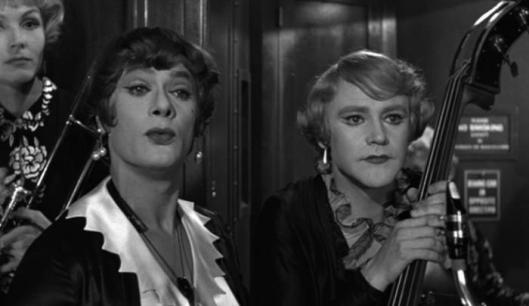
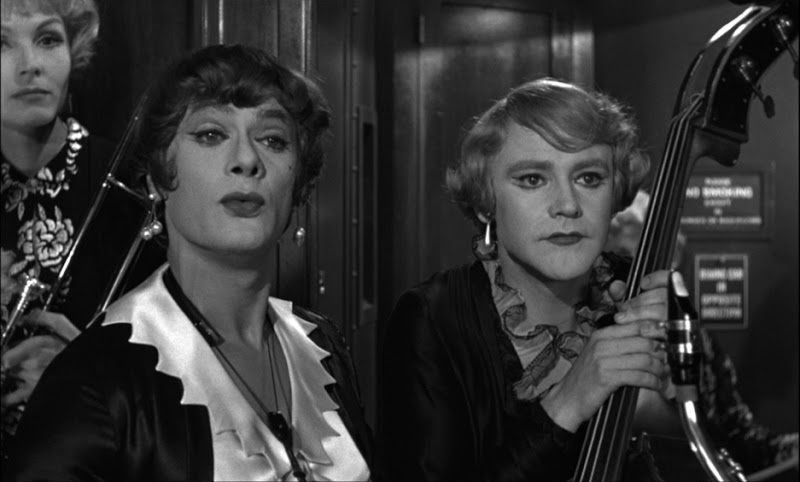
  1. Some Like It Hot (1959)

See the source image

Very classic, but overlong and not quite as funny as I would have hoped


  1. Into the Forest of Fireflies’ Light (2011)

See the source image

Solid anime tearjerker; its simplicity is both a strength and a weakness


  1. Hush (2016)

See the source image

Effective slasher, with the uniqueness of a deaf woman fending off a sadistic killer


  1. Clue (1985)

See the source image

Uneven but fun mystery with a great cast; would have loved this even more when I was younger


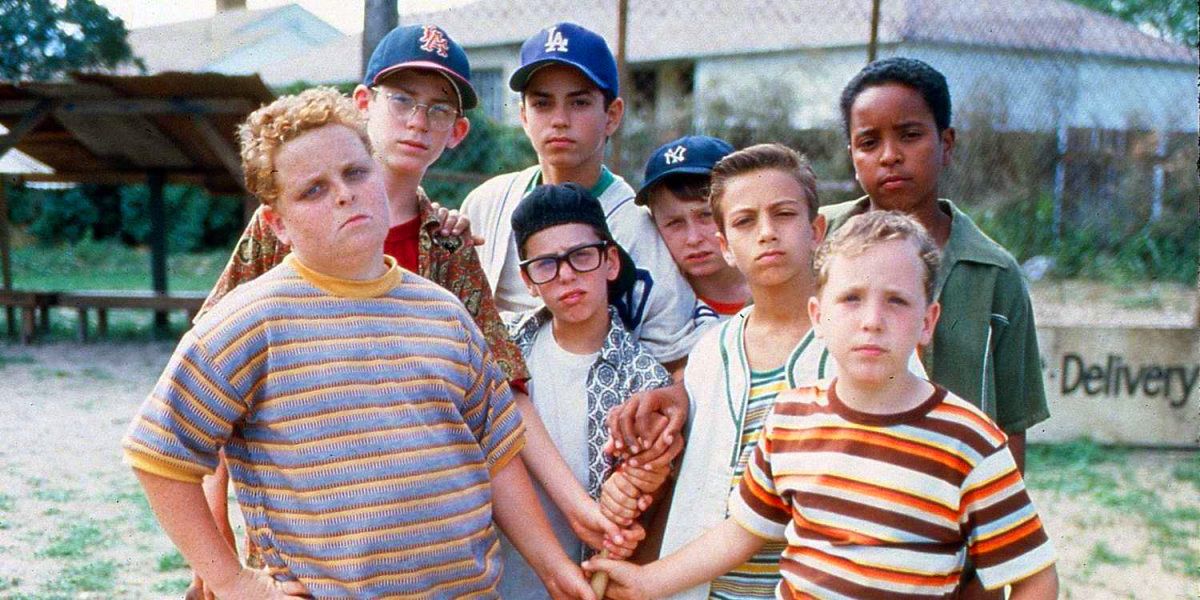
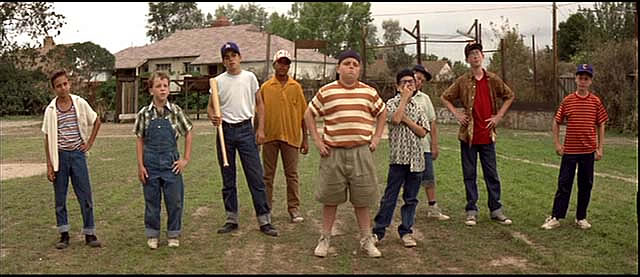
  1. The Sandlot (1993)

See the source image

Great family film; again, my younger self would have made this a favorite


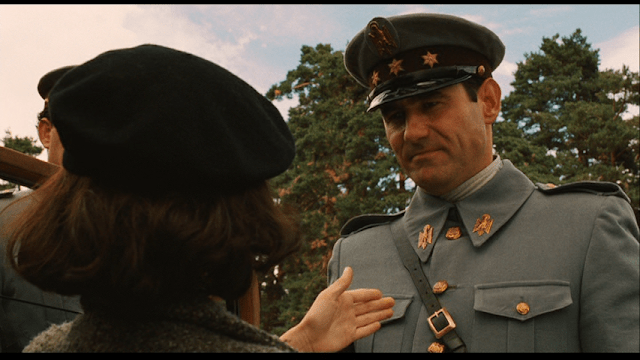
  1. Pan’s Labyrinth (2006)

See the source image

Weird, violent, and imaginative, a bit too much of all three, but beautifully told


  1. Sunshine (2007)

See the source image

Strong sci-fi thriller with some amazing music; a worthy Alien successor without any aliens


  1. Yi Yi (2000)

See the source image

Chinese drama that (for once) I can agree with the critics on; slow pace but a truly great film


  1. Eternal Sunshine of the Spotless Mind (2004)

See the source image

Crazily imaginative sci-fi mixed with bittersweet romance


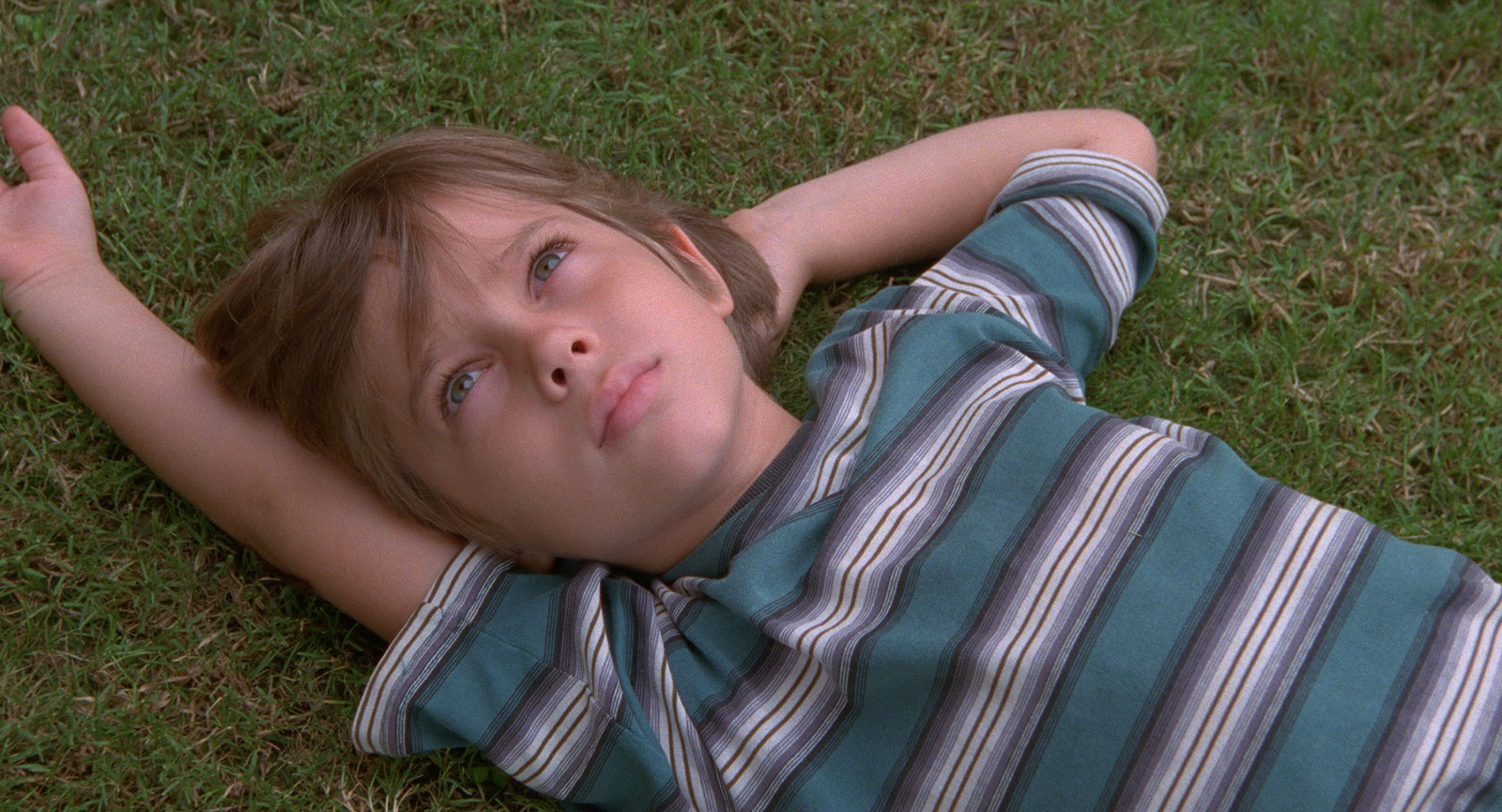
  1. Boyhood (2014)

See the source image

A modern classic and a highly relatable one for me who grew up alongside the main character


  1. Dear Zachary: A Letter to a Son About His Father (2008)

See the source image

Deeply personal documentary that hits the heartstrings hard

2018 Blindspot Pick #12: Pan’s Labyrinth (2006)

02 Saturday Feb 2019

Posted by sgliput in Blindspot, Movies, Poetry, Reviews, Writing

≈ Leave a comment

Tags

Drama, Fantasy, War

See the source image

The world can be cruel and compromising,
Goodness crumbling, evil rising.
Such a fact isn’t at all surprising;
Simply look around to see.

But harder to view is where the fantastic,
Magic subtle and not bombastic,
Turns the desolate and the drastic
Into beauty’s final fee.

And when the fee is finally paid,
The horrors that happen when humans degrade
Are quickly forgotten, and when they fade,
We welcome sweet reality.
______________________

MPAA rating: R (mainly for violence)

Sorry for the longer-than-expected hiatus lately. I’ve been in the midst of the busiest time of my class project, and just graduated from the program, so now I’m job hunting but also have a little more extra time to post again. I hate that my 2018 Blindspots have run so late into 2019, but I just have this one last review to finish off what I began a year ago! So before I announce the Blindspots for 2019, it’s time to cover Pan’s Labyrinth, Guillermo del Toro’s acclaimed Spanish fantasy.

I didn’t realize when I picked them, but my 2018 Blindspots have introduced me to some directors that I only knew by reputation. I’d never seen a Charlie Kaufman-written movie before Eternal Sunshine of the Spotless Mind, and I’d only seen one other Billy Wilder film before Some Like It Hot. Surprisingly, I’d also never seen a Guillermo del Toro-directed movie either, so Pan’s Labyrinth was like a fresh initiation into the Oscar-winning director’s style. And what a style! Pan’s Labyrinth is as skillfully directed a film as I’ve ever seen, and it’s mind-boggling to me that del Toro wasn’t nominated for a directing Oscar that year, though it did win deservingly for Cinematography, Production Design, and Makeup. The movements of the camera, often changing scenes as it passes behind an object, lends the film a lucid fairy tale quality, despite the contrast of its more true-to-life content.

See the source image

The storyline is also engaging, split between the realistic and the magical. Young Ofelia (Ivana Baquero) is taken by her pregnant mother (Ariadna Gil) to a military base in the woods in 1944 Francoist Spain. There, Ofelia’s merciless new stepfather, Captain Vidal (Sergi López) is hunting down armed rebels and eagerly waiting like Henry VIII for his wife to bear him a son. Meanwhile, Ofelia discovers a mysterious faun (Doug Jones) in a nearby labyrinth, who gives her three tasks in order to supposedly claim her rightful place as princess of the underworld.

At times, the juxtaposition of truth and myth don’t quite mix. When rebels are fighting and dying on the battlefield, it’s a bit hard to care about Ofelia’s forays into fantasy, which may or may not be real themselves. Yet these fantasy sections remain the most memorable, offering the film’s most lasting creature creations, and even these flights of imagination remain somewhat grounded in life-and-death stakes, harkening back to the grimness of the original fairy tales. You know it’s a fantasy when there are giant toads and transforming fairies; you know it’s a dark fantasy when a monster with eyes on its hands bites the heads off those fairies!

See the source image

Personally, I thought the film as a whole was much more graphic than it needed to be, whether it be some unflinchingly brutal battlefield violence or a firsthand look at how the Joker got his scars. Even so, Pan’s Labyrinth has craft to spare, particularly in its enchanting score and the ornate production design and makeup work of its fantasy elements, laudably brought to life with a bare minimum of CGI. The ending is especially moving, combining the climax of its real-life and fantasy stories into a bittersweet conclusion that artfully leaves its interpretation up to the viewer. It left me haunted in a way great cinema should, and even if not everything melded perfectly, Pan’s Labyrinth proved to be a very worthwhile Blindspot pick.

Best line:  (Captain Vidal) “You could have obeyed me!”   (Doctor) “But Captain, to obey – just like that – for obedience’s sake… without questioning… That’s something only people like you do.”


Rank: List Runner-Up


© 2018 S.G. Liput
601 Followers and Counting


2018 Blindspot Pick #11: The Sandlot (1993)

26 Wednesday Dec 2018

Posted by sgliput in Blindspot, Movies, Poetry, Reviews, Writing

≈ 2 Comments

Tags

Comedy, Family, Sports


See the source image

When I was a child,
I spake as a child,
And acted as foolish as children will do.
Yet now that I’m older
And ought to be wiser,
I find there’s more worry than wisdom in view.
That’s why I, like many, now crave what we lack,
Some innocent childhood foolishness back.
_______________________

MPAA rating: PG

It looks like I won’t be able to quite finish my Blindspot series before the end of the year, but I’ll at least get as close as possible with eleven. (That just leaves Pan’s Labyrinth, which should be first thing next year.) Growing up, I always skipped The Sandlot when I saw it in the kid’s section of Blockbuster – is it weird that this makes me feel old when it wasn’t that long ago? – mainly because I’ve never been a fan of baseball. Then, fairly recently but all of a sudden, I heard people at work saying it’s “the best movie ever,” and I started hearing people say “You’re killin’ me, Smalls,” as if it were some classic line I’d never heard before. That’s when I decided I had to see what was so great about this little ‘90s family film that has somehow amassed a cult following.

Image result for the sandlot

The Sandlot is a healthy dose of juvenile nostalgia, one which most viewers should be able to relate to their childhood, even if it’s set back in the summer of 1962. Scotty Smalls (Tom Guiry) is the new kid in town, awkward and wimpy as he tries to join a local group of kids on their baseball field. While most of them have no patience for a kid who can’t even throw a ball, Benny Rodriguez (Mike Vitar) reaches out to him and allows him to enjoy the summer as part of the team, which includes various misadventures and a giant terrifying beast on the far side of the fence.

Like The Goonies or Clue, it’s the kind of film that I wish I’d seen when I was younger, because it might well have been a cherished classic by now for me as well. The vignettes of childhood camaraderie and conflict and what matters to an acceptance-seeking tween reminded me at times of Disney’s Recess series and A Christmas Story, thanks also to the nostalgic narration of a grown-up Scotty. There were also echoes of Stand By Me, but thankfully the amusingly juvenile insults lobbed among the kids are kept far more PG-rated. There are no instantly recognizable child stars here (though it was nice to see James Earl Jones), but that only helped each of the young cast feel like real kids, trading taunts, having fun, and exaggerating danger.

See the source image

There are scenes that go on a bit too long, but overall The Sandlot was a fun film that didn’t require a love of baseball to enjoy. The friendship between Scotty and Benny is also a laudable example for other kids to follow; inviting an outsider into the group and having the patience to help them fit in are not common behaviors for most kids, so I hope this movie helped make some playgrounds friendlier out there. I’m not sure why “You’re killing me, Smalls” has become such a repeated line, since it was only used twice and not that prominently, but at least I’ll get the reference from now on. It’s certainly a film I’d watch with my own kids some day.

Best line: (Babe Ruth, in a dream) “Remember, kid, there’s heroes and there’s legends. Heroes get remembered, but legends never die. Follow your heart, kid, and you’ll never go wrong.”


Rank: List Runner-Up


© 2018 S.G. Liput
600 Followers and Counting!


2018 Blindspot Pick #10: Into the Forest of Fireflies’ Light (2011)

20 Tuesday Nov 2018

Posted by sgliput in Blindspot, Movies, Poetry, Reviews, Writing

≈ 2 Comments

Tags

Animation, Anime, Drama, Fantasy, Romance

See the source image

When the forest’s green carpet was dappled with light,
The trees standing stolid in blithe oversight,
I cried, a mere child, alone on my knees,
And lost with no help from the untroubled trees.

I don’t know how long I stayed, venting vain tears,
For he found me, as when a rainbow appears,
And though I perhaps should have harbored unease,
I beamed at the man, standing masked among trees.

I tried to embrace him, but he dodged the act
And said he would vanish from human contact,
For spirits like him are too fragile to squeeze,
And so we stood separate, surrounded by trees.

I doubted his words, yet I welcomed his care,
As he led us back homeward, a curious pair.
And though he said not to, tomorrow the breeze
Will lead me back to him, a ghost among trees.
______________________

MPAA rating: Not Rated (easily a G as far as content)

Blindspot picks are supposed to be films that one has been meaning to see for a long time and hasn’t gotten around to it. Into the Forest of Fireflies’ Light (or Hotarubi no Mori e) certainly fits that definition for me. It has long been included in other people’s lists of favorite anime, typically alongside Studio Ghibli films, and I couldn’t put it off anymore. I was even proud that I had been able to avoid spoiling the ending, and now that I’ve seen it… I don’t want to say I’m disappointed, just that I thought there would be more to it.

See the source image

I should have known not to expect too much, based on positive reviews noting its simplicity, and indeed that simplicity is one of its key strengths. The story follows the relationship of a girl named Hotaru who, while lost in a forest at six years old, meets a young man in a mask. Though he insists that no human should touch him, lest he disappear forever, she continues to visit him, and the two become close friends. Despite the invisible barrier of physical contact, they even begin to love each other, as the girl grows older, returning to the spirit forest year after year.

That’s as much as I knew going in, and while there’s a bittersweet payoff that admittedly does hit the emotions hard, that’s pretty much the whole story. There aren’t any subplots and not many extra characters, and frankly the tale didn’t need them. As seen in Makoto Shinkai’s works, such as The Garden of Words, anime films don’t necessarily have to be of feature length to realize their intended effect, and 44 minutes was just right for this one.

See the source image

I will say that it could have been very easy for the story to come off as creepy by nature. After all, a lost little girl meets a masked man in the woods, who hits her with a stick (when she tries to touch him). It might have been a hard sell just describing the plot like that, but instead it’s a sweet friendship/romance that might leave many a viewer brushing away tears. Perhaps its length kept it from hitting me hard enough for that, or perhaps I was just expecting too much, but Into the Forest of Fireflies’ Light still worked well as a mini-tearjerker with some lovely animation from the studio Brain’s Base, albeit nothing exceptional. With a few traces of Ghibli-esque whimsy, it’s a touching little fantasy for those looking for a tug on the ol’ heartstrings.

Best line: (Hotaru) “Time might separate us some day. But, even still, until then, let’s stay together.”


Rank: Honorable Mention


© 2018 S.G. Liput
594 Followers and Counting


2018 Blindspot Pick #9: Hush (2016)

31 Wednesday Oct 2018

Posted by sgliput in Blindspot, Movies, Poetry, Reviews, Writing

≈ 4 Comments

Tags

Horror, Thriller


See the source image

I can see you through the window.
I can see you through the door.
I could speak and mark my presence
As I’ve often done before,
Yet you’d heedlessly ignore.

I could detail all the lurid
Games I plan to play with you,
But my words would all be wasted
While you never had a clue,
While I linger out of view.

I could hover right behind you,
So amused you cannot hear,
But if I proceed too quickly,
It would be a waste of fear.
Never do I waste, my dear.

So enjoy your ignorance,
The bliss of danger still concealed.
Soon I’ll get to see it shatter
When my secret is revealed.
Then you’ll know your fate is sealed.
_________________________

MPAA rating:  R (for violence and brief language)

I haven’t been able to watch many movies specifically for Halloween this year, but I always intended this Blindspot for October. Among my Blindspots, Hush represents not only the horror genre but a subgenre I’ve intentionally avoided for the most part: the slasher. I’m honestly not sure if I’ve ever seen a true slasher film. (I’m not counting something like Alien or The Terminator, which might technically fit some of the requirements but have additional science fiction elements that set them apart). Actually, I might take that back, since I just thought of Psycho and Audrey Hepburn’s Wait Until Dark, though I’m not sure those fully qualify. Yet, just as Wait Until Dark was unique in pitting its killers against a blind woman, Hush does the same in making the target a deaf woman and using that important detail to its advantage.

See the source image

Hush has a brilliance of economy to it, with a minimum of dialogue and only five speaking roles. Kate Siegel (the wife of the director Mike Flanagan) plays Maddie Young, a reclusive novelist in true Stephen King fashion (one of King’s books can be spotted early on), and her attempts at cooking provide a brief glimpse into what it’s like in a world with no sound. While it feels odd to not hear a frying pan sizzling, it’s much more alarming to not hear a masked psycho outside your window. Before this killer (John Gallagher, Jr.) makes his presence known, his stalking is utterly creepy considering how oblivious Maddie is, but the tension still remains high even after she becomes aware of the threat.

Hush is very much a game of cat and mouse, with Maddie testing how best to escape while the killer cuts off every chance with only his sadism keeping him from simply breaking into the house. He intentionally toys with her, boasting every advantage, including sound, and it was a genuine thrill to see how she turns the tables on him while never veering into unrealistic territory. What I most appreciated was how well the plot played out visually. Since Maddie is deaf and mute, most of her confrontations with the killer are wordless, made more intense by the absence of screaming you’d expect from a horror movie.

See the source image

Unfortunately, Hush was rather bloodier than I typically like, with one little twisty shock and several bloody injuries being exchanged, but it was an enjoyable horror-thriller, even if it may adhere to some typical slasher conventions, as far as I know them. There were no hateful characters (aside from the killer) or annoyingly dumb decisions, and the acting was strong and entirely believable. Though he doesn’t wear it that long, even the killer’s mask is effective, resembling Michael Myers’ visage but with a slight smile that reflects the playful malevolence of the psycho behind it.

Since I’m not counting Psycho, it probably doesn’t mean much to say this is the best true slasher film I’ve seen (#1 of 1!), but it’s a good Halloween find all the same. Aside from disliking the gruesomeness, I suppose I’ve avoided the genre due to how many bad movies it seems to churn out, but I’m glad my first sampling was a high-quality breath-catcher like Hush. Now, if you’ll excuse me, some of us have to stay silent and hide from those trick-or-treaters lurking outside.

Best line:  (Maddie) “….”

(I love how that’s actually listed as a quote on iMDB!)


Rank: List Runner-Up


© 2018 S.G. Liput
592 Followers and Counting


2018 Blindspot Pick #8: Dear Zachary: A Letter to a Son About His Father (2008)

28 Sunday Oct 2018

Posted by sgliput in Blindspot, Movies, Poetry, Reviews, Writing

≈ 2 Comments

Tags

Documentary, History


See the source image

A normal day, no thought of death—
Till one call makes me catch my breath,
And all at once, the world I knew
Is marred by news that can’t be true.

It seems just yesterday we spoke,
And just this morning both awoke,
And now before the day’s complete,
It’s only one whose heart can beat.

“Why?” is foremost in my mind,
Which can’t be answered by mankind.
We only know one evildoer
Dared to make good people fewer.

Once anger, blame, and heartache fade,
And all my searchings have been prayed,
My memories of you remain,
And love of them must keep me sane.
_______________________

MPAA Rating:  Not Rated (a few F words, but most of the content is PG-13 level)

I haven’t had much time for anything other than school lately, but I don’t want to forget about my Blindspot picks this year. Some of them, and quite a few others I’ve seen since starting this blog, I owe to MovieRob. His seemingly non-stop movie-watching/reviewing has introduced me to plenty of hidden gems (many of which I’ve still yet to see), but when he ranked a documentary called Dear Zachary among his favorite films of all time, I knew I had to check it out. Plus, I loved director Kurt Kuenne’s time-hopping Shuffle, another MovieRob recommendation and my favorite Blindspot from last year, so I was curious to explore his previous work.

As some may know, I’m not the biggest fan of documentaries in general, since they’re often well-executed and informative but never have as much entertainment value as a normal movie. Even if it was the best doco ever made, I’d pick a feature film every time if I had the choice (which is why I grade them as a simple “Thumbs Up” or “Thumbs Down”). That being said, Dear Zachary is probably the best documentary I’ve seen, simply because of how engaging it is. This is not a true-life story to watch casually, vaguely absorbing facts as they’re doled out. No, this film strikes deeper because of what a personal project it was for its director and how its focus evolved during filming.

See the source image

Handling everything from music to editing, Kurt Kuenne originally wanted to memorialize his lifelong friend Andrew Bagby, who was murdered after breaking up with the clearly unstable Shirley Turner. Once in custody, Turner announced she was pregnant with Andrew’s son Zachary. To eventually introduce Zachary to the father he’d never know, Kuenne traveled the country to gather interviews with Andrew’s friends and extended family, all of whom attest to what a special and loving man he was. If the story had ended there, it might never have been released to the public, probably remaining a personal collection of bittersweet video recollections.

Yet, as I said, the film’s focus deftly shifts from Andrew to Zachary to Andrew’s long-suffering parents, who face a lengthy legal battle with Shirley, the details of which I won’t spoil. Through it all, Kuenne’s narration manages to be both objective in stating the facts and deeply impassioned about the loss of his friend. His editing sometimes borders on too frantic, spitting out details a bit too fast to keep up, but it imbues the account with an urgency that never lets the viewer’s attention lag. Between his commentary and the heartbreaking interviews with Andrew’s parents, it’s easy to share their heartache at how things turned out and their anger at the miscarriages of justice they endured.

See the source image

Watching Kuenne’s meticulous recap of this tragedy, I couldn’t help but admire his devotion to his departed friend, who I felt I knew well by the end. If I were to suffer the same fate as Andrew Bagby, I’m not sure there would be the same outpouring of grief from friends and relatives, close and distant, but Andrew clearly left behind a legacy that Kuenne captured beautifully. Yet Dear Zachary is as much a love letter to Andrew’s parents as to Andrew himself, representing their Job-like patience and resolve with clear affection. Between the drama of the unfolding crime story and the profoundly personal heartache it leaves, I certainly see why MovieRob is so fond of it. It’s criminal that the Academy didn’t even deign to give it a nomination for Best Documentary. Even if documentaries aren’t my preferred cup of tea, this one is too good to miss.


Rank: Thumbs Way Up


© 2018 S.G. Liput
592 Followers and Counting


Blindspot Pick #7: Eternal Sunshine of the Spotless Mind (2004)

18 Tuesday Sep 2018

Posted by sgliput in Blindspot, Movies, Poetry, Reviews, Writing

≈ 2 Comments

Tags

Drama, Romance, Sci-fi

See the source image

Memories are funny things,
Immortal in some form at least,
For though they twist,
They still exist
And lie in wait to be released.

I cannot say if what’s recalled
Is how it was or how I felt.
For how I feel
Can shape what’s real
Within the memories I’m dealt.
_________________

MPAA rating: R (mainly for language, as well as sexual content)

Despite my falling behind on it, this Blindspot series has been a good opportunity for some firsts. Last time, I reviewed my first Marilyn Monroe film with Some Like It Hot, and now it’s my first exposure to Charlie Kaufman’s existential surrealism. Eternal Sunshine of the Spotless Mind is sort of like Donnie Darko was for last year’s Blindspots, a film so audacious in its subtlety that I couldn’t help but enjoy its unusual narrative, whether I fully comprehended it or not.

See the source image

On its surface, Eternal Sunshine is a tale of love gone wrong. Introverted Joel Barish (Jim Carrey) has his life jump-started by the effervescent and capricious Clementine (Kate Winslet), not once but twice. We see them meet on a train from Montauk, only to learn that they’ve already been in a relationship, which ended when Clementine had her memories of Joel erased by the enigmatic Lacuna corporation. In retaliation, Joel commissions the same procedure for himself, and as the irresponsible technicians (Elijah Wood, Mark Ruffalo) slack off while doing their sci-fi work over the course of a single night, Joel revisits his memories and finds more worth saving than he remembered.

In many ways, Eternal Sunshine is structured as a puzzle that gradually allows itself to be solved, and I love those kinds of movies. Hints are dropped early, with many left till the end to be fully explained, and since Joel’s memories are peeled back from the most recent to the oldest, a lot of the plot is told literally in reverse, which is still easier to follow than anything in Memento. It’s watching these unraveled story threads come together that makes the film even more compelling, beyond the often relatable romance elements. (I’ll admit I saw some of myself in Joel’s self-conscious outlook.)

See the source image

Since so much of the story takes place inside Joel’s head, it takes numerous surreal turns along the way as it visualizes abstract concepts. Trying to prevent the erasure, Joel tries revisiting previously redacted memories, where faces and lighting are distorted, and later mixes his mental version of Clementine with unrelated childhood memories. It can get weird, or “warped” as Clementine puts it, but even its odder elements remain understandable in the abstract realm of Joel’s mind. Couple that with juggling two Clementines (one in Joel’s head as a representation of his memories of her, the other the real one struggling with her own deleted memories) and a couple ethics-challenging subplots surrounding the Lacuna staff, and Eternal Sunshine clearly boasts an intellectual complexity unique to most Hollywood fare. No wonder Kaufman won Best Original Screenplay at the Oscars that year, and I wish I’d known of the name’s poetic origin when I compiled my Top Twelve Poems in Movies list.

The actors also rise to the challenge, with Jim Carrey standing out even more than Kate Winslet’s manic girlfriend. Even in past dramatic roles like The Truman Show, there were traces of his trademark goofiness, but here he deftly subdues himself to fit the often somber tone of the script. There’s an elegiac urgency to scenes where memories are being erased, people snuffed out of existence and buildings torn apart on a metaphorical, metaphysical level. The effects used are simple but impressive in setting the scene for a series of inescapable dreams.

See the source image

So often people say they wish they could forget something, but the sci-fi premise of Eternal Sunshine of the Spotless Mind challenges them to rethink what might be lost along the way if such a wish were granted. In some ways, the core relationship of Eternal Sunshine isn’t much different from (500) Days of Summer, which also shows the gradual souring of a once-so-sweet romance, albeit in a somewhat more linear fashion. (It’s funny when a film like (500) Days of Summer can be considered “linear” by comparison.) Eternal Sunshine asks whether the memory of such a soul-crushing break-up is worth retaining, especially if we as human beings might end up repeating the same mistakes consciously or not. As Captain Kirk said in one of the few good parts of Star Trek V, “You know that pain and guilt can’t be taken away with a wave of a magic wand. They’re the things we carry with us, the things that make us who we are. If we lose them, we lose ourselves. I don’t want my pain taken away! I need my pain!” Perhaps not everyone would agree that they need it, but that doesn’t mean they can’t be better for it.


Best line:  (Mary, played by Kirsten Dunst) “’Blessed are the forgetful, for they get the better even of their blunders.’  Nietzsche. Beyond Good and Evil. Found it in my Bartlett’s.”


Rank: List Runner-Up (a darn close one)


© 2018 S.G. Liput
589 Followers and Counting


2018 Blindspot Pick #6: Some Like It Hot (1959)

06 Friday Jul 2018

Posted by sgliput in Blindspot, Movies, Poetry, Reviews, Writing

≈ 2 Comments

Tags

Classics, Comedy, Romance

See the source image

What do soup and summer days
And bedtime milk and big buffets
Have in common with your tea
And pie and wind and panini
And thoughts about celebrities
And temps for different types of skis?

Have you thought of it or not?
Yes, that’s right! Some like them hot.
Some also like them cold, and so
Which one are you, I’d like to know?
_______________________

MPAA rating: PG

Well, I’m still trying to catch up on my Blindspots, and since it’s been hot as blazes outside lately, Some Like It Hot seemed like a good choice for my next review. (For the record, I do not like it hot. I can’t wait for fall.) This is one of those classics among classics that it just seemed more and more wrong that I, as a movie lover, hadn’t seen it yet, which is exactly what this Blindspot series is for anyway. Now that I’ve seen it, I can recognize its special place in the pantheon of comedy, but there have been plenty of funnier movies since.

See the source image

I don’t mean to badmouth a classic, since that is what Some Like It Hot is. Starting out more like a gangster movie than a comedy, the film follows the misadventures of two musicians Joe (Tony Curtis) and Jerry (Jack Lemmon), who keep finding themselves at the wrong place at the wrong time. When they happen to witness a mob massacre by the vengeful “Spats” Colombo (George Raft), they escape Chicago by dressing as women, calling themselves Josephine and Daphne, and joining an all-girl band on their way to Miami. Of course, things get inevitably complicated when Joe becomes attracted to fellow bandmate Sugar (Marilyn Monroe) and a millionaire (Joe E. Brown) improbably falls for Jerry.

I guess crossdressing is just inherently funny, at least in the movies. That’s what the AFI seems to think, placing Some Like It Hot at #1 on their list of top 100 comedies, with Tootsie right behind at #2. (Incidentally, Mrs. Doubtfire is at #67, and I love that one more than either of the others.) While Some Like It Hot had me consistently amused, especially once Curtis and Lemmon donned their feminine alter egos, I find it laughable that this would be considered the best comedy ever made, much less one of the greatest films overall.

See the source image

Certainly, there are elements I can tell have influenced comedies since, such as Joe’s rush to change between his male and female clothes, much as Robin Williams did 34 years later. However, Joe does this in order to fool Sugar into believing he’s her wealthy dream man, which begs the question of how he thought he could get away with such a ploy in any lasting way, and his dishonesty not only makes the runtime a bit too long but is also blithely ignored when the truth comes to light, in contrast to the collective shock at the end of Tootsie or Mrs. Doubtfire. Lemmon, on the other hand, gets the best comedic scenes, sometimes struggling with his “femininity,” while other times losing himself in character.

As shameful as it is for a cinephile to admit, this is actually the first comedy I’ve seen of director Billy Wilder (I’ve at least watched his The Spirit of St. Louis) and the first film starring Marilyn Monroe. Wilder’s direction is beyond reproach, and he includes a few clever cinematic touches, like the repeated shots of “Spats” Colombo’s shoes to portend the approach of danger. Monroe had a greater challenge, though, since I had always associated her with her short-breathed, dumb blonde persona (which my VC can’t stand, for the record), but I was pleasantly surprised by her and her musical moments. Despite being a gold digger, her portrayal of Sugar was hardly one-note, even expressing weariness at her own “dumb blonde” proclivities, and I’m now much more interested than before in exploring her other iconic roles.

See the source image

While I wouldn’t call Some Like It Hot the amazing movie it is commonly considered, it was still a good one and worthy to be called a classic. I finally got to understand the context for many familiar clips, such as the famous last line and that grating “poo poo pee doo” song parodied so perfectly by Ginger on Gilligan’s Island. So, complaints aside, I’d call this a successful and long overdue Blindspot pick. By the way, did you know it’s based off a 1935 French film called Fanfare of Love? I guess that’s another film I’ll have to check out for comparison’s sake some day.

Best line: (Sugar) “Water polo? Isn’t that terribly dangerous?”   (Joe, pretending to be rich) “I’ll say. I had two ponies drowned under me.”


Rank: List Runner-Up


© 2018 S.G. Liput
584 Followers and Counting


2018 Blindspot Pick #5: Sunshine (2007)

18 Monday Jun 2018

Posted by sgliput in Blindspot, Movies, Poetry, Reviews, Writing

≈ Leave a comment

Tags

Drama, Horror, Sci-fi, Thriller

See the source image

Some say because mankind began,
Someday we’ll meet our end.
It’s borrowed time we spend.

Now centuries or more before
That fateful day arrives,
We fear for future lives.

We doubt if such is simply fate.
Should we rage if we could
If that good night be good?

Inevitable it may be,
Yet life is valued right
By how its owners fight.

Is saving life postponing death?
Then may death hesitate,
However short the wait.
___________________

MPAA rating: R (for language and some violence)

I’m a little embarrassed to have fallen behind on my Blindspot series this year, only now getting to May’s pick. Though, in my defense, I have been busy graduating and looking for a new job in web design, so I think that’s a reasonable excuse. Oh, and I discovered a funny little show called Parks and Recreation, which has kind of distracted me from my typical movie-watching schedule. Even so, I’m trying to catch up this month, and Sunshine made for a welcome return to my Blindspot picks.

I was familiar with Sunshine’s music long before I had any intention of watching it, even placing it at #49 on my list of Top 50 Movie Scores. Much of the electronica from composer John Murphy and the band Underworld is complementary for a sci-fi film but unmemorable, yet “Adagio in D Minor” is an immortal cinematic track as far as I’m concerned, serving to heighten the emotion of two visually striking scenes.

See the source image

There’s more than the score, though, to make Sunshine worth watching, not least of which is the diverse and recognizable cast, all astronauts aboard the Icarus II on a mission to save mankind by reigniting the sun with a giant bomb.  Cillian Murphy seems to be the lead as Robert Capa, a physicist in charge of the actual payload, while the rest of the crew include Michelle Yeoh, Benedict Wong, Rose Byrne, Cliff Curtis, Troy Garity, Hiroyuki Sanada (Lost alert!), and Chris Evans, who was between superhero roles at the time. Actually, it’s telling that five of those actors have made their way into superhero movies, and wait(!) Hiroyuki Sanada is supposedly cast in the next Avengers movie so it’s probably only a matter of time before Garity and Curtis make the leap too. The characters aren’t much more developed than the crew of the Nostromo in Alien (which wasn’t much when you think about it), but the actors do well in giving them distinct personalities and methods, though it was odd to learn that a lot of background information on each one was thought up yet intentionally left out.

I tend to enjoy the science fiction genre in general, and Sunshine had many of the ingredients I like, from intelligent problem solving in the face of disaster to a foreboding, often claustrophobic setting, plus a few creative subtleties, as when pictures of dead crewmen are momentarily glimpsed in the glare of flashlights. The script was also thought-provoking as it repeatedly put the characters in life-and-death positions in which the death option meant the death of mankind. As for the plot, it reminded me of a cross between the Firefly episode “Bushwhacked” (searching a derelict ship with a crazed danger on board) and  Alien: Covenant (picking up a distress signal that jeopardizes the mission, though Sunshine had a better reason for their following of said signal). I know some have criticized Sunshine for how the last third suddenly veers into slasher-style horror, but it didn’t seem incompatible with what came before and, if anything, strengthened the parallels to an Alien movie.

See the source image

Directed by Danny Boyle, Sunshine has a lot in its favor, which makes its fate as a box-office failure even sadder, but it’s also far from perfect. It’s hard for me to fault the grand spacefaring visuals, but there were multiple scenes where I just wasn’t sure what I was looking at, whether because of the unique design of the ship or because the scene was drowned in sunlight or shielded in darkness. This is the only Blindspot I’ve watched twice, the second time with my VC, who had the same trouble but still enjoyed it, and I did find it easier to understand on the second go once I knew what was happening. Coupled with that objection is how the “monster” of the film was kept semi-concealed, not through shadowy editing but through camera distortions that just became overused.

In addition, for a film about the potential end of humanity, there’s very little spiritual dimension to it, only reminders of man being “stardust” and some religious ramblings of a madman. I always find it weird when disaster or apocalyptic movies seem to intentionally avoid or demonize religion, since that’s where many a mind goes when death draws near, and the fact that Cillian Murphy reportedly “converted” to atheism due to this film reveals how coldly unspiritual its underpinnings are.

See the source image

Despite these qualms, Sunshine was still a sci-fi journey worth taking, buoyed by strong casting, effects, and music. You could almost say it’s a better Alien movie than most of the Alien sequels, and that’s without any aliens. While its fatalism can get heavy and its visuals require some thought to decipher, this is one more corner of science fiction I’m glad to check off the ol’ to-watch list.

Best line (showing writer Alex Garland knew his influences): (Mace) “We should split up.”   (Harvey) “I’m not sure that’s such a good idea….”   (Mace) “You’re probably right. We might get picked off one at a time by aliens.”


Rank: List Runner-Up


© 2018 S.G. Liput
582 Followers and Counting


2018 Blindspot Pick #3: Boyhood (2014)

29 Thursday Mar 2018

Posted by sgliput in Blindspot, Movies, Poetry, Reviews, Writing

≈ Leave a comment

Tags

Drama

Boyhood Review | Previous Magazine

(In honor of this film’s broad picture of growing up in the 21st century, I wrote my own version of Billy Joel’s “We Didn’t Start the Fire,” focusing on 2000 to 2015, so it’s best sung to that tune.)

George Bush, Y2K,
Google something, anime,
9/11, 7th Heaven,
Wikipedia.
Iraq invasion, Harry Potter,
Kelly Clarkson, seas are hotter,
Finding Nemo, human genome,
Poor Columbia.

Tiger Woods, Myspace,
Saddam Hussein’s hiding place,
Wicked, Darfur, Martian rover,
Lord of the Rings.
FaceBook, Amazon,
Big tsunami, Lost’s on,
Revolution in Ukraine,
Hurricane Katrina stings.

This is the world that made me
Who I am today,
And it’s still underway.
Yes, this is the world that made me;
Through each win and fail, we
All still live it daily.

Benedict and DVD,
Gay marriage, Jay-Z,
Montenegro, talk radio,
Pluto gets axed.
Merkel, Halo, Kurdistan,
Housing crisis, Iron Man,
Banks get bailed out
Like Goldman Sachs.

Bernie Madoff, Dark Knight,
Barack Obama, Twilight,
Great Recession, Avatar,
Michael Phelps, electric car,
Sully, Ahmadinejad,
Federer’s a tennis god,
Swine flu, Twitter’s new,
iPhone topples iPod.

This is the world that made me
Who I am today
And it’s still underway.
Yes, this is the world that made me;
Through each win and fail, we
All still live it daily.

Haiti quake, oil spilled,
Osama bin Laden killed,
Chile miners, Arab Spring,
Fukushima’s worrying,
Tea Party, Occupy,
Uber, Putin, floods high,
Game of Thrones and Instagram,
Sandy Hook and South Sudan.

Bad Benghazi, SpaceX,
Trayvon Martin, Netflix,
U.S. troops are withdrawn,
Bomb at Boston Marathon.
Dubstep, Taylor Swift,
Dreamers, demographic shift,
Eric Garner, Tucson,
Robin Williams too is gone.

This is the world that made me
Who I am today,
And it’s still underway.
Yes, this is the world that made me;
Through each win and fail, we
All still live it daily.

Walking Dead, ISIS,
Seven billion populace,
Ferguson, Hamilton,
Scotland stays with Britain.
Now it’s Generation Z,
Cuba gets an embassy,
“Uptown Funk,” sex slaves,
Africa’s Ebola wave.

Star Wars, Greece kaput,
Kim Jong-un’s a real nut,
Black Lives Matter, Blue Lives Matter,
All Lives Matter, now what?

This is the world that made me
Who I am today,
And it’s still underway.
Yes, this is the world that made me;
Through each win and fail, we
All still live it daily.
_____________________

MPAA rating: R (mainly for language)

With this Blindspot series, I find it interesting that I chose Boyhood the same year as last month’s Yi Yi, since they’re rather similar as epics of the mundane, weaving in themes about the nature of life itself with all of its ups and downs and dreams and frailties. Plus, they’re both close to three hours long, so maybe not the best pair for a double feature. Comparing the two, I think Yi Yi has a deeper script, but Boyhood has such an innovative craftsmanship and natural relatability that it edges out its Chinese counterpart in my mind.

See the source image
Originally to be titled 12 Years, Boyhood has the distinction of having been shot over the course of twelve years, from 2002 to 2013, and the actors literally grow older with their characters. Thus, instead of different actors playing the same character at different ages, we get to see young Ellar Coltrane as Mason Evans, Jr., as he grows up from six years old to graduating high school at eighteen. Likewise, his divorced parents (Patricia Arquette and Ethan Hawke) gain over those years the wrinkles and gray hairs that you know are not merely makeup, and his older sister (Lorelei Linklater, the director’s daughter) grows up alongside him.

Now, the obvious accusation of anyone who considers Boyhood overrated is that this technique is a mere gimmick that writer/director Richard Linklater cooked up for Oscar-baiting purposes. And I suppose you could very well see it that way. In a lesser film, I’d consider it just a marketing tool as well, yet it really works to add an extra layer of realism to the film. My mom has a picture frame that holds small photos of me from kindergarten to 12th grade, so that you can see how I aged year by year, and that’s exactly what Boyhood is. It’s not broken up into defined segments—like Age 7, Age 10, Age 13, etc.—instead, we notice the differences gradually, not unlike real life, such as the changes in Mason’s hair length and the moment when you realize his voice is suddenly deeper.

See the source image
Being just a few years older than Coltrane, I also was able to directly identify with growing up in the same time period he does, and Linklater includes a wealth of little details that indicate the approximate year. Some of them I loved and experienced myself (watching weekday afternoon anime, singing to High School Musical), while others not so much (the Harry Potter craze, political campaigning). It took foresight and up-to-date planning for Linklater to incorporate some of these elements, considering that they were filmed at the time rather than looking back in retrospect. I loved one conversation Mason has with his dad about whether they’ll ever make another Star Wars movie, since it took place in 2008 and The Force Awakens wasn’t released until the year after Boyhood.

While these specifics serve to date Boyhood, they only add to its cinematic significance. It’s a literal snapshot of a time and place, just like Saturday Night Fever was for the 1970s, and when future generations wonder what it was like to live in the early 2000s, I suspect Boyhood is where they will go. Even the soundtrack is chosen well to reflect the times, ranging from Coldplay’s “Yellow” to Family of the Year’s “Hero,” along with some selections from Mason’s parents’ era too.

I’ll admit that not everything was relatable for me personally, despite how closely my and Mason’s ages matched. I’m one of those weird people who never did the whole teenager bit of staying out late and drinking underage and smoking pot and exaggerating to friends about sexual conquests, which I guess is a “normal” phase based on how Mason’s mom reacts to some of it. Yet I still saw aspects of my own boyhood in his, like when your parents urge you to finish chores or when you reach that age when adults complain you’re mumbling too much or when, without an active smile, your face looks gloomy and bored by default. Why does that happen anyway? I could also relate to his uncertainty regarding college and the future, since I’ve still got some now and I doubt that’s something anyone fully outgrows.

See the source image
I was concerned at times that Mason seemed too much like a blank slate, a shallow placeholder while life happened around him, from nasty stepdads to unwelcome moves. Yet a personality of his own does emerge as he gets older, including an interest in photography and a growing distrust of “the system.” Despite his unwise moments in high school, there’s a sense of definite maturing, even down to a small later scene where he opts for water rather than beer, and that applies also to his wayward father, who suggests that the responsibility so many lack is simply something you grow into, if only others can be patient enough. Many of the adults in Mason’s life offer sympathetic wisdom and counsel, which he often seems to shrug off as judgmental nagging, but they’re words I feel he’d look back on with better understanding in the future.

See the source image
I’ve yet to see Birdman, but I find it hard to believe that it was a more deserving Best Picture than Boyhood, which manages to balance its ambitious scope with rare personal insight. It’s quite long yet best seen in one sitting (maybe two), so it’s not a film I’d watch often, but I do think it deserves every bit of its critical praise. Full of simple conversations both awkward and profound, it offers a poignant and down-to-earth picture of growing up, as well as the price paid by parents who are no more sure of their path in life than the children they endeavor to raise; Arquette’s final scene is particularly moving in that regard and likely won her her Best Supporting Actress Oscar. I’m torn on how to rank Boyhood, but it’s a monument of a film that proves how a “gimmick” can be art when done right.

Best line: (Nicole, a new friend) “You know how everyone’s always saying ‘seize the moment’? I don’t know, I’m kinda thinking it’s the other way around. You know, like the moment seizes us.” (Mason) “Yeah. Yeah, I know. It’s constant –the moment. It’s just… It’s like it’s always right now, you know?”

Rank: List-Worthy

© 2018 S.G. Liput
543 Followers and Counting
← Older posts
Newer posts →

Recent Posts

  • We Didn’t Start 2025 (Recap)
  • NaPoWriMo 2025 Recap (Finally)
  • Sonic the Hedgehog 3 (2024)
  • It Happened One Night (1934)
  • Spellbound (2024)

Recent Comments

associatesofshellymann's avatarassociatesofshellyma… on My Top Twelve La La La So…
Kit's avatarKit Nichols on Bonnie and Clyde (1967)
lifelessons's avatarlifelessons on Look Back (2024)
Carol Jackson's avatarCarol Jackson on The Thief of Bagdad (1940…
Stephen's avatarStephen on Love Story (1970)

Archives

  • January 2026
  • December 2025
  • May 2025
  • April 2025
  • March 2025
  • February 2025
  • January 2025
  • December 2024
  • May 2024
  • April 2024
  • March 2024
  • February 2024
  • January 2024
  • December 2023
  • November 2023
  • October 2023
  • September 2023
  • July 2023
  • June 2023
  • May 2023
  • April 2023
  • March 2023
  • February 2023
  • January 2023
  • December 2022
  • November 2022
  • October 2022
  • September 2022
  • August 2022
  • July 2022
  • June 2022
  • May 2022
  • April 2022
  • March 2022
  • February 2022
  • January 2022
  • December 2021
  • November 2021
  • October 2021
  • September 2021
  • August 2021
  • July 2021
  • June 2021
  • May 2021
  • April 2021
  • March 2021
  • February 2021
  • January 2021
  • December 2020
  • November 2020
  • October 2020
  • September 2020
  • August 2020
  • July 2020
  • June 2020
  • May 2020
  • April 2020
  • March 2020
  • February 2020
  • January 2020
  • December 2019
  • November 2019
  • October 2019
  • September 2019
  • August 2019
  • July 2019
  • June 2019
  • May 2019
  • April 2019
  • March 2019
  • February 2019
  • January 2019
  • December 2018
  • November 2018
  • October 2018
  • September 2018
  • August 2018
  • July 2018
  • June 2018
  • May 2018
  • April 2018
  • March 2018
  • February 2018
  • January 2018
  • December 2017
  • November 2017
  • October 2017
  • September 2017
  • August 2017
  • July 2017
  • June 2017
  • May 2017
  • April 2017
  • March 2017
  • February 2017
  • January 2017
  • December 2016
  • November 2016
  • October 2016
  • September 2016
  • August 2016
  • July 2016
  • June 2016
  • May 2016
  • April 2016
  • March 2016
  • February 2016
  • January 2016
  • December 2015
  • November 2015
  • October 2015
  • September 2015
  • August 2015
  • July 2015
  • June 2015
  • May 2015
  • April 2015
  • March 2015
  • February 2015
  • January 2015
  • December 2014
  • November 2014
  • October 2014
  • September 2014
  • August 2014
  • July 2014
  • June 2014
  • May 2014
  • April 2014
  • March 2014
  • February 2014
  • January 2014
  • December 2013

Categories

  • Blindspot
  • Blogathon
  • Christian
  • Movies
  • Music
  • NaPoWriMo
  • Poetry
  • Reviews
  • TV
  • Writing

Meta

  • Create account
  • Log in
  • Entries feed
  • Comments feed
  • WordPress.com

Recent Posts

  • We Didn’t Start 2025 (Recap)
  • NaPoWriMo 2025 Recap (Finally)
  • Sonic the Hedgehog 3 (2024)
  • It Happened One Night (1934)
  • Spellbound (2024)

Recent Comments

associatesofshellymann's avatarassociatesofshellyma… on My Top Twelve La La La So…
Kit's avatarKit Nichols on Bonnie and Clyde (1967)
lifelessons's avatarlifelessons on Look Back (2024)
Carol Jackson's avatarCarol Jackson on The Thief of Bagdad (1940…
Stephen's avatarStephen on Love Story (1970)

Archives

  • January 2026
  • December 2025
  • May 2025
  • April 2025
  • March 2025
  • February 2025
  • January 2025
  • December 2024
  • May 2024
  • April 2024
  • March 2024
  • February 2024
  • January 2024
  • December 2023
  • November 2023
  • October 2023
  • September 2023
  • July 2023
  • June 2023
  • May 2023
  • April 2023
  • March 2023
  • February 2023
  • January 2023
  • December 2022
  • November 2022
  • October 2022
  • September 2022
  • August 2022
  • July 2022
  • June 2022
  • May 2022
  • April 2022
  • March 2022
  • February 2022
  • January 2022
  • December 2021
  • November 2021
  • October 2021
  • September 2021
  • August 2021
  • July 2021
  • June 2021
  • May 2021
  • April 2021
  • March 2021
  • February 2021
  • January 2021
  • December 2020
  • November 2020
  • October 2020
  • September 2020
  • August 2020
  • July 2020
  • June 2020
  • May 2020
  • April 2020
  • March 2020
  • February 2020
  • January 2020
  • December 2019
  • November 2019
  • October 2019
  • September 2019
  • August 2019
  • July 2019
  • June 2019
  • May 2019
  • April 2019
  • March 2019
  • February 2019
  • January 2019
  • December 2018
  • November 2018
  • October 2018
  • September 2018
  • August 2018
  • July 2018
  • June 2018
  • May 2018
  • April 2018
  • March 2018
  • February 2018
  • January 2018
  • December 2017
  • November 2017
  • October 2017
  • September 2017
  • August 2017
  • July 2017
  • June 2017
  • May 2017
  • April 2017
  • March 2017
  • February 2017
  • January 2017
  • December 2016
  • November 2016
  • October 2016
  • September 2016
  • August 2016
  • July 2016
  • June 2016
  • May 2016
  • April 2016
  • March 2016
  • February 2016
  • January 2016
  • December 2015
  • November 2015
  • October 2015
  • September 2015
  • August 2015
  • July 2015
  • June 2015
  • May 2015
  • April 2015
  • March 2015
  • February 2015
  • January 2015
  • December 2014
  • November 2014
  • October 2014
  • September 2014
  • August 2014
  • July 2014
  • June 2014
  • May 2014
  • April 2014
  • March 2014
  • February 2014
  • January 2014
  • December 2013

Categories

  • Blindspot
  • Blogathon
  • Christian
  • Movies
  • Music
  • NaPoWriMo
  • Poetry
  • Reviews
  • TV
  • Writing

Meta

  • Create account
  • Log in
  • Entries feed
  • Comments feed
  • WordPress.com

Blog at WordPress.com.

Is this your new site? Log in to activate admin features and dismiss this message
Log In
  • Subscribe Subscribed
    • Rhyme and Reason
    • Join 814 other subscribers
    • Already have a WordPress.com account? Log in now.
    • Rhyme and Reason
    • Subscribe Subscribed
    • Sign up
    • Log in
    • Report this content
    • View site in Reader
    • Manage subscriptions
    • Collapse this bar