• Home
  • About Me
  • The List
  • THE LIST (2016 Update)
  • THE LIST (2017 Update)
  • THE LIST (2018 Update)
  • THE LIST (2019 Update)
  • THE LIST (2020 Update)
  • THE LIST (2021 Update)
  • THE LIST (2022 Update)
  • Top Twelves and More
  • The End Credits Song Hall of Fame

Rhyme and Reason

~ Poetry Meets Film Reviews

Rhyme and Reason

Category Archives: Writing

Wolfwalkers (2020)

26 Saturday Mar 2022

Posted by sgliput in Movies, Poetry, Reviews, Writing

≈ Leave a comment

Tags

Animation, Family, Fantasy

Who knows what mystery occurs
Within the woods, what secret stirs
Outside the realm of man’s mundane
Within the cryptic and arcane
Dimension far from mine and yours?

To know that it exists might be
Enough to bring anxiety,
To paint this aberrant unknown
As one more threat to be o’erthrown,
A cause for endless enmity.

And so it stays the stuff of tales,
In deepest wood and virgin trails,
A whisper easy to ignore,
That men may not endure one more
Concern to tip their tender scales.
_____________________

MPA rating:  PG

I had wanted to post this review for St. Patrick’s Day due to the Celtic roots of a film set in Ireland, but time got away from me. Still, I’m due to get back into writing mode since National Poetry Writing Month is right around the corner. I had been eagerly awaiting the next film from Tomm Moore and the Irish animation studio Cartoon Saloon, but I was disappointed that Apple TV+ got exclusive streaming rights to it. It wasn’t until I finally bit the bullet and subscribed to yet another streaming service (thanks, CODA and Finch, for changing my mind) that I was able to see Wolfwalkers. Thankfully, it was exactly what I wanted it to be, a warm and colorful flight of Irish fantasy that may well be my favorite entry from Cartoon Saloon.

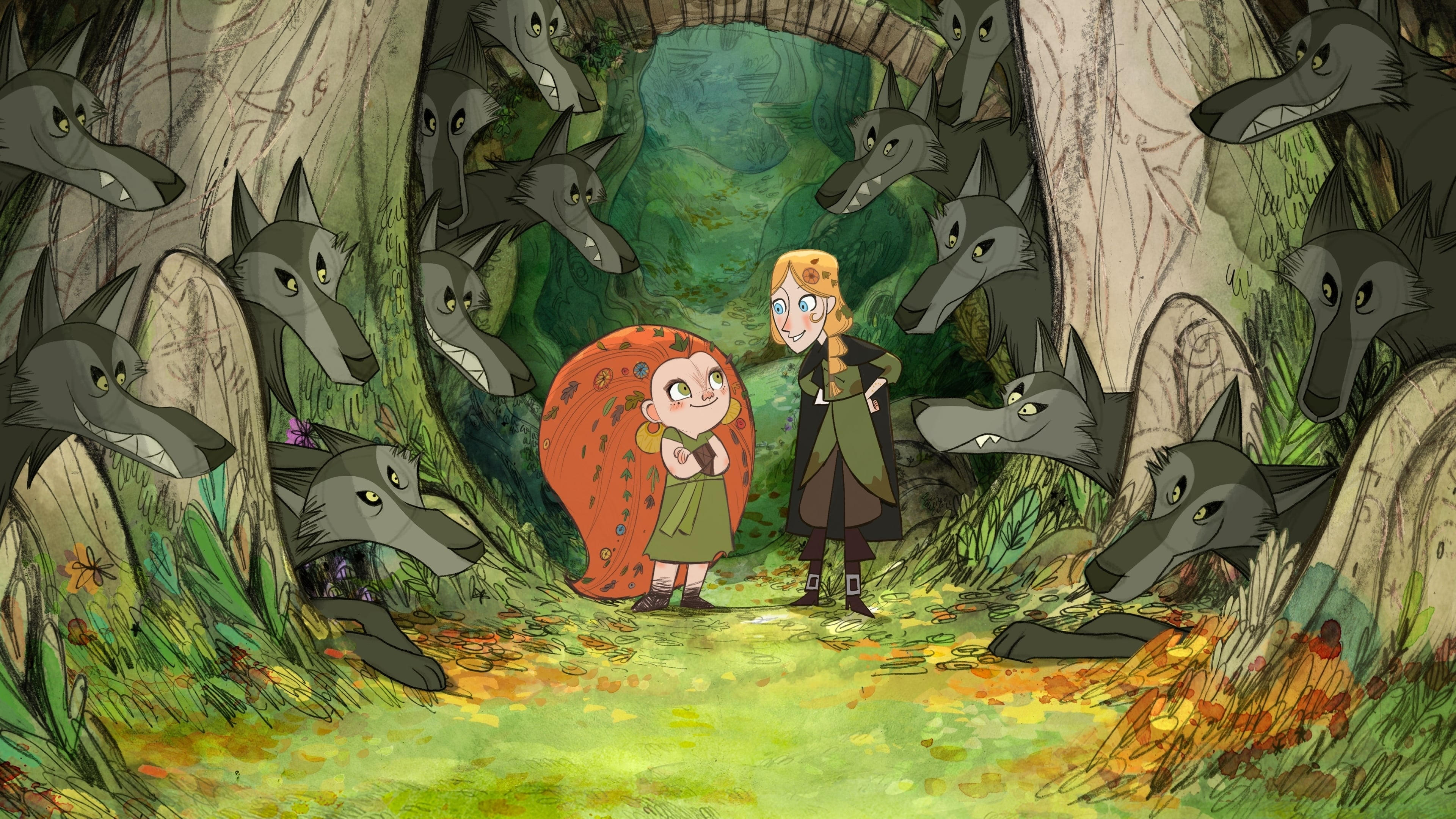
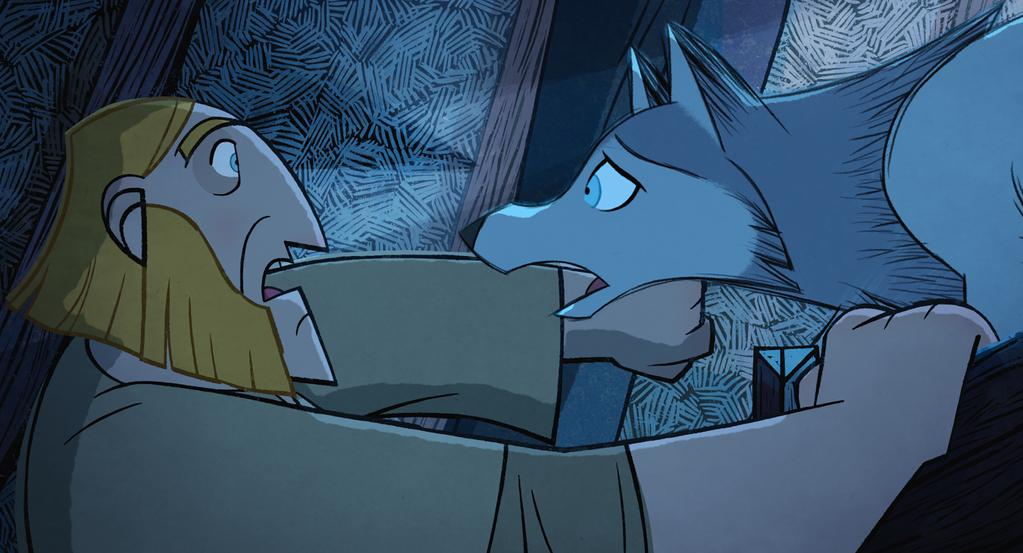
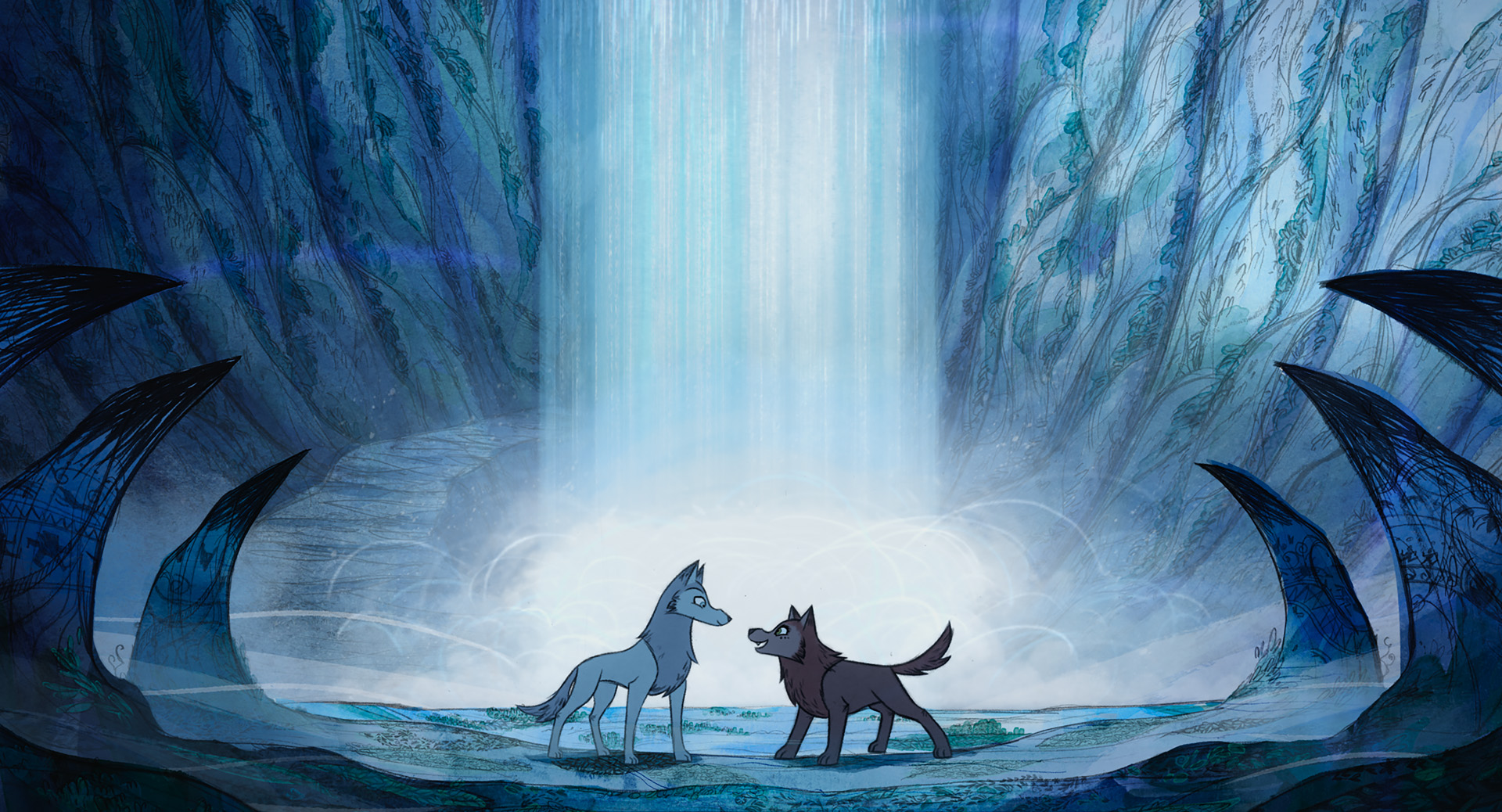
Set in Kilkenny in 1650, Wolfwalkers draws on Celtic mythology, like The Secret of Kells and Song of the Sea before it, specifically the notion of forest-dwelling werewolf-like folk who become actual wolves while their human bodies are sleeping. Young Robyn Goodfellowe (Honor Kneafsey) is an English girl brought to Ireland by her father Bill (Sean Bean), a hunter commissioned by the dictatorial Lord Protector (Simon McBurney) to clear the nearby woods of all wolves. Not welcomed by the Irish children and reluctant to work as a maid, she desperately tries to help her father, eventually ending up alone in the forest. After a fateful encounter with a Wolfwalker named Mebh (Eva Whittaker), Robyn finds she’s become a Wolfwalker herself and must find a way to save her newfound friend from her own father.

Wolfwalkers has the same distinction I mentioned of The Mitchells vs. the Machines:  so many elements of its plot have been seen and done many times before, yet it uses these well-worn tropes so well that it exceeds the sum of its parts. We have the concerned and controlling father figure of The Little Mermaid, the prejudiced nobleman villain of Pocahontas (who even resembles Ratcliffe), the conflict of a supposed enemy turning out to be friendly from How to Train Your Dragon, the look-through-their-eyes transformation of Brother Bear, and I could go on. While I personally love all of these movies too, those who don’t like recycled ideas could easily label Wolfwalkers derivative. Yet the way the story unfolds is so much better than the cut-and-paste formula it might have been. The conflict goes beyond human and wolf, extending to the drudgery of dirty city life compared with the freedom of nature’s communion, and it’s notable that Robyn’s father is kept sympathetic and shown to be similarly hemmed in by the weight of responsibility and expectations. (Some unfortunate religious justification from the villain makes it a church vs. magic hostility too, though there’s also a line connecting the Wolfwalkers to St. Patrick.)

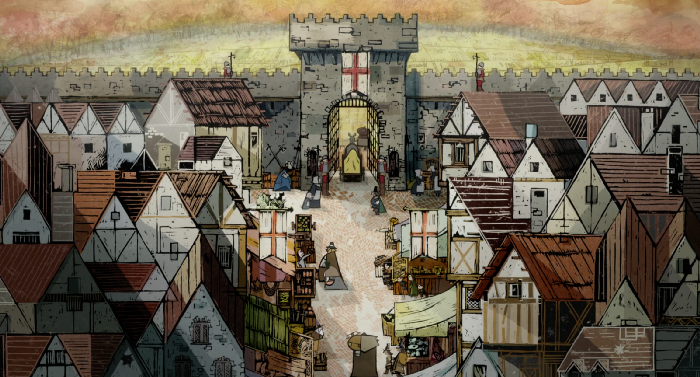
One aspect that certainly helps the film stand out is Cartoon Saloon’s ever-gorgeous animation influenced by illuminated manuscripts, which uses its symmetrical style to full effect in contrasting the dark, angular town of Kilkenny with the lush, painterly backgrounds of the forest. It’s an intoxicating style of picture-book illustration come to fluid life, and it still warms my heart that one lone Western studio is keeping the spirit of 2D animation alive, no matter how much time and effort it takes. In addition, it seems inevitable that I would love a film with a montage set to an Aurora song, the fitting and enchanting “Running with the Wolves.”

While I also loved The Secret of Kells and Song of the Sea and admired The Breadwinner, Wolfwalkers feels like Cartoon Saloon’s most complete and satisfying film yet (with a 99% Rotten Tomatoes score to back it up), though I am still partial to Song of the Sea too. It well could have won the Oscar for Best Animated Feature in one of Pixar’s off years, but Soul proved too strong a contender. Even so, Wolfwalkers is an animated delight that feeds my inner fondness for all things Celtic and distinguishes itself from similar stories with exceptional artistry and a winning blend of friendship and myth.

Rank:  List-Worthy

© 2022 S.G. Liput
759 Followers and Counting
Cyrano (2021)

11 Friday Mar 2022

Posted by sgliput in Movies, Music, Poetry, Reviews, Writing

≈ Leave a comment

Tags

Drama, Musical, Romance

I glance at you like Moses gazing toward the promised land,
His sight the only starving sense to perish satisfied.
No such content will compensate my ears, my lips, my hand,
For God has deemed to make the gulf between us two too wide.

My covert dreams alone can see you near me, arm in arm,
The scorn of cruel reality that jostles me awake.
I cultivate my nobler traits, my eloquence and charm,
Yet never do they seem enough for your transcendent sake.

I spy so many all around, in stories and in song,
Who find their love without the threat of mockery or laughter.
I’d whisper every secret of this lonely love lifelong
If only I lived not in fear of what might follow after.
___________________________

MPA rating:  PG-13

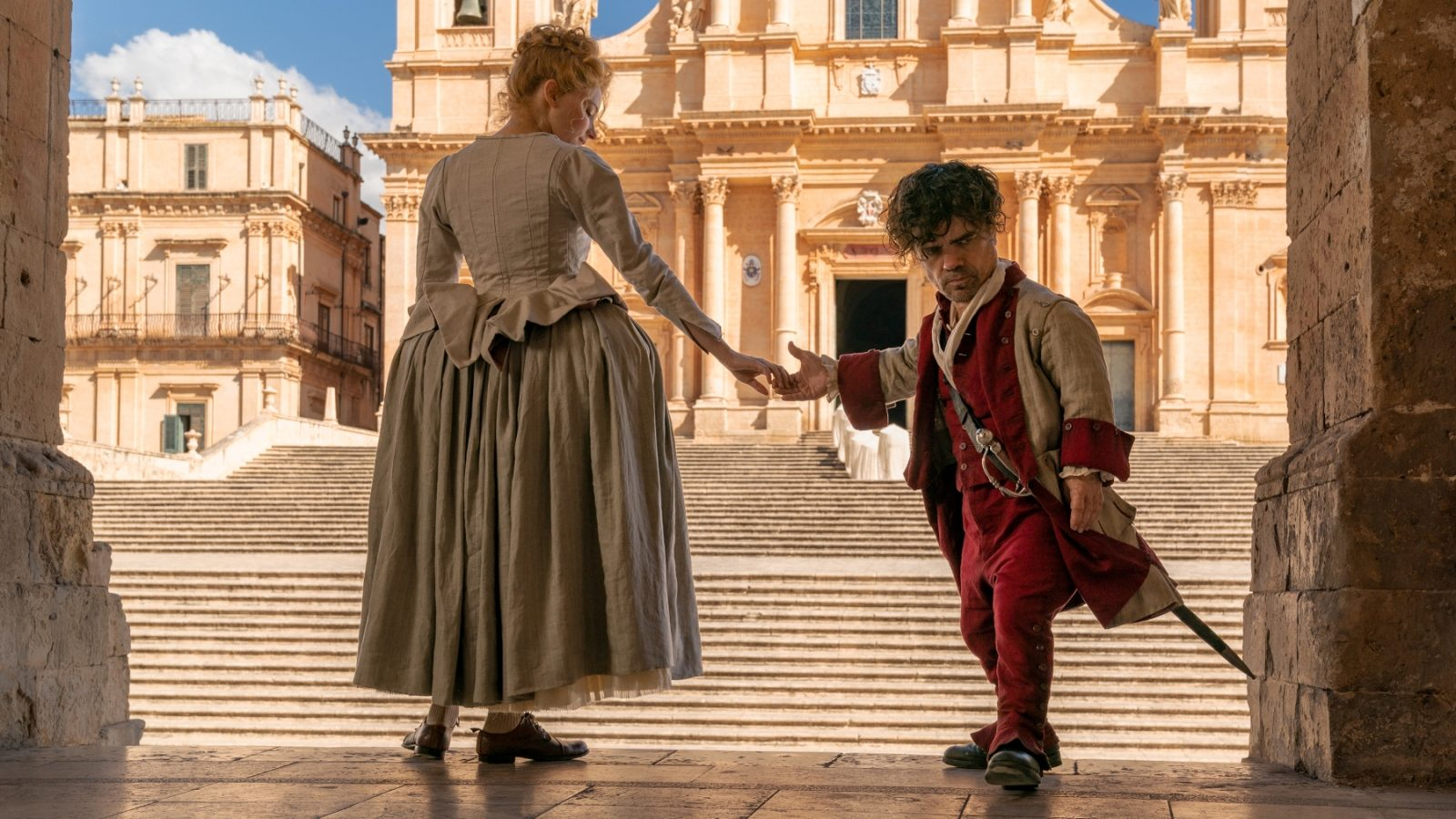
It’s so easy to associate musicals with Broadway since Hollywood usually only seems interested in adapting musicals into film if they have a reliable following that promises a decent box office. I can understand that instinct; no one wants to take a risk for a flop, especially when musicals are considered more effort with extra talents of singing or dancing required of their cast. Yet there are a host of excellent musicals out there that have never made it to Broadway, like Tick, Tick… Boom! or Frank Wildhorn’s The Count of Monte Cristo. I may never have heard of Erica Schmidt’s Cyrano stage production if not for this film adaptation, which only deepens my love of musical cinema and my desire for more like it.

Many things fell into place for the creation of this film based on a musical play based on Edmond Rostand’s classic play Cyrano de Bergerac, the original catfishing story. Schmidt’s husband Peter Dinklage played the title role on stage, along with Haley Bennett as Roxanne, and Bennett’s involvement no doubt helped convince her partner Joe Wright of Atonement and Darkest Hour to take up directing the film version. Both Dinklage and Bennett reprise their stage roles and prove how well-cast they were from the beginning, joined by Kelvin Harrison, Jr., as Christian, the soldier who loves Roxanne and is aided by the eloquent Cyrano to woo her via love letters. Instead of the traditional abnormality of Cyrano’s large nose explaining his self-loathing and hesitance to pursue his love for Roxanne, Dinklage’s short stature is used instead, yet there are only a few direct references to his height. Indeed, the songs seem to be written so that any uncommon or “ugly” physical quality could take the place of Cyrano’s nose, even down to the series of taunts he lists for himself while dueling.

Musicals come in many different forms, and Cyrano is certainly not the typical Broadway product with big showstoppers. The choreography is decent but never vies for any kind of wow factor, and some of the lyrics are less than inspired in terms of rhyme and complexity, particularly a rather drab villain song for Ben Mendelsohn. Yet the songs, provided by rock band The National, still work on a more subtle level, with layers of sensitive piano and violin seamlessly folding the musical numbers into the score. Dinklage may not have a wide range, but his baritone complements his ever-expressive face, while Bennett gets more musical highs in songs like “Every Letter” and “I Need More.” I think “Every Letter” is my favorite, achieving its goal of making the sadly outdated act of letter-writing sensual with its beautiful staging of fluttering pages falling around the three overlapping singers. I’ve listened to the soundtrack quite a bit lately, and my love and appreciation for the songs have only grown with time.

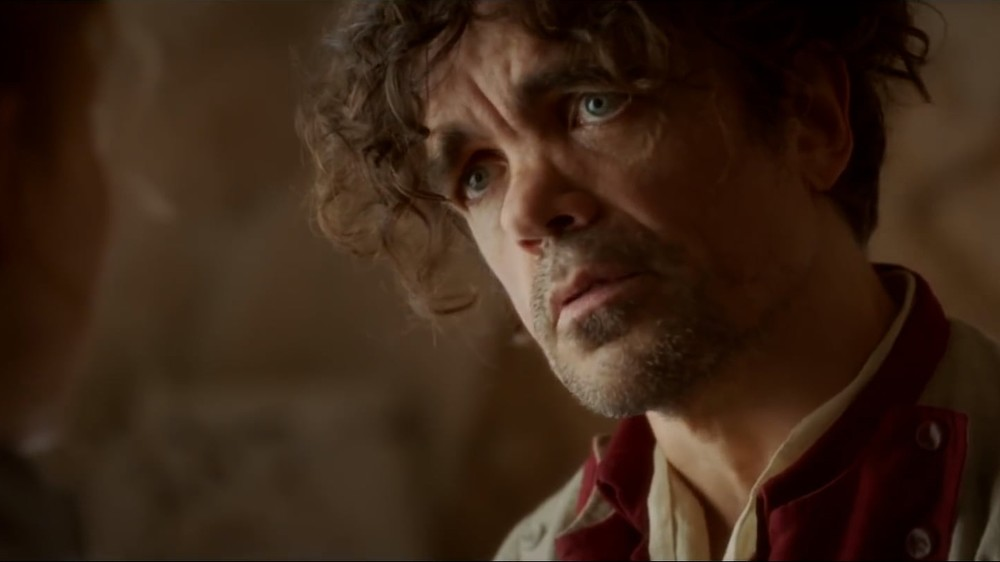
It must be said that Dinklage absolutely deserved a Best Actor nomination, and the Academy’s ignoring of him is probably the worst snub since Amy Adams was passed over for Arrival. His eyes alone convey Cyrano’s latent heartache as he pines for Roxanne, especially when he is so close to her as a friend. Heck, the film could have deserved multiple nominations – Best Actress for Bennett, Cinematography, Score, Original Song for “Every Letter” – instead of just the one nod for Costume Design. Yet despite an 86% on Rotten Tomatoes, I’ve seen many articles labeling Cyrano a “failed musical” or a flop, which may be true in a purely box office sense but certainly not for the film’s quality. I don’t know what the moviegoing public wants in a musical, but their apathy toward recent movie musicals breaks my heart.

Though I may just be easier to please, I found Cyrano to be a perfect mixture of sincere and superb for any fan of tragic romance, elevated further by Wright’s elegant direction and a palpable fondness for the written word that rivals Violet Evergarden. To be honest, Steve Martin’s Roxanne was my previous touchpoint for Cyrano before this and sort of spoiled me with a happier ending than the source material had, but this Cyrano is the new gold standard for me, an exquisite film and a personal one for any sufferer of unrequited love.

Best line: (Roxanne, singing) “What is it you’re so afraid of losing?”
(Cyrano, singing) “That I might lose everything if I lose the pain.”

Rank:  List-Worthy

© 2022 S.G. Liput
759 Followers and Counting
Judas and the Black Messiah (2021)

27 Sunday Feb 2022

Posted by sgliput in Movies, Poetry, Reviews, Writing

≈ Leave a comment

Tags

Drama, History

Let history judge me for what I have done.
Let God alone bless or condemn.
Was I one who lived by the plow or the gun?
Was I part of us or of them?

Don’t ask me my politics, views, or beliefs.
Don’t paint me in black or in white.
Don’t ask if I’m proud for another man’s griefs.
Don’t classify me wrong or right.

I did what I did, though I still question how.
Was I more a tool or a sinner?
Perhaps I indeed am less holy than thou,
But no one can claim to be winner.
_______________________

MPA rating:  R (for some gun violence and frequent profanity)

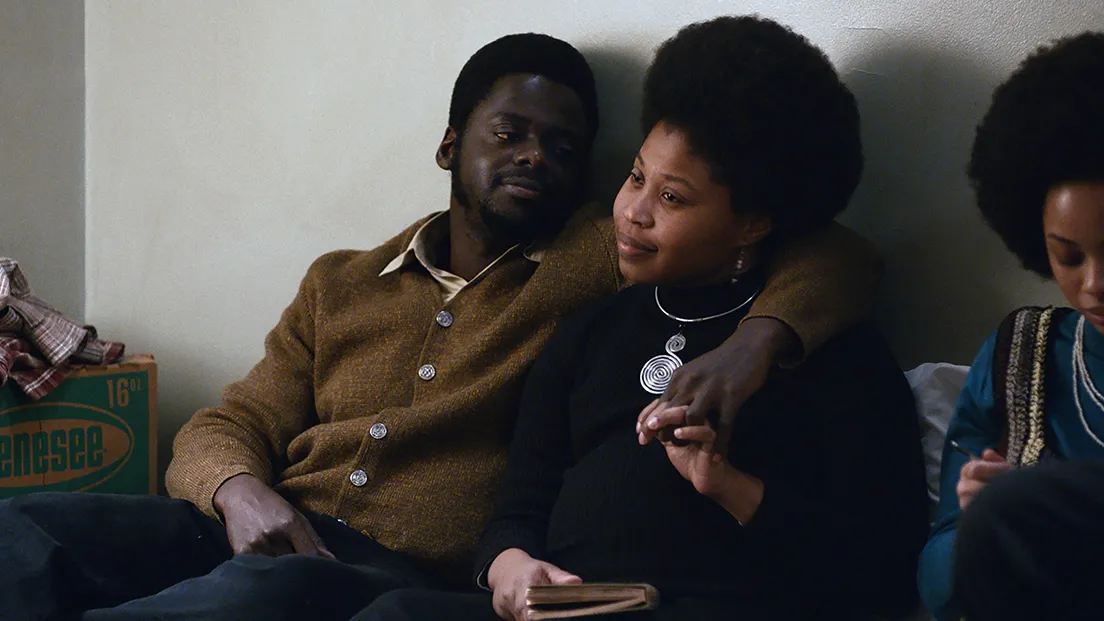
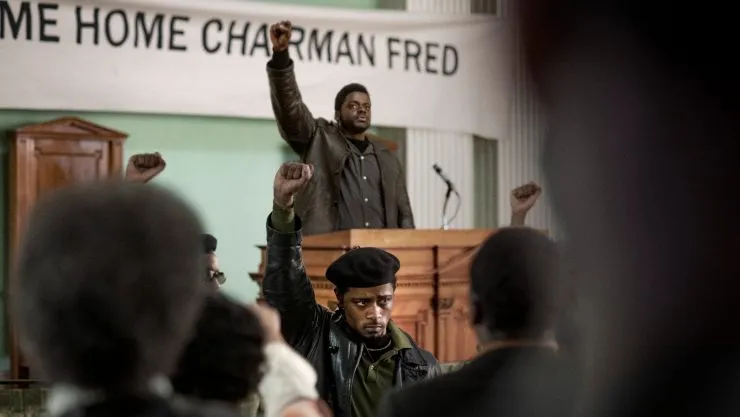
While everyone else is focusing on this year’s fast-approaching Oscar ceremony, I’m a bit embarrassed that I haven’t reviewed a single one of last year’s Best Picture nominees. While I’ve liked all of the ones I’ve seen, the one that most surprised me was Judas and the Black Messiah, a hard-hitting biopic of both Black Panther leader Fred Hampton and the man who betrayed him to the FBI.

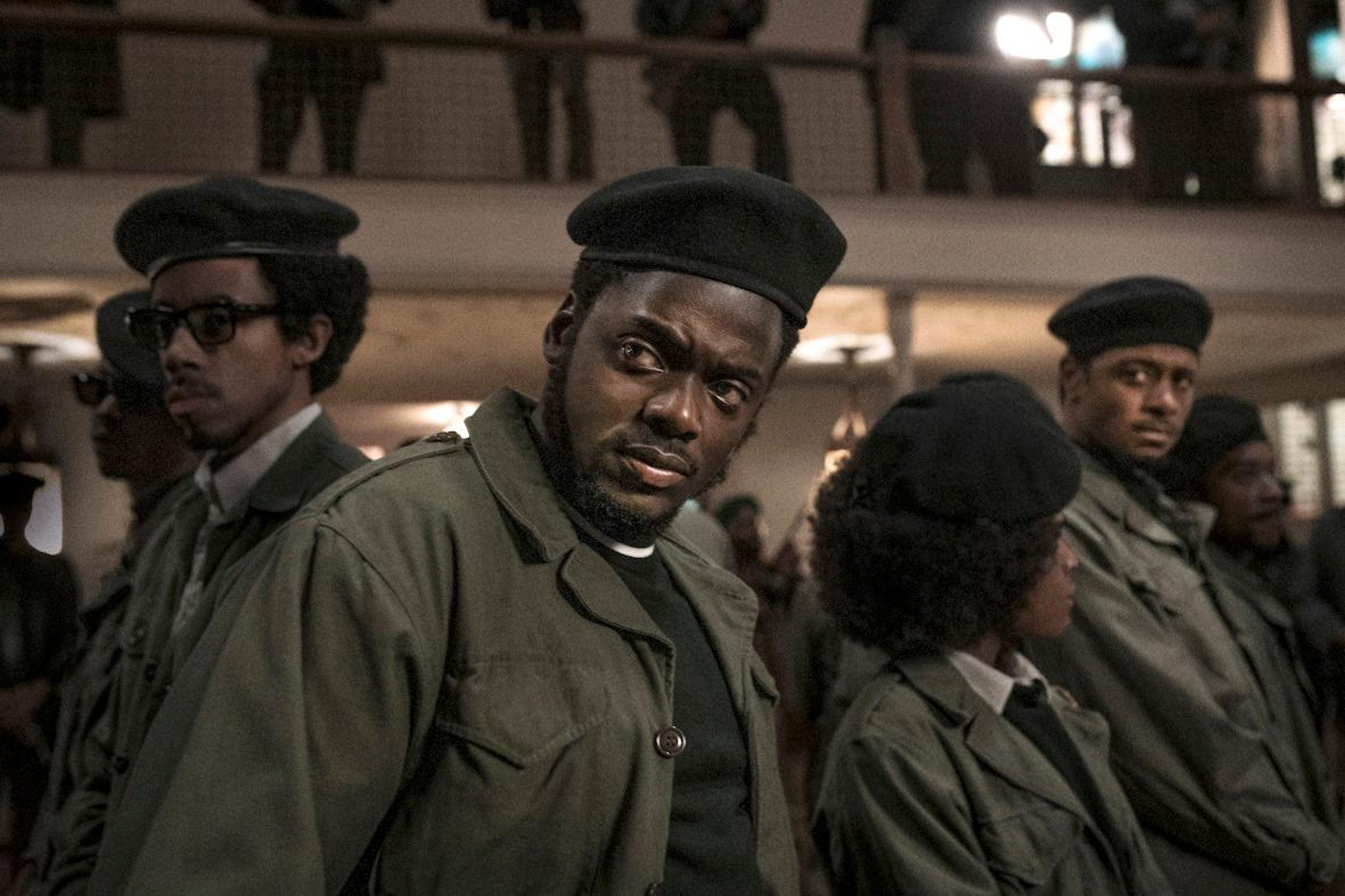
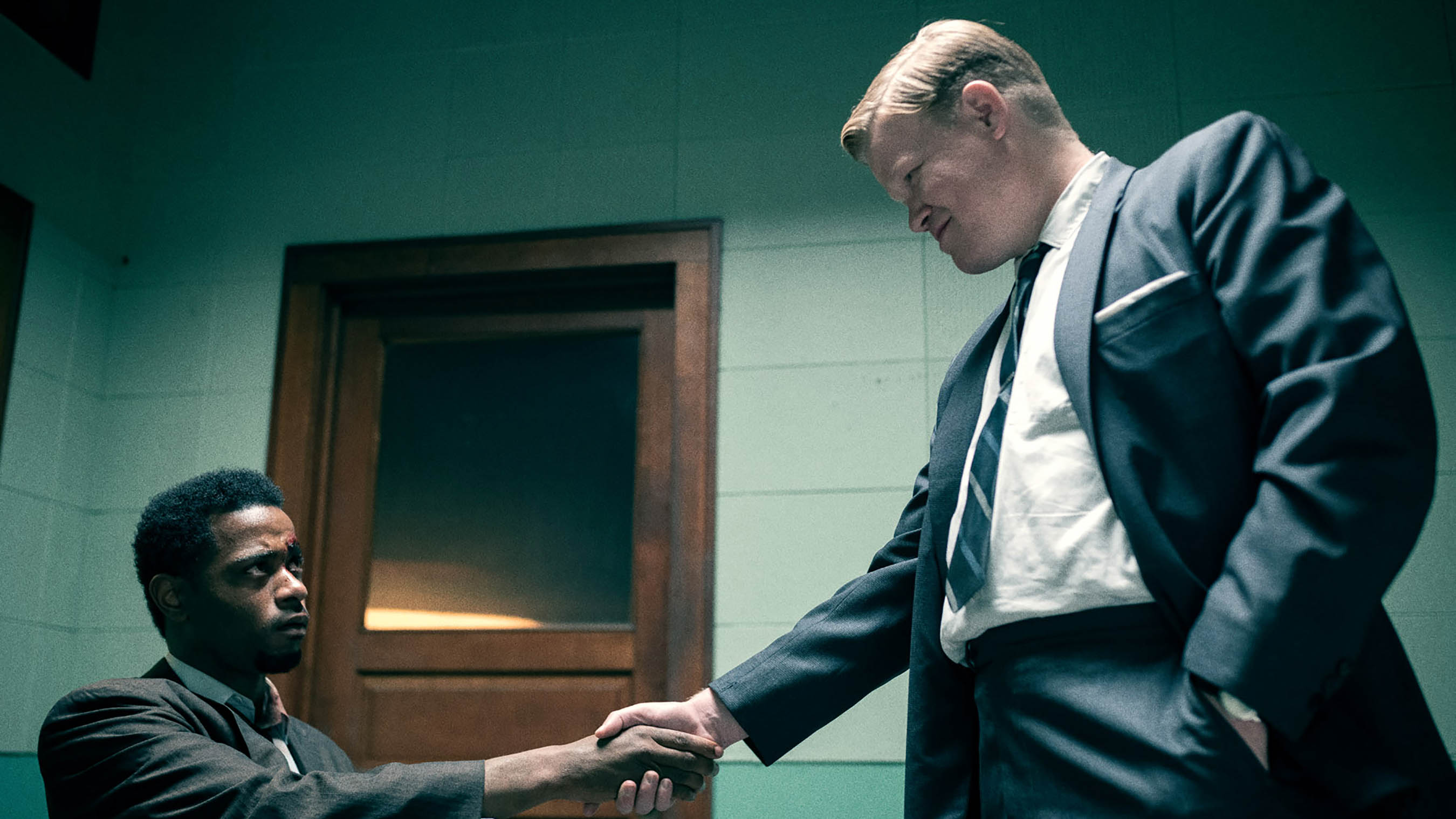
The Black Panthers are a group that is hard to label definitively, but owing to my schooling, I always viewed them as little more than a terrorist group, born of the same righteous indignation at prejudice as Martin Luther King, Jr., but choosing the path of violence instead.  FBI Special Agent Roy Mitchell (Jesse Plemons) voices a similar rationale, comparing the Panthers to the KKK as he tries to convince undercover informant Bill O’Neal (Lakeith Stanfield) to continue his infiltration of the Black Panthers, led in Chicago by the fiery Fred Hampton (Oscar winner Daniel Kaluuya). Even after the film, I still think Mitchell had a point, but that doesn’t mean the government opposing the Panthers was any more in the right. It’s so easy to paint the conflicts of history in broad strokes of simple heroics and villainy when the truth is much more complex.

While Judas and the Black Messiah does its job in exploring a piece of American history I never knew, it goes above and beyond in presenting this tragic, difficult story with impressive nuance. In his impassioned speeches, Kaluuya’s Hampton extols action and revolution with persuasive zeal but loses me when he gets to killing “pigs.” Based on that, it’s no wonder he was labeled a threat, yet he later balks when O’Neal presents a plan to blow up city hall, trying to catch Hampton in the act of violence. The FBI’s narrative of Hampton as a danger couldn’t reconcile facts like how the Black Panthers fed daily breakfast to the black children of Chicago or how his Rainbow Coalition united disparate gangs and organizations in cooperation, even one sporting a Confederate flag. These were just lumped into his reputation of subversion, with no consideration of their positive impacts. My political opinions are a far cry from Hampton’s anti-capitalist philosophy, but I can certainly recognize that the government’s response to such revolutionaries only served to justify their grievances.

And the film doesn’t shy away from this dichotomy of good and evil actions. In a series of back-and-forth acts of violence, one Panthers member is shown killing a cop in cold blood before being killed himself. Yet soon after, Hampton speaks with the killer’s mother, who bemoans that her dear son, a well-behaved seven-year-old in her memory, will only be remembered by society as a murderer. “He did that. He did that,” she says, “but that ain’t all he did.” Paired with that violent scene is one of my new favorite scenes of poetry in film, wherein Hampton’s pregnant girlfriend Deborah Johnson (Dominique Fishback, who deserved an Oscar nom herself) reads her own verses to him, expressing the apprehension of bringing a new life into such a dangerous, conflicted world.

With such a nuanced screenplay, the acting had to be on point, and indeed it is. Kaluuya and Stanfield especially act the heck out of their respective roles, bringing to life Hampton’s intensity and O’Neal’s desperate uncertainty. I can understand Kaluuya winning out, since they were both nominated for Best Supporting Actor, but I probably would have preferred Stanfield, even if he is the “bad guy” of the story.

As he helps and gets to know Hampton and the Panthers, O’Neal clearly sympathizes at times but is too easily manipulated by self-interest to take the stand others around him do, preferring to do as he’s told rather than figure out what’s right for himself. The Biblical title is actually quite fitting, with the FBI standing in for the Pharisees wanting a concerning upstart out of the picture and using a weak-willed follower to make it happen, complete with further parallels.

As with so many Oscar-caliber films with that overly common R rating, the frequent profanity is the worst part of the movie for me. It might add authenticity and no one else may share this peeve of mine, but I still insist that the film would be better and more watchable without all the obscenities flying. Yet by the end, I was able to look past the language and the apparent political and racial divide between me and the film’s subject and recognize that Judas and the Black Messiah is a great film, with outstanding actors bringing to light a historical tragedy through a personal lens, with themes of action vs passivity and how people are remembered. Nuance is sorely lacking in the world these days, just as it was back then, but it’s certainly welcome when looking back at the past.

Best line:
(Deborah, reading her poem to Fred)
“We scream and we shout and we live by this anthem…
But is power to the people really worth the ransom?
Because that’s what a mother does –
Gives the world the most precious things she loves,
And I love you and I love our baby too,
And there’s nothing more radical than seeing that through,
Born pure to the blood, with the heart of a panther.
No regrets… I know my answer.”

Rank:  List-Worthy

© 2022 S.G. Liput
758 Followers and Counting

2022 Blindspot Pick #1: National Velvet (1944)

19 Saturday Feb 2022

Posted by sgliput in Blindspot, Movies, Poetry, Reviews, Writing

≈ Leave a comment

Tags

Classics, Drama, Family, Sports

A girl once loved a rebel horse,
As girls so often do.
She saw its gentle side within,
And by her gentleness, it grew.

She watched and loved its every move
And praised its every feat.
What others feared and labeled wild
She kissed, caressed, and called it sweet.

She never bore a single doubt
Of what her horse could do.
If she imagined it could fly,
The horse and she would make it true.

The doubts of others held no sway,
As mountains scoff at breeze,
For love’s conviction can make real
The smallest chance no other sees.
________________________

MPA rating:  Passed (easily G)

I may be a month late for my first Blindspot, but I’m still better off than the last couple years when I didn’t get started till April. For no particular reason, I decided to start with the oldest film on my 2022 Blindspot list, 1944’s National Velvet. This is a film my mom convinced me to see, and I wasn’t expecting much since I’m not a big fan of horses. So it was an utterly pleasant surprise to find it an absolute gem deserving of its classic status.

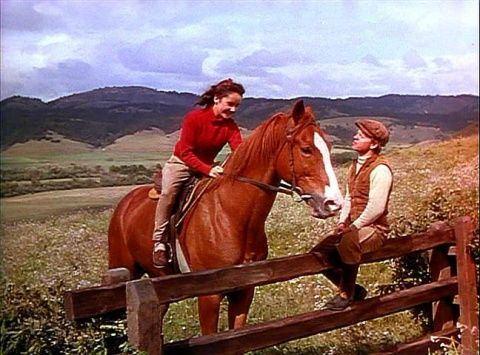
Set in England and based on a 1935 Enid Bagnold novel, National Velvet stars a twelve-year-old Elizabeth Taylor (in her first major role) as Velvet Brown, a country girl obsessed with horses who is thrilled to win a brown beauty she calls The Pie. Befriending Velvet is Mi Taylor (Mickey Rooney, not even attempting a British accent), a former jockey whose self-serving instincts are won over by Velvet’s earnestness until he agrees to train The Pie for the illustrious Grand National race.

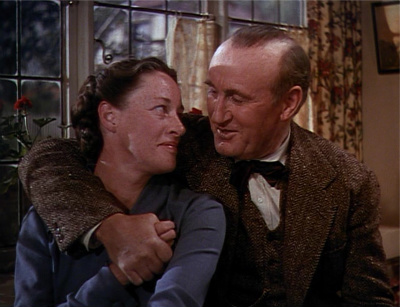
Older films like this can easily suffer from dated or exaggerated acting, but National Velvet is outstanding in every regard. While Velvet’s oddball little brother (Jackie “Butch” Jenkins) is an exception, I loved the warm portrayal of her family, from Angela Lansbury’s boy-crazy sister to Donald Crisp’s gregarious father. However, the standout and the winner of a Best Supporting Actress Oscar is Anne Revere as the family matriarch, seemingly stern and stoic but with a warm-hearted affection just below the surface as she verbally spars with her husband and encourages her daughter to chase her dreams. The family could be compared with the Morgan clan of How Green Was My Valley, which also starred Crisp as a father among lovely British countryside a few years earlier, but the Browns won me over even more than the Morgans.

I’m embarrassed to admit it, but I don’t think I’d ever seen an Elizabeth Taylor film before, unless you count her brief introduction in That’s Entertainment! I’ll have to see more, but it’s clear from this first major role that she was a star in the making, her guileless determination making Velvet a perfect cheer-worthy underdog. Likewise, Rooney shows dramatic grit beyond his lighthearted musicals, and I enjoyed his character’s moral transformation over the course of the film. The commitment of both leads makes the final race a nail-biting climax; even if you may assume what the result will be, it still bucks predictability. (It also features some surprisingly realistic horse falls, making me think films like this led to more stringent protections for animals on film sets.)

I’ve known girls like Velvet who are obsessed with horses, including my own mother who loved books like Misty of Chincoteague. I’ve never been enamored of them like that, so I wasn’t expecting much from National Velvet. As I so often quote from La La Land, “people love what other people are passionate about,” and the devoted enthusiasm of Velvet Brown made me root for The Pie just like her. I love when expectations are blasted away, and National Velvet is a pure, eloquent family classic that left me smiling for much of its runtime. Now that’s the way to start a Blindspot series.

Best line: (Mrs. Brown, to Velvet) “We’re alike. I, too, believe that everyone should have a chance at a breathtaking piece of folly once in his life. I was twenty when they said a woman couldn’t swim the Channel. You’re twelve; you think a horse of yours can win the Grand National. Your dream has come early, but remember, Velvet, it will have to last you all the rest of your life.”

Rank:  List-Worthy

© 2022 S.G. Liput
756 Followers and Counting
The Matrix Resurrections (2021)

11 Friday Feb 2022

Posted by sgliput in Movies, Poetry, Reviews, Writing

≈ Leave a comment

Tags

Action, Sci-fi, Thriller

See the source image

When the world is opaque,
Every day within walls,
With nothing worthwhile behind or ahead,
There’s just the dull ache
In your heart’s empty halls
To prove to your mind you’re not already dead.

In times such as these,
We require a pillar,
An anchoring star we can navigate by.
One person, one dream
Can make life more than filler
And topple the walls that obstructed the sky.
_______________________

MPA rating:  R (mainly for a couple scenes that seemed more violent than the previous films)

It wasn’t that long ago that the idea of a fourth Matrix film seemed utterly unlikely and rumors of a new entry going into production were the stuff of excited gossip among my friends. It’s certainly a case of hype overshadowing the final product, since I have yet to meet anyone who has embraced The Matrix Resurrections without heavy reservations. Disdain is the more common reaction (including among my friends), but I’ve found myself defending the film’s good aspects among the waves of contempt. It almost goes without saying that a Matrix sequel will end up flawed, but one’s personal mindset can heighten those flaws to make them worse than they are.

See the source image

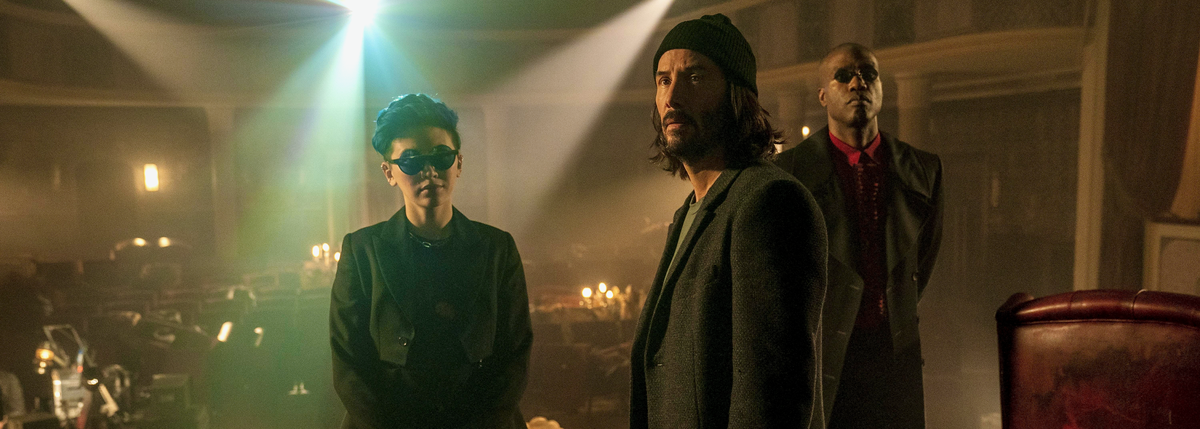
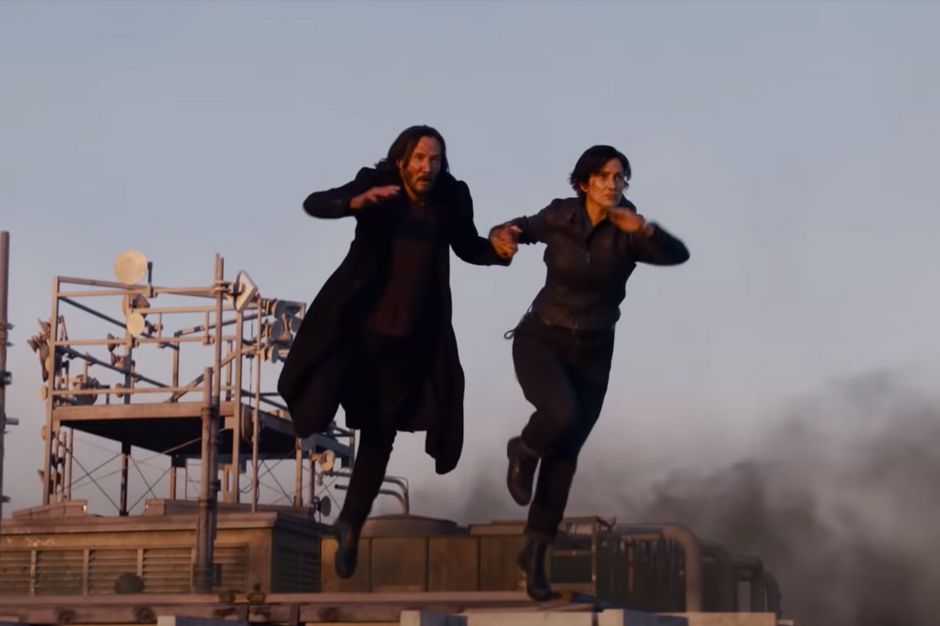
This may be a spoiler (no one should watch this who hasn’t seen the original trilogy), but the original Matrix trilogy ended on a rather downbeat note, with both Neo and Trinity giving their lives to bring peace to both the Matrix and the real world. So how could returning director/co-writer Lana Wachowski, going solo this time, resurrect both of them, fulfilling Neo’s Christological parallels even further, for a new entry of the cyber-dystopian series? That mystery fuels the first half, as Neo (Keanu Reeves) is now famous game developer Thomas Anderson, who achieved acclaim for his hit video game series called… The Matrix. While Neo is clearly blue-pilled into believing this illusory life, thanks to his smarmy therapist (Neil Patrick Harris), the film has great meta fun referencing its own franchise, poking fun at what The Matrix is as a series amid plenty of Easter eggs and callbacks to the previous films. After being freed by young captain Bugs (Jessica Henwick) and some version of Morpheus (Yahya Abdul-Mateen II), Neo learns that much has changed since his climactic sacrifice, and he might need to make another to save Trinity (Carrie-Anne Moss).

Early on in the film’s meta phase, an alternate version of Smith (now played by Jonathan Groff) tells game developer Neo that Warner Brothers wants to develop another sequel to The Matrix with or without him, and it’s hard to fight the feeling that this film is the result of the same kind of ultimatum aimed at the Wachowskis. With only one of them deciding it was worth revisiting the franchise, we can only wonder whether that was the right move or if some other director/writer might have added a bit more freshness to a fourth entry. Yet I think there’s something to be said for the original director having a say in where their story goes, even if not every fan is pleased, and I can’t help but feel like much of the negativity surrounding The Matrix Resurrections is the result of overly high or predetermined expectations from uber-fans, not unlike the flurry of opinion surrounding every Star Wars sequel.

See the source image

It’s true that Resurrections is downright messy in a lot of what it attempts, shoehorning in new versions of characters that probably would have been better off left out. I liked the self-awareness, but others have found it smug or overdone while also complaining that Neo’s superpowers have laughably devolved into a mere force field. The convoluted plot often adheres too closely to that of the first film, and a climactic heist strangely skates by on the fact that the machines apparently don’t have any cameras guarding their hostage.

So yes, it’s messy as all get-out, but there are still entertaining action and good, if underdeveloped, ideas to enjoy. For one, the humans after the end of the Machine War have developed a new society with surprising cooperation from some programs, allies against the control of the Matrix, and I found the method for these programs to manifest in the real world very cool. And, even as the philosophizing about choice and control remains constant, this new version of the Matrix has some intriguingly different rules, such as dispensing with Agents in favor of mobs of undercover programs posing as humans that can be activated at any moment, which leads to one of the franchise’s nastier action set pieces. Plus, it was nice seeing familiar faces again, with Reeves and Moss easily stepping into their old roles despite the nearly twenty-year gap and turning their love story into the driving force of the movie (a decision one of my friends didn’t like either, but I think still works well). While the absence of Laurence Fishburne and Hugo Weaving is unmistakable, the new players like Bugs are solid additions, and some other character cameos were quite welcome, as were visits to the hall of doors from Reloaded and whole scenes from the first film.

See the source image

I can understand dissatisfaction with The Matrix Resurrections, especially if you’ve spent the last eighteen years fantasizing about what a new Matrix story could be, since it is almost certainly not what you might have hoped. But I can’t bring myself to outright hate it like others have, though that’s true of most films; indifference or a desire to look for the good among the bad is far more common for me than hate. I just remember being dissatisfied with the ending of Revolutions, and the ending of Resurrections is a far happier conclusion than the original trilogy. Like the other sequels, it still can’t hope to compare with the game-changing original, but it’s a film that seems fine with basking in the strength of what came before and having a bit of fun with it. That may not be enough for some fans, but it was for me.

Best line: (Smith) “I know you said the story was over for you, but that’s the thing about stories… they never really end, do they? We’re still telling the same stories we’ve always told, just with different names… faces… and… I have to say I’m kind of excited.”

Rank: List Runner-Up (like the other sequels)

© 2022 S.G. Liput
752 Followers and Counting
Violet Evergarden: The Movie (2020)

03 Thursday Feb 2022

Posted by sgliput in Movies, Poetry, Reviews, TV, Writing

≈ Leave a comment

Tags

Animation, Anime, Drama, Romance

See the source image

I wear a weak smile
With weights on each end.
I faithfully labor
And greet every neighbor
To be a bulwark
On which all can depend.

Yet what I have lost
Haunts that which I’ve found.
Like one stubborn ember,
Your face I remember,
A past that burned bright
Upon life’s battleground.

They say what I know,
That I have to move on.
I still love the trace
That remains of your face.
I doubt it will ever
Be totally gone.
_________________________

MPA rating:  Not Rated (should be PG-13 for some violent flashbacks and heavy emotional themes)

Although I love anime, I’m often not sure how to review films based on anime series. For example, Demon Slayer: Kimetsu no Yaiba – The Movie: Mugen Train was literally the highest grossing movie of 2020 worldwide, smashing records and becoming the first non-Hollywood film to top the global box office. Yet I don’t really know what to say about it. Because it’s a feature-length middle chapter for the Demon Slayer series, it’s hard to recommend it to those unfamiliar with the show, since a full appreciation of the film depends on some familiarity. It was exciting, eye-popping, a good continuation, and apparently a real tearjerker for some (not me), but its attachment to an ongoing TV series limits its appeal in my view. I feel the same for other anime films based on series, from the Steins;Gate sequel to the growing number of My Hero Academia features, which typically end up feeling decent but unnecessary.

See the source image

Obviously, that’s not always the case. I’ve sung the praises of The Disappearance of Haruhi Suzumiya, which built beautifully on its original show, and Cowboy Bebop: The Movie, which stands on its own just as well. I suppose it’s easier when a film comes after a show ends, rather than in the middle of its run. Anyway, it should indicate my high regard for Violet Evergarden: The Movie that I’m reviewing it at all, beyond making it List-Worthy.

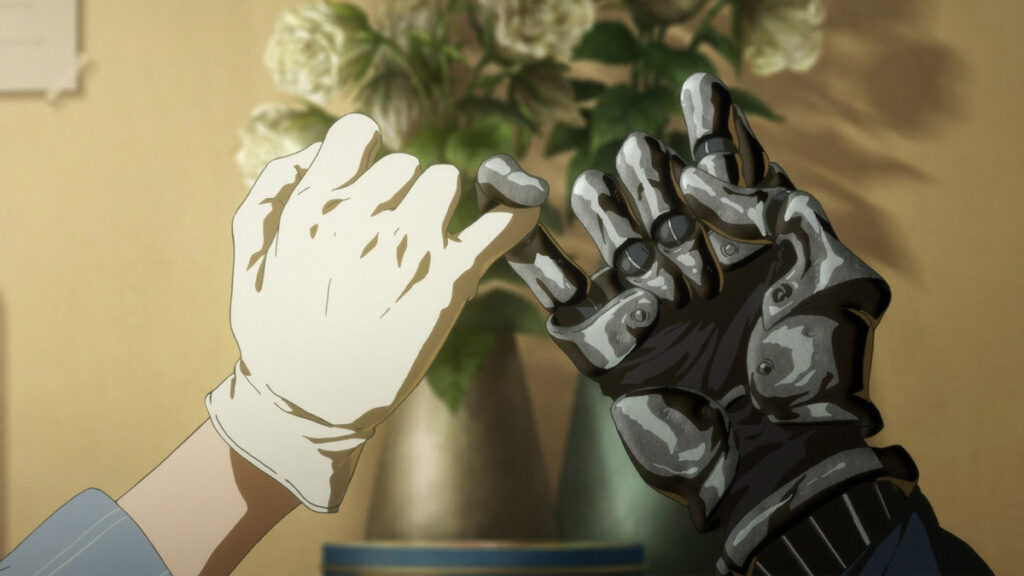
For those unfamiliar with Violet Evergarden, it’s a show from Kyoto Animation based on a popular light novel series about a girl in a fictional semi-Victorian country where gas lamps exist alongside advanced prosthetic limbs. Utilized as a lethal child warrior during a horrific war, the girl is taken in by a Major Gilbert, who gives her the name Violet and hates using her on the battlefield, despite her effectiveness. In the midst of a major victory, both of them are severely injured, and the Major is lost and presumed dead. With the war over, Violet is sent to a friend of the Major’s who runs a post office, and she gradually eases into the more peaceful life of typing letters for others, a job called an Auto Memory Doll (basically a transcriptionist with a typewriter). While struggling to understand simple concepts like love and pining for the Major, she meets an array of customers who help her grow as a person.

See the source image

The short 13-episode series itself is quite good, with strong characters and emotions, but its greatest strengths are the glorious, Oscar-caliber score and drop-dead gorgeous animation. It’s honestly some of the finest, most detailed animation out there, and almost any single frame could be hung on a wall as a work of art. I will say that the script can be weak at times, often ascribing great profundity to the letters Violet writes even when they’re more earnest than deep. But the film’s poignant themes grow more affecting with time, and the largely stand-alone tenth episode remains one of the most tear-jerking episodes of television imaginable. Even the thought of it makes me want to cry. The studio could have left the show alone or stopped after the spin-off film called Eternity and the Auto Memory Doll, which falls under that “decent but unnecessary” status that I mentioned before. But the studio decided to cap off the series with a finale film, despite delays from the infamous arson attack and COVID, and I’m glad they did because it’s everything I could have wanted in a conclusion (hello, 100% Rotten Tomatoes score).

It was a canny choice to frame the story as a retrospective investigation, with a young woman from decades in the future looking back on the tale of Violet Evergarden, and the woman’s connection to that moving tenth episode had me close to sobbing right from the start. The film soon jumps back to Violet’s time, after she has grown into the most popular Doll in the city, though her thoughts remain with her long-lost Major Gilbert. After accepting a job from a sick boy in the hospital who wants her help to write letters to his family once he is gone, Violet and her boss learn of evidence that Gilbert might be alive on a distant island, and they go in search of her beloved.

See the source image

There were many ways that the film could have gone wrong. Would they pull a fake-out and say it wasn’t Gilbert? Would it be a tired amnesia scenario? But the way it plays out is both touching and makes sense for the characters, highlighting Gilbert’s guilt from the war and how much Violet has grown apart from him. The eventual climax is a massive tug to the heartstrings, and I felt like the film was effective in encapsulating the overarching story and its emotions, even for those who may not have watched the series. (Even so, I certainly recommend watching the show first for the full context and emotional punch.)

I’ve always thought that the concept of an Auto Memory Doll seemed odd and quaint, like something that would be unrealistic in the real world, though that view is likely shaped by the prevalence of modern literacy and easy communication methods. The film actually addresses that head-on, with the advent of the telephone threatening the entire Doll profession. One shot of a lamplighter gazing up at a newfangled electric streetlight perfectly captured the theme of technological progress. I suppose the job of writing letters for others could be compared to something like the Pony Express, short-lived but memorable, and while the story could have been antagonistic toward such progress, it manages to show the positive aspects of both the telephone and letter-writing in, of course, the most poignant way possible.

See the source image

I can see how someone cynical could easily view Violet Evergarden with detachment and scoff at its overly melodramatic qualities. It can lay on the tragedy pretty thick at times and certainly falls under that category of anime that intentionally aim to bring the audience to tears, like Angel Beats, To Your Eternity, or anything from Mari Okada. But if you can truly connect with Violet’s journey to understand love, it’s well worth tears, and I like the fact that I’m not too jaded to be moved by it. I liked the series on its own, but Violet Evergarden: The Movie took the series’ strengths and elevated them with a near-perfect culmination of all that came before and left me with a precious lump in my throat. I feel sorry for those who don’t give anime a chance, because stories like this transcend the medium to be great films, period.

Best line:  (Daisy, the woman learning about Violet) “If there’s something I can’t tell them in words, maybe I could tell them in a letter. I want to finally tell them my true feelings. We don’t know how long we have, so I need to tell them while I still have time.”

Rank:  List-Worthy

© 2022 S.G. Liput
752 Followers and Counting
The Matrix Reloaded and Revolutions (2003)

30 Sunday Jan 2022

Posted by sgliput in Movies, Poetry, Reviews, Writing

≈ Leave a comment

Tags

Action, Romance, Sci-fi, Thriller

See the source image

One rule do franchises live by:
What makes a profit must not die.
If it did well the first time round,
Then more will make it more renowned.
If it filled seats, there’s clearly steam
To push through sequels, it would seem,
And even decades afterward,
Do not discount a loyal nerd.
If it should fumble with a bomb,
We must not panic, must stay calm.
What makes a profit can rebound;
We’ll just do better next time round.
_______________________

MPA rating for both: R

With the recent new installment in the Matrix series, it seemed like a good time to revisit the two parts of the initial trilogy that I never reviewed. There’s a reason that the first Matrix is the only one on my Top 365 movie list (currently #125 to be exact). The Matrix Reloaded and Revolutions, both released within months of each other in 2003, were an ambitious follow-up to the huge success of the original, and I certainly credit the Wachowskis for expanding their universe so imaginatively. Yet both films are also hopelessly flawed when explaining their own mythology, even as they both remain entertaining in their own way.

See the source image

The first film stands on its own well and could have done without a sequel, but it’s also easy to see why the story of Neo (Keanu Reeves), Trinity (Carrie Anne Moss), and Morpheus (Laurence Fishburne) warranted a continuation, with details about the machines left vague and the human stronghold of Zion only mentioned. With The Matrix Reloaded, we finally get to see Zion, and although it’s an engineering marvel with its gritty steampunk design, it becomes rather laughable when a stirring speech from Morpheus about humanity’s resilience is followed up by a giant orgiastic rave in a cave. Likewise, between the Oracle’s circular counseling and the Merovingian’s smug pontificating about choice, the dialogue ranges from intriguing to insufferable depending on one’s capacity for philosophy.

However, when people stop talking and start fighting, Reloaded proves to be an action thrill ride, upping the ante of the first film with wilder stunts and cleverly imagined powers, the freeway chase being the heart-pounding high point. Although the first film established Neo’s supremacy over the Matrix, Reloaded manages to create worthy threats to his Superman-like status. With the machines closing in on Zion, Neo is told by the Oracle to seek out the Source of the Matrix, with plenty of agents, self-serving programs, and clones of rogue Agent Smith (still excellent Hugo Weaving) in his way. As for the cast, some of the supporting players stand out more than others, like Lambert Wilson’s Merovingian or Randall Duk Kim’s Keymaker, and it was nice to see a pre-Lost Harold Perrineau stepping in for the absent Tank as the new Operator for Morpheus’ ship.

See the source image

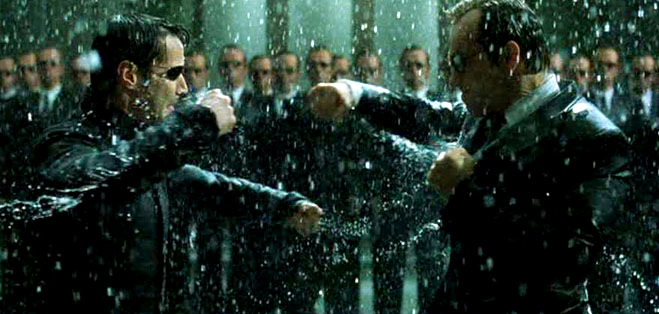
While Reloaded has its flaws, including an expository info dump toward the end that I doubt most people fully understood on the first viewing, it set the stage for what promised to be a potentially amazing finale, only for that potential to peter out in Revolutions. I don’t hate Revolutions the way some people decry the Star Wars prequels, but it does rank as one of the most disappointing threequels out there. For one thing, the padding is unmistakable, with Neo trapped for a while in a limbo train station for no plot-relevant reason. Yet I still must give Revolutions major props for its action; the defense of Zion remains one of the biggest, most epic battle scenes of all time, up there with Lord of the Rings and Avatar, while the final fight between Neo and Smith basically goes full Dragon Ball Z. By the end, though, it’s hard to look at this end of the trilogy as anything but a bummer; in one sense, Neo lives up to the many Christ-like parallels of his status as the One, but the intended bittersweetness is more bitter than sweet.

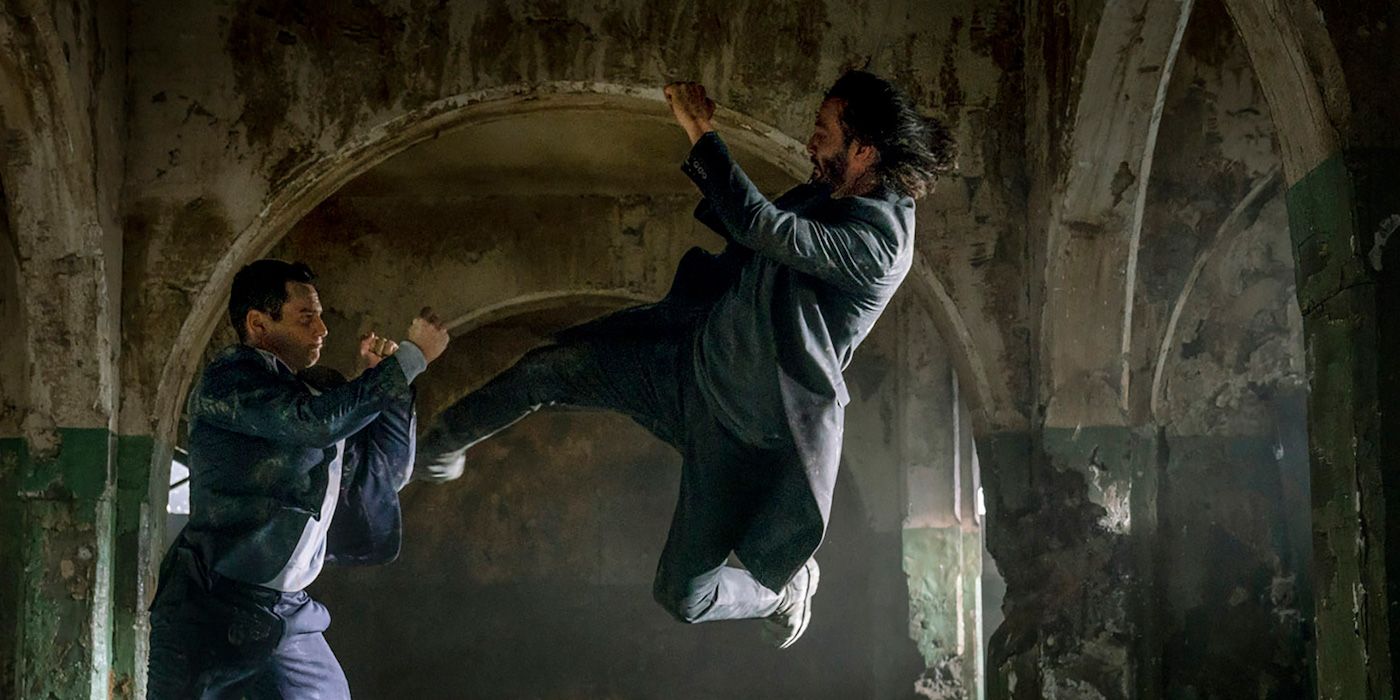
You could say The Matrix Reloaded and The Matrix Revolutions were ahead of their time. It wasn’t yet common for sequels to be filmed back-to-back, and CGI was still in its development stage. One astounding sequence from Reloaded with Neo being overrun by a growing horde of Agent Smith clones is audacious and exciting, yet it’s easy to spot the point when the real actors are replaced with video-game-quality doubles. Likewise, one just has to take in stride details like the absence of Tank (Marcus Chong) or the recasting of the Oracle (the late Gloria Foster reprising her original role for Reloaded, then replaced by Mary Alice in Revolutions).

See the source image

How hard is it to forgive ambition falling short? I must find it rather easy, considering I love the Star Wars prequels, but I can see why others might have more objections. The Wachowskis didn’t need to give the world more Matrix films, with their convoluted storyline, excess of supporting characters, and philosophical pretention, but what they delivered is still pretty impressive in what it does well. Even a little more so when you factor in supplementary works like The Animatrix. They’re certainly not without merit; it’s just unavoidable for Reloaded and Revolutions that any Matrix follow-up is flawed compared with the original film’s now-classic reputation.

Best line from Reloaded: (Commander Lock) “Not everyone believes what you believe.” (Morpheus) “My beliefs do not require them to.”

Best line from Revolutions: (the Merovingian) “It is remarkable how similar the pattern of love is to the pattern of insanity.”

Rank:  List Runners-up

© 2022 S.G. Liput
752 Followers and Counting

My 2022 Blindspot Picks

23 Sunday Jan 2022

Posted by sgliput in Blindspot, Movies, Writing

≈ 3 Comments

Tags

Lists

It’s time once again for year 6 of the Blindspot series! I don’t know who started this idea for movie blogs, but I’ve enjoyed the annual incentive to clear out a little more of my ever-growing to-watch list. And at least this year, without school and interviewing, I can hopefully return to the intention of watching one pick a month.

I always try to choose an eclectic mix of films I’ve been meaning to see, often long-delayed recommendations from family and fellow bloggers. This time around, I’ve included a cult musical, a sports classic, a horror comedy, a critically acclaimed dystopia, a few dramatic ensembles, a Chinese import, and a couple underseen comedies. I even bent the rules to include a trilogy of Indian classics as one pick. I can’t wait to see what these potential favorites have in store.

In alphabetical order, the Blindspot picks for 2022 are:

Apu Trilogy (1955, 1956, 1959)

See the source image

Better Off Dead (1985)

See the source image

Chef (2014)

See the source image

Children of Men (2006)

See the source image

The Frighteners (1996)

See the source image

Grand Canyon (1991)

See the source image

Murder by Death (1976)

See the source image

National Velvet (1944)

See the source image

The Road Home (1999)

See the source image

The Rocky Horror Picture Show (1975)

See the source image

Short Term 12 (2013)

See the source image

Shutter Island (2010)

See the source image

2021 Blindspot Ranking

22 Saturday Jan 2022

Posted by sgliput in Blindspot, Movies, Writing

≈ Leave a comment

Tags

Lists

For my fifth year of the Blindspot series, I was relieved to wrap it up (barely) before the end of the year. You would think one movie a month wouldn’t be so hard to fit in, but college inevitably put me behind, only starting on these in April and having to play catch-up in the last few months. Now that that I’ve seen all these films for the first time, I can close out 2021’s Blindspots with my annual ranking before announcing the 2022 list tomorrow.

Like 2020, only one film ended up becoming an instant favorite and winning entry onto my Top 365 movie list. Even so, I still consider this an excellent selection of cinema, with even my bottom-ranked picks having their good points. I’m glad to have finally crossed these films off my to-watch list, especially so I can move on to the next batch.

12. Don’t Look Now (1973)

See the source image

Psychological horror about psychic dangers in Venice; very atmospheric but also strange and unsatisfying

11. Apocalypse Now (1979)

See the source image

Coppola’s Vietnam war classic is masterfully executed but also off-putting and anticlimactic.

10. Shin Godzilla (2016)

See the source image

Modern “realistic” Godzilla thriller where bureaucracy is just as much a problem as the monster; special effects are both good and not quite good enough.

9. The Village (2004)

See the source image

Atmospheric Shyamalan thriller with a twist that isn’t that hard to predict

8. Anthem of the Heart (2015)

See the source image

Anime school drama posing as fantasy with some poignant themes

7. Office Space (1999)

See the source image

Cult comedy that I can relate to now that I’ve worked in an office

6. The Apartment (1960)

See the source image

Oscar-winning classic with an unappealing premise that yields to a highly satisfying end

5. Total Recall (1990)

See the source image

Violent and bizarre, but thought-provoking action sci-fi is my jam nonetheless.

4. Sunshine on Leith (2013)

See the source image

Scottish musical highlighting The Proclaimers’ discography; sweet but mostly predictable romance drama

3. A Matter of Life and Death (1946)

See the source image

Unsung romantic classic with intriguing fantasy elements of the afterlife; like Soul but older and British

2. Coming to America (1988)

See the source image

Second-tier Eddie Murphy rom com that still reminds me why ’80s comedies are the best

1. My Left Foot (1989)

See the source image

First-rate acting for a first-rate biopic of Irish painter and author Christy Brown

Encanto (2021)

20 Thursday Jan 2022

Posted by sgliput in Movies, Poetry, Reviews, Writing

≈ Leave a comment

Tags

Animation, Comedy, Disney, Family, Fantasy, Musical

See the source image

If I had a sister,
I would resist her.

If I had a brother,
“Why?” I’d ask Mother.

But since I do not,
I alone call the shots.

This child is only,
Perhaps a bit lonely.

It might have been nice
To have brothers’ advice.

I’d be a good sport
For a sister’s support.

Perhaps I’d not mind
That our lives intertwined.

To have more relations…
That’s just more frustrations!

If I had had brothers,
They’d deny me my druthers.

If I had a sister,
I’d cease and desist her.

I’d hate him, refund her…
And yet, I still wonder.
_______________________

MPA rating:  PG

It’s always nice or at least assuring when you can watch a movie and know exactly how you feel about it by the end. Whether you loved everything about it or found it a waste of time or just have that all-too-common meh reaction, at least you know your own opinion. But what about the gray space where you’re torn between a film’s merits and its problems, never sure which outweighs the other to turn the thumb up or down. Encanto is just such a film for me, a Disney animation that is equal parts marvel and mess but ultimately left me glad to know that a flawed film can still be a good one.

See the source image

Set in Colombia seemingly in the early 1900s, Encanto focuses on the amazing Madrigal family, whose matriarch/Abuela (María Cecilia Botero) founded the town decades before with the aid of a magical candle that granted her a sentient house to live in and later supernatural abilities to her children and grandchildren. For every child growing up, a ceremony imparts a magical “gift” for their and the town’s benefit, but young Mirabel (Stephanie Beatriz) was spurned and left feeling anything but special. A few years later, when the candle’s magic seems to be dying, she decides to prove her worth by saving her family’s miracle.

There’s a lot going on with Encanto and its large cast, and, like Eternals, I’ve seen some suggest that it would have been better suited for a miniseries instead of a film to help flesh out the characters. Yet the film is a wonder at fast-paced characterization, in large part due to Lin-Manuel Miranda’s outstanding soundtrack of original songs. More than any other Disney film since Tangled, the songs are deeply integrated into the storyline, with musical numbers introducing and resolving entire subplots while making the exposition catchy and fun. Miranda’s Latin-inspired beats and trademark rapid-fire rhymes are first-rate Disney tunes, as evidenced by how often I’ve replayed them, especially “We Don’t Talk about Bruno” and the surprisingly deep and relatable “Surface Pressure.”

Among the film’s other strengths are its vibrant animation that turns the often poorly depicted nation of Colombia into a land of bright colors and magic, as well as a diverse Hispanic cast that includes the first Disney musical protagonist to wear glasses. So with all these pros, what’s so wrong with the film that it left me initially torn? Well, what’s left? The plot. Encanto has a good story and themes about suppressed familial trauma, the pressure of expectations, and the ripples caused by violence and displacement, which I’ve seen struck a chord with people of Latin American descent but are universal enough to be appreciated by folks like me as well, who may not have a large, close-knit family unit.

See the source image

Oddly enough for Disney, the magic is where it stumbles. Little to no clear explanation is given for basically anything magical that happens, like how the candle became magical, why Mirabel was excluded, why the magic began to fade, or why the prophetic visions of Mirabel’s uncle Bruno (John Leguizamo) become vague and hard to interpret when he foresees the events of the film. This has resulted in an abundance of headcanons and theories about the film’s open-ended elements (“maybe Mirabel’s gift is her connection to the house”, “maybe she’s meant to be the successor to Abuela, who also lacks superpowers”, etc.), which are honestly fascinating, but I would have preferred that the film itself actually answer some of these questions. (One theory I liked was that, at her door ceremony, Mirabel touched the candle and then wiped her hands on her dress before touching the doorknob, perhaps transferring the magic to herself. It’s a good theory, but the film doesn’t bring any attention to it to indicate that was the filmmakers’ intent.) I realize this lack of explanation supposedly ties into the Colombian literary genre of “magical realism” where fantastical elements are often left unexplained, but these are aspects inherent to the plot.

Ultimately, the film simply wants the audience to “go with it” and accept what it presents without overthinking, and doing so certainly helped my enjoyment on a second viewing. Many of the family members’ gifts reflect their personality and character, such as Mirabel’s sister Luisa using her super-strength to bear every family burden or their mother being able to heal injuries with her meals (mom-cooked meals have definitely helped me feel better before). So on some level, the magic could be viewed as a giant metaphor for the roles and talents of any large family, but without more explanation, it’s something of a mixed metaphor. Yet it still clearly speaks effectively to the pressures on older siblings and feelings of inadequacy in younger ones.

See the source image

While I wrestled with it for a while, I eventually decided that Encanto’s strengths outweigh its weaknesses. Some naysayers have pointed out its flaws and extended them to the good parts to make the film seem like a total catastrophe, which it’s not. It’s almost surprising that Disney would be behind a comparatively small-scale, introspective feature like this, boasting largely unknown voice actors and the rarity of a large and intact family, albeit one with issues. (Some friends of mine said they ought to do a follow-up short featuring the whole cast going through a therapy session.) For both entertainment and plot progression, it relies on Miranda’s music to do much of the heavy lifting, but the songs are up to the task, and there are so many cultural details and fast-moving gags amid the gorgeous animation that it’s well worth repeat viewing. Encanto is far from perfect, but, as Mirabel’s sister Isabela finds, perfection does not define one’s worth.

Best line: (Mirabel, to Abuela) “We are a family because of you, and nothing could ever be broken that we can’t fix together.”

Rank:  List-Worthy

© 2022 S.G. Liput
751 Followers and Counting

← Older posts
Newer posts →

Recent Posts

  • We Didn’t Start 2025 (Recap)
  • NaPoWriMo 2025 Recap (Finally)
  • Sonic the Hedgehog 3 (2024)
  • It Happened One Night (1934)
  • Spellbound (2024)

Recent Comments

associatesofshellymann's avatarassociatesofshellyma… on My Top Twelve La La La So…
Kit's avatarKit Nichols on Bonnie and Clyde (1967)
lifelessons's avatarlifelessons on Look Back (2024)
Carol Jackson's avatarCarol Jackson on The Thief of Bagdad (1940…
Stephen's avatarStephen on Love Story (1970)

Archives

  • January 2026
  • December 2025
  • May 2025
  • April 2025
  • March 2025
  • February 2025
  • January 2025
  • December 2024
  • May 2024
  • April 2024
  • March 2024
  • February 2024
  • January 2024
  • December 2023
  • November 2023
  • October 2023
  • September 2023
  • July 2023
  • June 2023
  • May 2023
  • April 2023
  • March 2023
  • February 2023
  • January 2023
  • December 2022
  • November 2022
  • October 2022
  • September 2022
  • August 2022
  • July 2022
  • June 2022
  • May 2022
  • April 2022
  • March 2022
  • February 2022
  • January 2022
  • December 2021
  • November 2021
  • October 2021
  • September 2021
  • August 2021
  • July 2021
  • June 2021
  • May 2021
  • April 2021
  • March 2021
  • February 2021
  • January 2021
  • December 2020
  • November 2020
  • October 2020
  • September 2020
  • August 2020
  • July 2020
  • June 2020
  • May 2020
  • April 2020
  • March 2020
  • February 2020
  • January 2020
  • December 2019
  • November 2019
  • October 2019
  • September 2019
  • August 2019
  • July 2019
  • June 2019
  • May 2019
  • April 2019
  • March 2019
  • February 2019
  • January 2019
  • December 2018
  • November 2018
  • October 2018
  • September 2018
  • August 2018
  • July 2018
  • June 2018
  • May 2018
  • April 2018
  • March 2018
  • February 2018
  • January 2018
  • December 2017
  • November 2017
  • October 2017
  • September 2017
  • August 2017
  • July 2017
  • June 2017
  • May 2017
  • April 2017
  • March 2017
  • February 2017
  • January 2017
  • December 2016
  • November 2016
  • October 2016
  • September 2016
  • August 2016
  • July 2016
  • June 2016
  • May 2016
  • April 2016
  • March 2016
  • February 2016
  • January 2016
  • December 2015
  • November 2015
  • October 2015
  • September 2015
  • August 2015
  • July 2015
  • June 2015
  • May 2015
  • April 2015
  • March 2015
  • February 2015
  • January 2015
  • December 2014
  • November 2014
  • October 2014
  • September 2014
  • August 2014
  • July 2014
  • June 2014
  • May 2014
  • April 2014
  • March 2014
  • February 2014
  • January 2014
  • December 2013

Categories

  • Blindspot
  • Blogathon
  • Christian
  • Movies
  • Music
  • NaPoWriMo
  • Poetry
  • Reviews
  • TV
  • Writing

Meta

  • Create account
  • Log in
  • Entries feed
  • Comments feed
  • WordPress.com

Recent Posts

  • We Didn’t Start 2025 (Recap)
  • NaPoWriMo 2025 Recap (Finally)
  • Sonic the Hedgehog 3 (2024)
  • It Happened One Night (1934)
  • Spellbound (2024)

Recent Comments

associatesofshellymann's avatarassociatesofshellyma… on My Top Twelve La La La So…
Kit's avatarKit Nichols on Bonnie and Clyde (1967)
lifelessons's avatarlifelessons on Look Back (2024)
Carol Jackson's avatarCarol Jackson on The Thief of Bagdad (1940…
Stephen's avatarStephen on Love Story (1970)

Archives

  • January 2026
  • December 2025
  • May 2025
  • April 2025
  • March 2025
  • February 2025
  • January 2025
  • December 2024
  • May 2024
  • April 2024
  • March 2024
  • February 2024
  • January 2024
  • December 2023
  • November 2023
  • October 2023
  • September 2023
  • July 2023
  • June 2023
  • May 2023
  • April 2023
  • March 2023
  • February 2023
  • January 2023
  • December 2022
  • November 2022
  • October 2022
  • September 2022
  • August 2022
  • July 2022
  • June 2022
  • May 2022
  • April 2022
  • March 2022
  • February 2022
  • January 2022
  • December 2021
  • November 2021
  • October 2021
  • September 2021
  • August 2021
  • July 2021
  • June 2021
  • May 2021
  • April 2021
  • March 2021
  • February 2021
  • January 2021
  • December 2020
  • November 2020
  • October 2020
  • September 2020
  • August 2020
  • July 2020
  • June 2020
  • May 2020
  • April 2020
  • March 2020
  • February 2020
  • January 2020
  • December 2019
  • November 2019
  • October 2019
  • September 2019
  • August 2019
  • July 2019
  • June 2019
  • May 2019
  • April 2019
  • March 2019
  • February 2019
  • January 2019
  • December 2018
  • November 2018
  • October 2018
  • September 2018
  • August 2018
  • July 2018
  • June 2018
  • May 2018
  • April 2018
  • March 2018
  • February 2018
  • January 2018
  • December 2017
  • November 2017
  • October 2017
  • September 2017
  • August 2017
  • July 2017
  • June 2017
  • May 2017
  • April 2017
  • March 2017
  • February 2017
  • January 2017
  • December 2016
  • November 2016
  • October 2016
  • September 2016
  • August 2016
  • July 2016
  • June 2016
  • May 2016
  • April 2016
  • March 2016
  • February 2016
  • January 2016
  • December 2015
  • November 2015
  • October 2015
  • September 2015
  • August 2015
  • July 2015
  • June 2015
  • May 2015
  • April 2015
  • March 2015
  • February 2015
  • January 2015
  • December 2014
  • November 2014
  • October 2014
  • September 2014
  • August 2014
  • July 2014
  • June 2014
  • May 2014
  • April 2014
  • March 2014
  • February 2014
  • January 2014
  • December 2013

Categories

  • Blindspot
  • Blogathon
  • Christian
  • Movies
  • Music
  • NaPoWriMo
  • Poetry
  • Reviews
  • TV
  • Writing

Meta

  • Create account
  • Log in
  • Entries feed
  • Comments feed
  • WordPress.com

Blog at WordPress.com.

  • Subscribe Subscribed
    • Rhyme and Reason
    • Join 814 other subscribers
    • Already have a WordPress.com account? Log in now.
    • Rhyme and Reason
    • Subscribe Subscribed
    • Sign up
    • Log in
    • Report this content
    • View site in Reader
    • Manage subscriptions
    • Collapse this bar
 

Loading Comments...