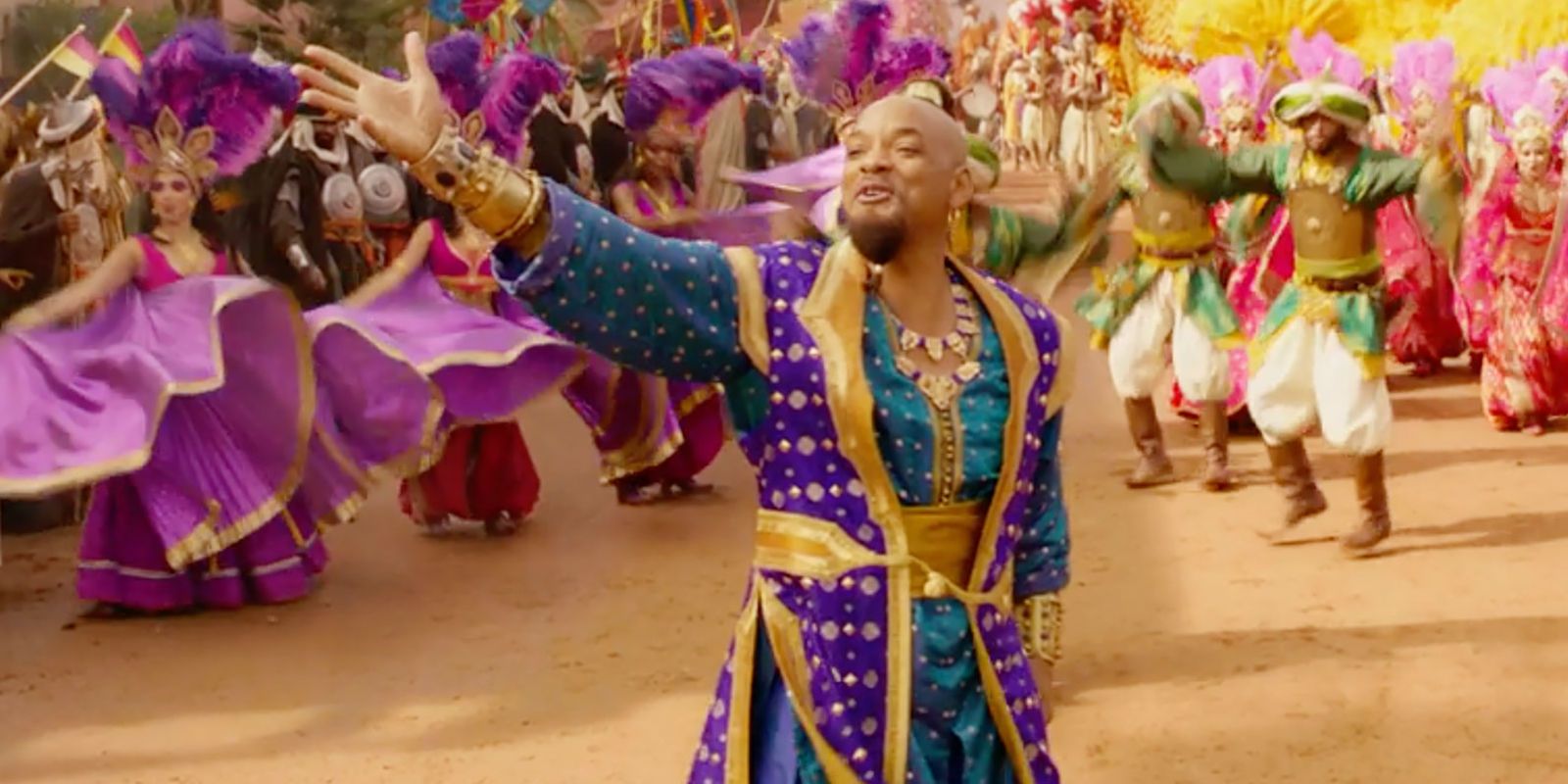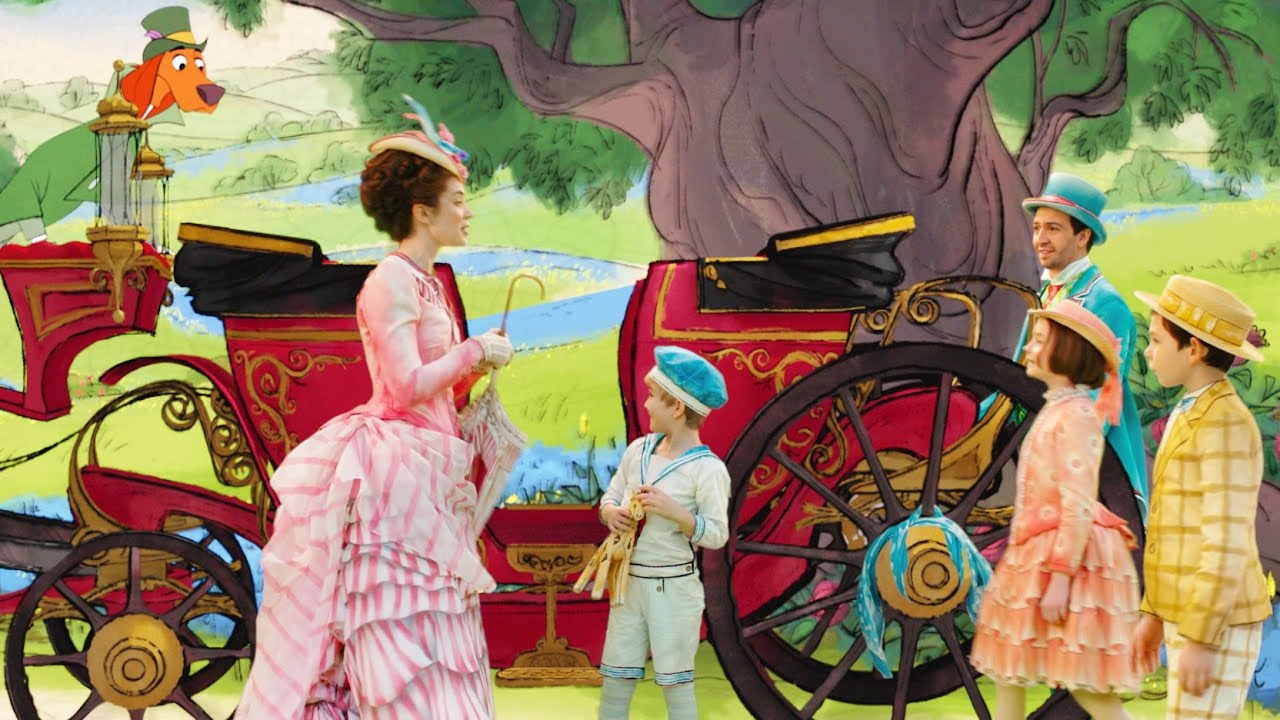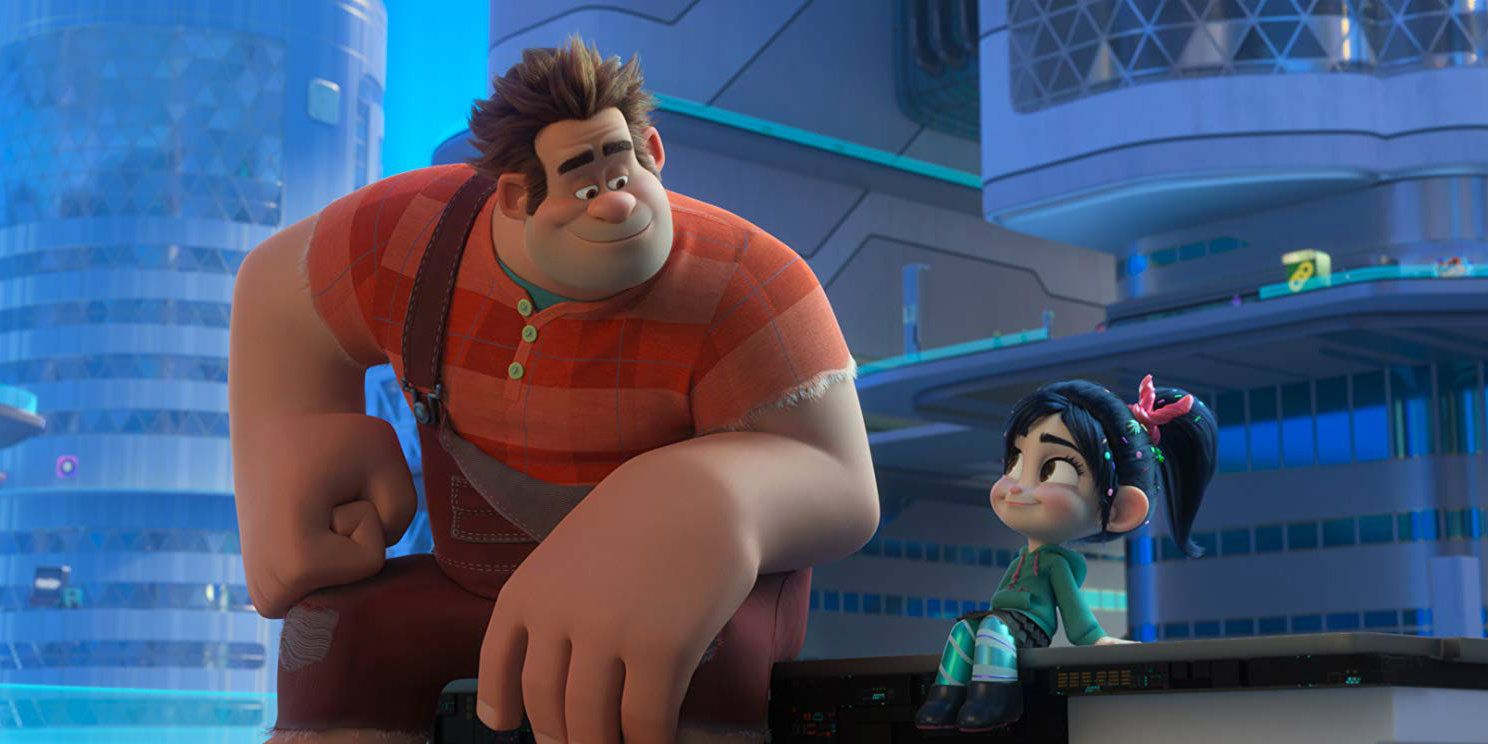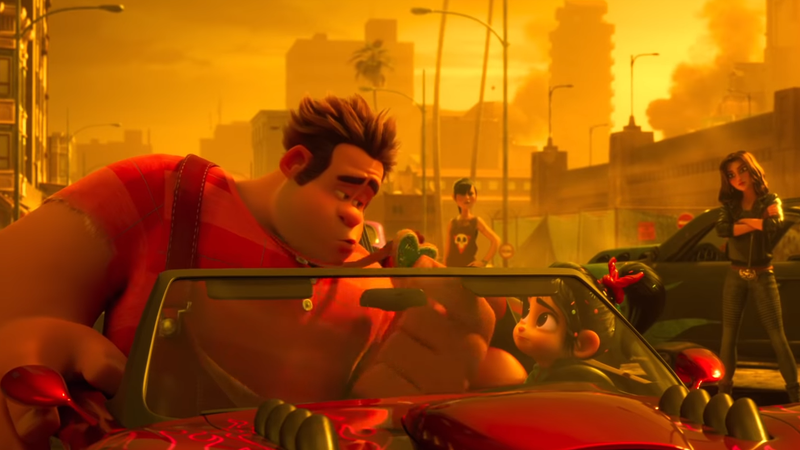
(For Day 30, the last day of NaPoWriMo, the prompt was to write a palinode, a poem that retracts a view from a previous poem or from earlier in the same poem. I sort of did that yesterday, but it seemed like a good way to reflect on both sequels and the temporary end of NaPoWriMo, until next year.)
When the villain is bested,
The henchmen arrested,
Then all of the heroes make merry.
When credits have rolled,
The story is told,
And endings are not temporary.
A glad ever after
Is sunshine and laughter;
What follows is better unsaid.
To many’s chagrin, you
Cannot just continue
When even the last page is read.
Just savor the story
That closed in its glory,
And you can imagine the rest.
Another adaptor
Might mar the next chapter.
It’s honestly probably best.
Although I’ll allow
That a “where are they now?”
Would probably earn some applause.
Finales are fleeting
And bear some repeating,
And endings are only a pause.
_____________________
MPA rating: PG
While Avatar: The Way of Water got ribbed for the extended delay between movies, it took Disney two years longer to finally deliver a second Enchanted, dropped half-heartedly on Disney+ late last year. It’s a prime example of a sequel many wanted and wanted to like yet ultimately can’t compete with its predecessor. In retrospect, we didn’t really need to know the details of how “happily ever after” fails to satisfy.
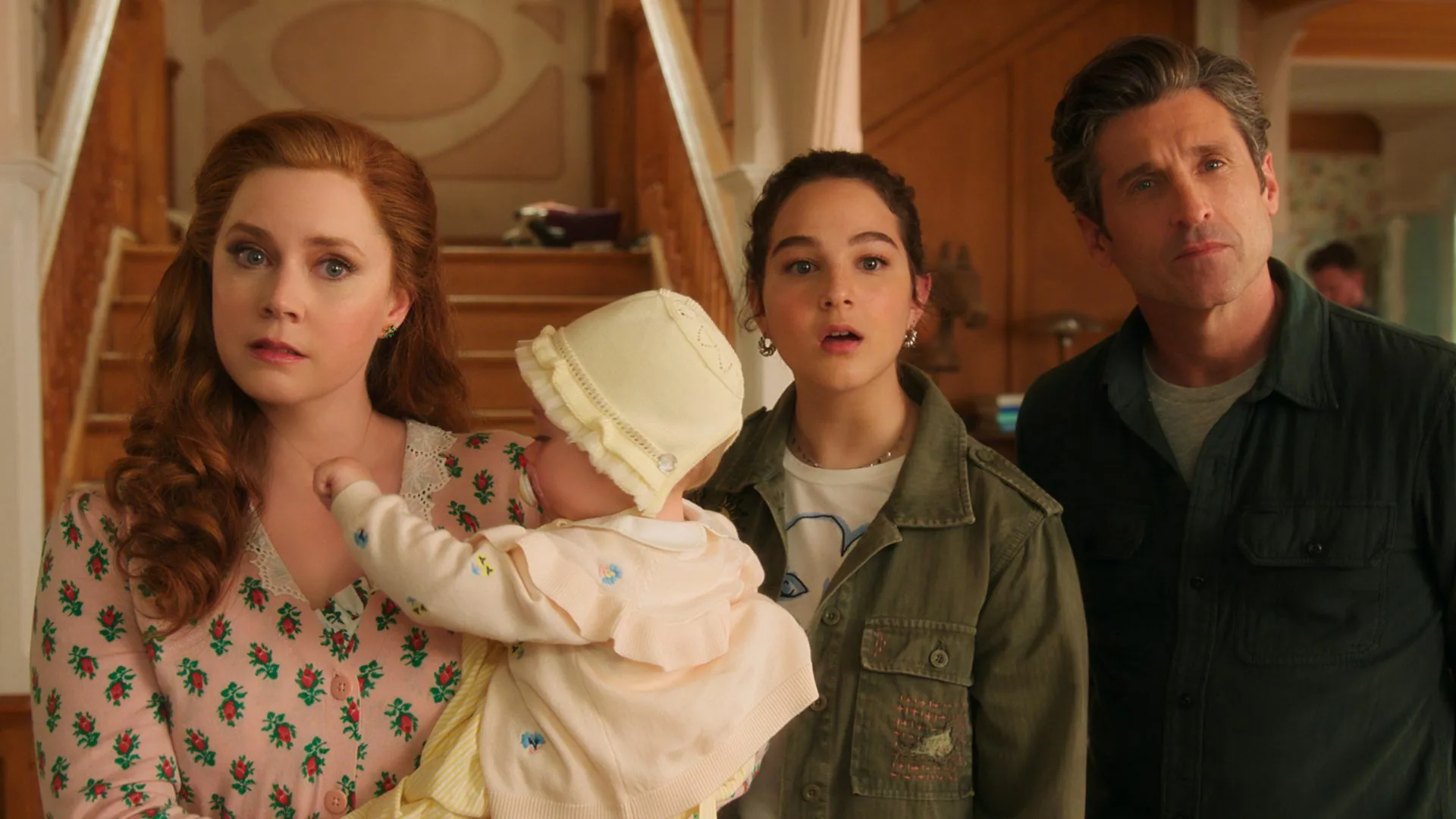
The first Enchanted was a breath of fresh air, a reverse isekai before that was even a term, with doe-eyed Giselle banished from her animated fantasy world to the streets of New York and injecting some much-needed sincerity into the lives of widower Robert (Patrick Dempsey) and his daughter Morgan (Rachel Covey). Years later, the family is seeking something more and moves out to the suburb of Monroeville, much to the chagrin of teenage Morgan (now played by Gabriella Baldacchino). After they struggle to integrate with the community, led by the imperious realtor Malvina Monroe (Maya Rudolph), Giselle uses a wish-granting wand to give them a more “fairy-tale” life, transforming the town into a literal magical land with all the delight and danger that entails.
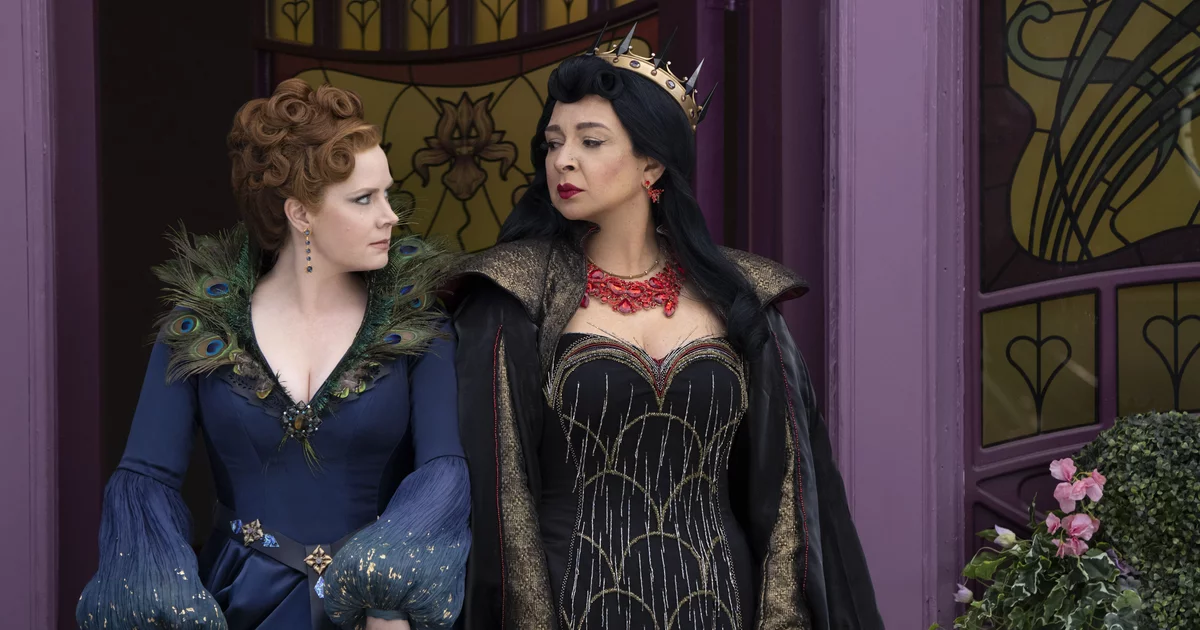
Like the first film, the best thing about Disenchanted is Amy Adams, whose perky Giselle is progressively changed into an evil stepmother by her wish, since she is literally Morgan’s stepmother. She relishes playing with the caricature and trying to outdo Rudolph’s equally evil Malvina, even sharing a delightful song about their nasty rivalry called “Badder.” It’s a fun idea as the rest of the “real world” characters are brainwashed into fairy tale roles, complete with lavish costumes, but it can also run a bit thin, with Dempsey especially having very little to contribute. And the drama of the climax definitely feels forced, with the magic wand not being used effectively and the stroke of midnight somehow being delayed by jamming a clock tower’s gears.
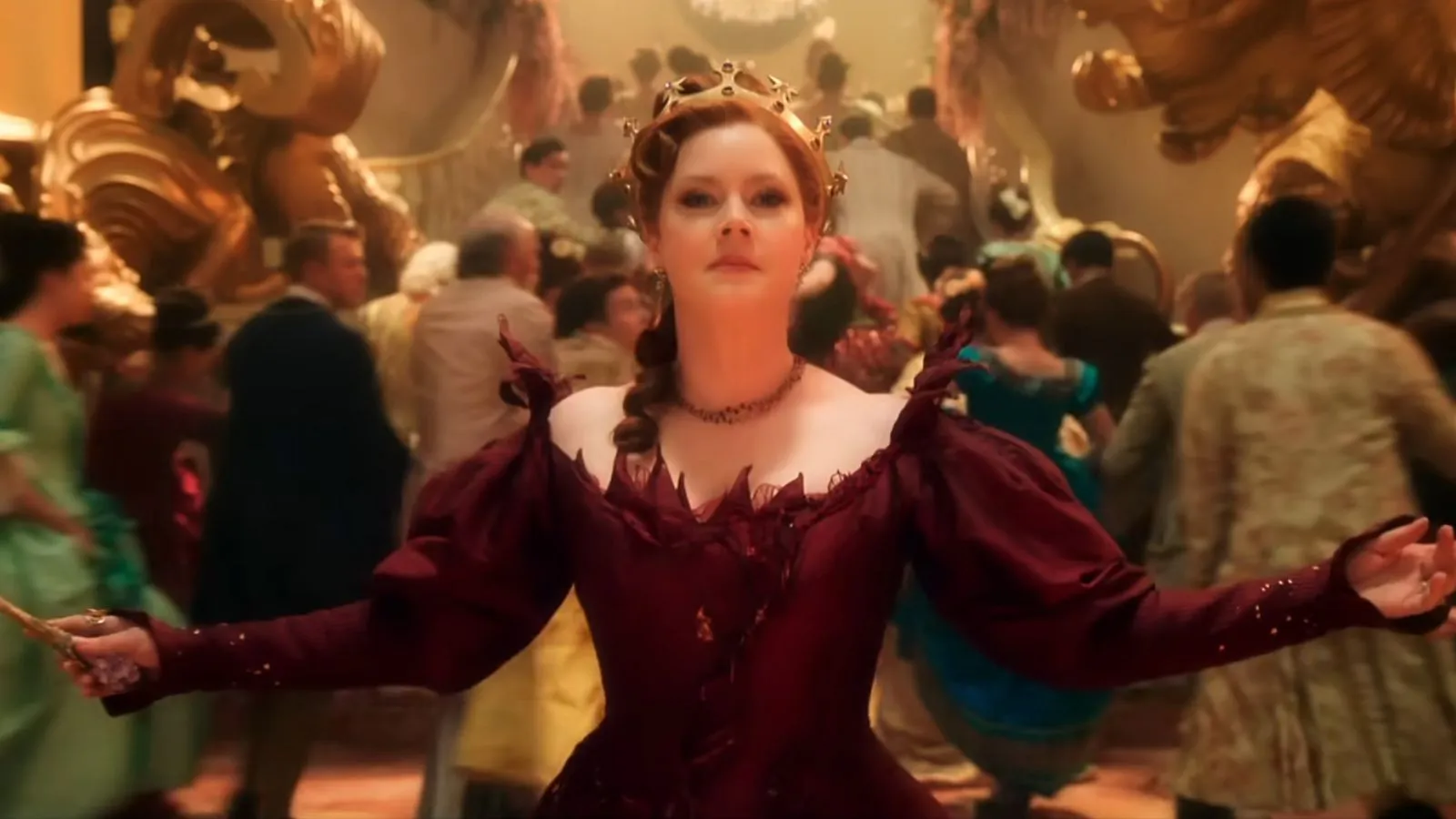
Even if the plot falls short, it was admittedly nice seeing all the principal actors returning to these beloved characters, including James Marsden’s Edward and Idina Menzel’s Nancy. It was a crime that Menzel didn’t get a chance to sing in the original, and she does finally use her famous pipes with the anthemic “Love Power.” I was glad that Alan Menken and Stephen Schwartz again teamed up for the sequel’s songs, though the lyrics can be lackluster and nothing comes close to the first film’s “That’s How You Know” dance number. Disenchanted does manage to capture at least part of the satirical charm and magic of the original, so it’s not a complete misfire, but it does show how special the first film was in balancing its real and fantastical elements. Even after so much time has passed, it’s still a tough act to follow.
Best line: (Morgan, in response to Edward and Nancy singing) “Does anyone in Andalasia ever just say stuff?” (Giselle) “Not if we can help it!”
Rank: List Runner-Up
© 2023 S.G. Liput
785 Followers and Counting
/cdn.vox-cdn.com/uploads/chorus_image/image/64000616/p062_116c_cs.sel16.1802_RGB_FINAL.0.jpg)
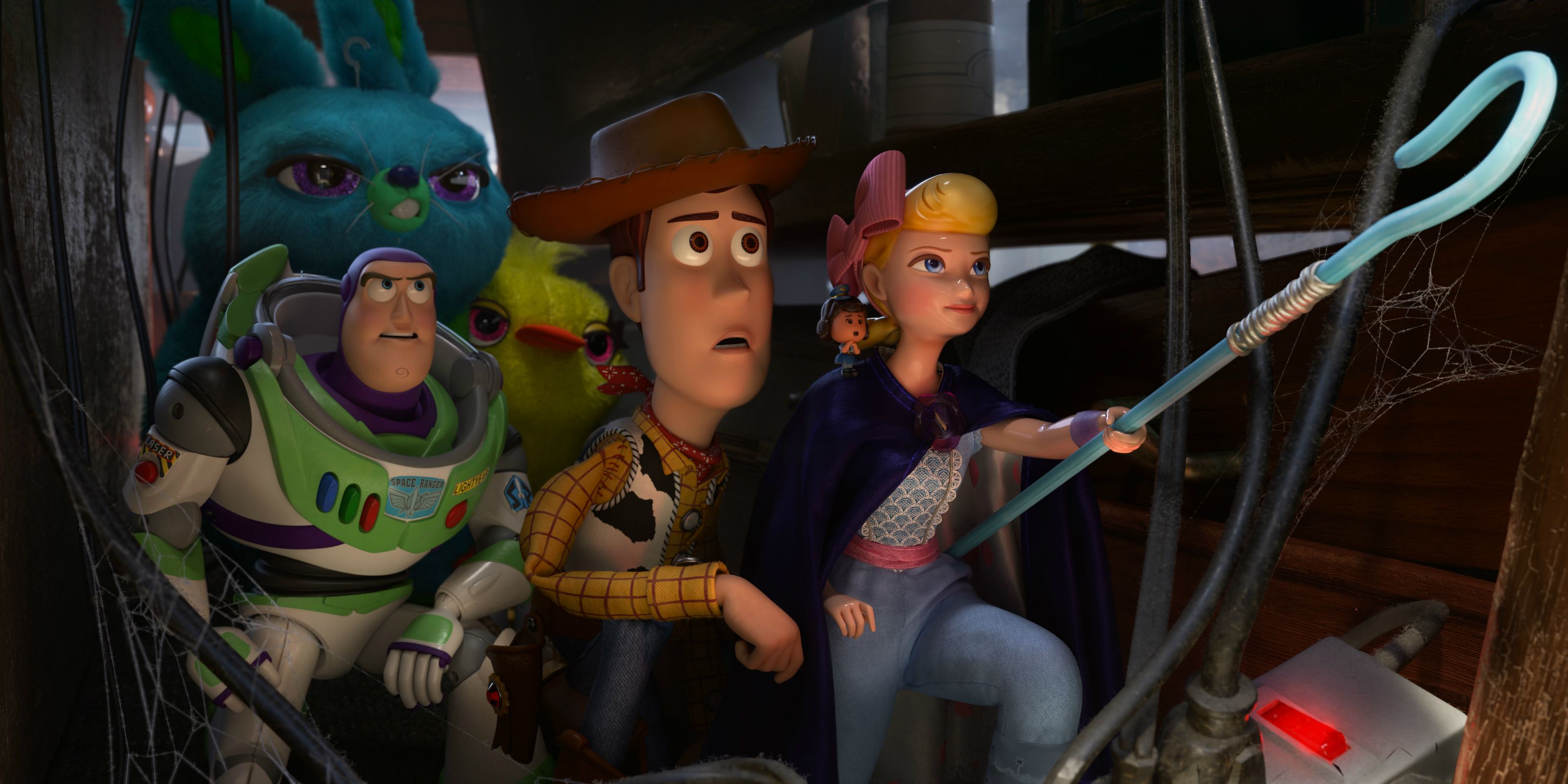
 Bo offers Woody an alternative to his desperate attempts to stay relevant, and I felt like this conflict resulted in some mixed messages. There’s a clear parallel between the toys watching their kids outgrow them and the empty-nest anxiety of parents, so it’s a worthwhile lesson that life doesn’t have to end once “the mission” is complete, that one can find another purpose. Yet with Woody’s repeated pleas throughout the series that “Andy/Bonnie needs us,” it vaguely feels by the end that he’s contradicting the loyalty he’s instilled in everyone else. My VC was more bothered by the end than I was, but it is a complication worth pointing out.