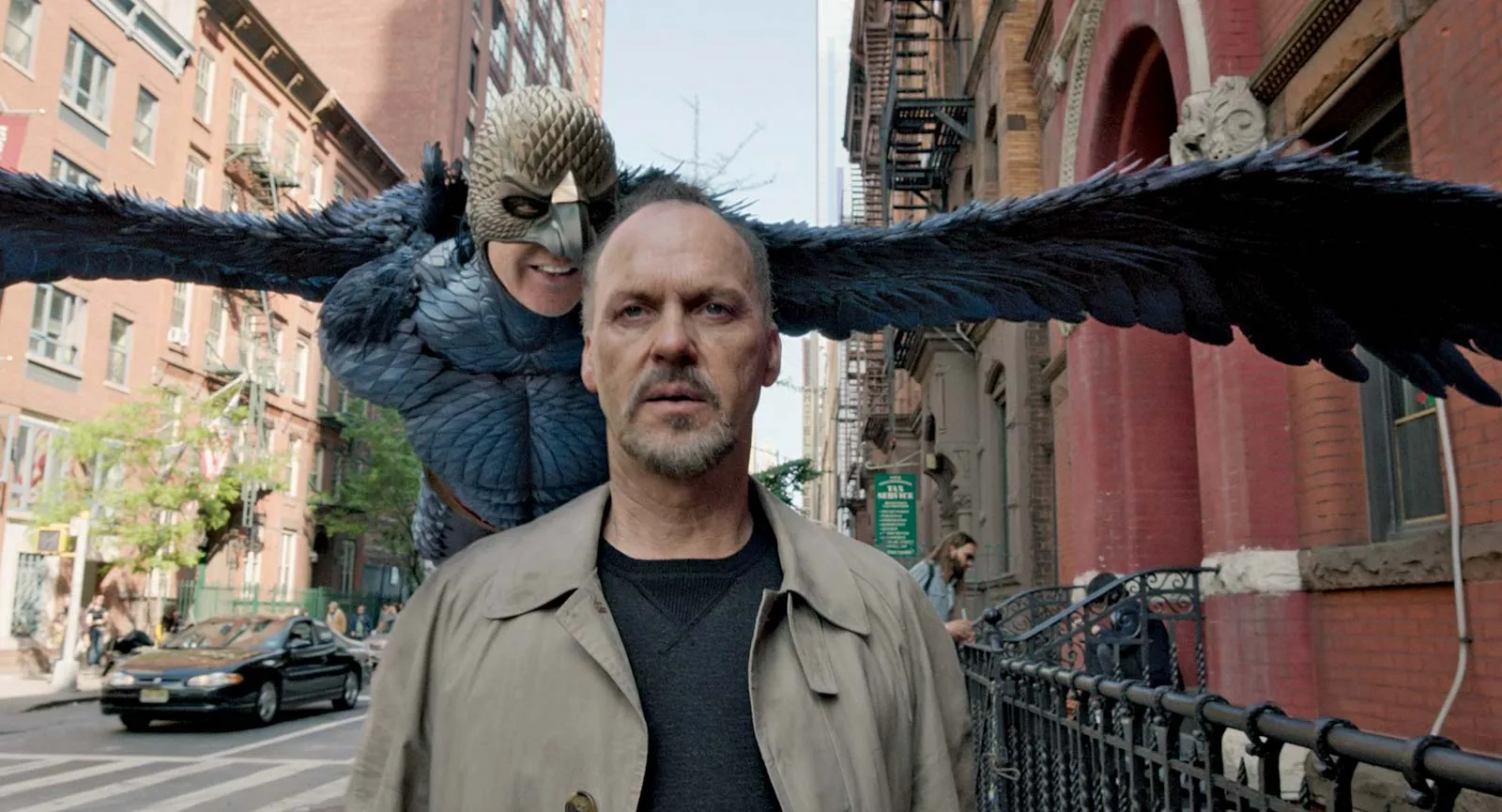
(For Day 3 of NaPoWriMo, the prompt was to write a surreal prose poem a la Kafka’s meanderings, though that’s hardly a poem anymore to me. I’m not sure if this quite fits the intent, but I did my best. At least Birdman seemed like a good fit for some surreal introspection.)
____________________________
Everybody wants to be a genius, a starlet, a celebutante, a household name, as long as all the households are complimentary and not those dismissive sorts who wonder “Why is he/she famous?” If we reach an age that missed our chance at being a wunderkind, we will gladly accept the title of “late bloomer,” so long as we can chuckle in interviews about how long we’ve waited to be taken seriously by the fickle masses. Everybody included Riggan, and so this mindset applied to him as well.
The difference with Riggan was that he had already made his mark on the collective psyche of humanity and was increasingly bothered by that mark scarring over and healing by the day. If only he had made it deeper… If only he had aimed for the head rather than the clay feet. He had been a superhero; he was recognized on the streets, but by whom? By tourists snapping photos to be stuffed in dustbound albums, not by the people who claimed to matter, his archnemeses: the critics.
Yes, critics are the true villains of this world, the ones who tear down towers that might have stood for decades with a bit of support, who nibble like termites at the corners of confident actors and make them question whether they even deserve to be appraised. To see such denigrators scurry away at his approach and question themselves whether they could editorialize well enough to capture his triumphant return, that was his dream, which even superpowers are no help in achieving. He craved to be taken seriously. “Everybody wants that,” Riggan thought, flying over the streets where critics and tourists comingle. His enemies were also aiming for his head, but only ever hitting those clay feet.
____________________________
MPAA rating: R
I’ve been catching up on some Oscar darlings that I skipped back when they made their initial splash, and here we have the Best Picture winner of 2014, Alejandro Iñárritu’s cinematographic wonder filmed as if it were all a single take. As some may know, I have a soft spot for marveling at long tracking shots, so I will absolutely sing the director’s praises as an artist. If only the story appealed to me as much…
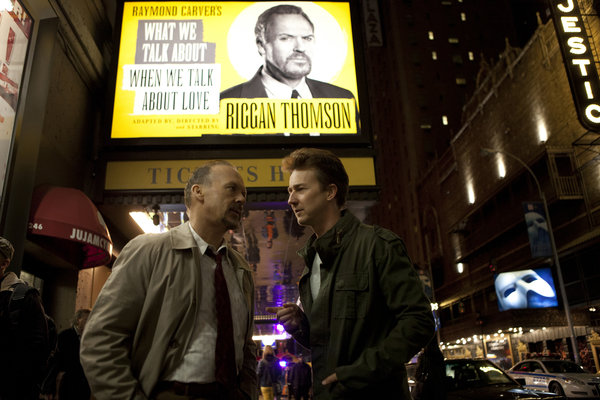
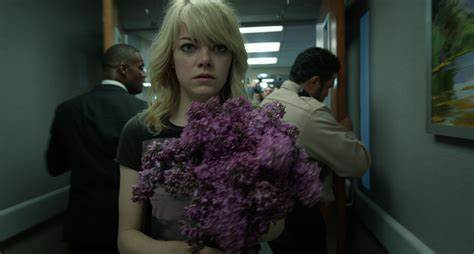
As the “poem” above describes, the plot revolves around washed-up superhero actor Riggan Thomson (Michael Keaton, perfectly cast to reflect his past as Batman) who is desperate to make a comeback on Broadway, with his own stage adaptation of Raymond Carver’s “What We Talk About When We Talk About Love.” Amid his own internal arguments with his Birdman persona, he must deal with the headaches caused by his floundering relationship with daughter Sam (the lovely-as-ever Emma Stone), a temperamental diva of a new actor (Edward Norton), and the derision of a respected critic (Lindsay Duncan).
Like so many favorites of the Academy, I appreciated the talent behind Birdman more than I enjoyed watching it. While I admired its forays into the nature of the creative process, the vast majority of the film consists of the characters hurling insults at each other and nearly everyone deserving it. In lieu of likable characters, the seamless camerawork becomes the real star, following conversations down hallways, swooping from the theater rafters down to the stage, and documenting one memorably awkward stroll through Times Square.
Iñárritu’s wins for Best Director and Original Screenplay were well-deserved, but I can now confidently criticize the Academy’s other choices that year. For me, Boyhood deserved Best Picture more as a time-capsule testament to an entire childhood, while Michael Keaton probably should have won Best Actor over Eddie Redmayne’s performance in The Theory of Everything. Birdman had its unexpected virtues, including a strong script and symbolically uplifting final scene, but most of it made me glad to not be behind the curtains of Broadway.
Best line: (Norton’s Mike Shiner) “Popularity is the slutty little cousin of prestige.”
(For Day 2 of NaPoWriMo, the prompt was for a platonic love poem directed toward the object of affection. Love of food is both platonic and universal, so I took it in a self-destructive direction based on this movie.)
Most might say they love a meal, But I do not discriminate. I love you, burgers, hot dogs, fries, Cakes and shakes of every size, Every snack they advertise, Pizza boxes; hold the plate.
I never needed Mom’s reproach To clean the plate, the bowl, the platter. You were there to keep me full, Flavor in a world so dull, Spice to make it bearable, Comfort where pain didn’t matter.
You were there for my mistakes, Soothing me in guilt’s affliction. People hand out blame and spite; You just offered one more bite. You were solace in the night. That is love and not addiction.
You were there to catch my tears Where empty wrappers now remain. Every bite and every pound Follows me and weighs me down. Still I crave what love I’ve found. Why is too much love such pain? _______________________
MPAA rating: R
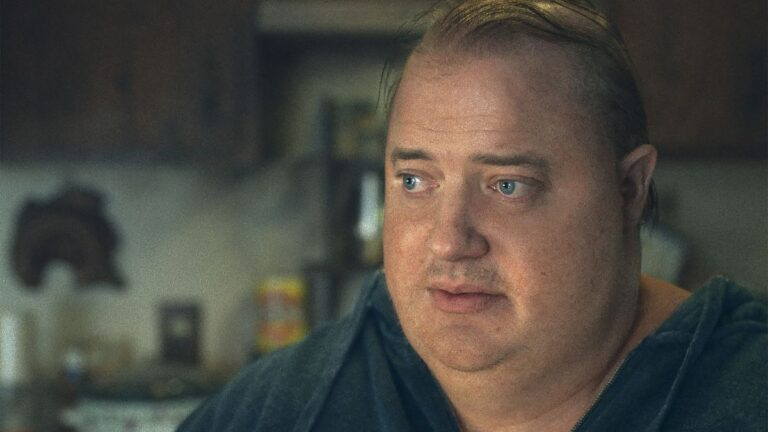
As a fan of Brendan Fraser back in his Mummy days, one who frequently lamented his less-than-prestigious choice of movie roles throughout the 2010s, I was utterly delighted that he finally found awards buzz and critical love for 2022’s The Whale, which won him a Best Actor Oscar on his first nomination. Like many actors, I think Fraser just needed the right role to prove his acting chops, and Darren Aronofsky’s adaptation of a Samuel D. Hunter play proved to be it. Having now seen the movie, I can confirm how deserving Fraser’s win was, playing morbidly obese English professor Charlie to devastating effect.
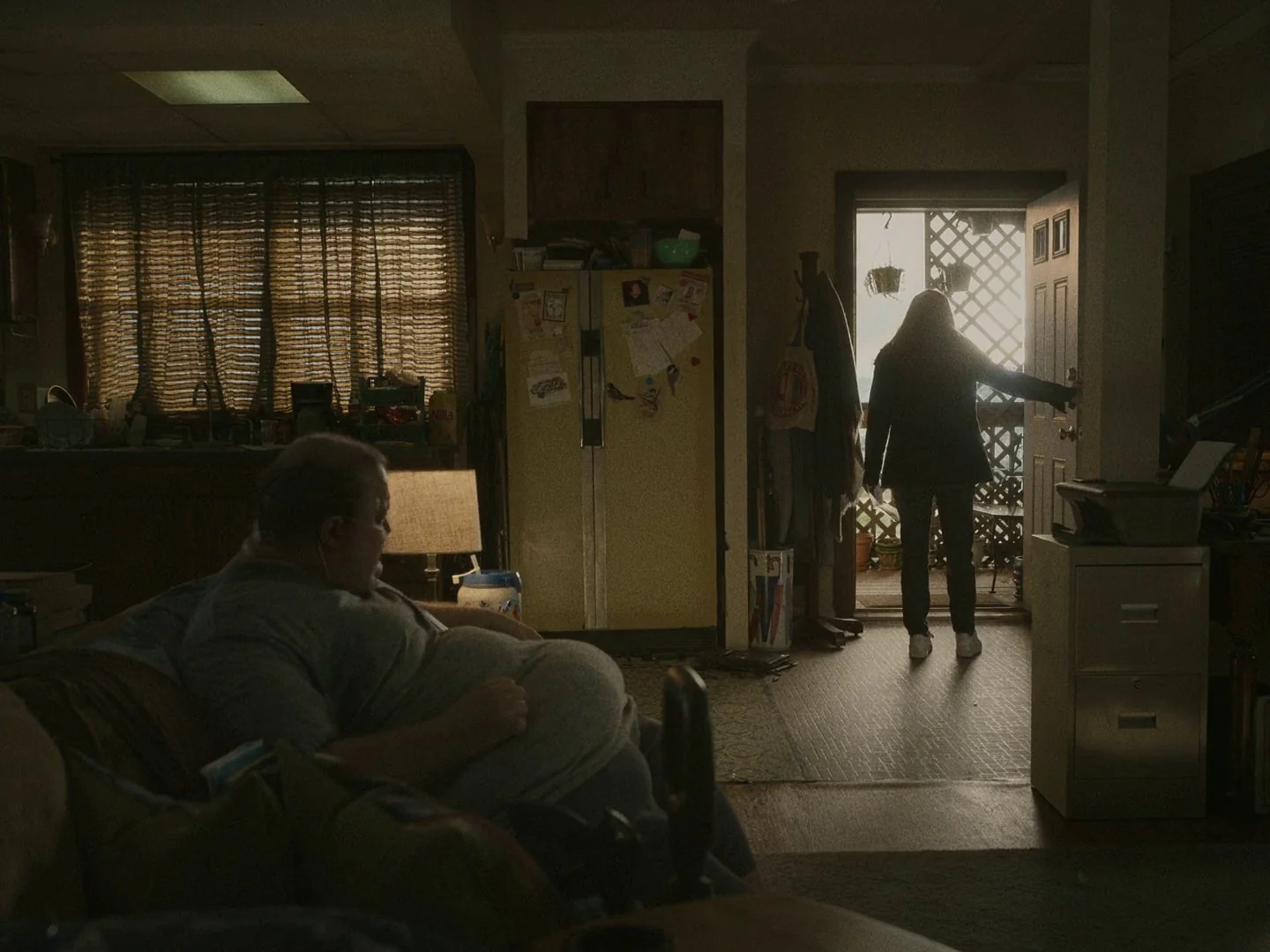
Charlie is a recluse in his tiny apartment, only teaching online classes with the camera off and barely able to get up from his couch, even with help from his nurse friend Liz (Oscar-nominated Hong Chau). Racked by guilt over abandoning his family for his gay lover years ago, he struggles to maintain optimism and connect with his daughter Ellie (Sadie Sink of Stranger Things), who never hesitates to make her anger and bitterness toward him known. His past comes to light when a visiting missionary (Ty Simpkins) tries to evangelize him, much to the indignation of everyone around him and Charlie himself.
The Whale is not an especially enjoyable watch, considering the vitriol flung by Ellie and Liz and the pitiable character at its center, but it is a showcase for outstanding performances from all involved, as well as how film can make the most of a small space originally suited for the stage. Being a Christian, I was saddened by how negative the film was toward religion, yet it also found nuance and slivers of sympathy amid what everyone can agree is a tragedy. In keeping with Charlie’s self-destructive eating, a key theme seemed to be that some people don’t want to be saved, instead finding whatever meager source of redemption they can find. Despite the seamless prosthetics weighing him down, Fraser brings the necessary human touch to make the tragedy heartbreakingly effective.
Best line: (Charlie) “I need to know that I have done one right thing with my life!”
(For Day 1 of NaPoWriMo, the prompt was to write a plot summary of a novel you haven’t read in a long time. This blog began with writing movie plot summaries in verse, so this felt like going back to my roots.)
There once was a boy born to low expectations, And Pip was his name, not that anyone cared. Unfortunate orphans resigned to their stations Could rarely progress, limitations Pip shared.
One day in the country, a convict caught Pip And bade him to aid him in getting away. So Pip held his tongue, no alarm or hot tip, And Magwitch escaped with a debt yet to pay.
Soon Pip was a guest at Miss Havisham’s mansion, Where dust covered her and her old bridal dress. She treated the boy like a half-approved grandson, While her ward Estella approved even less.
But though Pip was taunted, he fell quite in love With Estella and grieved when he left her employ. He grew into manhood, and, as if from above, A mystery patron supported the boy.
He found he had money, a gentleman rising, But who is behind all these kindly donations? I’d tell you the twists that you might find surprising, But I’d hate to spoil your great expectations. __________________________
MPAA rating: Approved (basically G)
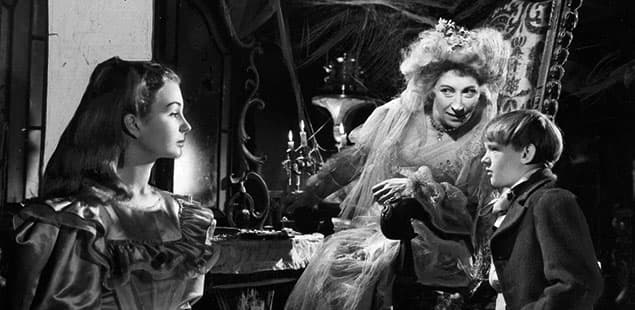
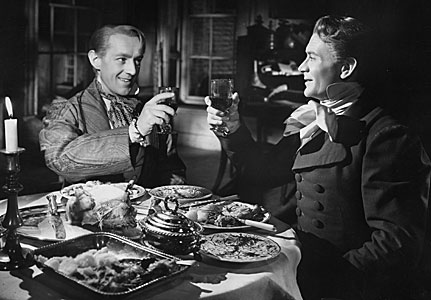
I was thinking I hadn’t bothered to review an older film in a while, and, luckily, this month’s first prompt pointed me toward this 1946 classic from director David Lean. I remember reading an abridged version of Charles Dickens’ novel Great Expectations, but I had largely forgotten the plot except for a boy named Pip and a dusty spinster named Miss Havisham. So watching this movie was like a trip to the library, conjuring up a rags-to-riches tale with distinguished British aplomb.
I won’t go into the plot since it’s above, but I will praise the unexpected actors who showed up, including a young John Mills as the older Pip, a young Alec Guinness as Pip’s friend Herbert (his first of six collaborations with Lean), and a very young Jean Simmons as the child Estella. Finlay Currie is especially good as the convict Magwitch, able to seem both threatening and sympathetic as needed, while Martita Hunt as Miss Havisham brings a vaguely creepy craftiness to the part, especially when surrounded by her dark, cobweb-covered mansion. The main complaint for me would be the character of Estella, whose insulting tsundere treatment of Pip gives little reason to like her or want the besotted Pip to end up with her. Despite the romance not really landing, Lean’s Great Expectations is an admirable Dickens adaptation.
Best line: (Mr. Jaggers, the lawyer) “Take nothing on its looks; take everything on evidence. There is no better rule.”
Every life is a movie in pre-pre-production, Awaiting the blockbuster stars and bestsellers. We live building lives that await deconstruction, In hopes we’ll get one of the good storytellers.
The artists and soldiers and key politicians, The dazzling minds are all ripe for the picking. They’ll woo the awards with their subtle omissions And screw their renown to the places worth sticking.
But what of us peasants who lack reputations, In search of that hook of the story to sell it? I think even your life is worth celebrations. My friends, it depends upon how well you tell it. _______________________
MPAA rating: Not Rated (PG-13 seems right, due to some sexual content)
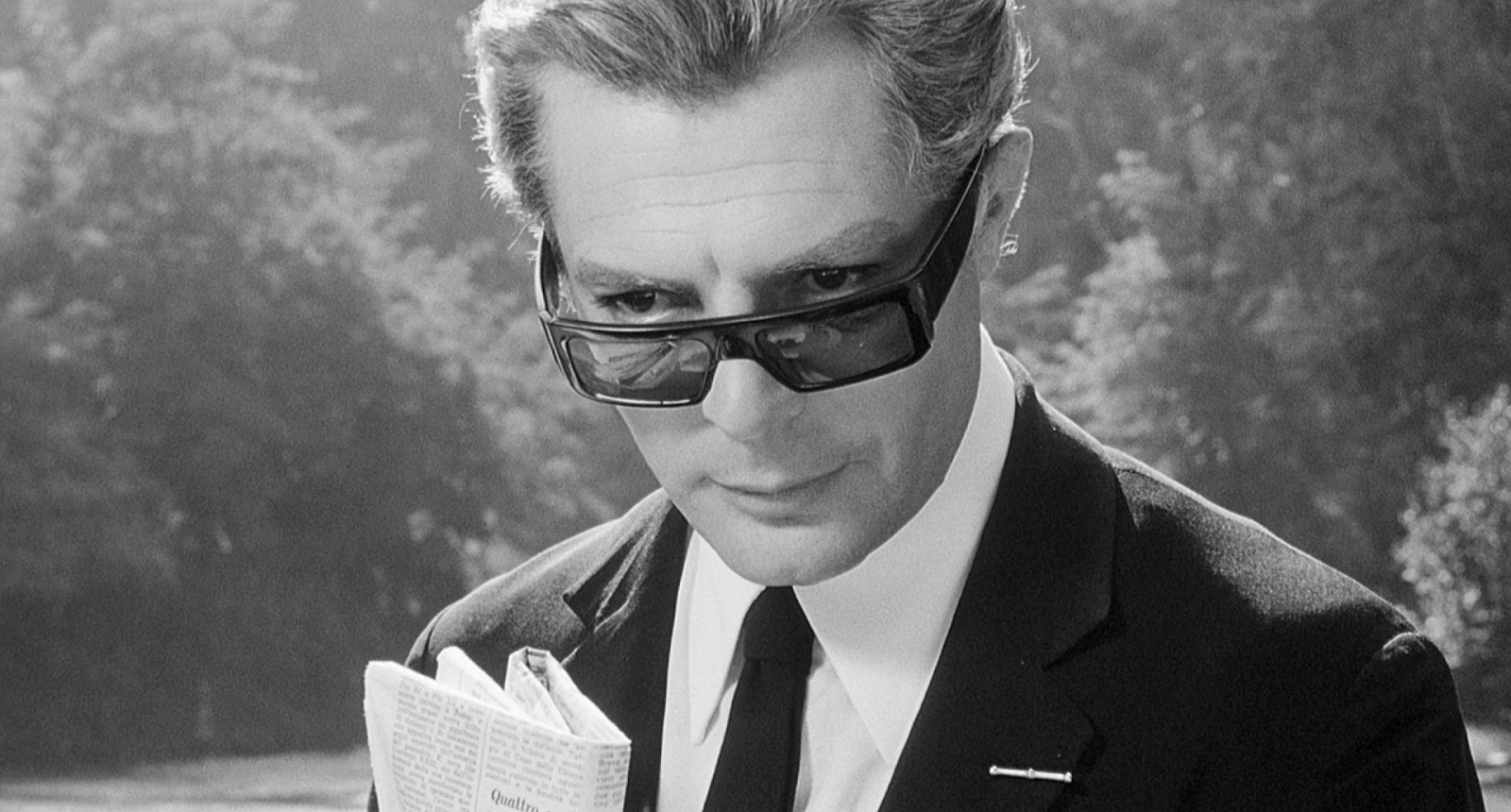
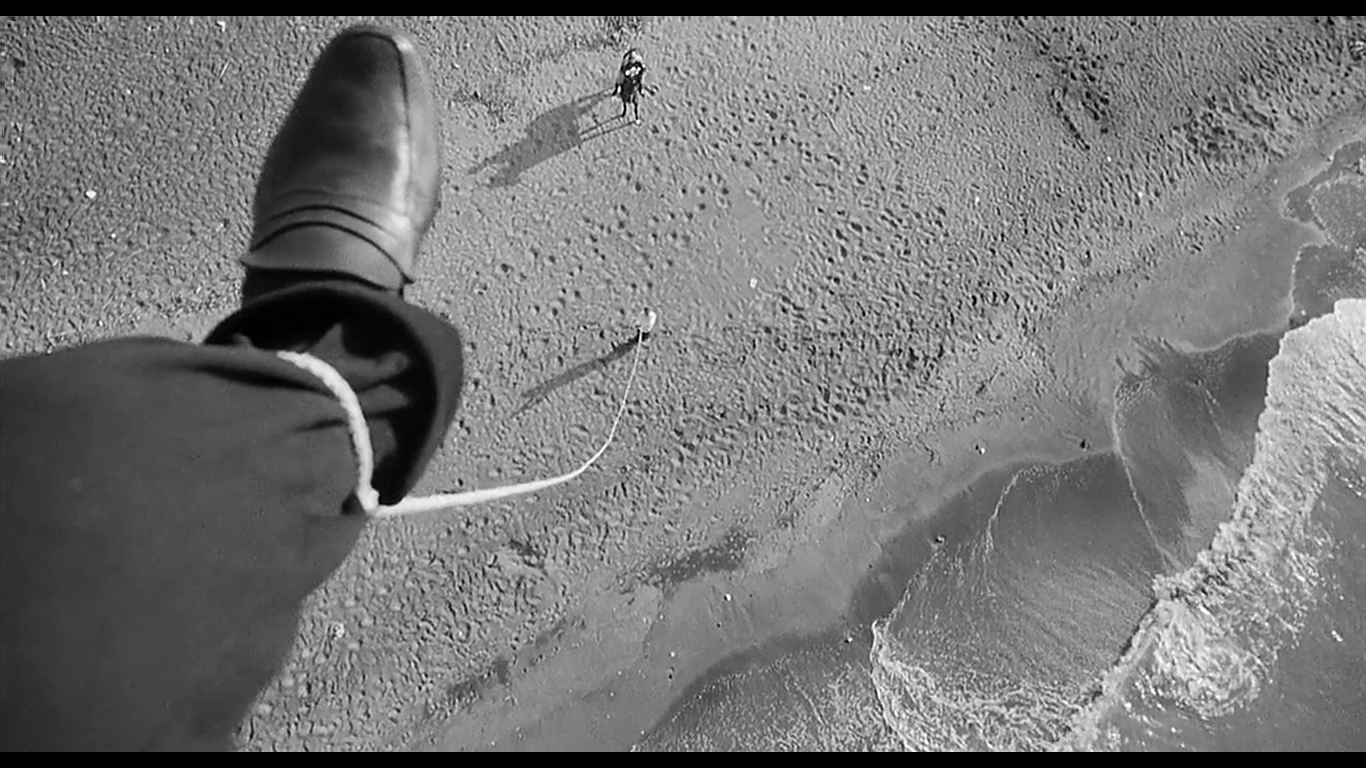
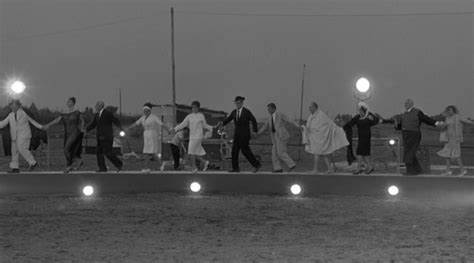
I included Federico Fellini’s 8½ on last year’s Blindspot list for the same reason as I watched 2001 or Bicycle Thieves, because it’s one of those films that any self-proclaimed cinephile is supposed to see. Sitting through two-plus hours of an Italian director’s introspection and daydreaming isn’t exactly my idea of a good time, but 8½ has had such an impact on these kinds of life-summarizing stories that it’s worth watching if only for historical value. And, this being my first foray into Fellini’s filmography, I can certainly appreciate his eye for framing and innovative non-linear structure, fueled by self-analysis and dream logic.
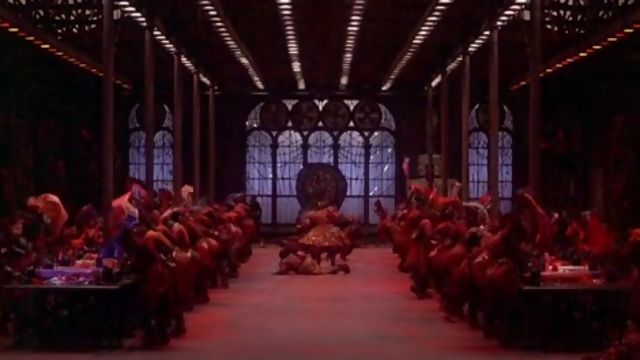
The avant-garde plot follows Fellini’s self-insert, Italian director Guido Anselmi (Marcello Mastroianni), as he struggles to focus on directing an ambitious sci-fi opus that increasingly mirrors his own life and churning emotions. It weaves in and out of Guido’s past and present, particularly his relationships with various women, from his mistrusting wife (Anouk Aimée) and her level-headed friend (Rosella Falk) to Guido’s brazen mistress (Sandra Milo) and a prostitute known as La Saraghina (Eddra Gale), who danced for him and his friends when he was a child. Throughout the runtime, Guido wrestles with his strained relationship with the Catholic Church, the weight of expectation for his increasingly expensive film project, and what he wants out of female love, the last theme epitomized in an extended sequence where he fantasizes a harem of all the women in his life worshiping him before inevitably rebelling against his tyranny.
I know I’m supposed to fawn over Fellini and how his filmmaking is a surreal monument of life affirmation (which I suppose it is), but I must admit that I also found it rather boring and self-absorbed, the kind of art meant for critics rather than the common man. There is still plenty to appreciate, particularly the script’s incisive musings on the creative process and the final scene that makes a lovely metaphor for life itself, which has been emulated by other life-encapsulating features like All That Jazz. Perhaps I just wasn’t in the right frame of mind to fully connect with the artistry of 8½; it’s the sort of film that I’m glad to have seen but don’t plan to rewatch any time soon.
Best line: (Guido, to his dream harem) “My dears, happiness consists of being able to tell the truth without hurting anyone.”
Are you new in Oz? I bet so because You’ve the look of someone lost, Exhausted, star-crossed, Like you’ve never seen a witch Or a road of yellow brick Or a beast with perfect pitch. Plus, you strike me as homesick.
But that’s no big deal; I know how you feel, Like a friend I miss a lot, Distraught, but fear not. See, we’ve done this all before, She got home still safe and sound. If what’s past is what’s in store, I’ve no doubt you’re homeward bound. _________________________
MPA rating: G (though PG fits better with some of the imagery and costumes)
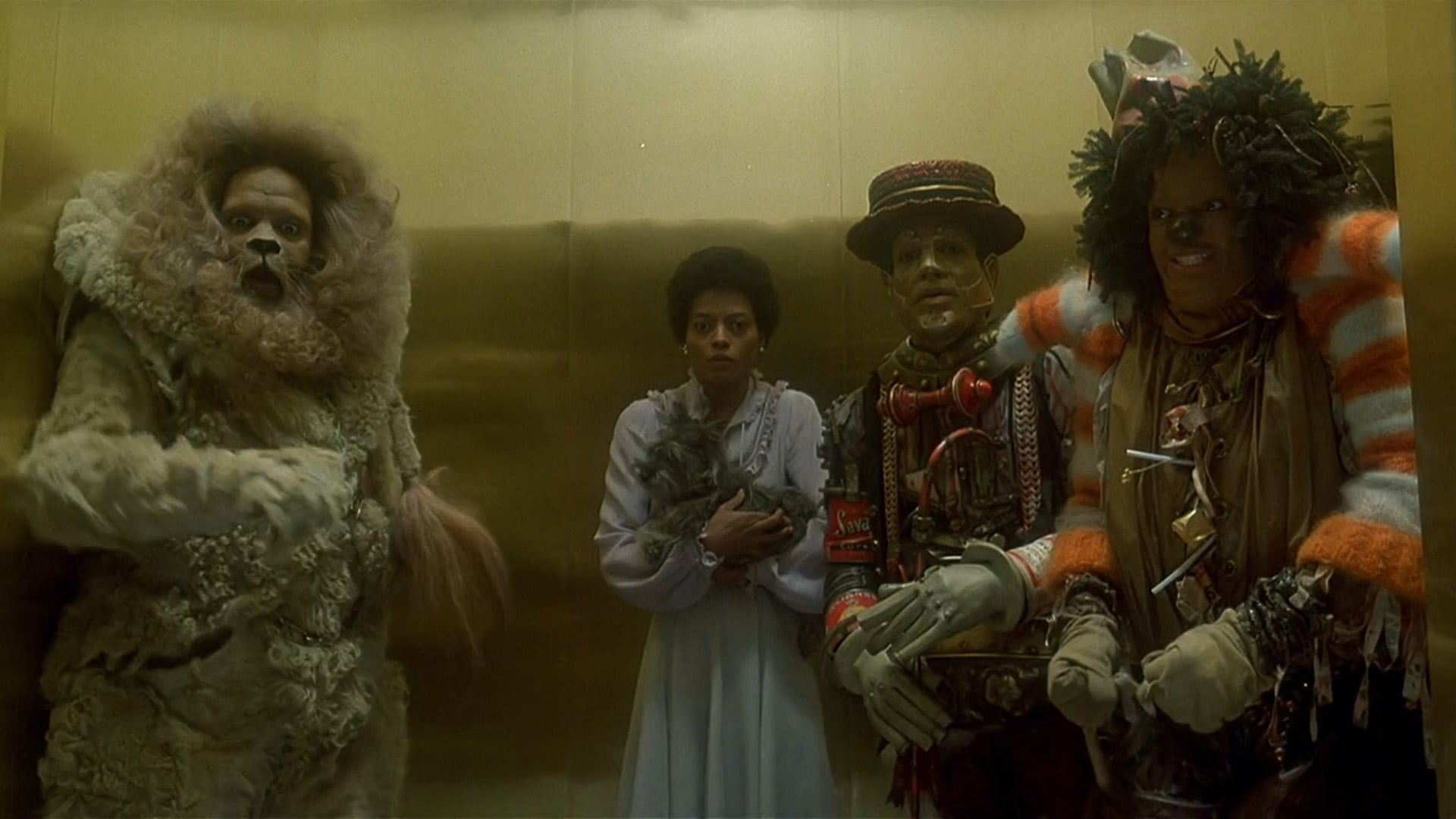
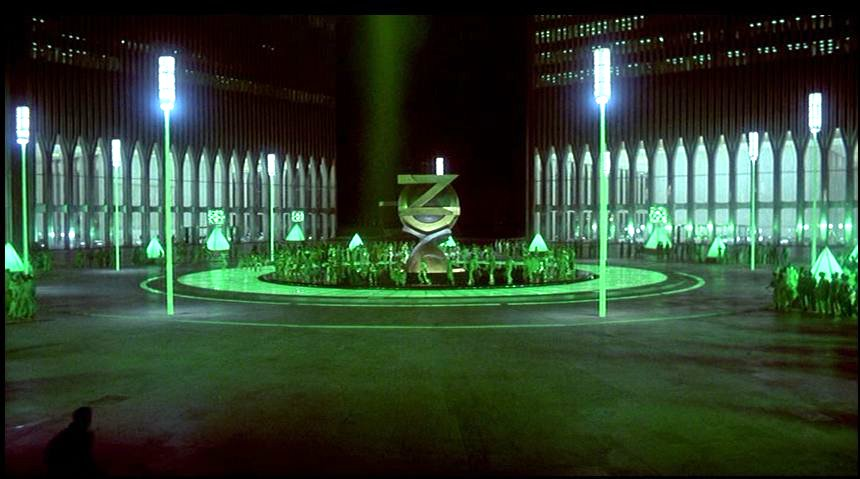
Since 2024 marks the 85th anniversary of The Wizard of Oz and the first Broadway revival of The Wiz since its original 1970s run, it seemed like a good time to finally watch and review the film version of The Wiz. (We’ll ignore that this should have been done last year for my Blindspot list.) A modern retelling of L. Frank Baum’s classic story with an all-Black cast and different music, The Wiz was a definite Broadway hit, as its seven Tonys can attest, but I knew nothing about the film, beyond Michael Jackson playing the Scarecrow. So it was interesting going in blind to this version of Oz that has gone from a bomb to a cult classic in the 46 years since its release.
While the core isekai story remains the same, The Wiz is quite visually distinct from the Judy Garland classic, relocating from Kansas to urban Harlem and making the child Dorothy into an adult schoolteacher (Diana Ross) nervous to move away from her family neighborhood. When a freak snow twister (happens all the time in Harlem, I’m sure) transports her and her dog Toto to the dystopian land of Oz, the timid girl gathers companions (Jackson, Nipsey Russell, Ted Ross) on her way to ask the Wizard (Richard Pryor) to send her back home.
The Wiz takes some time to find its footing because I was surprisingly bored through initial set-up, and Diana Ross’s affected diffidence was more annoying than sympathetic. It wasn’t until the arrival of Michael Jackson’s Scarecrow and especially Ted Ross’s Cowardly Lion that I began truly enjoying it as a musical. Jackson plays the Scarecrow as a bashful doormat, pulling quotes out of his stuffing like a burlap Mrs. Who from A Wrinkle in Time, while Nipsey Russell is an affable carny Tin Man with some repressed trauma. But Ross as the Lion truly steals the show, matching the mix of insecurity and self-puffery that Bert Lahr brought to the original film, so it’s no wonder he won a Tony for the same role on Broadway. He also proves to be the MVP of the journey, saving the whole group from a subway come to life, in one of several nightmare-fuel sequences that must have haunted some childhoods. Pryor is a decently mousy Wizard, though he doesn’t have enough screen time to make an impression and doesn’t even provide any insight to the other characters; in researching the Broadway production, I was mainly floored to learn that André De Shields of Hadestown fame played the same role on stage.
As for the music, “Ease on Down the Road” is the film’s most famous number, but “I’m a Mean Ole Lion” and “Don’t Nobody Bring Me No Bad News” are fitting showstoppers for the Lion and the Wicked Witch of the West Evillene (Mabel King), respectively. The disco “Emerald City Sequence” also has some gobsmacking set and costume design that illustrates the Wizard’s power as a trendsetter and contrasts with the urban decay of much of the production design. But the true star of the soundtrack is “Everybody Rejoice/A Brand New Day,” Luther Vandross’s utterly catchy and joyful group dance number with the ensemble celebrating Evillene’s defeat, even if it’s made a tad weird by the freed Winkies cavorting in only their underwear.
The Wiz has zero chance of replacing the 1939 film as the definitive Wizard of Oz musical, but it gives the material a worthy spin. I found some of the exaggerated acting a bit strange or overly childish at first, but the 1939 film was guilty of the same and simply benefits from decades of nostalgia, so I can see why time has been kind to people’s perception of The Wiz. It’s certainly uneven but not a total trainwreck, and its high points are worth the price of admission to its strange urban odyssey.
Best line: (Scarecrow) “Success, fame, and fortune, they’re all illusions. All there is that is real is the friendship that two can share.” (Dorothy) “That’s beautiful! Who said that?” (Scarecrow, modestly) “I did.”
When you’re on top of the world, It’s a long way down, And heavy is the haughty head that’s lost its crown.
When people fall from favor And drink a bitter cup, They’re likely to do anything to climb back up.
When rugs are pulled from under Someone in mid-fall, They start to prize stability (or alcohol).
When people face their falling, They break or crack or bounce. You don’t know which ahead of time, but that’s what counts. ____________________________________
MPA rating: R (for language and one sex scene)
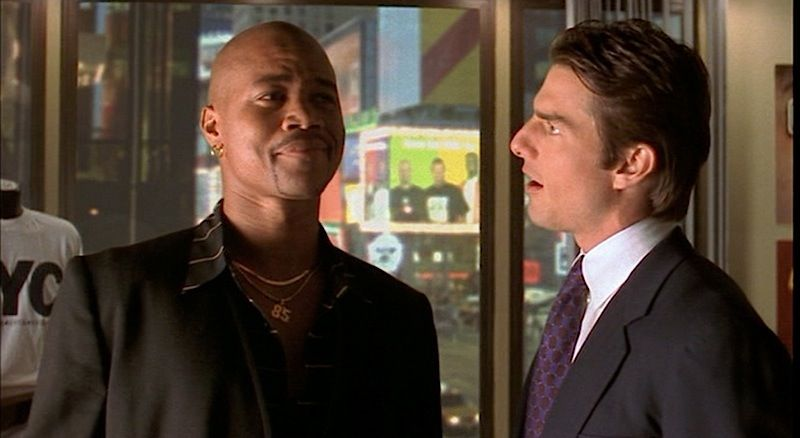
I don’t know why I can’t seem to spit out reviews like I used to, but I’m finally back to continue last year’s overdue Blindspot series. It feels like movies nowadays don’t quite leave the same cultural impact as they once did, with famous lines that everyone recognizes, though there are still some (Hunger Games and Endgame come to mind). Jerry Maguire is the poster child of such an impact, a 1990s rom com that introduced not one but at least three iconic lines into pop culture. So it seemed only right that I should learn the context of the likes of “Show me the money!” and “You complete me,” the Tom Cruise hit that won Cuba Gooding, Jr. an Oscar and showcased the cutthroat world of sports agents.
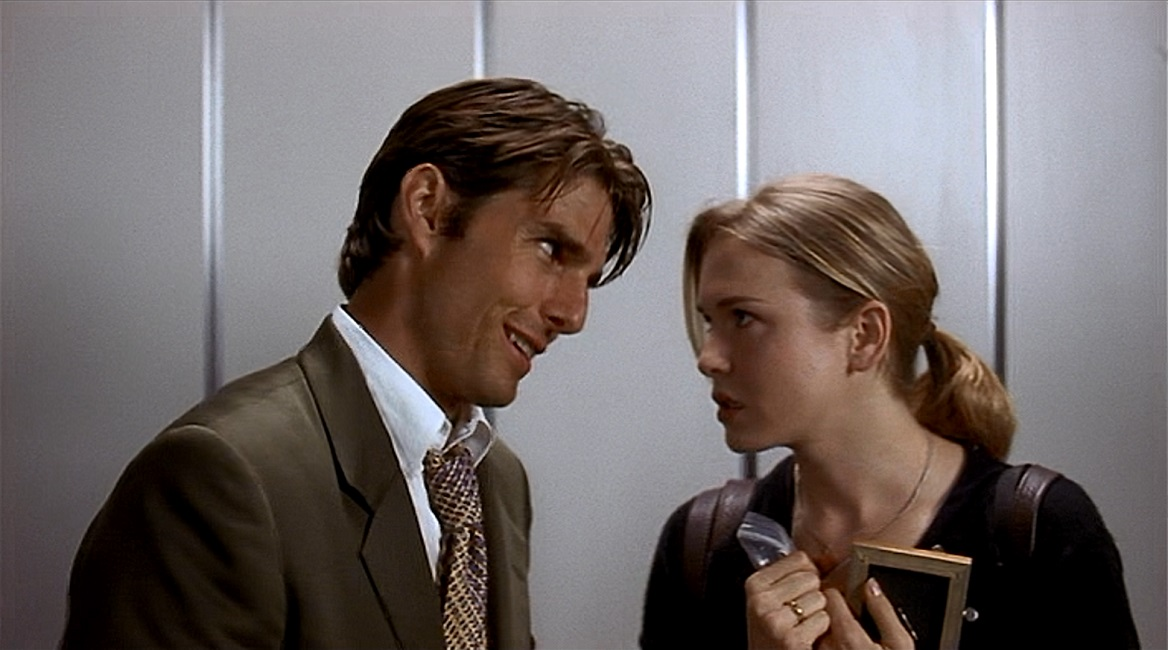
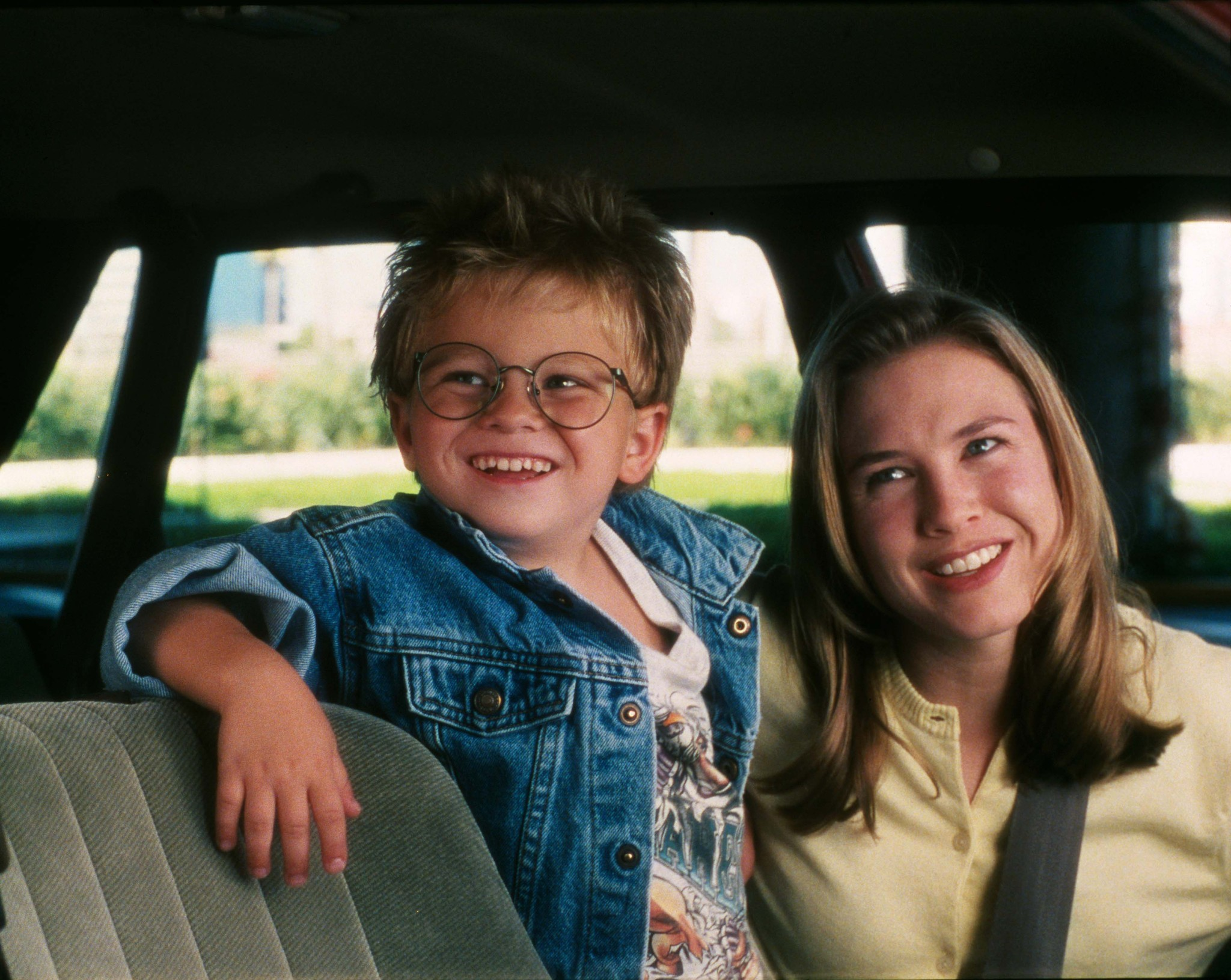
Being a big fan of writer-director Cameron Crowe’s later film Elizabethtown, I was able to recognize how he recycled elements of Jerry Maguire into that film, which may have factored into why it wasn’t as well received. The set-up is essentially the same: a young hotshot excelling in his field is suddenly brought low by a misjudgment on his part that costs him his job and his shallow girlfriend. The difference is that most of that happens to Orlando Bloom within the first ten minutes of Elizabethtown, while the self-destruction of Maguire (Cruise) is far more gradual, as his attempt at reawakening his conscience leaves him with only one loyal client in football player Rod Tidwell (Gooding) and one sympathetic employee in Dorothy Boyd (Renee Zellweger in her breakout role).
In place of Kirsten Dunst’s manic pixie dream girl in Elizabethtown, Dorothy is a far more down-to-earth presence, a working single mother whose romantic relationship with Jerry carries more nuance while also being a bit hard to read at times. I feel like Bonnie Hunt’s role as her supportive sister is rather overlooked as well. Through all the lows and highs, from arguments over Rod’s obstinate demands to the uncertainty of dating a single mother and how to balance his devotion to both, Tom Cruise proves himself to be a winning leading man yet again, with a natural charisma that leaves no doubt as to how Jerry became such a superstar in his field. I do find it funny, though, that Cruise still hasn’t won an Oscar, while Gooding, Zellweger, Crowe, and fellow co-star Regina King have all gotten their golden statue eventually.
I can certainly see why Jerry Maguire was a hit, with an effective Cameron Crowe script full of passion and personality for its star power to embody, as well as a great soundtrack and plenty of fun cameos. Even though I see why the earlier film is more critically acclaimed, I can’t help but prefer Elizabethtown, which is more unrealistically quirky but also more streamlined in its character arc and generally cleaner and funnier. Maybe it’s just that I’m not into sports, but I’m still glad to have finally seen this ‘90s classic. It completes me (or at least my Blindspot list).
Best line (that I didn’t know originated in this movie): (Jerry, begging Rod to be more agreeable) “Help me help you.”
And here we are at another milestone I never expected to reach, ten whole years for the Rhyme and Reason blog! I realize this year might be described as my least prolific or most neglectful year yet, and I think that came down to two reasons. For one, my Ireland/Scotland vacation back in May, my first international trip ever, threw off a lot of my routines, so it was both a big distraction and the highlight of the year. Secondly, I’ve been devoting a lot of my creative energies to my planned musical, which is progressing nicely, but still has a long road ahead of it. I can’t wait for the day when I can actually share it with the world, just not yet.
I’m still glad, though, that I was able to take part in NaPoWriMo back in April and still churn out the occasional review throughout the year, just to remind anyone out there that I’m still around. My Blindspot series has especially suffered, but I hope to wrap that up quickly in the new year, and maybe, hopefully do better with 2024’s Blindspot list. Hope springs eternal, even in the scattered world of time management.
The past year has been full of ups and downs, but good movies remain a consistent up whenever they come along. Hollywood found its stride in 2023 with some unqualified hits, despite Disney’s financial woes and the various strikes that rocked the movie industry. With my more limited theater-going, I wasn’t sure if I would have enough real favorites to compile my annual Top Twelve list, but there were more hits than I recalled. True, this is the first year that I don’t have a full twelve List-Worthy films to add to THE LIST of my Top 365 favorites, but I’ve included a couple high runners-up to round out my top films that I’ve seen in 2023 (not just 2023 releases). Not surprisingly, animation and musicals are well-represented, with a few more serious entries for good measure.
Before the countdown kicks off, as is tradition, I will pay respects to the outstanding runners-up that are worthy of praise but didn’t quite make the cut, including Shadow in the Cloud, Elvis, Matilda the Musical, RRR, Suzume, The Invisible Man, Living, Sound of Freedom, Last Night in Soho, A Million Miles Away, Ant-Man and the Wasp: Quantumania, The Marvels, Blue Beetle, Teenage Mutant Ninja Turtles: Mutant Mayhem, Journey to Bethlehem, and Rebel Moon – Part One: A Child of Fire. Plus, just as I have before with Hamilton and Come from Away, I’ll give kudos to the filmed stage performance of the musicals Waitress and Titanic that released this year. I still can’t quite bring myself to classify such recordings as typical movies, but they are well worth watching.
I can’t help but feel that this list has no resemblance to any critic’s end-of-year list, but these are my tastes and my list. What were your favorite films of the past year? I know I have plenty to catch up on (ahem, Barbie), so I’ll gladly take any recommendations! Now, on to the Top Twelve list!
12. Missing (2023)
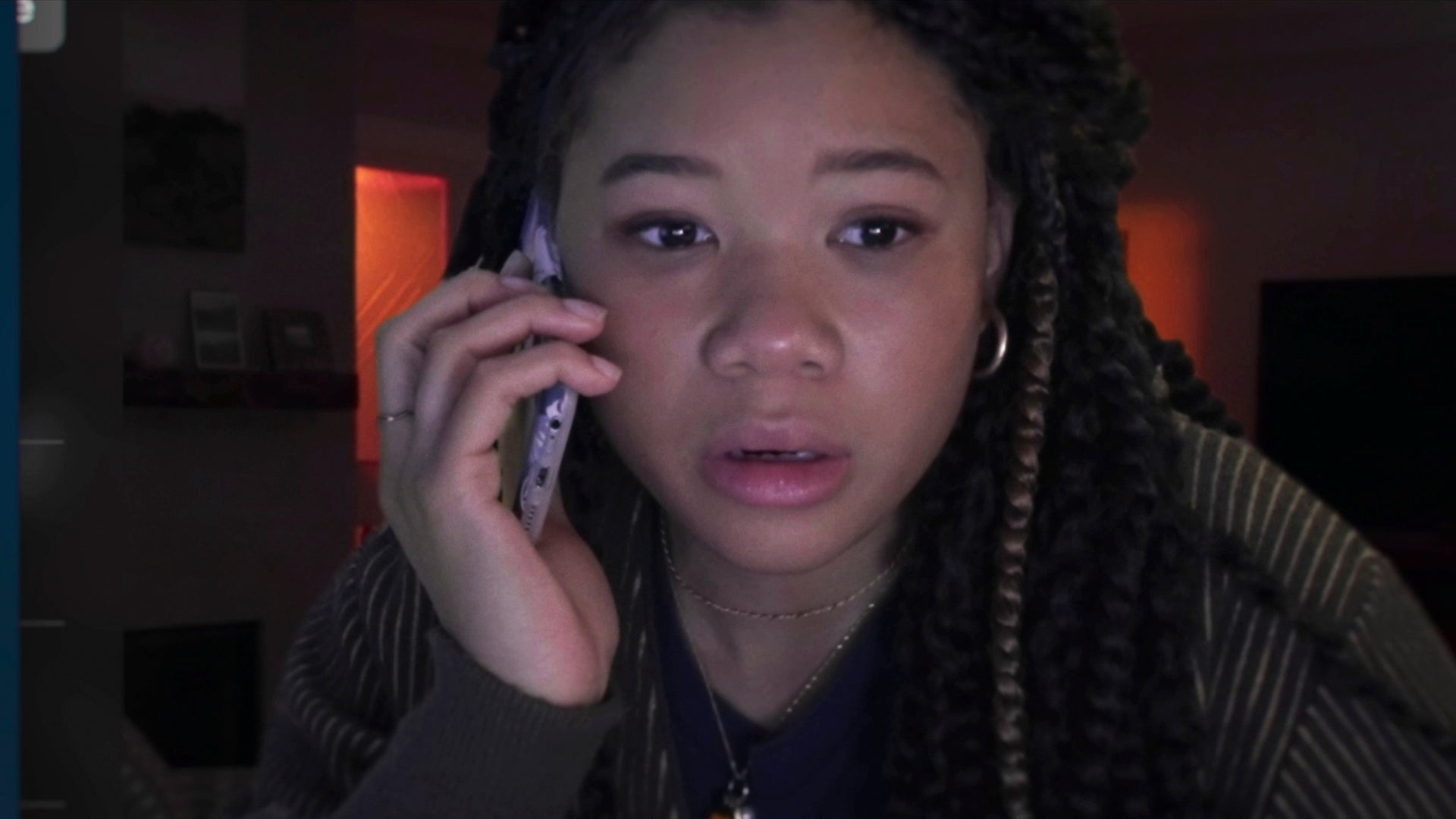
Missing was an opportunistic watch, since I saw it on my transatlantic flight to Ireland. I had my doubts that the screenlife storytelling that worked so well in Searching could support another mystery about an online missing person investigation, but this spiritual sequel manages to nail the same level of tension and intrigue, even if its gimmick strains realism a bit. Luckily, the gimmick is well-utilized, keeping the audience guessing throughout.
11. Lincoln (2012)
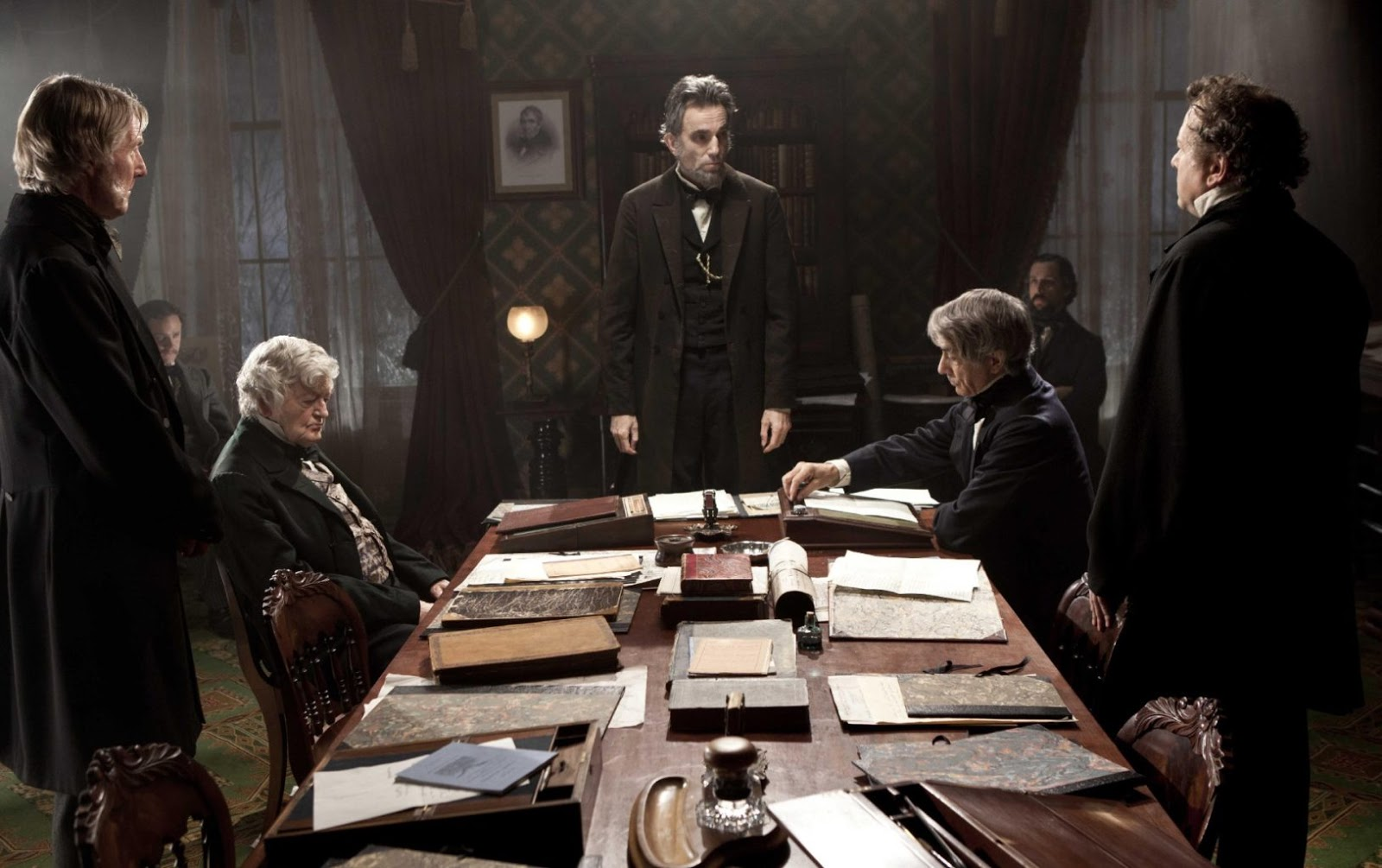
While I still have a few Blindspots to watch, I somehow made time for this Spielberg biopic that has long been on my shortlist of potential Blindspots. The fact that it didn’t quite rise to the level of being List-Worthy is by no means a knock on the film’s quality, since Daniel Day-Lewis’s Oscar-winning portrayal of Lincoln is everything I could have hoped. Dense with talky politics and strong performances, this film played into my love of Civil War history perfectly. Another viewing could raise it to List-Worthy, since Lincoln deserves every one of its accolades.
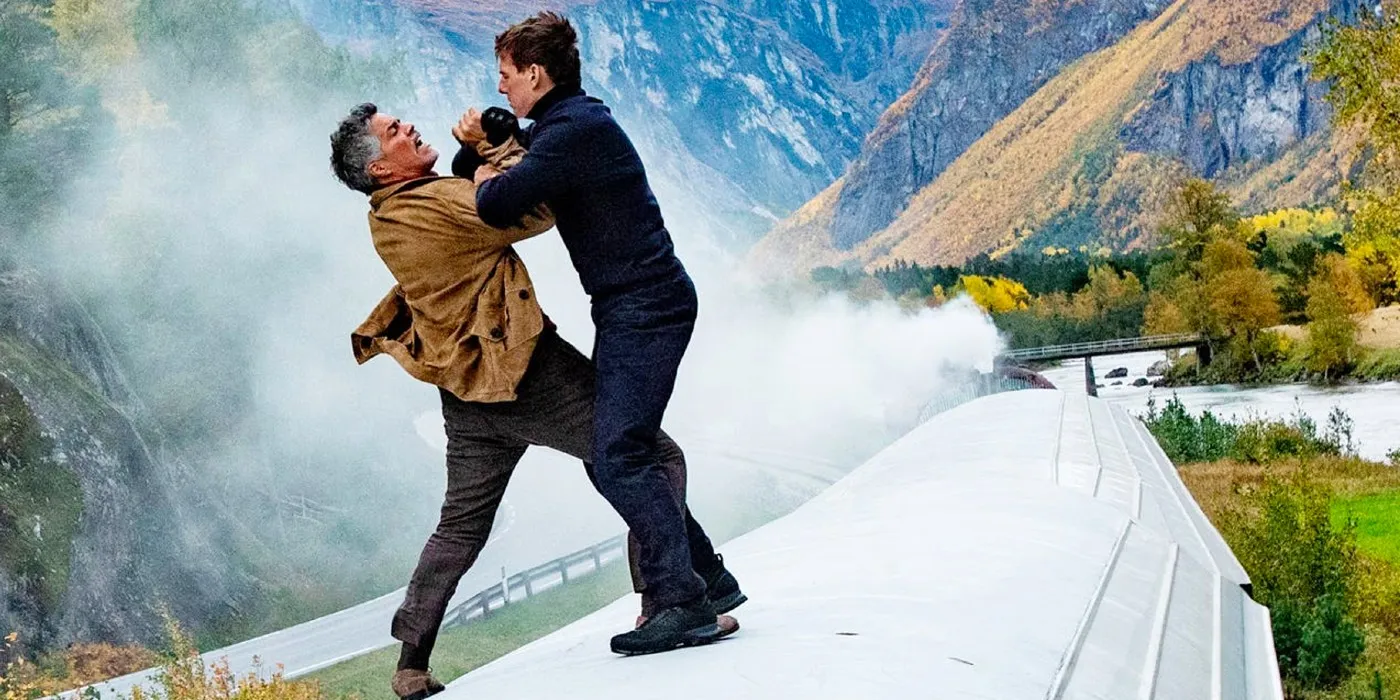
10. Mission Impossible: Dead Reckoning Part One (2023)
Viewed as a casualty of the busy summer movie season, Mission Impossible: Dead Reckoning may not have quite lived up to its predecessors at the box office, but this Tom Cruise series continues to go strong, staying timely with a rogue A.I. as its villain. While I have some qualms about how it trades out its female leads, Hayley Atwell is a welcome addition, and the thrills and set pieces never disappoint.
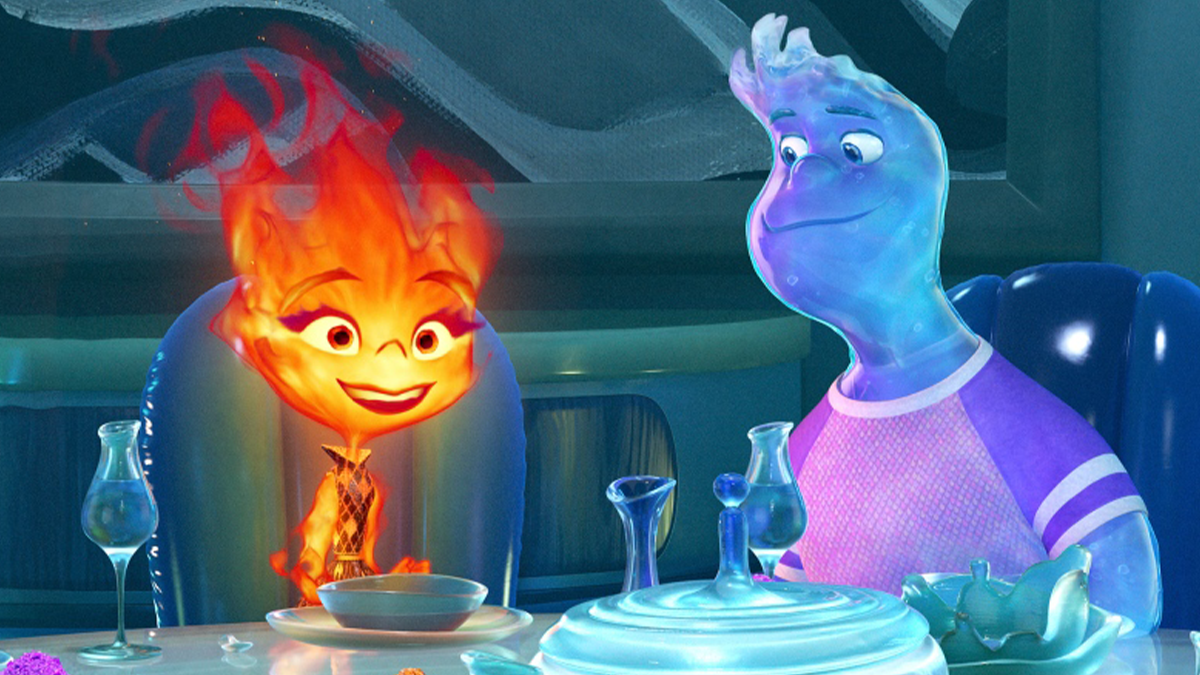
9. Elemental (2023)
A sleeper hit, Elemental proved that Pixar’s trademark world-building magic still lives on, this time in a universe of living fire, water, earth, and air elements. While romance has been present before in films like Up and WALL-E, this is the first time they’ve tackled the straightforward rom-com formula, and the result is a charming fable of attraction, prejudice, immigration, and family expectations, with wondrous animation to boot.
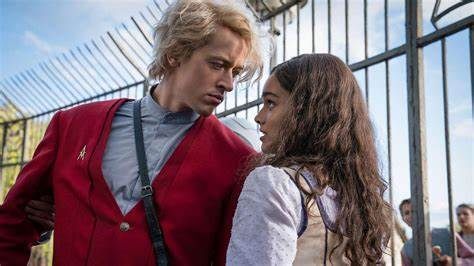
8. The Hunger Games: The Ballad of Songbirds and Snakes (2023)
While it was hardly a flop, I feel like I’m more positive toward this prequel than most. Focusing on the 10th Hunger Games, decades before the tale of Katniss and Peeta, this return to Panem is a riveting origin story for Coriolanus Snow, proving how even monsters can begin with good intentions. True, it’s rather long with a divisive lack of resolution, but I thought it recaptured the thrills and themes of the original series quite well.
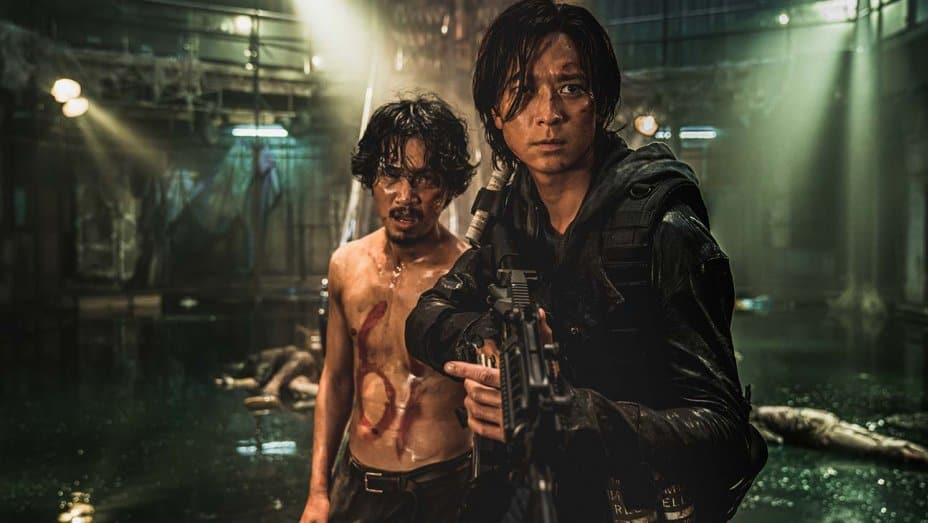
7. Peninsula (2020)
One of the several horror movies I didn’t get to reviewing this past Halloween, Peninsula once again subverts my general aversion to the zombie genre. Another film in the world of Train to Busan, this story expands the action from mid-apocalypse to post-apocalypse as a guilt-ridden thief-for-hire navigates a zombie-infested cityscape, and while it’s not as affecting as the original, it still delivers a pulse-pounding and ultimately satisfying redemption story.
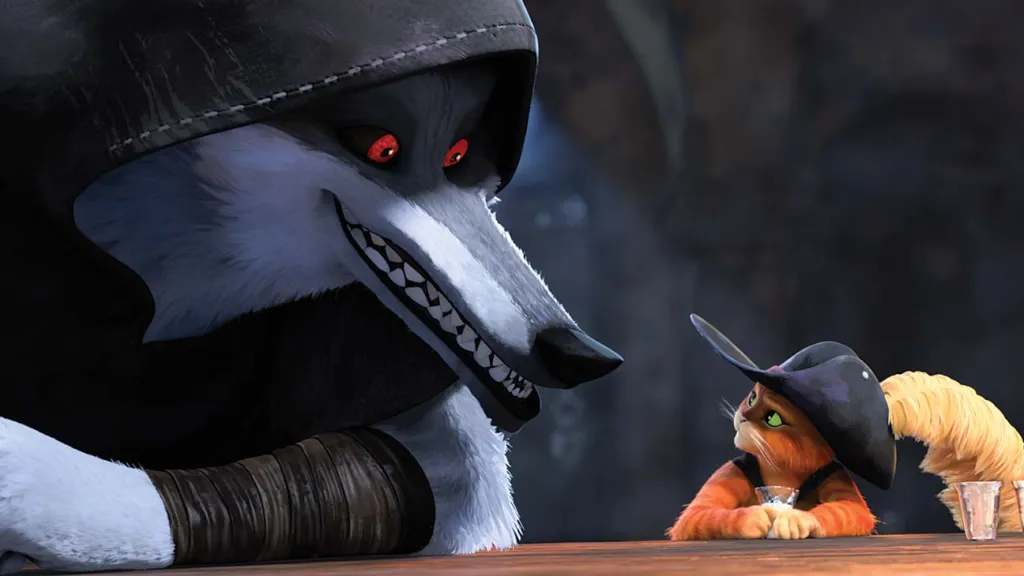
It’s not often that an animated sequel surpasses its original, but this second Puss in Boots film was a supremely entertaining return to form for a DreamWorks franchise I thought to be dead. Exploring mortality in a surprisingly nuanced way, this fantasy adventure had all the laughs and beautiful animation I could want, easily becoming the biggest surprise of the year.
5. Oppenheimer (2023)
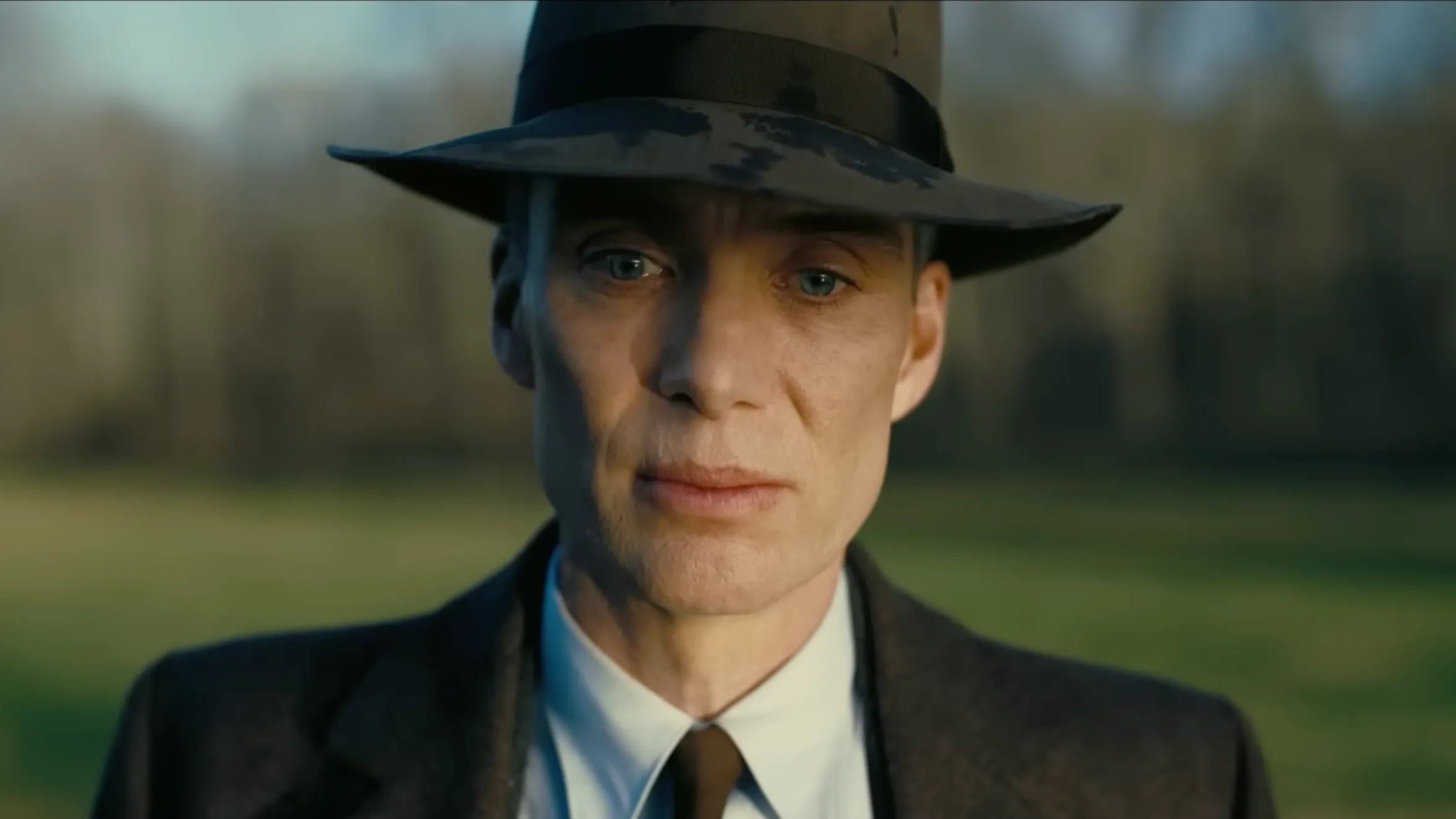
While I didn’t partake in the Barbie half of the Barbenheimer craze, I did go for the serious half, Christopher Nolan’s highly anticipated biopic about the father of the atomic bomb. Considering Nolan’s last film Tenetgot caught in its own logic, this was a return to form for Nolan, fashioning a mature puzzle box of a film that is as thought-provoking and well-acted as it is long, even without flashy action scenes. In a genre known for its cookie-cutter style, Nolan’s take on the biographical film is entirely his own.
4. The Color Purple (2023)
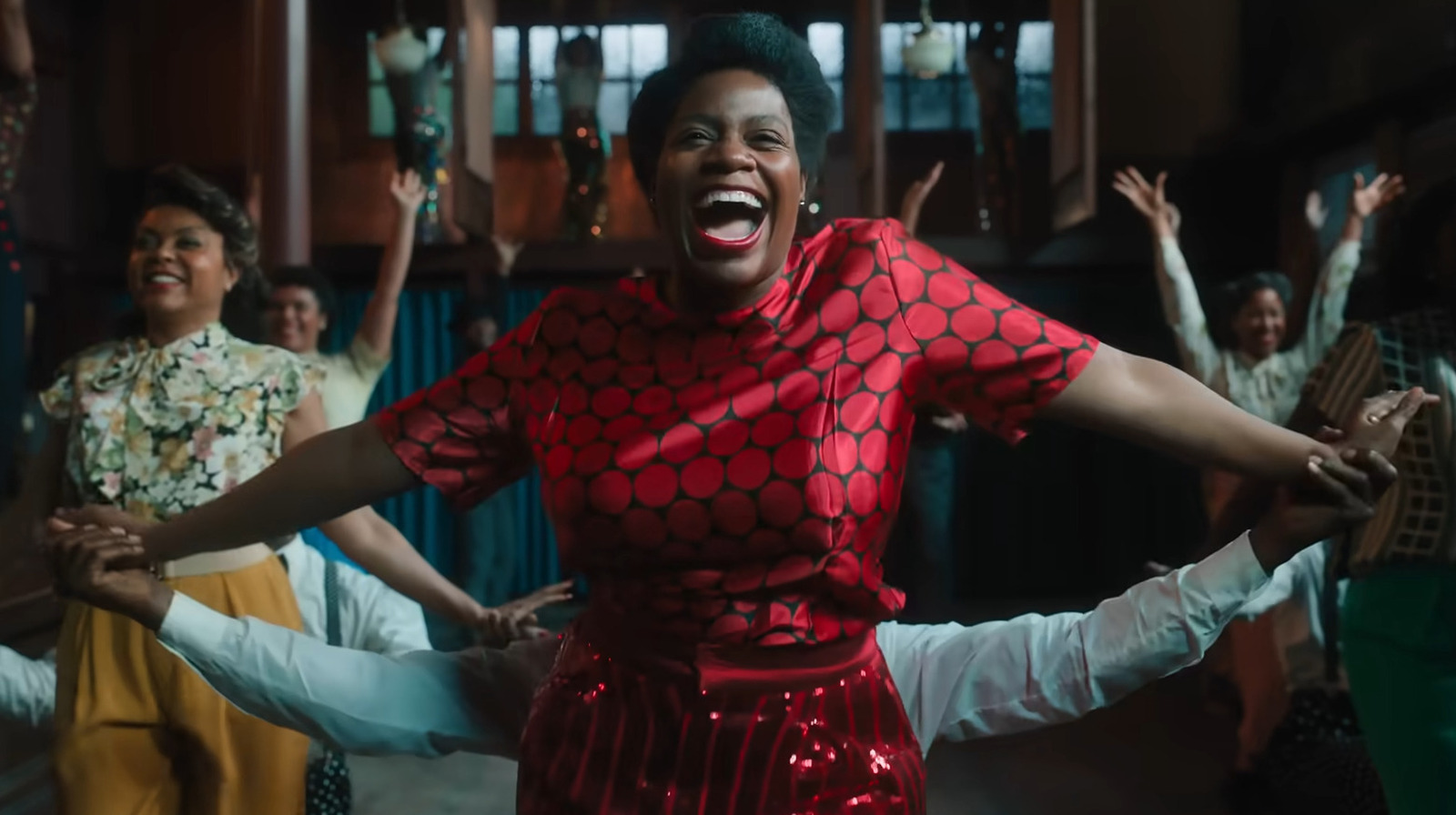
The last film I saw in 2023, this musical version of The Color Purple took a film to which I already had a strong emotional connection and gave it a brilliant Broadway treatment. While I think Spielberg’s original still edges it out, this new version hit all the notes it needed to and made me cry twice. And what can I say, if something makes me cry, I love it.
3. Spider-Man: Across the Spider-Verse (2023)
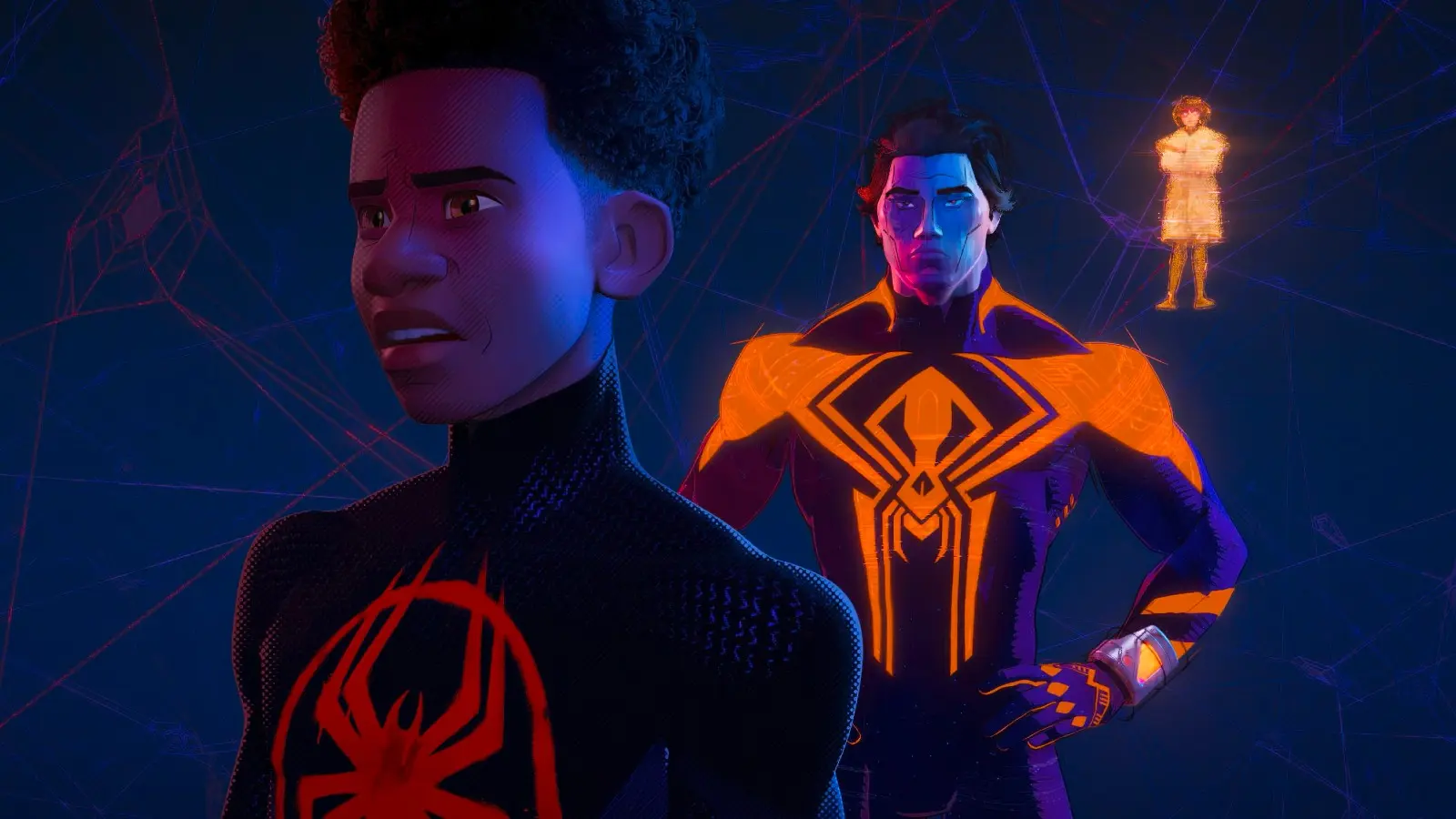
There isn’t much more I can add to all the accolades heaped upon the sequel to 2018’s Into the Spider-Verse, so I’ll just acknowledge that all of it is deserved. My full appreciation may depend on how well the finale in this trilogy sticks the landing, but as of now, Across the Spider-Verse built out Miles Morales’ world and beyond with expert nerdy craftsmanship, and I can’t wait to see where it goes next.
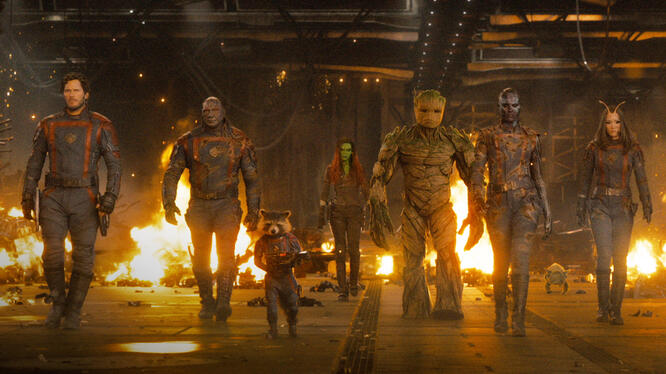
While the Marvel franchise had further struggles this year, James Gunn provided a crowd-pleasing hit to close out his tenure with Marvel and the Guardians. Milking pathos as well as nostalgia, this last hurrah for Star-Lord, Rocket, Drax, and the rest of the crew gave us one of the most hissable villains in recent memory, as well as one of the most feel-good conclusions.
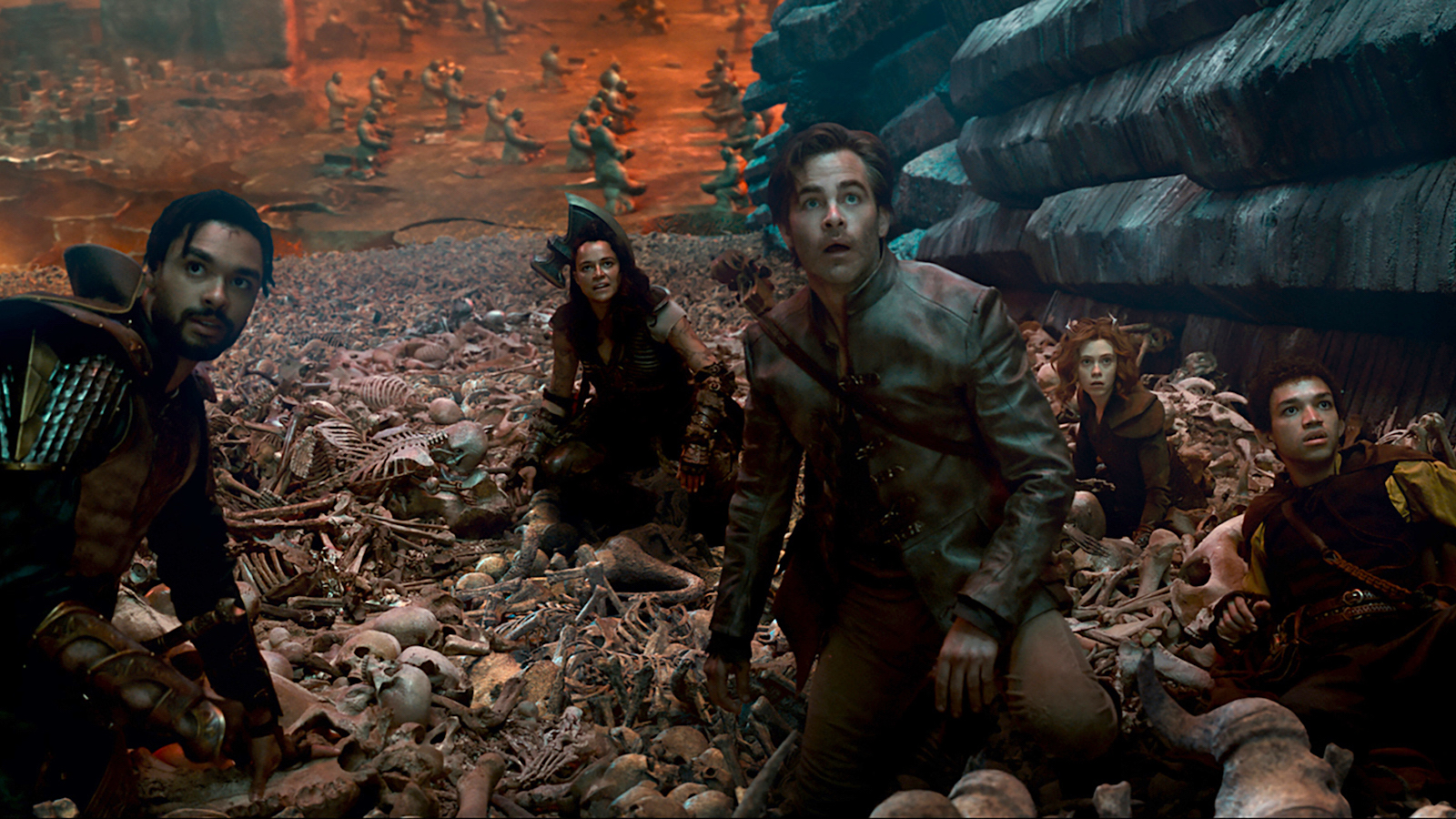
Tell me I’m not the only one who absolutely loved this movie! I don’t even play D&D, but I do love the fantasy genre, and Honor Among Thieves combined so many elements into a marvelously entertaining package that I instantly became a fan. Every character, every set piece, every inventive special effect, every joke that landed added to my enjoyment and made me wish it could spawn a franchise that would give me more. I love everything about it, which is a rare feat for any movie these days.
And that’s another blog year in the books. As always, here are my own unofficial awards for the year’s films:
Best opening scene: Indiana Jones and the Dial of Destiny
Best final scene: Guardians of the Galaxy Vol. 3
Coolest scene: Dungeons & Dragons: Honor Among Thieves (the shapeshifting chase scene)
Biggest emotional impact: The Color Purple
Oldest film: Lincoln(2012)
Most recent film: The Color Purple(2023)
Longest film: Oppenheimer (180 minutes)
Shortest film: Elemental(101 minutes)
Best soundtrack: Guardians of the Galaxy Vol. 3 (hey, it has both Rainbow and Florence)
Best score: Oppenheimer
Best special effects: Guardians of the Galaxy Vol. 3
Most mind-bending: Spider-Man: Across the Spider-Verse
Most family-friendly: Puss in Boots: The Last Wish
Most mature: Oppenheimer
Funniest: Dungeons & Dragons: Honor Among Thieves
Scariest: Peninsula
Best male performance: TIE: Cillian Murphy in Oppenheimer and Daniel Day-Lewis in Lincoln
Best female performance: Danielle Brooks in The Color Purple
So there you have it. Not as much representation from films outside of 2023 as in the past, but the last year has definitely provided some winners. I want to thank everyone who has read, liked, commented, or followed in the past year, despite my waning activity. I still want to continue with this blog as a creative outlet for as long as I can, and I do have some lists in mind for the months ahead to celebrate my 10th year of blogging in earnest. Thank you all, and I wish everybody a Happy New Year and a blessed 2024!
At the turning of the centuries, Though no one knew it then, A babe was born to save the world, Incarnate God. Amen!
But surely you have heard all this; By now it might be trite, The midnight clear, the first Noel, That timeworn silent night.
It’s easy for familiar truths, Traditions every year, To not have quite the gleam they bore When times were more sincere.
Perhaps we may have changed with time, But truths stand hard and fast. Traditions, like God’s promises, Are comfort, for they last.
Although we know them all by heart, We need reminding still, That what the carols advertise Rings true and always will. ____________________________
MPA rating: PG
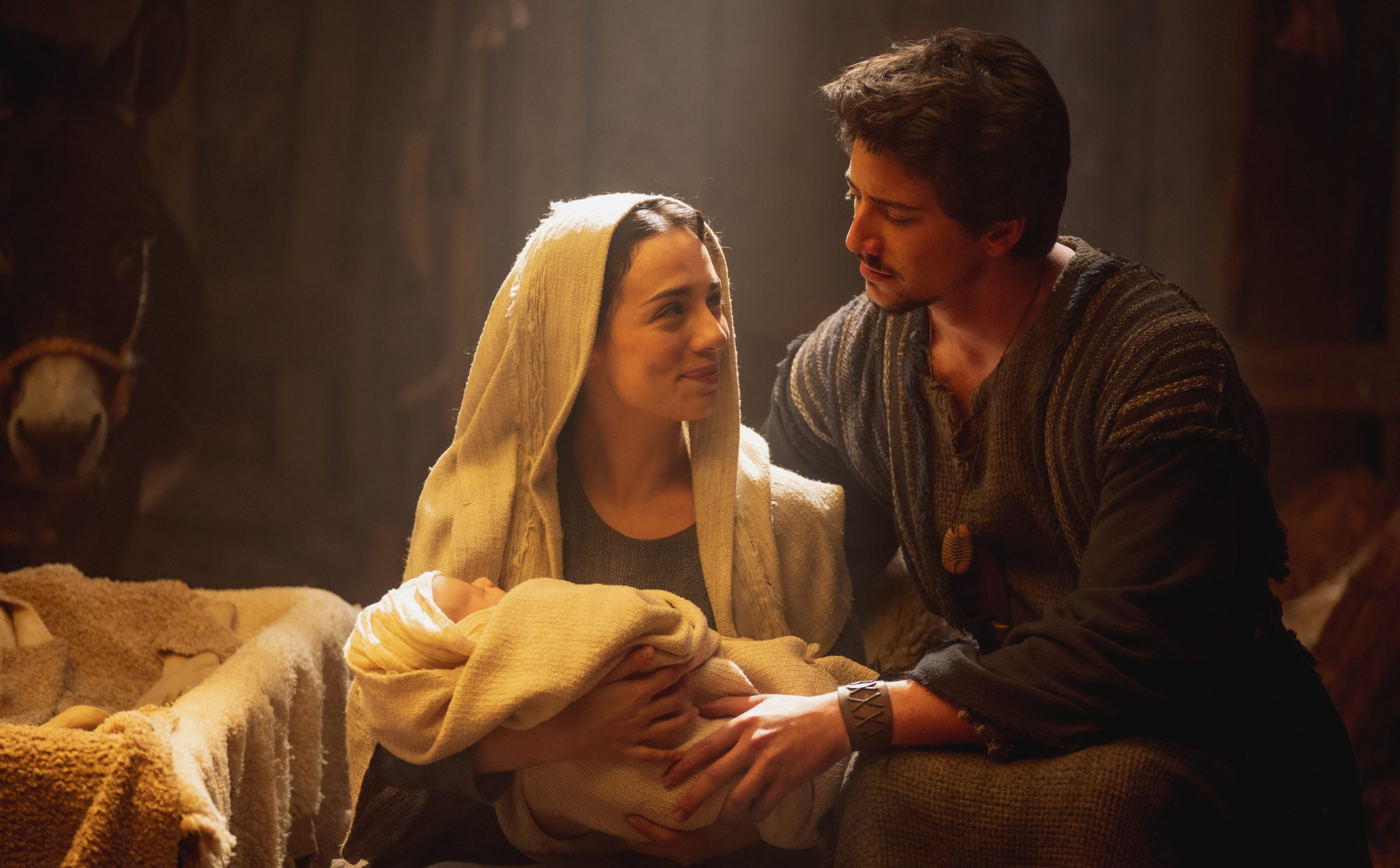
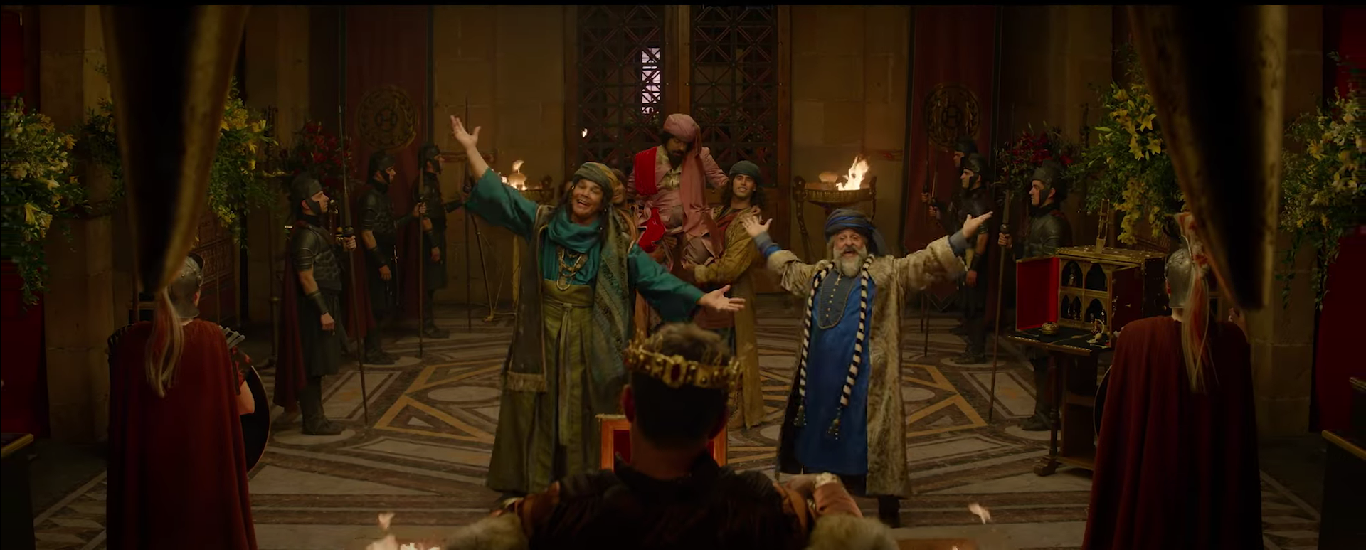
To complete this trilogy of musical posts, here’s a more recent release from this year. I feel like someone, assumedly director and songwriter Adam Anders, watched The Nativity Story and thought to himself, “This would be even better as a musical” and then made it so. Journey to Bethlehem takes the well-trodden Biblical story of Jesus’ birth and injects a pop-music sensibility that both adds entertainment value while also slightly watering it down.
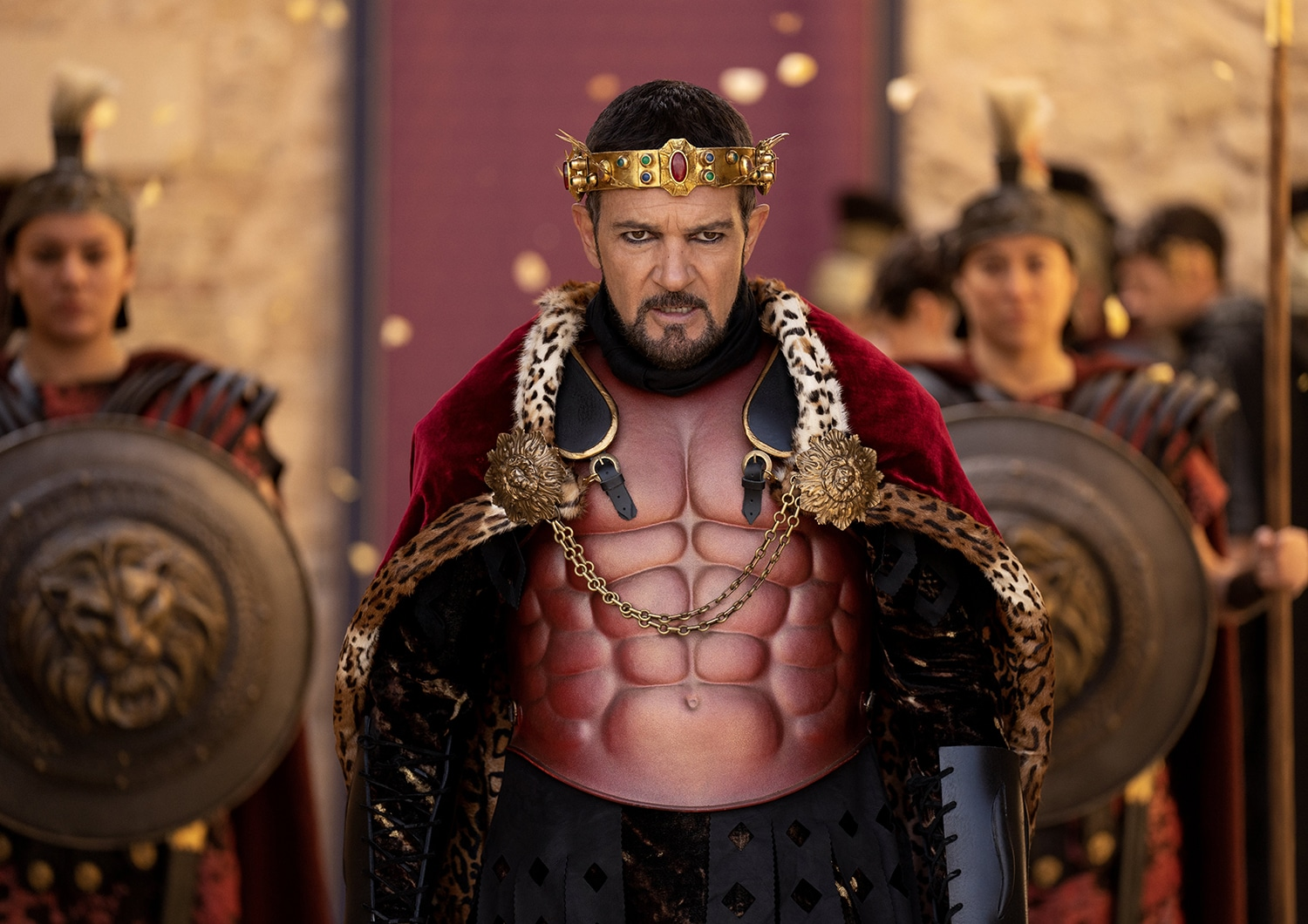
From the second song, in which Mary is bemoaning her expected role of marrying someone she’s never met, I thought that this was like the High School Musical version of the Christmas story, so I felt vindicated when I read that Anders co-wrote the script with Peter Barsocchini, who also wrote all three HSM movies (of which I remain a fan). So the character types and conflicts are all too familiar, yet the actors make the most of them, with Fiona Palomo as Mary and Milo Manheim (a recent Disney star from the Zombies franchise) as Joseph having an easy chemistry and excellent songs both together and solo. The soundtrack delivers on many levels, some better than others, but highlights include the opening title song and “Mother to a Savior and King,” which explores Mary’s own self-doubt. And I mustn’t forget Antonio Banderas as King Herod, who seems to be having fun mugging through his one song “Good to Be King.”
The plot of Journey to Bethlehem was clearly tweaked from the Biblical record to add peril to the climax and to better space out the musical numbers, so I can understand the decisions on a pure story basis. Yet it felt at times like I was trying to keep track of how many deviations there were from the established narrative. In this film, Herod tries to ignore Rome’s census order but is persuaded to use it solely as a means to find the mother of the foretold Messiah, leading to several close calls where it’s assumed Mary would be immediately recognized as such if she were to be caught. It was also surprising to give a redemption arc to Herod’s son Antipater (Joel Smallbone of the band For King and Country), who gets one of the best songs as well.
Likewise, the wise men, here a trio of bickering comic relief figures (Rizwan Manji, Geno Segers, Omid Djalili), come to Herod even before the census or Jesus’ birth and then leave for Bethlehem (which isn’t far from Jerusalem) to hang out with the shepherds for months perhaps so that they also are witnesses to the heavenly angel chorus. Plus, there are odd omissions, like the absence of Mary’s acceptance of the role declared by Gabriel (Christian rapper Lecrae) during the Annunciation scene or the inclusion of Zechariah’s muteness without any subsequent depiction of his son’s birth.
Yet for all the little things that nagged at me, Journey to Bethlehem is still an entertaining Christmas film, and I never got the sense that the changes were intentionally trying to subvert or undermine the meaning behind the story, which is refreshing. It also boasts impressive costumes and choreography that are far better than they would have been if this were made ten or fifteen years ago. It’s proof of how far Christian films have come. While I’m not quite sure if this movie rises to the level of a perennial classic to watch every Christmas, it’s still a laudable version of the Nativity with a soundtrack that deserves appreciation even outside its target audience.
Have you heard? Have you heard? There are rumors running rampant. Have you heard that there’s a murderer whose killing is undampened By the increase in policemen Or the neighborhood’s unease? There’s a chance he could be anyone the average person sees.
No immunity for anyone From danger or suspicion. There’s a liar in our midst who lacks the basest inhibition. Could be him. Could be her. I won’t sleep until we know. Though even when they’re caught, I fear the fear may not let go. _______________________
Rating: TV-14 (equates to PG-13)
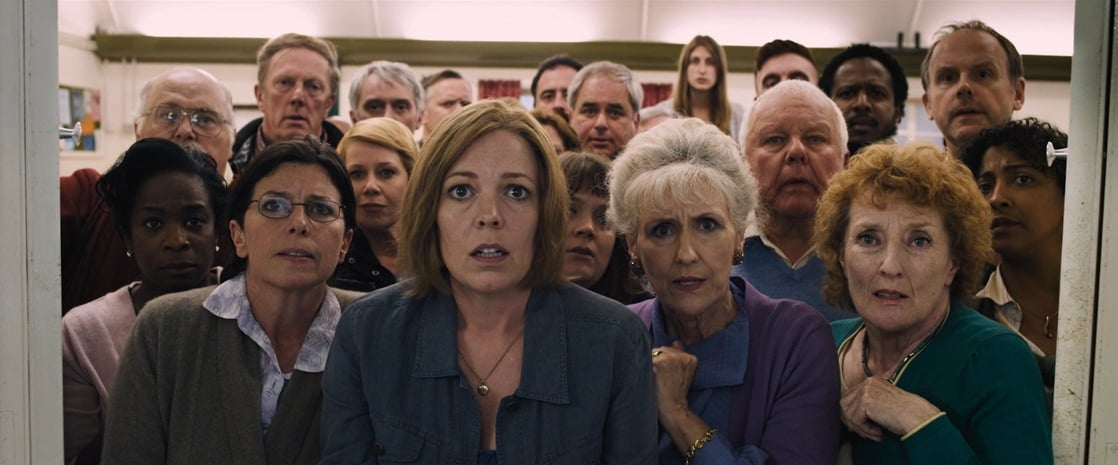
It’s no secret that I love musicals. I just said so in my last post. But that doesn’t mean I love all musicals by default; they have to earn it. An example of that love not coming easily is London Road, a 2015 drama based on a stage musical about the 2006 serial murders by the Suffolk Strangler, or rather about their impact on the surrounding Ipswich neighborhood. With the concept of a murder mystery musical and featuring actors like Olivia Coleman and Tom Hardy, I added the film to my Blindspot list with little other knowledge about it.
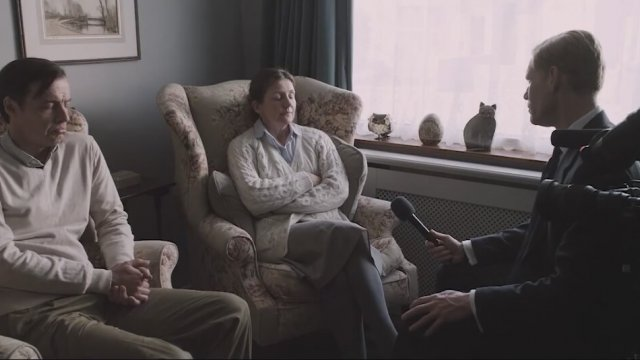
The locals of Ipswich were interviewed at the time about their fears and concerns about the murders, as were the sex workers being targeted by the killer, and the songs use this verbatim testimony as lyrics. Thus, all of the songs sound like real people speaking normally, complete with “um”s and “yeah”s and pauses that go with such realism. However, to make these interviews work as songs, there is quite a bit of repetition involved, hammering in less-than-eloquent points like “it’s ‘orrible, idn’t it, eh?” and “begonias and petunias and, um, impatiens and things.” Plus, this repetition is mostly done through talking along with the tune rather than actual singing, so if you thought Tom Hardy couldn’t sing, this won’t prove you wrong. The film’s cinematography tries to inject some visual interest into the musical numbers, but the lyric style largely yields rather dull songs that feel much longer than they are.
And yet I still rather appreciate London Road as an experiment, one that isn’t quite successful but still effective in its own way. It immortalizes these seemingly mundane conversations and frames them in a way that reflects how the community as a whole responds to tragedy, from doubt and fear to a desire for better things beyond. I probably wouldn’t listen to the songs on their own, but they often begin with that awkward talk-singing and actually do sound nice by the end as voices overlap amid violin or synthesizer. It’s highly unique, and I credit the inventiveness of the original play’s creators (Alecky Blythe and Adam Cork), as well as the producers of the film version for adapting a story Americans like me might not otherwise have been able to see on stage.
The question has haunted mankind like a ghost: Can somebody honestly change? It seems that by thirty or forty at most, They’re set in their ways The way furniture stays, The kind you don’t sell but at best rearrange.
And yet we hear tales of how others transform, The hackneyed morality plays. But those are anomalies, far from the norm, For wishers and dopes Who need fuel for their hopes That common unkindness is only a phase.
But Grinches and Scrooges are likely short-term: No heart changes shape when it melts. You can’t shake foundations; they’re simply too firm. It’s nice to believe, But let’s not be naïve. If I don’t plan to change, why should anyone else? __________________________
MPA rating: PG-13
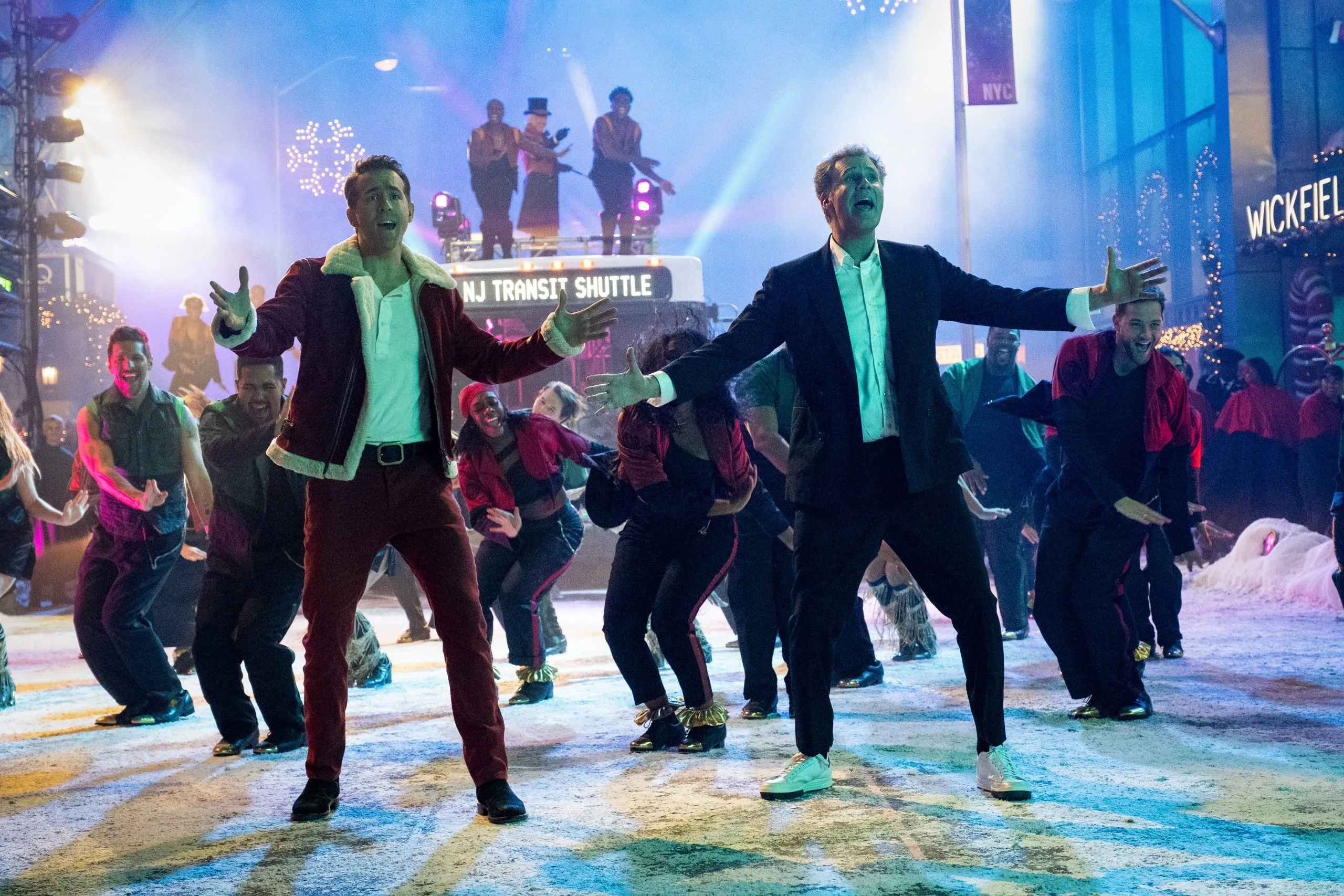
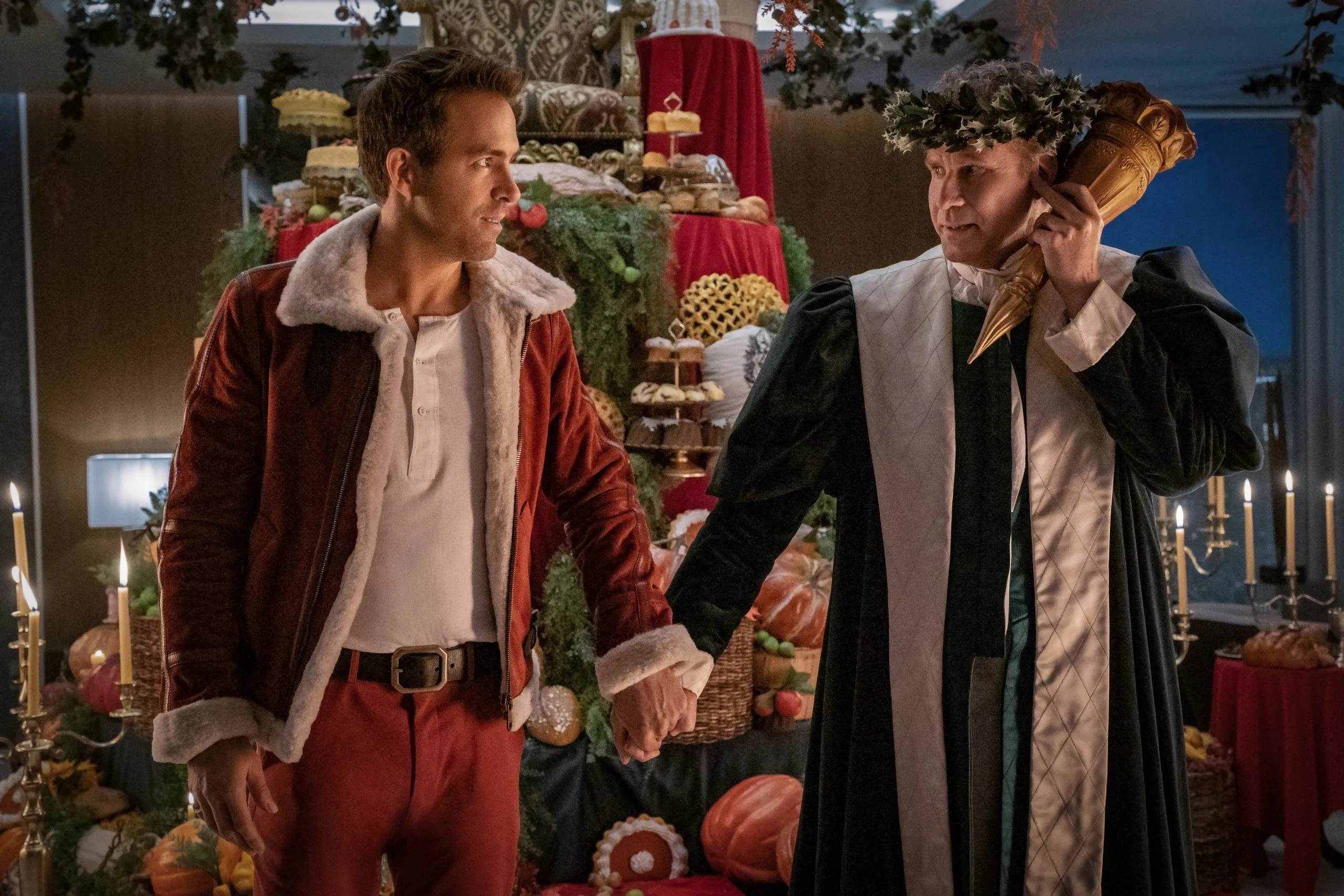
I have long wished that there were more original movie musicals. Rather than waiting for stage musicals to become popular enough to warrant film adaptations, I think there are stories that are better served by getting the movie treatment up front, and Pasek and Paul are leading the way. The Greatest Showman was a mainstream hit, but it seemed like last year’s Spirited didn’t get nearly as much buzz; plus, being an Apple TV+ exclusive means it sadly won’t get the usual annual holiday reruns either. So it seemed only right that I do my own small part to promote this modern retelling of A Christmas Carol, mixed in with meta Scrooged-style comedy milking the chemistry of stars Will Ferrell and Ryan Reynolds.
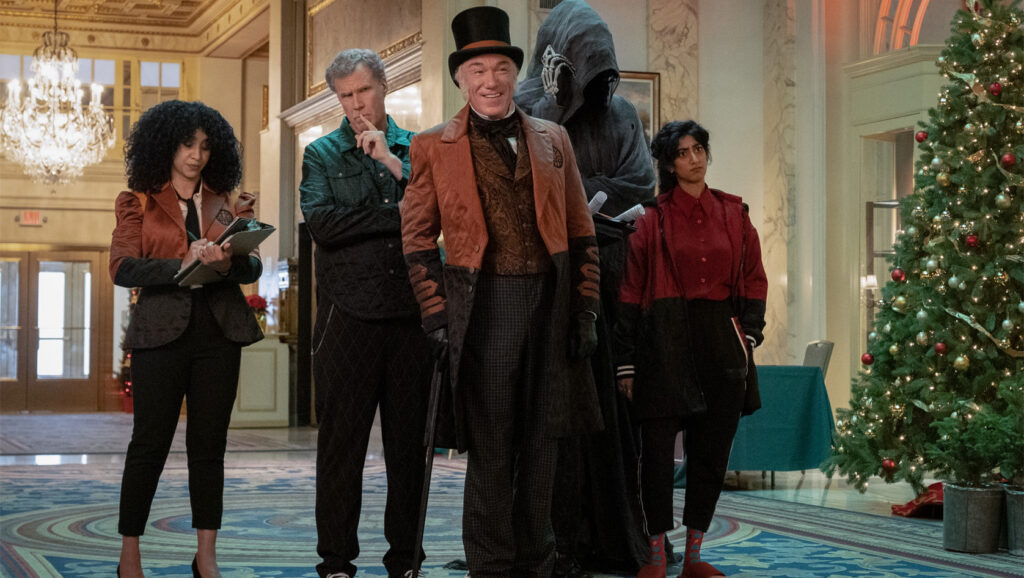
The twist to this version of the oft-oft-oft-adapted Dickens story is that it is from the ghosts’ perspective, turning the ghost quartet who once haunted Scrooge into a multi-generational corporation where the dead create personalized illusions to improve one terrible person each Christmas. The current Ghost of Christmas Present (Ferrell) is torn about just how much good they’re doing with these individual redemptions but finds a challenge in the form of cynical media manipulator Clint Briggs (Reynolds). While the supposedly “unredeemable” Clint insists he’s too savvy to undergo the usual moral awakening, both he and his ghostly guide must grapple with just how much someone can change.
Where Spirited shines most is what every musical strives for: fantastic musical numbers. Between the upbeat earworms of Pasek and Paul and the stunningly energetic choreography by Chloe Arnold, the big dance numbers go hard. There are good smaller songs too, but when they aim for a Broadway-level showstopper, every single one succeeds, making it truly mind-boggling to me that the soundtrack got no awards attention at all. I was glad when RRR’s “Naatu Naatu” won the Oscar for Best Original Song, but it’s a little galling when this film’s “Good Afternoon” or “Do a Little Good” are better than any of the other nominees. My personal favorite is “Ripple,” which was cut from the film itself (likely for time) but was clearly too good to not include and was thankfully added to the end credits.
As for the rest of the film, it’s a likable redemption story that doesn’t play out quite as predictably as the usual Christmas Carol adaptation. Ferrell’s Ghost of Christmas Present is the film’s heart as he showcases how the hardest person to forgive is oneself, while Reynolds’ Clint fits comfortably into his lovable jerk mold, wielding his self-proclaimed knowledge of human nature to stoke conflict and cancel culture without ever noticing the aftermath. I’ve never been a fan of either actor’s brand of comedy, but, while there are still moments here that don’t always land for me, I’d consider this some of their best work. This is especially because of how well they stretch their musical chops, despite not having much experience with song and dance, the same being true for Octavia Spencer as Clint’s self-loathing employee. The entire cast does a great job, from Broadway heavyweight Patrick Page as Jacob Marley to Sunita Mani and the voice of Tracy Morgan as the other two Christmas ghosts.
Spirited would be a good film with just its plot, but the music puts it into instant classic territory in my book and a film I plan to make part of my annual Christmas movie schedule. It can seem a bit overlong and overwhelming at times, but I enjoyed my second watch this year more than I did last year, when I added it to my top 365 list and then never reviewed it. If a movie can poke holes in cynicism, promote the idea that anyone can change for the better, and make me dance and sing along, that’s my kind of movie.
Best line: (Ferrell’s Ghost of Christmas Present, to a party guest dressed like Buddy the Elf) “You look stupid.”