
(Today’s NaPoWriMo prompt was for a poem about loving something dull, so I gave it a bit of a deranged spin, courtesy of Norman Bates.)
 It’s just a wig, a ratty thing,
Gray from age and gray from dust,
And yet I cannot help but cling
To something I distrust.
It was my mother’s once, you know;
A hoary halo round her head,
And now no matter where I go,
I see it even though she’s dead.
To keep it still makes her feel close.
Morbid maybe? Yes, it’s true.
But I’m a quite obliging host,
And when I don it out of view…
Hello, Mother, how are you?
______________________________
MPAA rating: R (stronger language and violence than the original, plus brief nudity)
For those who may think that Hollywood’s resurrection of decades-old franchises for the sake of a sequel no one asked for was a recent trend, I will simply point to Psycho II, released 23 years after Hitchcock’s original (not to mention Psycho III three years later and Psycho IV four years after that). I think that the ’80s really kicked off the horror course of endless sequels, and Psycho was just one of many to get that treatment. While this long-delayed follow-up doesn’t compare with Hitchcock’s masterpiece, it’s a tight little slasher mystery in its own right.
Twenty-two years after the events of Psycho, Norman Bates (Anthony Perkins reprising the role) is supposedly rehabilitated and released from an insane asylum, much to the chagrin of Lila Loomis (Vera Drake), who still despises Bates for the murder of her sister Marion Crane. Getting a job at a nearby diner, Norman returns to his motel and the house from the first film, but after befriending a beautiful young coworker (Meg Tilly), he finds himself struggling with his sanity, especially as the body count mysteriously rises.
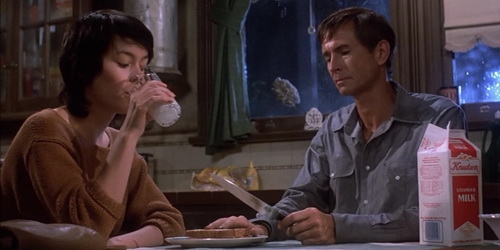
Psycho II really tries to humanize Norman, making him sympathetic as he wonders whether he can trust his own mind, and Anthony Perkins manages it better than any actor taking his place could have. The mystery of Psycho has become too ingrained in pop culture for it to have much shock value anymore, but Psycho II keeps the characters and audience guessing what’s real and what’s psychosis. I’m rather disappointed in how one character is changed for the sake of the plot, right down to the gruesome way they’re dispatched. Otherwise, though, the mystery has decent twists and performances and even a little dark humor, making Psycho II better than I would expect from a film cashing in on Hitchcock’s legacy.
Best line: (Norman) “Well, I’ll tell you. When I was little, I had a fight with my mother, so I put some poison in her tea, you know. But I’m all right now.”
(Mary) “You sure?”
(Norman) “Sure! Otherwise, they wouldn’t give me a job at a diner, would they?”
(Mary) “I don’t know; it takes a nut to work there.”
Rank: Honorable Mention
© 2019 S.G. Liput
624 Followers and Counting


/cdn.vox-cdn.com/uploads/chorus_image/image/58410171/search_cropped.0.jpg)


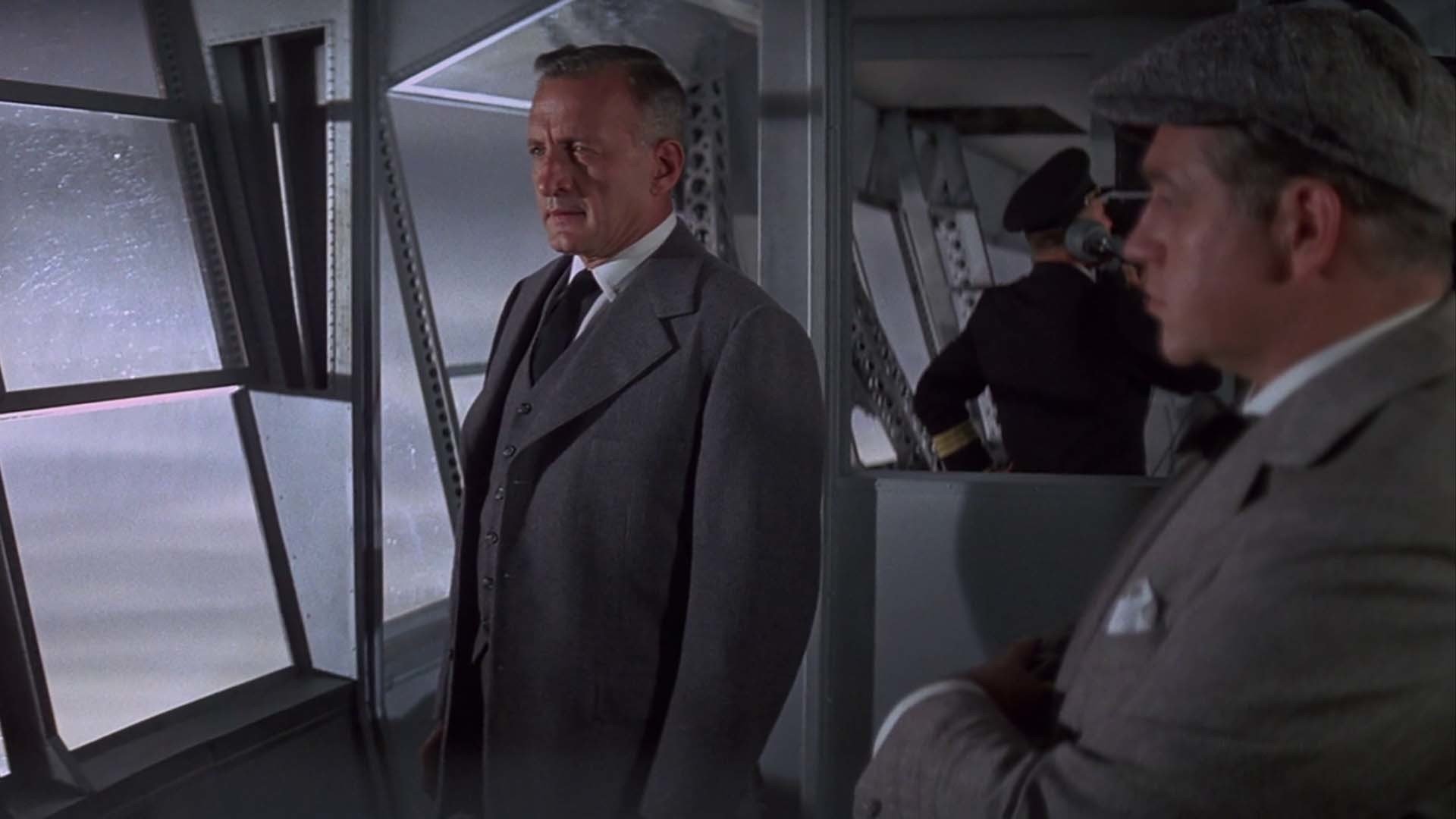






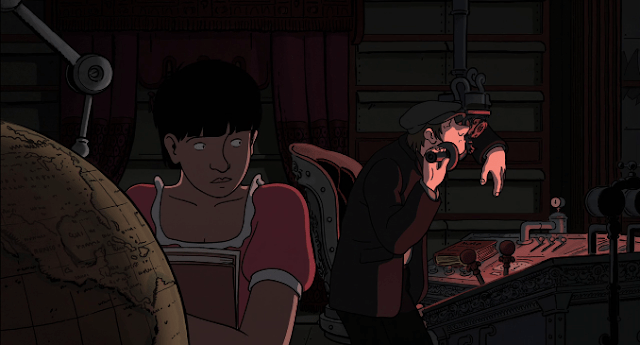 A French-Belgian-Canadian co-production, April and the Extraordinary World is one of the most imaginative films I’ve seen in a while, broadly rewriting history to create a unique steampunk setting, one in which science and technology couldn’t develop beyond the Steam Age. Vegetation has been decimated by fuel needs, and the air is thick with industrial smoke, while the scientists that could improve things have vanished without a trace. After a fast-paced introduction in which everything is significant, we meet April Franklin (Marion Cotillard in the French version, Angela Galuppo in the English dub) and her brilliant family of fugitive scientists. Due to events best seen rather than described, April grows up alone with only her talking cat Darwin (a product of SCIENCE!), and her chemist’s quest for an immortality serum soon turns into a whirlwind adventure as the French government and a mysterious group with advanced technology vie for the scientific secrets of her family.
 While the imagination is impressive, I could still recognize prior influences for April, most notably 2004’s Steamboy, another steampunk adventure featuring a young protagonist caught in the middle of a scientific power struggle with a similarly explosive ending. Plus, it’s hard to avoid comparisons to Ghibli when there’s an actual house atop mechanized legs á la
  Rhyme and Reason