
Every girl and every boy
Has Sadness, Anger, Fear, and Joy
(Disgust as well) within their minds
To guide them through their days.
They form and file memories,
And inside Riley, all of these
Are touched by Joy, who always finds
The silver lining’s rays.
Though Joy insists on keeping her
As happy as they always were,
A touch of Sadness now in spots
May not be such a shame.
When Riley moves against her will,
And Sadness starts her off downhill,
The world of Riley’s inner thoughts
Will never be the same.
_____________________
While other people have been eagerly awaiting adult fare like Jurassic World, Mad Max: Fury Road, and Batman vs. Superman, I’ve been looking forward to Inside Out, hoping that it would be a return to the Pixar excellence to which moviegoers had become accustomed. I’m happy to say, it is. I’m trying to not let other critics’ positive reviews color my opinion, but I really am thrilled that Pixar has bounced back from the good-not-great status of Brave and the disappointment of Cars 2.
A movie about personified emotions in the control center of the mind—as original as it sounds, there have been similar concepts before, like the nearly forgotten ‘90s sitcom Herman’s Head, but whereas such ideas are usually reserved for comedy, Inside Out delves deeper, putting the emotion in emotional. Within the head of 12-year-old Riley Anderson, all her emotions work together most of the time—Joy (Amy Poehler), Sadness (Phyllis Smith), Anger (Lewis Black), Disgust (Mindy Kaling), and Fear (Bill Hader, in full Flint Lockwood mode)—and everyone but Sadness has a clearly defined role to play in guiding Riley’s actions. While this cast could have been one-note, epitomizing singular, often negative feelings, they all contribute to Riley’s personality and work well as characters due to their concern for her overall well-being (despite some poor decisions), not to mention the wisely chosen voice cast (many of which hail from Saturday Night Live or The Office).
While Riley’s external world involves a tempestuous move from Minnesota to San Francisco, her inner world endures even more distressing changes, worsened by the separation of leader Joy and downer Sadness from their psychological Headquarters. Having included too many spoilers in my past reviews, I want to tread lightly with this one and leave the film’s full impact for the fresh viewer. Suffice to say, Inside Out is a journey through the psyche that casual viewers can enjoy on the surface and analysts can pick apart to find ever more engaging layers of nuance and symbolism underneath.
When I first heard the film’s concept, I was a bit perplexed by the choice of five emotions because not every experience or feeling is so clear-cut. Yet children’s emotions are far simpler and more distinct than those of adults; the filmmakers know this well and use this very fact as the driving conflict in the film (there is no villain), since Riley is in the formative years of young adulthood. What is the cause of children suddenly needing “alone time” or deriving more frustration than enjoyment from past pleasures? How would mood swings, depression, dreams, or sarcasm be visualized in this uniquely Pixar mindscape? The film’s explanations for questions like these are eye-opening, as is the role of multiple emotions in shaping our deepest memories and impressions, yet much of it is metaphorical, implicit, and never heavy-handed in its interpretation. Here’s an example of one of the many questions prompted by the film’s themes: While certain crises seem cataclysmic at the time, perhaps these tragedies are merely an inevitable step toward maturity, though they’re no less regrettable. You’ll understand when you see it.
Compared with Pixar’s other classics, Inside Out can hold its ground with favorites like Ratatouille, Up, and Monsters, Inc. (the latter two also directed by Pete Docter), and even if the film doesn’t quite reach the heights of The Incredibles or Finding Nemo, it has the potential to grow in stature with further viewing. I already love it more now than right after I saw it. The animation is a modern marvel, such as the energy-infused substance of the emotions’ bodies and the orb-filled labyrinth of Long-Term Memory. One random danger in particular seemed like an excuse for the animators to indulge in some visual fun, despite the fact that no kid will understand its cerebral implications. (I’m not sure I do.) Inside Out may not be Pixar’s funniest adventure, but there are still quite a few laugh-out-loud moments and imaginative silliness, such as a few unexpected movie references and the way that seemingly random gags come together ingeniously during the climax. It’s a stunning balance of humor, head, and heart.
As many critics have stated, there’s also a good deal of poignancy, particularly for parents recalling their children’s childhoods. While I don’t fit that category, I admire the presence of a close nuclear family and was still touched deeply by a certain selfless act toward the end. I have a long and storied history of crying at animated movies, from Tarzan to Brother Bear, but few films can extract a tear from me anymore. Inside Out did, and that made it a special experience for me. After watching the film, I was left with the pensive, bittersweet glow of a film worth seeing many more times. My Joy and Sadness must have been holding hands. Thank you, Pixar. It’s good to have you back in force.
Best line: (Fear) “We didn’t die today; I call that an unqualified success!”
Rank: List-Worthy
© 2015 S. G. Liput
323 Followers and Counting


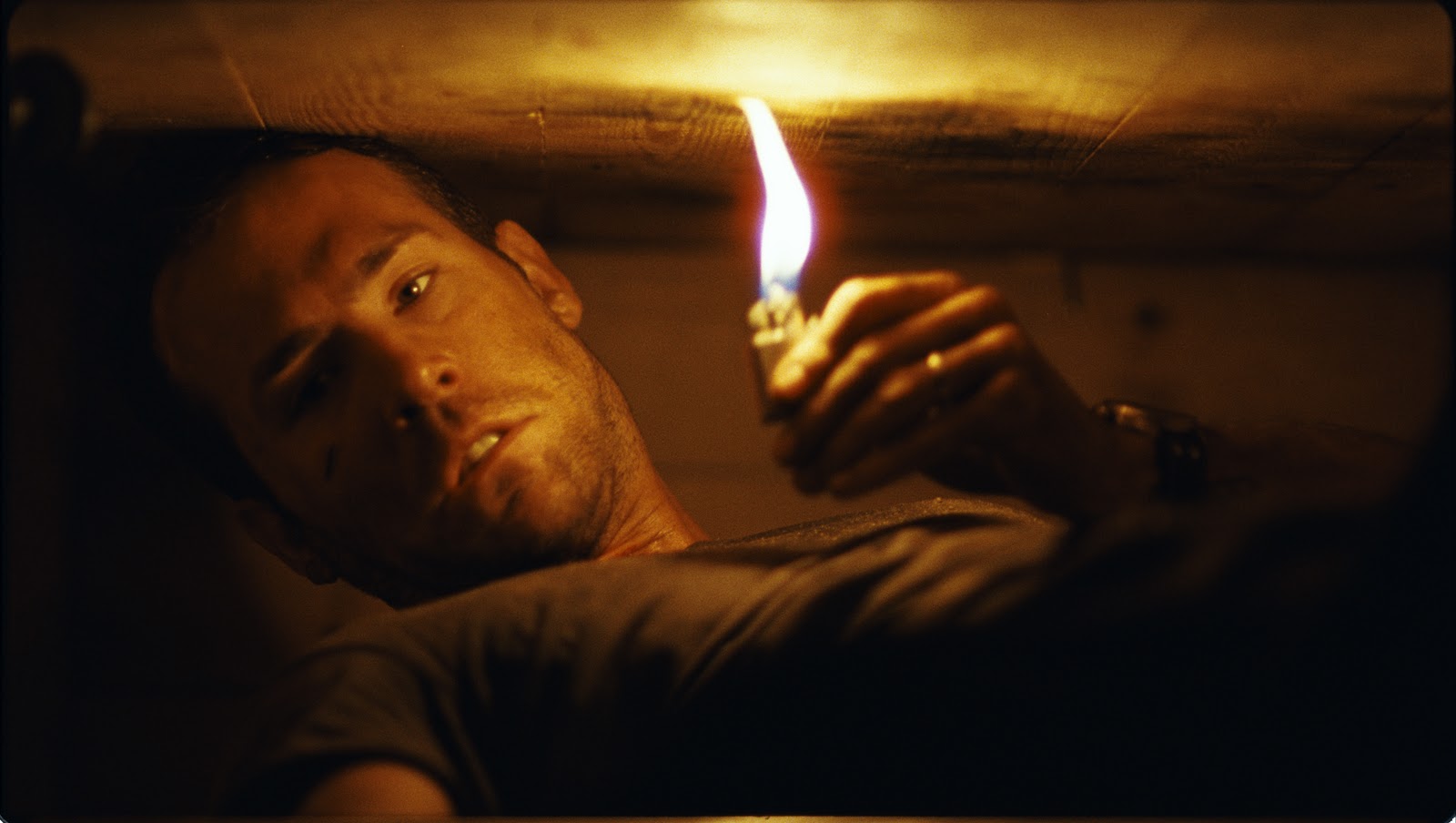
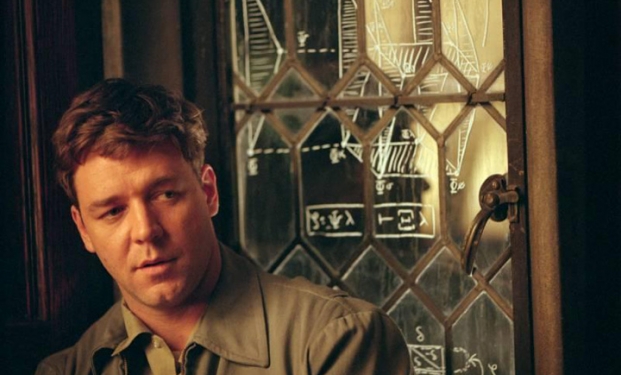 Brilliance lies within John Nash,
Whose confidence avoids a crash
With economic innovation,
Just the thing to make a splash.
As he savors acclimation,
Mathematics his vocation,
Two new ventures enter in,
Demanding love and dedication.
Undercover jobs begin;
A woman’s heart he learns to win,
But when the two get too entwined,
His sanity is spread too thin.
Some parts of life, he’s shocked to find,
Are only in his gifted mind.
Within his mind, the struggles start
Before he’s forced to be confined.
Discernment’s more than being smart,
And though the phantoms won’t depart,
The measure of a brilliant man
Lies in the constant of the heart.
_______________
Brilliance lies within John Nash,
Whose confidence avoids a crash
With economic innovation,
Just the thing to make a splash.
As he savors acclimation,
Mathematics his vocation,
Two new ventures enter in,
Demanding love and dedication.
Undercover jobs begin;
A woman’s heart he learns to win,
But when the two get too entwined,
His sanity is spread too thin.
Some parts of life, he’s shocked to find,
Are only in his gifted mind.
Within his mind, the struggles start
Before he’s forced to be confined.
Discernment’s more than being smart,
And though the phantoms won’t depart,
The measure of a brilliant man
Lies in the constant of the heart.
_______________

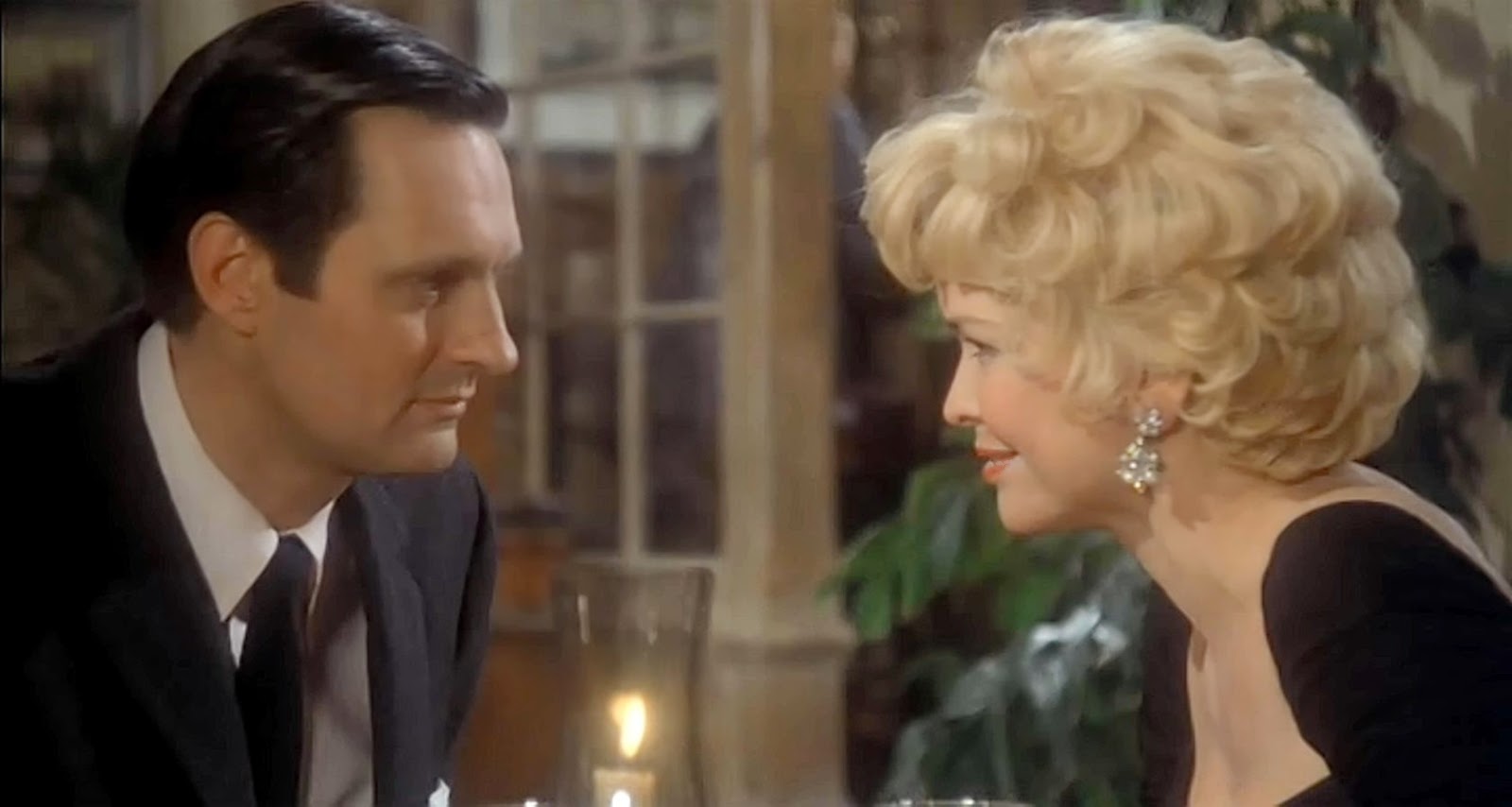 Love begins across a room
With eyes that lock and smiles that bloom
But will not leave the stricken pair
When time to end the brief affair,
For love endures a year apart,
And patient is the waiting heart.
They love their spouses too in spite
Of seeking yearly to unite.
For love endures for decades too,
The changes they must suffer through,
And even when it nears its end,
It will not leave a lifelong friend.
_________________
Love begins across a room
With eyes that lock and smiles that bloom
But will not leave the stricken pair
When time to end the brief affair,
For love endures a year apart,
And patient is the waiting heart.
They love their spouses too in spite
Of seeking yearly to unite.
For love endures for decades too,
The changes they must suffer through,
And even when it nears its end,
It will not leave a lifelong friend.
_________________
 (Can be sung to “The Devil Went Down to Georgia”)
Travolta went down to Houston,
He was lookin’ for a job to take.
He was young and dumb, just a country bum,
And he was waiting for his big break,
When he came across this young girl
Dancin’ round in a honky-tonk,
A promised land of beer and band
With a metal bull or bronc.
When the misfit pair were married,
Things at first were going well,
But some stubbornness made a jealous mess
And the marriage quickly fell.
While the two just boozed and pined away
And rode that bucking bull,
I began to think that this movie stinks
And was near unbearable.
__________________
(Can be sung to “The Devil Went Down to Georgia”)
Travolta went down to Houston,
He was lookin’ for a job to take.
He was young and dumb, just a country bum,
And he was waiting for his big break,
When he came across this young girl
Dancin’ round in a honky-tonk,
A promised land of beer and band
With a metal bull or bronc.
When the misfit pair were married,
Things at first were going well,
But some stubbornness made a jealous mess
And the marriage quickly fell.
While the two just boozed and pined away
And rode that bucking bull,
I began to think that this movie stinks
And was near unbearable.
__________________
 The earth is getting dusty,
And our crops are less than trusty,
And our history is rusty,
And all life is soon to end.
Farmer Coop is in frustration
Till suspicious gravitation
Sends him to a NASA station
To encounter an old friend.
Dr. Brand suggests spacefaring
On a certain wormhole bearing
Will reward the pilots’ daring
With a new potential Earth.
Leaving son and loving daughter,
Coop departs to be the spotter
On new worlds of ice and water,
Where time carries greater worth.
Though he carries on with yearning,
Many dangers are concerning.
Complex choices stem from learning
He may not end up returning.
______________
The earth is getting dusty,
And our crops are less than trusty,
And our history is rusty,
And all life is soon to end.
Farmer Coop is in frustration
Till suspicious gravitation
Sends him to a NASA station
To encounter an old friend.
Dr. Brand suggests spacefaring
On a certain wormhole bearing
Will reward the pilots’ daring
With a new potential Earth.
Leaving son and loving daughter,
Coop departs to be the spotter
On new worlds of ice and water,
Where time carries greater worth.
Though he carries on with yearning,
Many dangers are concerning.
Complex choices stem from learning
He may not end up returning.
______________
 A lonely hotel is a dangerous thing,
At least in the works of an author named King,
For no one can know what occurs in the mind
When volatile men are annoyed and confined.
They say, like Jack Torrance, the winter caretaker,
That past tragedies are no sign or deal breaker.
He’s simply too sane for such things to occur;
His wife is the same, and he’d never hurt her.
But get them alone in a desolate maze
And watch them get worse with the passing of days
And cringe as the dread and the wickedness weave,
For those at the Overlook may never leave.
__________________
A lonely hotel is a dangerous thing,
At least in the works of an author named King,
For no one can know what occurs in the mind
When volatile men are annoyed and confined.
They say, like Jack Torrance, the winter caretaker,
That past tragedies are no sign or deal breaker.
He’s simply too sane for such things to occur;
His wife is the same, and he’d never hurt her.
But get them alone in a desolate maze
And watch them get worse with the passing of days
And cringe as the dread and the wickedness weave,
For those at the Overlook may never leave.
__________________
 Rhyme and Reason