• Home
  • About Me
  • The List
  • THE LIST (2016 Update)
  • THE LIST (2017 Update)
  • THE LIST (2018 Update)
  • THE LIST (2019 Update)
  • THE LIST (2020 Update)
  • THE LIST (2021 Update)
  • THE LIST (2022 Update)
  • Top Twelves and More
  • The End Credits Song Hall of Fame

Rhyme and Reason

~ Poetry Meets Film Reviews

Rhyme and Reason

Category Archives: Reviews

Tomorrowland (2015)

04 Sunday Dec 2016

Posted by sgliput in Movies, Poetry, Reviews, Writing

≈ 2 Comments

Tags

Action, Disney, Sci-fi, Thriller

Image result for tomorrowland film


Tomorrow, tomorrow,
With no time to borrow,
The future may very well sink into sorrow.

It’s hard to predict
When our views contradict,
And the fears that some carry are dreams others picked.

The future is ever
In danger; however,
We mustn’t believe it’s a futile endeavor.

Are trends that we set then
The kind we’ll regret? Then,
It’s clear dark tomorrows will come…if we let them.
____________________

MPAA rating: PG

What happens when everyone says a movie is bad and you like it anyway? Every review I read of Tomorrowland painted it as an unwieldy flop in which every positive element was spoiled by a negative. Thus, I skipped it, preferring to spend my 130 minutes on something more critically favored. Yet, when I finally gave it a chance, Tomorrowland proved to be a highly enjoyable ride, a sci-fi wonder in which every negative had a positive to mostly redeem it, at least in my opinion.

Beginning at the 1964 New York World’s Fair, young Frank Walker presents David Nix (Hugh Laurie) with a homemade jet pack that isn’t quite fully functional, and Nix’s girl companion Athena (Raffey Cassidy) is impressed enough to invite Frank to the titular technology wonderland. Cut then to teenage Casey Newton (Britt Robertson), who goes out of her way to keep alive the hopes of the Space Age by prolonging her engineer dad’s NASA contract through sabotage. She’s an incorrigible optimist, unwilling to bend to the downbeat world, and when Athena appears again to give her a mysterious pin and a glimpse of Tomorrowland, Casey is eager to pursue it. Joining with a bitter, grown-up Frank (George Clooney), they embark on a thrilling chase to reach the other-dimensional utopia where all does not seem to be well.

Image result for tomorrowland film

I’ll focus first on everything Tomorrowland has going for it. All the actors excel, especially Raffey Cassidy who shines in a wise-beyond-her-years type of role. As a director, Brad Bird also knows how to direct a visually exciting film. With its jetpacks, robots, and floating swimming pools, the striking metropolis of Tomorrowland that appears whenever Casey touches the pin has wonders tailored to both 1960s and present-day tastes. In addition, many aspects of the film feel inspired by the intrigue of Men in Black, incorporating imaginative gadgets, geeky thrills, and futuristic plot devices hidden in plain sight. With all the killer android chases and high-tech detours, it’s easy to let the plot carry you along and ignore the fact that it’s not really going anywhere worthwhile. By the time we see Tomorrowland itself, it feels like a hollow piece of false advertising, though that does make sense for the plot. I do wish that we were able to see Tomorrowland the city as more than just an unreached potential, but it’s a case of the journey overshadowing the destination, with the journey being pretty entertaining.

I see what others have criticized about the uneven plot, the disappointing goal, and the borderline creepy relationship between Clooney and 12-year-old Raffey Cassidy, and they’re not wrong. But Tomorrowland is a prime example of a film that depends on how much the viewer is willing to let such faults bother them. While the two films are nowhere near the same league, I could point to 2012’s Les Miserables as another such film; half of viewers complained about the singing of Hugh Jackman and Russell Crowe and couldn’t take the constant singing seriously, while the other half (me included) were captivated by the film’s emotional and musical power. I can’t say those of the other opinion are wrong; their objections just didn’t ruin the film for me. Sometimes, if the majority of a film delights, a half-baked ending can be forgiven. And the objection about Clooney and Cassidy depends entirely on the strength of your suspension of disbelief; based on Athena’s character as written, it doesn’t have to be creepy.

Image result for tomorrowland film

What Tomorrowland tries to be is an antidote to the constant stream of dystopian fiction in our media. Zombie outbreaks, totalitarian governments, natural disasters—it seems that Star Trek is the only proposed future that is actually worth looking forward to. Tomorrowland takes that fatalism literally and suggests that such warnings are more harmful than good if no one heeds them, a cautious lesson worth more than a casual thought. Perhaps, the film insists, optimism itself can change the world for the better. Yes, it sounds corny, going overboard in the soapy commercial-like final scene, but if the constant pessimism of grim social commentaries can captivate audiences, can’t the polar opposite have its day too? I recognize the flaws of Tomorrowland, not least of which are smacks of elitism in the recruiting of the best and brightest to populate a separated utopia that doesn’t seem to directly better the world at large, but it appeals to the dreamer, the hoper, and the lover of sci-fi adventure. That’s good enough for me.

Best line: (Casey) “There are two wolves, and they are always fighting. One is darkness and despair. The other is light and hope. Which wolf wins?”
(her dad) “Come on, Casey.”
(Casey) “Okay, fine. Don’t answer.”
(dad) “Whichever one you feed.”


Rank: List-Worthy


© 2016 S.G. Liput
431 Followers and Counting


The Breakfast Club (1985)

03 Saturday Dec 2016

Posted by sgliput in Movies, Poetry, Reviews, Writing

≈ 2 Comments

Tags

Comedy, Drama

Image result for the breakfast club


How much of you is who you are
And how much how you’re seen?
We like to think we’re unconstrained
By powers over us ordained
That keep us quelled or entertained.
We break the mold; we think anew
(At least I like to think I do),
And yet we linger in routine.

As independent as we are,
Our views are molded like the rest.
Your parents, teachers, habits, friends,
And daily life in all its trends
Have fashioned you. How much depends
On how well you can recognize
The truth among the many lies.
There’s more of both than most have guessed.
_______________

MPAA rating: R (for frequent language)

I’ve caught John Hughes’ classic teen drama The Breakfast Club on TV several times over the years, but only recently watched it from the beginning. As great a film as it is, I’ve got to say that I wasn’t missing much. The first half hour sets up the plot, of course, settling five diverse high school archetypes into a grumpy Saturday morning detention under the strict but ineffectual eye of Vice Principal Vernon (Paul Gleason). We get to meet Andy the jock (Emilio Estevez), Brian the nerd (Anthony Michael Hall), Claire the popular girl (Molly Ringwald), John Bender the rebel (Judd Nelson), and Allison the “basket case” (Ally Sheedy). Aside from some reinforcing of their character traits, such as Ally Sheedy’s bizarre breakfast sandwich, the beginning of the film is limited to prickly exchanges between Bender and Vernon and everyone generally not getting along. It’s after Vernon leaves the quintet to themselves that the film becomes the classic it’s known as, and that’s about when I’ve typically tuned in in the past, not intentionally, just by chance, I guess.

Image result for the breakfast club

Hughes’s script so humanizes these teenagers and makes them so relatable that their interactions are some of the most memorable conversations put to film. Everyone will relate to at least one of these characters and their teenage pressures. Perhaps it’s the parental stress placed on Andy over sports or Brian over his grades; perhaps it’s the peer pressure put on Claire by her friends and the need to remain popular; perhaps it’s the dysfunctional home life that Bender rages over yet accepts. It’s probably not Allison’s “nothing better to do” mentality, but even her wildcard status and embraced weirdness have their source in a painfully common family fault. (For the record, though, I do get along with my parents. No lie.) Every discussion feels natural and holds some discerning truth, even the grumbling of Vernon as he complains about the kids to the janitor. Mingled among these dialogues are some classic ’80s moments of fun: the students running through the halls to avoid Vernon, the awesomely classic dancing scene in the library, the final monologue set to Simple Minds’ “Don’t You (Forget About Me).”

Oh, boy. Starting this review, I fully intended to rank The Breakfast Club as a List Runner-Up simply because I’ve never considered it one of my favorite films, but, as has happened a couple other times, expounding on all of its strengths has made me second-guess myself. It’s a quotable ’80s classic through and through, one that will fill that generation with nostalgia but still appeal to this generation with its universal themes of teen angst and resenting stereotypes. Even if the beginning pales next to the second half, it’s certainly List-Worthy. How can I give it any other score?

Best line: (Andy) “We’re all pretty bizarre. Some of us are just better at hiding it, that’s all.”


Rank: List-Worthy


© 2016 S.G. Liput
429 Followers and Counting


The Conversation (1974)

02 Friday Dec 2016

Posted by sgliput in Movies, Poetry, Reviews, Writing

≈ 5 Comments

Tags

Drama, Mystery, Thriller

Image result for the conversation film


Relax, I can calm all your eavesdropping fears;
Don’t worry; we’re shielded from unwelcome ears.
I’ve turned off my phone, which I’ve hid in my lawn,
So it’s muffled in case it’s remotely turned on.

I’ve checked every lampshade and drawer that I’ve got
And crushed every bug, whether living or not.
I’ve emptied the bookcases, checked every crack,
And covered the windows with tarps painted black.

I’ve wrapped my computer and cameras in wool,
So no one can use them to get an earful.
And while I apologize for all the noise,
It’s safest to speak while I blast Beastie Boys.

So now we can talk, privately and secure.
And yet, in this world, can we ever be sure?
_______________________

MPAA rating: PG

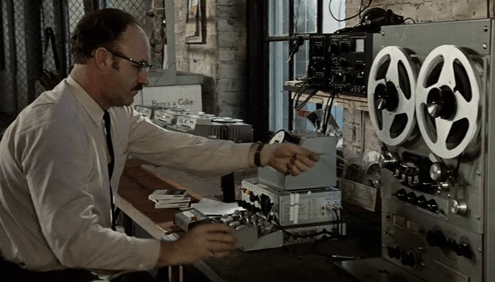
Francis Ford Coppola had a good year in 1974, where both The Conversation and The Godfather Part II were nominated for Best Picture, the latter winning, of course. Both have solid critical acclaim, but it’s easy for The Conversation to be overshadowed by its more epic cousin. It’s a slow-moving thriller very different from Coppola’s other films, hanging predominately on Gene Hackman in the lead role of Harry Caul, a surveillance expert who believes he’s overheard evidence of a potential murder yet to happen.

Hackman is always excellent, and while I can’t say it’s one of his most memorable performances, he makes the mustached Caul sympathetic with his intensely private, loner lifestyle and his guilt over a past job gone wrong. Next to him are early appearances by Cindy Williams, John Cazale (Fredo in The Godfather films), and even Harrison Ford, but the other star of the film is the surveillance equipment Caul employs. In our current world of advanced electronics, The Conversation feels significant if only to capture the methods and technology of the surveillance profession decades ago, such as the huge reel tape machine that Caul uses to listen to the same enigmatic sentences over and over throughout the film. While most of it seems antiquated, I was actually surprised by one gadget that could remotely turn a telephone into a listening device, and those were old-fashioned corded phones!

Image result for the conversation film

All that being said, The Conversation is a thriller of a different style than we’re used to nowadays with constant car chases and explosions. It’s slow and meant to be slow, relying on suggestion and paranoia that doesn’t always keep it interesting. That does change toward the end, as the truth of the conversation comes to light, especially with a memorable scene involving a toilet. After the masterfully enacted twist, though, it’s as if the film doesn’t know how to end. The final scene boasts some powerful paranoia (enough even to overwhelm Caul’s religious devotion), but it’s not what I consider an ending. Perhaps it would have benefited from a little less ambiguity toward a climactic irony, which I only learned of while reading about the film afterward.

The Conversation may not be my cup of tea, as far as thrillers go, but it’s an anxiously plausible and well-made meditation on privacy or the lack thereof and a reminder that the meaning of a conversation can hinge on the stress of a single word.

Best line: (Caul) “I’m not afraid of death, but I am afraid of murder.”


Rank: Honorable Mention


© 2016 S.G. Liput
429 Followers and Counting


The Age of Adaline (2015)

01 Thursday Dec 2016

Posted by sgliput in Movies, Poetry, Reviews, Writing

≈ 2 Comments

Tags

Drama, Fantasy, Romance

Image result for the age of adaline


If I had all the years ahead,
My future stretching infinite,
I’d laugh at death and waste my breath
And take my time to start and quit
And eat more than I would admit.

No matter what the daily rut,
I’d rarely worry with my glut
Of days and decades in reserve,
For patience straightens every curve
And makes all roads a new shortcut.

Or so I think….
As days and decades further sink
Into the endless stream I cross,
Along with friends and love that ends,
This gift may be an albatross.
Who wants an eternity of loss?
________________

MPAA rating: PG-13 (could even be PG)

The Age of Adaline is the kind of film that I knew I would enjoy based solely on the trailer and the ingenious title with a double meaning. I love films that follow one character through decades of drama, and The Age of Adaline does so with a fantasy twist reminiscent of The Curious Case of Benjamin Button and Winter’s Tale. As the opening narration explains, Adaline Bowman lived a normal life in the early 1900s, full of the typical joys and sorrows, but an accident that should have killed her instead gave her inexplicable longevity. She never ages past her original 29 years, and while many women would consider that a blessing, it feels more and more like a curse as the decades pass, friends and family get older, the world changes, and she doesn’t.

Blake Lively was the perfect choice for Adaline, embodying both World War II-era and modern-day elegance and giving the audience an essential glimpse into her emotional state. A tear-jerking look-back at all the dogs she has owned over the decades was a brilliant way to help us understand her magnified grief. Flashbacks are used to good effect with the same purpose, clarifying why Adaline is always on the run from potential love interests and anyone who might catch on to her secret…that is, until she meets the charismatic Ellis (Michiel Huisman) and the familiar William (Harrison Ford).

Image result for the age of adaline

The Age of Adaline fulfills its fantastical, romantic purpose with a sophisticated polish, both in the big picture and the details. (Anthony Ingruber as a young William was scarily good with his Harrison Ford impression. Look at him in the picture above; why isn’t he being considered for that Han Solo spinoff?) Unfortunately, the film does slip on occasion, specifically when Adaline’s “miracle” takes place, the narrator giving some hogwash about an undiscovered trait of DNA that freezes the aging process. Groundhog Day didn’t try to explain Bill Murray’s time loop, nor did Benjamin Button spell out Brad Pitt’s backwards aging. They didn’t have to, and The Age of Adaline’s attempt to explain the unexplainable falls flat, I’m afraid. In addition, the emotions at play aren’t as deeply wrought as in similar films, and I couldn’t help but feel that I’d seen the final scene of hopefulness somewhere else before.

My VC and I have similar tastes for this genre, and she enjoyed it too, sort of, saying afterward, “It was a great movie, except it’s ridiculous.” Blame the pseudo-science I mentioned earlier for that, but the “great movie” part still remains, thanks in large part to the outstanding performances across the board. Sometimes when a film is my kind of movie, I can forgive and even ignore its faults. The Age of Adaline fits that bill, and my expectations were met.

Best line: (Ellis) “You know they have a saying in Italy. ‘Anni, amori, e bicchieri di vino, no che contato mai.'”
(Adaline) “Years, lovers… wine cups?”
(Ellis) “Years, lovers, and glasses of wine. These are things that should never be counted.”
(Adaline) “You have no idea.”


Rank: List-Worthy


© 2016 S.G. Liput
428 Followers and Counting


Pre-Christmas Marathon Announcement!

01 Thursday Dec 2016

Posted by sgliput in Movies, Reviews, Writing

≈ 3 Comments

I don’t know about other bloggers out there, but I’ve seen far more movies lately than I have time to review, especially since I typically stick to two or three posts a week. With the end of the year fast approaching and Christmas almost upon us, I thought I should try to catch up on my backlog.

Thus, I’m announcing my Pre-Christmas Marathon, where I’ll be posting a review a day, at least until December 25. I know a lot of people out there post more often than that regularly, but this will be a good challenge for me, one that’s typically been limited to NaPoWriMo in past years. Stay tuned for my first review later today.

My Top Twelve Disney Animated Films

27 Sunday Nov 2016

Posted by sgliput in Movies, Reviews, Writing

≈ 6 Comments

Tags

Animation, Disney, Lists

Image result for pinocchio disney blue fairy


With the release of Moana, which I still have yet to see, I thought it would be a good idea to revisit my favorite animated features from the House of Mouse. Disney has had its ups and downs over the years, from the dark ages of the ‘70s (which still put out some pretty good films, like Robin Hood) to the 21st-century slump during Pixar’s heyday. Then again, few can rival Disney when their filmmakers are on their games, whether it be the Golden Era classics that Walt Disney himself directed or the Renaissance of the ‘90s that catered to my childhood. Lately, Disney is back on their game with CGI classics rivaling Pixar, and I can only hope they’ll keep up the consistent quality entertainment of recent years.

One thing I notice about my personal favorites is that some of them are among the less regarded films in Disney’s canon, but Disney films are so varied and appeal to us all so early in our lives that everyone probably has preferences all their own, depending on what they grew up watching. Thus, here are my top beloved Disney cartoons thus far. Do you agree? What are your favorites? Feel free to let me know in the comments and geek out about your favorites too.


  1. Zootopia (2016)

Image result for zootopia film

It may seem premature to rank such a recent film this highly, but I’ve seen Zootopia twice and loved it both times, a couple quibbles notwithstanding. Strong likable characters, a well-realized and Pixar-esque world, stunningly detailed animation, and some thought-provoking themes about being who you want to be rather than how others see you make this the most likely candidate for Best Animated Feature this year, in my book anyway.


  1. Tangled (2010)

Image result for tangled film

I wasn’t too impressed with The Princess and the Frog a year before, but Tangled proved that Disney could still pull off the princess format that made them so successful. After Bolt, it also confirmed that they could be just as at home with CGI animation as the hand-drawn style of the past, and the radiant animation and Alan Menken songs (his last for a Disney cartoon, as of this writing) are pure delight.


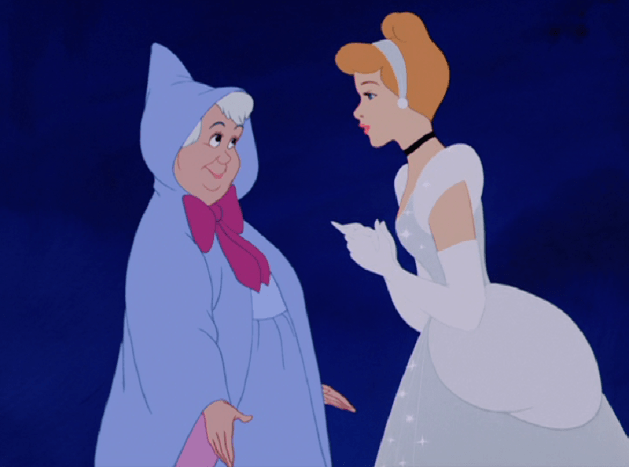
  1. Cinderella (1950)

Image result for cinderella 1950 film

My favorite of Walt’s original fairy tale adaptations, Cinderella is as charming today as it was in 1950. Not quite as saccharine as Snow White, it is the definitive version of the Cinderella story in my house and was a particular favorite of my mom’s when she was a kid. Heredity?


  1. The Little Mermaid (1989)

Image result for the little mermaid film

As the beginning of the Disney Renaissance, The Little Mermaid revolutionized the House of Mouse with Broadway quality tunes and a new high point in animation quality. The colorful marine setting and catchy Menken/Ashman tunes breathed new life into the animation studio and made princess fairy tales all the rage again.


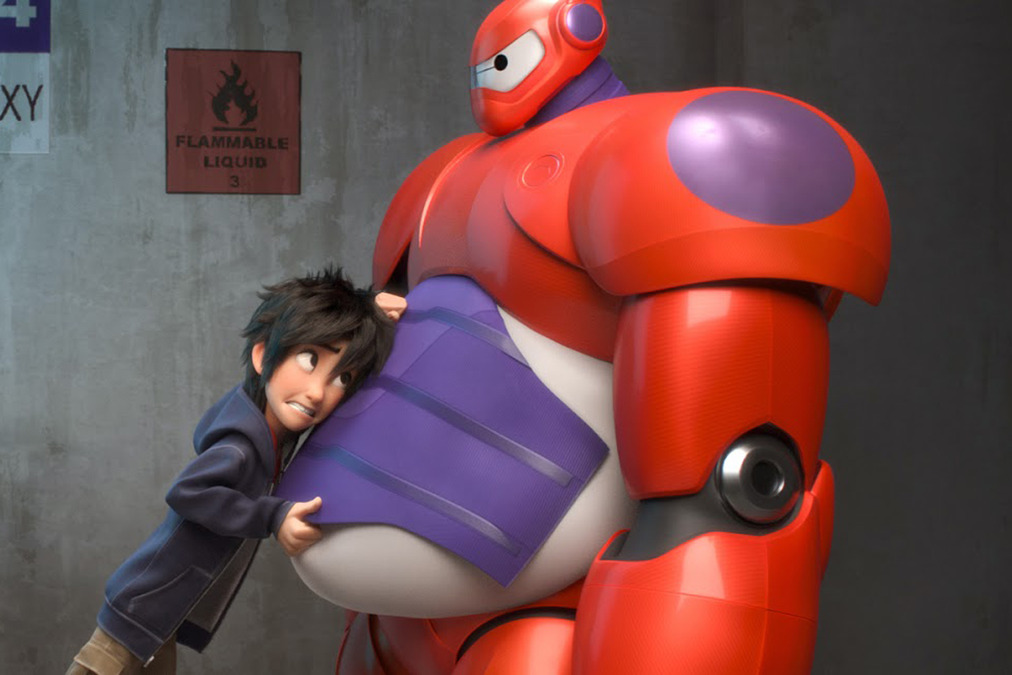
  1. Big Hero 6 (2014)

Image result for big hero 6 film

While we all know Disney is pulling the strings of the Marvel Cinematic Universe, it was nice to see them incorporate some superhero magic into their animation department. As with The Incredibles and Batman: Under the Red Hood, it’s always a thrill to see a great superhero cartoon. Poignant, action-packed, and all-around awesome, the origin story of Big Hero 6 is my favorite of Disney’s current CGI era.


  1. Brother Bear (2003)

Image result for brother bear film

I really don’t understand all the hate for Brother Bear. Released during the waning years of the Disney Renaissance, it’s still a funny and heartbreaking journey with a beautifully drawn Arctic setting and some great background songs. I remember crying as a 10-year-old in the theater, and any film that brings me to tears holds a special place in my heart.


  1. Fantasia (1940)

Image result for fantasia 1940 film

As entertaining as the vast majority of Disney films are, Fantasia is something different, a true work of art, blending classical music with animation at its most imaginative. It’s a shame that its poor commercial showing made Walt Disney initially regret making it because it has since become one of his most highly regarded classics. Yes, it’s a perfect film to fall asleep to, but that has more to do with the sometimes soothing music than what’s on the screen.


  1. Aladdin (1992)

Image result for aladdin film

Buoyed by the brilliantly frenetic voice performance of Robin Williams as the Genie, Aladdin may be the funniest member of the Disney canon. This adaptation of the 1001 Nights continued the winning animation and music that made the Renaissance so special.


  1. The Hunchback of Notre Dame (1996)

Image result for the hunchback of notre dame disney film

I’m a much bigger fan of Hunchback than most, viewing its darker storyline and lack of a typical happy ending as a risk for Disney that paid off in magnificent fashion. Without a doubt, this is Alan Menken’s masterpiece score, not just catchy and hummable but truly, goosebumpily glorious.


  1. The Lion King (1994)

Image result for the lion king film

Speaking of goosebumps, the beginning of The Lion King is Fantasia-level art, while the rest is an entertaining piece of Shakespeare lite, complete with one of the saddest Disney deaths and one of the best Disney villains. From the thrilling wildebeest stampede to the carefree song “Hakuna Matata,” The Lion King has something for everyone.


  1. Tarzan (1999)

Image result for tarzan disney film

Another favorite I find hugely underrated is Tarzan, with its lushly gorgeous jungle setting and outstanding Phil Collins soundtrack. Not only is it my VC’s favorite Disney cartoon, it’s one of the first films I actually remember watching in the theater (and yes, I cried at the end), and I recall playing “Trashing the Camp” with my cousin over and over and over on video. Good times….


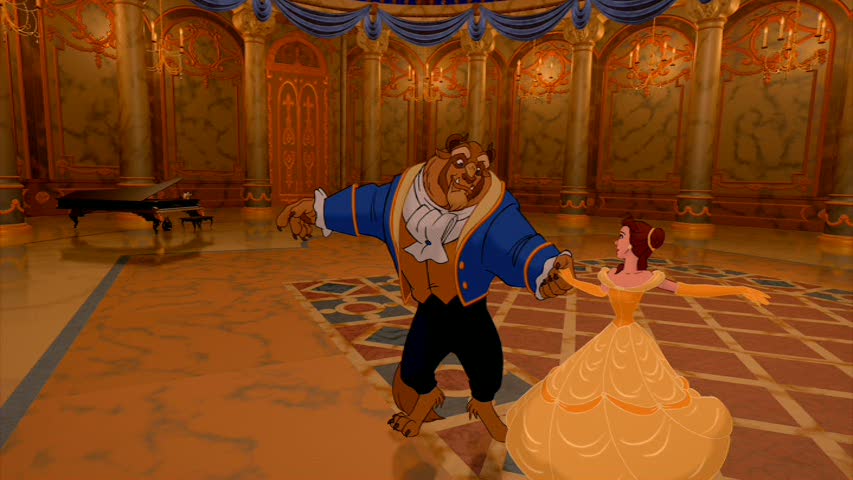
  1. Beauty and the Beast (1991)

Image result for beauty and the beast disney ballroom

I personally consider Beauty and the Beast the most perfect fairy tale adaptation in all of Disney’s canon. It’s funny, tragic, enchanting, melodious, elegant, and all-around entertaining. It’s everything that Disney does best and thus feels timeless. I have my doubts about the live-action version next year, but at least we’ll always have the immortal original.

________________

With the exception of Chicken Little and Home on the Range (the only one I haven’t actually seen), I enjoy all Disney movies to some extent, so I thought I’d continue my ranking below with the rest of the animated features on my Top 365 list (not including mixed animations like Enchanted or those only released by Disney, like the Studio Ghibli films). What would your ranking look like?


  1. Wreck-It Ralph (2012)
  2. Pocahontas (1995)
  3. Mulan (1998)
  4. Treasure Planet (2002)
  5. Frozen (2013)
  6. Peter Pan (1953)
  7. Pinocchio (1940)
  8. Lady and the Tramp (1955)
  9. The Great Mouse Detective (1986)
  10. Hercules (1997)
  11. Atlantis: The Lost Empire (2001)
  12. Bambi (1942)
  13. The Emperor’s New Groove (2000)
  14. Meet the Robinsons (2007)
  15. The Jungle Book (1967)
  16. Dinosaur (2000)
  17. One Hundred and One Dalmatians (1961)
  18. The Sword in the Stone (1963)

Image result for treasure planet

Your Name (2016)

22 Tuesday Nov 2016

Posted by sgliput in Movies, Poetry, Reviews, Writing

≈ 5 Comments

Tags

Animation, Anime, Comedy, Drama, Fantasy, Romance


See the source image

If someday I should forget you
Or the moment that I met you,
I hope, easing your regret, you
Know, although you fade
In memory, your soul and mine
Are too attached to disentwine.
You are the one for whom I’ll pine
Till all the world’s unmade.
__________________

MPAA rating: Not rated yet (should be PG, maybe PG-13)

I’ve been awaiting Makoto Shinkai’s next feature film for some time now, and it seems that his latest movie has finally earned him acclaim and notice outside of anime fan circles. Kimi No Na Wa, or Your Name, is being heralded as proof of Shinkai coming into his own as “the new Hayao Miyazaki,” and this his fifth feature film has been hugely successful in Japan, where it is currently the seventh highest-grossing film ever.

Honestly, I’m just thrilled that I was able to see Your Name so soon after its release (as opposed to waiting perhaps a year for the DVD), but the fact that it is such a winner for writer/director Shinkai makes it even better. I’ve had a rocky regard for his past films, which are always visually beautiful and emotional but range from confusing (The Place Promised in Our Early Days) to depressing (5 Centimeters Per Second) to absolutely wondrous (Children Who Chase Lost Voices). I can’t say Your Name is the faultless masterpiece that many reviewers are making it out to be, but it’s an enchanting and praiseworthy fantasy drama that seems like the culmination of all that his less successful films tried to be.

Image result for kimi no na wa

On the surface, Your Name is a body-swap comedy between a city boy named Taki in Tokyo and a country girl named Mitsuha. Sick of her provincial surroundings and embarrassed by her feminine duties at her grandmother’s Shinto shrine, Mitsuha wishes she could be a handsome boy in Tokyo in her next life, a fancy that soon becomes reality. At random times, the two wake up in each other’s bodies and awkwardly try to live each other’s lives until they can get back to their own the next day. Their memories of the other-body experiences remain hazy afterward, like a dream, but the reactions of their friends and family make it clear that the switch is indeed real. Through notes, advice, and complaints left for each other, they get to know each other on a deeper level than most, while having a key element of any relationship—face-to-face contact—just out of reach.

Based on the trailers, one might think the body-swap humor was the main point of the film, but it actually makes up only the first third, with the rest of the film taking a far deeper and more meaningful course. Had the film remained like the first forty minutes, it would have been a somewhat fun and strange if unremarkable story, but as long as the tonal shift doesn’t bother viewers, it’s the final hour that explains Your Name’s popular acclaim, going off in unexpected and poignant directions. While publicity shots like the one below suggest that Taki and Mitsuha have greater contact, they’re separated by more than distance for the majority of the film. When they do have fleeting connections, it’s the stuff of cosmic, tragic romance, which brings people like me close to tears, even if I don’t quite get there.

Image result for kimi no na wa

Your Name does stumble on occasion, particularly when Shinkai indulges in repeated music video-like montages, like the one at the end of 5 Centimeters Per Second. The J-pop contributions of the band Radwimps actually complement the film well, but the montages sometimes give the film a rushed quality that could have been improved. The non-linear storyline also leaves the significance of some scenes in doubt, especially at the beginning… that is, until the importance of certain flashbacks becomes clearer. I would highly recommend seeing the film more than once, since the layers of its plot are better appreciated when viewed with the whole picture.

Other traces of Shinkai’s past work actually improve on his portfolio. Like The Place Promised in Our Early Days, there are a boy and girl’s sci-fi-ish separation and the threat of massive destruction, while the presence of a comet streaking across the sky brings to mind the space probe of 5 cm. One moment toward the end was even straight out of the unsatisfying conclusion of 5 Centimeters Per Second, prompting me to say “No, don’t you dare end it like that!” Luckily, it didn’t. I also appreciated a neat little cameo for a character from Shinkai’s previous film The Garden of Words.

Your Name is as beautifully animated a film as any I’ve seen in recent memory, with Shinkai’s usual attention to detail for light and shadow being exemplified. A sojourn to an expansive crater out in the countryside is especially memorable, with some gorgeous fall colors on display. Details abound, both in the scenery and the story, and attention is paid to fleshing out not only Taki and Mitsuha but also their friends and family members, making for a comprehensively touching film.

Image result for kimi no na wa

There’s so much to admire in Your Name, from the intricate but engaging plot to the moments of visual beauty, that few should mind its weaknesses, such as the quasi-spiritual “explanation” for the body swap itself. It has a good chance at snagging a Best Animated Feature nomination at the Oscars, which would make it the first non-Studio Ghibli anime film to do so, and even if I suspect Zootopia is the favored winner, Your Name would also be deserving. I still consider Children Who Chase Lost Voices to be Shinkai’s unsung masterpiece, but films like it and Your Name are what might make him a household name one of these days.

Best line: (Mitsuha’s grandmother, to Mitsuha/Taki) “Treasure the experience. Dreams fade away after you wake up.”


Rank: List-Worthy


© 2016 S.G. Liput
424 Followers and Counting


The Man Who Never Was (1956)

18 Friday Nov 2016

Posted by sgliput in Movies, Poetry, Reviews, Writing

≈ 4 Comments

Tags

Classics, History, War

Image result for the man who never was


I dreamed a man deprived of soul
Had drifted to the shore.
He waited, though I did not know
What he was waiting for.

At last, a passerby took note,
And, soon borne by a crowd,
The body seemed within my dream
To be uniquely proud.

The passive face had made its way
From sea to land to grave,
And none could tell this empty shell
Had come more lives to save.

I wouldn’t know myself, except,
I saw his soul, which wore
A knowing glance, pleased with the chance
To be worth waiting for.
______________________

MPAA rating: G

Hollywood loves to find those fascinating true-life stories, especially if they involve war, Nazis, and spies, and The Man Who Never Was proves that was the case even back in the 1950s. Based off a novel written by Ewen Montagu, who headed the World War II operation that occurred only thirteen years before the film’s release, The Man Who Never Was details the British plan to convince the Axis Powers that the Allies would invade Greece rather than Sicily, a plan that involved an anonymous dead body and fake intelligence reports.

After a half-serious suggestion from his assistant (Robert Flemyng), Navy Lieutenant Commander Ewen Montagu (Clifton Webb) ponders how to possibly divert German forces from Sicily, where the Allies will invade within months. He decides that the enemy could be misled by a dead body found with false documents but only if the ruse is convincing enough. It seems like a straightforward plan and one that had actually been used in the past, but the film presents this Operation Mincemeat as quite a tricky challenge, as Montagu and his team ensure that every detail is thoroughly persuasive in crafting the persona of “Major William Martin.” Nothing is taken for granted, from the signatures of real generals endorsing the fake letters to the everyday contents of the man’s pockets, which must appear to reflect Martin’s habits and even his love life. And of course, there’s the sticky task of cajoling the family of the recently deceased to release his body for an unspecified undertaking for the greater good.

Image result for the man who never was 1956

In many ways, I doubt The Man Who Never Was could have been made nowadays, at least in its original form. The military strategies are never dull, but there’s no wow factor that would make this a blockbuster. It fascinates with its procedural shrewdness and attention to detail. Even when the mostly true story embellishes with a Nazi spy (Stephen Boyd, three years before playing Messala in Ben-Hur) sent to London to verify Martin’s identity, his tactics are subtle, and the climax is a rare example of the best course of action being no action at all. As Montagu says with a well-placed poem quote from Milton, “They also serve who only stand and wait.”

The only element that keeps this film from being List-Worthy in my opinion is Gloria Grahame, who plays the lover of a real soldier while doubling as William Martin’s fake fiancée. In a film where every other performance is kept earnest and believable, Grahame’s emotional histrionics feel out of place, even if they do play a role in the plot. Plus, her face seemed strangely shiny in all of her scenes, though that’s a personal quibble on my part.

As realistic spy stories go, The Man Who Never Was is an understated gem, with a well-deserved 100% on Rotten Tomatoes. While it appears several details fall short of historical accuracy, it’s a thoughtful and well-acted procedural sure to please those in search of neglected tales from World War II.

Best line: (Admiral Cross, after hearing the plan) “It’s the most outrageous, disgusting, preposterous, not to say barbaric idea I’ve ever heard, but work out full details and get back to me in the morning!”   (Montagu) “Thank you, sir!”


Rank: List Runner-Up


© 2016 S.G. Liput
422 Followers and Counting


VC Pick: Escape from New York (1981)

15 Tuesday Nov 2016

Posted by sgliput in Movies, Poetry, Reviews, Writing

≈ 2 Comments

Tags

Action, Thriller, VC Pick

Image result for escape from new york


In a world
Where the prisons are cities walled in,
Realms of wrongdoing and centers of sin,
Where breakers of laws have a death wish when caught,
Thrown in with the worst of a dangerous lot…

In this world
When the President’s stranded inside,
Held captive by villains who know how to hide,
One man and his eyepatch must enter this strife
To rescue this hostage…and save his own life!
_________________

MPAA rating: R

The ‘80s was a decade full of cheesy action movies that were forgivably, entertainingly so, but there are different categories of action cheese. Take The Running Man, for instance. Its dystopian world of reality show violence run amok could have been kept on a serious level, but Arnold Schwarzenegger reveled in terrible one-liners that kept the dark plot as tongue-in-cheek as possible. John Carpenter’s Escape from New York, on the other hand, bears a different kind of shabby grit that may have preposterous elements but at least takes itself seriously.

Surely the best thing about Escape from New York is its iconic main character. Kurt Russell as the eye-patched prisoner Snake Plissken is the embodiment of the tough-guy anti-hero, a self-interested mercenary with an attitude. When he’s injected with an explosive on a timer and tasked by gruff police chief Bob Hauk (Lee Van Cleef) with rescuing the captured President (Donald Pleasence), Plissken must venture into the walled-in prison that is New York City to recover his target before time runs out. The distant dystopia of 1997 (I must have blinked and missed it) seems to include more than a little source material for The Purge series, full of shadowy alleyways and sewers full of crazies, at least as far as the film depicts, not showing anything of the world outside the lawless prison-city. It’s not all gloom, though; the film does have its own sense of humor, but it’s a bit more low-key than cheesy one-liners, like how everyone comments that they thought Snake was dead or when Snake takes shelter from roaming loonies in Chock Full O’Nuts.

Image result for escape from new york cabbie

Of course, as an action movie, the dingy urban setting is only the backdrop for Plissken’s exploits, with a car chase through enemy territory being the standout thrill. The personalities he encounters along the way may be underdeveloped, but their actors make memorable characters out of them, from Ernest Borgnine’s amicable Cabbie to Harry Dean Stanton’s calculating Brain to Isaac Hayes’s menacing Duke. The budget and limited special effects are felt in certain scenes, such as only showing the President’s plane crash through some radar animation, but the film and its hero thrive on aggressive moxie that makes the most of their resources.

A world-building action movie with more atmosphere than pyrotechnics, Escape from New York is among John Carpenter’s best cult classics. It may not be one of my favorite action movies, but I see why it’s popular with my VC and many others. While I suspect it is inevitable, something in me hopes that it never gets a remake.

Best line: (Bob Hauk, who sends Snake in) “You going to kill me, Snake?”   (Snake) “Not now, I’m too tired. [pause] Maybe later.”


Rank: List Runner-Up


© 2016 S.G. Liput
422 Followers and Counting


Suicide Squad (2016)

11 Friday Nov 2016

Posted by sgliput in Movies, Poetry, Reviews, Writing

≈ Leave a comment

Tags

Action, Sci-fi, Superhero, Thriller

Image result for suicide squad film


Evil is as evil does,
And evil doesn’t mind because
While good is following the rules,
The baddies laugh them off as fools.

To be a nut or psychopath,
You dwell in envy, greed, and wrath
And do your best to put the pest
Of conscience finally to rest.

Despite the evil laugh and smirk,
A qualm or two may be at work.
Though hearts of darkness look askance,
Perhaps the good just needs a chance.
_________________

MPAA rating: PG-13

Suicide Squad proves that an awesome trailer does not always mean an awesome movie. Like many, I was disappointed with the dreary excesses of Batman v. Superman and had real hope that Suicide Squad would be a much-needed dose of cheeky fun for the DC Extended Universe. While it could be seen that way, the packaging leaves much to be desired. Suicide Squad continues the DC trend of jamming as many plots and characters as possible into a feature-length film and never reaching the full potential of any of them. I keep coming back to what one of my coworkers said after watching it. As a DC purist, she excitedly announced, “That movie was… [I expected descriptors like “awesome,” “thrilling,” “hilarious,” but no, she said] …not bad.” Okay, I’ll give her that.

Suicide Squad is DC’s version of The Dirty Dozen. Ruthless government official Amanda Waller (Viola Davis) decides to recruit the most skilled prisoners of Belle Reve Prison as an insurance policy against rogue metahuman threats, one of which crops up from her own meddling with supernatural beings. I have to admit that it’s a talented cast they’ve assembled here. Will Smith as gunmeister Deadshot could be considered the heart of the team, with his concern for his young daughter, and Smith’s natural likability makes him the most sympathetic of the group, along with Jay Hernandez’s fire-wielding Diablo. Margot Robbie gets all of the attention as bat-crazy Joker groupie Harley Quinn, while Adewale Akinnuoye-Agbaje (Lost alert!) and Jai Courtney can’t quite represent Killer Croc and Captain Boomerang as more than one-note characters with some occasional comic relief. And that’s not even mentioning team chaperone Rick Flag (Joel Kinnaman), his dark-sided lover June Moone/Enchantress (Cara Delevingne), his sword-swinging bodyguard Katana (Karen Fukuhara), and one other member of the Squad who is given such little attention that he might as well have “REDSHIRT” taped to his back. Oh, and wasn’t the Joker in this too?

Image result for suicide squad film diablo

Let’s be honest: this is DC trying to do what Marvel did with Guardians of the Galaxy, teaming up purported baddies as a ragtag fighting force that falls somewhere in between the definitions of “hero” and “anti-hero.” Guardians succeeded with that middle ground, thanks to the fact that one was repentant, one was driven by grief until a moment of realization, and the other three weren’t all that bad at heart, but Suicide Squad stumbles by giving us actual villains without much in the way of reform. This commitment to anti-heroism leaves the audience grasping for someone to root for. Every time you start sympathizing with a character, you’re reminded that they’re an unrepentant psychopath or a brutal enforcer, and that’s supposedly okay? Waller herself is no better than her minions, willing to kill her subordinates without a second glance or any repercussions.

The tone and look of the film also fall short of the mark. The special effects are top-of-the-line, but the editing and visual aesthetic are frequently choppy and muddled. What was intended as gritty, fun, and irreverent turns out to be loud, garish, and confusing. Perhaps the latest version of the Joker exemplifies the film’s unsavory aspects. Jared Leto is not a bad actor, but as the Joker, he’s no Heath Ledger or Jack Nicholson. Instead of the maniacal jokester we’ve come to expect, he’s basically a gaudy gangster whose craziness fails to stand out from that of the other characters. While some have complained about his limited screen time, I didn’t mind.

Image result for suicide squad film joker

It wasn’t my intention for this to be an entirely negative review. Suicide Squad is not without its strengths; they’re just buried in the mountain of plot that the filmmakers couldn’t bear to part with. While Deadshot and Harley Quinn have received most of the acclaim, I preferred some of the less developed characters. Diablo’s remorse for his past misdeeds made him the most admirable of the group, coupled with some cool powers, and I would have liked to have seen more of Katana and her soul-capturing sword. One moment of hallucinations revealed the positive dreams that even villains have, and I wish they could have built on that source of sympathy. Flashbacks aside, the plot actually made for a decently paced action movie, even if it yielded to the familiar overblown climax toward the end. And though there was nothing laugh-out-loud, I suppose I appreciate the fact that Suicide Squad wasn’t afraid to chuckle at itself. Plus, it at least didn’t have any obviously stupid twist like Batman v. Superman.

I wanted to enjoy Suicide Squad more than I did, but while my respect for many films often increases with time and thought, this one has actually lessened in my estimation the more I think of it. It’s not terrible, just muddy and flawed. DC may still be a powerhouse moneymaker, but if they can’t churn out a better superhero movie soon, they won’t have the longevity of Marvel. Wonder Woman looks pretty darn good at this point, and I just hope that the trailer is actually a good representation next time.

Best line: (Griggs, a petty prison guard afraid of Deadshot) “Ames, If this man shoots me, I want you to kill him, and I want you to go clear my browser history.”


Rank: Honorable Mention (only because I’d probably see it again)


© 2016 S.G. Liput
421 Followers and Counting


← Older posts
Newer posts →

Recent Posts

  • We Didn’t Start 2025 (Recap)
  • NaPoWriMo 2025 Recap (Finally)
  • Sonic the Hedgehog 3 (2024)
  • It Happened One Night (1934)
  • Spellbound (2024)

Recent Comments

associatesofshellymann's avatarassociatesofshellyma… on My Top Twelve La La La So…
Kit's avatarKit Nichols on Bonnie and Clyde (1967)
lifelessons's avatarlifelessons on Look Back (2024)
Carol Jackson's avatarCarol Jackson on The Thief of Bagdad (1940…
Stephen's avatarStephen on Love Story (1970)

Archives

  • January 2026
  • December 2025
  • May 2025
  • April 2025
  • March 2025
  • February 2025
  • January 2025
  • December 2024
  • May 2024
  • April 2024
  • March 2024
  • February 2024
  • January 2024
  • December 2023
  • November 2023
  • October 2023
  • September 2023
  • July 2023
  • June 2023
  • May 2023
  • April 2023
  • March 2023
  • February 2023
  • January 2023
  • December 2022
  • November 2022
  • October 2022
  • September 2022
  • August 2022
  • July 2022
  • June 2022
  • May 2022
  • April 2022
  • March 2022
  • February 2022
  • January 2022
  • December 2021
  • November 2021
  • October 2021
  • September 2021
  • August 2021
  • July 2021
  • June 2021
  • May 2021
  • April 2021
  • March 2021
  • February 2021
  • January 2021
  • December 2020
  • November 2020
  • October 2020
  • September 2020
  • August 2020
  • July 2020
  • June 2020
  • May 2020
  • April 2020
  • March 2020
  • February 2020
  • January 2020
  • December 2019
  • November 2019
  • October 2019
  • September 2019
  • August 2019
  • July 2019
  • June 2019
  • May 2019
  • April 2019
  • March 2019
  • February 2019
  • January 2019
  • December 2018
  • November 2018
  • October 2018
  • September 2018
  • August 2018
  • July 2018
  • June 2018
  • May 2018
  • April 2018
  • March 2018
  • February 2018
  • January 2018
  • December 2017
  • November 2017
  • October 2017
  • September 2017
  • August 2017
  • July 2017
  • June 2017
  • May 2017
  • April 2017
  • March 2017
  • February 2017
  • January 2017
  • December 2016
  • November 2016
  • October 2016
  • September 2016
  • August 2016
  • July 2016
  • June 2016
  • May 2016
  • April 2016
  • March 2016
  • February 2016
  • January 2016
  • December 2015
  • November 2015
  • October 2015
  • September 2015
  • August 2015
  • July 2015
  • June 2015
  • May 2015
  • April 2015
  • March 2015
  • February 2015
  • January 2015
  • December 2014
  • November 2014
  • October 2014
  • September 2014
  • August 2014
  • July 2014
  • June 2014
  • May 2014
  • April 2014
  • March 2014
  • February 2014
  • January 2014
  • December 2013

Categories

  • Blindspot
  • Blogathon
  • Christian
  • Movies
  • Music
  • NaPoWriMo
  • Poetry
  • Reviews
  • TV
  • Writing

Meta

  • Create account
  • Log in
  • Entries feed
  • Comments feed
  • WordPress.com

Recent Posts

  • We Didn’t Start 2025 (Recap)
  • NaPoWriMo 2025 Recap (Finally)
  • Sonic the Hedgehog 3 (2024)
  • It Happened One Night (1934)
  • Spellbound (2024)

Recent Comments

associatesofshellymann's avatarassociatesofshellyma… on My Top Twelve La La La So…
Kit's avatarKit Nichols on Bonnie and Clyde (1967)
lifelessons's avatarlifelessons on Look Back (2024)
Carol Jackson's avatarCarol Jackson on The Thief of Bagdad (1940…
Stephen's avatarStephen on Love Story (1970)

Archives

  • January 2026
  • December 2025
  • May 2025
  • April 2025
  • March 2025
  • February 2025
  • January 2025
  • December 2024
  • May 2024
  • April 2024
  • March 2024
  • February 2024
  • January 2024
  • December 2023
  • November 2023
  • October 2023
  • September 2023
  • July 2023
  • June 2023
  • May 2023
  • April 2023
  • March 2023
  • February 2023
  • January 2023
  • December 2022
  • November 2022
  • October 2022
  • September 2022
  • August 2022
  • July 2022
  • June 2022
  • May 2022
  • April 2022
  • March 2022
  • February 2022
  • January 2022
  • December 2021
  • November 2021
  • October 2021
  • September 2021
  • August 2021
  • July 2021
  • June 2021
  • May 2021
  • April 2021
  • March 2021
  • February 2021
  • January 2021
  • December 2020
  • November 2020
  • October 2020
  • September 2020
  • August 2020
  • July 2020
  • June 2020
  • May 2020
  • April 2020
  • March 2020
  • February 2020
  • January 2020
  • December 2019
  • November 2019
  • October 2019
  • September 2019
  • August 2019
  • July 2019
  • June 2019
  • May 2019
  • April 2019
  • March 2019
  • February 2019
  • January 2019
  • December 2018
  • November 2018
  • October 2018
  • September 2018
  • August 2018
  • July 2018
  • June 2018
  • May 2018
  • April 2018
  • March 2018
  • February 2018
  • January 2018
  • December 2017
  • November 2017
  • October 2017
  • September 2017
  • August 2017
  • July 2017
  • June 2017
  • May 2017
  • April 2017
  • March 2017
  • February 2017
  • January 2017
  • December 2016
  • November 2016
  • October 2016
  • September 2016
  • August 2016
  • July 2016
  • June 2016
  • May 2016
  • April 2016
  • March 2016
  • February 2016
  • January 2016
  • December 2015
  • November 2015
  • October 2015
  • September 2015
  • August 2015
  • July 2015
  • June 2015
  • May 2015
  • April 2015
  • March 2015
  • February 2015
  • January 2015
  • December 2014
  • November 2014
  • October 2014
  • September 2014
  • August 2014
  • July 2014
  • June 2014
  • May 2014
  • April 2014
  • March 2014
  • February 2014
  • January 2014
  • December 2013

Categories

  • Blindspot
  • Blogathon
  • Christian
  • Movies
  • Music
  • NaPoWriMo
  • Poetry
  • Reviews
  • TV
  • Writing

Meta

  • Create account
  • Log in
  • Entries feed
  • Comments feed
  • WordPress.com

Blog at WordPress.com.

  • Subscribe Subscribed
    • Rhyme and Reason
    • Join 814 other subscribers
    • Already have a WordPress.com account? Log in now.
    • Rhyme and Reason
    • Subscribe Subscribed
    • Sign up
    • Log in
    • Report this content
    • View site in Reader
    • Manage subscriptions
    • Collapse this bar