• Home
  • About Me
  • The List
  • THE LIST (2016 Update)
  • THE LIST (2017 Update)
  • THE LIST (2018 Update)
  • THE LIST (2019 Update)
  • THE LIST (2020 Update)
  • THE LIST (2021 Update)
  • THE LIST (2022 Update)
  • Top Twelves and More
  • The End Credits Song Hall of Fame

Rhyme and Reason

~ Poetry Meets Film Reviews

Rhyme and Reason

Category Archives: Blindspot

2021 Blindspot Ranking

22 Saturday Jan 2022

Posted by sgliput in Blindspot, Movies, Writing

≈ Leave a comment

Tags

Lists

For my fifth year of the Blindspot series, I was relieved to wrap it up (barely) before the end of the year. You would think one movie a month wouldn’t be so hard to fit in, but college inevitably put me behind, only starting on these in April and having to play catch-up in the last few months. Now that that I’ve seen all these films for the first time, I can close out 2021’s Blindspots with my annual ranking before announcing the 2022 list tomorrow.

Like 2020, only one film ended up becoming an instant favorite and winning entry onto my Top 365 movie list. Even so, I still consider this an excellent selection of cinema, with even my bottom-ranked picks having their good points. I’m glad to have finally crossed these films off my to-watch list, especially so I can move on to the next batch.

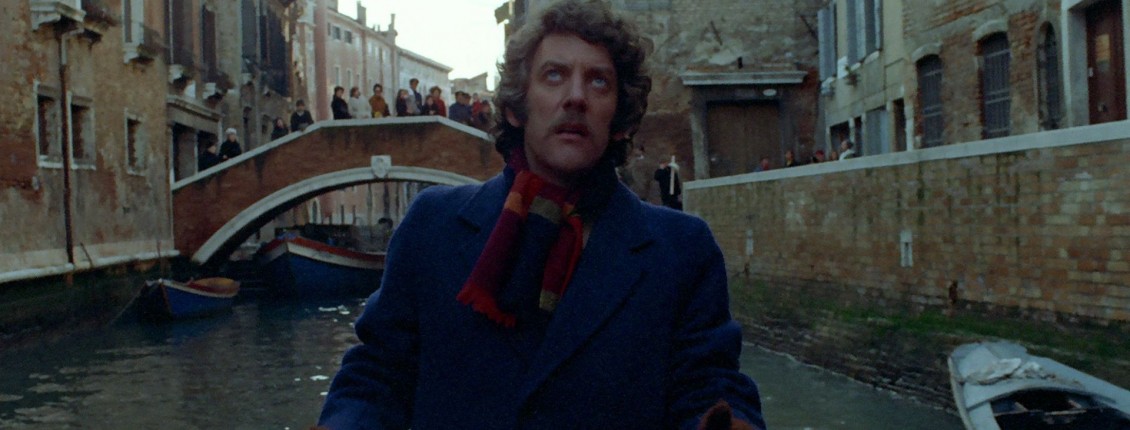
12. Don’t Look Now (1973)
See the source image

Psychological horror about psychic dangers in Venice; very atmospheric but also strange and unsatisfying

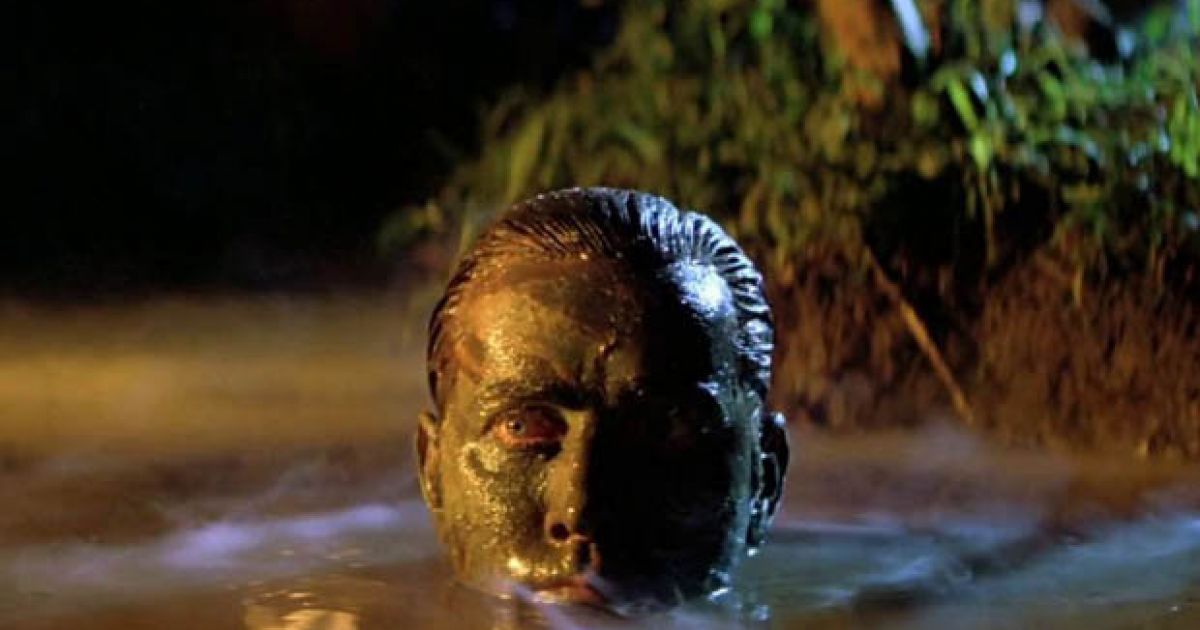
11. Apocalypse Now (1979)
See the source image

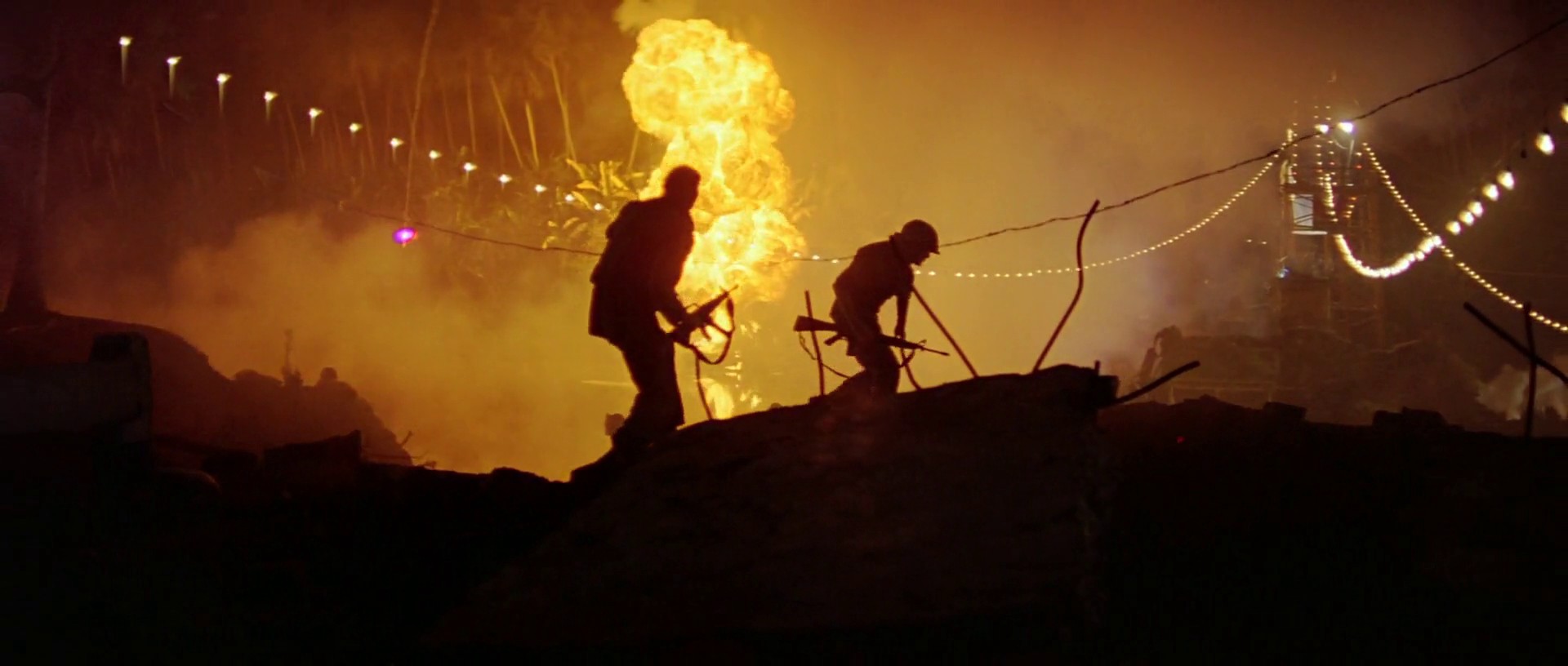
Coppola’s Vietnam war classic is masterfully executed but also off-putting and anticlimactic.

10. Shin Godzilla (2016)

See the source image

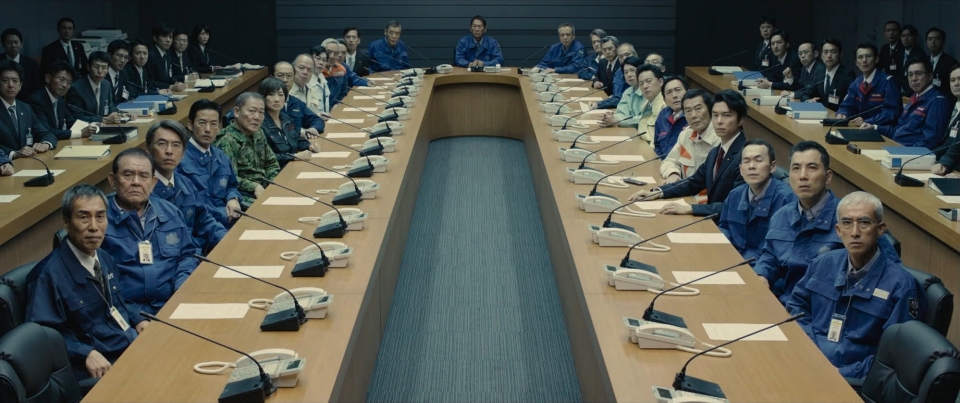
Modern “realistic” Godzilla thriller where bureaucracy is just as much a problem as the monster; special effects are both good and not quite good enough.

9. The Village (2004)

See the source image

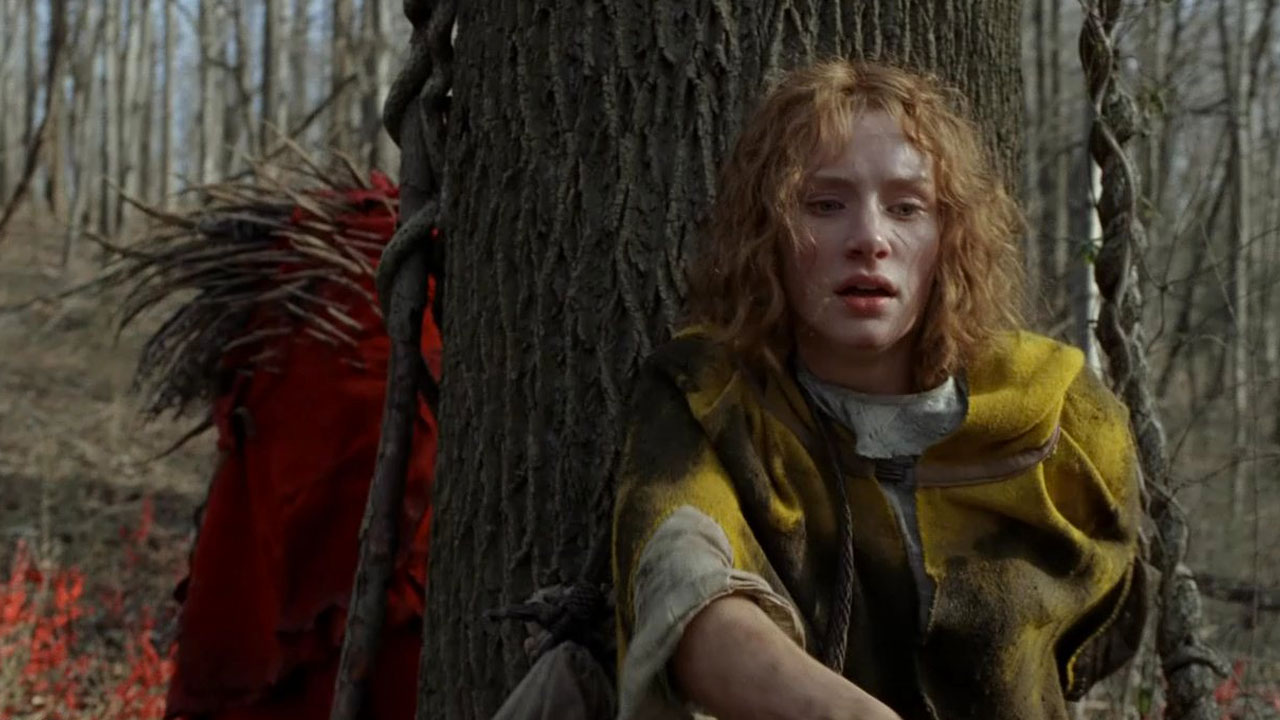
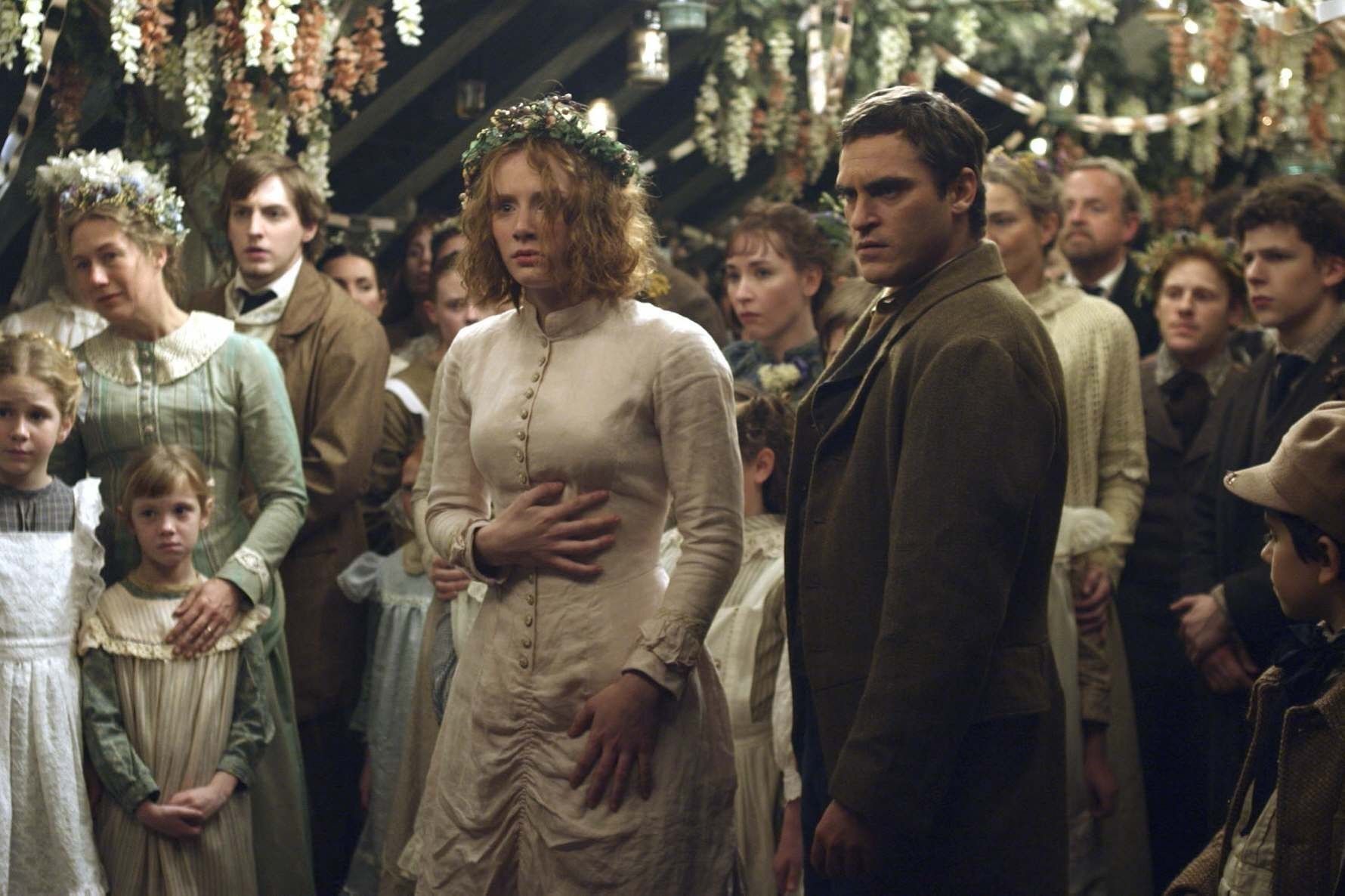
Atmospheric Shyamalan thriller with a twist that isn’t that hard to predict

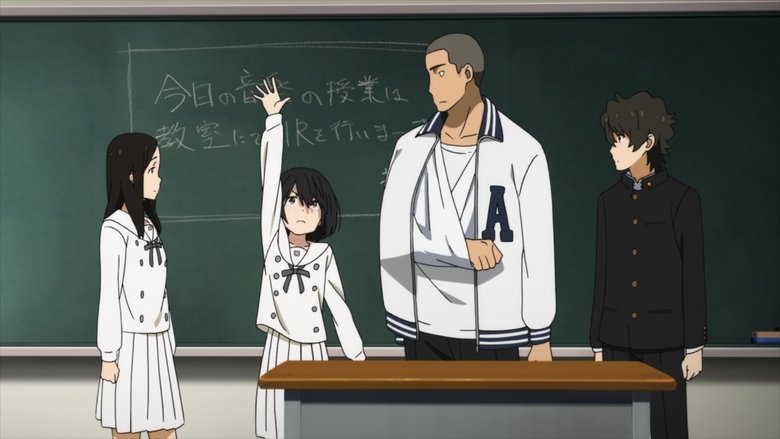
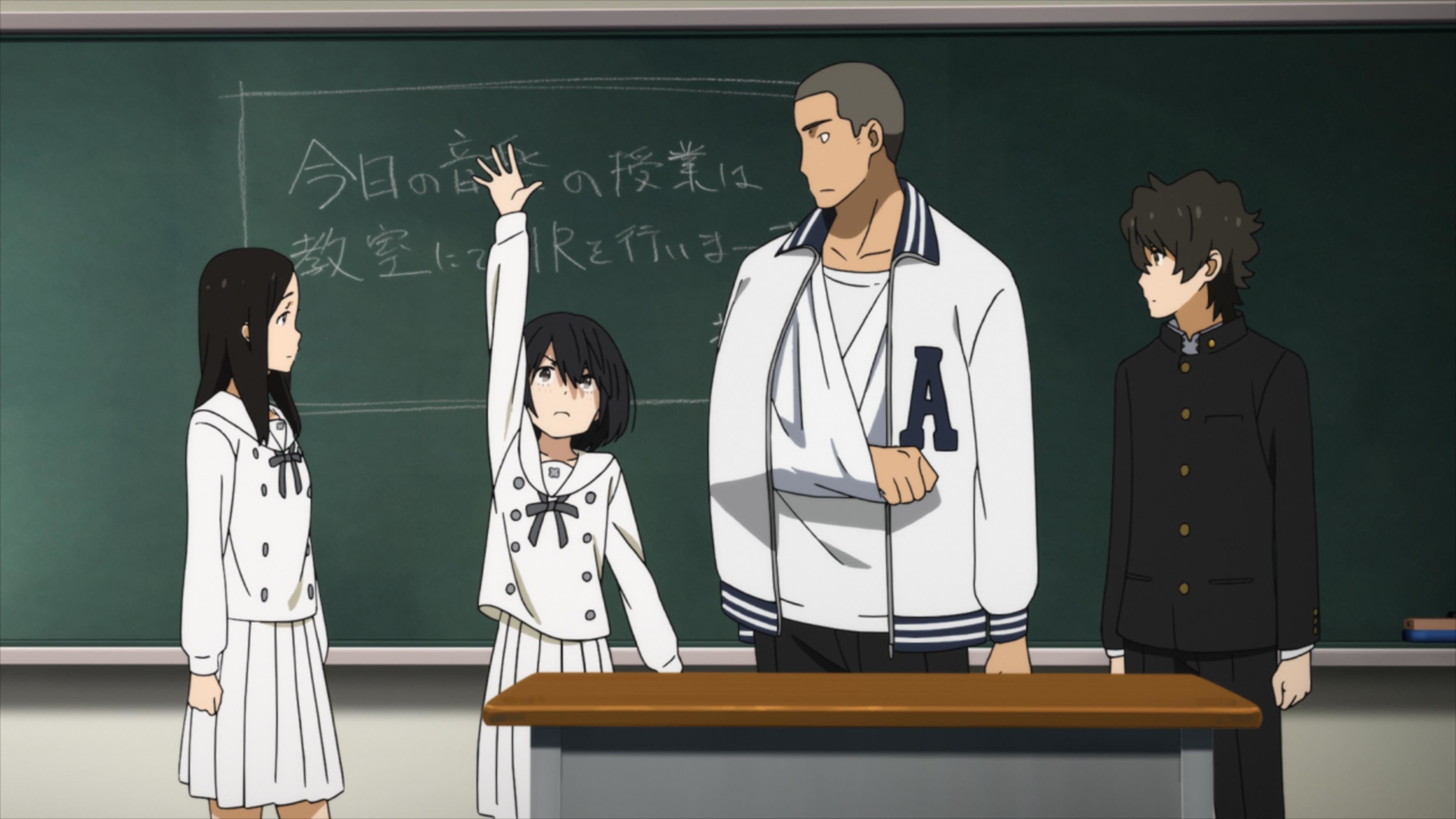
8. Anthem of the Heart (2015)
See the source image

Anime school drama posing as fantasy with some poignant themes

7. Office Space (1999)

See the source image

Cult comedy that I can relate to now that I’ve worked in an office

6. The Apartment (1960)

See the source image

Oscar-winning classic with an unappealing premise that yields to a highly satisfying end

5. Total Recall (1990)

See the source image

Violent and bizarre, but thought-provoking action sci-fi is my jam nonetheless.

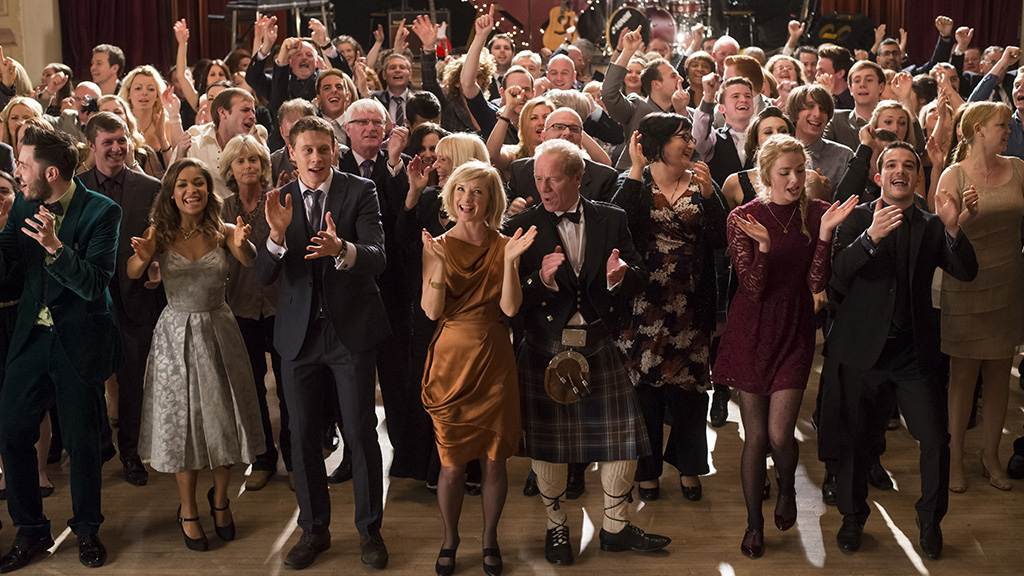
4. Sunshine on Leith (2013)

See the source image

Scottish musical highlighting The Proclaimers’ discography; sweet but mostly predictable romance drama

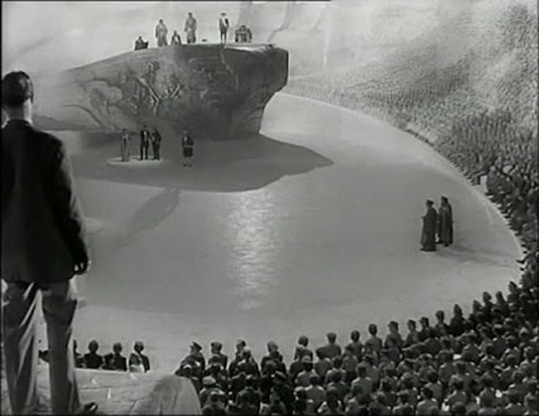
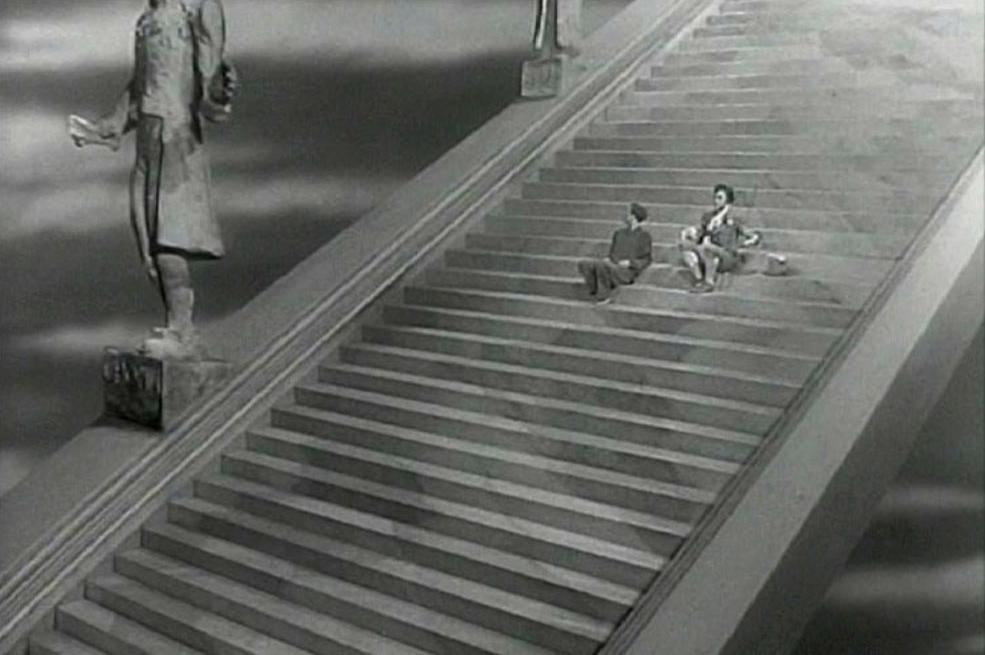
3. A Matter of Life and Death (1946)
See the source image

Unsung romantic classic with intriguing fantasy elements of the afterlife; like Soul but older and British

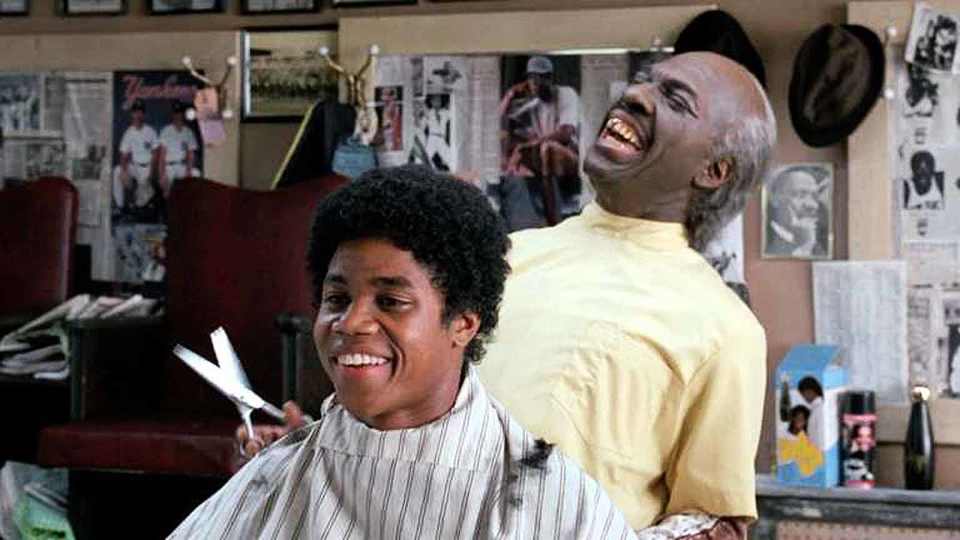
2. Coming to America (1988)

See the source image

Second-tier Eddie Murphy rom com that still reminds me why ’80s comedies are the best

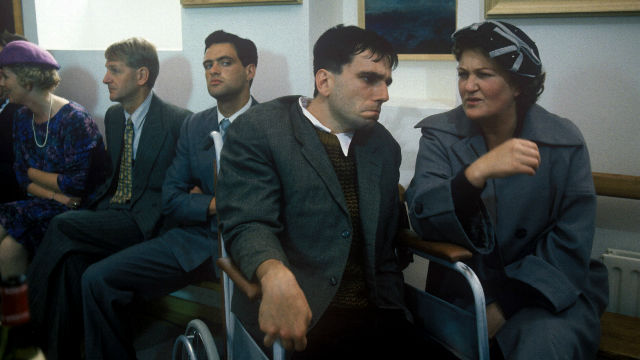
1. My Left Foot (1989)
See the source image

First-rate acting for a first-rate biopic of Irish painter and author Christy Brown
2021 Blindspot Pick #12: The Apartment (1960)

31 Friday Dec 2021

Posted by sgliput in Blindspot, Movies, Poetry, Reviews, Writing

≈ Leave a comment

Tags

Classics, Comedy, Drama, Romance

See the source image

If the world has left you no control
Of life or love, of plan or goal,
And made you think there’s no escape
From reality in its present shape,
Then I would say it’s worth reminding
You that inertia can be blinding,
Magnifying common stress
Into a mirage of helplessness.

You are still the one who chooses
All of your actions and excuses.
They can change and so can you
With simple thought and follow-through.
____________________________

MPA rating: Approved (nothing explicit but a definite PG-13 for subject matter)

Ah ha! I’ve done it. After school and life got me so behind, I have finally caught up and completed my 2021 Blindspot series before the end of the year! And I’m capping things off with the Best Picture winner of 1960, which fittingly happens to end on New Year’s Eve as well. I’d always heard about how The Apartment was such a classic and decided it was finally time to see why, and it gave me a rare shift of opinion.

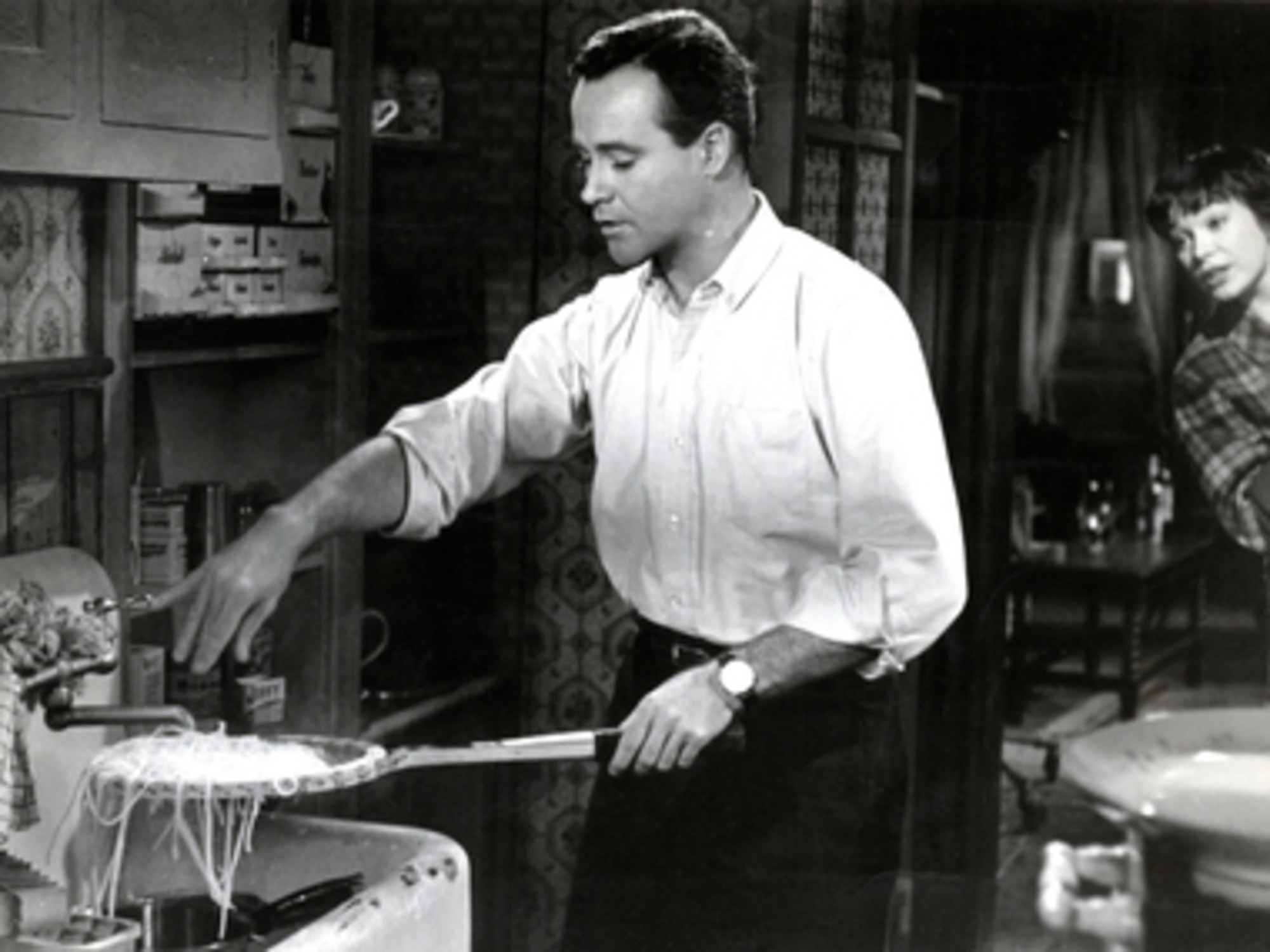
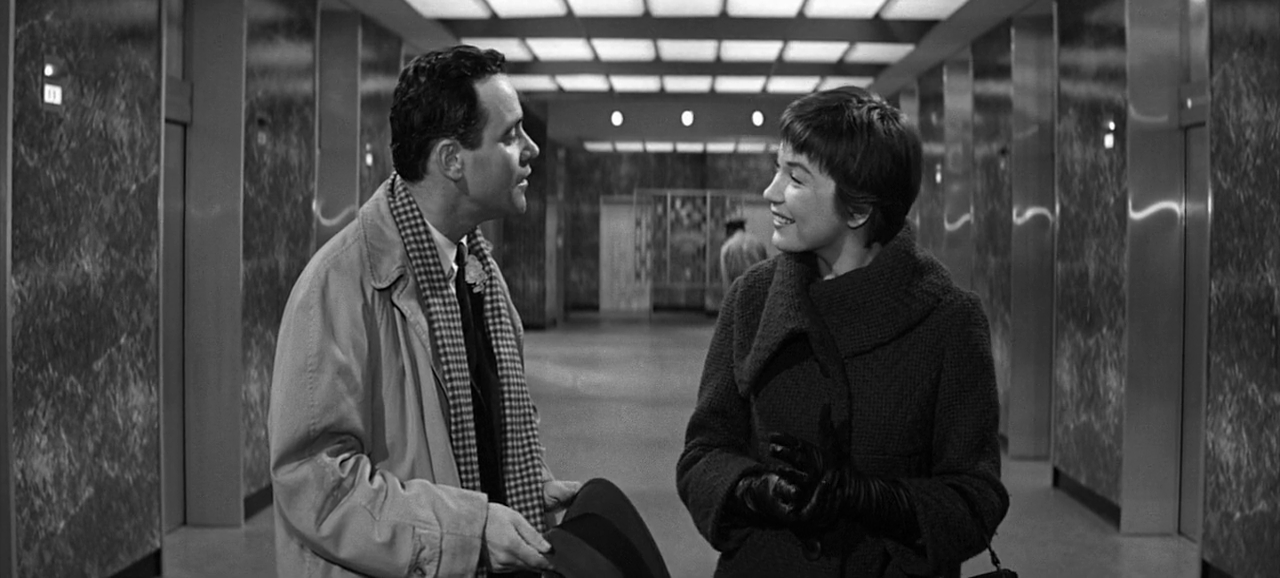
When I reviewed Strictly Ballroom years ago, I was flabbergasted at how it started as a movie I couldn’t stand and yet ended up being sweet and romantic in the second half. I had a similar experience here. The apartment of the title belongs to insurance clerk Bud Baxter (Jack Lemmon), though he rarely gets to enjoy it. Based on promises of promotions from his superiors in the company, he agrees to let them use his apartment for their frequent affairs, leaving them a key while he goes out. Even his own manager Mr. Sheldrake (Fred MacMurray) expects his cooperation, and Baxter is pliant enough to just look the other way, at least until he learns of the involvement of his elevator-operator crush Ms. Kubelik (Shirley MacLaine).

See the source image

Once I was knee-deep into the film, both my VC and I realized we didn’t like the premise one bit, even if we might sound like the fuddy-duddy critics of the ‘60s. There’s hardly anyone worth liking. Baxter’s boss is a proven womanizer, Ms. Kubelik is too weak and besotted to put an end to being used, and Baxter himself, despite Lemmon’s natural genteel charisma, is a spineless enabler to all this adultery, repeatedly taking the blame to cover up his managers’ infidelity. Perhaps Billy Wilder’s direction and witty script are supposed to make up for the moral vacancy of a plot that is probably (and sadly) all too accurate in its depiction of extramarital dalliances, but it wasn’t endearing to me.

And then… it turned a corner. One reckless move to put an end to the whole situation leads to a sudden surge of character growth and accompanying sympathy. Baxter and Ms. Kubelik get a chance to actually talk and bond outside of their passings in the elevator, and the story becomes not just an exposé of the characters’ moral failings but a chance for them to improve themselves. As Baxter’s doctor neighbor (Jack Kruschen) encourages him, “Be a mensch.” The ending left me smiling and satisfied in a way I never would have expected based on the first half of the film.

See the source image

I still fail to see why it’s lauded as one of the greatest films of all time, but The Apartment proved its worth as a classic, eventually anyway. Lemmon and MacLaine make a perfect pair, and their Oscar-nominated performances run the gamut from screwball comedy to some surprisingly dark moments. The premise still doesn’t appeal to me, but I liked how it is used by the end to further Baxter’s self-confidence and give him something worth caring about more than his job. Like Strictly Ballroom, it’s proof that you should withhold judgment not just from a story’s cover but should probably wait all the way to the end, appraisal-wise.

Best line: (Baxter, referring to her compact) “The mirror… it’s broken.”  (Ms. Kubelik) “Yes, I know. I like it that way. Makes me look the way I feel.”

Rank:  Honorable Mention

© 2021 S.G. Liput
748 Followers and Counting

A very Happy New Year to everyone, and here’s hoping for a much better 2022!

2021 Blindspot Pick #11: A Matter of Life and Death (1946)

29 Wednesday Dec 2021

Posted by sgliput in Blindspot, Movies, Poetry, Reviews, Writing

≈ Leave a comment

Tags

Classics, Drama, Fantasy, Romance

See the source image

If I should die before I wed,
I pray the Lord won’t keep me dead,
But let me live a longer life
So I can find and woo a wife,
For this film shows there is a chance,
Depending on the circumstance.
_________________________

MPA rating: PG

If it wasn’t obvious, yes, I am in full-on catch-up mode to finish my 2021 Blindspots before the end of the year. I wasn’t sure what to expect from A Matter of Life and Death (released as Stairway to Heaven in the U.S.), the oldest film on my Blindspot list and one that I had heard was as beloved in Britain as It’s a Wonderful Life is here in America. That’s not a bad comparison since they were both released in 1946, in the wake of World War II, and deal with a fantasy scenario of heavenly players appraising a man’s life.

See the source image

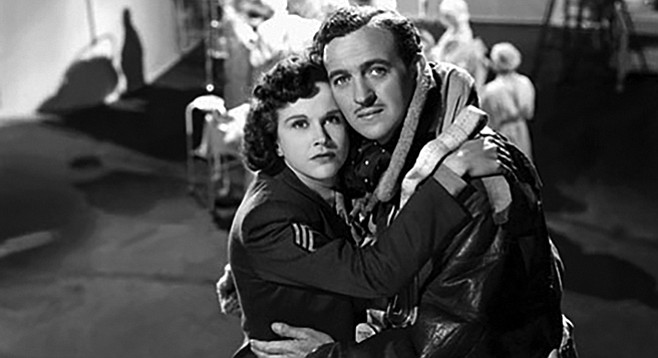
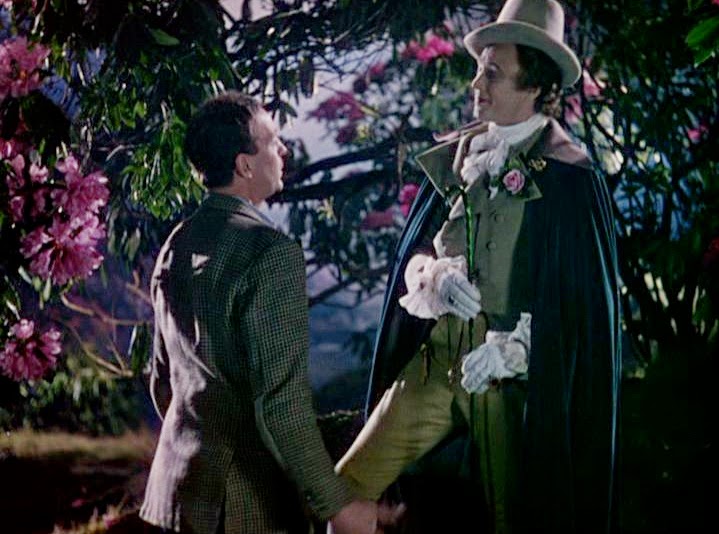
Before British airman Peter Carter (David Niven) jumps without a parachute from his damaged plane, he shares a brief but sincere conversation with an American radio operator named June (Kim Hunter). Somehow, he survives and wakes uninjured on the English shore the next day, quickly seeking out June to begin a relationship with this unexpected chance at life. However, the “Other World” realizes Carter should have died if not for the thick fog that kept his Conductor (Marius Goring, playing extremely French) from collecting him. While a doctor (Roger Livesey) investigates the survivor for brain damage, Carter must appeal to have his life extended, citing his newfound love of June and eventually appearing before a celestial courtroom to plead his case.

Considering I had never heard of it before last year, A Matter of Life and Death was actually a fascinating watch, one whose influence was present even when I didn’t recognize it. For example, the early conversation between Peter and June over the radio before his expected demise was definitely echoed at the end of Captain America: The First Avenger, and Bill and Ted’s Bogus Journey featured a suspiciously similar staircase lined with statues of famous people. However, the biggest inspiration borrower goes to last year’s Soul. Just like Inside Out was not without precedent (Herman’s Head, anyone?), Soul undoubtedly borrowed some of this film’s imagery, from the escalator slowly ascending to “another world” that is never explicitly called heaven to the large round portals that celestial workers look down through to view Earth below, not to mention the repeated name-dropping of famous historical figures. That’s not a slight, of course; I still love Soul, more than this film to be honest, but I enjoy being able to recognize cinematic influences. If anything, it helps me appreciate both the borrower and the original source even more.

See the source image

That being said, A Matter of Life and Death struggles at times to make the pacing as engaging as its script and imaginative imagery. I know it’s not uncommon in these old movies, but I found it a little hard to swallow that Peter and June would be all lovey-dovey, calling each other “darling,” immediately after meeting in person for the first time, a stretch that comes up in the trial too. Plus, the middle section loses some steam as the plot switches between Goring’s French aristocrat explaining things to Carter and the minutiae of the doctor’s theory about Carter’s medical condition. Similar to yesterday’s Blindspot Anthem of the Heart, there’s intentional doubt as to whether Carter’s celestial deadline and trial are actually real or all in his head, the result of a deteriorating brain injury. The ambiguity is handled better here, allowing enough room for either theory to be true or both even.

When the film really gets intriguing is during the trial of the last third, when a host of thought-provoking themes parade throughout the legal arguments. The prosecutor is an American killed during the Revolutionary War, whose belief in American exceptionalism is matched only by his prejudice against the British, Carter included. While I feel like the film spent more time than needed on the prejudice angle, it was a fascinating debate, with discussions of Britain’s checkered colonial history, America’s melting pot population, and the role of racism in deciding on one’s character. On top of that, the film is rife with poetry, inventive camerawork, and a rare mixture of black-and-white and color, leaving the Other World in pearly whites and shadows while Earth enjoys Technicolor, sort of a reversal of The Wizard of Oz.

See the source image

There’s quite a bit to appreciate about A Matter of Life and Death, and I feel that further viewings could make me admire it even more. Yet despite its dewy-eyed romance, it’s more cerebral than the sentimentality of It’s a Wonderful Life, which has also benefited from my watching it every year as both a Christmas favorite and my dad’s favorite film ever. One viewing didn’t make this an instant favorite for me personally (which could change in the future), but A Matter of Life and Death deserves its reputation and even greater exposure to American audiences.

Best line: (Abraham Farlan, the prosecutor) “You claim you love her.”
(Peter Carter) “I do love her!”
(Farlan) “Can you prove it?”
(Carter) “Well, give me time, sir. Fifty years will do.”
(Farlan) “But can you prove it?”
(Carter) “Well, can a starving man prove he’s hungry except by eating?”
(Farlan) “Would you die for her?”
(Carter) “I would, but, er, I’d rather live.”

Rank:  List Runner-Up

© 2021 S.G. Liput
748 Followers and Counting

2021 Blindspot Pick #10: The Anthem of the Heart (2015)

28 Tuesday Dec 2021

Posted by sgliput in Blindspot, Movies, Poetry, Reviews, Writing

≈ Leave a comment

Tags

Animation, Anime, Drama, Romance

See the source image

If pens are mightier than swords,
Then speaking what they write is too.
And words no pen or page records
Can leave impressions deep and true
While those who spoke them have no clue.

Invisible, words plant their seeds,
Perhaps to not mature for years.
The flowers can be choked by weeds,
From tactless slurs to whispered fears
That did not settle on deaf ears.

We cannot know their full result
And may not live to see them grow,
But whether child or adult,
Our words outlive us here below.
Beware the seeds that you bestow.
___________________________

MPA rating:  Not Rated (a safe PG for light innuendo)

I always like to include at least one anime in my Blindspots, and this is one that I had just never gotten around to watching. The Anthem of the Heart has a strong pedigree with scintillating animation from A-1 Pictures and a screenplay from the queen of emotions herself Mari Okada (who would go on to direct the heart-shattering Maquia). It’s a sweet and sad story that ends up being much more of a teenage romance than a fantasy, and there’s something endearing about its simplicity.

See the source image

When Jun Naruse was a young girl, she caught sight of her father exiting a love hotel with another woman, and he outright blames her when her big mouth leads to her parents’ divorce. Overcome with guilt, she encounters an egg-like prince who offers to curse her and prevent her from ever hurting others with her words. Years later in high school, Naruse is known in her class and neighborhood for never speaking. When a teacher encourages her and three other classmates to collaborate on a community outreach event, they end up putting on a musical, and Naruse learns that the curse does not limit her when she tries singing her feelings, which include a growing crush on one of her new friends.

Like Sunshine on Leith, I feel like this is a film I ought to love more than I did, what with the lovely animation and the plotline of putting on a musical, which includes original lyrics added to familiar tunes like “Greensleeves” and “Over the Rainbow.” There’s a half-hearted effort at planting doubt as to whether Naruse’s condition is truly fantastical or simply a psychosomatic result of her childhood guilt, and the result is underwhelming albeit more realistic. Likewise, the love triangle/square between Naruse and some of her classmates indulges in dramatic clichés while also trying to buck them in a way that does satisfy but not in the expected way, accentuating the theme that the real world is messier than fairy tales.

See the source image

Nevertheless, The Anthem of the Heart had its fair share of strong and sincere emotions, with the climax giving me chills the way good musical drama does. Naruse’s concern about words hurting others affects more than just her story, and I liked the way it influences the supporting characters and helps her come out of her shell. The film ends up feeling like a small-scale story worth telling, one that probably would not have gotten as much love and detail put into it outside of the world of anime. It may not be a new favorite of mine, but I certainly hope to see more like it.

Best line: (Naruse) “Don’t tell people to disappear like it’s nothing. Words can hurt people. You can’t ever… You can’t ever take them back! Even if you regret, you can never take them back.”

Rank:  List Runner-Up

© 2021 S.G. Liput
748 Followers and Counting

2021 Blindspot Pick #9: Sunshine on Leith (2013)

24 Friday Dec 2021

Posted by sgliput in Blindspot, Movies, Music, Poetry, Reviews, Writing

≈ Leave a comment

Tags

Drama, Musical, Romance

See the source image

(Best sung to the tune of “I’m Gonna Be (500 Miles)” by the Proclaimers)

If you watch this,
You should know they’re gonna sing,
They’re gonna sing their lines as lyrics and a tune.
If you hate this,
You should know it’s gonna sting,
It’s gonna sting ‘cause even cynics aren’t immune.

But I like this,
I like musicals galore,
And by galore, I mean there’s plenty to embrace.
If you don’t like this,
Then it’s better to ignore,
But you ignore what puts a smile on my face.

And I would watch this musical
And I would watch 500 more
If it means they’ll make more musicals,
No matter how the haters roar.
_______________________________

MPA rating:  PG (mainly some innuendo)

When I choose my Blindspots at the beginning of each year, I usually don’t give any thought to how exactly I’ll watch them. With so many streaming options nowadays, there must be some way, right? When I decided to watch Sunshine on Leith, I realized that might be difficult, considering the Scottish musical was not on any streaming subscription and apparently had never been released on DVD in the U.S., meaning anything I bought would not be playable on my U.S. player. I was on the verge of having to change my Blindspot choice entirely, but thankfully I checked YouTube, where it happened to have been uploaded by some overseas saint. So note to self, maybe I ought to verify that I can actually find the movies on my Blindspot list before I announce them.

Anyway, I had a strong feeling that Sunshine on Leith would be my kind of movie. A feel-good romantic musical set in Scotland? Yes please! The closest analogue to this film would have to be Mamma Mia!, the jukebox musical that incorporated ABBA’s diverse discography into a mostly coherent storyline. This time, the featured music is that of the Proclaimers, a Scottish duo known for songs that tend to tow the line between rock and barroom folk anthems. Admittedly, I was only familiar with two of their songs, “I’m on My Way” and most famously “I’m Gonna Be (500 Miles),” both of which debuted on the 1988 album Sunshine on Leith, from which the film gets its name.

See the source image

So, unlike Scottish audiences, I had little internalized fondness for these songs since they were mostly new to me. Yet I still enjoyed the songs quite a bit, even if the performances often lack the wow factor of other musicals. It’s very much in the vein of Mamma Mia!, with characters sometimes breaking into goofy theatrics for an impromptu musical number, and the final rendition of “I’m Gonna Be” is undoubtedly the best, combining the romantic climax with the most fun choreography.

However, in combining songs that were not necessarily written to fit into a narrative, the plot is unfortunately thin. It chugs along in feel-good mode with hardly any conflict before suddenly dropping three different conflicts all at once and resolving one in the space of a single song that didn’t seem to actually address the problem. I’m genuinely impressed by the way musicals like this and Mamma Mia can combine unrelated songs into a cohesive plot; I’ve wished I or someone could do the same for some of my favorite artists, like TWRP, Autoheart, or Coldplay. It can’t be easy, but this is one case where the songs often don’t quite fit naturally, instead making the plot feel overly rushed at times, despite the good performances of actors like Peter Mullan, Jane Horrocks, and George McKay (years before 1917). And yet the songs are also the best parts, causing the non-musical sections to suffer by comparison.

See the source image

I love musicals, and I liked this one, but I hate to admit that I didn’t like it as much as I wanted to. It has the feel-good romance aspect, paired with elements that try to make it less like a predictable Hallmark movie, and it introduced me to some great Scottish tunes. And while I was concerned that the accents may be hard to understand, I was able to follow along without missing too much. I’d gladly watch it again, so perhaps it will grow on me like Mamma Mia! has. If they’ll actually release the darn thing in the U.S.!

Rank:  List Runner-Up

© 2021 S.G. Liput
748 Followers and Counting

A very Merry Christmas and Happy Holidays to all!

2021 Blindspot Pick #8: Coming to America (1988)

13 Monday Dec 2021

Posted by sgliput in Blindspot, Movies, Poetry, Reviews, Writing

≈ Leave a comment

Tags

Comedy, Romance

See the source image

The grass is always greener
If you have the right demeanor
To view negatives as novel
And see good in every hovel,
If you welcome every nuisance
And embrace the sad but true, since
You can meet the world sincerely
If you understand it clearly,
For “greener” is subjective
And dependent on perspective.
____________________

MPA rating:  R (mainly for language)

With the end of the year fast approaching and my backlog continuing to grow, I’m thinking I’ll need to shorten my reviews to churn them out a bit faster. And my Blindspots are especially in need of catching up. I had hoped to see Coming to America before its long-awaited sequel came out earlier this year, but life had other plans, as life so often does. Silly life…. Anyway, this is one of those ‘80s comedy classics that I’m somewhat surprised that I never watched sooner, simply because of a vague recollection that my mom once said it wasn’t that funny. While I can agree it’s not quite Eddie Murphy’s finest hour, I still found it to be a winning star vehicle for him.

See the source image

Murphy plays Prince Akeem Joffer, the heir of the fictional African nation of Zamunda, who is tired of having his every need supplied by overly attentive servants. After meeting his yes-woman of a bride-to-be (Vanessa Bell), Akeem decides to go on a trip with his friend Semmi (Arsenio Hall) to find a bride of his own in New York City, whether his traditional parents (James Earl Jones, Madge Sinclair) approve or not. Murphy gets comedic mileage out of the fish-out-of-water scenario, especially because he isn’t offended by NYC’s seedier aspects but embraces them wholeheartedly as a wonderful contrast to his life back home. Even so, several scenes go on too long, such as a tribal dance that would probably be labeled racist if Eddie Murphy wasn’t behind it. Plus, Murphy and Hall both relish in playing multiple colorful side characters, who aren’t particularly funny beyond the impressive makeup and the realization of who’s playing them.

Yet I found myself sold more on the romance than the comedy, as Akeem begins courting Lisa (Shari Headly), the daughter of his boss (John Amos) at a local fast-food restaurant. Their chemistry works especially well, and the humor of his trying to keep his true identity a secret gives way to a heart-meltingly sweet confession of love. I might have liked a little more context around a climactic “reveal,” but Coming to America was a satisfying and fun rom com and a who’s who of African American actors, from the early roles of Samuel L. Jackson and Cuba Gooding, Jr. to the reunion of Roots veterans Amos and Sinclair (not to mention an entirely unexpected cameo from another Murphy film that was worth the price of admission). I also love how Jones and Sinclair were later cast as another African royal couple in The Lion King. As with other Blindspots from that era, I feel like I might have a greater fondness for this film if I’d seen it years ago, but I’m still looking forward to revisiting the characters in the sequel now.

See the source image

Best line:  (Queen Aoleon, to Akeem) “When I first met your father, I was terrified.”
(King Jaffe) “I must admit, I was frightened too.”
(the Queen) “I was so nervous, I became nauseous. But over the years, I have grown to love your father very much.”
(the King) “So you see, my son, there is a very fine line between love and nausea.”

Rank:  List Runner-Up

© 2021 S.G. Liput
746 Followers and Counting

2021 Blindspot Pick #7: Don’t Look Now (1973)

24 Wednesday Nov 2021

Posted by sgliput in Blindspot, Movies, Poetry, Reviews, Writing

≈ Leave a comment

Tags

Drama, Horror, Thriller

See the source image

What’s lost is lost forevermore,
It can’t be as it was before.
Our memories are tethered more
To wisps of smoke and whispered lore
Than any solid souvenirs
That lasted past the days of yore.

The lovers of the lost are faced
With echoes that recede in haste.
No matter how they’re called or chased,
They leave our mortal feet outpaced,
Assured that lovers left in tears
Won’t let their vestige be erased.
___________________

MPA rating:  R (mainly for a long and unnecessary sex scene, could be PG-13 without it)

This psychological thriller Blindspot would probably have been better suited for October, but I’m still in catch-up mode here. Don’t Look Now was one of the films on the list about which I knew very little going in, so I wasn’t sure what to expect from what I believed to be an acclaimed horror from the ‘70s. Based on a Daphne du Maurier story and released in the UK as a double feature with The Wicker Man, Don’t Look Now is not really a horror film to me, unless you would consider Rebecca one as well. Both du Maurier adaptations are far more concerned with psychological uneasiness and characters’ inner self-doubt than your standard scarefest, so the “psychic thriller” moniker on the film’s poster fits well.

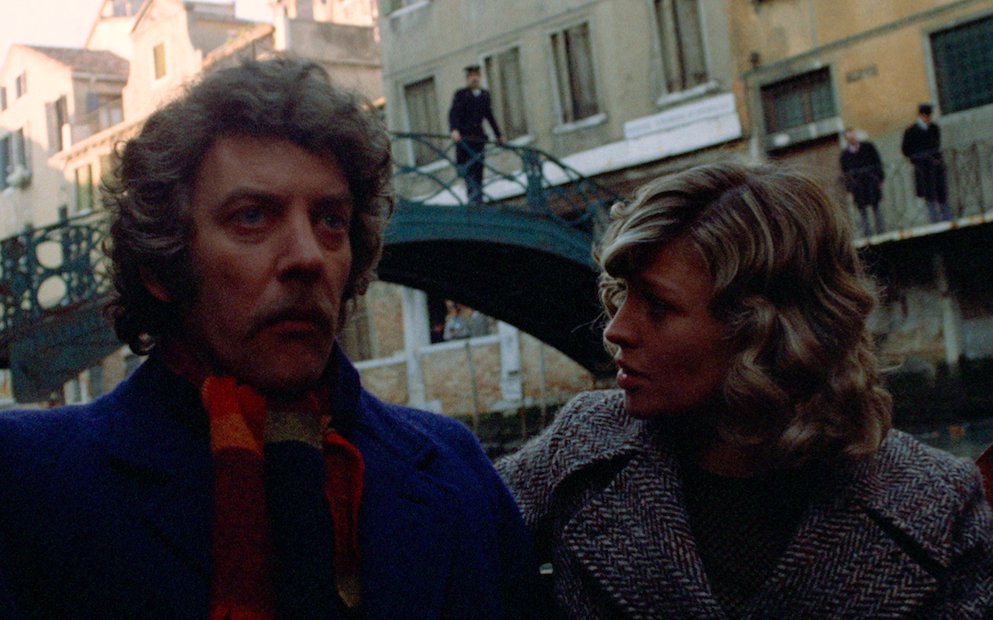
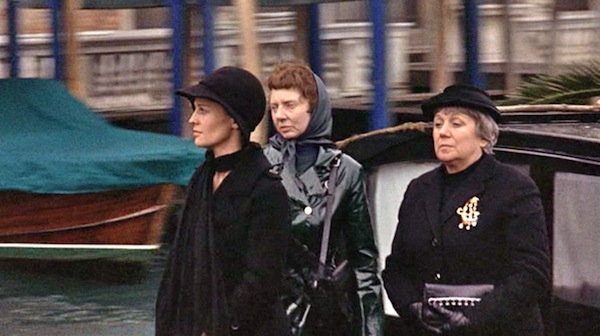
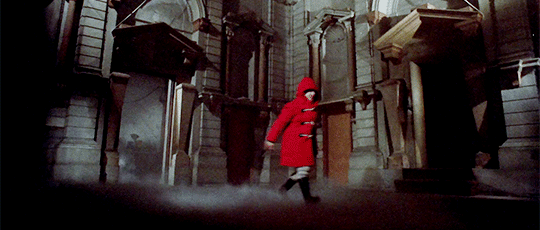
Donald Sutherland and Julie Christie play married couple John and Laura Baxter, whose young daughter Christine drowns tragically at their British home. Still reeling from grief, they move to Venice, where John has been commissioned to restore a decaying church. Laura happens to meet two sisters in a restaurant, one of whom is blind and psychic, telling Laura that she saw her deceased daughter. The psychic woman later warns her that John is in danger and has psychic abilities himself, even as he begins seeing his daughter’s red coat along the darkened canals of Venice.

See the source image

Don’t Look Now is clearly interested in not just frights but art, the kind that alienates just as much as it interests. A uniquely choppy editing style sometimes intercuts seemingly unrelated scenes, playing into the theme of precognition to make the audience doubt what they’re watching at a particular time. This applies to an extended and apparently infamous sex scene, which could easily have been excised but likely is defended as art for its editing. While the editing isn’t always to my taste, it does serve to focus the viewer on the film’s recurring motifs, such as water, broken glass, and reflections, carefully crafted imagery I didn’t fully appreciate until reading about the film afterward.

As for the performances, Sutherland and Christie are quite convincing as a couple sharing grief but torn apart by how they respond to the idea of their daughter contacting them. They serve as the main point of sympathy, and, through their British presence in an Italian city, the film fosters its sense of otherness and anxiety, as if the rest of the cast are watching them from a distance and refusing to let them in on a secret. The two sisters (Hilary Mason, Clelia Matania) waver between unnerving and kindly, though the psychic one adds to the film’s intermittent weirdness, such as a séance where she practically reenacts the diner scene from When Harry Met Sally.

See the source image

As with many artsy critical darlings, Don’t Look Now is a film I can appreciate more than I enjoyed it. It’s clearly had an impact on filmmakers to come, with many directors citing its influence, and the image of a child in a bright red jacket has carried over into other films like Schindler’s List and Flatliners. The film excels in building an atmosphere of menace in its Venetian setting, particularly during a tense accident and the climax, but the editing of that climax seemed to suggest some deeper reveal that didn’t make itself clear. An admirably Hitchcockian examination of grief, Don’t Look Now manages to be at once well-crafted, odd, and ultimately unsatisfying.

Best line: (Inspector Longhi, with an interesting observation) “Age makes women grow to look more like each other. Don’t you find that? Old men decay, and each becomes quite distinct. Women seem to converge, eh?”

Rank:  Dishonorable Mention

© 2021 S.G. Liput
743 Followers and Counting

I wish everyone a Happy Thanksgiving!

2021 Blindspot Pick #6: Apocalypse Now (1979)

27 Wednesday Oct 2021

Posted by sgliput in Blindspot, Movies, Poetry, Reviews, Writing

≈ Leave a comment

Tags

Drama, War

See the source image

What looms within the human heart,
Unwilling ever to depart,
Is easy to depict in art
For everyone to see:

The darkness and the violent lusts,
Sin that beguiles and disgusts,
That takes our innocence and rusts
To gag morality.

It must be seen, the world insists,
To show the horror that exists.
Its advocates are but realists,
As ugly truth they show.

Perhaps that truth is worth a peek,
If only for what not to seek,
But excess horror lacks critique
And merely lets it grow.
______________________

MPA rating:  R (strong language and violence, plus nudity in the Redux version)

And here I am finally halfway done with my 2021 Blindspot series… in late October. Okay, so I’m still behind this year, but I’m gaining ground. I had considered Francis Ford Coppola’s Apocalypse Now for my Blindspot list in past years, but I remembered my mom saying how much she didn’t enjoy it. But it is a classic, right? It’s a monument of modern filmmaking, a testament to the senseless horror of the Vietnam War, a character study of men on the edge of sanity making hard decisions and quoting poetry. Yes, it’s all of these things, and I didn’t much care for it.

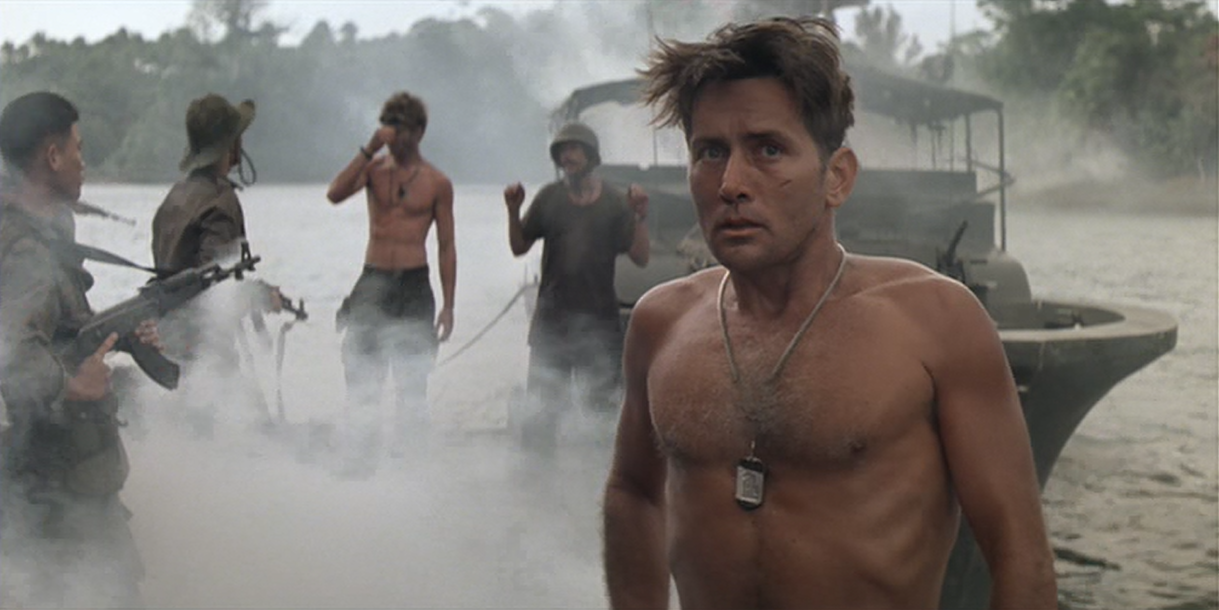
Somewhat based on Joseph Conrad’s Heart of Darkness and relocating the novel’s river journey from the African Congo to wartime Vietnam, Apocalypse Now is as much a psychological contemplation as it is a tour of the Vietnam War. Interspersed with nighttime shootouts and upriver ambushes, Army Captain Willard (Martin Sheen) waxes philosophical over the bleakness of battle and his internal moral debate of what he will do when he encounters Kurtz (Marlon Brando), the effective but crazed colonel his superiors have sent Willard to kill. At times, the film’s tone almost turns into dark comedy, as when Lieutenant Colonel Kilgore (Robert Duvall) insists on surfing in the middle of a beach assault, but it yields to hallucinogenic nihilism by the end, which is more of a whimper than a bang, to borrow from the film’s own T.S. Eliot quote.

See the source image

I technically watched Apocalypse Now Redux, the 2001 director’s cut that added 49 minutes to the original runtime, including 20 minutes that Coppola later removed again for yet another director’s cut in 2019. When I later read what the additional material was, I wasn’t surprised since they weren’t really needed. The longest added sections, including a stopover with Playboy bunnies and a visit to a plantation of French holdouts, not only slow down the pacing but mainly serve to make the film even more R-rated, adding in two sex scenes absent from the original.

On one hand, I can recognize what captured the regard of so many critics. Coppola’s direction is often top-notch, particularly during a sequence where Willard walks through a chaotic, flare-lit camp under attack, which is like a carnival battlefield from hell. I can’t fault the acting either, from Brando’s climactic soliloquy justifying his actions to Duvall’s mercurial officer who flits from cruel to kind and says “Someday this war’s gonna end” almost with regret. It was nice to see Laurence Fishburne in an early role, as well as minor parts for Harrison Ford, Scott Glenn, and Dennis Hopper.

See the source image

Yet for all its strengths, the film ultimately feels aimless, with its inevitable climax just happening with no subsequent consequences, reactions, or closure for anyone involved. Its status as a critical darling makes me feel like I’m in the minority in disliking it, but it’s a lot like Blade Runner, another technically impressive Blindspot that proved to be style over substance, petering out with no effort to satisfy the audience. I suppose that’s a sign of creative independence and art, but it doesn’t make it a film I care to watch again. I’ve seen people complain that Apocalypse Now was snubbed for the Best Picture Oscar in favor of Kramer vs. Kramer, but I’m glad the smaller, more personal film won. On some level, others must have felt the same as I do.

Best line (not going for the obvious “I love the smell of napalm” line):  (Willard, quoting Kurtz) “In a war, there are many moments for compassion and tender action. There are many moments for ruthless action – what is often called ruthless – what may in many circumstances be only clarity, seeing clearly what there is to be done and doing it, directly, quickly, awake, looking at it.”

Rank:  Dishonorable Mention

© 2021 S.G. Liput
740 Followers and Counting

2021 Blindspot Pick #5: The Village (2004)

19 Tuesday Oct 2021

Posted by sgliput in Blindspot, Movies, Poetry, Reviews, Writing

≈ Leave a comment

Tags

Drama, Thriller

See the source image

The leafless woods’ alarming hem
Does greet our eyes on every side.
A wall for us but not for them,
Where those we do not speak of hide.

Branches hang low
But point to the sky
To silently show
Where we go when we die.

The elders say our safety’s sure
Within the glen the village claims,
But who can feel safe or secure
When watched by creatures without names?

Nobody sees,
And nobody hears,
But none disagrees,
And everyone fears.
_______________________

Since starting out his career as a director with three excellent films in my view (The Sixth Sense, Unbreakable, Signs), M. Night Shyamalan has certainly had his ups and downs, with The Last Airbender being the low point. Nowadays his films are greeted with a mixture of optimism and misgivings, but back in 2004, there was still good reason to have high hopes for his fourth feature, The Village. Seen as a turning point between “good Shyamalan” and “bad Shyamalan,” The Village is indeed a middle-of-the-road effort with a plot that can’t help but buckle under its expected assumptions.

See the source image

The titular village of Covington is home to a collection of folk living their best 19th-century life, including Ivy (Bryce Dallas Howard in her first major role), the blind daughter of the village’s Chief Elder (William Hurt), and Lucius Hunt (Joaquin Phoenix), a young man who wants to leave the village and venture to the distant towns for medical supplies. Yet the elders forbid leaving the village due to the ever-present fear of what lies in the surrounding woods, red-cloaked creatures known as “Those We Don’t Speak Of.”

There are plenty of elements to admire about The Village, notably James Newton Howard’s haunting Oscar-nominated score, which I heard and loved long before I even considered seeing its source. Shyamalan’s adroit camerawork and use of color also add to the atmosphere, and as with his other films, the script and camera are careful to only reveal what he wants the audience to know. The problem is that a thinking audience who knows Shyamalan’s penchant for twists can fill in gaps. While I went in knowing what to expect, my VC did not and yet still guessed the main “twist” long before its reveal. Plus, it feels like it ends too soon, with one subplot regarding romantic tension between William Hurt and Sigourney Weaver’s characters going nowhere.

See the source image

I can see how The Village can be mocked and defended in equal measure. Its story might be labeled “dumb” (and has), but it’s far more psychological than the horror tale it may seem like on the surface. I could see it as a short story from some acclaimed writer, with its character archetypes and old-timey dialogue. (By the way, the quaint dialogue is both a plus and a minus. Most of the actors make it work, but Judy Greer’s delivery of one line is especially cringe-worthy.) The Village is not necessarily a bad film, but it’s a very fragile one, liable to fall apart if you ask too many questions. It’s neither as scary nor as deep as it wants to be, but it’s still a far sight better than Shyamalan’s low points since.

Best line: (Ivy) “Sometimes we don’t do things we want to do so that others won’t know we want to do them.”

Rank:  Honorable Mention

© 2021 S.G. Liput
739 Followers and Counting

2021 Blindspot Pick #4: Shin Godzilla (2016)

29 Wednesday Sep 2021

Posted by sgliput in Blindspot, Movies, Poetry, Reviews, Writing

≈ Leave a comment

Tags

Action, Drama, Foreign, Sci-fi

See the source image

I’ve heard the most dangerous creature is man,
And I suppose that must be true.
We love coming up with formidable monsters
That threaten our whole point of view,
And somehow we manage to conquer the foe
And add to the others we slew.
So if such a creature did rampage and roar
We’ll have all this fiction to clue
Our panicking, delicate, desperate species
On what we should probably do.
______________________

MPA rating:  PG-13

Giant monsters and mech suits have long fascinated Japan and many a young boy, but I honestly have never been a big fan of the genre. In the past, I could attribute this to the poor quality of the old Godzilla movies with their laughable acting and near-visible zippers. Yet I also am not much enamored of modern effects extravaganzas like Transformers or the 2014 American version of Godzilla. There’s a fine line between spectacle and noise, and a human element worth caring about is an oft-overlooked necessity. So why did I add 2016’s Shin Godzilla to my Blindspot list? Well, not only did it win Japan’s equivalent of Best Picture but I’ve heard plenty of people sing its praises, calling it a more realistic take on the classic Godzilla story. And while I agree with that to a point, Godzilla is still Godzilla.

See the source image

Directed by Hideaki Anno of Neon Genesis Evangelion fame, the film doesn’t waste much time before an underwater disturbance strikes Tokyo Bay, sending the Japanese government into a tizzy. One young cabinet member named Rando Yaguchi (Hiroki Hasegawa) is the first to suggest that a giant creature is the cause, and the way he is scoffed at before being proven correct makes it clear who the main character is amid all the cabinet meetings. Indeed, cabinet meetings are a notable fixture of the film as their bureaucratic hesitance contrasts sharply with the rampant destruction of a radioactive lizard. In this way, it certainly is more realistic, suggesting that a disaster of this scale and suddenness will already have wreaked its havoc by the time the government figures out what to do about it. Hope seems lost but for Yaguchi’s bold efforts leading a brain trust to develop an innovative way of stopping the monster once and for all, aided by an attractive envoy from the U.S. (Satomi Ishihara).

Shin Godzilla is effective in its satire of government inefficiencies, though its cabinet meetings grow tedious with repetition, but what of the creature itself? Unlike many Godzilla films where the monster pops out of the ocean fully formed, this version actually goes through several stages of rapid evolution, all of which leave destruction in their wake. I realize it’s unfair to compare Japan’s special effects with Hollywood’s, and the scenes of toppled buildings and flying rubble are top notch, but the Japanese effects do fall short in depicting the creature. Its snake-like first form especially is almost laughable with its googly-eyed stare, and while the later versions are more menacing and massive, I feel like Godzilla’s unblinking eyes still make it feel somewhat fake. That being said, the final battle to take out the giant is appropriately awe-inspiring in its scale, giving the humans a chance at heroism rather than just panicking and reacting.

See the source image

Shin Godzilla (or Shin Gojira to use the famed monster’s Japanese name) can be translated as “New Godzilla,” and it indeed tries to start from scratch, doing away with any past films or the reinvention of the creature as some kind of protector fighting other monsters, which is the direction Hollywood took with the recent American films. While the film has its merits, I must admit I fail to see why it would warrant major awards attention, outside the technical categories. I suppose Godzilla just looms larger in the Japanese consciousness, especially since the film incorporates scenes that echo real-life Japanese tragedies like the 2011 earthquake and tsunami just as the original Godzilla films derived from concerns over nuclear fallout. Shin Godzilla may not reinvent the giant monster movie, but its satirical take on the genre makes it a worthwhile member that is far better than the days of men in rubber suits.

Best line: (one of the bureau directors) “Man is more frightening than Gojira.”

Rank:  Honorable Mention

© 2021 S.G. Liput
738 Followers and Counting

← Older posts
Newer posts →

Recent Posts

  • We Didn’t Start 2025 (Recap)
  • NaPoWriMo 2025 Recap (Finally)
  • Sonic the Hedgehog 3 (2024)
  • It Happened One Night (1934)
  • Spellbound (2024)

Recent Comments

associatesofshellymann's avatarassociatesofshellyma… on My Top Twelve La La La So…
Kit's avatarKit Nichols on Bonnie and Clyde (1967)
lifelessons's avatarlifelessons on Look Back (2024)
Carol Jackson's avatarCarol Jackson on The Thief of Bagdad (1940…
Stephen's avatarStephen on Love Story (1970)

Archives

  • January 2026
  • December 2025
  • May 2025
  • April 2025
  • March 2025
  • February 2025
  • January 2025
  • December 2024
  • May 2024
  • April 2024
  • March 2024
  • February 2024
  • January 2024
  • December 2023
  • November 2023
  • October 2023
  • September 2023
  • July 2023
  • June 2023
  • May 2023
  • April 2023
  • March 2023
  • February 2023
  • January 2023
  • December 2022
  • November 2022
  • October 2022
  • September 2022
  • August 2022
  • July 2022
  • June 2022
  • May 2022
  • April 2022
  • March 2022
  • February 2022
  • January 2022
  • December 2021
  • November 2021
  • October 2021
  • September 2021
  • August 2021
  • July 2021
  • June 2021
  • May 2021
  • April 2021
  • March 2021
  • February 2021
  • January 2021
  • December 2020
  • November 2020
  • October 2020
  • September 2020
  • August 2020
  • July 2020
  • June 2020
  • May 2020
  • April 2020
  • March 2020
  • February 2020
  • January 2020
  • December 2019
  • November 2019
  • October 2019
  • September 2019
  • August 2019
  • July 2019
  • June 2019
  • May 2019
  • April 2019
  • March 2019
  • February 2019
  • January 2019
  • December 2018
  • November 2018
  • October 2018
  • September 2018
  • August 2018
  • July 2018
  • June 2018
  • May 2018
  • April 2018
  • March 2018
  • February 2018
  • January 2018
  • December 2017
  • November 2017
  • October 2017
  • September 2017
  • August 2017
  • July 2017
  • June 2017
  • May 2017
  • April 2017
  • March 2017
  • February 2017
  • January 2017
  • December 2016
  • November 2016
  • October 2016
  • September 2016
  • August 2016
  • July 2016
  • June 2016
  • May 2016
  • April 2016
  • March 2016
  • February 2016
  • January 2016
  • December 2015
  • November 2015
  • October 2015
  • September 2015
  • August 2015
  • July 2015
  • June 2015
  • May 2015
  • April 2015
  • March 2015
  • February 2015
  • January 2015
  • December 2014
  • November 2014
  • October 2014
  • September 2014
  • August 2014
  • July 2014
  • June 2014
  • May 2014
  • April 2014
  • March 2014
  • February 2014
  • January 2014
  • December 2013

Categories

  • Blindspot
  • Blogathon
  • Christian
  • Movies
  • Music
  • NaPoWriMo
  • Poetry
  • Reviews
  • TV
  • Writing

Meta

  • Create account
  • Log in
  • Entries feed
  • Comments feed
  • WordPress.com

Recent Posts

  • We Didn’t Start 2025 (Recap)
  • NaPoWriMo 2025 Recap (Finally)
  • Sonic the Hedgehog 3 (2024)
  • It Happened One Night (1934)
  • Spellbound (2024)

Recent Comments

associatesofshellymann's avatarassociatesofshellyma… on My Top Twelve La La La So…
Kit's avatarKit Nichols on Bonnie and Clyde (1967)
lifelessons's avatarlifelessons on Look Back (2024)
Carol Jackson's avatarCarol Jackson on The Thief of Bagdad (1940…
Stephen's avatarStephen on Love Story (1970)

Archives

  • January 2026
  • December 2025
  • May 2025
  • April 2025
  • March 2025
  • February 2025
  • January 2025
  • December 2024
  • May 2024
  • April 2024
  • March 2024
  • February 2024
  • January 2024
  • December 2023
  • November 2023
  • October 2023
  • September 2023
  • July 2023
  • June 2023
  • May 2023
  • April 2023
  • March 2023
  • February 2023
  • January 2023
  • December 2022
  • November 2022
  • October 2022
  • September 2022
  • August 2022
  • July 2022
  • June 2022
  • May 2022
  • April 2022
  • March 2022
  • February 2022
  • January 2022
  • December 2021
  • November 2021
  • October 2021
  • September 2021
  • August 2021
  • July 2021
  • June 2021
  • May 2021
  • April 2021
  • March 2021
  • February 2021
  • January 2021
  • December 2020
  • November 2020
  • October 2020
  • September 2020
  • August 2020
  • July 2020
  • June 2020
  • May 2020
  • April 2020
  • March 2020
  • February 2020
  • January 2020
  • December 2019
  • November 2019
  • October 2019
  • September 2019
  • August 2019
  • July 2019
  • June 2019
  • May 2019
  • April 2019
  • March 2019
  • February 2019
  • January 2019
  • December 2018
  • November 2018
  • October 2018
  • September 2018
  • August 2018
  • July 2018
  • June 2018
  • May 2018
  • April 2018
  • March 2018
  • February 2018
  • January 2018
  • December 2017
  • November 2017
  • October 2017
  • September 2017
  • August 2017
  • July 2017
  • June 2017
  • May 2017
  • April 2017
  • March 2017
  • February 2017
  • January 2017
  • December 2016
  • November 2016
  • October 2016
  • September 2016
  • August 2016
  • July 2016
  • June 2016
  • May 2016
  • April 2016
  • March 2016
  • February 2016
  • January 2016
  • December 2015
  • November 2015
  • October 2015
  • September 2015
  • August 2015
  • July 2015
  • June 2015
  • May 2015
  • April 2015
  • March 2015
  • February 2015
  • January 2015
  • December 2014
  • November 2014
  • October 2014
  • September 2014
  • August 2014
  • July 2014
  • June 2014
  • May 2014
  • April 2014
  • March 2014
  • February 2014
  • January 2014
  • December 2013

Categories

  • Blindspot
  • Blogathon
  • Christian
  • Movies
  • Music
  • NaPoWriMo
  • Poetry
  • Reviews
  • TV
  • Writing

Meta

  • Create account
  • Log in
  • Entries feed
  • Comments feed
  • WordPress.com

Blog at WordPress.com.

Is this your new site? Log in to activate admin features and dismiss this message
Log In
  • Subscribe Subscribed
    • Rhyme and Reason
    • Join 814 other subscribers
    • Already have a WordPress.com account? Log in now.
    • Rhyme and Reason
    • Subscribe Subscribed
    • Sign up
    • Log in
    • Report this content
    • View site in Reader
    • Manage subscriptions
    • Collapse this bar