

The longer a neighborhood has stood
The more of a store of tales to tell
It has, and in all likelihood,
The narrators who are the best
Are not the visitor or guest,
I suppose,
But those who chose
Or else were born to dwell
In that community,
Who share in native unity
And from the thorn
Of foreign scorn
Have natural immunity.
The brotherhood of neighborhoods
Appeals to me more than it should,
For I was introduced
And used
To lack of that camaraderie;
It doesn’t really bother me,
And yet I get and can’t forget
A sense of admiration for
The folks who know their neighbors’ names
Beyond the first or second door,
Where every high is aired and shared
And every low is bared but shared
And more than family have cared
For all the highs and lows before.
So storytellers, tell your tales
Of neighborhoods I’ll never know
But for the struggles, wins, and fails
You share, and never let them go.
__________________________
MPA rating: PG-13
As you might have guessed with my long stretches between posts this year, I have somewhat of a backlog that’s been building up, movies I’ve seen and just didn’t have the time to give a full review. Now that school is all done (and has paid off, by the way), I can start playing catch-up. One of the Hollywood trends that I welcome with the utmost glee is the resurgence of movie musicals, which have been becoming more and more frequent since La La Land and The Greatest Showman reminded the powers that be that musicals can be awesome.

I am a huge fan of Lin-Manuel Miranda’s Hamilton, the only musical I’ve had the pleasure of seeing live, but I admittedly have not paid much attention to In the Heights, his first hip hop-flavored musical to win Tony awards. In general, I have a very low opinion of rap music, but Hamilton changed my perceptions to appreciate its unique blending of complex lyrics and catchy rhythms. Thus, I can’t help but feel that Hamilton paved the way for my enjoyment of In the Heights, even if the latter predates the former. And Miranda’s musical powers are self-evident here, even if the setting is the modern-day neighborhood of Washington Heights rather than colonial America. (Plus, I couldn’t help but chuckle at a couple Hamilton cameos/Easter eggs.)
Bodega owner Usnavi (Anthony Ramos of Hamilton stepping into Miranda’s role) serves as narrator for the various stories playing out in his block before, during, and after a blackout, including his own goal of returning to the Dominican Republic, the fashion dreams of his crush Vanessa (Melissa Barrera), and the romance of his friend Benny (Corey Hawkins) and college student Nina (Leslie Grace). Also prominent are Nina’s father (Jimmy Smits), who tries to get her to return to college, and “Abuela” Claudia (Olga Merediz, reprising her Tony-nominated role), who has cared for Usnavi and his cousin Sonny and is beloved throughout the neighborhood.
It really breaks my heart that In the Heights ended up a commercial flop because I loved it, not only as an exuberant musical but as a story with clear fondness for its characters that effectively transmits that fondness to the audience. While every character is in pursuit of their personal American dream, they also revel in Hispanic cultural pride, particularly in the “Carnaval del Barrio” number. Considering how strong the Hispanic representation is throughout the movie, it’s ironic that it earned criticism for underrepresenting Afro-Latinos in the major roles, which seems like a nitpick of an otherwise landmark film for Hispanic Americans in media. I read a YouTube comment that summed up the film’s appeal better than I can, stating that they couldn’t “remember seeing this many black and brown people on screen for a solid two and a half hours where not a single storyline had to do with crime, prison, slavery, drug use, gangs, or segregation. No mention of any sort of criminal activity. No equating darker skin with malice or mischief. Just hardworking people of color trying to do their best to live their dreams.” Anyone can find something to complain about, but that seems pretty praiseworthy.

Speaking of complaints, I must reiterate that I had no prior experience with the In the Heights musical, but I understand that quite a few changes were made, from the shifting of motivations and story priorities to the addition of a Dreamer subplot to the deletion of a number of songs. Because of that, I can understand fans of the original musical being disappointed, but as a movie-only fan, I was blown away in the theater many times over. The bright direction of Jon M. Chu (Crazy Rich Asians) is especially laudable, weaving seamlessly throughout expertly choreographed crowds and injecting spurts of fantasy and animation into the real world. While its profits and impact may have been diminished by controversy and a pandemic, In the Heights is an outstanding addition to the musical film genre, one that left me smiling and whose worth will hopefully become more recognized with time.
Best line: (Kevin Rosario, Nina’s father) “Ignore anyone who doubts you.”
Rank: List-Worthy
© 2021 S.G. Liput
737 Followers and Counting





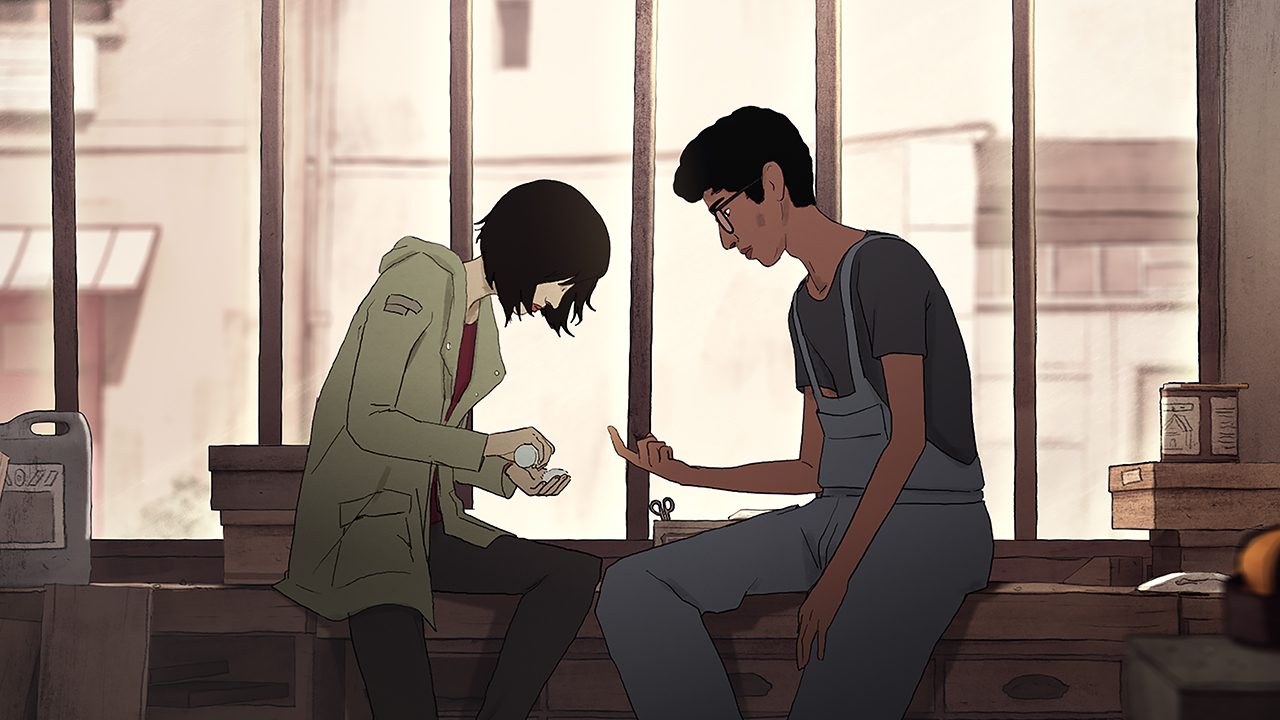
 As an art film that happens to be animated, I Lost My Body’s main drawback for me is how open-ended it is, not offering much closure beyond what viewers choose to interpret. What does the hand represent? It’s up to you, I suppose. At one point, Naoufel is criticized for not knowing another character is sick and accused of not truly caring; the film never mentions it again, so I guess the film doesn’t care much either. Despite this, I’ve often said that I enjoy animations that can delve into mature themes without wallowing in mature content, and I Lost My Body fits that laudable mold. Amid last year’s nominations, Missing Link was the weak link that should have been replaced last year, preferably with


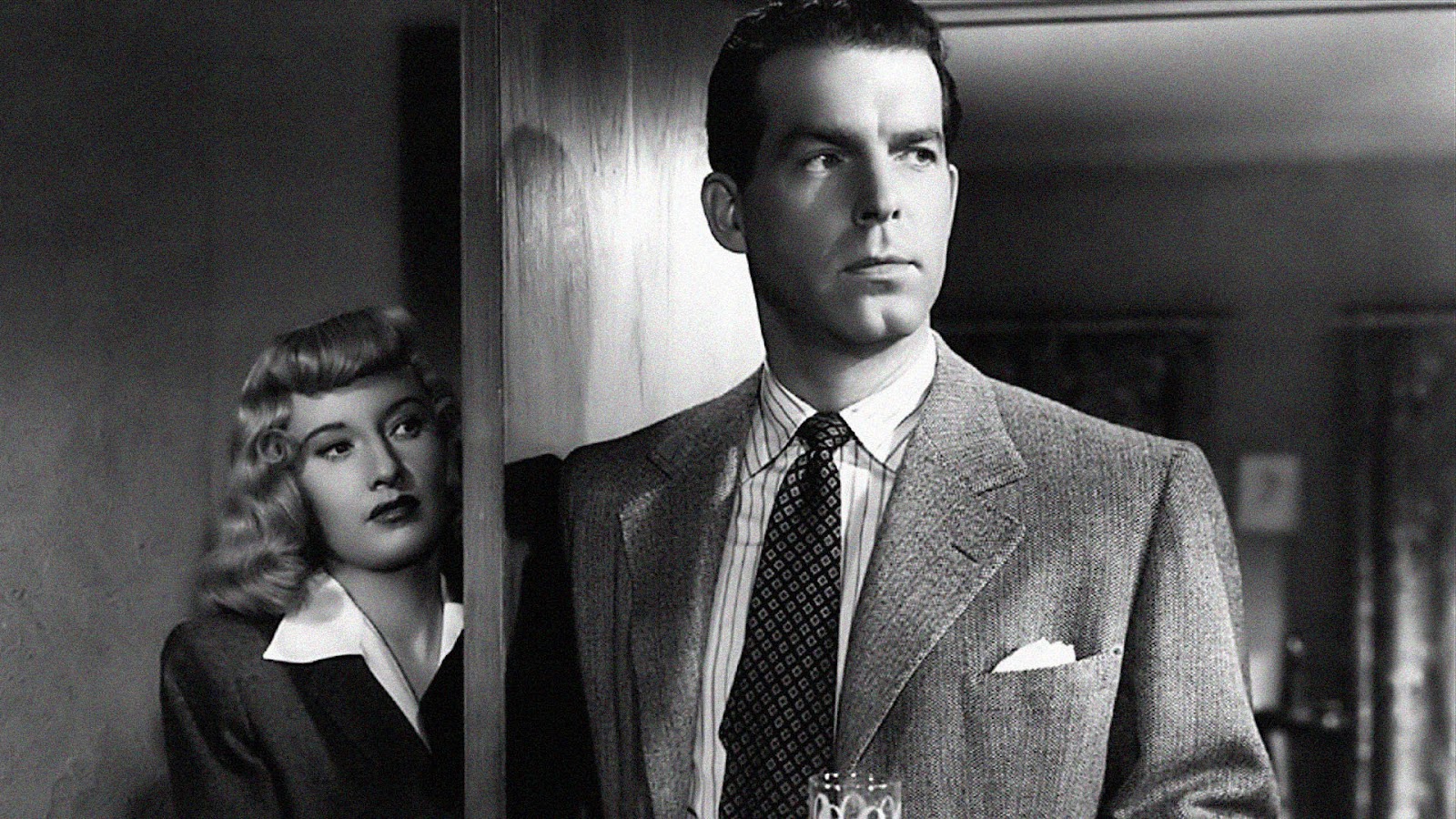


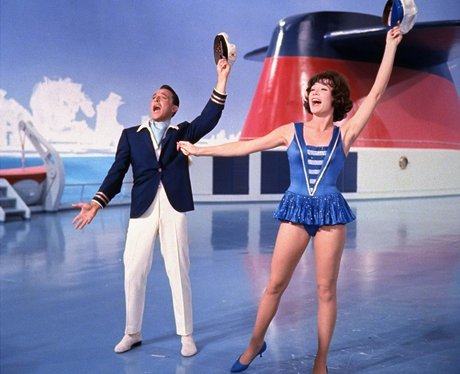
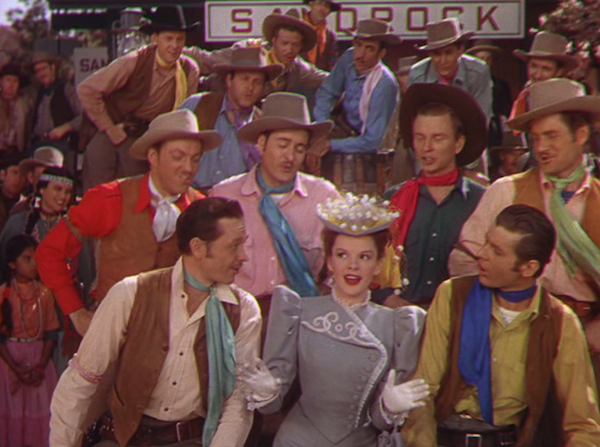
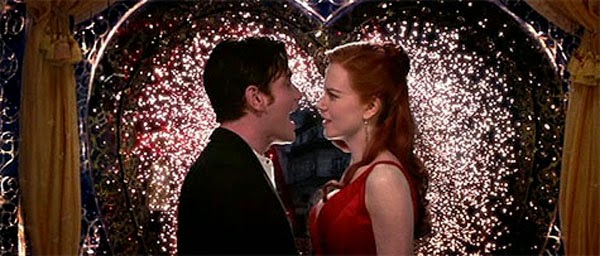
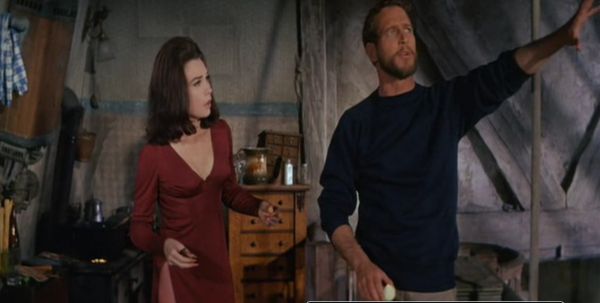 Most of the goings-on are fairly silly, with the husbands’ unusual (non-graphic) deaths earning more laughs than grief, including a gag that’s crept up elsewhere about trying to milk a male cow. I especially liked how each marriage is compared with a different film genre, launching into a series of vignettes recalling silent comedies, foreign art films, musicals, or posh dramas with ridiculously extravagant costumes from the great Edith Head. All in all, What a Way to Go! was a delightful bit of lightweight absurdity, finding hilarity in repeated tragedy and managing to land a happy ending. It certainly looked like everyone involved had fun making it, as I did watching it.
 Rhyme and Reason