• Home
  • About Me
  • The List
  • THE LIST (2016 Update)
  • THE LIST (2017 Update)
  • THE LIST (2018 Update)
  • THE LIST (2019 Update)
  • THE LIST (2020 Update)
  • THE LIST (2021 Update)
  • THE LIST (2022 Update)
  • Top Twelves and More
  • The End Credits Song Hall of Fame

Rhyme and Reason

~ Poetry Meets Film Reviews

Rhyme and Reason

Category Archives: Movies

Old (2021)

04 Tuesday Apr 2023

Posted by sgliput in Movies, NaPoWriMo, Poetry, Reviews, Writing

≈ Leave a comment

Tags

Drama, Horror, Thriller

(For Day 4 of NaPoWriMo, the prompt was for a triolet, an eight-line poem with a particular rhyme scheme and pattern of repeated lines. Honestly, these are my favorite prompts, trying out forms that I don’t normally think of on my own.)

Your age is just a number, friend,
But numbers have been known to kill.
Like currency you have to spend,
Your age is just a number, friend,
A short-term loan you can’t extend,
And everybody foots the bill.
Your age is just a number, friend,
But numbers have been known to kill.
_________________________

MPA rating:  PG-13

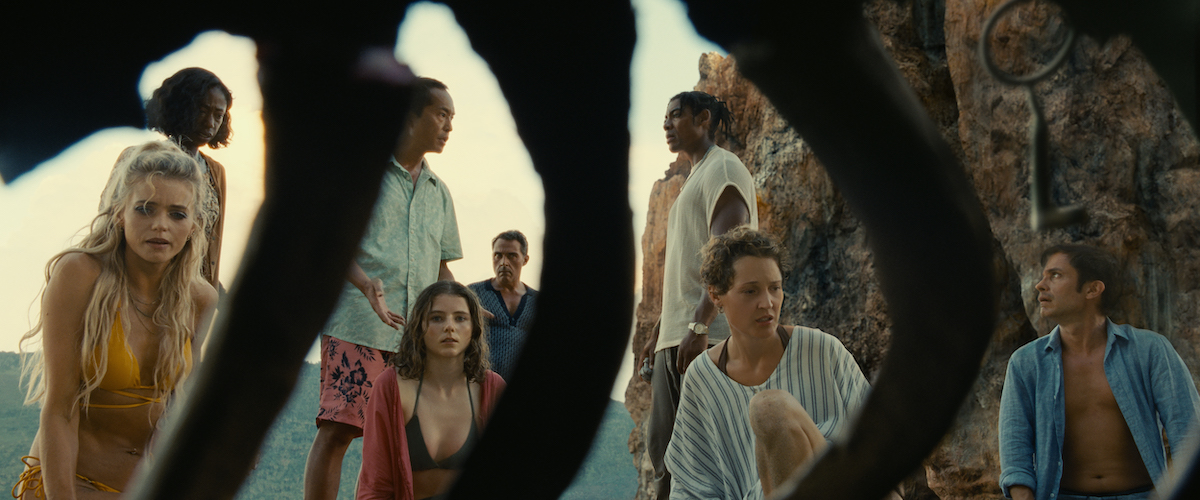
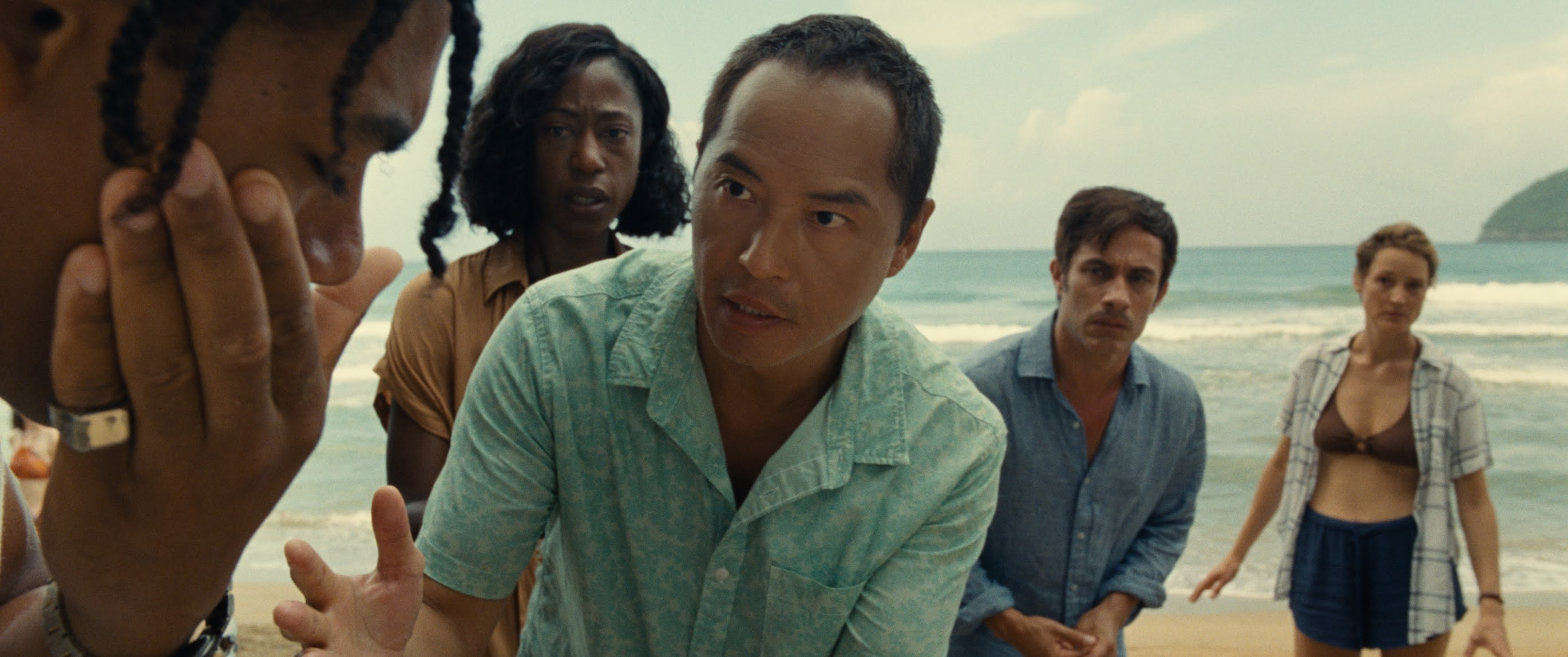
M. Night Shyamalan doesn’t exactly have the best track record when it comes to his movies, but every new project deserves a fair chance, regardless of past failures. And even if his films often don’t stand up to scrutiny, they are still typically well-made and excel at conjuring an atmosphere of low-key suspense. Old very much fits that mold. Based on a French-Swiss graphic novel called Sandcastle, the film mainly focuses on the Cappa family, made up of father Guy (Gael García Bernal), mother Prisca (Vicky Krieps), and children Trent and Maddox, whose recuperative vacation takes a dark turn as they and other tourists (Rufus Sewell, Ken Leung, Abbey Lee, and others) become trapped on a beach which ages them quickly.

As with most Shyamalan productions, the less you know going in, the better. Age itself may not seem like that much of a boogeyman, but the anxiety of watching years waste away in a matter of hours is rather effective, especially as health issues become more pronounced in this accelerated timeframe. (One scene involving bones breaking repeatedly is especially nightmarish.) And the seemingly peaceful beach is a lovely and unsettling locale, like a passive observer of the ordeal playing out on its white sands.

But of course, the story, despite its detail-oriented execution, has that Shyamalan fragility, with an explanation for the larger narrative that makes enough sense while watching to earn an “ahhh” but then falls apart when you consider all the logistical issues that apparently never bothered the writer-director. The script also takes some bewildering turns, often doesn’t follow its own logic, and doesn’t develop most of the characters beyond superficial hopes and fears. Old isn’t an outright bad film, but it’s a brittle one and further proof that Shyamalan’s talents could benefit from a good co-writer.

Best line: (Prisca, to her son, offering the theme of the film) “Stop wishing away this moment.”

Rank: Honorable Mention

© 2023 S.G. Liput
784 Followers and Counting

Dungeons & Dragons: Honor Among Thieves (2023)

04 Tuesday Apr 2023

Posted by sgliput in Movies, NaPoWriMo, Poetry, Reviews, Writing

≈ Leave a comment

Tags

Action, Comedy, Fantasy

(For Day 3 of NaPoWriMo, the prompt was to write opposite lines for a short poem, but I did the opposite and went off-prompt today. A little late, but I’m keeping up.)

In 1981, a nerd was playing with his friends
A tabletop role-playing game the nerd alone defends.
He said to them, while glowing after conquering a foe,
“It’s such a shame the other kids don’t care or want to know
How cool this game and world can be, the quests and fun campaigns.
It’s luck and skill and fantasy colliding in our brains.
They could make it a movie, and stories – they have plenty.”
“Yeah, that’ll be the day,” scoffed Matt, ere rolling a Nat 20.
But as the years went by, the province once reserved for nerds
Expanded to the everyman, I’d say a good two-thirds.
And as the world in comic books and wizards was immersed,
The nerds all wore a smile, knowing they had loved it first.
____________________________________

MPA rating:  PG-13

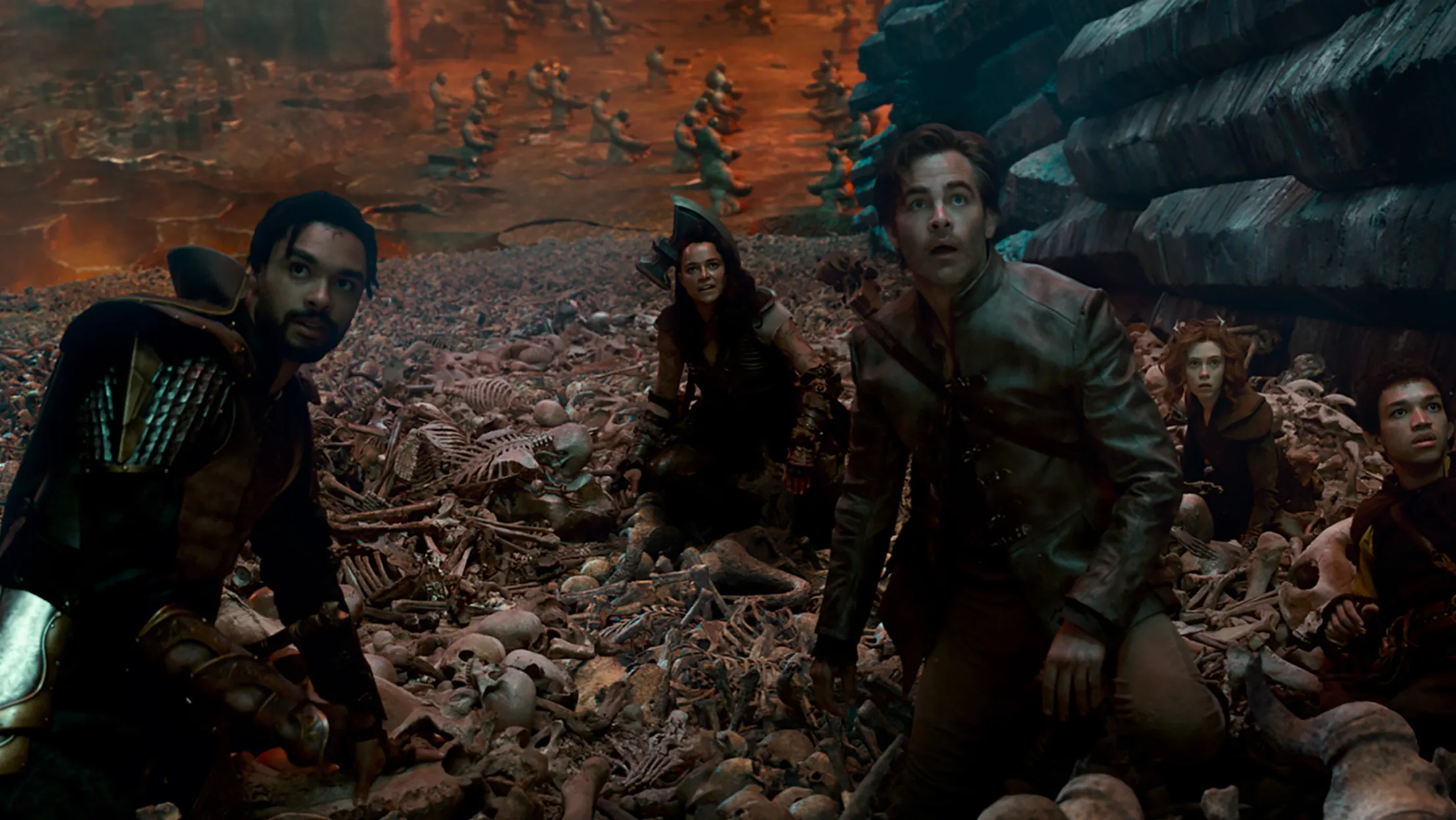
I will just say up front that I have very little prior knowledge of the Dungeons & Dragons brand. Most of what I know comes from Stranger Things, Big Bang Theory, and random snippets of Critical Role, but while I’ve never played the game, I do love fantasy, as my passion for Lord of the Rings will attest. Based on the trailer, I had high hopes for Dungeons & Dragons: Honor Among Thieves, which is why I am thrilled that it both met and exceeded those expectations. This D&D movie is an absolute blast, an action-packed crowdpleaser that knows its world and how to use it effectively.

One thing I do know about D&D is that characters fall into certain archetypes and skills, which is the case for the winning ensemble in the movie. We have bard Edgin Darvis (Chris Pine), who comes up with plans and backup plans; barbarian Holga Kilgore (Michelle Rodriguez), Edgin’s right-hand muscle; two-bit sorcerer Simon Aumar (Justice Smith); shape-shifting druid Doric (Sophia Lillis); paladin Xenk Yendar (Regé-Jean Page), and rogue Forge Fitzwilliam (Hugh Grant). The core members of the party are Edgin and Holga, who are betrayed during a heist gone wrong and are unable to return to Edgin’s teenage daughter Kira (Chloe Coleman). By the time they get out of prison, they find they must rescue her from a treasure-filled castle and an evil necromancer, leading them to recruit all the help they can get.

The common comparison for the film’s band of misfits becoming a found family is Guardians of the Galaxy, and it’s a valid one, considering its diverse cast, quippy humor, and penchant for heists and escapes. Yet I dare say D&D is even more fun, perhaps because its brand of comedy appealed to me more, like a hilarious sequence of asking questions with a series of reanimated corpses. The actors deserve a lot of credit as well. Pine is a reliably likable leader, and I liked his camaraderie with Rodriguez without any romantic tension needing to be interjected. Grant is amusingly unctuous as a conniving politician, while Page serves as a great foil for the others, stepping in for one side quest and playing the whole mythic hero role completely straight-faced.

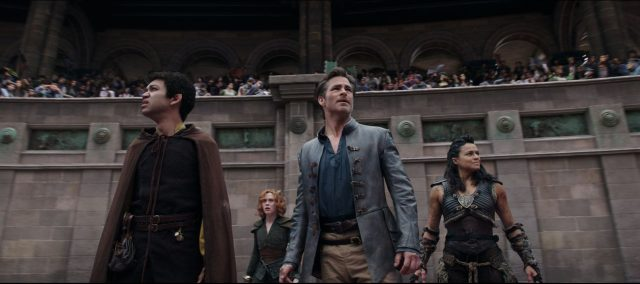
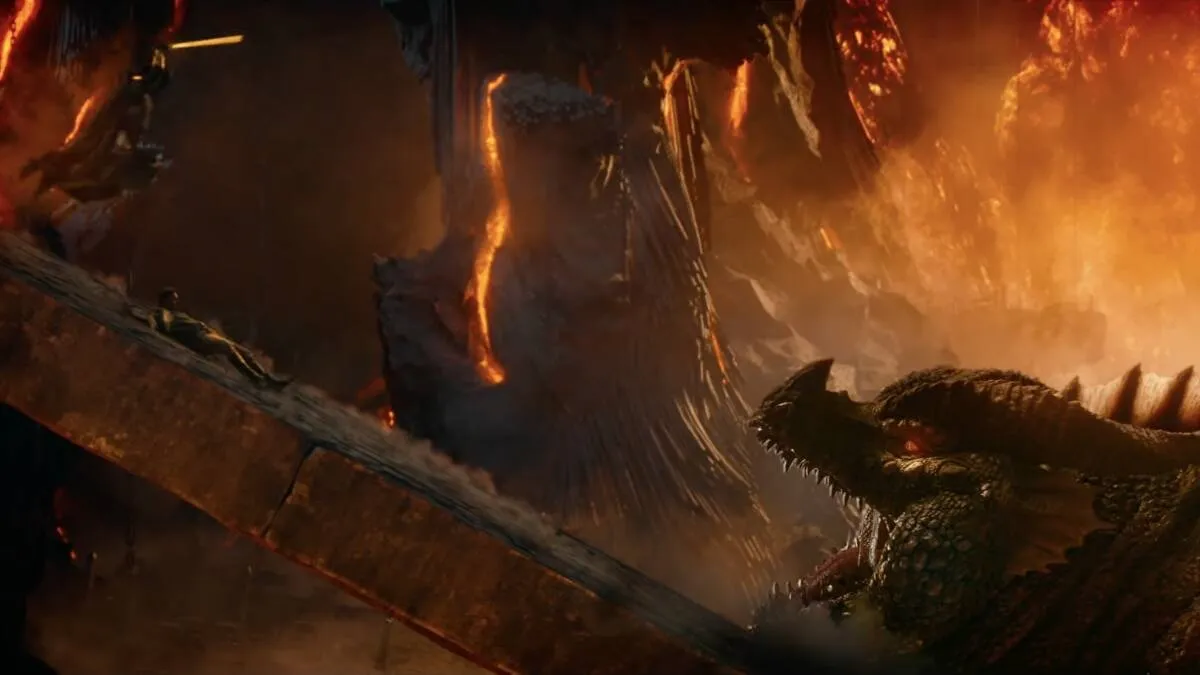
Beyond that, I was giddy with the number of fantasy elements used in inventive ways, from a portal-gun staff to a gravity reversal spell to a menagerie of fantastical creatures, all brought to life with outstanding effects. One stand-out scene had Lillis’s shapeshifter repeatedly changing into various animals as she flees a castle in one long and thrilling tracking shot, while another involves an actual dragon in a dungeon with a set piece of jaw-dropping scale. A stadium sequence with the main party dodging creatures within a maze brought to mind the coliseum battle from Attack of the Clones, one of my favorite Star Wars scenes that is also marvelous here. It also boasts some amazing scenery reminiscent of Middle-earth, though this is apparently set in a campaign setting called the Forgotten Realms.

Of course, it’s not above criticism, the easiest being that the plot may seem overstuffed with characters and incidents, as if the filmmakers had trouble parting with their favorite scenes. But honestly, I wouldn’t cut anything either. One tangent seeking out an enchanted helmet ultimately adds little to the plot, but it serves an important role for Simon’s growth as a character and a magician. It’s actually shocking how smoothly the various settings and action scenes flow and all the characters are balanced, each getting a moment to shine, whether a joke or a cool scuffle or an emotional beat. And while the film is loaded with lore and exposition, the fantasy names it tosses around only give the indication that this world is larger than this one film shows and hardly bog down the fun and momentum of the story. A roll of the dice that certainly paid off, Dungeons & Dragons: Honor Among Thieves feels like the return of wildly entertaining fantasy epics, a la Pirates of the Caribbean, a light-hearted affair with good-hearted rogues and a world begging for a franchise. If subsequent chapters are anything like this one, I’m all in.

Best line: (Forge Fitzwilliam) “I don’t want to see you die. Which is why I’m gonna leave the room.”

Rank: Top 100-Worthy

© 2023 S.G. Liput
784 Followers and Counting

Three Thousand Years of Longing (2022)

02 Sunday Apr 2023

Posted by sgliput in Movies, NaPoWriMo, Poetry, Reviews, Writing

≈ 1 Comment

Tags

Drama, Fantasy, Romance

(For Day 2 of NaPoWriMo, the prompt was to write surrealist answers/examples for various words and string them together into a poem. While my answers might be more flowery than surreal, I used the words thunder, mercurial, longing, ghost, miracle, and elusive for the lines below, while also including ties to this rather surreal film.)

A god that sobs when left behind.
A wedding ring in a drawer, unworn.
A king-size bed, half-cold at night.
A margin note for readers unborn.
An artifact forgotten yet found.
A smile in the eyes to match the mouth.
_____________________

MPA rating:  R (for violence, sex, and nudity, not constant but rather blatant)

When I saw the trailer for Three Thousand Years of Longing, it was bizarre and bombastic, seemingly in keeping with the director of Mad Max: Fury Road, George Miller himself, and I thought that Everything Everywhere All at Once might have a worthy competitor for weirdest film of the year. Yet one must remember that Miller also wrote and produced Babe, so he’s clearly a filmmaker with range. Based on the short story “The Djinn in the Nightingale’s Eye” by A. S. Byatt, Three Thousand Years of Longing is indeed an odd film, spanning the millennia of a genie’s life, yet it’s far more pensive and wistful even than the trailer might indicate. Yes, there is a scene where a man’s head drips off his body and turns into a giant fly, but that’s more of the exception rather than the rule when it comes to this film’s brand of fantastical.

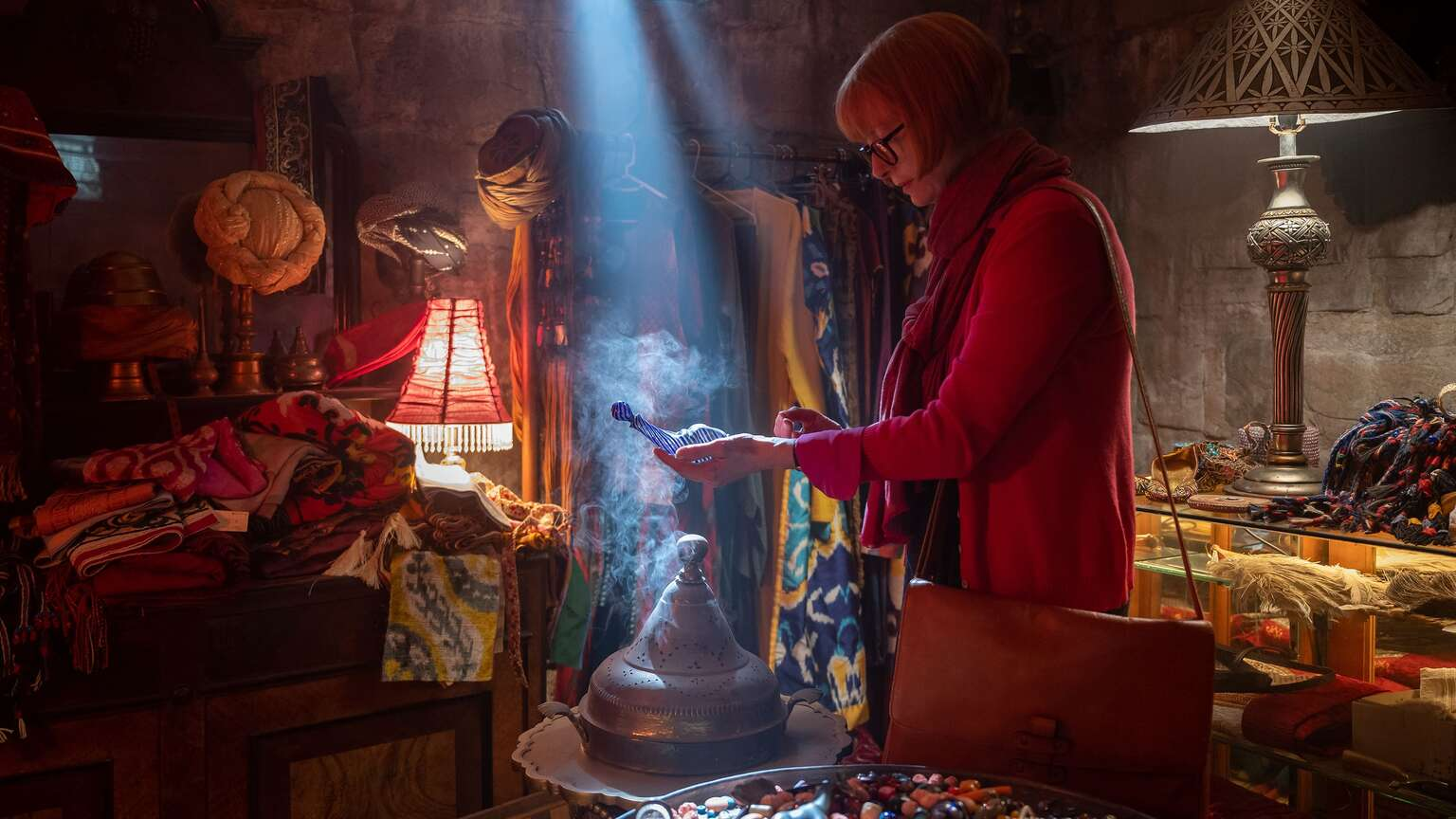
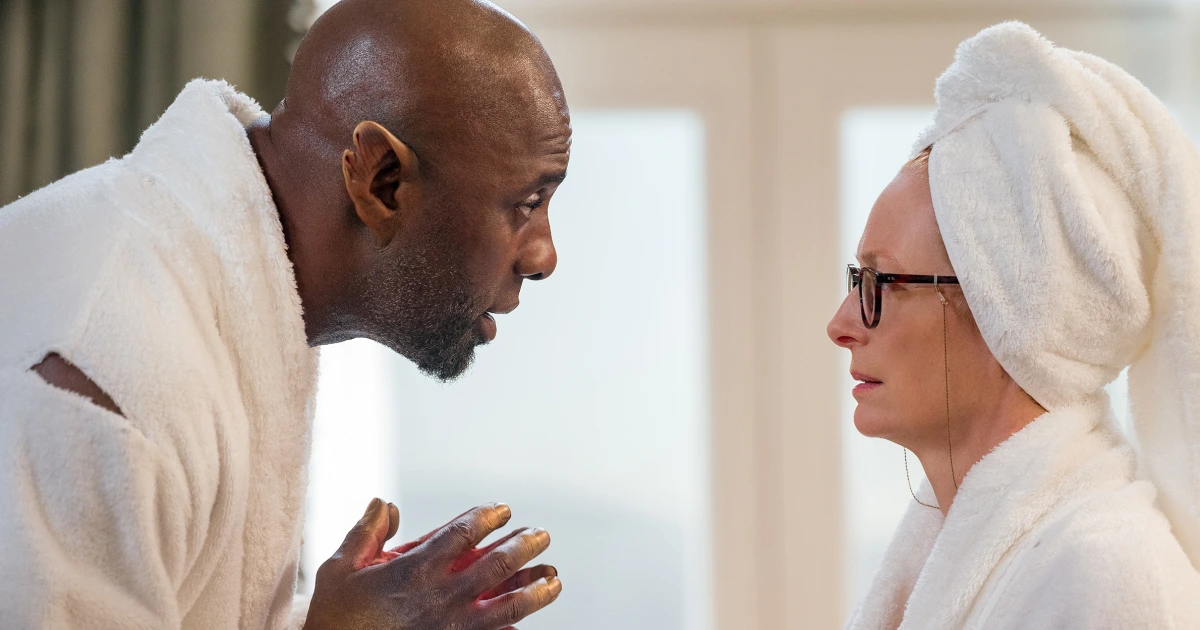
The framing story belongs to British scholar Alithea Binnie (Tilda Swinton), a lonely soul who sees only metaphor in the tales of ancient myth and magic and so is surprised when a huge, wispy figure emerges from a bottle she bought in a Turkish bazaar. It is a Djinn (Idris Elba), and while he desires to grant Alithea the expected three wishes, she is more cautious than most. Instead, she listens to the Djinn’s stories of what brought him to his present bottle, anecdotes of repeated tragic romance, cruel kings, twists of fate, and unwise wishes, all of it leading to the shared bond of their overlapping stories and a wish of her own.

It’s hard to say whether Three Thousand Years of Longing is my kind of movie. This kind of weaving of episodic threads together into universal themes of love and loneliness certainly appeals to me, and Swinton and Elba are a brilliant unlikely pair as they evoke their quiet mutual longing for what seems unreachable. Yet the film also relishes in short bursts of excess, which contrast more with the main plot than the Doof Warrior’s flaming guitar did in Fury Road, and they feel more unnecessary as the plot takes some uncomfortable turns, like a brief section dedicated to a prince’s fetish for an obese harem.

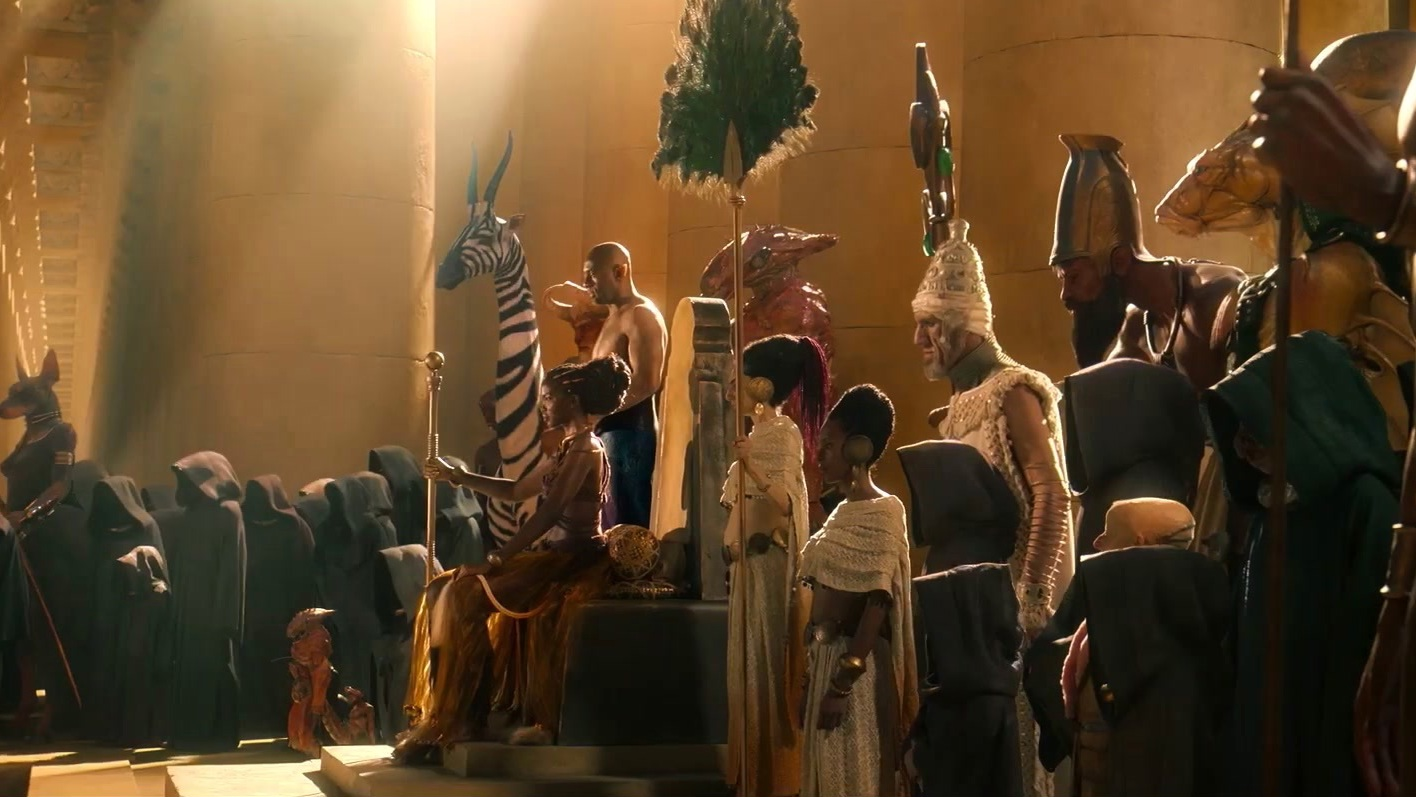
George Miller deserves his label from the trailer as a “mad genius.” The film looks amazing with its stylized flashbacks and lavish production, and yet below all the indulgence, it retains a genuinely emotional core, like the subtle comparison drawn between the Djinn’s centuries of self-soothing trapped in his bottle and Alithea trying to convince herself she’s content being alone. And I was admittedly impressed to learn how much actual Turkish history was incorporated into the narrative. Yes, even the prince with the fat harem (look up Ibrahim the Mad). From its fantastical mixing of history and mythology to its surprisingly tender denouement, Three Thousand Years of Longing may lack cohesion, but it has style and originality to spare, which is becoming increasingly rare these days.

Best line: (Alithea) “Love is a gift. It’s a gift of oneself given freely. It’s not something one can ever ask for.”

Rank: List Runner-Up

© 2023 S.G. Liput
784 Followers and Counting

Puss in Boots: The Last Wish (2022)

26 Sunday Mar 2023

Posted by sgliput in Movies, Poetry, Reviews, Writing

≈ Leave a comment

Tags

Action, Animation, Comedy, Dreamworks, Family, Fantasy

Why waste your youth on worry?
Why brood on doubt and death?
When in your prime,
You have the time
To not count every breath.

It’s normal to be stupid,
Or so the stupid say.
The less you heed,
The less you need
To care about each day.

But age, regret, or wisdom
Eventually take hold
To some degree.
Stupidity
Dies out before it’s old.

It’s up to each what value
Upon their life is placed.
But when the fun
And games are done,
Don’t let it be a waste.
_____________________________

MPA rating: PG

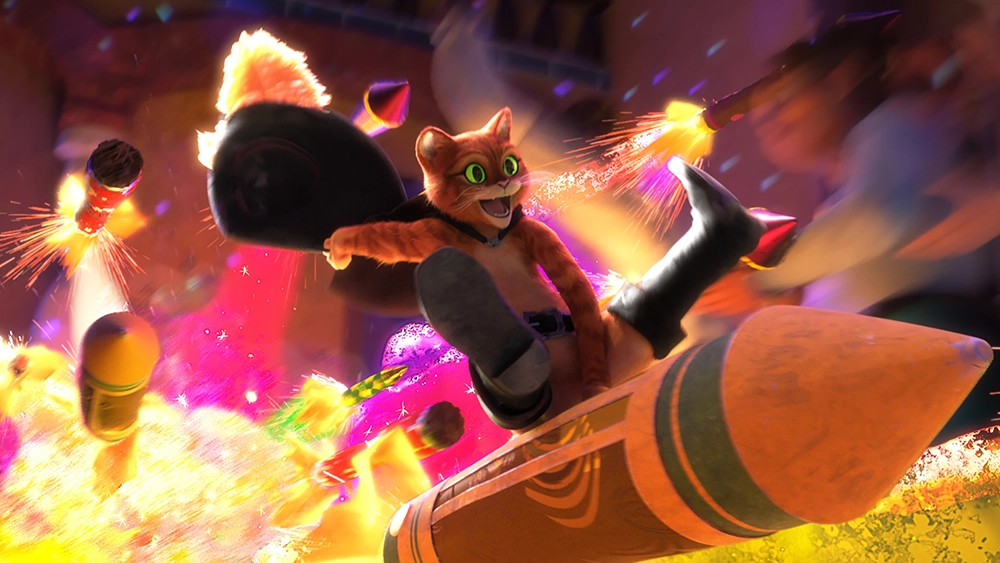
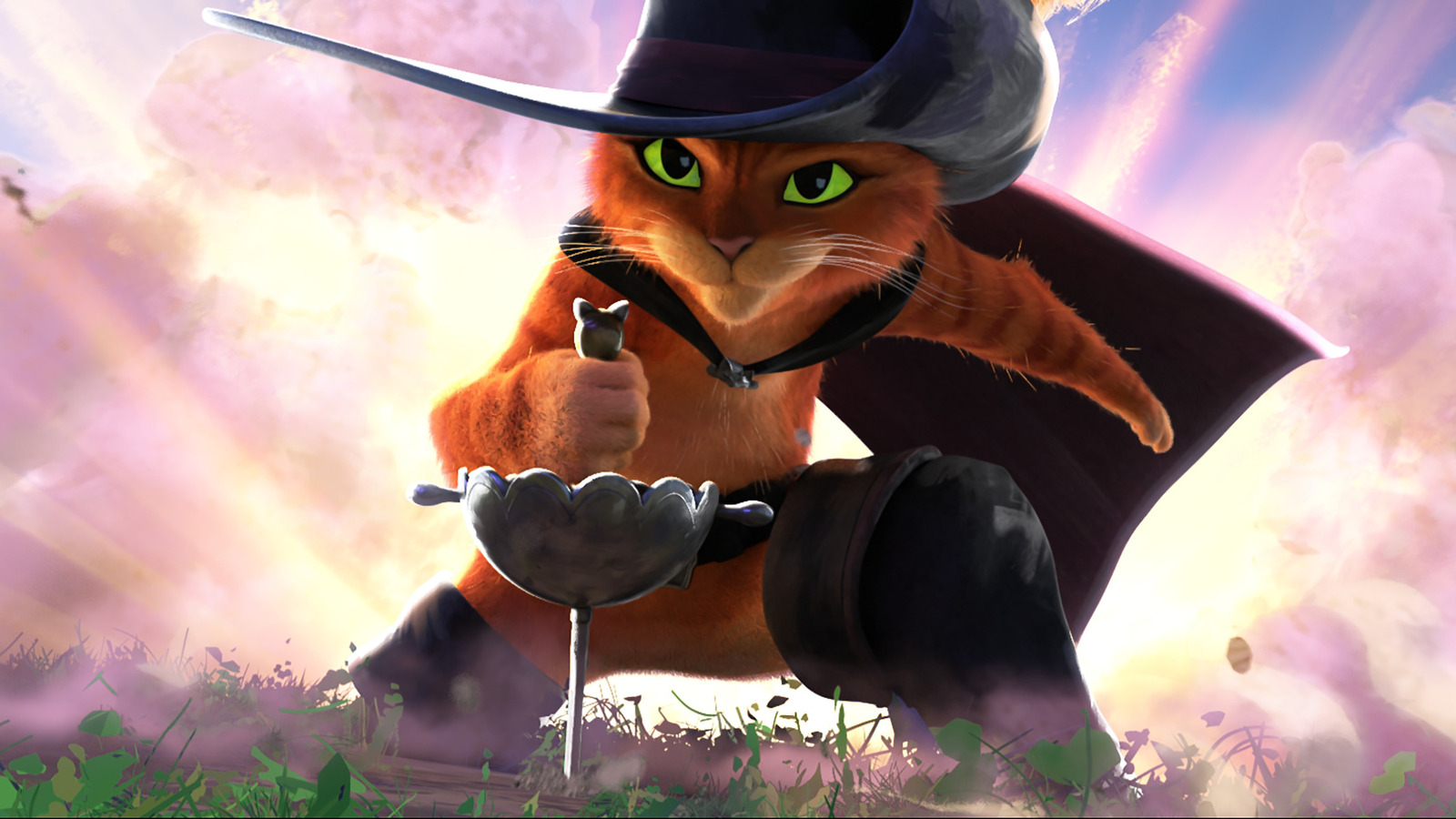
I would not have expected one of my favorite films from last year to be a sequel separated from its franchise by eleven years, from a studio I thought I had stopped caring about. In 2022, DreamWorks Animation delivered two of their strongest films in recent years, first with The Bad Guys and then with the long-neglected sequel Puss in Boots: The Last Wish. Both clearly took inspiration from Spider-Man: Into the Spider-Verse in their dynamic, painterly animation style merging 2D and 3D, but Puss in Boots also managed to integrate it with the existing style of Shrek, to masterly effect. You may have heard others singing this film’s praises in recent months, and yep, I’m one of them.

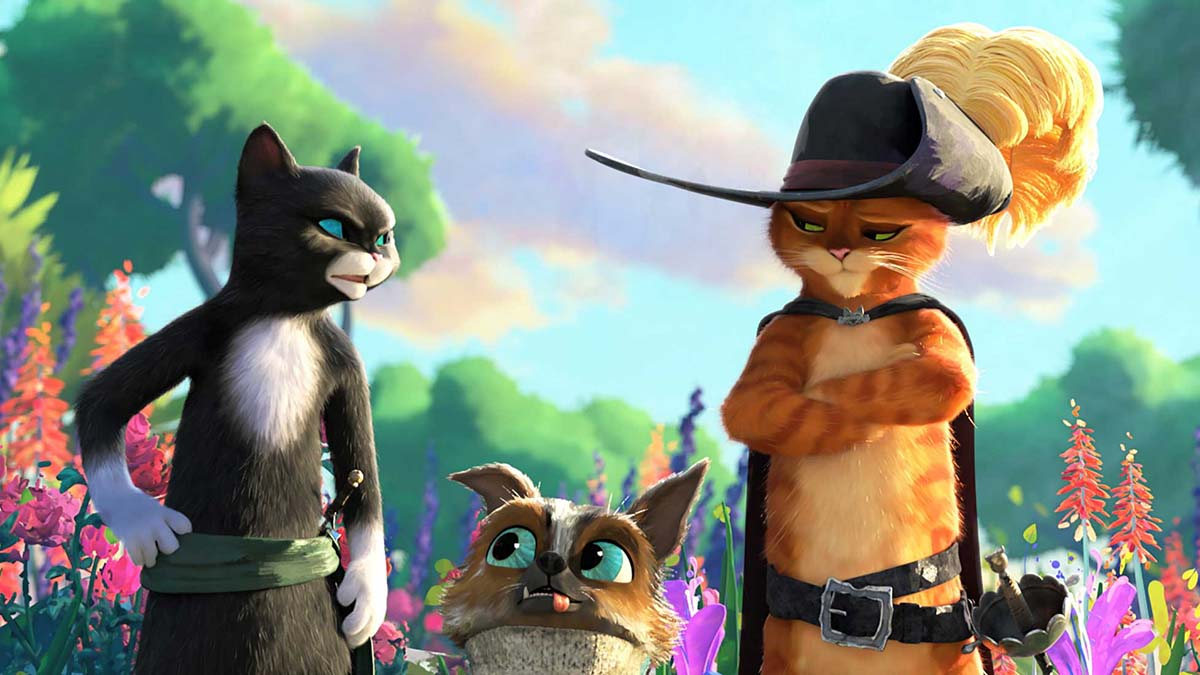
The first Puss in Boots film was a fun standalone adventure, a spin-off of the Shrek universe focusing on Antonio Banderas’ fan-favorite character Puss in Boots, the dashing outlaw/legend of the fairy tale world. Whereas that was an origin story, The Last Wish focuses on the latter days of Puss’s illustrious career, after he’s frittered away eight of his nine lives and has grown complacent laughing in the face of death. When a mysterious wolf proves to be too much for him, the feline swordsman feels he has no choice but to retire. Yet the promise of a wish sends him rushing to find a fallen star, alongside his old flame Kitty Softpaws (Salma Hayek Pinault), an incessantly friendly dog (Harvey Guillén), and a collection of more cutthroat wish-seekers.

Puss in Boots can seem like the kind of character better suited for a sidekick role, his self-aggrandizing personality most appealing in small doses. Yet The Last Wish uses that to its advantage in making the preservation of that façade Puss’s driving goal while simultaneously poking holes in it through the other characters. Kitty is the only returning character from the prior film, and she represents what Puss has given up for the sake of his ego. And Guillén’s nameless mutt, nicknamed Perrito, is the kind of character that promises to be annoying yet is infectiously nice enough to win anyone over, even his begrudging feline comrades who aren’t used to unbridled sincerity.

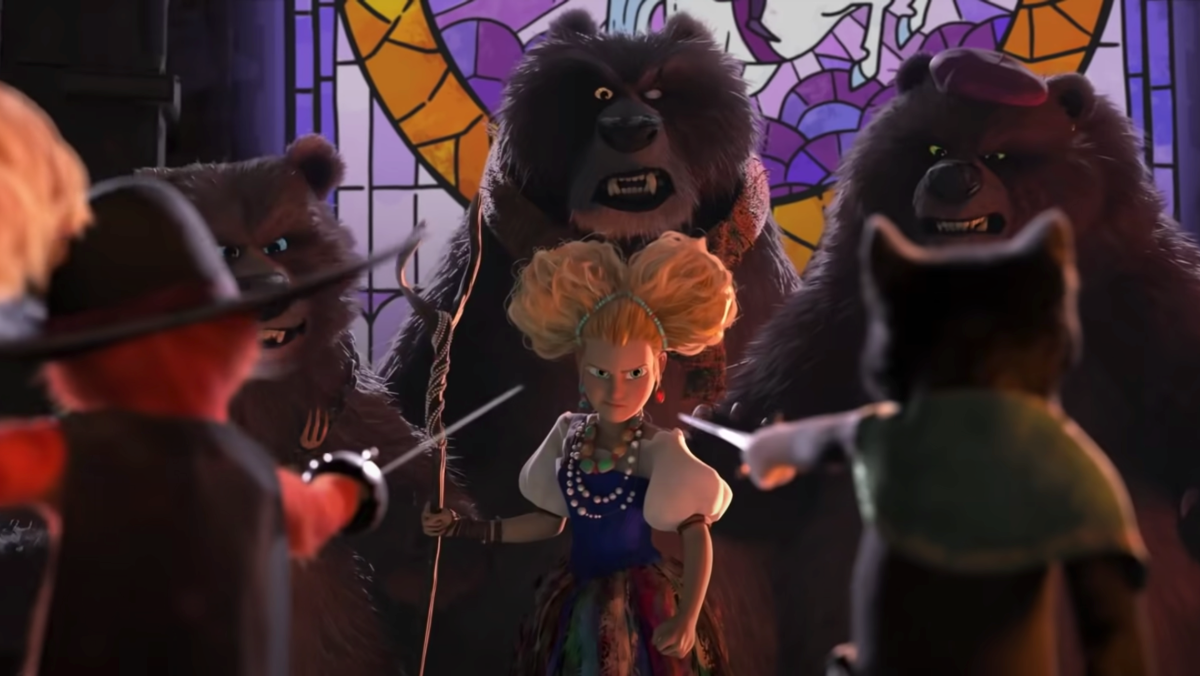
The villains are a special highlight, an entertaining mix of characters and motivations, from Big Jack Horner (John Mulaney) as the straight evil mastermind to Goldilocks (Florence Pugh) and the Three Bears (Ray Winstone, Olivia Colman, and Samson Kayo) as a Cockney crime family with more sympathetic edges. And then there’s the Wolf (Wagner Moura), one of the best animated antagonists in recent memory, who has such an effectively chilling presence that it’s no wonder the ever fearless Puss in Boots quakes at his stark whistle. All these characters clashing periodically on the way to a shared goal may seem overly frenetic at times, but their distinct motives and the way they bounce off each other make for a highly enjoyable quest, kept unpredictable by genius creative touches like a map that changes the terrain depending on who holds it open.

Puss in Boots: The Last Wish is a triumphant return for the long-dormant Shrek universe. It excels in that rare balance of light entertainment for kids and subtler serious themes for adults, such as the looming specter of mortality or the easily missed value of a found family. Banderas steps into the role with panache, like he never left it; Mulaney sounds like he’s having a blast hamming it up as a power-hungry villain; and Guillén brings a perfect adorability to Perrito, who is the true heart of the film. And the beautifully rendered action is top notch, using the Spider-Verse similarities to its own stylistic advantage rather than just being a copycat.

I distinctly remember watching Shrek 2 as a kid because my mom surprised me with a visit to the movies after school, and it just happened to be a great one. Somehow, I got the feeling that some kid today is going to look back on Puss in Boots: The Last Wish with the same fondness. As much as Guillermo del Toro’s Pinocchio deserved its accolades, I really wish that it hadn’t overshadowed DreamWorks’ best film in years. But, as this movie testifies, there are more important things than wishes anyway.

Best line (showing great comedic interactions):
(Goldilocks) “I thought you were on a spiritual retreat.”
(Kitty Softpaws) “Namaste.”
(Goldilocks) “And you’re supposed to be dead!”
(Puss) “I got better.”

Rank: List-Worthy

© 2023 S.G. Liput
784 Followers and Counting

My 2023 Blindspot Picks

08 Wednesday Mar 2023

Posted by sgliput in Blindspot, Movies

≈ 2 Comments

Tags

Lists

It’s that time once again, when I look through the long list of intriguing or recommended films I’ve been putting off watching and select twelve for the year ahead. My seventh year of this Blindspot series may be starting a little late, but I am determined this time to finish all of these movies before 2023 is over. It helps that I don’t have a trilogy like last year.

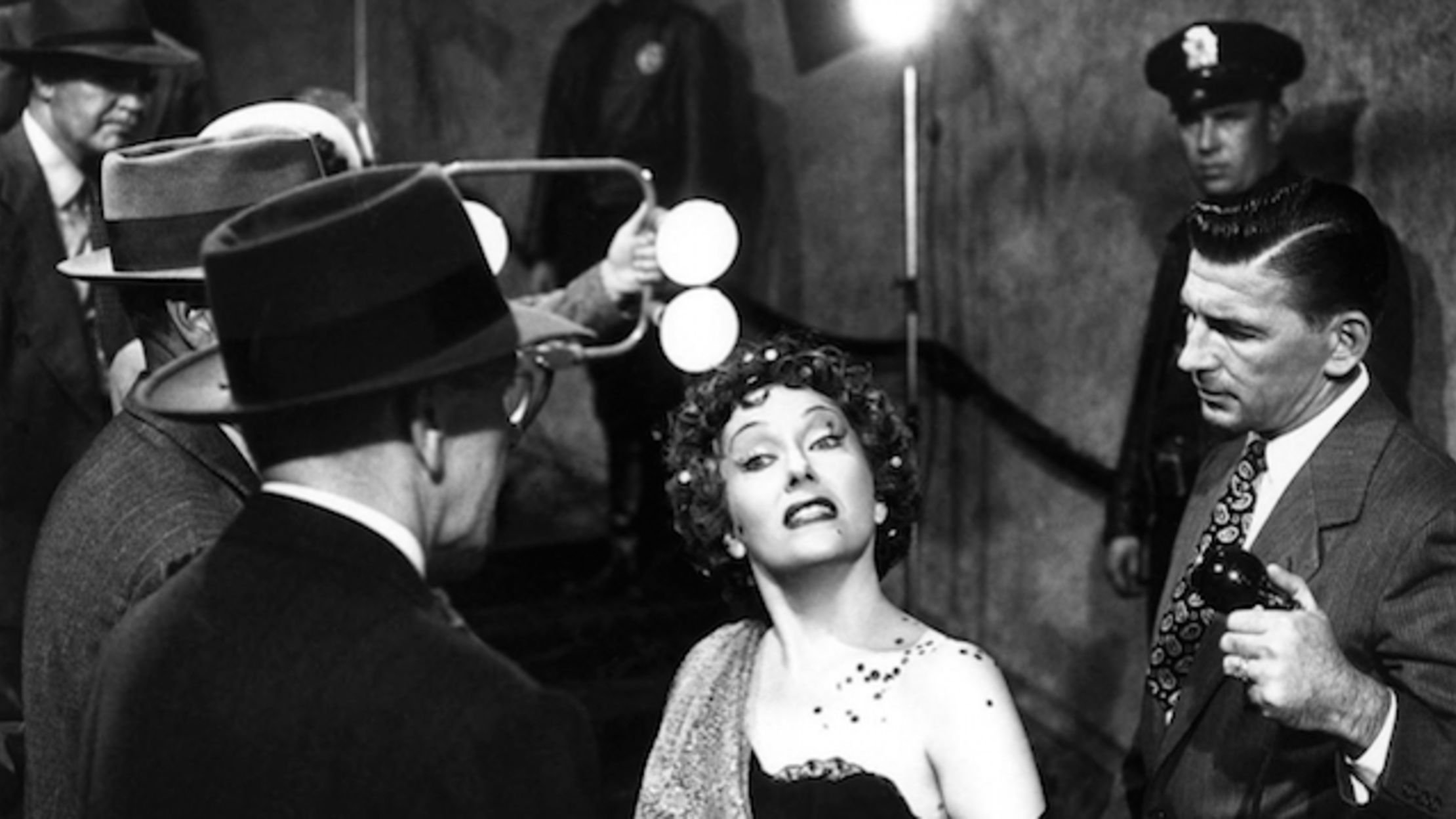
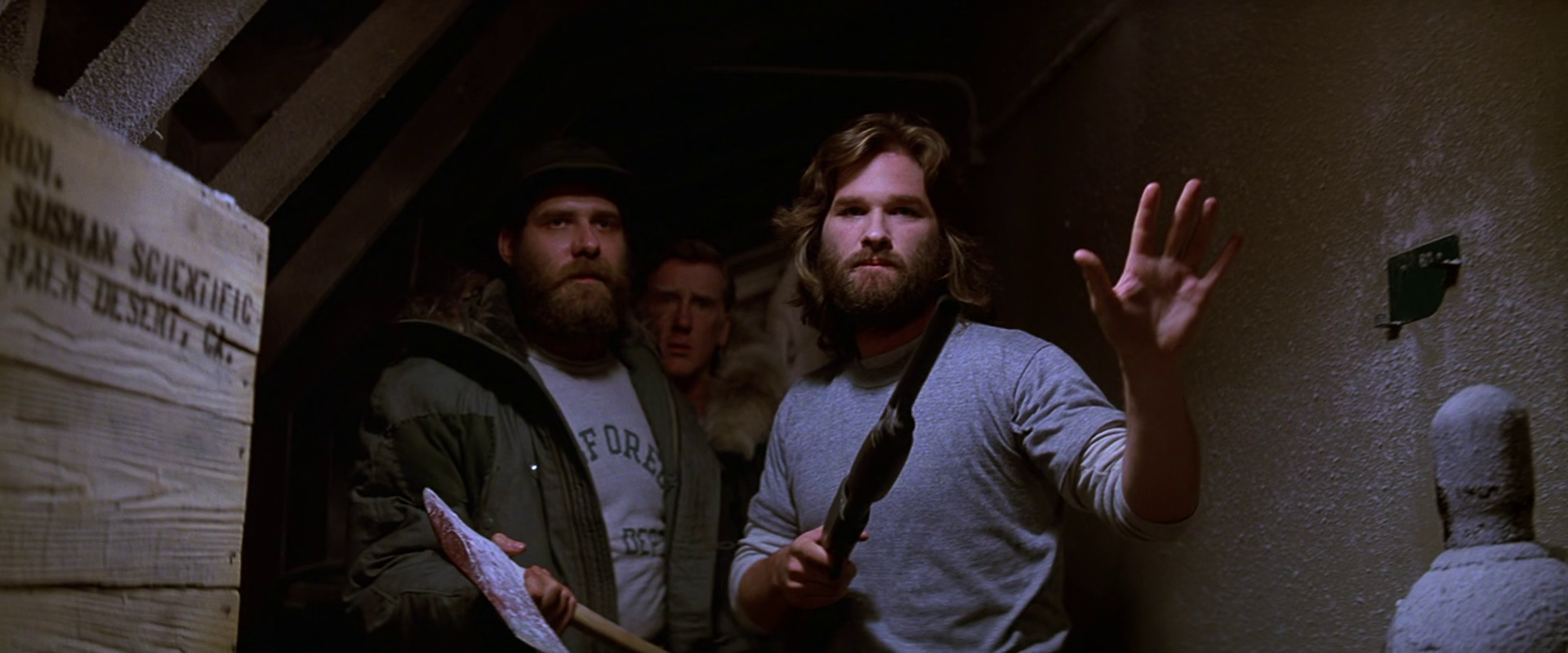
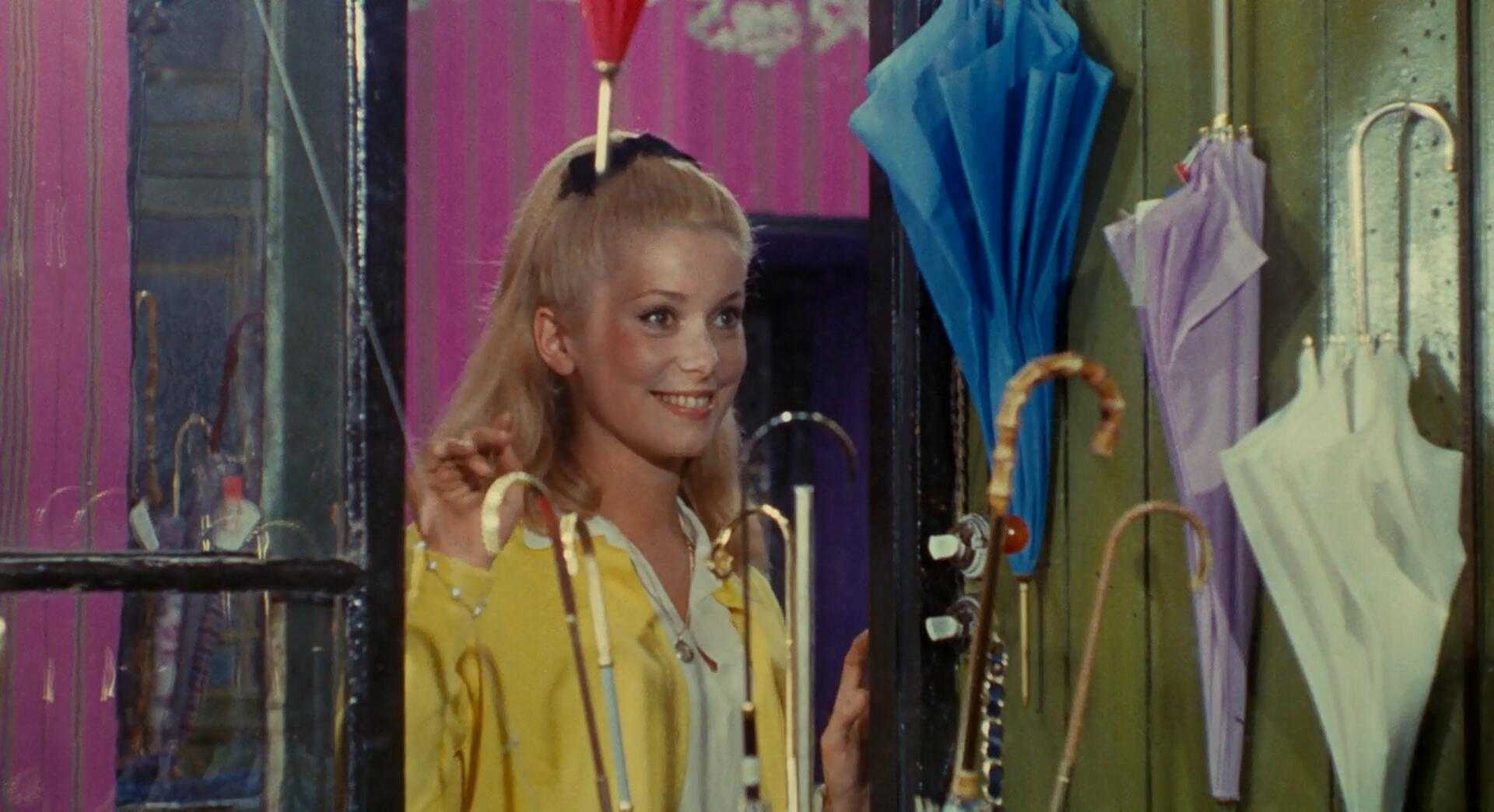
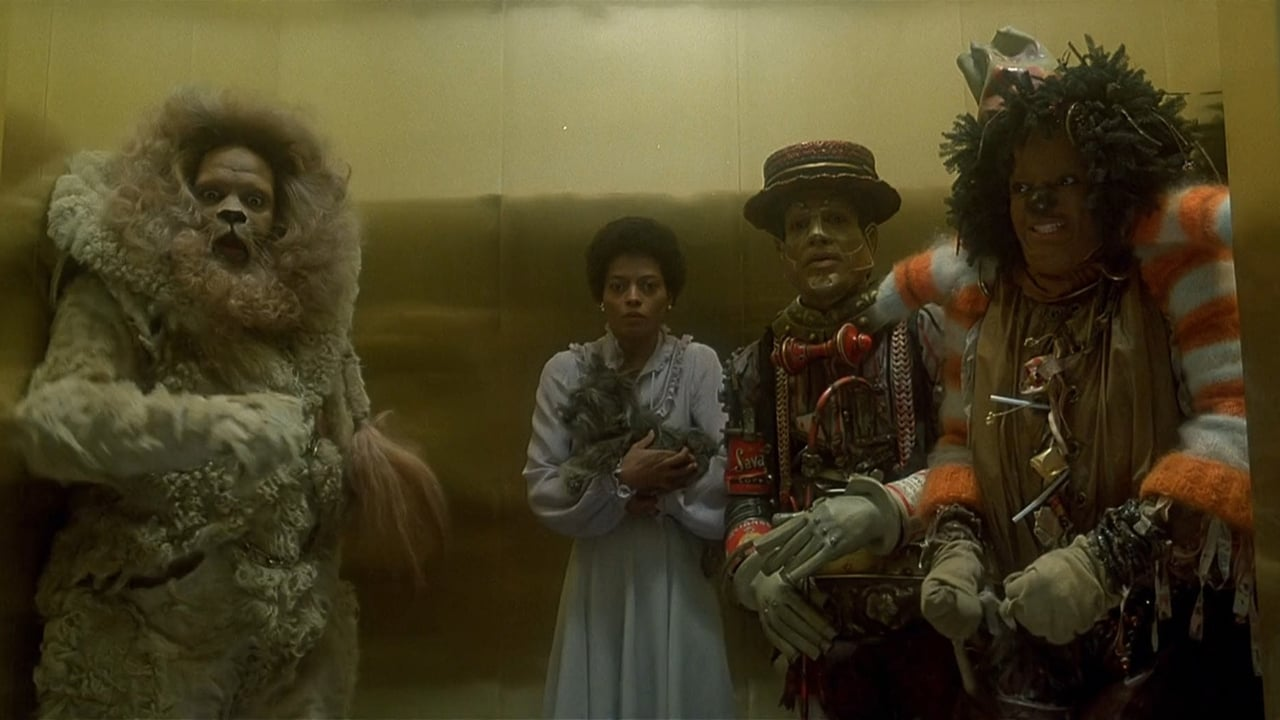
As with every Blindspot selection, I’ve tried to combine a mixture of various years and genres. I can blame my own project of writing a musical for why I’ve included three musical films on the list, but they all promise to be quite different. (Believe me, I was tempted to include more.) In addition, we have an old Italian classic, sci-fi both absurdist and epic, a horror favorite, a romantic sports comedy, a star-studded ensemble piece, and one of the last Studio Ghibli films I have yet to see. Time will tell if any of these movies end up being new favorites, but I can’t wait to find out.

In alphabetical order, my Blindspot picks for 2023 are:

8½ (1963)

Brazil (1985)

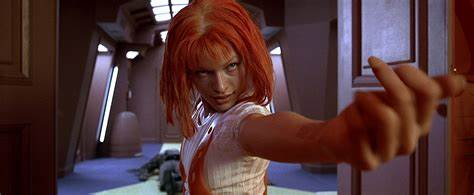
The Fifth Element (1997)

The Fountain (2006)

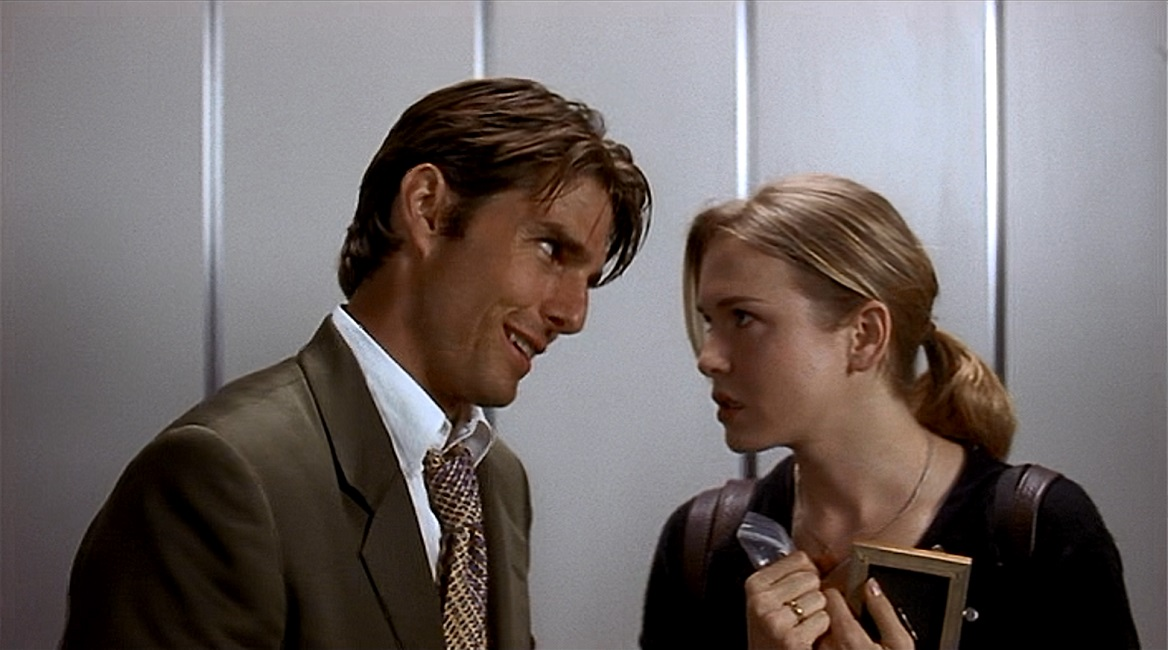
Jerry Maguire (1996)

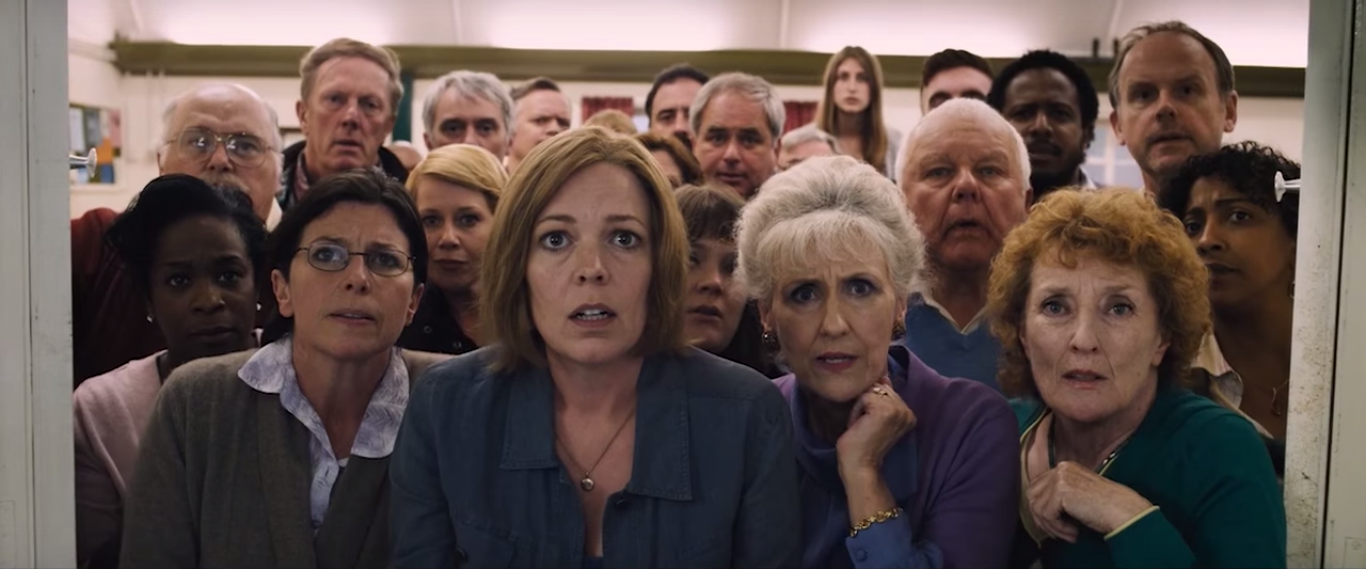
London Road (2015)

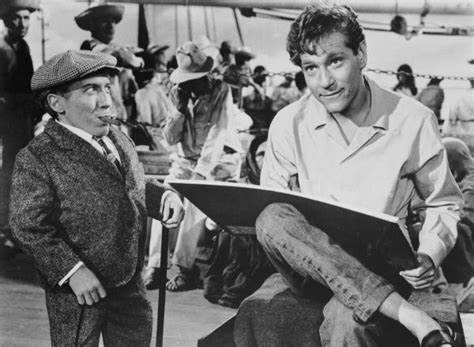
Ship of Fools (1965)

Sunset Boulevard (1950)

The Tale of the Princess Kaguya (2014)

The Thing (1982)

The Umbrellas of Cherbourg (1964)

The Wiz (1978)

2022 Blindspot Ranking

07 Tuesday Mar 2023

Posted by sgliput in Blindspot, Movies

≈ 1 Comment

Tags

Lists

I’m thrilled to have finally finished my sixth year of this Blindspot series, even if this collection of cinema ended up spilling over into 2023. Overall, I think it was a largely positive year, with all twelve films being worth the watch and the top two being new entries for my Top 365 List. Going in, I never would have guessed this worst-to-best ranking, so it’s proof that a good Blindspot list should always have surprises. Now to pick out a new list for 2023…

12. The Rocky Horror Picture Show (1975)

Campy but perverse horror musical with some solid tunes propping up an incoherent story

11. The Road Home (1999)

Slow but nostalgic tale of rural young love under Chinese Communist rule

10. Apu Trilogy (1955, 1956, 1959)

Classic Indian saga of Apu growing from a poor boy to young scholar to a father; not the most entertaining but artistically important

9. The Frighteners (1996)

Enjoyable Peter Jackson horror comedy with a muddled tone and impressive-for-the-time effects

8. Grand Canyon (1991)

Poignant ensemble of city dwellers facing crossroads in their lives; tries a bit too hard to be meaningful

7. Murder by Death (1976)

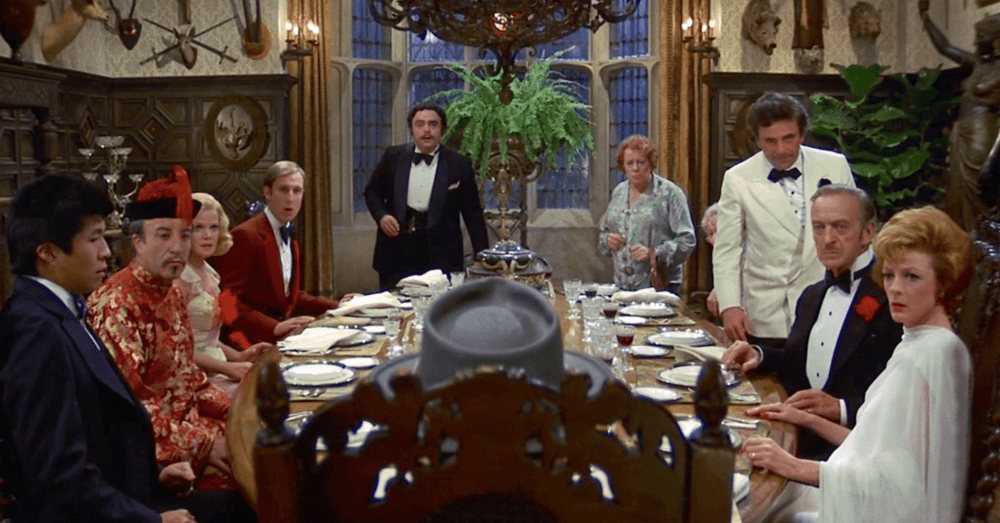
Silly pastiche of mystery novel tropes and characters with a splendid ensemble cast

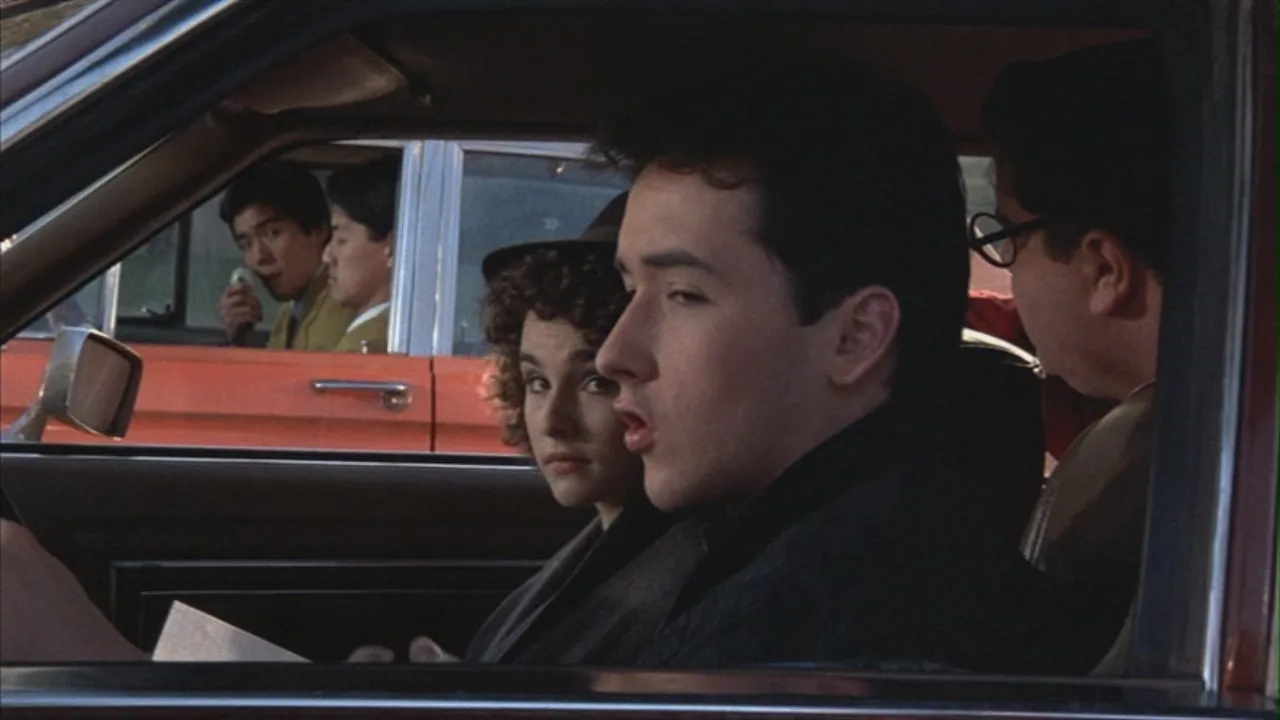
6. Better Off Dead (1985)

Scattershot dark comedy that thrives on its 1980s-ness and John Cusack as a likable slacker with a death wish

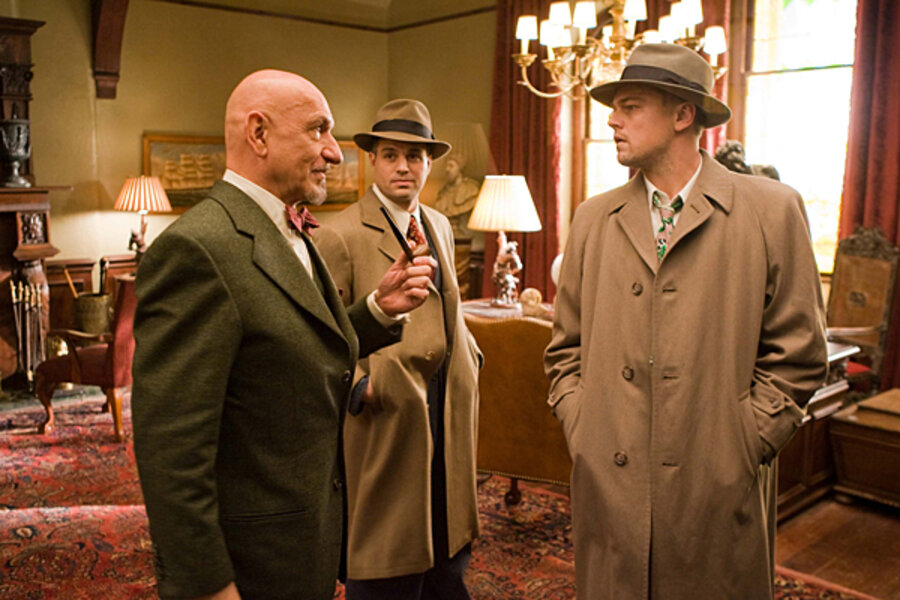
5. Shutter Island (2010)

Ominous psychological thriller with DiCaprio in fine form and a predictably unpredictable plot

4. Chef (2014)

Feel-good culinary saga of Jon Favreau’s chef-turned-food-truck-operator finding the perfect outlet for his passions

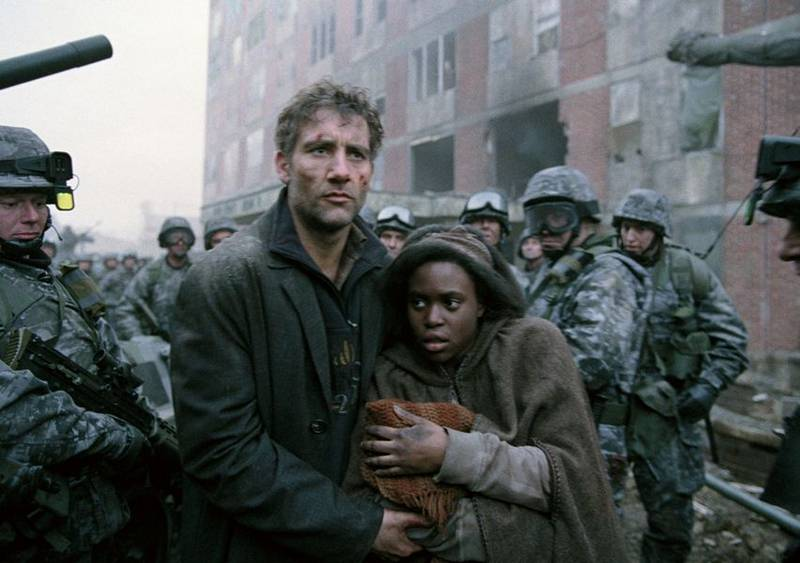
3. Children of Men (2006)

Gripping dystopian thriller with piercing social commentary and brilliant direction from Alfonso Cuarón

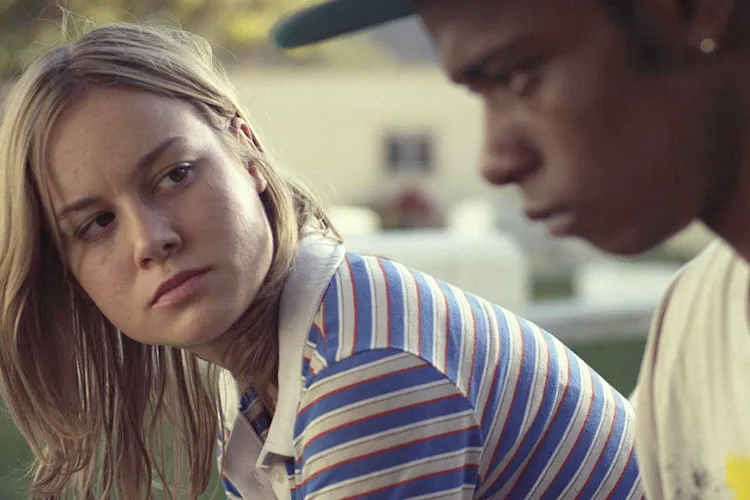
2. Short Term 12 (2013)

Deeply personal, insightful, and well-acted glimpse into the shattered lives of troubled youth in need of trust and connection

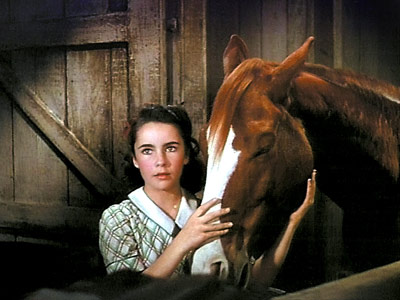
1. National Velvet (1944)

All-time classic about an English country girl and the horse she believes in, bolstered by a family who believes in her

2022 Blindspot Pick #12: Children of Men (2006)

26 Sunday Feb 2023

Posted by sgliput in Movies, Poetry, Reviews, Writing

≈ Leave a comment

Tags

Action, Drama, Sci-fi, Thriller

While most of us were waiting for a whimper or a bang,
The world we knew withdrew instead of ending.
We thought that we would certainly bounce back or boomerang,
And still we watch and wait, uncomprehending.

No more are teens or children even deemed a demographic,
For all are grown with none to take their place.
No crying babies anymore, no more school zone traffic,
And no descendants for a dying race.

It’s funny how the future’s so dependent on the youth
Who’ll live it out and screw it up anew.
Without them, it’s the present that becomes the only truth,
No benefit of retrospect for you.
_____________________________

MPA rating: R (for violence, language, and a childbirth scene)

At long last, we are here at the end of last year’s Blindspots! It’s been like pulling teeth for some reason getting to these overdue reviews, but hopefully I can pick up the pace with new material for the year. Luckily, I ended this 2022 series with a winner. Based on the P.D. James novel, Children of Men is the scariest kind of dystopia, one that feels all too possible within its speculative what-if scenario. Even aspects that may have seemed less immediate in 2006 have taken on an uncomfortable prescience now, from the chaos of illegal immigration to government-sanctioned self-euthanasia.

Instead of some distant nuclear war or technological breakthrough, this world’s disaster is the slow and quiet death of infertility. Since 2009, women can no longer get pregnant, and now in 2027, children are a thing of the past, with hope being further corroded by England’s brutally suppressed influx of refugees. Bureaucrat Theo Faron (Clive Owen) sees little he can do in the face of the crisis until he is drawn into the effort of his activist ex-wife (Julianne Moore) to get a somehow pregnant refugee named Kee (Clare-Hope Ashitey) to safety.

Director Alfonso Cuaron outdid himself in making Children of Men a gripping and visceral experience. I was bordering on bored during the first twenty minutes, as the extreme despair of Theo’s London is presented, a world fumbling through a tunnel with no light at the end. Yet once the main quest of the plot is established, ferrying Kee out of England to a mysterious organization called the Human Project, it becomes a breathless chase as Theo and his allies must outmaneuver insurgents and government obstacles. Even the less bombastic moments have a suspenseful edge to them, like a “car chase” in which a stalling car rolls downhill with runners in close pursuit. (That actually sounds strangely comical written down, but it’s thrilling in context.) While it was nice seeing the likes of Chiwetel Ejiofor and Michael Caine, the performances don’t stand out as much as the technical excellence around them, but they build on the plot’s subtext as a modern Nativity story, with Owen’s everyman helping Ashitey’s Marian figure through dangers on all sides.

As I’ve mentioned many times before, I’m a sucker for long scenes with no (or hidden) cuts, which happen to be Cuaron’s specialty. I was familiar with a scene in which a car is assailed by an armed mob, which required an impressive camera rig to swing around the inside of a car with five people in it, but even more impressive was an over-six-minute shot in which Theo weaves through an urban warzone, into and out of a building under heavy fire. It’s hard for anything to top the feature length of 1917, but the sheer audacity of staging and shooting such a sequence has my immense respect and admiration.

Of course, I would have preferred it without the cursing and two brief scenes of nudity, but Children of Men deserves its critical acclaim. I’m honestly surprised that it wasn’t deemed worthy of Oscar nominations for Best Picture or Best Director (it did get a nod for Cinematography and Adapted Screenplay), but it’s not the first time the Academy snubbed a deserving film. I read that the film’s ending was intentionally left open-ended to allow for hope or despair depending on the viewer, and I’m rather glad that I found it hopeful, if bittersweet. It’s not always easy finding that light at the end of the tunnel, but it’s there.

Best line: (Michael Caine’s Jasper) “Everything is a mythical, cosmic battle between faith and chance.”

Rank:  List Runner-Up (close to List-Worthy)

© 2023 S.G. Liput
784 Followers and Counting

2022 Blindspot Pick #11: Grand Canyon (1991)

15 Wednesday Feb 2023

Posted by sgliput in Blindspot, Movies, Poetry, Reviews, Writing

≈ 1 Comment

Tags

Drama

For every moment of suffering,
For every moment of joy,
For every up or down you face,
Another’s felt it in your place.
Another’s felt that same heartache,
That grateful twinge, that give and take,
And you can trust you’re not alone
In every feeling you can’t shake.

Perhaps they’re a hemisphere distant,
Perhaps they are right down the street,
Perhaps you’ve met and couldn’t tell
How similar the parallel
Between the feelings that you share,
The craving dream, the silent prayer.
Perhaps you both look nothing alike,
But what you share is always there.
_________________________

MPA rating: R (mainly for language and brief nudity)

One of fellow blogger MovieRob’s favorite films (thanks for the recommendation), Grand Canyon is the kind of film I usually like, a wide-reaching glimpse into the lives of diverse people and how their individual stories intersect. This sort of ensemble picture can have varying levels of prestige, from the holiday charm of Love Actually to the sober drama of Yi Yi, but it can also go wildly wrong if too many of the stories themselves are uninteresting or off-putting, as with last year’s disappointing Blindspot Short Cuts. Thankfully, Grand Canyon is on the positive side of that spectrum, though there’s a distinct feeling that it’s trying too hard to hammer home its themes.

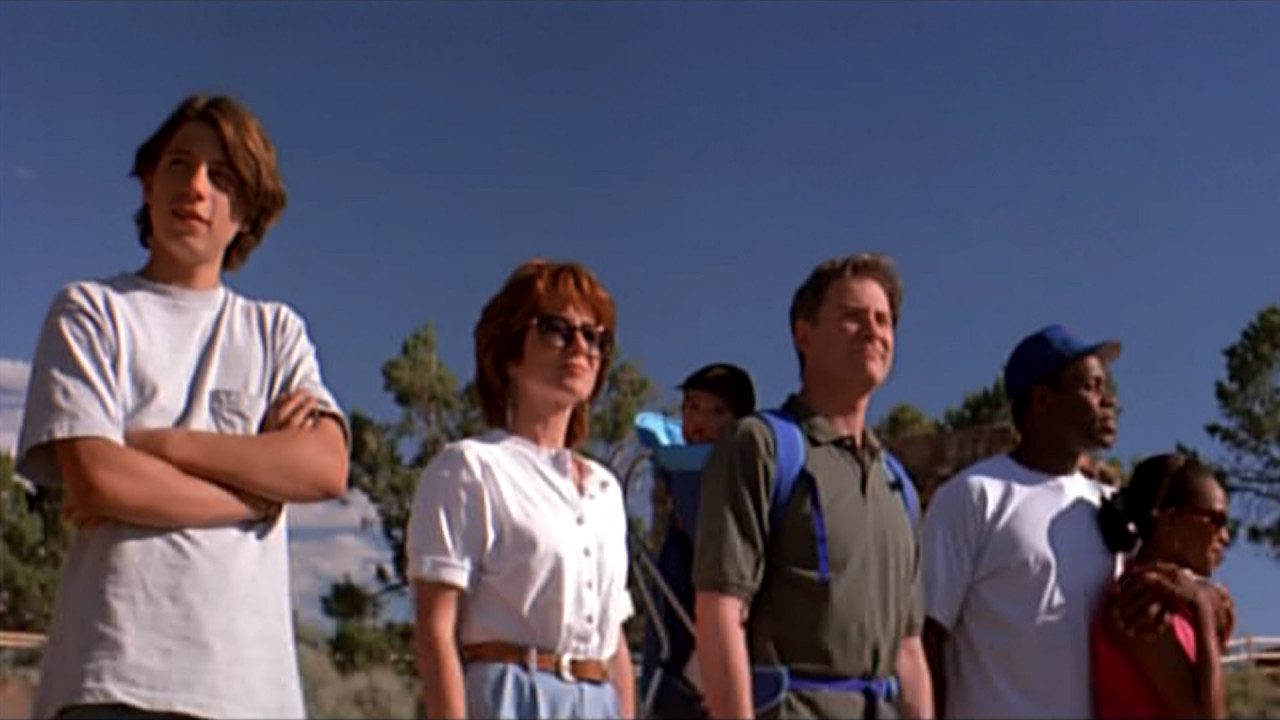
Advertised as a spiritual successor to writer-director Lawrence Kasdan’s The Big Chill (one of my VC’s favorite movies), the film’s main dynamic is sparked when lawyer Mack (Kevin Kline) narrowly escapes being mugged thanks to the cool-headed tow truck driver Simon (Danny Glover), after which Mack goes out of his way to befriend Simon and help him and his family. Alongside this plot are parallel threads about Mack’s wife (Mary McDonnell) wanting to adopt an abandoned baby she finds and his movie producer friend Davis (Steve Martin) second-guessing the violent content of his films after he is injured in a shooting. Add in the likes of Alfre Woodard, Mary-Louise Parker, and Jeremy Sisto, and you have an outstanding ensemble cast on hand.

On a purely narrative level, Grand Canyon deals with how people react to unexpected changes in their life – a near-death experience, a mid-life crisis, a change in scenery, the blossoming or ending of a love affair. In these aspects, the film excels in its realistic portrayal of different responses. Mack’s scare causes him to reach out and look further in the strata of Los Angeles society than he has before, even if he can’t shake some cluelessness of how his actions affect others. On the other hand, Davis’s change in perspective is short-lived, merely informing his decision to keep up his old habits. The film doesn’t end up giving complete closure to all these disparate threads (the storylines of Parker’s adulterous secretary and Simon’s gang-influenced nephew are dropped without a final resolution), but it is only a snapshot of these turning points, one that captures their dreams and anxieties in a world just as chaotic as it is thirty-two years later.

One can tell the effort that went into Kasdan’s Oscar-nominated screenplay, which is replete with insightful discussions about control and meaning and miracles and existence. And while these are laudable topics, I couldn’t help but think that normal people don’t talk about these universal concepts as casually as they do in this movie. While I appreciated the existential concerns raised (albeit without any religious dimension), the eloquence of it also kept reminding me that this is a script being delivered, quite well of course but not convincingly enough to completely connect with these characters. That could be my own personal gripe that wouldn’t bother other viewers, but it keeps Grand Canyon from being a new favorite ensemble flick. Still, as thoughtful all-star dramas go, it’s a well-made and perceptive piece that uses its particular time and place to ask timeless questions.

Best line: (Davis, to Mack) “That’s part of your problem, you know, you haven’t seen enough movies. All of life’s riddles are answered in the movies.”

Rank: List Runner-Up

© 2023 S.G. Liput
784 Followers and Counting

2022 Blindspot Pick #10: The Frighteners (1996)

04 Saturday Feb 2023

Posted by sgliput in Blindspot, Movies, Poetry, Reviews, Writing

≈ Leave a comment

Tags

Comedy, Fantasy, Horror, Thriller

If ghosts are really dead and well
And haunting us instead of hell
Or heaven, then it’s fair to ponder
What they’re up to when they wander.

Could it be their lifeless heads
Are in our bathrooms, in our beds,
Next to us when we’re alone
To judge us and what’s on our phone?

Could it be they find their fun
In terrifying everyone?
Just float a chair or whisper “boo,”
And while you scream, they laugh at you.

Or maybe they just do their schtick
Because the dead resent the quick
And all the things they can’t enjoy
And so endeavor to annoy?

Or maybe phantoms leave a trail
Of fear to flout the coffin nail,
To prove to us as well as them
That they exist by their mayhem.

It must be hard to be a ghoul.
To be invisible is cruel.
So next time you are all alone,
Turn to the ghost you might have known
And dare to share a friendly word,
Perhaps their first since being interred.
And if they don’t scare you away,
Just know you might have made their day.
_______________________

MPA rating:  R (for violence, mostly PG-13-level except for one scene)

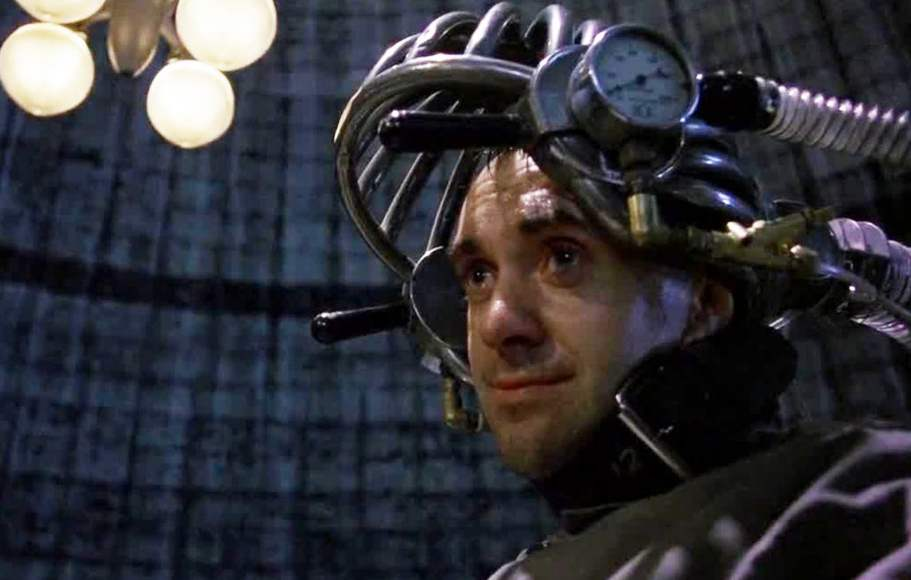
Yep, I’m still here catching up on my 2022 Blindspots, but I have officially seen them all! So now it’s just getting the reviews out. Though I had intended it for last Halloween, next up is a little horror film with some unlikely bedfellows in director Peter Jackson before he hit the big time with Lord of the Rings and Michael J. Fox in his last starring role, shortly before announcing his Parkinson’s diagnosis. Between Jackson’s penchant for horror comedy (much toned down here) and Fox’s natural charisma, the two proved to be a good mix, finding both humor and pathos in a tale of a con artist who can see dead people and must battle a murderous phantom only he can see.

Fox plays Frank Bannister, a self-proclaimed banisher of ghosts, who gets help in faking the hauntings in a small American town (actually Jackson’s native New Zealand) from his spectral collaborators (Chi McBride, Jim Fyfe, and John Astin). He alone can see ghosts ever since a near-death experience, and after a run-in with a boorish jock (Peter Dobson) and his kinder wife (Trini Alvarado), Frank endeavors to stop a series of sudden random deaths that seem to be caused by the Grim Reaper.

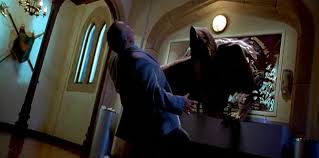
After he’d earned a name through several strictly Kiwi projects of varying taste, The Frighteners was Jackson’s first Hollywood movie, and its mishmash of genres adds to it feeling like a turning-point film, the work of someone still perfecting their talent for mainstream audiences. Despite the twisty plot and colorful performances, it seemed to me that the real intended star was the special effects provided by Weta Digital (now Weta FX) to bring the ghosts to life, particularly the villain whose shape is often seen moving underneath solid surfaces like walls. By today’s standards, those all-CGI moments now have an inescapably dated and unreal look to them, but I can imagine they were a wonder in the mid-1990s.

While Fox’s natural likeability overshadows that of his character, he nails the dramatic moments and the interactions with characters that are not actually there, since all the ghost scenes were shot twice, with and without the ghosts present. As for the antagonists, while the shadowy reaper is a formidable threat, Jeffrey Combs is a scene-stealer as Miles Dammers, the intense FBI agent trying to tie Frank to the killings. Combs was clearly channeling a neurotic Jim Carrey and is a primary source of the film’s humor, which can be hit-and-miss.

Most of the film’s mixed reviews seem to consider it “tonally uneven,” which is true, never going for full-on belly laughs or deep-seated horror. The ending especially forgoes any of the light-hearted campiness in order to make events feel as hopeless as possible for the heroes while also overdoing explanatory flashbacks. Other issues include the rather shallow romance and the fact that the harrowing opening scene doesn’t make much sense in retrospect.

I don’t mean to sound overly negative; I very much enjoyed The Frighteners and actually watched it twice. It’s not high art nor an outright dud, so it’s hard to figure out in which bucket of appreciation to place it. But it’s an entertaining amalgam of influences that deserves its cult following, and I’m grateful that it served as a stepping stone for Jackson and Weta toward The Lord of the Rings trilogy. Besides, you can’t go wrong ending a movie with “(Don’t Fear) the Reaper.”

Best line: (Frank) “You are SUCH an a**hole.”
(Dammers, unhinged) “Yes, I am. I’m an a**hole… with an Uzi.”

Rank:  List Runner-Up

© 2023 S.G. Liput
784 Followers and Counting

2022 Blindspot Pick #9: The Apu Trilogy (1955, 1956, 1959)

15 Sunday Jan 2023

Posted by sgliput in Blindspot, Movies, Poetry, Reviews, Writing

≈ Leave a comment

Tags

Classics, Drama, Romance

I grew up in a jungle,
Where the canopies were dense,
Where I could play the warrior
To whom imagined foes defer,
Where time was slow yet fleeting,
A parade of precedents.

I moved then to a jungle,
Not of leaves but weathered stone.
I learned the world was wide and far
And much more fun than parents are.
And every story led me toward
A story of my own.

My mind became a jungle
As the years were filled with noise.
Though grief was vying for the lead,
A stronger love became my creed,
The kind that builds on fate fulfilled
And makes men out of boys.
____________________

MPA rating: Not Rated (nothing really objectionable, though at least PG for the serious subject matter)

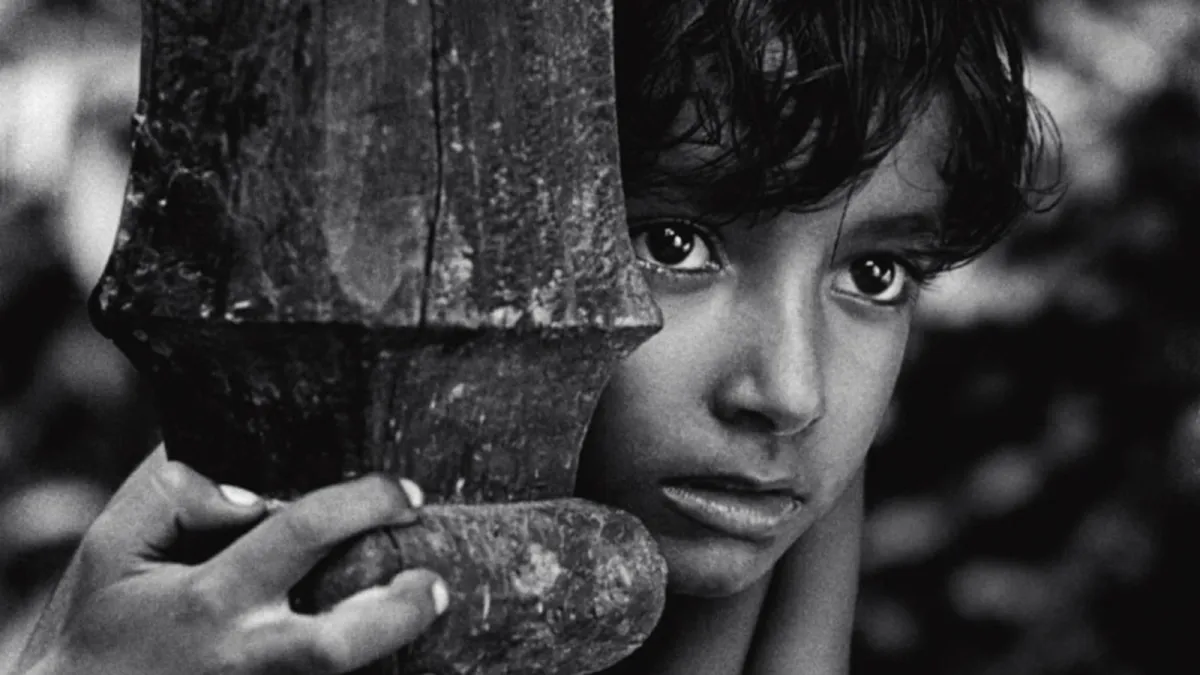
So I didn’t fit in all my 2022 Blindspots into last year. It happens, and I’ll just have to aim for better this year. First, though, it’s time to wrap up the old ones, starting with a pick that was perhaps overly ambitious for my slow viewing schedule. Instead of just one film, I made one of my picks a trilogy so that I could introduce myself to the work of acclaimed Indian director Satyajit Ray. Based upon the novels of Bibhutibhushan Bandyopadhyay and boasting a score by Ravi Shankar, the Apu Trilogy is made up of three black-and-white films following the life of a poor Bengali boy named Apu: Pather Panchali (or Song of the Little Road), Aparajito (or The Unvanquished), and Apur Sansar (or The World of Apu). All three are considered landmark films in Indian cinema, earning international esteem and influencing many filmmakers in the decades since.

First up is 1955’s Pather Panchali, Ray’s debut film focusing on Apu’s childhood in the rural forests of Bengal in the 1910s. More than any of the sequels, the first film is focused on the visuals, with an unhurried pace to allow viewers to consider the episodic life of the Roy family, a poor life of sweeping dirt floors and brushing their teeth with a finger but not without its moments of joy and wonder. A more commercial film would have provided some kind of narration, with Apu (Subir Banerjee) reminiscing about his harried mother (Karuna Banerjee), traveling father (Kanu Banerjee), and impish sister Durga (Runki Banerjee and later Uma Dasgupta; no actual relation between the four Banerjees, by the way). Instead, the movie shows rather than tells, reflecting the fact that it was filmed based on storyboards rather than a script, and it boasts several striking images in its picture of agrarian poverty, from the reflection of shadows in a pond as Apu and Durga follow a sweets peddler or the appearance of a train chugging through windswept fields of tall grass, the only sign that this story is set in a modern era.

Despite a behind-the-scenes featurette’s assertion that Pather Panchali is Durga’s film in the trilogy, I thought it belonged more to the mother Sarbajaya. While she doesn’t always come off as likable, even nagging an elderly houseguest until the old woman leaves, Sarbajaya bears the heaviest burden of the family. She deals with the objections over Durga’s stealing from neighbors, the loneliness when her husband is away earning money as a Brahmin priest, and the financial worries when he disappears for months at a time. Her actress has especially expressive eyes that do wonders with the mostly minimalist dialogue. Still, the rambling pacing of Pather Panchali is admittedly tedious at times and ultimately telling a sparse and sad story of poverty. Yet, even if it was meant as a standalone film, I see it as necessary groundwork for the story to come.

The second film is 1956’s Aparajito, which I enjoyed more than the first simply because more happened, but somehow I think it’s my favorite of the three. After the heartache of the first film, young Apu (Pinaki Sengupta) and his family have moved to the city of Benares (now Varanasi), leaving behind bamboo forests and sweeping dirt floors in favor of crowded riverside ghats and sweeping stone floors. While Apu’s father finds more work in the city, it doesn’t take long for more tragedy to strike, forcing another move to stay with a rural relative. There, Apu finally has the opportunity to attend school and awakens a love of learning that eventually sends him off to college in Kolkata, stepping into a more modern world of books and electricity.

Whereas Pather Panchali seemed largely observational, Aparajito felt like a more personal film, particularly focusing on the relationship between Apu and his mother. Apu didn’t have much agency before since he was a wide-eyed child, but comes into his own as a character once he makes the choice to attend school, thanks to the support of the long-suffering Sarbajaya. Like so many adolescents growing up, the older Apu (Smaran Ghosal) is drawn toward the bustling college life instead of his provincial past, and even his moments of sweetness with his mother have a tinge of disinterest on his part. I’m a sucker for a sacrificial mom story, and this is the kind of regretful tale that made me want to hug mine.

Rounding out the trilogy is 1959’s Apur Sansar, focusing on Apu as an adult (Soumitra Chatterjee). Now on his own, he’s a starving artist working on a novel and tutoring on the side, too overqualified for manual labor. When he is invited to a country wedding, a trick of fate and odd local customs result in him marrying the bride, which is a shock to both him and the lovely Aparna (Sharmila Tagore, who somehow looks and acts older than her mere fourteen years). Despite being strangers, a sweet romance gradually blossoms between the two, and Apu must come to terms with his role as husband and then father, as well as the trail of tragedy and grief that has followed him throughout his life.

It seems that most critics consider Apur Sansar the most complete and professional work in the trilogy, and it does feel like the most self-contained, as well as the most satisfying. Ray (or perhaps the author of the source material) is actually quite ruthless with his characters, so by the end, it’s gratifying whenever Apu has a bit of happiness. It helps too that Chatterjee is an outstanding actor, able to evoke his thoughts with only a look, such as a moment in bed where he seems struck by the fact that he is really married. (May he rest in peace, since he died just a couple years ago due to COVID.) I also liked how Apu and Aparna go out to the movies at one point to watch a rather hokey mythological epic, which both recalled a similar play Apu saw in the first film and highlighted how different Ray’s more grounded films were from what came before.

There actually isn’t much continuity between the three films, and any of them could be watched in isolation. Yet they do build upon each other in subtle ways, as when the Apu in Aparajito excels in class due to the home lessons his father gave him in Pather Panchali, or the chuckle-worthy scene in Apur Sansar where Apu’s friend describes the rural lifestyle of his cousins that so closely mirrors Apu’s own upbringing. There are a wealth of more subtle details and creative choices that a non-critic like me may not catch, so I found it even more rewarding to watch behind-the-scenes features about Ray’s artistry, such as the symbolic use of trains as harbingers of death throughout the films.

Now that I’ve watched these certified classics, I can see why they are so well-respected, and I now view Satyajit Ray as an Indian counterpart to Akira Kurosawa in Japan, telling detailed, culturally authentic stories that resonate beyond their specific country or setting. At the same time, I’ll be honest and say these are definitely what I call “critic movies”; perhaps in decades past, they might have had popular appeal, especially in India, but they are designed more to tell a slow and personal story rather than entertain. They are not the kind of movies one watches casually and thus probably not ones I’ll ever see again.

But as works of cinematic art representing the highs and lows of Apu’s life, they do live up to their reputation, provided one has the patience for them. Considering both Chatterjee and Tagore had long and successful careers after Apur Sansar, I’m now curious to see more of their work, not to mention that of director Ray. And I am very grateful for the Criterion Collection’s dedication to preserving all three films, the originals of which were burned in a fire and required great pains to restore. These are nuanced and significant entries in the history of international cinema, and even if they seem mundane by modern standards, I’m glad to have seen them.

Best lines: (schoolmaster, to Apu in Aparajito) “If you don’t read books like these, you can’t broaden your mind. We may live in a remote corner of Bengal, but that doesn’t mean that our outlook should be narrow.”

and

(Apu in Apur Sansar, commenting on Aparna going to her parents for a while) “But I will get some work done on my novel. I haven’t written a line since we were married.”   (Aparna) “Is that my fault?”   (Apu) “It’s to your credit. You know how much my novel means to me. You mean much more.”

Rank for all three: Honorable Mention

© 2023 S.G. Liput
784 Followers and Counting

← Older posts
Newer posts →

Recent Posts

  • We Didn’t Start 2025 (Recap)
  • NaPoWriMo 2025 Recap (Finally)
  • Sonic the Hedgehog 3 (2024)
  • It Happened One Night (1934)
  • Spellbound (2024)

Recent Comments

associatesofshellymann's avatarassociatesofshellyma… on My Top Twelve La La La So…
Kit's avatarKit Nichols on Bonnie and Clyde (1967)
lifelessons's avatarlifelessons on Look Back (2024)
Carol Jackson's avatarCarol Jackson on The Thief of Bagdad (1940…
Stephen's avatarStephen on Love Story (1970)

Archives

  • January 2026
  • December 2025
  • May 2025
  • April 2025
  • March 2025
  • February 2025
  • January 2025
  • December 2024
  • May 2024
  • April 2024
  • March 2024
  • February 2024
  • January 2024
  • December 2023
  • November 2023
  • October 2023
  • September 2023
  • July 2023
  • June 2023
  • May 2023
  • April 2023
  • March 2023
  • February 2023
  • January 2023
  • December 2022
  • November 2022
  • October 2022
  • September 2022
  • August 2022
  • July 2022
  • June 2022
  • May 2022
  • April 2022
  • March 2022
  • February 2022
  • January 2022
  • December 2021
  • November 2021
  • October 2021
  • September 2021
  • August 2021
  • July 2021
  • June 2021
  • May 2021
  • April 2021
  • March 2021
  • February 2021
  • January 2021
  • December 2020
  • November 2020
  • October 2020
  • September 2020
  • August 2020
  • July 2020
  • June 2020
  • May 2020
  • April 2020
  • March 2020
  • February 2020
  • January 2020
  • December 2019
  • November 2019
  • October 2019
  • September 2019
  • August 2019
  • July 2019
  • June 2019
  • May 2019
  • April 2019
  • March 2019
  • February 2019
  • January 2019
  • December 2018
  • November 2018
  • October 2018
  • September 2018
  • August 2018
  • July 2018
  • June 2018
  • May 2018
  • April 2018
  • March 2018
  • February 2018
  • January 2018
  • December 2017
  • November 2017
  • October 2017
  • September 2017
  • August 2017
  • July 2017
  • June 2017
  • May 2017
  • April 2017
  • March 2017
  • February 2017
  • January 2017
  • December 2016
  • November 2016
  • October 2016
  • September 2016
  • August 2016
  • July 2016
  • June 2016
  • May 2016
  • April 2016
  • March 2016
  • February 2016
  • January 2016
  • December 2015
  • November 2015
  • October 2015
  • September 2015
  • August 2015
  • July 2015
  • June 2015
  • May 2015
  • April 2015
  • March 2015
  • February 2015
  • January 2015
  • December 2014
  • November 2014
  • October 2014
  • September 2014
  • August 2014
  • July 2014
  • June 2014
  • May 2014
  • April 2014
  • March 2014
  • February 2014
  • January 2014
  • December 2013

Categories

  • Blindspot
  • Blogathon
  • Christian
  • Movies
  • Music
  • NaPoWriMo
  • Poetry
  • Reviews
  • TV
  • Writing

Meta

  • Create account
  • Log in
  • Entries feed
  • Comments feed
  • WordPress.com

Recent Posts

  • We Didn’t Start 2025 (Recap)
  • NaPoWriMo 2025 Recap (Finally)
  • Sonic the Hedgehog 3 (2024)
  • It Happened One Night (1934)
  • Spellbound (2024)

Recent Comments

associatesofshellymann's avatarassociatesofshellyma… on My Top Twelve La La La So…
Kit's avatarKit Nichols on Bonnie and Clyde (1967)
lifelessons's avatarlifelessons on Look Back (2024)
Carol Jackson's avatarCarol Jackson on The Thief of Bagdad (1940…
Stephen's avatarStephen on Love Story (1970)

Archives

  • January 2026
  • December 2025
  • May 2025
  • April 2025
  • March 2025
  • February 2025
  • January 2025
  • December 2024
  • May 2024
  • April 2024
  • March 2024
  • February 2024
  • January 2024
  • December 2023
  • November 2023
  • October 2023
  • September 2023
  • July 2023
  • June 2023
  • May 2023
  • April 2023
  • March 2023
  • February 2023
  • January 2023
  • December 2022
  • November 2022
  • October 2022
  • September 2022
  • August 2022
  • July 2022
  • June 2022
  • May 2022
  • April 2022
  • March 2022
  • February 2022
  • January 2022
  • December 2021
  • November 2021
  • October 2021
  • September 2021
  • August 2021
  • July 2021
  • June 2021
  • May 2021
  • April 2021
  • March 2021
  • February 2021
  • January 2021
  • December 2020
  • November 2020
  • October 2020
  • September 2020
  • August 2020
  • July 2020
  • June 2020
  • May 2020
  • April 2020
  • March 2020
  • February 2020
  • January 2020
  • December 2019
  • November 2019
  • October 2019
  • September 2019
  • August 2019
  • July 2019
  • June 2019
  • May 2019
  • April 2019
  • March 2019
  • February 2019
  • January 2019
  • December 2018
  • November 2018
  • October 2018
  • September 2018
  • August 2018
  • July 2018
  • June 2018
  • May 2018
  • April 2018
  • March 2018
  • February 2018
  • January 2018
  • December 2017
  • November 2017
  • October 2017
  • September 2017
  • August 2017
  • July 2017
  • June 2017
  • May 2017
  • April 2017
  • March 2017
  • February 2017
  • January 2017
  • December 2016
  • November 2016
  • October 2016
  • September 2016
  • August 2016
  • July 2016
  • June 2016
  • May 2016
  • April 2016
  • March 2016
  • February 2016
  • January 2016
  • December 2015
  • November 2015
  • October 2015
  • September 2015
  • August 2015
  • July 2015
  • June 2015
  • May 2015
  • April 2015
  • March 2015
  • February 2015
  • January 2015
  • December 2014
  • November 2014
  • October 2014
  • September 2014
  • August 2014
  • July 2014
  • June 2014
  • May 2014
  • April 2014
  • March 2014
  • February 2014
  • January 2014
  • December 2013

Categories

  • Blindspot
  • Blogathon
  • Christian
  • Movies
  • Music
  • NaPoWriMo
  • Poetry
  • Reviews
  • TV
  • Writing

Meta

  • Create account
  • Log in
  • Entries feed
  • Comments feed
  • WordPress.com

Blog at WordPress.com.

  • Subscribe Subscribed
    • Rhyme and Reason
    • Join 814 other subscribers
    • Already have a WordPress.com account? Log in now.
    • Rhyme and Reason
    • Subscribe Subscribed
    • Sign up
    • Log in
    • Report this content
    • View site in Reader
    • Manage subscriptions
    • Collapse this bar
 

Loading Comments...