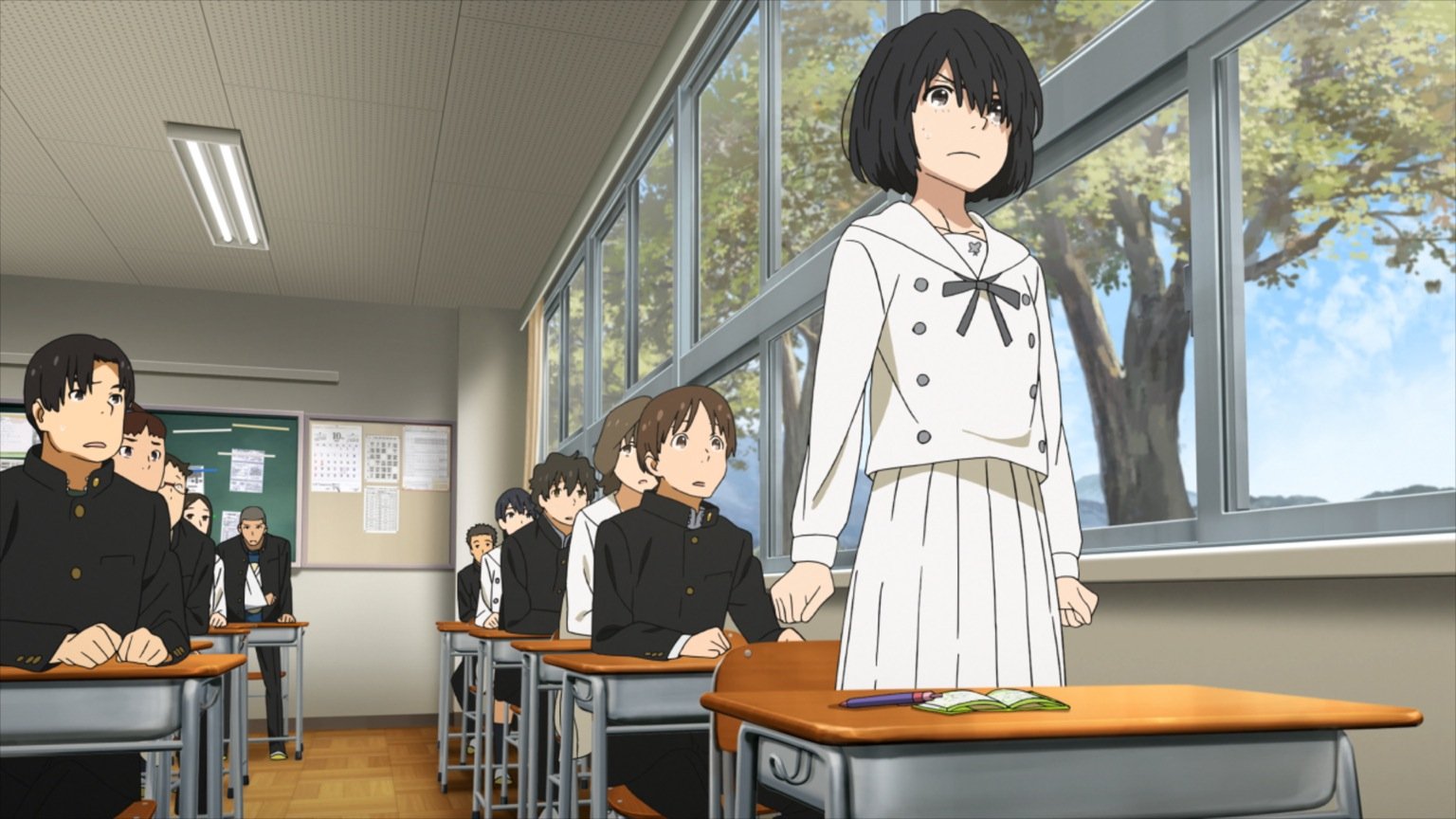
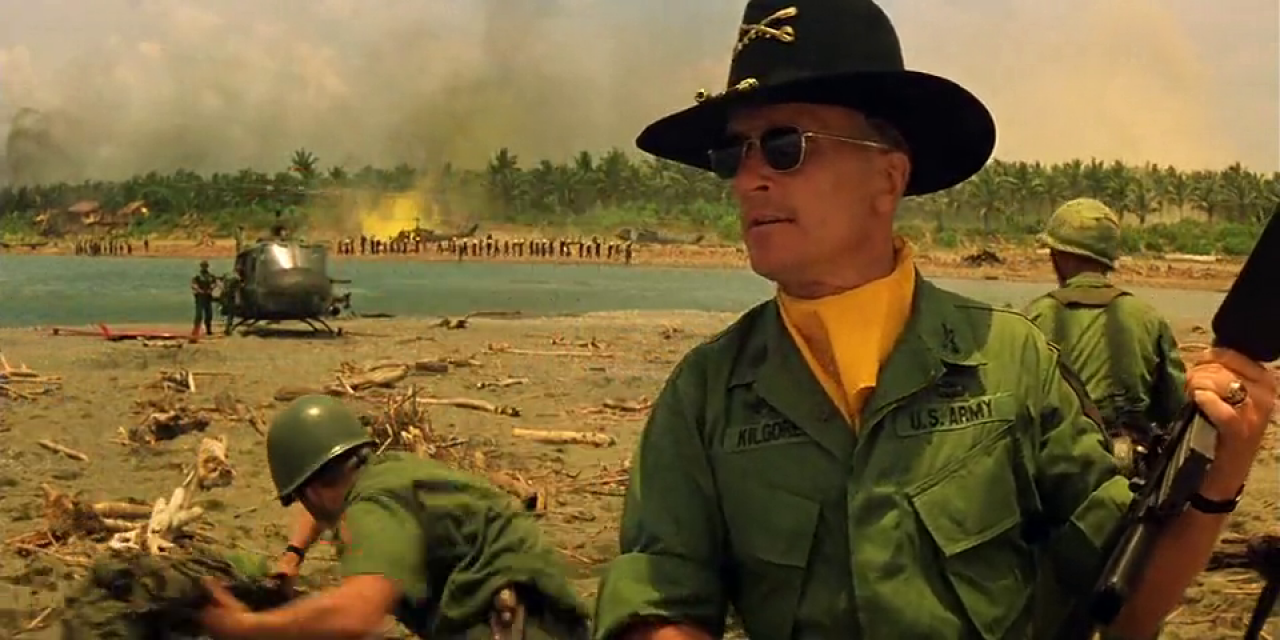
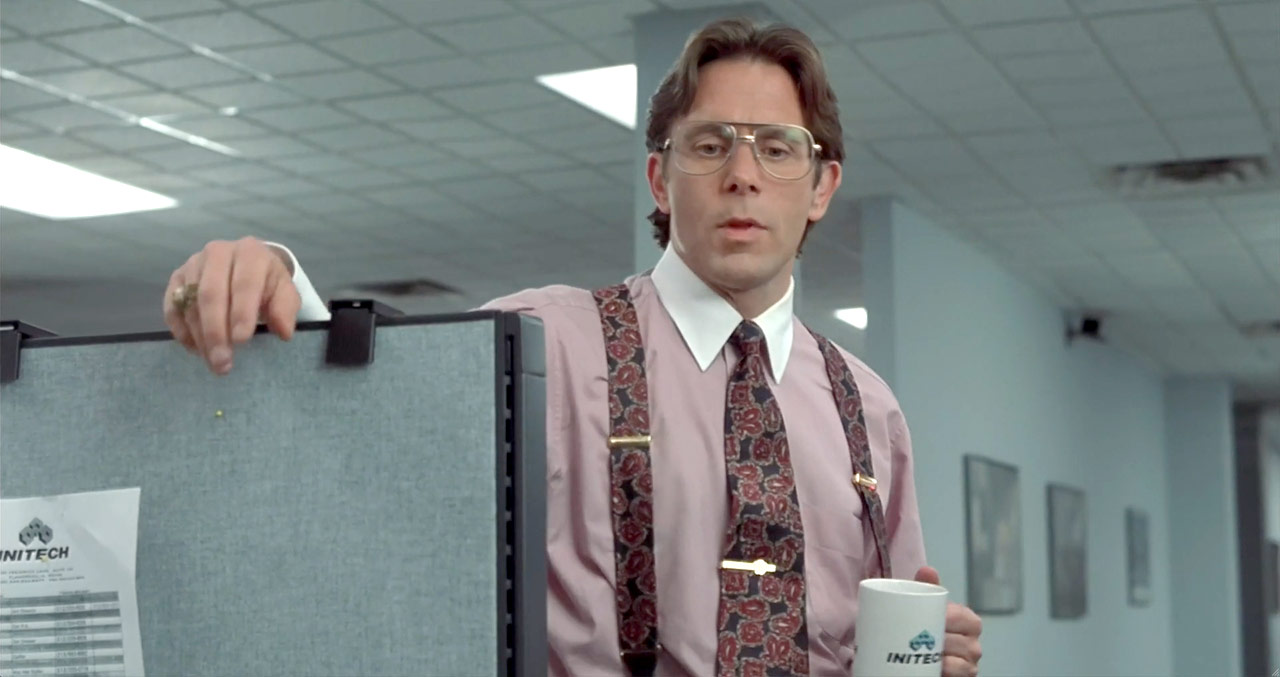
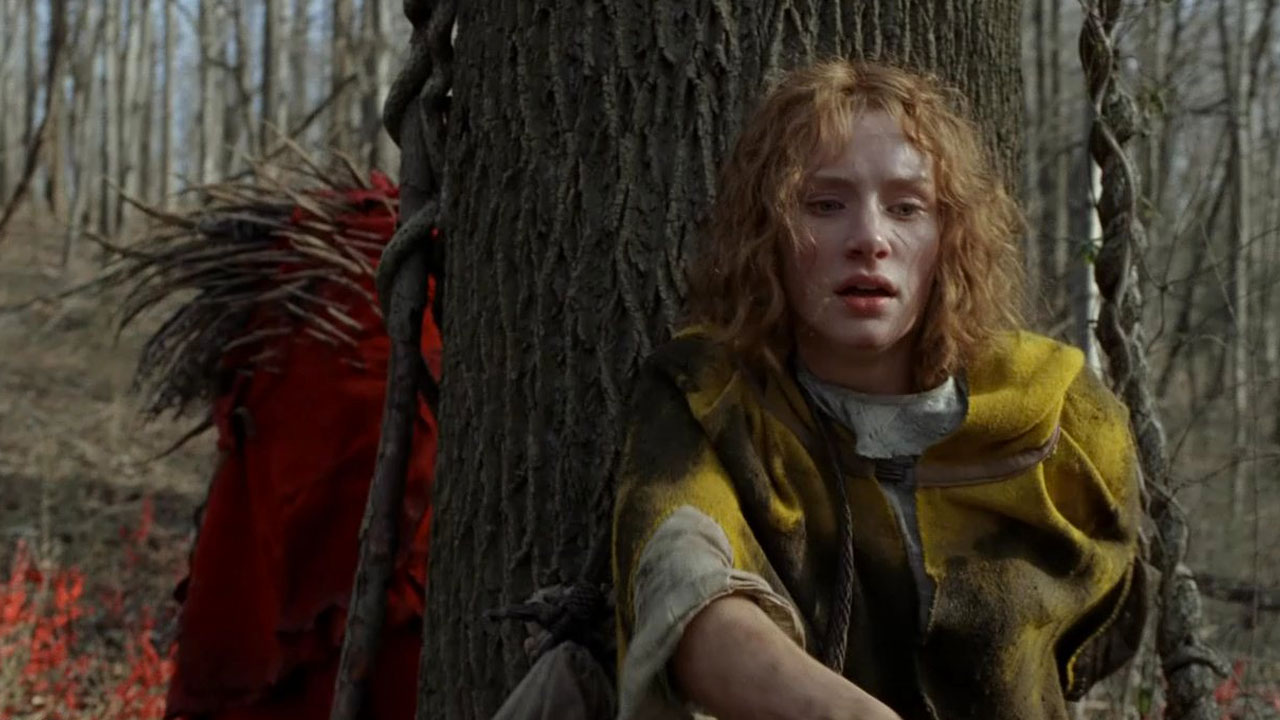
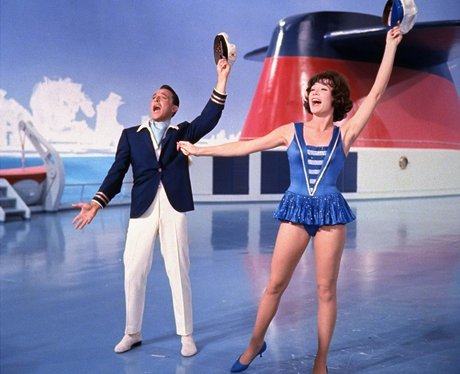
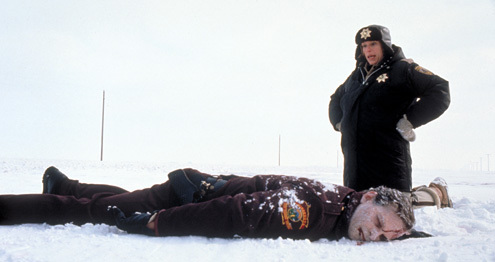
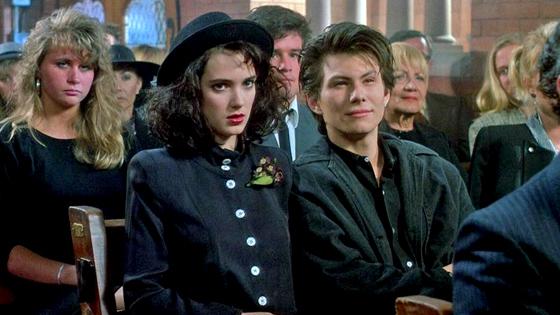
(The prompt for Day 3 of NaPoWriMo was to create a “Personal Universal Deck” of self-descriptive words, so I tried to come up with some word impressions for the characters of a lesser Ghibli film.)
Waves on the beach, Wisdom to teach, Woman and leech, Scorning my speech.
Waves on my mind, Wicked and kind, Who she maligned Is no longer blind. __________________________
MPA rating: PG-13 (for thematic material, very little objectionable)
I love so many Studio Ghibli films, but there are a few gaps I’ve been trying to fill, lesser-known works that have slipped through the cracks. Ocean Waves is one of them, an early ‘90s TV film based on a novel that was meant to give the younger animators a chance to show their stuff. It’s one of those subdued high school stories with a melodramatic love triangle that isn’t bad but can’t escape an overall dullness.
Told largely in flashback, the tale follows Taku as a high schooler who learns his friend Yutaka has a crush on a new girl named Rikako, and Taku is soon pulled into her life and drama more than he expected or wanted. My mom initially didn’t like Forrest Gump because of the way Jenny treated Forrest, and Rikako is in a similar mold. She manipulates, lies, uses people, and barely shows any remorse, yet her actions are eventually viewed with fondness. A high school reunion near the end hits some excellent nostalgic poignancy, but the main two characters aren’t exactly typical romance material, to the point that some have said the two male friends have more chemistry than the central “couple.”
Again, Ocean Waves is well-animated and not terrible, but it’s low-tier Ghibli with very little personality of its own and many tropes that have been done much better elsewhere. In fact, my favorite Ghibli film Whisper of the Heart has a lot of the same ingredients (high school love triangle, boy and girl who dislike each other at first) and yet has so much more character and passion to it. Perhaps Ocean Waves was just the warm-up.
(For Day 2 of NaPoWriMo, the prompt was to reflect on a life-changing choice, so I considered the life-and-death stand of a German martyr.)
I simply stayed silent, Not hateful nor loud. I kept my mouth closed When they wanted compliance. To not join the violent, Not follow the crowd, To leave them opposed Was inherent defiance.
I wonder about, If I’d merely caved, How easier life Would have treated this fool. But then I have doubt: I might have been saved From present-day strife, But not God’s higher rule. ________________________
MPA rating: PG-13
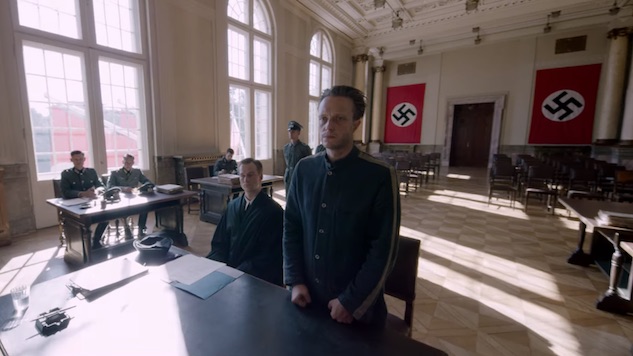
On this Good Friday, a film about martyrdom seemed apropos. I’ll admit that I’ve never seen a Terrence Malick film (potential future Blindspot picks), so there is nothing to which I can compare A Hidden Life from the same director. Yet it most reminded me of Sophie Scholl: The Final Days, since both are moving portraits of faith in the face of evil and social pressure. However, whereas Sophie Scholl was actively opposing the Nazis, the subject of A Hidden Life simply refused to yield to their demands, proving to be a timely hero in this age where even mild disagreement can spark undue censure.
Franz Jägerstätter (August Diehl), declared a Blessed by the Catholic Church in 2007, is a poor farmer in the mountains of Austria, faced with a choice when Hitler annexes his country in the Anschluss. Required to take an oath of allegiance to the Fuhrer, Jägerstätter balks, despite overwhelming pressure from his village and even his church to comply. His quiet steadfastness as he nears the inevitable end recalls the passion of Christ as he and his wife (Valerie Pachner) question the morality of a stand that none but God would remember, or so they thought.
Malick’s celebrated visual artistry elevates the poignant story even more with absolutely gorgeous cinematography that takes full advantage of the alpine setting. Almost every shot could be framed on my wall as a piece of art, which makes it criminal that the film didn’t get a single Oscar nomination. While I loved so much about the film, its epic length is sadly a big detriment, the pace slow and methodical across nearly three hours. It’s a spiritually rich, contemplative film that heightens its emotions as it progresses, but I was quite ready for it to be over when the credits rolled. A Hidden Life is a superb masterpiece of the human conscience; it just could have benefited from a little more editing.
Best line: (Franz’s father-in-law) “Better to suffer injustice than to do it.”
(The prompt for Day 1 of NaPoWriMo was to write something perspective-challenging based on a surreal jazz music video. I thought that the jazz and a change of perspective would apply well to Pixar’s latest film.)
Would the world appear different behind different eyes? Before or behind them – which matters the most? How much of his life can a man criticize Before it’s reduced by his deep-rooted roast?
I’d hate to have nothing to show for my time, My effort, my busyness spent every day. If mountain views aren’t at the end of the climb, Why struggle and strive to reach only half-way?
If I could fulfill all the hopes I once dreamed, If I could be him or be her or do that, Perhaps the time wasted could still be redeemed, A medal to earn in life’s mortal combat.
How foolish, however, to think that my worth Depends on a goal that can move as I near it! How mindless to plan upon riches on earth, No thought for what nurtures my soul and your spirit.
The climb can be tedious staring ahead, A rock wall in front and a far distant peak, But spare a glance round at the background instead And find where you never considered to seek. _____________________________
MPA rating: PG
Thanks to a certain virus and the advent of Disney+, I was thankfully able to watch Pixar’s latest film from the comfort of my couch right at the tail end of 2020, though I would have gladly gone to a theater for it if one had been open. With Pixar’s diminishing creative trend over the last decade, I wasn’t sure where Soul would land among their undeniable classics and good-not-great outings, but I was thrilled to join the general consensus in deeming it the former.
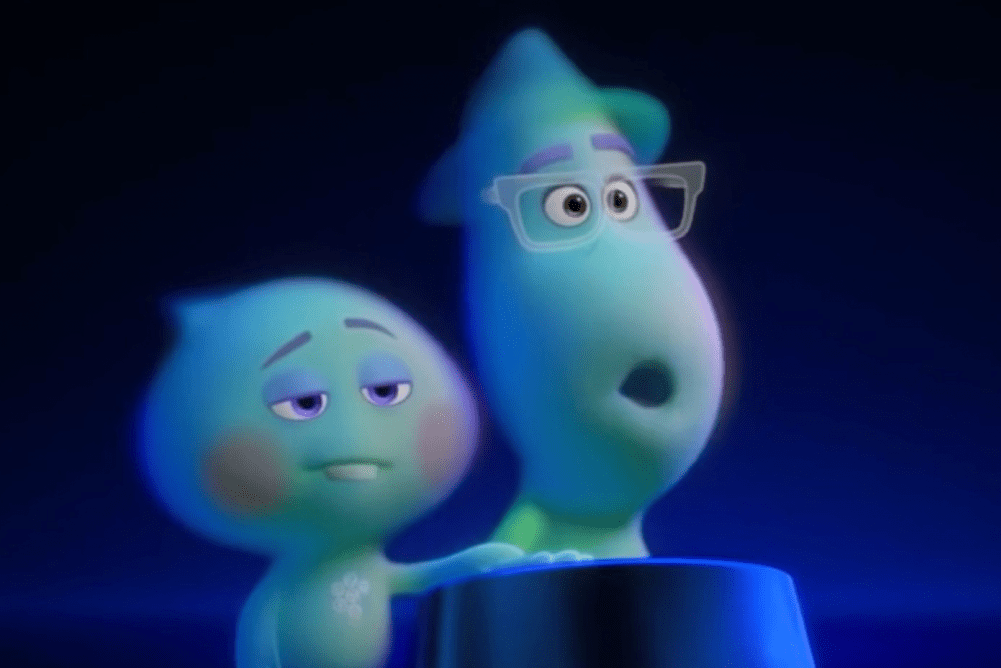
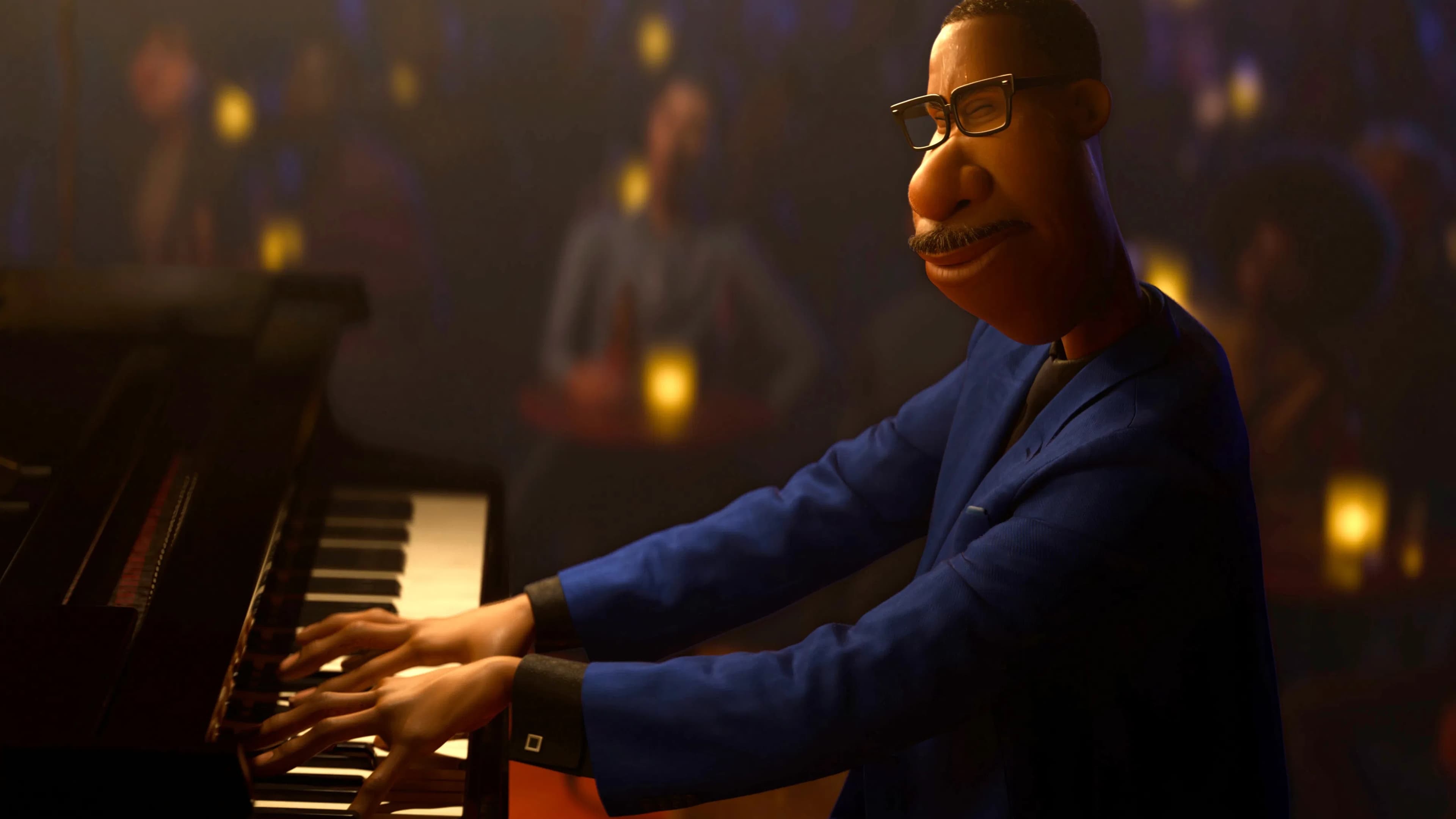
The first Pixar film with an African-American protagonist, Soul follows pianist and middle school music teacher Joe Gardner (Jamie Foxx) as he manages to earn the jazz gig of his dreams and then promptly die, which isn’t a spoiler strangely enough. Appearing as a blue blob on his way to the Great Beyond, he escapes into an in-between realm where unborn souls are prepared before going to earth. He is paired with an uncooperative soul called 22 (Tina Fey), with whom he questions the meaning of his life and existence.
That last bit may sound overly heavy for a “kids movie,” and indeed Soul doesn’t seem designed for kids, with its middle-aged main character and existential questions of life and death. Director Pete Docter has explored weighty concepts before in Upand Inside Out, but other elements of those films seem clearly geared for a young audience. More than any other Pixar film, Soul seems especially mature, not in content, but in theme, while still retaining a likable sense of humor, and I personally love and admire animated films that can pull off such a tonal balance successfully.
The plot itself stays unpredictable and throws in some thought-provoking concepts without much time to consider all their implications, later utilizing them in surprising ways, much like Inside Out did. The animation is yet more evidence of how Pixar is leaps and bounds ahead of its CGI competition, full of textured backgrounds, hyper-realistic lighting, and amazing fluidity, such as the shifting forms of the charming Picassoesque entities named Jerry in the “Great Before.” And then there’s the music, both snappy instrumental jazz and a gorgeous score by Trent Reznor and Atticus Ross, which is almost a character in itself as Joe’s creative passion.
I can’t say Soul is perfect, since it does have some unaddressed plot holes and oddly stops short of explicitly affirming Joe’s job as a teacher, which I think would have been a nice touch similar to Mr. Holland’s Opus. Nevertheless, Pixar excels in its dramatic gut punches, and Soul absolutely delivers those moments, from relatable reconciliations to noble sacrifice, and succeeds in conveying a life-affirming message that doesn’t come off as trite or recycled. Since it hasn’t happened for a Pixar film in a decade, I was really hoping that Soul would snag a Best Picture nomination, but alas, that didn’t happen (though it was nominated for Best Animated Feature, Score, and Sound). While I would have liked perhaps a more religious view of the afterlife, Soul remains general and accessible enough in its spirituality to appeal to all audiences, and its message of valuing life’s little moments ultimately meant a lot to me.
Best line: (musician Dorothea Williams, to Joe) “I heard this story about a fish. He swims up to this older fish and says, ‘I’m trying to find this thing they call the ocean.’ ‘The ocean?’ says the older fish. ‘That’s what you’re in right now.’ ‘This?’ says the young fish. ‘This is water. What I want is the ocean.’”
Can it be that time of year again? April already? National/Global Poetry Writing Month has once more rolled around, and I always look forward to this especially creative month when I think my best work comes to the fore. Unfortunately, I have a dilemma. As evidenced by my sparse posting over the last few months, my schoolwork and work work have kept me from writing and blogging as much as I used to, so my traditional poem and review a day will likely be unrealistic.
Nevertheless, I will endeavor to keep up as much as I can. My best bet will probably be to keep my accompanying movie reviews extra short, so don’t be surprised if they seem truncated. I still hope to have 30 new poems by the end of the month, and I look forward to the daily prompts and others’ submissions as well. Happy NaPoWriMo/GloPoWriMo 2021!
Why waste time? Hot off the heels of completing my 2020 Blindspots, it’s time to move on to a brand new list of twelve movies for 2021. Normally, I would have posted this at the beginning of the year and watched one a month, but I’m sure I can double up a few times before December, especially once I graduate.
As with past years, I attempted to select a varied collection of films I’ve been meaning to see, including a war classic, a Best Picture winner, an anime, a musical, a psychological horror, a sci-fi actioner, and a couple popular comedies. Here’s hoping that 2021’s Blindspot series will expose me to some new favorites!
Despite all of my guilt and apologies about being late with my 2020 Blindspots, I realized that I actually did manage to see them all in a year’s time. I didn’t review my first until last April, so I guess I did fulfill the challenge in a way.
Anyway, I do always enjoy these Blindspot series, which expose me to a bunch of films I’ve kept on the back burner for too long. As for 2020’s collection, I must admit I was a bit disappointed with at least half of them, in contrast to past years, and only my #1 actually managed to snag a List-Worthy rating. Nevertheless, I am glad to have finally seen them all, and I hope to do the same with other Blindspots as we get further into 2021.
Here then is my ranking of the Blindspots from the past year:
If actors in movies are merely fakes, How do you manage to up the stakes? How do you take the viewers’ slump And get their blood to truly pump? How do you take a film’s façade And prove it’s more than just a fraud?
Reality! I’ve said it here; It’s not enough to fake a tear, To cry on cue, to feign a scream, To cheapen what should be extreme. I want a shark that really bites, Real zombie hordes with appetites, A true disaster caught on tape From which the cast may not escape.
Alas, such things we can’t get at, With contracts, laws, and things like that, But if real danger should appear Why not record the drama, fear, Reality?! No thought for taste, Let no disaster go to waste. _______________________
MPA Rating: Not Rated (probably R for bloody violence and F words in the subtitles, though there’s clear fakery to the gore)
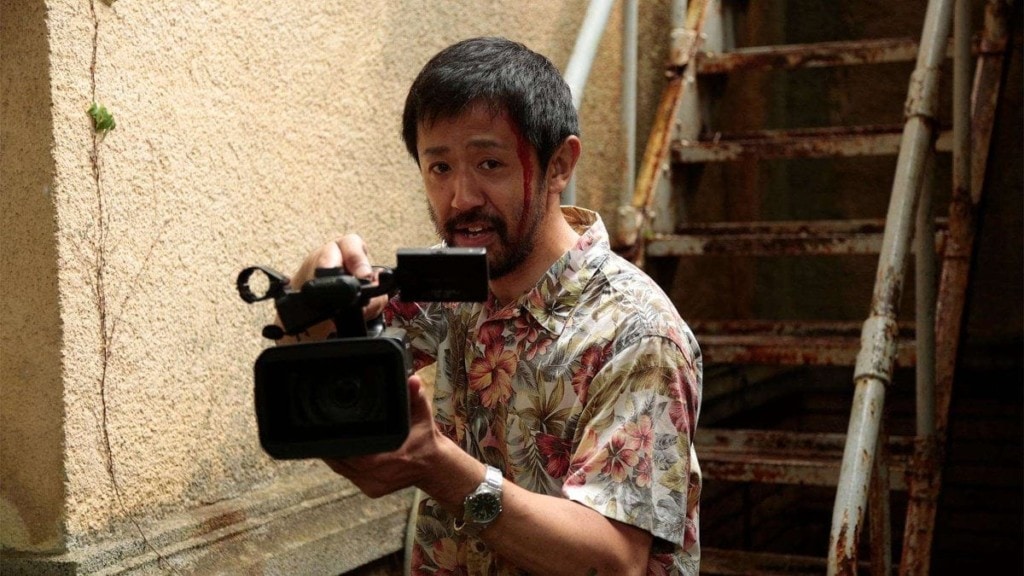
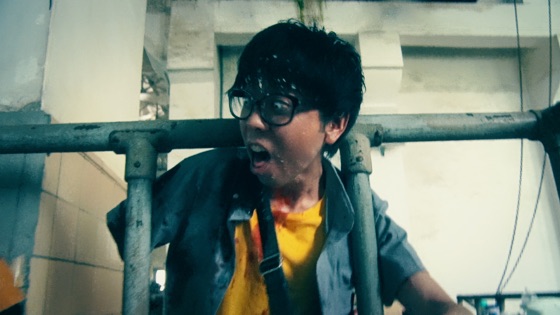
At long last, I have reached the end of my 2020 Blindspot list, and once more I tap the trite but apt phrase “better late than never.” I didn’t intend to wrap up the list with this Japanese zombie film; it just happened to fall to last place, which only makes it even more surprising that it turned out to be my favorite of all the Blindspots from last year. In case there is doubt, I am typically averse to extreme violence in movies, so zombie flicks are far from my cup of tea. Yet I did love Train to Busan, and the 100% Rotten Tomatoes score for One Cut of the Dead gave me hope that this one might be something special. It is.
For starters, One Cut of the Dead is gleefully meta, being a film about the making of a film about people making a zombie film when real zombies appear. It is also the kind of film that is hard to talk about without giving too much away, but I’ll try to avoid spoilers. Director Higurashi (Takayuki Hamatsu) is trying to wring emotion out of his actors as they shoot an ultra-low-budget zombie flick in an abandoned factory. While the cast and crew grow weary of his demands, actual zombies suddenly appear, and he seizes the life-and-death situation to bring realism to his film, insisting on keeping the camera rolling as the undead move in.
That synopsis alone probably doesn’t seem particularly innovative, but let’s just say there’s more to it. The film’s most impressive achievement is that the first 37 minutes are all one long tracking shot with no cuts (a favorite technique of mine), following the characters from zombie chases to Higurashi’s sabotaging of their escape attempts. As impressive as this is, the film’s low-budget status is evident from the awkward pauses, stilted dialogue, and schlocky violence that largely stays off-screen, building into increasingly funny absurdity. Yet the rest of the movie adds so much more to the initial film within a film, providing context of what happened beforehand and what happened off-camera, making the proceedings even more hilarious, quirky, and (as strange as it may sound) heartwarming.
Modern comedies rarely hold a candle to the older classics, in my opinion, but I’ll admit that One Cut of the Dead had me grinning much more than I expected going in. What seems at first like a groan-worthy wannabe horror turns into a celebration of film and the enormous effort put into it, and I loved how even seemingly insignificant details were given amusing explanations as the story unfolded. Even the director’s name had me wondering if it was an oblique reference to the classic Higurashi horror series.
As much as I enjoyed the film, I wasn’t quite sure if it warranted placement on my list; then I found that there was actually a follow-up sequel of sorts from last year called One Cut of the Dead: Remote Mission, in which the same cast made a short film from their homes during COVID lockdown. Just revisiting the characters and their quirks made me smile all over again and confirmed to me that One Cut of the Dead should be List-Worthy. As a comedy masquerading as horror, its inventive plot, endearing characters, and brilliant execution make it an instant classic in my book.
Best line: (Higurashi’s wife) “Pom!” (You’ll get it when you see it.)
The patchwork quilt of others’ lives That covers us and those we meet Can swaddle us or smother us Depending on the way we treat The people in our sphere.
If those you knew or cared to love Could see your thoughts, your worst mistake, The way you act in panic’s vice, I wonder what façade would break And where you’d go from here. _______________________
MPA rating: R (strong R for language and nudity)
Oh, look it’s March. Might be a good time to, I don’t know, finally get back to reviewing my Blindspots from last year! I can’t wait for school to be done later this year, but I’ll probably just shorten my reviews so the blog doesn’t go dead for another month.
Anyway, there are few things as disappointing as a movie you feel you ought to like but just don’t. Robert Altman’s Short Cuts is very much my style of movie. I love watching how individual lives intersect, how chance encounters can influence the bigger picture. It’s one of the many reasons I loved Lost and admire films like Ink, Cloud Atlas, and The Five People You Meet in Heaven. With some reservations, 2019’s Blindspot Twenty Bucks fulfilled the expectations I had for Short Cuts in 2020, which sadly failed to satisfy by enjoyment of cosmic connections this time around.
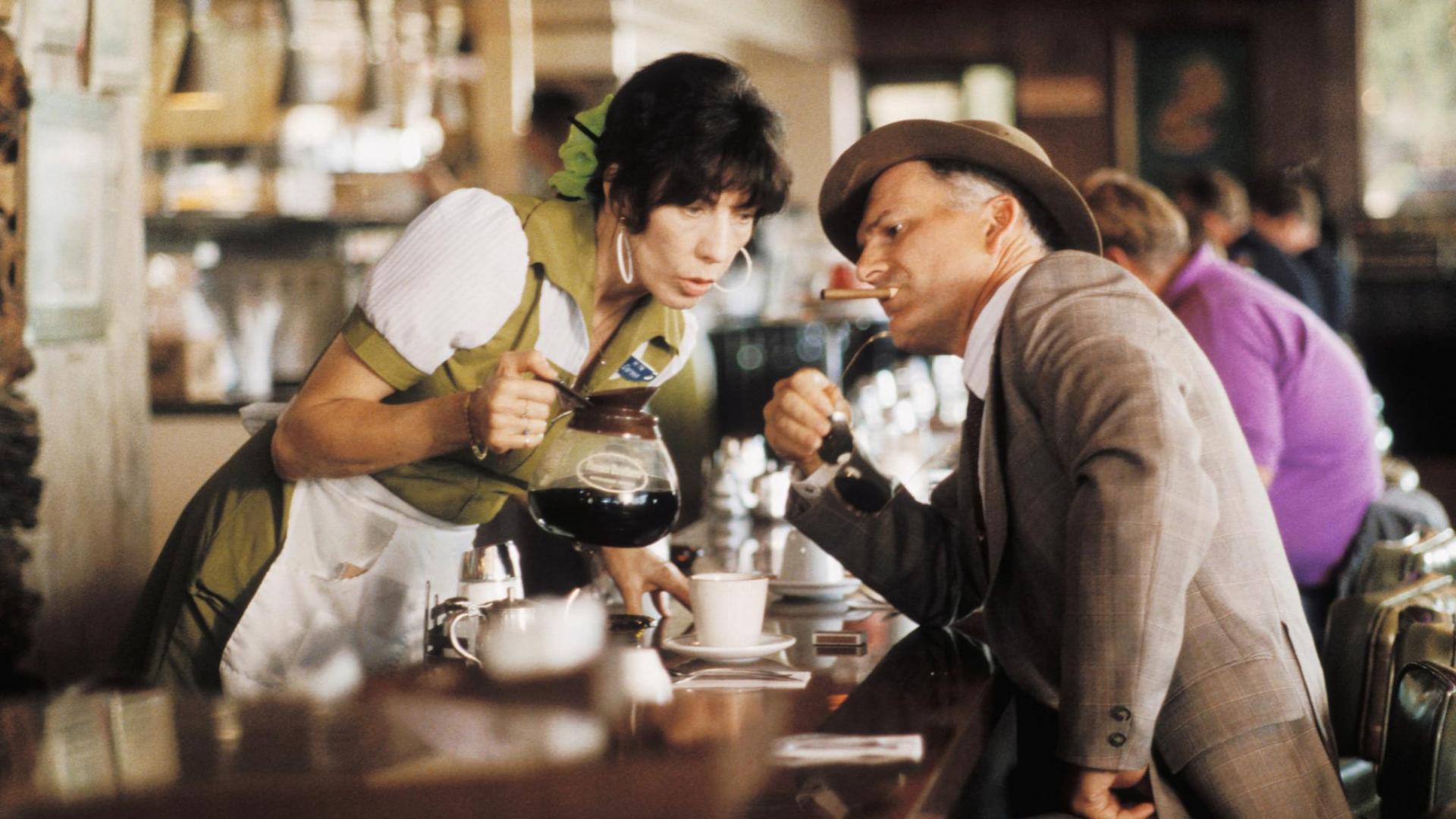
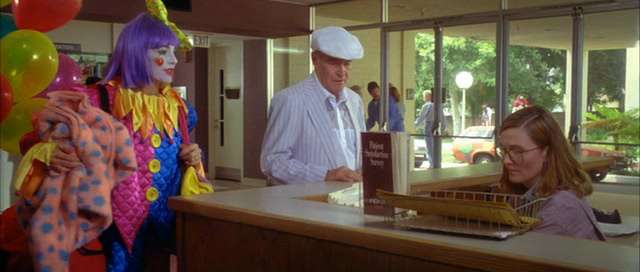
Ultimately, every film needs to have a story worth telling and characters worth watching, and no amount of admirable filmmaking or even a star-studded cast can fill that need. A lot happens in Short Cuts but also not nearly enough. Based on the short stories and poems of Raymond Carver, the story is an expansive snapshot of numerous lives throughout the Los Angeles area, played by a who’s who of recognizable ’90s faces. There’s Robert Downey, Jr., as a smarmy makeup artist, Lily Tomlin as an exasperated waitress, Andie MacDowell as a young mother, Matthew Modine as a doctor, Julianne Moore as his artistic wife, Frances McDormand as Peter Gallagher’s philandering wife, Tim Robbins as her cop lover, Jack Lemmon as Bruce Davison’s estranged father, and many more, including Tom Waits, Anne Archer, Lori Singer, Chris Penn, Jennifer Jason Leigh, Fred Ward, and Lili Taylor. In light of the passing of Alex Trebek (whom I still grieve, as a lifelong Jeopardy fan), I was also delighted to see him in a brief cameo.
It truly is an astounding cast, all of whom are wholly believable in their roles. It’s just a shame that most of them play crude, vindictive jerks with the morals of cats. In the world of this film, infidelity is more common than marriage, and empathy is rare, all of which carries enough realism to lower one’s opinion of society in general. Beyond this, Altman’s film seems queasily enamored of sex and female nudity, from Leigh’s graphic phone sex calls to an admittedly well-acted lovers’ quarrel which would have been less distracting had Julianne Moore been wearing more than just a top. Of the 22 main characters, I’d say there are only two that remain sympathetic throughout, meaning most of the 3-hour film focuses on the others, and I believe that several of the side stories could have been trimmed to reduce the excessive runtime.
All that is not to say Short Cuts is without merit. I was actually impressed with how balanced the treatment of the characters was, switching between them often enough to give almost everyone in the expansive ensemble a memorable moment or two. Yet the jumping around between stories also doesn’t get overly confusing, and the artful direction weaves the stories together with subtle but identifiable connections, which is an impressive feat. However, the film ultimately falls into the “That’s It?” category, with the credits rolling before most of the intersecting storylines get even a semblance of closure. After over 3 hours with people I would not care to know personally, the bathetic conclusion settles for its status as a collage of experiences rather than offering any clear point. I realize everyday vignettes can be very compelling and endearing and don’t necessarily need an overarching purpose, but I suppose my distaste for much of the film’s content has soured my opinion of its storytelling as well. Unless the plot warrants ambiguity, I like my stories to have endings, not vague implications.
Time is a string, A straight line following Every inch with the next, And no one expects That line to turn back In its infinite track Or be wrinkled or folded Or otherwise molded To anything but A straight line, never cut, For if that occurs, Men are mere amateurs In the Pandora’s boxes Of time paradoxes, And no one is certain What’s under the curtain, The dreadful reveal Of sci-fi-made-real. _________________________
Rating: PG-13 (though Netflix shows it as R, which is odd since there is nothing objectionable)
I suppose I never appreciated how much free time I possessed when I had just school or just work taking up the bulk of my day. Now that I have both, it seems like everything else has been sliding to a lower priority level, including this blog sadly. Nevertheless, I have not forgotten it! Speaking of time, it’s time now to check another entry from my Blindspot list, a film about time travel that has earned a reputation for being intractably complex. Indeed, Primer is the kind of movie, like last year’s Tenet, that doesn’t just benefit from but needs a diagram or outside explanation to fully grasp it, which makes it a hard sell for people who enjoy understanding what they watch.
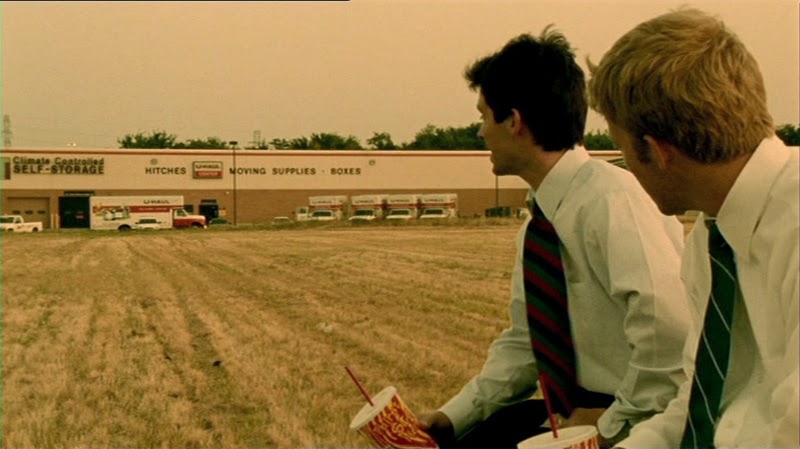
Made on an extreme shoestring budget (about $7000), Primer is not your typical time travel flick; there are no flashes of lightning or fancy special effects to adorn its bare-bones tale of accidental scientific discovery. Its two main characters, Abe and Aaron, are a couple of moonlighting engineers who share resources with other small-time inventors; there’s no attempt at making them personable for the audience or even translating the scientific jargon that makes up much of the dialogue. A weight-reduction experiment somehow results in an unusual small-scale time loop, and the two inventors realize they’ve stumbled onto something big when its application for humans becomes clear.
Many a time travel movie tries to pass itself off as “realistic,” even though the paradoxes involved with the ever-cool concept make it inherently not; Primer attempts this through its low-key, unglamorous style and how it injects actual science into the dialogue. I liked the idea of discovering time travel by accident, similar to the excellent anime/game Steins;Gate, and I was preparing my thinking cap as the characters figured out how to make it work. The concept of entering a box where time is reversed and exiting at a point in the past, keeping yourself isolated beforehand to avoid interacting with your double, made sense for the most part, and I started thinking, “This isn’t so complex.” And then the plot went off the deep end….
I have read the description and rewatched parts of the movie to try to wrap my head around the story, and I can honestly say that I believe I understand most of it (which is more than I can say for Tenet), but not without a good amount of mental effort. I don’t mind films that make you think, but I find it a bit annoying when a film throws a wrench in the plot and doesn’t even care to give the audience a shred of time to decipher its meaning. There’s a running narration, but the language used seems intentionally vague, and certain plot points are dropped without any explanation whatsoever. And this was on purpose, according to Shane Carruth, who served as director, actor (as Aaron), composer, writer, and editor, a true auteur like Jamin Winans. Carruth wanted this sense of bewilderment to stress the confusion of time travel for the characters, and he succeeded, though whether that is a good thing is debatable.
Primer is a puzzle-box movie if ever there was one. The puzzle is the reason for its existence, with things like character development or eye-catching visuals pushed to the background. I enjoyed that moment of “eureka, I think I get it,” which only happened after the credits rolled a second time, but the intentional opacity of the plot certainly doesn’t equate to entertainment value. Whether the appeal of the former outweighs the latter is entirely subjective and dependent on each person’s capacity for wondering what the heck is going on. I would agree that Primer is a required watch for anyone seeking a comprehensive view of time travel in cinema, but I don’t consider it a positive that the main reason to see it again is to gain a semblance of understanding as to what you just saw.
Best line: (Aaron, to Abe) “Man, are you hungry? I haven’t eaten since later this afternoon.”
Rank: Dishonorable Mention (That seems harsh, but I doubt I’ll watch it again.)
“Honor thy father and mother.” How simple and subtle a rule! Our methods may vary And end up contrary To what we expected in school.
Our strained obligations To past generations Are wholesome but no longer cool.
Our lives take priority Over seniority Lest we be labeled a fool.
Good children are rarest Where they be embarrassed By wrinkles, dementia, and drool.
A list of excuses Can equal abuses, And lack of concern can be cruel. _______________________
MPA rating: Approved (easy G, though likely not of interest to kids)
Continuing with my 2020 Blindspots has still been subject to delays, but I’ll finish them one way or another, even if it means keeping my reviews short. It’s time now for the oldest entry on the list, 1937’s Make Way for Tomorrow, which seems to have earned the distinction of being a desperately sad drama long before more modern tearjerkers stained viewers’ cheeks and made this unsung classic fade from cinematic memory. Boasting a 100% score on Rotten Tomatoes yet failing to earn a single Oscar nomination, it’s one of those films that leaves you surprised that it’s not more well-known.
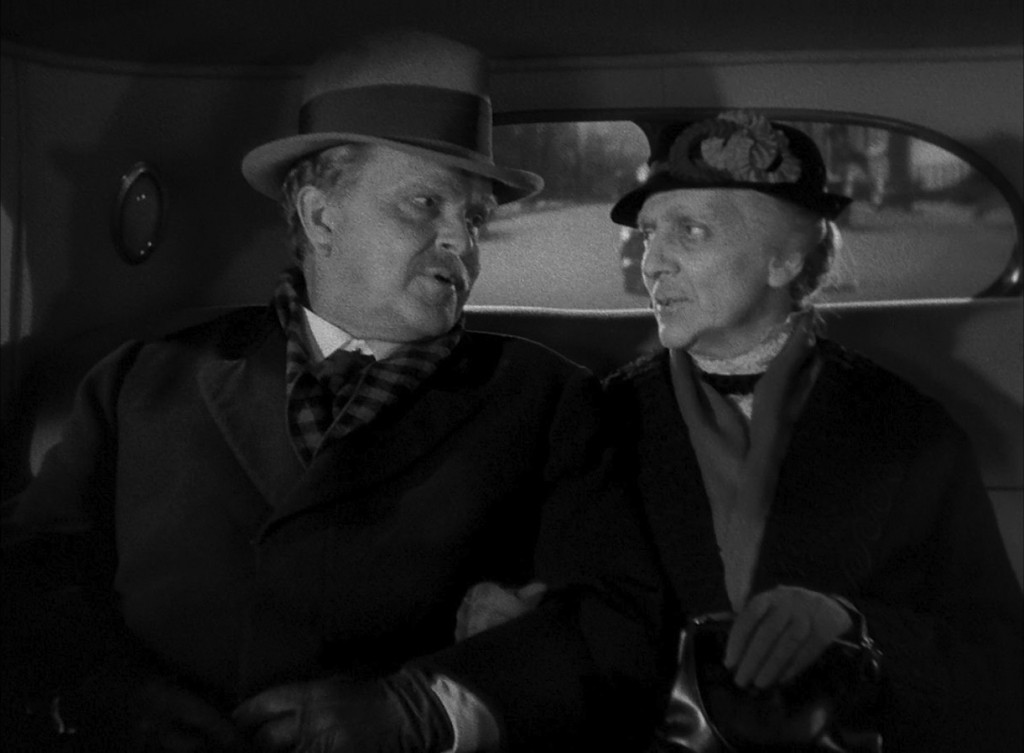
Make Way for Tomorrow qualifies as what I call a Triple A movie, one that is All About the Acting. The performances are nuanced and subtle, a far cry from the histrionics associated with old Hollywood, with stars Victor Moore and Beulah Bondi in top form. The pair, both significantly aged up with makeup made seamless by the black-and-white format, play the elderly Bark and Lucy Cooper, who are forced out of their home by the bank and must rely on the goodwill of their five grown children to board them. No one can take both parents, so they must live apart; as they wear on the nerves of the kids and their families, everyone wishes in vain for some better arrangement.
Based on a play that was based on a novel, the script of Make Way for Tomorrow is notable for its realism and pervasive sense of empathy. It’s the kind of situation that many families have no doubt had to endure, and you can’t entirely blame anyone for their frustration with it. One daughter (Elisabeth Risdon) who takes in Pa Cooper seems needlessly harsh and impatient, but Pa Cooper also acts opinionated and stubborn as he misses his wife. We can all say how we would act in such a situation, but I expect most people would find they have less patience than they think they do.
Ma Cooper’s motherly idiosyncrasies in the home of her son George (Thomas Mitchell) brought to mind the more humorous aggravation from Doris Roberts’ Marie on Everybody Loves Raymond, and it’s a testament to the authenticity of the characters that such universal circumstances can inspire both comedy and drama. Bondi as Ma Cooper is the real heart of the film, and her last selfless scene with her son is a punch to the heartstrings. (It’s interesting to note that she plays Thomas Mitchell’s mother here, while she would play his sister nine years later in It’s a Wonderful Life.) By the end, I’ll admit the film does seem longer than its relatively short 91-minute runtime, but Moore and Bondi fill their few scenes together with the comfortable chemistry of a couple whose love has persisted through decades, which only makes the pitiable situation sadder. The director, Leo McCarey, actually won the Best Director Academy Award that year for The Awful Truth but said on stage that he thought they “gave it to [him] for the wrong picture”; I haven’t seen The Awful Truth myself, but I tend to think he was right.
Best line: (Lucy Cooper, quoting a poem, the source of which I’m still unsure but it deserves a place on my Poems in Movies list)
A man and a maid stood hand in hand Bound by a tiny wedding band. Before them lay the uncertain years That promised joy and maybe tears. “Is she afraid?” thought the man of the maid.
“Darling,” he said in a tender voice, “Tell me. Do you regret your choice? We know not where the road may wind, Or what strange byways we may find. Are you afraid?” said the man to the maid.
She raised her eyes and spoke at last. “My dear,” she said, “the die is cast. The vows have been spoken. The rice has been thrown. Into the future we’ll travel alone. With you,” said the maid, “I’m not afraid.”


/cdn.vox-cdn.com/uploads/chorus_image/image/63869945/A_Hidden_Life_1.0.jpg)