• Home
  • About Me
  • The List
  • THE LIST (2016 Update)
  • THE LIST (2017 Update)
  • THE LIST (2018 Update)
  • THE LIST (2019 Update)
  • THE LIST (2020 Update)
  • THE LIST (2021 Update)
  • THE LIST (2022 Update)
  • Top Twelves and More
  • The End Credits Song Hall of Fame

Rhyme and Reason

~ Poetry Meets Film Reviews

Rhyme and Reason

Category Archives: Writing

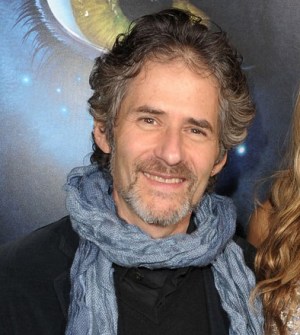
Tribute to James Horner

25 Thursday Jun 2015

Posted by sgliput in Movies, Music, Poetry, Reviews, Writing

≈ Leave a comment

Tags

Tribute

The world of movie music lost a great composer on Monday, June 22 when 61-year-old Oscar winner James Horner became the lone victim of a California plane crash. Since I’ve been listening to a lot of film scores lately, his death came as quite a shock to me. His music touched so many movies and their viewers, and he will be greatly missed. Rest in peace, Mr. Horner, as well as other recent cinematic losses, including Sir Christopher Lee, Dick Van Patten, Ron Moody, and Patrick Macnee.
____________________

Your compositions made the movies grander than they were before.
We cried and smiled; all the while, you were present keeping score.
Your music was a character, invisible but always heard,
And moved the hearts of audiences, oft without a single word.

With Kirk and Spock, you battled Khan, and then with Ripley battled worse.
You helped to build a baseball field and make the Grinch’s heart reverse.
You launched to space, and sought a trace of missing children tucked away,
Survived a magical board game, if not a nuclear delay.
You marched to battle with Daikinis and the valiant 54th,
With Trojans, Navajos, Cristeros, and the Scots to England’s north.
With Russian mice, you emigrated; with a jet pack, saved the nation;
Found cocoons, and shrunk the kids, and morphed into an illustration.
You joined with hackers and Jack Ryan, fishermen and dinosaurs,
With androids, Fix-Its, apes, and Zorro, Ludlows, and Pandora’s wars,
With ghosts and faeries, housing feuds, and schizophrenic geniuses,
And grand Titanic’s tragic voyage. These adventures too were his.
Hearts will go on, like your music, every listener a mourner
And a witness to the talent of the late, great Mr. Horner.

_______________

(For those who don’t recognize all of the above references, they include many of the best-known films he scored: Star Trek II: The Wrath of Khan; Aliens; Field of Dreams; How the Grinch Stole Christmas; Apollo 13; both The Forgotten and Flightplan; Jumanji; Testament; Willow; Glory; Troy; Windtalkers; Cristiada/For Greater Glory; Braveheart; An American Tail; The Rocketeer; Cocoon (and its sequel); Honey, I Shrunk the Kids; The Pagemaster; Sneakers; both Patriot Games and Clear and Present Danger; The Perfect Storm; both The Land Before Time and We’re Back! A Dinosaur’s Story; Bicentennial Man; *batteries not included; both Project X and Mighty Joe Young; both The Mask of Zorro and The Legend of Zorro; Legends of the Fall; Avatar; Casper; The Spiderwick Chronicles; House of Sand and Fog; A Beautiful Mind; and, of course, Titanic, which won him his two Oscars for Best Original Score and Best Original Song.)

My Top 50 Movie Scores — Part 3

21 Sunday Jun 2015

Posted by sgliput in Movies, Music, Reviews, Writing

≈ 4 Comments

Tags

Lists

The next five film scores on my Top 50 countdown were all in a three-year period, except one from the 1980s. Ranging from depressing to inspiring, these beautiful scores complement their respective movies and are equally enjoyable as easy listening. Again, these are background scores composed for each film, not collected soundtracks of individual songs. That’s another list and shall be told another time. Enjoy!

________________

#40:  Backdraft (1991), no nomination – Hans Zimmer

To accompany Ron Howard’s action film about heroic firemen, Hans Zimmer delivered a score that just screams heroism. With military-ish background drums and an occasional soothing choir, the music for Backdraft might have been equally at home in a war movie. Here it was another early step on Zimmer’s rise to film music stardom. Even the cooking competition Iron Chef recognized the score’s noble presence and appropriated its theme for the Japanese show.


#39:  Schindler’s List (1993), Oscar winner – John Williams

I’ll be honest here: I haven’t yet been able to bring myself to watch Schindler’s List. My VC saw the first part of it and couldn’t continue because she found it too disturbing, which is exactly what the Holocaust was. John Williams’ score, though, has a heartrending power whether you’ve seen it or not. Itzhak Perlman’s violin is as stark as a raw nerve, drawing praising adjectives like “haunting,” “sublime,” and above all profoundly “sad.” Even without the film’s images, that violin makes me want to cry.

Warning for some violence and disturbing images (not the worst of it, though):


#38:  The Terminator (1984), no nomination – Brad Fiedel

Foreboding yet subtly action-oriented, Brad Fiedel’s synthesized score really sets the tone for this classic sci-fi thriller. It’s a repetitive, slowly swelling score akin to John Carpenter’s music, and it’s hard to imagine the Terminator films without it. Evoking both the desolation of the future and the mechanical danger of the present, the first film’s soundtrack is simple but hard to top, so good luck to Lorne Balfe, who will be scoring next month’s Terminator Genisys.

Warning for one bloody slide:


#37:  Rudy (1993), no nomination – Jerry Goldsmith

After succeeding with the Oscar-nominated score for Hoosiers, Jerry Goldsmith re-teamed with the same director and writer for Rudy, one of the greatest and most satisfying underdog stories ever, whether you like football or not. While this one didn’t get a nomination, the music became another favorite for movie trailers. Ebullient as Rudy’s gridiron aspirations, this score is as uplifting as they come. Yes, hobbits can play football too.


#36:  The Last of the Mohicans (1992), no nomination – Trevor Jones/Randy Edelman

While I can’t say I enjoyed the overall film, the music for this adaptation of James Fenimore Cooper’s most famous work is surprisingly exceptional, considering the headaches that apparently plagued the score’s production. “Promontory” is my favorite track, even though it accompanies the most tragic scene. Properly grand and intrepid, this Celtic-infused musical beauty might have won an Oscar, but its dual composers supposedly made it ineligible. Those darn Academy rules!


Big Hero 6 (2014)

19 Friday Jun 2015

Posted by sgliput in Movies, Poetry, Reviews, Writing

≈ 3 Comments

Tags

Action, Animation, Comedy, Drama, Family, Sci-fi, Superhero

Though Hiro Hamada has bots on the brain
And uses his genius for fun and for gain,
His brother impresses
That cooler successes
Result from hard work to assist those in pain.

The huggable Baymax, Tadashi’s creation,
Is there for young Hiro through grief and temptation.
When evil arises,
His crew improvises,
Inventing a tech-fitted team transformation.

Revenge and respect struggle in good and bad,
And heroes are born from the hopes of a lad.
To overcome grief
And a merciless thief,
New bonds must be forged to replace what he had.
_______________

Rating: PG

After so-so CGI attempts like Bolt and The Wild and vastly improved near-classics like Tangled and Wreck-It Ralph, it’s now safe to say that Disney animation has found its stride. As an animated superhero film, Big Hero 6 doesn’t just copy The Incredibles but succeeds as a unique and entertaining fusion, of Disney storytelling and Marvel action, of Californian and Japanese culture, of soft-bellied caretakers and hard-edged vigilantes.

Too often lately, animated films give so little away in the trailers that it’s hard to get excited about a film we know little about. Thus, while I was tempted to see Big Hero 6 in the theater, I opted to wait for the DVD, a decision I now regret. It has everything you could want in an animated superhero tale. The animation is crisp and detailed, and the characterization of Hiro and his friends is smooth and effortless, elements that serve to heighten the tension and appeal of the action sequences. It’s rare nowadays, but I found it refreshing that every character (aside from the villain) was smart and likable, with the stand-out being the film’s mascot Baymax, that marshmallow man whose endearing innocence and literalness manage to keep the superhero team grounded. Again, I was pleased at how fond I became of this lovable sidekick, sort of like how I was surprised that Olaf was one of the best aspects of Frozen. The character designs and voice acting are perfect, especially for Hiro, Go Go, and hilarious Aunt Cass, and once the fully powered team assembles, the action occasionally approaches an Avengers level of awesomeness, offering new angles and even the unwritten rules of car chases. In addition, the film passed my personal test for animated films, in that I immediately wanted to see it again.

With mind-controlled microbots, experimental wormholes, and unexplained kite turbine things floating above the city (seriously, what were those things? Wind power?), this is obviously not the real world, if the culture-clash of San Fransokyo wasn’t a clear enough hint. Yet the film’s moral speaks to very real emotions of grief, anger, bitterness, and letting go. Hiro’s relationship with his brother Tadashi defines his goals for the future, and despite the holes in his heart, it is encouraging and touching how Baymax manages to fill them. While the film overall is refreshingly original, the core bond between Hiro and Baymax has recognizable resonances with The Iron Giant, and anyone who enjoyed one will most likely love the other. (At one point, I almost expected to hear “You go; I stay,” but that would have been too obvious a connection.) Big Hero 6 also completes an unexpected trilogy of films in which James Cromwell plays the father of some great advancement in robotics, the other two being I, Robot and Surrogates.

While the film’s science is clearly comic-bookishly advanced, certain up-and-coming real-world technologies were included as goals to strive for, such as the idea of a soft care robot or the 3D printer that Hiro uses to create everything from robot parts to costumes. It’s been said that the “geeks” and “nerds” are the ones who change the world, and this film is part of a growing trend to put animated nerds in the heroic spotlight (like Hiccup’s reading in How to Train Your Dragon or Flint’s inventing in Cloudy with a Chance of Meatballs). Big Hero 6 is a home-run for Disney animation, which has now firmly planted itself above DreamWorks and just short of Pixar. From the funny and sweet short film Feast before it to the unexpected after-credits scene that cements this as a Marvel movie, Big Hero 6 is a super hit from start to finish and deserved its Oscar win.

Best line: (Aunt Cass, having prepared hot wings) “All right, get ready to have your face melted! We are gonna feel these things tomorrow, you know what I’m saying?”

VC’s best line: (Baymax, referring to the cat) “Hairy baby, hairy baaaby!”


Rank: List-Worthy

© 2015 S. G. Liput

319 Followers and Counting

VC Pick: Soapdish (1991)

17 Wednesday Jun 2015

Posted by sgliput in Movies, Poetry, Reviews, Writing

≈ 2 Comments

Tags

Comedy


The Sun Also Sets
has the drama we crave,
The soap with the stars that all smile and wave,
But drama onscreen isn’t nearly as juicy
As backstage commotions the cast and the crew see.

The overwrought diva, the starving new star,
The beau with a grudge who is sick of the bar,
The boss who wants ratings, the nag who wants fame,
The desperate producer in need of a dame—
With all these nutcases who ravish and rage,
Forget the soap opera; just peek at backstage.
_______________

Rating: PG-13

My VC wants me to review some films from the ‘90s so she insisted upon this star-studded comedy, and while I had seen it before, I forgot just how funny it is. As a send-up of the histrionics of soap operas, Soapdish pokes fun at all the right places: back-room machinations, intentional overacting, absurd plot points, desperate stars, praise-needy stars, guilt-ridden stars, has-been stars, stars who climb on rocks.

The film also brings together some considerable star power, led by three extremely watchable actors—Sally Field, Kevin Kline, and the lovely Elizabeth Shue—and a host of supporting characters played by Whoopi Goldberg, Cathy Moriarty, Robert Downey, Jr., Kathy Najimy, and other pleasant surprises, whose lives imitate art imitating life. While no one involved delivers their best work, everyone involved has at least one chuckle-worthy moment, and often several laugh-out-loud ones. Field, in particular, is manic, catty, and generally amusing as Celeste Talbert, reminding everyone that she can handle comedy just as well as drama.

While the majority of the film is entertaining, with plots to get rid of Celeste, pointed squabbles between Field and Kline, and ludicrous family drama, the climax is easily the best part. Similar to the end of Tootsie, an impromptu live broadcast puts everyone on their worst behavior, and their improvised antics are comedy gold (“a rare case of brake fluid?!”). Soapdish may not rank among the best comedies, but it certainly has its moments of witty fun.

Best line: (Montana Moorhead, playing Nurse Nan) “Sudden speech, the last sign of brain fever. She could blow at any moment!”
Rank: List-Worthy

© 2015 S. G. Liput

319 Followers and Counting

My Top 50 Movie Scores — Part 2

14 Sunday Jun 2015

Posted by sgliput in Movies, Music, Reviews, Writing

≈ 6 Comments

Tags

Lists

To continue counting down my top 50 musical scores, here are the next five, some of which might not show up on other people’s lists of favorites since none were even nominated for Best Score. Again, these are exceptional soundtracks that I enjoy listening to. I love pop, classical, country, electronic, alternative rock, and even a little hard rock every now and then, but for magnificent background music, nothing beats movie music, whether it’s the background for some mundane activity or a favorite film. Enjoy!

_________________

#45:  Glory (1989), no Oscar nomination – James Horner

Befitting the film’s title, the score combines military-style drums with the Boys Choir of Harlem to evoke the heroism and the sad eminence of soldiers marching into deadly battle. One section of the music sounds suspiciously like Horner’s later theme for The Pagemaster, but it’s so lovely that it’s hard to fault him. The 54th Massachusetts Regiment deserved a moving tribute, and both the film and its music delivered just that.


#44:  Requiem for a Dream (2000), no nomination – Clint Mansell

From what I’ve heard and seen, I have no desire to see Darren Aronofsky’s acclaimed study of addiction, which has been labelled the most depressing film ever made. Yet, despite its subject matter, its slow-burn score with those grating violins is surprisingly…um… addictive. Its centerpiece “Lux Aeterna” has been used in multiple movie trailers and with good reason. You could set any film’s best scenes to this song and make it look positively epic. Even more awesome is the remix created for a trailer for The Lord of the Rings: The Two Towers, known as “Requiem for a Tower,” which illustrates my point in the following video. Can you handle the epicness? (Yes, that’s a word…now.)

Mild violence warning, though nothing graphic:


#43:  Elizabeth: The Golden Age (2007), no nomination – Craig Armstrong and A.R. Rahman

I can’t speak to the quality of this sequel to 1998’s Elizabeth since I have yet to see it, though it’s reportedly poorly written and anti-Catholic, but I was easily impressed by the grandeur of its music. You might recognize the best track, “Storm,” from one of the trailers for Man of Steel. It’s another one of those spectacular songs that adds awe to imagery like spice to chili. As you can tell, I’m drawn to music that creates a sense of wonder and majesty… oh, and I like chili too.


#42: Homeward Bound: The Incredible Journey (1993), no nomination – Bruce Broughton

This is one soundtrack that is near and dear to my heart, since this film was a memorable piece of my childhood. To provide the score for Disney’s remake of 1963’s The Incredible Journey, Bruce Broughton was brought on and gave Shadow, Chance, and Sassy some inspiring travel music. Lighthearted but motivational, the music spurs the listener to explore what might be over the next hill.

The video shows the film’s ending, so spoiler warning for some and nostalgia warning for others:


#41: Ruby Sparks (2012), no nomination – Nick Urata

This was somewhat of a last-minute entry, and as such, I must apologize to my VC for the elimination of one of her favorite scores (The Horse Whisperer). When I saw this film just recently, the charming score immediately grabbed my attention and never left my mind. It may not fit into the epic mold that many of my other choices do, but I’ve found some quite inspiring writing music, thanks to Nick Urata of the quartet DeVotchKa, who provided the score for the directors’ previous film Little Miss Sunshine. The track “She’s Real” (the last in the video) is my favorite, one of those lovely, repetitive songs that easily gets stuck in my head, like The Verve’s “Bitter Sweet Symphony.” For me, it was the best part of the movie.


Ruby Sparks (2012)

12 Friday Jun 2015

Posted by sgliput in Movies, Poetry, Reviews, Writing

≈ 2 Comments

Tags

Comedy, Drama, Fantasy, Romance

A genius brought a dream to life
And dared to call her all his own,
But dreams aren’t what they seem in life
And oft grow past where they are sown.

Attempts to keep a dream confined
Will leave both love and lover stale,
For dreams cannot be hid behind
Possessive fears that they may fail.
____________________
After someone at work mentioned that I bore a resemblance to Paul Dano in Ruby Sparks, I knew I had to see this movie. (Incidentally, I don’t see the similarity.) The brainchild of star Zoe Kazan, who wrote the lead roles with herself and boyfriend Dano in mind, Ruby Sparks begins with a great idea and, despite some stumbles along the way, ultimately fulfills its potential. Paul Dano is much like a young Woody Allen as the rather neurotic young novelist Calvin Weir-Fields, who finds himself unable to match his early success. He’s a loner, whose past relationships haven’t ended well and whose friends include only his dog Scotty and his brother and sister-in-law. It’s not until his shrink suggests a writing exercise that he feels inspired and spits out a description of a girl he’s seen in his dreams. When Ruby actually appears as his very real girlfriend, drama, humor, romance, conflict, and hard relationship lessons ensue.

While the idea may feel a bit similar to The Odd Life of Timothy Green (released just a month later), and other films like Inkheart and Stranger than Fiction have toyed with the concept of writing becoming reality, the moral elements help to set Ruby Sparks apart. Though Calvin discovers that he can change Ruby with a few words on his typewriter, he resolves never to take advantage of this authorial privilege, but he reconsiders when his girlfriend deviates from his expectations. As Kazan has stated, Ruby isn’t just a “manic pixie dream girl,” eager to please Calvin with no faults whatsoever. Though he balks at the title of genius, Calvin’s too good a writer to create some one-dimensional character; whatever her origins, she ends up being a human being, wild and eccentric at times, but also moody and much more outgoing than her beau. He finds that he’s in love with the idea of her rather than the real McCoy. The nuances and challenges of love are sadly lost on Calvin, since after all, why must he change when Ruby is so changeable? I tend to sympathize with him since, being more of an introvert, I’d rather read a book at home than smoke weed with a free-spirited sort-of relative (a surprising Antonio Banderas), but Calvin’s still clearly in a rut he’s unwilling to escape.

While the potential was there for Ruby Sparks to become a rom-com classic, it aims a bit too wide of that mark. A few too many F-bombs and loose morals are thrown in (plus a brief but rather shocking scene from some zombie Z movie), perhaps to give it a more respectable(?) rating of R, and these elements only drag it down for me. Even so, I enjoy movies about writing, and Kazan’s often witty dialogue is one of the film’s strengths, along with stellar acting from all involved, including Elliott Gould, Annette Bening, and Chris Messina.

While Calvin’s changes to Ruby are sometimes hilarious, the fact that he’s exploiting the dignity of his “brainchild” is never lost and comes to a head in a bizarre climax that threatens to rob him of all sympathy. Nevertheless, considering everything before, what follows might be considered one of the most perfect endings I’ve seen in some time, allowing everyone the change and growth they need. On top of that, the film’s score by Nick Urata grabbed my attention and has become a new favorite of mine to listen to while I write. Despite its flaws, Ruby Sparks left me with a positive impression; with work like this, I’d say Kazan and Dano have bright futures ahead of them.

Best line: (movie producer, interested in adapting Calvin’s first novel into a film) “Now, Adam and Mandi come in with a wealth of experience from documentary films. Everything they touch is authentic. They make it real.”
(Adam) “Grounded in reality and—”
(Mandi) “We treat narrative the exact same way.”
(producer) “You saw the baby documentary they did.”
(Calvin’s publicist) “Yes. Made me want to have a kid.”

Rank: Honorable Mention

© 2015 S. G. Liput

315 Followers and Counting

Buried (2010)

10 Wednesday Jun 2015

Posted by sgliput in Movies, Poetry, Reviews, Writing

≈ 3 Comments

Tags

Drama, Thriller

Within a box, a man awakens,
Buried after being taken,
Held for ransom in the ground
With little hope of being found.
In frenzied calls, he pleads for aid
From people grueling to persuade
And wonders if he’ll ever see
The light of day, above and free.
In fear and anger and distress,
He yields at times to hopelessness.
He hopes a savior can prevent
His grave from being permanent.
_______________

It’s amazing how an ending can ruin the movie experience.

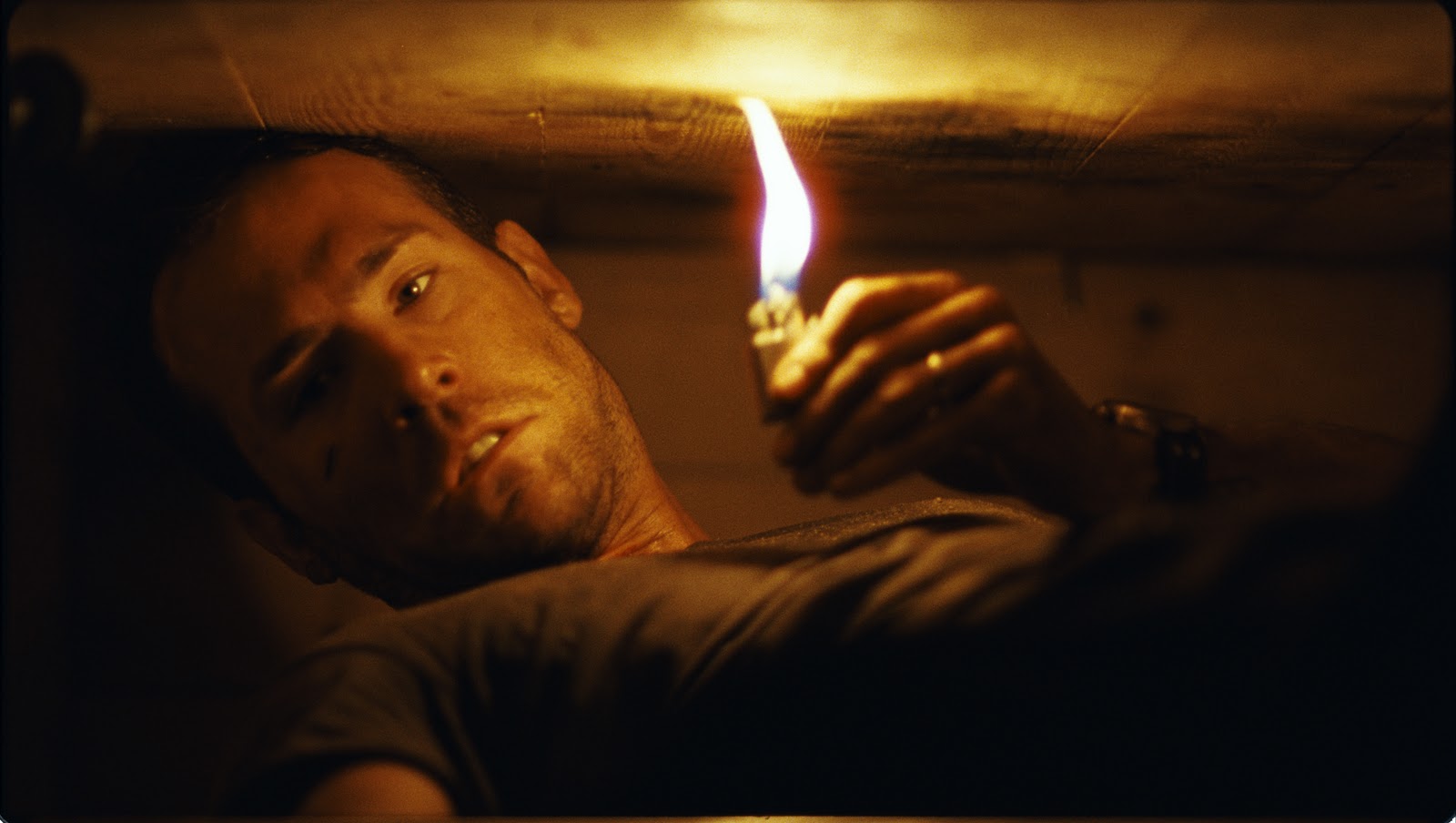
MovieRob recommended this film back during his Latin-directed Genre Grandeur month, and I was intrigued by the concept. It’s very simple but, in this case, very well-executed. Ryan Reynolds is utterly convincing as Paul Conroy, a truck driver in Afghanistan who finds himself trapped in a buried coffin with only a phone, a lighter, and a few other items. His panic is palpable, and as he places desperate calls to his wife, his employer, 911, and a hostage specialist, he evokes a rollercoaster of emotions. At times, he’s a bit hard to like as he cusses out the people who (we assume) are trying to help him, but in all honesty, I don’t know what I might say in his incredibly stressful situation, though I’d definitely be praying more.

As the film’s claustrophobia set in, I realized that I wasn’t just watching a man in a box; I was in there with him. The camerawork is brilliant, using every possible angle of Paul’s trapped body to keep the scene contained, with only sparse distant shots to reinforce his isolation. Considering the film’s limited setting, I was surprised at the amount of tension it could create with phone calls and in such a confined space, particularly when Paul gets an unwelcome visitor.

Despite the above praise, the film’s strengths are sadly undercut by an ending that I found to be deeply disappointing. [Spoilers for the rest of the review]. After all of Paul’s psychological torment, after everything he went through, the filmmakers apparently wanted to take the unexpected route and pull the rug out from the audience’s hopes. Surely the greatest expectation for a survival film is for the main character to survive. It doesn’t matter what horrors they go through, whether it’s cutting off their arm or their finger; there has to be a light at the end of the tunnel. In Buried, the filmmakers taunt us with that light, only to pull a psych-out, a false hope that leaves poor Paul Conroy dead and follows up his death with a bizarrely happy-sounding song during the end credits.

By the end, I was left with this disillusioned, empty feeling. What was the point of having sat through an hour and a half of claustrophobia? Should I have learned some lesson? I suppose the filmmakers were attempting to make some sociopolitical statement about the costs of war and illustrate how people in desperation often don’t find the help they need, how hostage situations often end in tragedy, but I’ve grown to despise films whose only ultimate message seems to be that things sometimes just don’t work out (i.e., 5 Centimeters Per Second).

It feels odd to complain about a film not having a happy ending since many of my favorite films end in grief (Grave of the Fireflies, Somewhere in Time, The Green Mile), but in all of these cases, there is either some silver lining or the film’s tragedy is clear from the outset. Buried is a survival thriller, one which puts its character and audience through the ringer with no satisfaction of being released. Some may enjoy that, but I certainly don’t. Sorry, Rob.

Best line: (Dan Brenner’s last words to Paul and maybe everyone watching) “I’m sorry, Paul. I’m so sorry.”

Rank: Dishonorable Mention

© 2015 S. G. Liput

314 Followers and Counting

My Top 50 Movie Scores — Part 1

07 Sunday Jun 2015

Posted by sgliput in Movies, Music, Reviews, Writing

≈ Leave a comment

Tags

Lists

From the very beginning of this blog, I stated my love for both films and lists, but I’ve only compiled one list, the list. I thought it was time I expand with some others, so I compulsively compiled a compilation of my favorite film scores. A great score can add so much to a movie, increasing tension or emotion or just sheer enjoyment of the overall product. There’s no shortage of excellent scores from many talented composers. Heck, even recent movie trailers have produced some awesome music, thanks to groups like Two Steps from Hell. As a movie music enthusiast, I found culling my favorites to even fifty far from easy.
At first, I thought I would just post the full list, but for anyone who wants to actually listen to my choices, that might be daunting, since my example videos range between two and twenty minutes. Thus, to add some mystery, I’ll be breaking up the list into weekly posts of five at a time. You could settle down for some listening pleasure with the slideshows and clips (where I could find them), or do what I do and absorb them as inspiring background music, such as for writing.
I should be clear that these are my personal favorites, the scores I enjoy listening to even by themselves. There are many iconic ones that complement their respective films well but aren’t quite as enjoyable on their own (Psycho, The Godfather, Jaws, etc.). Also, I’m excluding movie musicals, since their scores often draw from the songs, so sorry to Les Miserables, Evita, and most of the Disney classics (though I was tempted to allow an exception for The Lion King). Also disqualified are scores built around previously created music, so favorites like The Right Stuff, Somewhere in Time, Babe, and 2001: A Space Odyssey are no-goes. Thus, here is part 1 of my top 50 movie scores. Let me know what you think of the choices.

________________

#50: Batman (1989), no Oscar nomination – Danny Elfman / The Dark Knight trilogy, no nominations – Hans Zimmer/James Newton Howard (just Zimmer for the third)
For my first film of my top 50, I’ve decided to cheat and combine two scores from similar films that are just too close in my appreciation. Danny Elfman’s perfect Batman music for Tim Burton’s first film of the franchise captured the allure of a dark comic book and continued to live on in the opening theme of Batman: The Animated Series. On the other hand, Christopher Nolan’s Dark Knight trilogy required a bigger, brassier score to match the higher stakes of each film. Hans Zimmer (and Howard) combined brooding violins with a breakneck beat to provide thrilling background music. Batman Begins probably has the best score of the three, IMO.


#49: Sunshine (2007), no nomination – John Murphy
To load pathos to a doomed mission to the sun, John Murphy collaborated with electronic band Underworld. The score for Danny Boyle’s Sunshine is hit-and-miss as far as aural beauty, but “Adagio in D Minor” is the standout piece. It might remind you of Hans Zimmer’s work, such as for Interstellar, but this track reaches for deep emotions and gets them every time.


#48: Hoosiers (1986), Oscar nominee – Jerry Goldsmith
To accompany Gene Hackman’s no-nonsense training of a rural Indiana basketball team, musical master Jerry Goldsmith created this winning soundtrack. At times, it basks in pastoral tranquility, but when the film hits the court, the music gains a zeal to match. I’m not partial to basketball, but the energy of the score is more than enough to get even non-fans like me excited. Go, Hickory!


#47: Gladiator (2000), Oscar nominee – Hans Zimmer/Lisa Gerrard
While some of the music doesn’t really complement gladiatorial games and fights to the death, the score for Ridley Scott’s Oscar-winning epic is properly epic in its own right. Being a fan of Enya, my favorite tracks feature the soothing vocals of similar artist Lisa Gerrard. “Now We Are Free” in particular carries an effective ethnic beauty, sung in some truly elegant gibberish. Slight violence warning for this video:


#46: Star Trek: The Motion Picture (1979), Oscar nominee – Jerry Goldsmith / Star Trek (2009), no nomination – Michael Giacchino
That’s right, I’m cheating again, but it’s my list. I couldn’t pick between these Trek favorites. The first Star Trek film was certainly a letdown for both fans and critics, with glacial pacing and a serious lack of story, but its score is hailed as one of Jerry Goldsmith’s finest works. Recycled as the theme for Star Trek: The Next Generation, Goldsmith’s music took full advantage of the brass and string sections to deliver space opera chills that the movie could not. Much more recently, Michael Giacchino did the same with J.J. Abrams’ bold reboot, just with much more bombast and grandeur to match the new film. Listen to both and tell me that’s not a hard choice.


A Beautiful Mind (2001)

03 Wednesday Jun 2015

Posted by sgliput in Movies, Poetry, Reviews, Writing

≈ 3 Comments

Tags

Drama, Romance


Brilliance lies within John Nash,
Whose confidence avoids a crash
With economic innovation,
Just the thing to make a splash.
 
As he savors acclimation,
Mathematics his vocation,
Two new ventures enter in,
Demanding love and dedication.
 
Undercover jobs begin;
A woman’s heart he learns to win,
But when the two get too entwined,
His sanity is spread too thin.
 
Some parts of life, he’s shocked to find,
Are only in his gifted mind.
Within his mind, the struggles start
Before he’s forced to be confined.
 
Discernment’s more than being smart,
And though the phantoms won’t depart,
The measure of a brilliant man
Lies in the constant of the heart.
_______________
 

I meant to review A Beautiful Mind some time ago, but like many things, it got away from me. Now, though, seems like a suitable time, in light of the recent deaths of John Nash and his wife Alicia, who were killed in a taxi accident on May 23rd, the latest victims of not wearing life-saving seat belts.

The film itself is a fitting tribute to his life and achievements, as well as an absorbing glimpse into the uncertainties of mental illness. It won both Best Picture and Best Director for Ron Howard and ranks among his best films. Russell Crowe brings Nash to life, and while he at first may seem like a collection of tics and eccentricities, his conversations with his college buddies display both his insecurities and his intellectual prowess.

While the film starts off as a character study of collegiate genius, confidence, and social awkwardness, Nash is soon drawn into government conspiracies and incessant paranoia. Then the film suddenly takes a Shyamalan-style turn back to reality that is jarring for both Nash and the audience, not to mention his supportive wife Alicia (an Oscar-winning Jennifer Connolly). The twist also makes it somewhat of a puzzle film deserving of repeat viewing. The rest of the film is spent with Nash attempting to maintain his sanity, a hard-fought daily struggle that affirms the touching devotion of his wife and friends and, for all his flaws, cements him as an admirable figure.

The film’s greatest strength is its acting. Crowe is really at his best here, and I will forever hold that he should have won for this instead of the previous year’s Gladiator; that way, Tom Hanks could have won for Cast Away. Oh, well. Jennifer Connolly is also heart-tuggingly persuasive in the way she endures and overlooks Nash’s problem areas to see the man worth loving underneath. Excellent smaller roles are filled by Ed Harris, Christopher Plummer, and the Vision—I mean, Dustfinger—I mean, Paul Bettany.

The film has long been criticized for the liberties taken with Nash’s life, such as the fact that his mental issues were apparently heard rather than seen. Plus, many important details were left out, such as the out-of-wedlock child he rejected and his divorce from Alicia in 1963. Nevertheless, the film’s power doesn’t lie in its adherence to the true history but in the character of Nash himself and his relationships, which I believe are visualized quite successfully. Nash’s surface unlikability is certainly made clear in various ways, but as the character says himself, he is “an acquired taste.” Nash and his wife did reconcile and remarried in 2001 (the year the film was released), so the film’s smoothing out of their romance is simply for the sake of story simplicity. Also, scenes that never happened, like the pens ceremony and Nash’s speech at winning the Nobel Prize (evidently, economics winners don’t give acceptance speeches), serve to heighten the emotion of his accomplishments and aren’t glaring in their embellishment, at least not for the casual moviegoer.

A Beautiful Mind may have its moments of disorientation, but it’s an Oscar winner with dramatic potency to spare, an artistically effective look at mental illness and faithful love, aided by a moving, if repetitive, James Horner score. (The score is incorporated into the Hall of Fame-worthy song during the end credits, “All Love Can Be.”) The final scenes are even more poignant now that John Nash’s life and career have ended, and his final line to his wife (“Come with me, young lady. I have a car outside. Interested in a ride?”) is almost prophetic, considering how they both died. Despite all the problems in his life, the film serves as a moving tribute to a mad genius.

Best line (not the most emotional but my favorite): (Charles, interrupting John’s mental groove) “When did you last eat? You know, food.”
(John Nash) “You have no respect for cognitive reverie, you know that?”
(Charles) “Yes. But pizza—now, pizza I have enormous respect for. And, of course, beer.”
 
 
Rank: List-Worthy
 

© 2015 S. G. Liput

313 Followers and Counting

Genre Grandeur May Finale – Children Who Chase Lost Voices (2011) – Rhyme and Reason

31 Sunday May 2015

Posted by sgliput in Movies, Poetry, Reviews, Writing

≈ 1 Comment

Tags

Action, Animation, Anime, Drama, Fantasy

Here’s my review for my chosen genre of non-Disney fantasy animation, courtesy of MovieRob’s monthly Genre Grandeur. Thanks a bunch, Rob!

movierob's avatarMovieRob

gg may 2015

For this month’s final entry for Genre Grandeur May – Animated Sci-Fi/Fantasy (Non-Disney/PIXAR) Movies, here’s a review of The Children Who Chase Lost Voices (2011) by S.G. Liput of Rhyme and Reason who chose this month’s genre for us all.

If you missed any of them, here’s a recap:

This month we had 18 review for GG:

  1.  Quest For Camelot (1998) – Past Present Future TV and Film
  2.  Planet 51 (2009) – Movie Reviews 101
  3.  Robots (2005) – Tranquil Dreams
  4.  9 (2009) – Ten Stars or Less
  5.  The Pagemaster (1994) – Past Present Future TV and Film
  6.  The Iron Giant (1999) – Movie Reviews 101
  7.  The Iron Giant (1999) – Digital Shortbread
  8.  Titan A.E. (2000) – Past Present Future TV and Film
  9.  Thumbelina (1994) – Past Present Future TV and Film
  10.  The Tale of the Princess Kaguya (2013) – Sidekick Reviews

View original post 1,075 more words

← Older posts
Newer posts →

Recent Posts

  • We Didn’t Start 2025 (Recap)
  • NaPoWriMo 2025 Recap (Finally)
  • Sonic the Hedgehog 3 (2024)
  • It Happened One Night (1934)
  • Spellbound (2024)

Recent Comments

associatesofshellymann's avatarassociatesofshellyma… on My Top Twelve La La La So…
Kit's avatarKit Nichols on Bonnie and Clyde (1967)
lifelessons's avatarlifelessons on Look Back (2024)
Carol Jackson's avatarCarol Jackson on The Thief of Bagdad (1940…
Stephen's avatarStephen on Love Story (1970)

Archives

  • January 2026
  • December 2025
  • May 2025
  • April 2025
  • March 2025
  • February 2025
  • January 2025
  • December 2024
  • May 2024
  • April 2024
  • March 2024
  • February 2024
  • January 2024
  • December 2023
  • November 2023
  • October 2023
  • September 2023
  • July 2023
  • June 2023
  • May 2023
  • April 2023
  • March 2023
  • February 2023
  • January 2023
  • December 2022
  • November 2022
  • October 2022
  • September 2022
  • August 2022
  • July 2022
  • June 2022
  • May 2022
  • April 2022
  • March 2022
  • February 2022
  • January 2022
  • December 2021
  • November 2021
  • October 2021
  • September 2021
  • August 2021
  • July 2021
  • June 2021
  • May 2021
  • April 2021
  • March 2021
  • February 2021
  • January 2021
  • December 2020
  • November 2020
  • October 2020
  • September 2020
  • August 2020
  • July 2020
  • June 2020
  • May 2020
  • April 2020
  • March 2020
  • February 2020
  • January 2020
  • December 2019
  • November 2019
  • October 2019
  • September 2019
  • August 2019
  • July 2019
  • June 2019
  • May 2019
  • April 2019
  • March 2019
  • February 2019
  • January 2019
  • December 2018
  • November 2018
  • October 2018
  • September 2018
  • August 2018
  • July 2018
  • June 2018
  • May 2018
  • April 2018
  • March 2018
  • February 2018
  • January 2018
  • December 2017
  • November 2017
  • October 2017
  • September 2017
  • August 2017
  • July 2017
  • June 2017
  • May 2017
  • April 2017
  • March 2017
  • February 2017
  • January 2017
  • December 2016
  • November 2016
  • October 2016
  • September 2016
  • August 2016
  • July 2016
  • June 2016
  • May 2016
  • April 2016
  • March 2016
  • February 2016
  • January 2016
  • December 2015
  • November 2015
  • October 2015
  • September 2015
  • August 2015
  • July 2015
  • June 2015
  • May 2015
  • April 2015
  • March 2015
  • February 2015
  • January 2015
  • December 2014
  • November 2014
  • October 2014
  • September 2014
  • August 2014
  • July 2014
  • June 2014
  • May 2014
  • April 2014
  • March 2014
  • February 2014
  • January 2014
  • December 2013

Categories

  • Blindspot
  • Blogathon
  • Christian
  • Movies
  • Music
  • NaPoWriMo
  • Poetry
  • Reviews
  • TV
  • Writing

Meta

  • Create account
  • Log in
  • Entries feed
  • Comments feed
  • WordPress.com

Recent Posts

  • We Didn’t Start 2025 (Recap)
  • NaPoWriMo 2025 Recap (Finally)
  • Sonic the Hedgehog 3 (2024)
  • It Happened One Night (1934)
  • Spellbound (2024)

Recent Comments

associatesofshellymann's avatarassociatesofshellyma… on My Top Twelve La La La So…
Kit's avatarKit Nichols on Bonnie and Clyde (1967)
lifelessons's avatarlifelessons on Look Back (2024)
Carol Jackson's avatarCarol Jackson on The Thief of Bagdad (1940…
Stephen's avatarStephen on Love Story (1970)

Archives

  • January 2026
  • December 2025
  • May 2025
  • April 2025
  • March 2025
  • February 2025
  • January 2025
  • December 2024
  • May 2024
  • April 2024
  • March 2024
  • February 2024
  • January 2024
  • December 2023
  • November 2023
  • October 2023
  • September 2023
  • July 2023
  • June 2023
  • May 2023
  • April 2023
  • March 2023
  • February 2023
  • January 2023
  • December 2022
  • November 2022
  • October 2022
  • September 2022
  • August 2022
  • July 2022
  • June 2022
  • May 2022
  • April 2022
  • March 2022
  • February 2022
  • January 2022
  • December 2021
  • November 2021
  • October 2021
  • September 2021
  • August 2021
  • July 2021
  • June 2021
  • May 2021
  • April 2021
  • March 2021
  • February 2021
  • January 2021
  • December 2020
  • November 2020
  • October 2020
  • September 2020
  • August 2020
  • July 2020
  • June 2020
  • May 2020
  • April 2020
  • March 2020
  • February 2020
  • January 2020
  • December 2019
  • November 2019
  • October 2019
  • September 2019
  • August 2019
  • July 2019
  • June 2019
  • May 2019
  • April 2019
  • March 2019
  • February 2019
  • January 2019
  • December 2018
  • November 2018
  • October 2018
  • September 2018
  • August 2018
  • July 2018
  • June 2018
  • May 2018
  • April 2018
  • March 2018
  • February 2018
  • January 2018
  • December 2017
  • November 2017
  • October 2017
  • September 2017
  • August 2017
  • July 2017
  • June 2017
  • May 2017
  • April 2017
  • March 2017
  • February 2017
  • January 2017
  • December 2016
  • November 2016
  • October 2016
  • September 2016
  • August 2016
  • July 2016
  • June 2016
  • May 2016
  • April 2016
  • March 2016
  • February 2016
  • January 2016
  • December 2015
  • November 2015
  • October 2015
  • September 2015
  • August 2015
  • July 2015
  • June 2015
  • May 2015
  • April 2015
  • March 2015
  • February 2015
  • January 2015
  • December 2014
  • November 2014
  • October 2014
  • September 2014
  • August 2014
  • July 2014
  • June 2014
  • May 2014
  • April 2014
  • March 2014
  • February 2014
  • January 2014
  • December 2013

Categories

  • Blindspot
  • Blogathon
  • Christian
  • Movies
  • Music
  • NaPoWriMo
  • Poetry
  • Reviews
  • TV
  • Writing

Meta

  • Create account
  • Log in
  • Entries feed
  • Comments feed
  • WordPress.com

Blog at WordPress.com.

  • Subscribe Subscribed
    • Rhyme and Reason
    • Join 814 other subscribers
    • Already have a WordPress.com account? Log in now.
    • Rhyme and Reason
    • Subscribe Subscribed
    • Sign up
    • Log in
    • Report this content
    • View site in Reader
    • Manage subscriptions
    • Collapse this bar