The mind has many corners in its many-wrinkled maze, To hide from heavy burdens that it cannot hope to raise. The layers of its labyrinth stretch to depths we cannot guess, And how deeply we flee depends upon our yesterdays.
While most of us can cope with just the top tiers meant for stress, The world at its most wicked makes us seek a dark recess. And if we lose our way, the dark that darkness drove us to May keep us from escaping our escaping in excess. ________________________
MPA rating: R (for violence, language, and brief nudity)
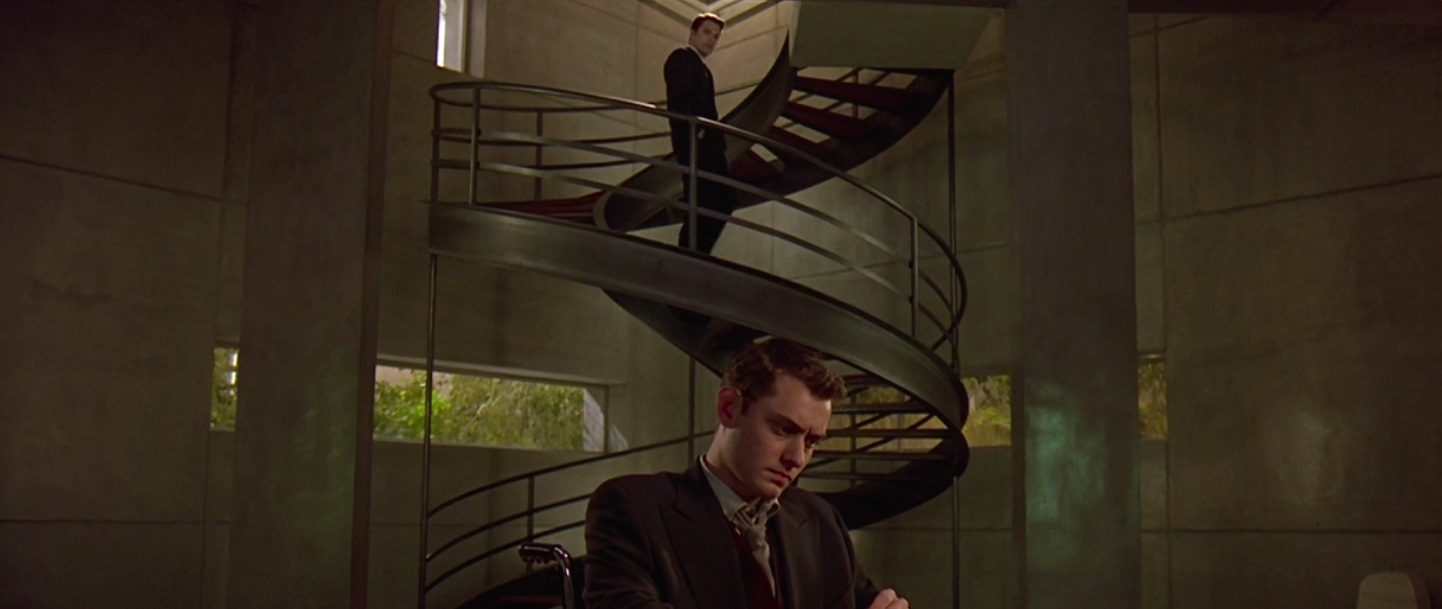
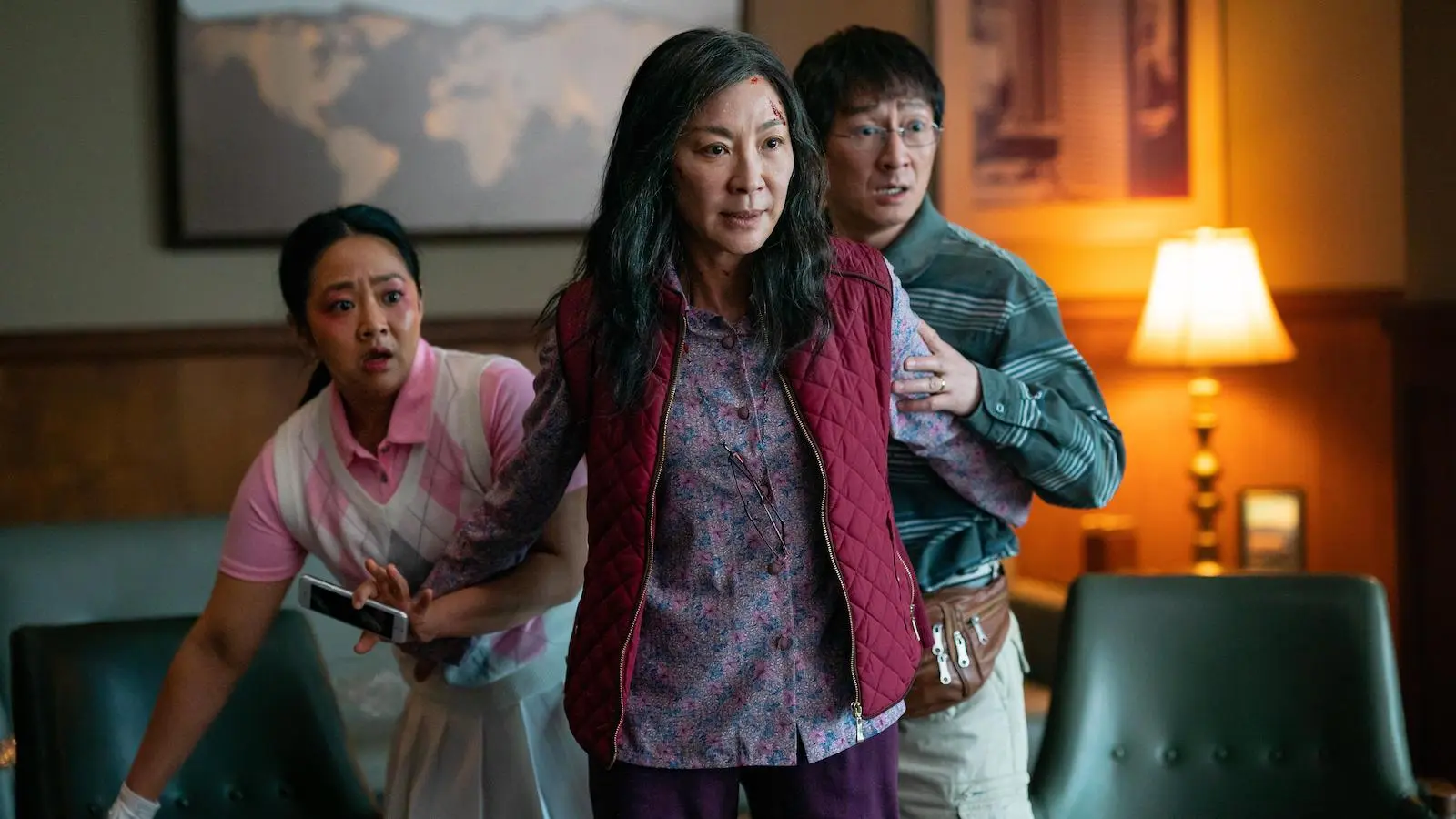
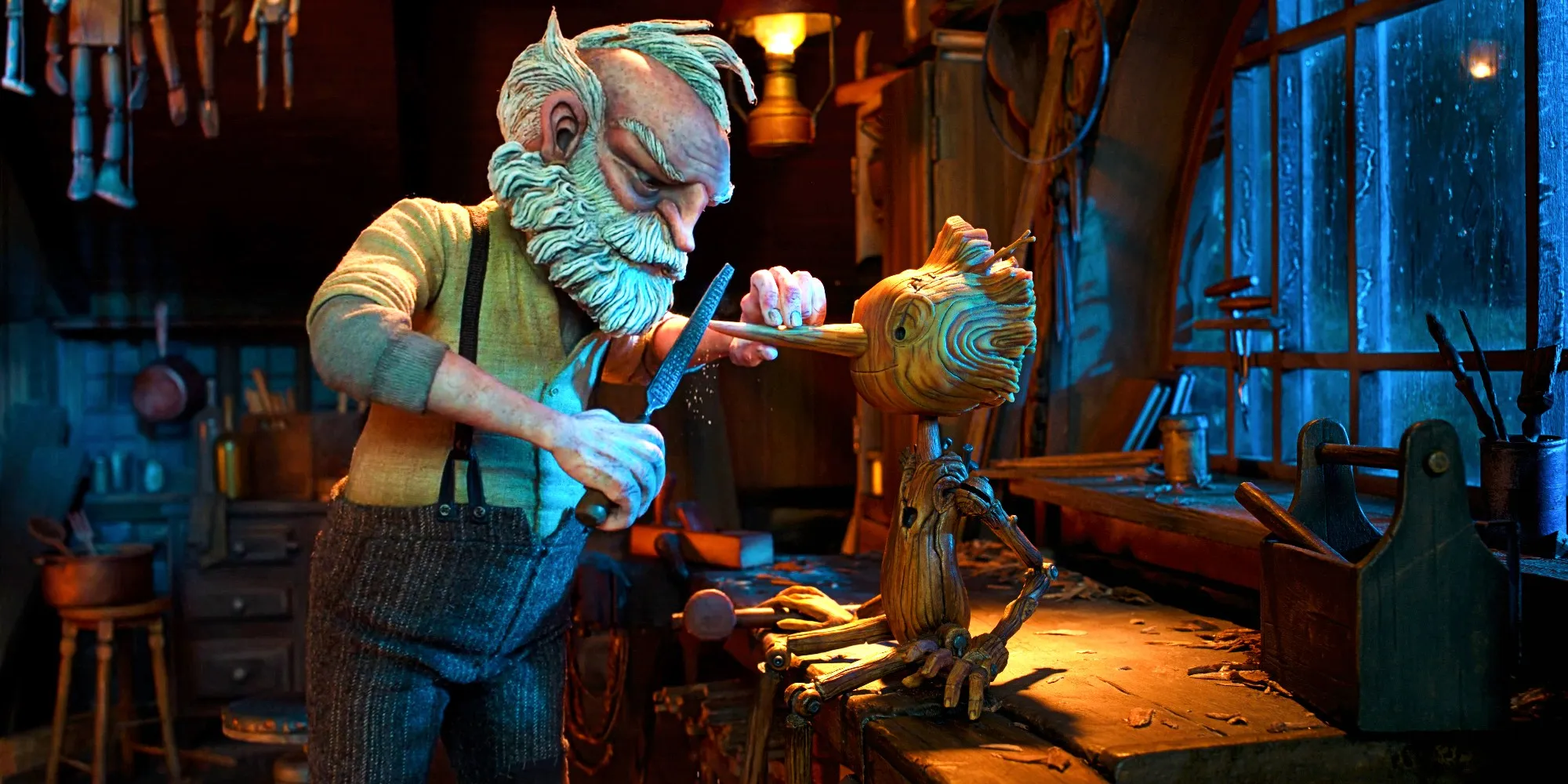
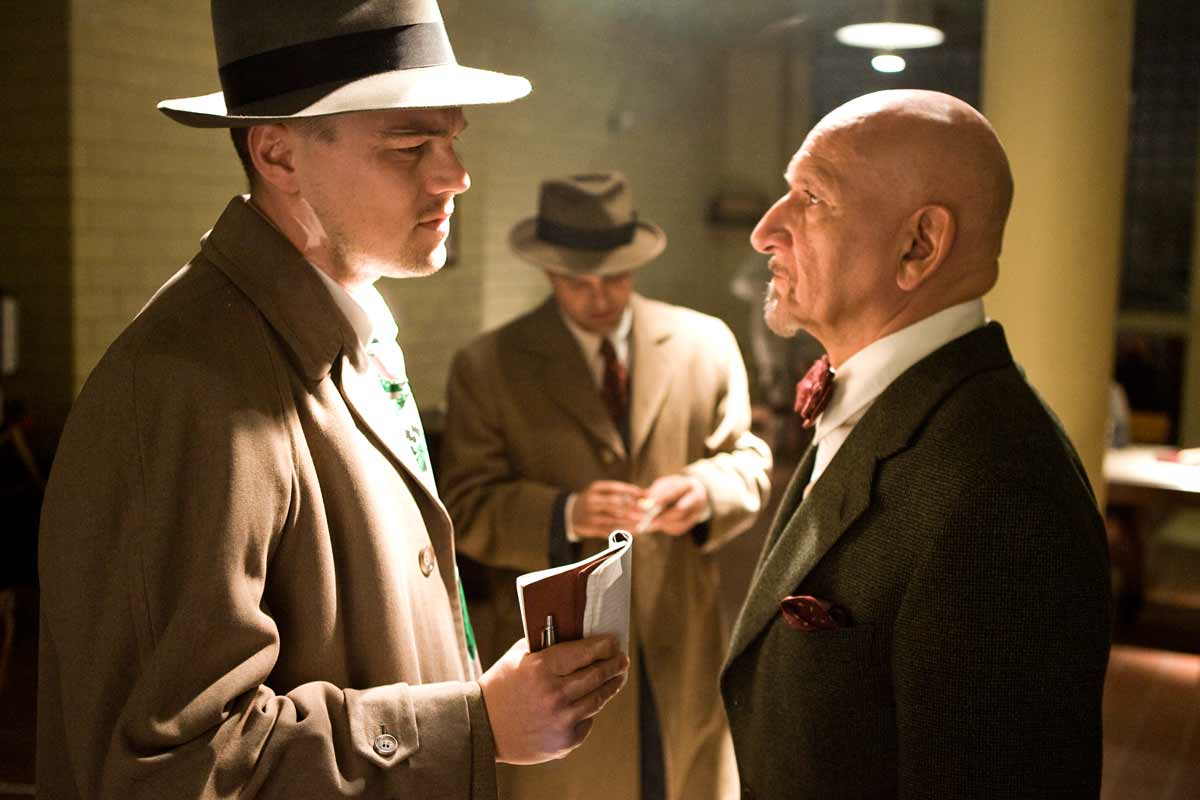
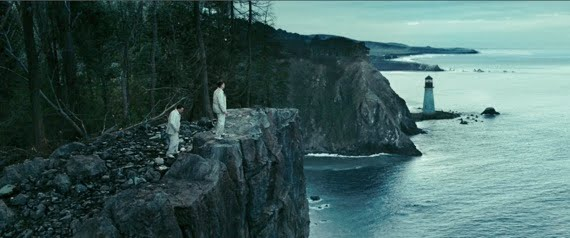
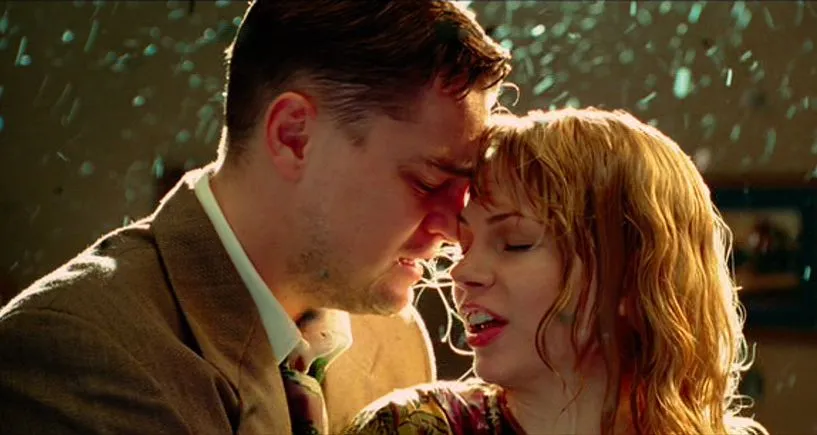
A Merry belated Christmas to all! I may have given up on reviewing all my 2022 Blindspots before the end of the year, but I think I can at least watch them all before year’s end. The reviews will catch up in good time. To be honest, I haven’t seen many Martin Scorsese movies, so I figured I should address that by starting with the one that seemed to have the most intrigue to it. Based on Dennis Lehane’s novel, Shutter Island is a psychological thriller that thrives on its foreboding atmosphere and strong performances, even if it ends up feeling like a mid-tier M. Night Shyamalan plot.
Leonardo DiCaprio delivers an intense performance as U.S. Marshal Teddy Daniels, who arrives with his new partner Chuck (Mark Ruffalo) to the titular island’s Ashecliffe Hospital for the criminally insane to investigate a recently escaped prisoner/patient. Despite requesting their help, the hospital’s head psychiatrist Dr. Cawley (Ben Kingsley) is hesitant to divulge certain information to the marshals, even as a hurricane moves in to wreak havoc on the island. As Daniels becomes more and more haunted by his own past traumas, he begins to question reality and what kind of conspiracy he has come to confront.
It’s a bit surprising that, despite its acclaimed director and star, Shutter Island failed to generate any awards nominations, aside from a National Board of Review nod. Whether you connect with the story or not, there’s no denying the skill with which it was made: the dingy lighting, the ominous cinematography, the subtle performances. Inception was easily DiCaprio’s better puzzle-box film that year, but it’s still interesting that this film couldn’t snag a single nomination.
I was rather shocked while admiring an especially poignant portion of the musical score as I realized that I had heard it before in another film: “On the Nature of Daylight” by Max Richter added the same emotional gut punch to the ending of Arrival (far more effectively, in my opinion) and other films and TV shows besides. I didn’t realize till afterward that this track was not original to either film or that the entire soundtrack of Shutter Island comprised pre-released classical music.
Perhaps it didn’t help that I had some idea of what the film’s key twist would be. I credit the screenplay for still keeping me guessing and wondering if I was right or not, but yes, I was right. Not to say the film’s reveal wasn’t still effective and heartbreaking, but it didn’t have the same punch as something completely unforeseen. Overall, Shutter Island reminded me a bit of Nightmare Alley in its masterfully composed story and dark setting that I appreciated without being truly drawn into, probably because of its ending clearly designed to foster thoughtfulness in the audience rather than satisfaction. But it’s still an excellent genre piece ripe for theorizing that will no doubt reward further rewatches, which could perhaps raise my opinion of it even more.
Best lines: (Rachel Solando) “People tell the world you’re crazy, and all your protests to the contrary just confirm what they’re saying.” (Teddy) “I’m not following you, I’m sorry.” (Rachel) “Once you’re declared insane, then anything you do is called part of that insanity. Reasonable protests are denial, valid fears paranoia…” (Teddy) “Survival instincts are defense mechanisms.” (Rachel) “You’re smarter than you look, Marshal. That’s probably not a good thing.”
When someone’s suspiciously murdered (which happens all the time According to TV and film and cozy books on crime), We normal people just freak out, too shocked to even try, But sleuths will quickly get to work deducing who and why.
What makes a sleuth is hard to say. They’re curious and bold, Perceptive often to a fault, and don’t do as they’re told. They let the wheels of logic turn before they chance a guess, And where the experts fail with more, they find success with less.
These traits are hardly out of reach, quite feasible in truth, So average folks like you and me could well become a sleuth. But sleuths depend on one external factor to arise: They need the luck to be nearby when someone up and dies. _____________________________
MPA rating: PG
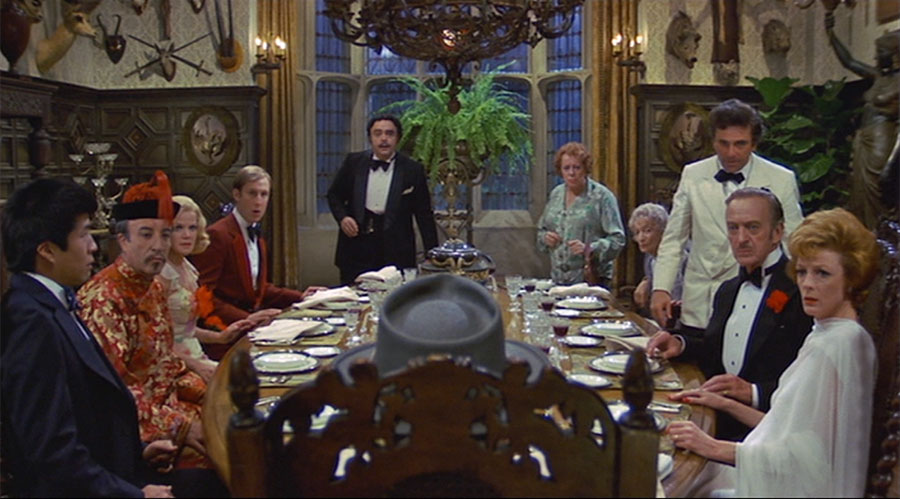
Even though good ones like Knives Out and See How They Run are still being made, the murder mystery formula is old hat nowadays, and Murder by Death shows it was old hat back in 1976 too. Yet well-worn genres are ripe for parody, especially when writer Neil Simon and a star-studded cast join forces to poke fun at the most recognizable archetypes.
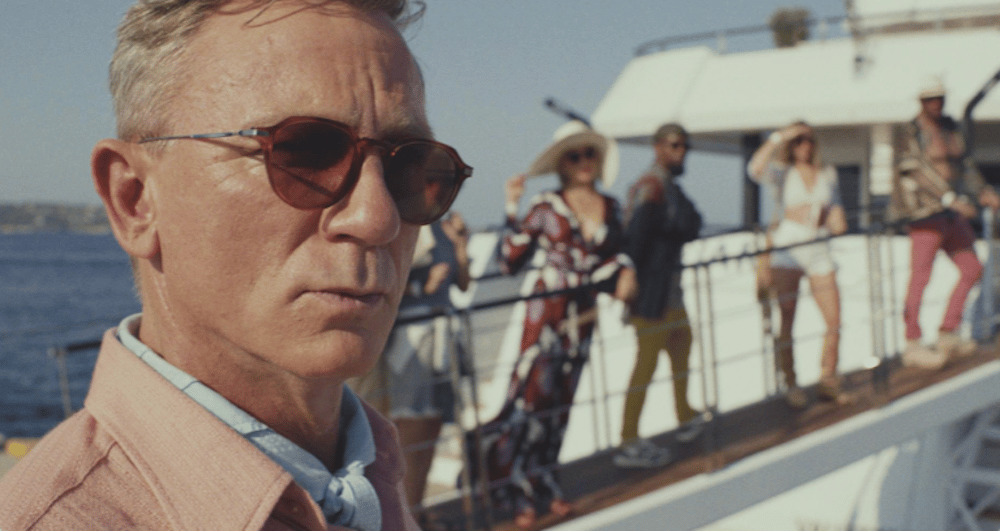
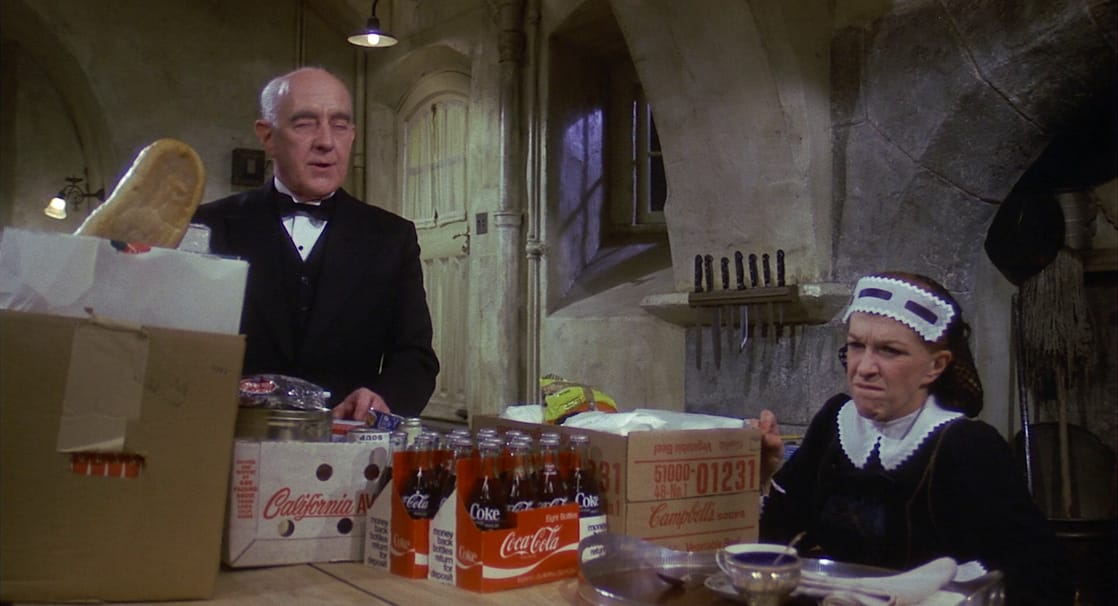
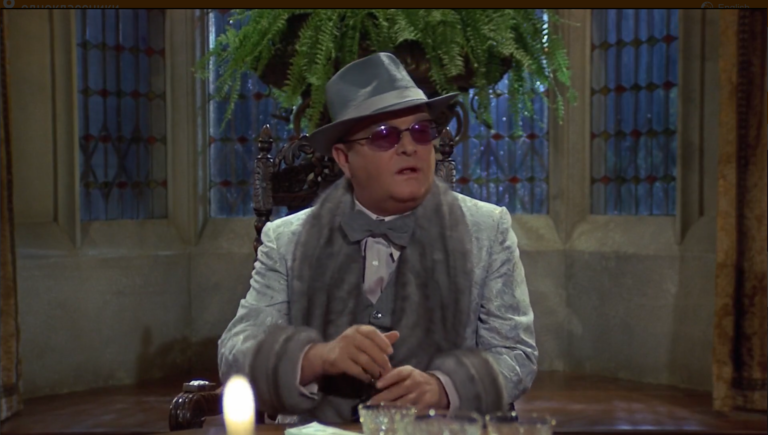
Having seen Glass Onion recently (review pending), I was struck by how similar the setup of that film is to this one’s premise. All the characters are invited to the home of wealthy eccentric Lionel Twain (Truman Capote in a rare acting role that earned him a Golden Globe nomination) and challenged to solve a murder. All of the main guests are acclaimed crime solvers and represent famous fictional detectives, including stand-ins for Hercule Poirot (James Coco), Sam Spade (Peter Falk), Nick and Nora Charles (David Niven and Maggie Smith), Miss Marple (Elsa Lanchester), and Charlie Chan (Peter Sellers in a yellowface role that would definitely not fly nowadays). Beyond those stars, the cast also features Sir Alec Guinness as a blind butler (which is as ridiculous as it sounds) who makes an amusing pair with a new deaf-mute cook (Nancy Walker), as well as Eileen Brennan, Estelle Winwood, and the very first role for James Cromwell.
On the scale of parody, I’d place Murder by Death somewhere around the silliness level of Mel Brooks’ lesser offerings. For most of the film, it plays as a legitimate mystery with injections of zany absurdity and dubious plot twists, and it’s a unique pleasure to have these familiar-ish detectives bounce off each other and trade one-liners, from the preening Coco to the snobby Niven to the hard-boiled Falk. Unfortunately, Sellers’ very presence with his big teeth and broken English is the picture of retroactive racism, furthered by Falk’s prejudiced interactions with him, but he still does a decent job in representing the analytical wisdom of his inspiration, still played for laughs of course. (On another note, I kind of wish there was a Charlie Chan adaptation with an actual Asian actor, modernized the way Shang-Chi was to avoid stereotypes, maybe even about his real-life inspiration Chang Apana.)
Not everyone has enough to do, with Lanchester’s character standing out the least, but Simon’s clever dialogue keeps things entertaining throughout. As an almost chamber piece, it could have made a good stage play as well. By the end, it leans more on screwball parody with a flurry of plot twists that don’t make any sense for the whodunnit but are certainly worth a chuckle, if not the laugh-out-loud experience the film was marketed to be. Likable and dated in equal measure, Murder by Death can’t compare with the recent renaissance of murder mysteries, but it’s a fun ride for those wanting to poke fun at the genre. I think I preferred Clue, though.
Best line: (Sam Diamond, played by Falk) “Locked, from the inside. That can only mean one thing. And I don’t know what it is.”
If life were like a recipe, We’d follow every step and see If what we’ve done or tried to do Produced the proper cake or stew Or coq au vin or cordon bleu Or tonkatsu or what-have-you.
We’d quickly know where we went wrong, Like where the salt’s a bit too strong Or where the spice got out of hand, Where fresh is favored over canned Or where the flavor grew too bland. It would be simpler if pre-planned.
But life’s not like a recipe. More often, it’s a mess, and we Must guess on times and quantities, Ingredients and potencies. And sometimes we pair fish with cheese And wish we had more expertise.
But trial and error bear their fruits (Ideally fending off lawsuits), And soon the recipe is clear In retrospect, without veneer. Sometimes it takes a whole career To be the chef who cooks by ear. _________________________
MPA rating: R (solely for language)
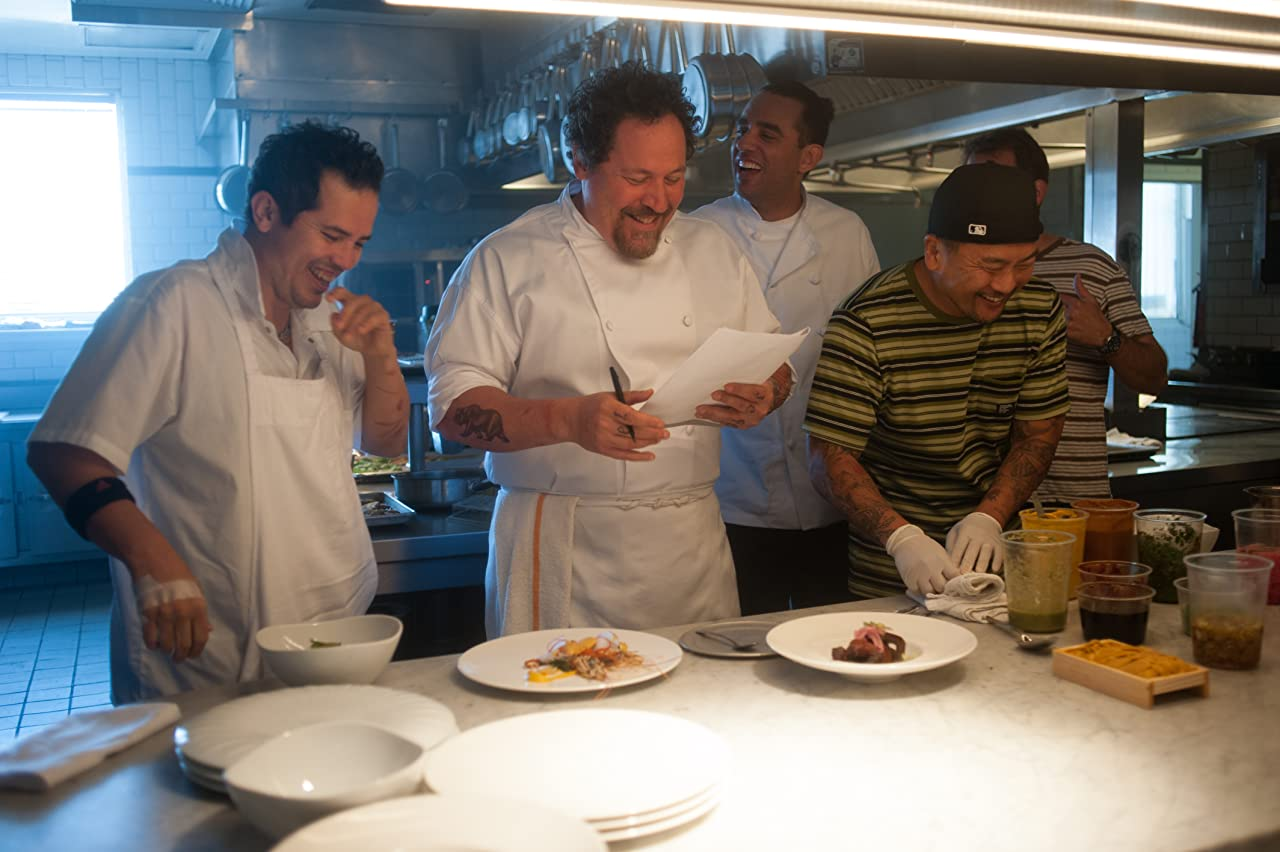
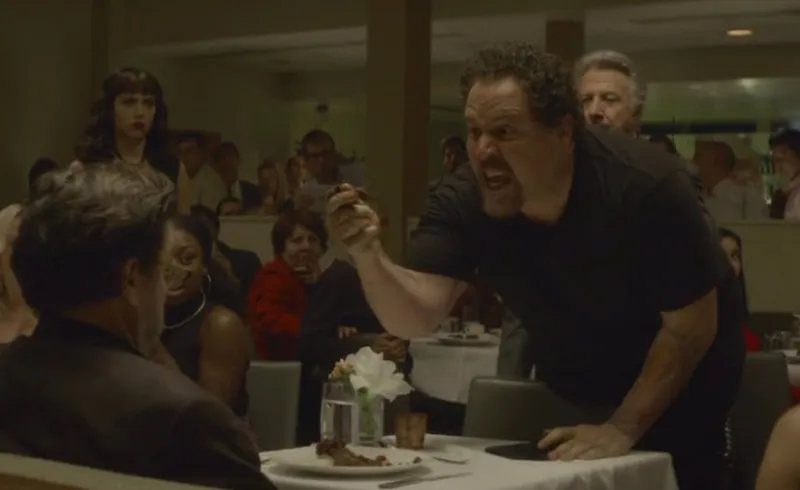
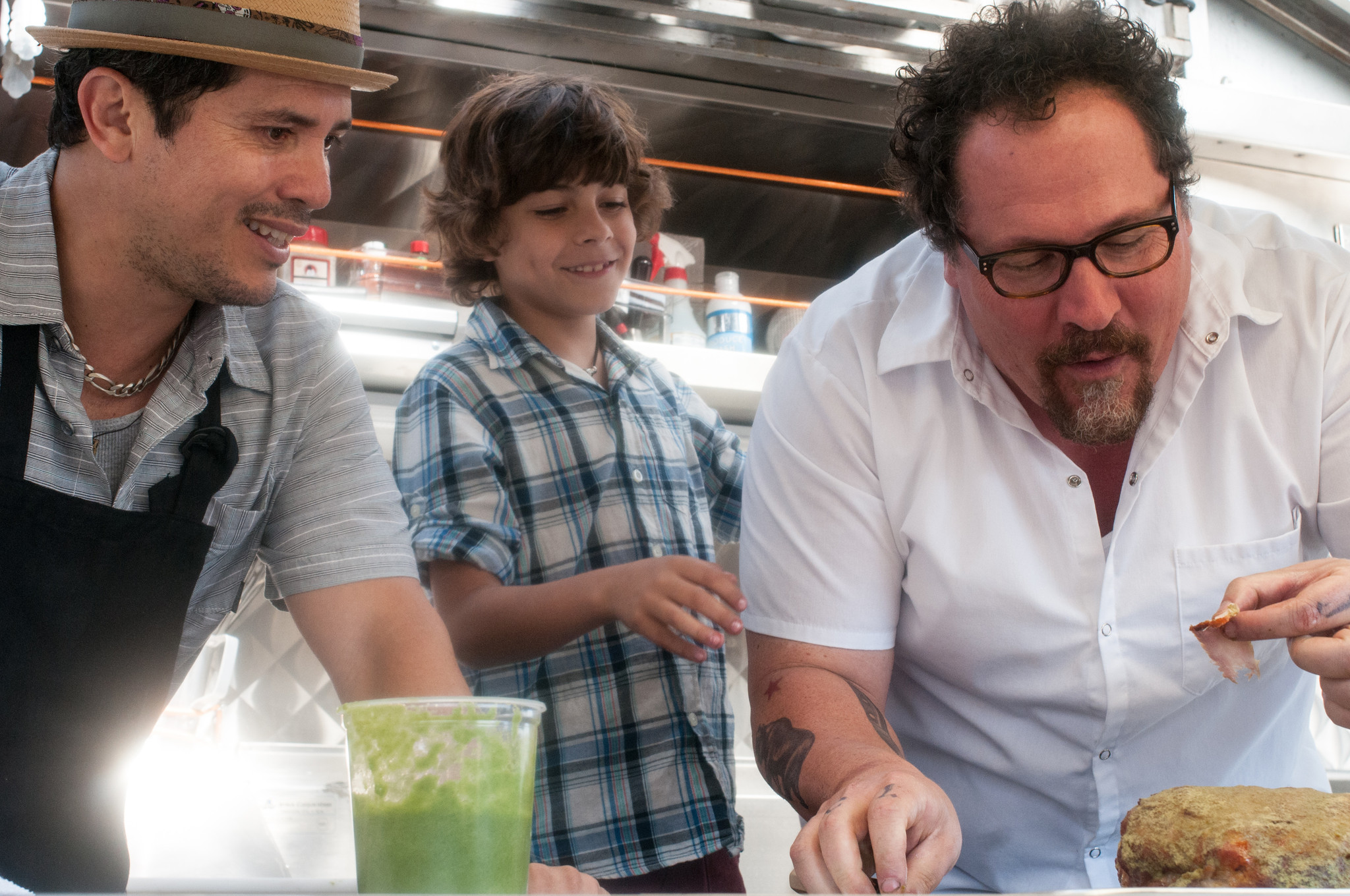
As December progresses, I feel like I’m in a race to see if I can cram the rest of this year’s Blindspots into the weeks remaining. Writer’s block doesn’t help, but a good movie certainly does. Chef has long been in my backlog as a widely lauded film that I just never got around to watching until now. Trained and co-produced by food truck chef Roy Choi, director Jon Favreau also plays Carl Casper, the head chef of a distinguished restaurant in L.A. that is sorely in need of a positive review from a critical blogger (Oliver Platt). Yet when Carl runs afoul of his employer (Dustin Hoffman) and makes a highly public mistake, he is forced to revamp his career by trying something new, namely opening a Cuban food truck that might just bring him closer to his son Percy (Emjay Anthony) and ex-wife Inez (Sofia Vergara) along the way.
Chef definitely seems like a film tailored for me. Not only has my family long been faithful Food Network viewers, but I even owned and operated my own food cart business, selling hot dogs for a grand total of three months. I’ve probably told this story on the blog before, but it’s one that I often look back on as a huge mistake. So I had mixed feelings watching Favreau’s Carl find almost immediate success with his venture; there is vicarious satisfaction at seeing someone else succeed, mixed with a tinge of bitter jealousy whispering “It wouldn’t have been that easy. He would have needed more permits.” But I digress. The satisfaction was louder anyway.
As a food lover, I was delighted by the delectable dishes throughout the film, from a sumptuous pasta Carl concocts as a sort-of date night to a gourmet grilled cheese sandwich that Carl’s son doesn’t fully appreciate. The love of food infuses much of the story, especially as Carl tries to instill his own passion into his son, telling him of the joys of New Orleans beignets or urging him to never grow complacent in serving anything but the best. Plus, despite my earlier complaint, there’s a likable genuineness to the script as well, such as the waggish kitchen banter with Carl and his sous chefs (John Leguizamo, Bobby Cannavale). That also extends to the relationships; Percy craves the attention of his dad, yet Carl is far from an absentee father, just constantly distracted, so it’s easy to see how he might think he’s doing enough as a dad. Their mutual bonding over food and the work that goes into it is a joy to watch.
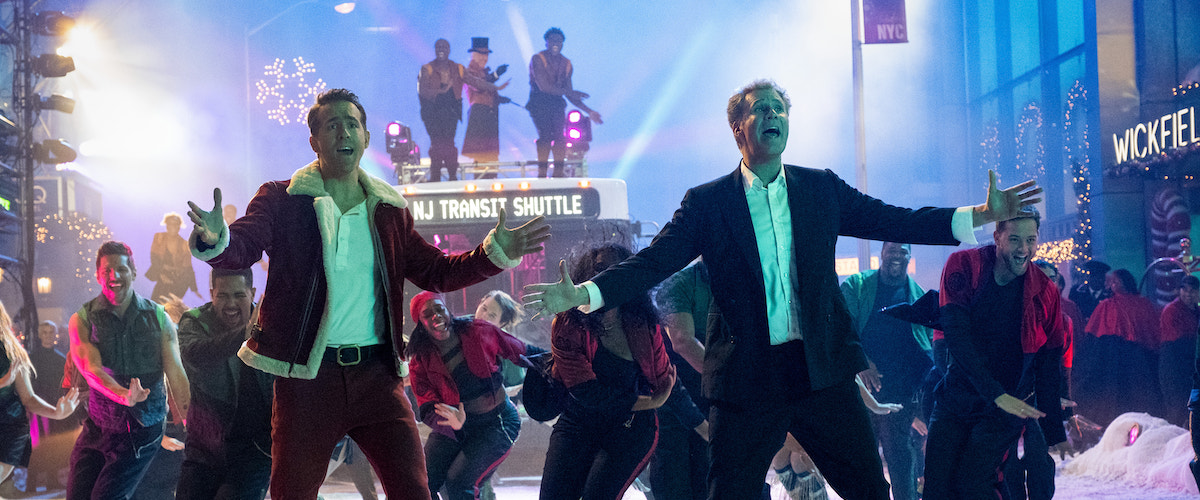
Chef does have its flaws, taking a little too long with the set-up before the food truck idea gains steam, and, beyond some awkward scenes played for laughs, it’s a prime example of a film that doesn’t need its abundance of F-bombs, since it would make a solid family film without them. It was nice seeing cameos from the likes of Amy Sedaris and Favreau’s Iron Man co-stars Robert Downey Jr. and Scarlett Johansson, though it was odd seeing him flirt with the latter. Happy Hogan and Black Widow? I can’t see it. Despite all this, Chef has all the culinary love of a passion project and boasts an all-around feel-good ending that is likely to leave any viewer smiling. It’s yet another Blindspot I’m glad to finally have seen, if only for that grilled cheese recipe I’m totally going to try.
Best line: (Chef Carl Casper, to his son) “I may not do everything great in my life, but I’m good at this. I manage to touch people’s lives with what I do, and I want to share this with you.”
We think of scars as plain to see, Disfigurements of normalcy, And never could we guess the pain Of people who do not complain.
While many bare and air their hurts, Both recluses and extroverts, With time they tend to hide regret And cover what they can’t forget.
Both the mount and molehill end, And yet the tolls they take depend On what we each have faced before And whether we can take much more.
The world is not known for its heart; The people in it must do that part, To take the scars concealed so well And show the heaven beyond the hell. __________________________
MPA rating: R (for much language and some sexual references)
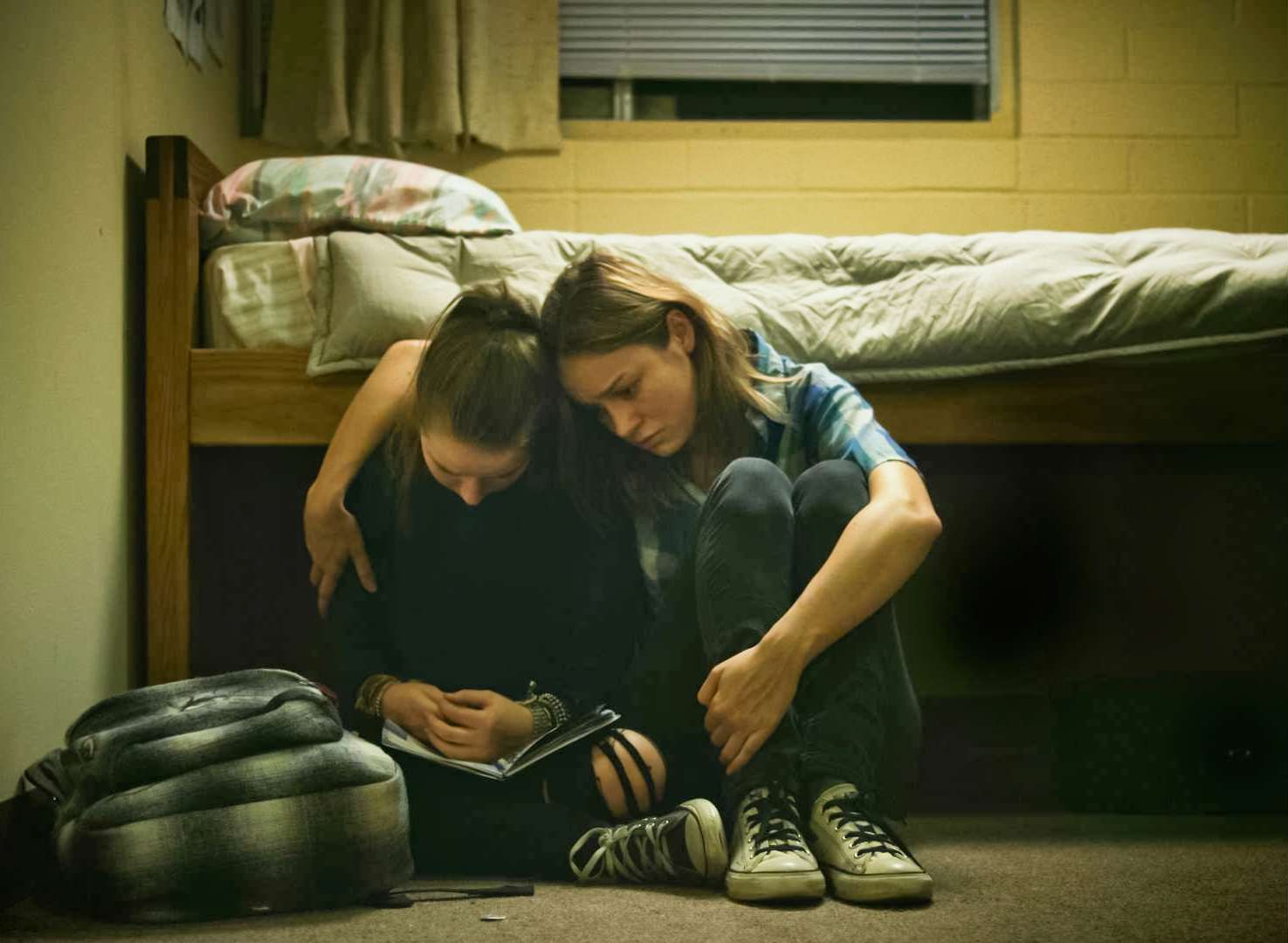
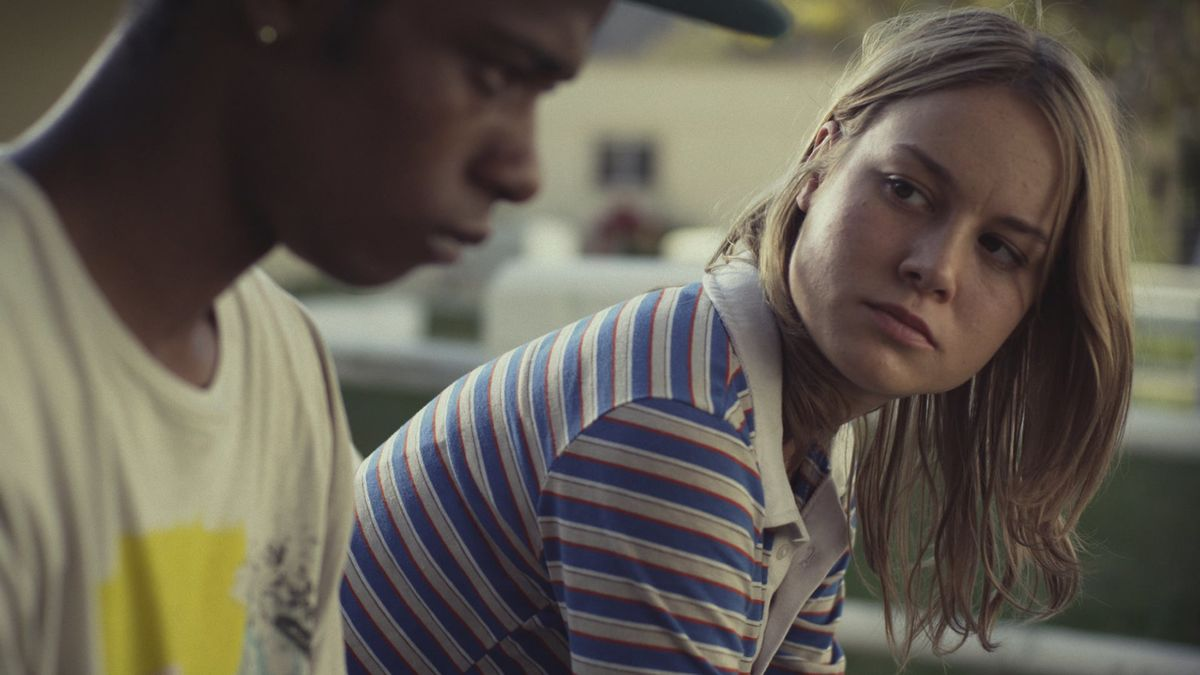
The end of the year is fast approaching, but I haven’t yet given up on finishing my Blindspot series. Short Term 12 earned a place on the list mainly because I was curious to see so many now-famous stars in what I might call an “incubator film.” I would compare it to 1983’s The Outsiders, which was a vehicle for multiple big-name actors before they were famous, such as Tom Cruise, Patrick Swayze, and Rob Lowe. Short Term 12 likewise highlighted the skills of Brie Larson, Lakeith Stanfield, and Rami Malek years before they were Oscar contenders, not to mention writer-director Destin Daniel Cretton.
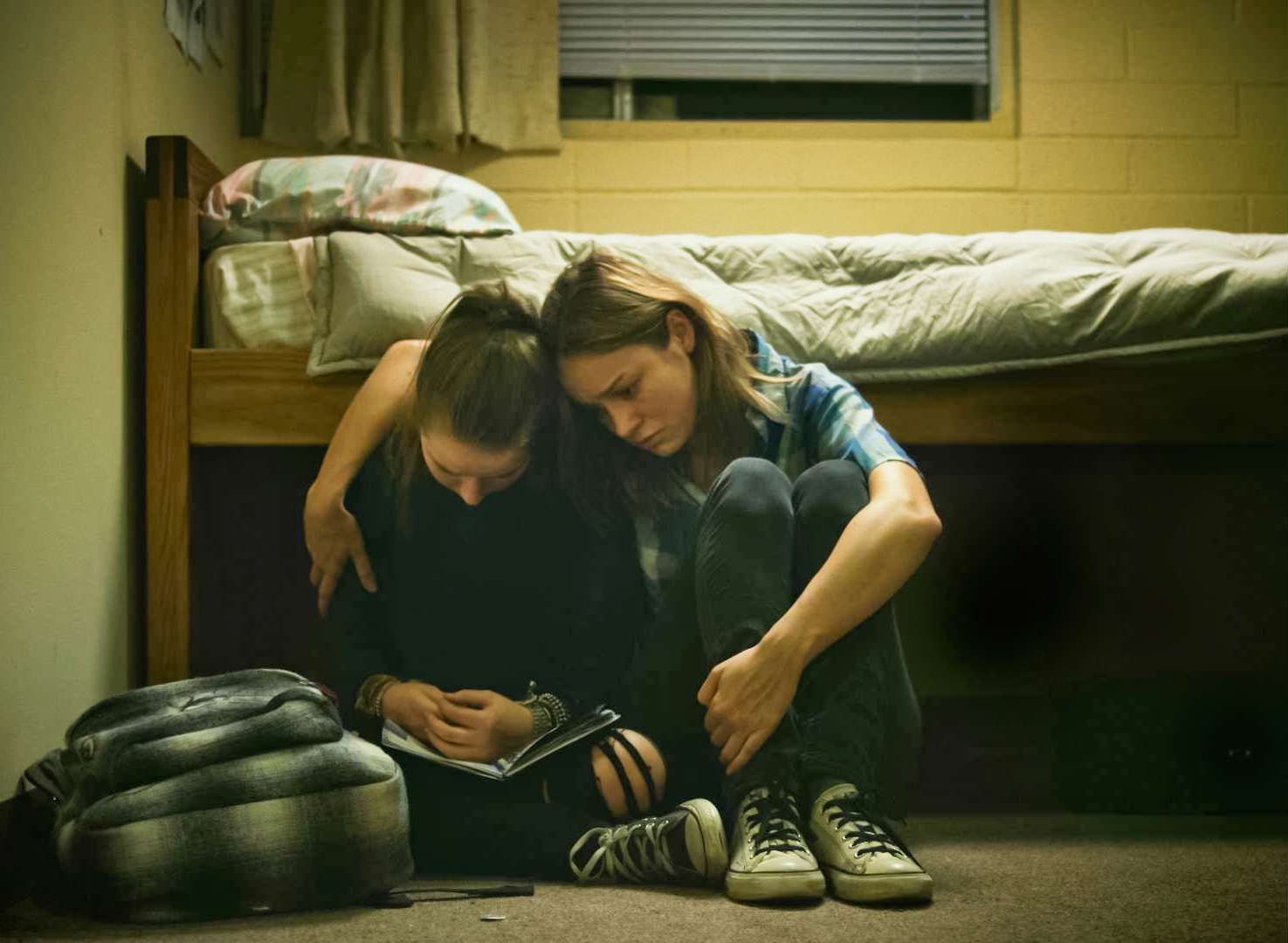
Expanding Cretton’s own short film and based on his experiences working at a group home for troubled teens, the film is a masterwork of empathetic storytelling. A story of kids overcoming trauma could so easily have become maudlin or trite or else devolved into soul-crushing despair, but somehow the script tows the line between realism and hope. Larson plays Grace Howard, a line worker at the titular group shelter whose responsibility, as she tells new recruit Nate (Malek), is to only give the kids there a safe place, not to be their therapist or friend. Yet for teenagers struggling with distrust, abuse, and anxiety, that safe place and the act of listening and caring are worth more than any amount of formal therapy. However, when a sullen girl named Jayden (Kaitlyn Dever) arrives, Grace is reminded of her own past trauma that threatens to overwhelm her.
Short Term 12 would be an interesting watch just for its cast alone. Look, Brie Larson before Room and Captain Marvel! Look, Lakeith Stanfield before Get Out and Judas and the Black Messiah! Rami Malek before Bohemian Rhapsody, John Gallagher, Jr. of 10 Cloverfield Lane, Kaitlyn Dever of Last Man Standing, Stephanie Beatriz of Brooklyn Nine-Nine and Encanto. And they all do phenomenal work, with Larson, Stanfield, and Dever especially giving Oscar-worthy performances. Yet the script is the real star, filled with brilliant individual scenes that give so much nuance to the characters and their struggles, whether it be a resentful rap delivered by Stanfield’s Marcus, a grateful toast from Gallagher’s Mason to his foster parents, or a children’s story by Jayden that has the same simplicity and achingly sad truth of The Giving Tree. Foul-mouthed outbursts are contrasted with moments of genuine compassion, and somehow none of it comes off as overly scripted or artificial.
The most meaningful theme I got from Short Term 12 was the sense that, for every terrible ordeal or wave of panic, “this too shall pass.” In the case of the kids lashing out, the adults have to literally hold them down to prevent them from hurting themselves or others, and it’s awful in the moment but ultimately a sign of caring once the intense emotions fade. Likewise, Grace’s apparent happiness is shattered by a succession of bad news, bringing her to the brink of despondency and regrettable life choices. Yet there is catharsis for everything, whether we see it or not, often making us better able to understand the pain of others and help them through it as well.
Short Term 12 is a hard watch at times, putting an unvarnished spotlight on teen distress that is so often kept out of sight, but it’s a highly rewarding one. I have always held up Amy Adams in Arrival being ignored for Best Actress as a notorious Oscar snub, and now I can add this film to the mix, since it was entirely and criminally passed over by the Academy. While Larson got her due two years later for Room, Cretton’s screenplay absolutely deserved a nomination, if not a win. I never would have guessed he would go on to Shang-Chi and the upcoming Avengers films, but it’s satisfying to see the humble beginnings of him and his up-and-coming stars. (We can thank this film for Stanfield’s whole acting career, since Cretton cast him in the original short and later tracked him down to get him to return for the film.) With its perceptive direction, star-making performances, and encouraging pro-life sentiment, it’s a film that shows that the best in people can outshine the worst.
Best line: (part of Marcus’s rap) “Look into my eyes so you know what it’s like to live a life not knowing what a normal life’s like.”
There once was a castle perverse. Its owner was evil and worse, He’d break into song While his friends sang along Without any time to rehearse.
All visitors finding his lair Were likely to join the nightmare, And goody-two-shoes Who had morals to lose Would leave, having had an affair.
Beware then the castle debased, If you’d choose being chaste over chased, Unless you’re the type Who exults in the hype Of intentional absence of taste. __________________________
MPA rating: R
I know this review is a little late for Halloween (and for only my fourth Blindspot), but I’ve been struggling to figure out how to review The Rocky Horror Picture Show. When a film is this iconic in its cult status, is it basically above criticism? To be clear, I did not enjoy this sex-crazed salute to campy horror, but I can see why others might. It’s the kind of over-the-top cheesefest that knows exactly what it wants to be and is so committed to it that it doesn’t matter whether I like it or not. It is what it is, and I guess it proves that a film can be both classic and atrocious at the same time.
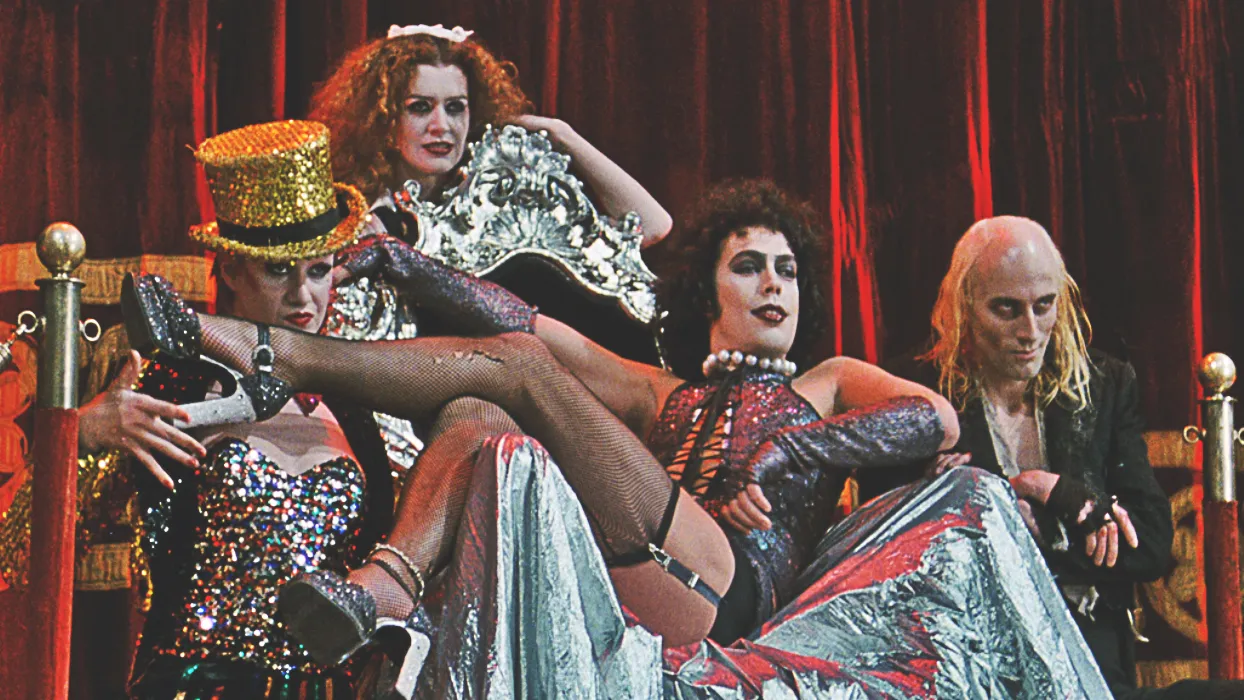
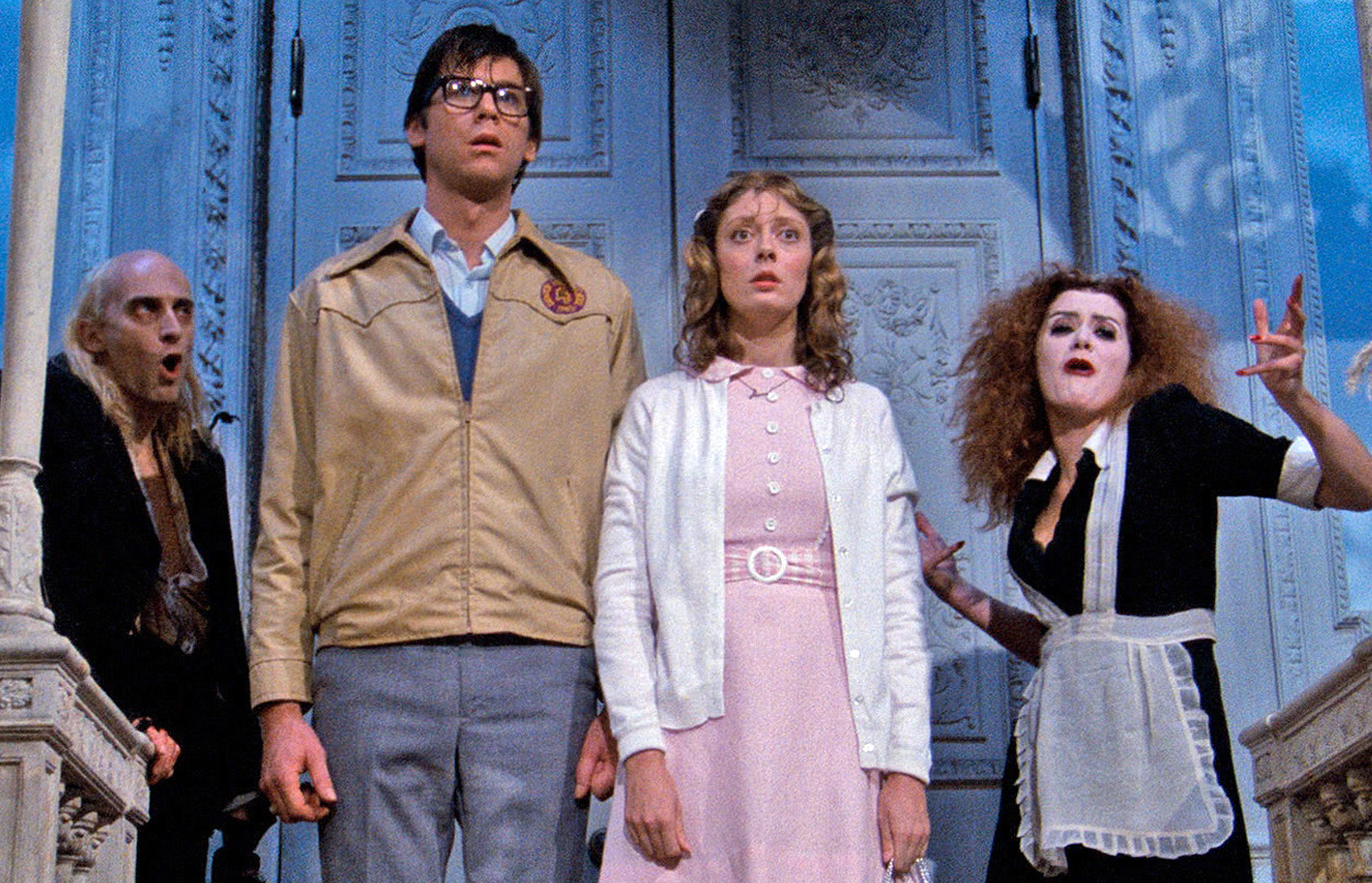
The paper-thin story, narrated periodically by a genteel criminologist (Charles Gray), sees newly engaged couple Brad (Barry Bostwick) and Janet (Susan Sarandon) being stranded when their car breaks down on a dark and stormy night, leading them to the castle of the eccentric transvestite Dr. Frank-N-Furter (a scenery-chewing Tim Curry). The straight-laced couple are soon drawn into a free-for-all of seduction, murder, and musical numbers, complete with a creepy butler named Riff Raff (Richard O’Brian, who also wrote the film and the original stage show), a newly created muscle man named Rocky (Peter Hinwood), and a machine that turns people into statues.
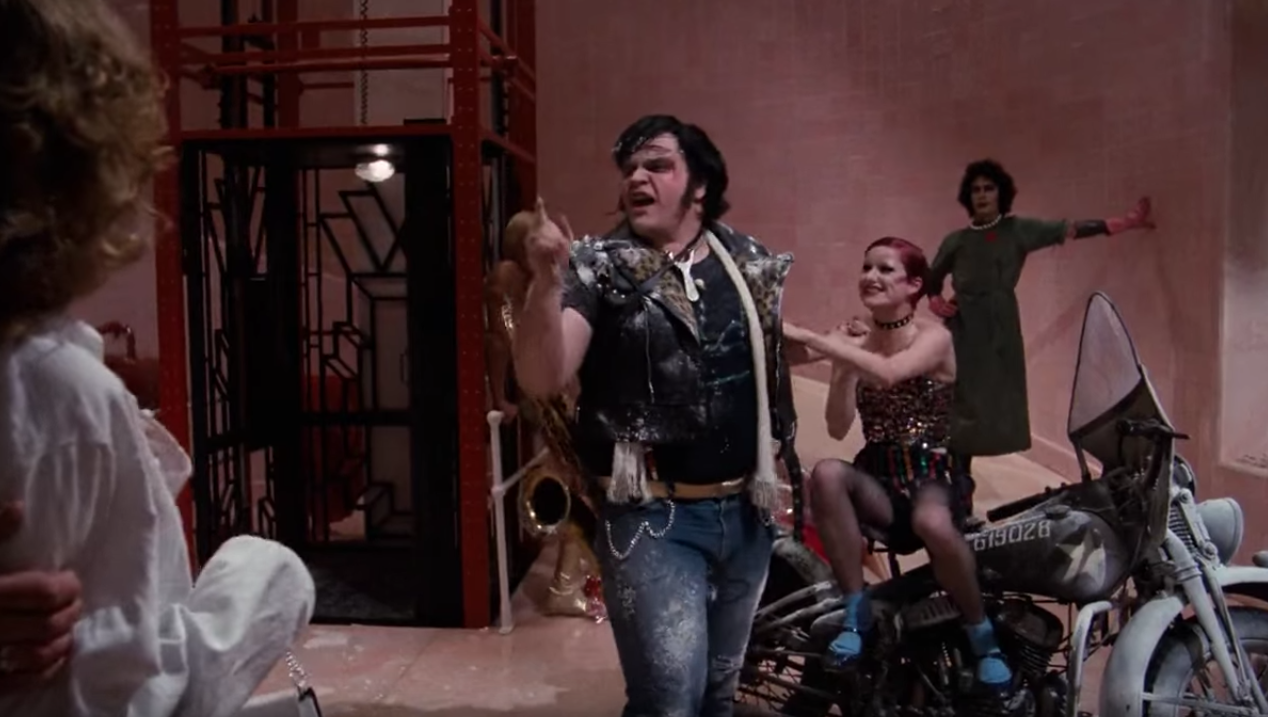
Objectively, The Rocky Horror Picture Show is a mess, as reflected by its poor reception by critics upon initial release. Characters come and go randomly, notably Meatloaf as a half-brained motorcyclist who shows up for one chaotic song and is abruptly killed for no reason. And a big stage number near the end is a fever dream of trashy costume glitz that makes zero sense, followed by a swimming pool championing wish fulfillment. In short, once Brad and Janet entered the castle, I just alternated between appreciating the music, feeling uncomfortable, and wondering what the heck I was watching, which I suspect was the intent of the filmmakers all along.
Speaking of the music, the movie does have some catchy songs to its credit (all written by O’Brien), energetic bops like “The Time Warp” and “Hot Patootie – Bless My Soul” to match its tongue-in-cheek silliness. I generally love musicals, and, while I would consider this one of the exceptions, I will grant that the music is pretty much the only thing that makes it watchable, some chuckle-worthy jokes notwithstanding. Perhaps I’d buy into the film’s bizarre brand of fun more if I attended one of the midnight showings known for audience participation, and I’m tempted to. If only I had a better baseline opinion of it….
I’m well aware that The Rocky Horror Picture Show isn’t my kind of movie. I’m not a fan of watching two clean-cut kids be corrupted by an alien missionary of the sexual revolution and his motley array of perversions, even if it’s someone as charismatic as Tim Curry. I suppose that makes me a prude, but so be it; I prefer my musicals less hypersexualized. I do find it funny that my first exposure to both Curry and O’Brien was in kid-friendly cartoons where they played likable dads: Curry in The Wild Thornberrys and O’Brien in Phineas and Ferb, which were a far cry from their raucous younger days. I’m glad I’ve seen The Rocky Horror Picture Show at least once, if only to understand its iconic cult reputation, but it’s a cult I’d prefer to avoid.
Best line: (Dr. Frank-N-Furter) “It’s not easy having a good time.”
Would a sane human being Be intrigued by ever seeing Odd phenomena beyond the knowledge of us mortal men, Like a chair moved by air Or a voice that bids beware Or strange forces eating horses as first courses now and then?
Blood that drips down walls Or peculiar moving dolls – Who would choose to chase the clues of deadly mysteries and such? We ought to run away, But we’re curious and stay. Curiosity, insanity – the difference isn’t much. ______________________
MPA rating: R (mainly for language)
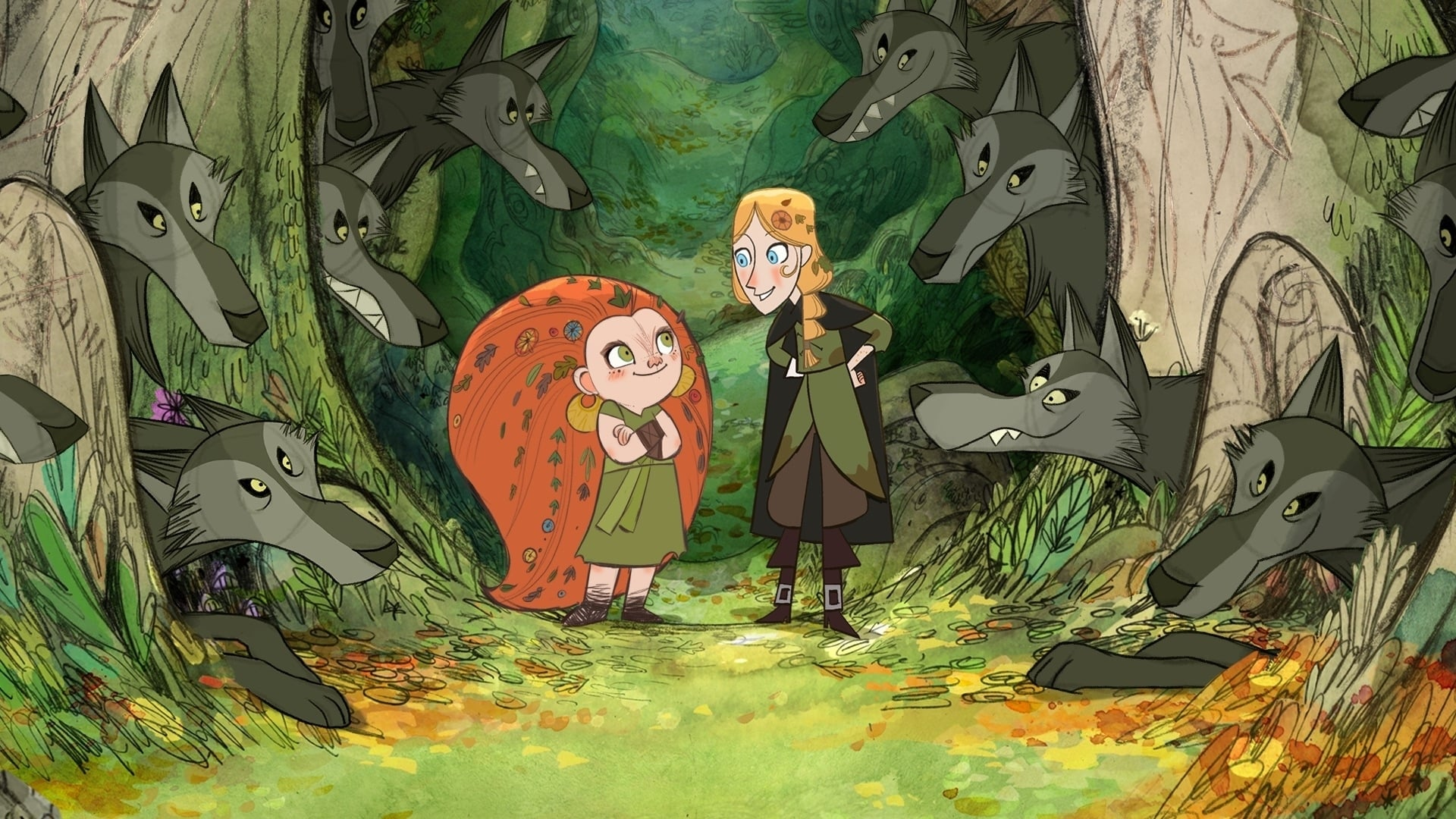
If there was any doubt about Jordan Peele’s skill as a horror director (or director in general), Nope should dispel it. Get Out was an electrifying debut with its potent social commentary, and Us boasted highly impactful scares, even if its underlying mythology made zero sense. Yet I think I prefer Nope over either of them, an entertaining genre mish-mash that recalls Close Encounters of the Third Kind, if the UFOs were not secretly friendly. From the enigmatic trailers, it seemed that Peele wanted to make aliens scary again, and he did, while also subverting a few expectations to great effect.
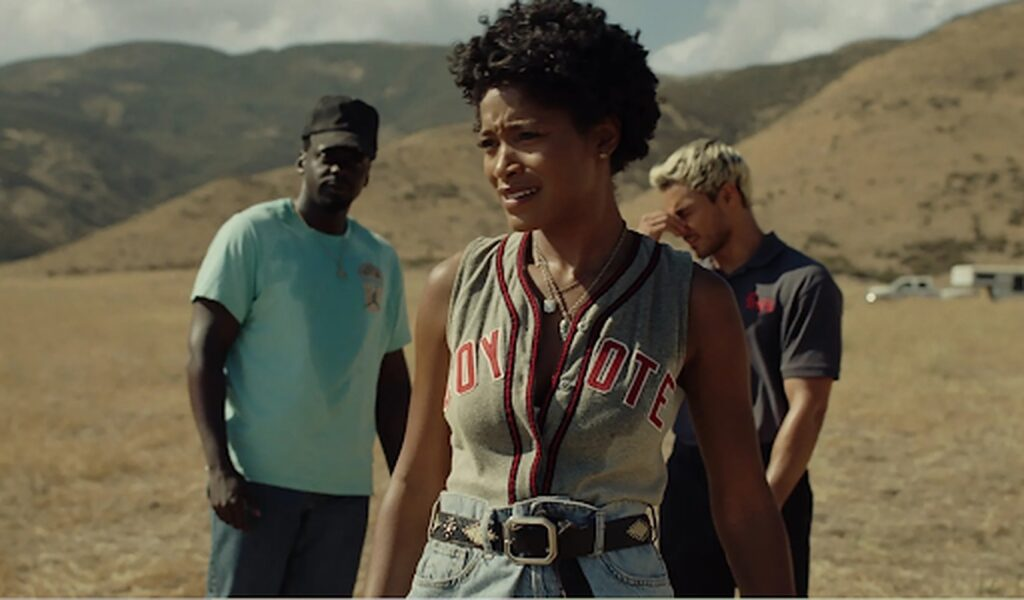
Reteaming with Peele after Get Out, Daniel Kaluuya plays O.J. Haywood, a horse trainer for film projects, who struggles to maintain his family’s historic business after the bizarre death of his father (Keith David). His sister Em (Keke Palmer) is more interested in schmoozing talent seekers than saving the ranch, but they are both disturbed by the behavior and disappearance of their horses, eventually realizing something in the sky is preying on them. Soon the siblings are collaborating to get certified photographic proof of the dangerous UFO, which is easier said than done, even with the help of jaded electronics employee Angel (Brandon Perea) and grizzled filmmaker Antlers Holst (Michael Wincott).
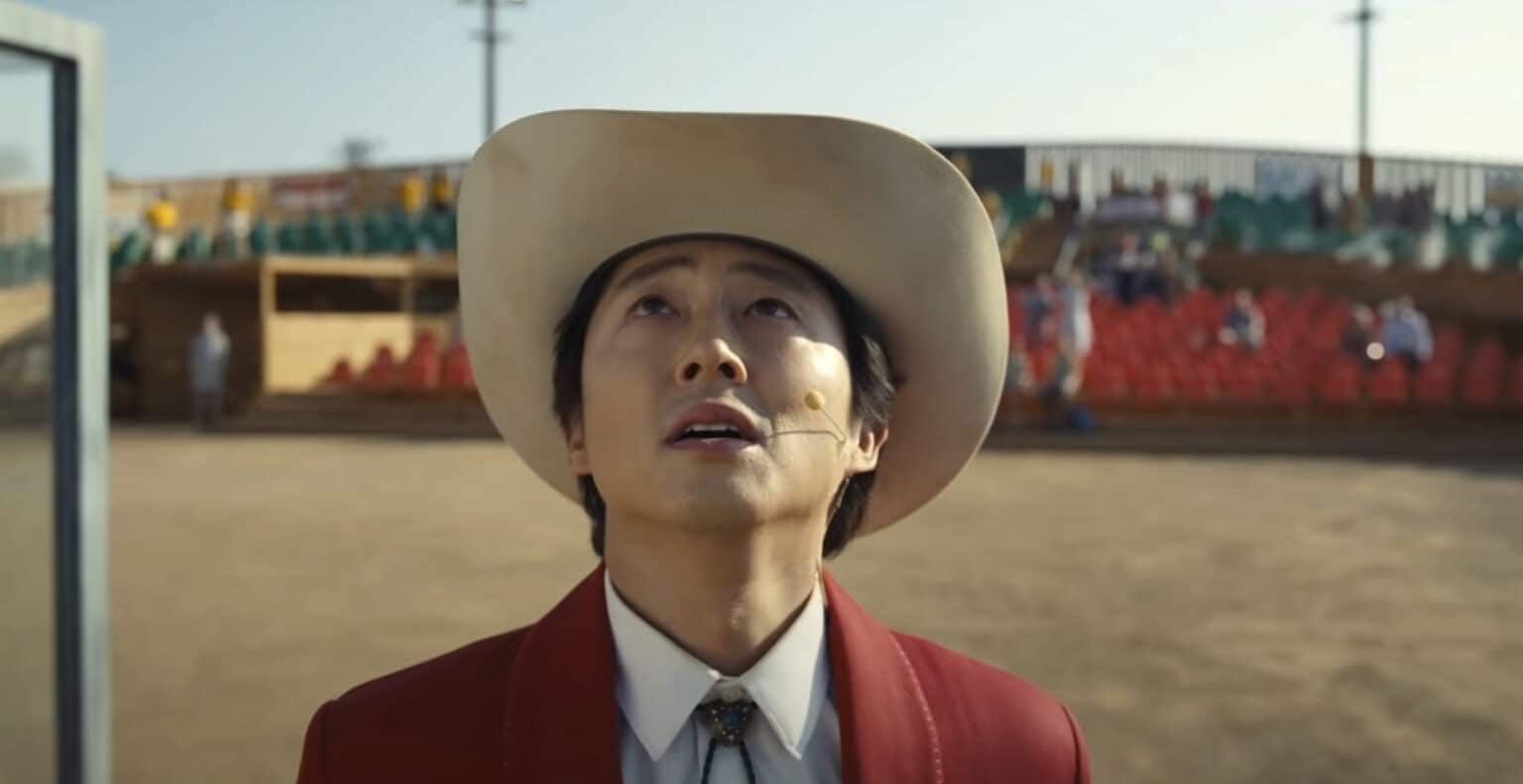
Nope continues Peele’s winning blend of understated comedy and legit horror, injecting doses of humor among the growing anxiety, most notably the title response when situations are too risky to engage. Unlike so many horror films, the characters largely respond realistically to the strange events they face, though it’s notable that some of them lose that sense of self-preservation in pursuit of fame, strengthening the film’s theme of destructive celebrity. Considering how straight-faced and quiet he is throughout, Kaluuya once more proves his acting talent and is never wooden, while Palmer’s surplus of personality makes her a great familial foil for him. Both Steven Yeun as Jupe Park, the owner of a nearby Western theme park, and Perea as an everyman techie are also standouts, while Wincott’s character adds gravitas but also ends up a little underdeveloped.
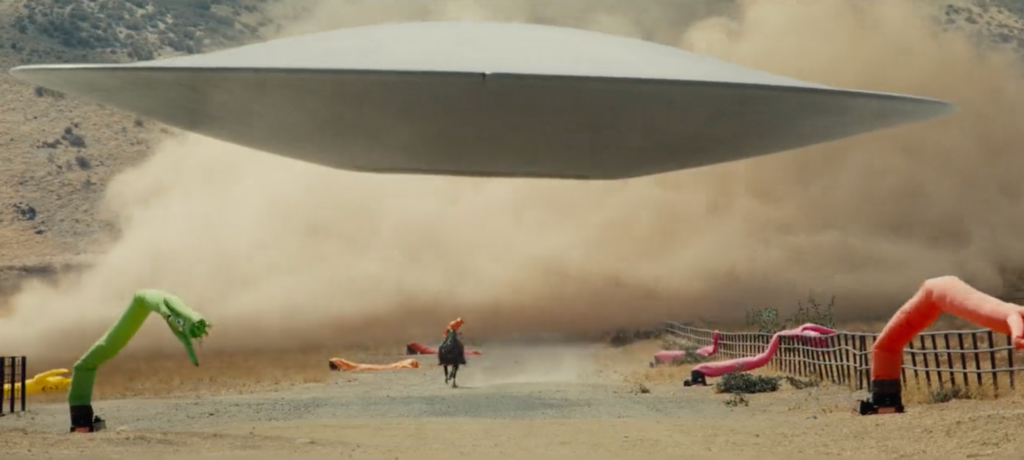
Through most of the film, I couldn’t help but feel like the subplot with Yeun seemed out of place, a story of him as a child actor witnessing a violent episode involving a crazed chimp. Indeed, it doesn’t have much to do with the main UFO narrative. In retrospect, it does complement the motifs of spectacle and animal danger, and, going beyond survivor guilt, the idea of survivor confidence explains Park’s unwise actions later on. It’s ultimately another sign that Peele puts a good deal of thought into his film’s themes, down to the final scene, and that he’s interested in more than cheap scares. Of course, there are some expert moments of tension and shock as well (I especially liked how the flying saucer is kept out of view at first, darting between clouds and deadening electronics with the distant menace of the fin in Jaws), but it felt unique that the climax happens in broad daylight.
While Us showed that Peele is not above story missteps, Nope is an ambitious step forward that I look forward to watching again. It’s a creature feature that knows how to balance its looming terror with human foibles and a crowd-pleasing climax, complete with an Akira reference. Us was scarier and Get Out had more to say, but Nope is easily the most entertaining entry in Peele’s filmography so far.
Best line: (Holst) “This dream you’re chasing, where you end up at the top of the mountain, all eyes on you… it’s the dream you never wake up from.”
I lost my girl, I lost my job, I lost my status to a mob, So now I’ll simply sit and sob The tears that only I shed.
‘Tis better for me to decease. I guess I won’t renew my lease. I’m done with living; rest in peace. I know I’m better off dead.
I’ll tell myself that no one cares. They shouldn’t be caught unawares When my life’s clearly worse than theirs. I bet they’ll party instead.
I see the headlines: “Loser Gone!” Not much, of course, to write upon. I’m lucky if I’ll get a yawn, Assuming it even is read.
Wait, who’s that girl I just now saw? She smiled at me! I withdraw My claiming of the final straw. I may not be better off dead. ___________________________
MPA rating: PG-13
What have I been up to? Because it certainly hasn’t been movie reviews. While I regret the delay, let’s just say I’m trying to expand my skills from poet to lyricist. 😉 Still, it’s past time for me to return to my Blindspot series. Considering I had never heard of it till fairly recently, Better Off Dead clearly doesn’t have the nostalgic reputation that ‘80s films like Ferris Buelleror Say Anything have, but I dare say it deserves to. This droll John Cusack vehicle has a lot to love, just perhaps a bit rough around the edges.
California high schooler Lane Myer (Cusack) is obsessively in love with his popular girlfriend Beth (Amanda Wyss), so he doesn’t take it well when she leaves him for a pompous skiing jock (Aaron Dozier). A proven loser with little reason to live, he makes several attempts to end his heartache permanently, though they thankfully always go absurdly wrong. It isn’t until a French exchange student living across the street (Diane Franklin) encourages him that he starts seeking a way to prove himself as more than a suicidal slacker.
In many ways, this movie is like the anti-Ferris Bueller’s Day Off, with Lane Myer being the perpetual loser in contrast to Matthew Broderick’s born-lucky protagonist, more akin to Ferris’s mopey friend Cameron. Some of the same gags are even inverted, as when an entire math class, minus Lane, eagerly volunteer to answer questions with a comical passion for dull math concepts spouted by the teacher (Vincent Schiavelli). The end of the credits even bears a message saying “the film’s over… you can go now.” Of course, Better Off Dead came out a year before Ferris Bueller, but I doubt there was any actual influence from either, probably.
While the title and description seem to focus on Lane’s suicidal mishaps, that dark humor is actually not as prevalent as you might expect. There are plenty of other recurring gags surrounding his stoner friend (Curtis Armstrong), his ridiculously talented little brother who can follow instructions to accomplish just about anything, the neighborhood’s disturbingly relentless paper boy, and the awkward romantic efforts of the mama’s boy across the street (Dan Schneider), all of which add up into a patchwork of absurdity that gets funnier with time. (Okay, maybe the paper boy gets old after a while.) Not to mention, the most memorable sequences involve surreal injections of animation, as when Lane argues with a drawing of his ex-girlfriend or when he fantasizes about bringing to life a hamburger that sings suspiciously like Eddie Van Halen.
Better Off Dead isn’t always as funny as it tries to be and often lacks cohesion, making it feel like a series of unrelated comedy skits, at least until a plot emerges from the silliness. Still, I enjoyed it quite a bit, and it could easily have been a staple in my house if only it would be shown on TV as often as Ferris Bueller was. While critics and Cusack himself were disappointed with the finished film, I admired its game cast (including Kim Darby and an accentless David Ogden Stiers as Lane’s quirky parents) and a sweet ‘80s soundtrack with the likes of Neil Sedaka and Hall and Oates. And by the end, it delivers a surprisingly encouraging romance and message out of the grim premise, making it an uneven but wholly likable teen comedy.
Best line: (Lane) “Gee, I’m real sorry your mom blew up, Ricky.”
Yes, this Top Twelve song list for 2021 is certainly overdue, but it’s still earlier than the list for 2020 last year, so it’s not that bad. Maybe I can actually get 2022’s posted in January, when I typically have in the past. My top movie lists are still pending, but I like summing up the previous year with a song list, sort of the soundtrack of the latest snippet of my life. While 2020 and 2021 were awful years in so many ways, they delivered top-tier music to keep us dancing and tapping our feet through the tears, so to speak. Many creatives used the pandemic shutdowns to dedicate time to their next projects, and they gifted us with so many outstanding songs that I struggled greatly trying to pare down the field to a mere twelve.
I’ve stated this before, but every year for me seems to stand out in retrospect based on a particular artist or artists that I discovered for the first time, one of those “where-have-you-been-all-my-life” moments as I binge their whole discography at once. Here’s my running list since I first started these music countdowns:
2016 – Florence and the Machine 2017 – Kygo 2018 – Aurora, Chvrches, RUFUS DU SOL, and Tom Odell 2019 – Saint Motel, TWRP, Kensington, Sigma, Kaiser Chiefs, etc. 2020 – Mika, Sparks, and The Orion Experience
The number of “discoveries” has grown as I’ve become more exploratory in my music listening. And 2021 was no different as I found an intense admiration for Marina (and the Diamonds), Orangestar, Autoheart, and The Birthday Massacre, all of whom released new music last year, much to my delight. While a few of my Top Twelve below made it on the charts, they once again don’t seem to match the mainstream musical tastes of the rest of the world (not much rap, you might notice). I don’t mind that, but I do wish these awesome songs and artists would get the acclaim and attention they deserve.
So it’s time to dive into the list (and the usual overabundance of runners-up). Please let me know what you think and feel free to recommend other songs I might have missed. There are usually a few I discover too late and wish could have made it on here, so I’m always on the lookout. Now to bring on the music!
12. “Snake Oil Baptism” – Diablo Swing Orchestra
I may have been going through an experimental phase when I discovered Diablo Swing Orchestra, an avant-garde metal band from Sweden (where so many of my favorite artists seem to originate). While not the weirdest song on the album Swagger & Stroll Down the Rabbit Hole, “Snake Oil Baptism” leaves the biggest impression with its huge rock choir and shifting rhythms, including a definite Led Zeppelin influence. It feels like it should be in the soundtrack of a movie’s most awesome scene. Special mention for “The Sound of an Unconditional Surrender” and “Out Came the Hummingbirds.”
11. “Dreams of You” – The Birthday Massacre
I wouldn’t have expected myself to become a fan of a dark wave gothic rock band from Canada called The Birthday Massacre, but here we are. While some of their songs go a little too hard for me, most have an enchantingly dreamy quality that I love, like headbanging in the star-kissed twilight. An early release from their 2022 album Fascination, “Dreams of You” fits that atmospheric mold perfectly, with synths and drums creating a magical soundscape. And between you and me, it’s likely another song from Fascination will make it on the 2022 list.
10. “Wild Hearts” – Keith Urban
The video may be from 2022, but Keith Urban’s “Wild Hearts” was a high point for 2021’s country scene. Granted, I’m not a huge country fan, but this infectiously catchy, feel-good anthem hits all the right inspirational notes. Definitely perfect road-trip music.
9. “Highly Emotional People” – Marina
Now to swing from hard rock to tender pop. Ancient Dreams in a Modern Land isn’t my favorite Marina album, but “Highly Emotional People” is an achingly beautiful meditation on the human need to express emotions, ranking among her most heartfelt songs. “Flowers” and “Goodbye” are similarly gorgeous entries that outshine the more bombastic singles.
8. “Butter” – BTS
It feels odd that I was never that impressed by BTS when they were growing into a Korean phenom, but their English-language songs have been genuine slam dunks breaking into American radio. “Dynamite” made it onto my 2020 list, and now “Butter” has done the same, both of them dance-worthy summer jams that are hard to resist. Special mention for “Permission to Dance” as well.
7. “One Night in Tokyo” – Beast in Black
Scandinavia, you’ve done it again. A Finnish heavy metal band called Beast in Black is also not what I would expect to be a favorite of mine, but boy, do they deliver the jams. Yannis Papadopoulos’ vocals are second to none, and the instrumental section at the two-minute mark is peak head-banging music for me. I assumed “Moonlight Rendezvous” would make it on the list when I first heard it, but “One Night in Tokyo” blew all others away.
6. “Can You Handle My Love??” – Walk the Moon
And a hearty welcome back to Walk the Moon, who placed #2 on my 2017 list and #8 on the 2019 list. I don’t know how they do it, but they always manage to come up with tunes that refuse to let me sit still. “Can You Handle My Love??” is a toe-tapping banger that should have been all over the radio, and I love how the heavy piano is complemented by the drums. Incidentally, this would be my VC’s #1 song. Special mention for “Win Anyway.”
5. “Surges” – Orangestar
There is something special about this short, fast-paced Japanese song that I can’t quite pin down. I’ve already mentioned how I love a heavy-handed piano, but beyond that, it just packs such energy and optimism into such a small runtime that I find it spectacular. After discovering this song, I must have listened to it a hundred times in the following week and never grew tired of it (I am not exaggerating). Despite being a Calorie Mate commercial, the accompanying animated “music video” is also brilliant and rather cathartic after all the COVID lockdowns.
Am I cheating here by including both a tie and a second appearance of BTS? Probably but I’ll allow it. 😉 Although Coldplay is one of my favorite bands, this is the first time they’ve appeared on my yearly song list (though they did get their own list), and they went full sci-fi with the latest album Music of the Spheres. The spacy grandeur of “Coloratura” or the digitized Latin chant of “Infinity Sign” affirm why Coldplay is amazing, but I have to go with the singles. “Higher Power” has a steadily growing energy that never disappoints, while “My Universe” is simply their best song in years, buoyed further by the cross-cultural message shared with BTS. As Chris Martin sings, “I’m happy I’m alive at the same time as you.”
3. “Feel Good” – Saint Motel
And a warm welcome back to Saint Motel, who placed at #6 in the 2020 list and #5 in 2019. They are a prime example of a band that should be HUGE, but I’m glad to be among their devoted fans. Although the full Original Motion Picture Soundtrack album was released last year, it was eclipsed for me by “Feel Good,” a stand-alone single written for the Netflix film Yes Day. Infectiously upbeat, it lives up to its name in all the best ways. Special mention for “It’s All Happening.”
2. “Into the Woods” – Autoheart
Autoheart is the musical discovery from last year that gladdens my heart the most. This British group became an instant favorite as I listened to their past piano-heavy masterpieces, sometimes haunting, sometimes quirky, and the Hellbent album was my favorite of last year. “Into the Woods” has a poignant, immersive melody, with its repeated insistence of “I feel fine” evoking a relatable denial and desperation. “I’m hopeful, I’m certain / I won’t be always hurting” – just gorgeous. Special mentions for “Older”, “Time Machine”, and “I Know That He Loves Me.”
1. “Heat Above” – Greta Van Fleet
It takes something special to outrank the previous few songs on this list, and “Heat Above” is special. Considering how often Greta Van Fleet is compared with Led Zeppelin in style and vocals, I would consider this their “Stairway to Heaven.” It feels BIG, like the kind of song that will (or should) become a rock staple in years to come. Josh Kiszka’s voice once again nails the Robert Plant-esque screams while the synth organ and timpani lend it the sound of a rock opera high point. Simply marvelous! Special mention for “Age of the Machine” and “My Way, Soon.”
There you have it, my favorite songs of 2021, however unconventional they may be. Obviously, this list is based on my own personal tastes, but hopefully there are some out there who might agree that these songs are awesome. Whether you do or not, let me know what your list would look like. The year 2021 may have continued the rather terrible trend that 2020 started, but at least we had some outstanding music to lift our spirits. As always, below is my long list of runners-up, continuing the countdown in order (#13, #14, etc.), so hopefully you’ll find some new favorites among my list as well.
“Next to Me”, “I Don’t Wanna Leave”, and “See You Again” – RUFUS DU SOL
“Follow the Light” and “Breakdown” – Dirty Loops & Cory Wong
“Night Eyes” and “Cosmicandy Girl” – The Orion Experience
“Run” and “Sunshine” – OneRepublic
“Summerland”, “What’s Wrong”, and “Hot Tea” – half alive
“Hate Myself” – Dodie
“Get Better” and “U&ME” – alt-J
“Mirror” – Sigrid
“Quiet Town” and “West Hills” – The Killers
“Christmas Truce” and “Steel Commanders” – Sabaton
“One Last Kiss” – Hikaru Utada
“Love Dies Young”, “Waiting on a War”, “Cloudspotter”, and “Holding Poison” – Foo Fighters
“Avid” – Hiroyuki Sawano (closing song for the anime 86 Eighty-Six)
“Heathens” and “Cure for Me” – Aurora
“Bitter Taste” – Billy Idol
“Stop Making This Hurt” – Bleachers
“I NEED YOU” – Jon Batiste
“Worry No More” – Amos Lee
“Be Bold!” and “Ai wo, Ima” – BRADIO
“Loretta” and “Juban District” – Ginger Root
“One Mississippi” – Kane Brown
“Easy on Me” and “I Drink Wine” – Adele
“Typhoons”, “Trouble’s Coming”, and “Oblivion” – Royal Blood
“See You Again”, “Lovers”, and “Easy Way Out” – Roosevelt
“Lose Your Head” and “Call Your Friends” – London Grammar
“Blossoms” and “Secret Worlds” – The Amazing Devil
“Back to Oz” and “Cimmerian Shade” – Sufjan Stevens & Angelo De Augustine
“Airplane Song” and “Being Alone” – DJ Sabrina the Teenage DJ
“Back from the Dead” and “RATA-TATA” – Royal Republic
“Beautiful Mistakes” – Maroon 5
“Last Dance” – Stefania (Greece’s Eurovision entry)
“Visiting Hours”, “Bad Habits”, and “Shivers” – Ed Sheeran
“My Poor Heart” and “Numbers” – Andrew Belle
“Maps” – Lesley Roy (Ireland’s Eurovision entry)
“He Said She Said”, “Killer”, and “How Not to Drown” – CHVRCHES
“Diamond Ring” – Jonah Nilsson, feat. Steve Vai
“Ghost of My Past”, feat. Emily Falvey, and “Elevate” – Vicetone
“Army of One” and “Behind Your Walls” – The Offspring
“Good 4 You” – Olivia Rodrigo
“End of Me” – Billy Talent, feat. Rivers Cuomo
“South Side”, feat. Foster the People, and “R U High”, feat. Mallrat – The Knocks
“Wake Me Up” – FOALS
“Searching for My Love” – Robert Plant & Alison Krauss
“Put on a Smile” and “Skate” – Silk Sonic
“Don’t Say That” – iamnotshane
“Bright Blue Sky” and “Polygon” – TWRP
“Don’t Shut Me Down” and “I Still Believe in You” – ABBA
“Ghost” and “Bit of Good (Bit of Bad)” – Star-Lord Band
“Out of Time” – Diviners, BUNT., Tom Bailey
“Voices” – Tusse (Sweden’s Eurovision entry)
“Good in Red” – The Midnight
“The Maze”, feat. Andrew McMahon in the Wilderness, and “Raising Hell”, feat. Ben Harper – Tom Morello
“Tout l’Univers” – Gjon’s Tears (Switzerland’s Eurovision entry)
“Cornflower Blue” – Flower Face
“Destroyer” and “Phantom” – Of Monsters and Men
“Lose You Again” and “Tears That Never Dry” – Tom Odell
“Stronger” – Sam Feldt, feat. Kesha
“Musician” – Porter Robinson
“Home” – Walk Off the Earth (from the soundtrack of Blade Runner: Black Lotus)
“Superhuman” – Tritonal & Codeko
“Do Better” – Feint
“Embers” – James Newman (UK’s Eurovision entry)
“How High” – The Record Company
“The Tipping Point” – Tears for Fears
“Billy Goodbye” – Franz Ferdinand
“Cool Enough” – Almost Monday
“Discoteque” – The Roop (Lithuania’s Eurovision entry)
“Friendless” – Nathan Wagner
“Killing Me” – Chung Ha
“Hold No Grudge”, “Helen of Troy”, and “Solar Power” – Lorde
“The Ride” – RAFAL (Poland’s Eurovision entry)
And like I usually do with these music posts, I’ll end with a short tribute to the many musical artists we lost in 2021, including Phil Spector, Jimmie Rodgers, Mary Wilson of The Supremes, Bunny Wailer, DMX, Joe Long of The Four Seasons, Lloyd Price, Samuel E. Wright, Robby Steinhardt of Kansas, Dusty Hill of ZZ Top, Dennis Thomas of Kool & the Gang, Don Everly of The Everly Brothers, Charlie Watts of The Rolling Stones, Sarah Harding of Girls Aloud, Jane Powell, Leslie Bricusse, Jay Black of Jay and the Americans, Graeme Edge of The Moody Blues, Stephen Sondheim, Steve Bronski of Bronski Beat, and Michael Nesmith of The Monkees. May they all rest in peace and never be forgotten. I’ve been deep into Broadway lyrics lately, so it seems right to feature the best version of one of Sondheim’s most celebrated songs.
Most humans have the comfort of not knowing of too much, Of doors we should not open and loose threads we ought not touch, Of dogs we dare not waken and of lines we should not cross, Lest brutal, futile knowledge should become our albatross.
The warning of “forbidden” has eroded over years, Decided as the product of unreasonable fears. For nothing is anathema, forbidden, or taboo, And so we delve too deeply into things we can’t undo.
When doors not meant to open are instead extended wide, And fears begin to slither in where had been only pride, And darkness once attractive starts exacting its dread cost, You’ll recognize what isn’t wise when certain lines are crossed. __________________________________
MPA rating: PG-13 (honestly, some of the violence leans toward R)
I never used to wait this long before reviewing Marvel blockbusters, but my mind hasn’t been in movie review mode lately. Still, it’s about time I got to it. Anyway, I’m an MCU fanboy, so anything they release I am likely to enjoy to varying levels. Even some that gave me initial mixed reactions like Thor: The Dark World or Eternals, I’ve grown to appreciate more with time and reflection. It’s rare then that time and reflection ends up lowering my opinion of a Marvel film, but such is the case with Doctor Strange in the Multiverse of Madness. I still liked it overall, but there are elements I can’t help but view with disappointment.
This second Doctor Strange film marks a milestone for the MCU; it’s the first time that a Marvel film has continued a storyline from one of the Disney+ TV series, specifically WandaVision, released about a year before. I’ve decided to skip reviewing TV shows (for now) and won’t go into detail on WandaVision, but it essentially dealt with the messy grieving process of Wanda Maximoff (Elizabeth Olsen) after losing her beloved Vision (Paul Bettany) in Infinity War. It was the first time Wanda was referred to by her comics name of Scarlet Witch and introduced the potential children she might have had with Vision, as well as a cursed book called the Darkhold, all of which play a role in this film.
As for Stephen Strange himself (Benedict Cumberbatch), he has settled into the self-sacrificing superhero life of losing his own love Christine (Rachel McAdams) yet trying to convince himself he’s happy anyway. When a multiverse-hopping girl named America Chavez (a bit one-note but likable Xochitl Gomez) arrives in New York, chased by otherworldly creatures, Strange and Wong (Benedict Wong) take on the duty of protecting her across universes.
Between Loki and Spider-Man: No Way Home, the multiverse has already been cracked open for most viewers, but Doctor Strange in the MoM goes beyond variations of one character. Many would argue that it still doesn’t do enough with the concept to warrant a name like Multiverse of Madness, but my VC actually liked that the number of universes involved were limited, finding it easier to follow. The use of the multiverse is where my complaints begin (and the spoilers). One of the biggest set pieces of the film involves a multiversal team getting slaughtered mercilessly, which felt like a jarring contrast to the way that even villains were treated in No Way Home, a spectacle mistaking cruel for cool. It gave me concern that the multiverse could be used to just provide an endless supply of fan service cannon fodder because if one character dies, hey, there’s plenty of others out there for next time, right?
Beyond that, the film’s treatment of Wanda is also a mixed bag. While Olsen delivers an outstanding performance stepping into the rare role of a hero-turned-villain and showing just how powerful she is, it ends up undermining the emotional progress she seemed to experience in WandaVision (and totally ignoring the fact that Vision in some form is out there somewhere). Her motivations are sympathetic, but it was shocking just how far she goes, her behavior easily blamed on the corrupting power of the Darkhold but hard to forgive nonetheless. And then there’s Strange’s diving into the dark art of necromancy in the climax, which is both a gleeful reminder of director Sam Raimi’s horror specialty and also a problematic strategy that calls into question whether Strange can just walk away from any supposedly forbidden behavior without consequence. We’ll see if the sequels shed any light on that.
And speaking of sequels, it also felt like there should have been a different Doctor Strange 2 between the original and this one. Despite the brief presence of Chiwetel Ejiofor’s Mordo in a different universe, his setup as a villain in the first film’s after-credits scene was essentially dropped, waved away in a single line indicating he and Strange had already clashed before. Am I the only one who would have liked to see that?
So yes, I have mixed feelings about Doctor Strange in the Multiverse of Madness, right down to its abrupt ending, yet I can’t outright dislike it either. It still has all the ingredients for an entertaining Marvel adventure, mixed with the sometimes creepy, somewhat goofy, and more violent style of Sam Raimi, complete with a prime Bruce Campbell cameo. I liked the more human element of Strange’s character arc, and Olsen’s scenery-chewing wrath is both memorable and cleverly resolved by the end. It can’t be easy writing these Marvel films in a way that continues prior plotlines, delivers its own story, and sets up future possibilities, but they’ve been doing it splendidly for a decade now. While it has its good points, Doctor Strange in the Multiverse of Madness is the first stumble for me.
Best line: (Wanda, with a good point) “You break the rules and become a hero. I do it, and I become the enemy. That doesn’t seem fair.”
On foreign roads, I may be led, No guarantees of food or bed; I might be kept, a bitter pill, By duty or against my will; I may delay on land or foam, But still I’ll know the way back home.
On dying hopes I may depend, But they’ll be with me to the end. For be it distance, sickness, wars That separates my heart from yours, I know no matter where I roam, Our love remains my road back home. ___________________________
MPA rating: G
I would never have even heard of The Road Home if it hadn’t been suggested to me by fellow movie-loving blogger Chris of Movies and songs 365. Sorry it took years to finally put it on my Blindspot list as incentive, but a big thanks for the recommendation! With the exception of Crouching Tiger, Hidden Dragonand Yi Yi, Chinese cinema is unexplored territory for me, and while action and wuxia are more likely to make a splash with western moviegoers, it’s nice to be reminded of low-key romantic dramas like The Road Home, which can be easily overlooked.
After his father dies, a young man (Sun Honglei) returns home to his rural village and widowed mother, who insists on a traditional on-foot procession to bring her husband’s body back home, since he died in a nearby city. While weighing whether to honor her logistically difficult request, the man reminisces about his parents’ well-known love story and how his mother Zhai Di (Zhang Ziyi of Crouching Tiger fame, in her first major role) first met his schoolteacher father Luo (Zheng Hao). In a creative choice also used in The Phantom of the Opera, the modern time period is presented in black-and-white while the flashbacks to 1950s China shift to bright color, showing how much more vivid Di’s memories are compared with her present-day grief.
The Road Home thrives on its simplicity and the nostalgia of young hearts fluttering after each other. Ziyi is luminous as the young Di, who longs for the village’s new schoolteacher and subtly finds ways to make her affection known. I would say there’s a bit too much of that distant flirting, with far too many repetitive shots of Di staring googly-eyed at her love, which eventually feel like padding for the already short runtime. Still, the performances are excellent, shifting from sentimentality to devoted worry when Luo is taken away by the Chinese government. The film’s real power comes at the end, though, when the impact of one rural schoolteacher on the community is made evident in a show of caring that would make Mr. Holland’s Opus proud.
The Road Home is perhaps too simple a tale to get much notice in a cinematic landscape crowded by superheroes and CGI space battles, but it’s a refreshingly human account of young love. As mentioned, some of the longing looks could have been edited out, and I rather wish we had gotten to see at least a little bit of the happy life that Di and Luo had together, instead of just its preface and epilogue. What we do see, though, is a warm and sweet reminder that our parents or grandparents loved deeply long before we came along.
Best line: (older Di, to her son) “Your father’s gone. He used to worry about you. Our children must leave home. We can’t keep you here forever. As parents, we let you go, but we never stopped worrying. Your father missed you so.” (Yusheng, the son) “Please don’t cry.” (Di) “With your father gone, it’s hard not to feel lonely.” (Yusheng) “I know.” (Di) “You must work hard and make a good life.”