
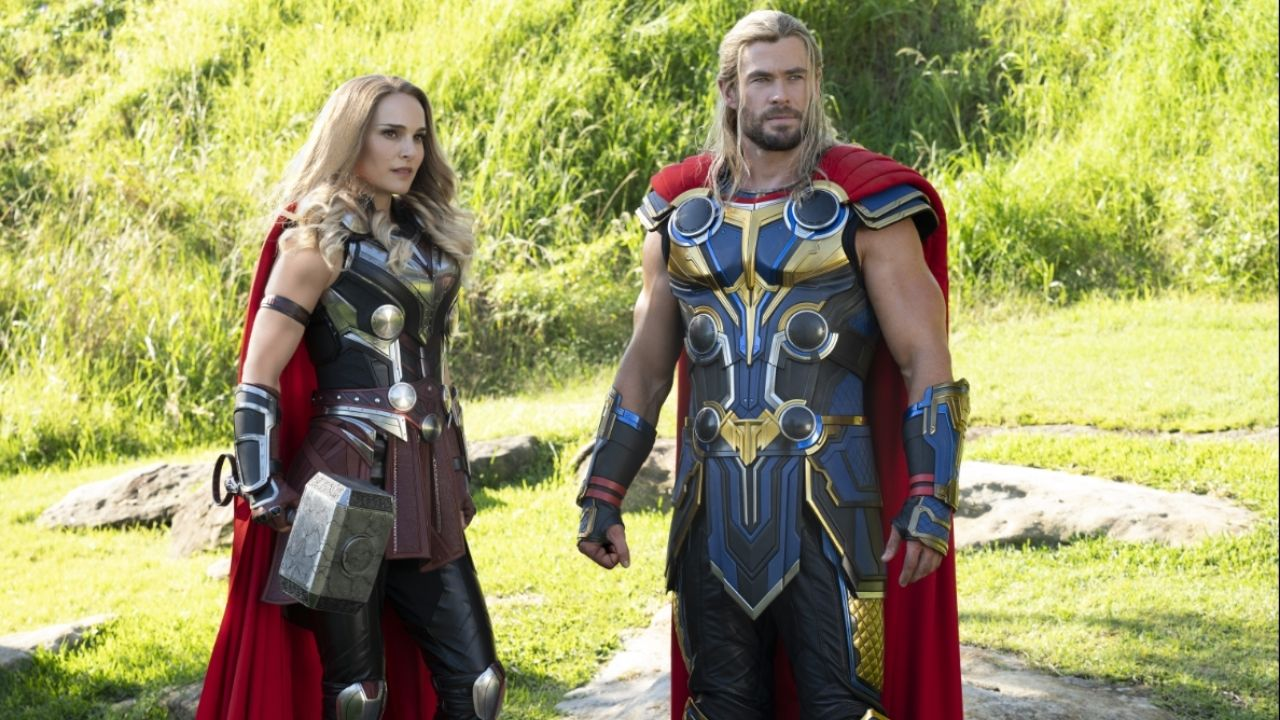
(For this Easter Sunday of NaPoWriMo, the Day 9 prompt was for a straightforward sonnet about love, which has plenty of room for exploration. I decided to explore one of the weightier themes from this superhero film with “Love” in the name.)
From modern film to Jesus on the cross,
‘Tis clear that sacrifice is love most plain,
For those who benefit feel more than loss
But flattered gratitude to ease the pain.
While many lovers may well entertain
A chance to prove their love to that extreme,
They must feel all their efforts are in vain
When death creeps in with no intent or scheme,
No bullet to prevent, no dark regime,
No clear and present danger to oppose.
What can one do when bladder, brain, bloodstream
Wreak sabotage where no mere hero goes?
Sometimes only our presence soothes the hour
When sacrifice is not within our power.
___________________________
MPA rating: PG-13
I am very forgiving when it comes to the Marvel Cinematic Universe. I would defend the likes of Thor: The Dark World or Eternals when people badmouth them, and while Marvel’s overall quality does vary, I consider the brand remarkably consistent in entertainment value. Perhaps my natural affection for the MCU delayed my actual feelings for Thor: Love and Thunder, because I remember calling it a good movie when walking out of the theater last year. Yet the more I thought of it and especially after watching it again, I have to admit it: Thor: Love and Thunder is the first Marvel film I outright dislike. That’s not an especially unusual opinion, considering its generally poor fan reception, but it’s the first time I’ve agreed with the criticisms to this extent.
There’s nothing wrong with the basic plot of the film, which aimed to reunite Chris Hemsworth’s Thor with his old girlfriend Jane Foster (Natalie Portman) after her nearly decade-long absence from the franchise. Jane is suffering from stage four cancer and seeks out the broken pieces of Thor’s hammer Mjolnir, which grants her the powers of Thor (as “Mighty Thor”) and heals her when in her superpowered state. The two Thors must then rescue Asgardian kids from Gorr the God Butcher (Christian Bale), a deity-hating menace plotting to eliminate all gods.
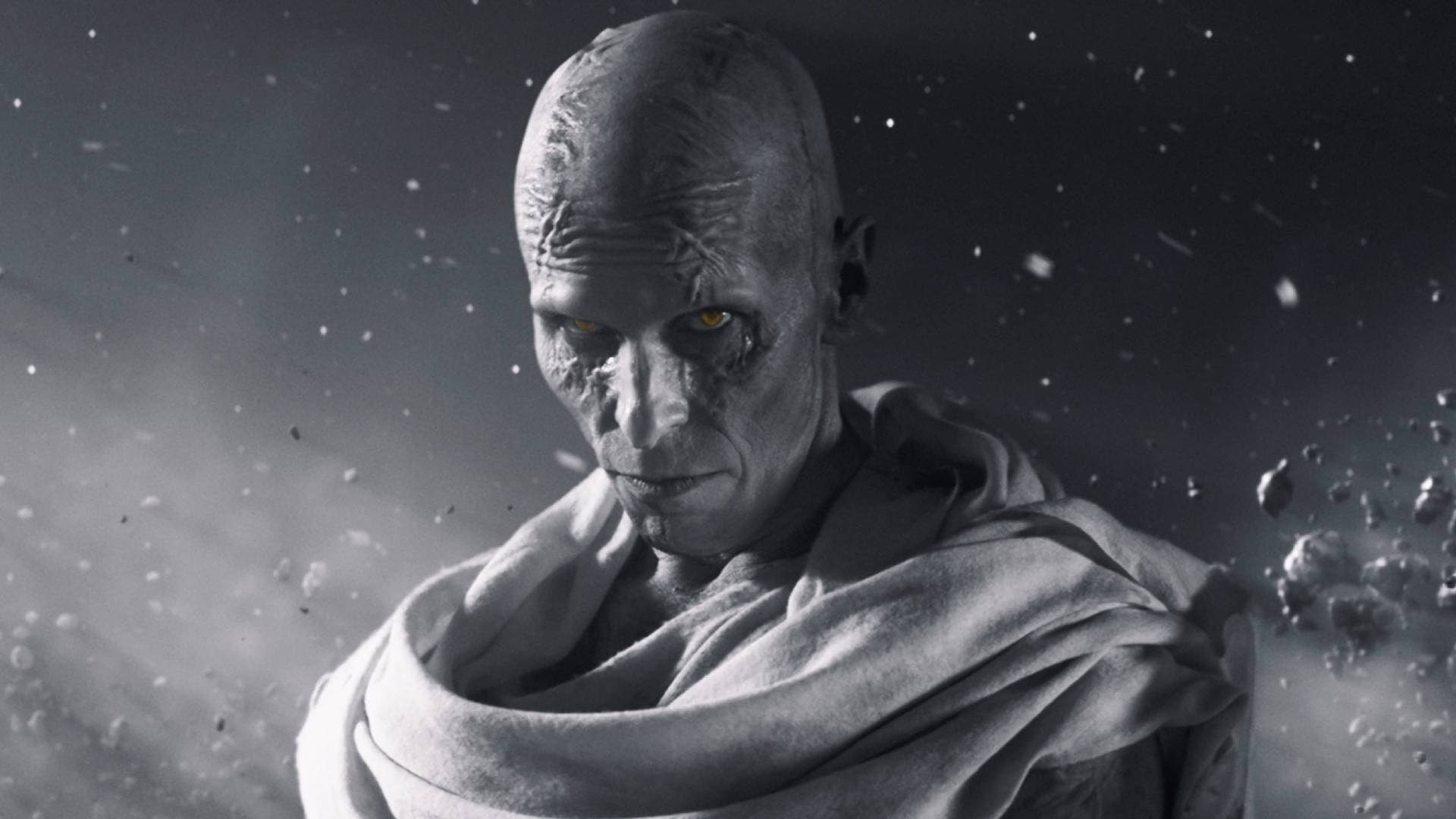
There are traces of good ideas, notably in the action scenes with Gorr, one of which is a moon-wide slugfest with eldritch creatures all rendered in black and white. Bale is unrecognizable and downright creepy in the villainous role, yet he emotes all the grief and rage of a character whose faith was shattered beyond saving. Likewise, Portman handles her emotional moments well, even if it’s ultimately sad that her character was brought back just to deepen Thor’s sense of loss.
Those few positive points indicate the issue: the film is at its best in the serious moments, which are too much of a contrast with its otherwise silly atmosphere. Considering how many films and heartaches Thor has been through, writer-director Taika Waititi seems intent on keeping him a goofball, which worked well in Ragnarok, but the constant comedy isn’t as easily sustained here (though admittedly I chuckled at the screaming goats every time). From Thor’s first big scene “saving” an alien shrine by destroying it, he doesn’t act like the veteran hero he should be by this point. That’s just one example of the film’s lack of consistency, which also affects Jane’s story, as when Mjolnir, meant to help Jane fight off the cancer, somehow ends up hurting her instead. Plus, Tessa Thompson’s Valkyrie is barely of use, while the role of stony sidekick Korg (Waititi himself) has been over-promoted to narrator status.
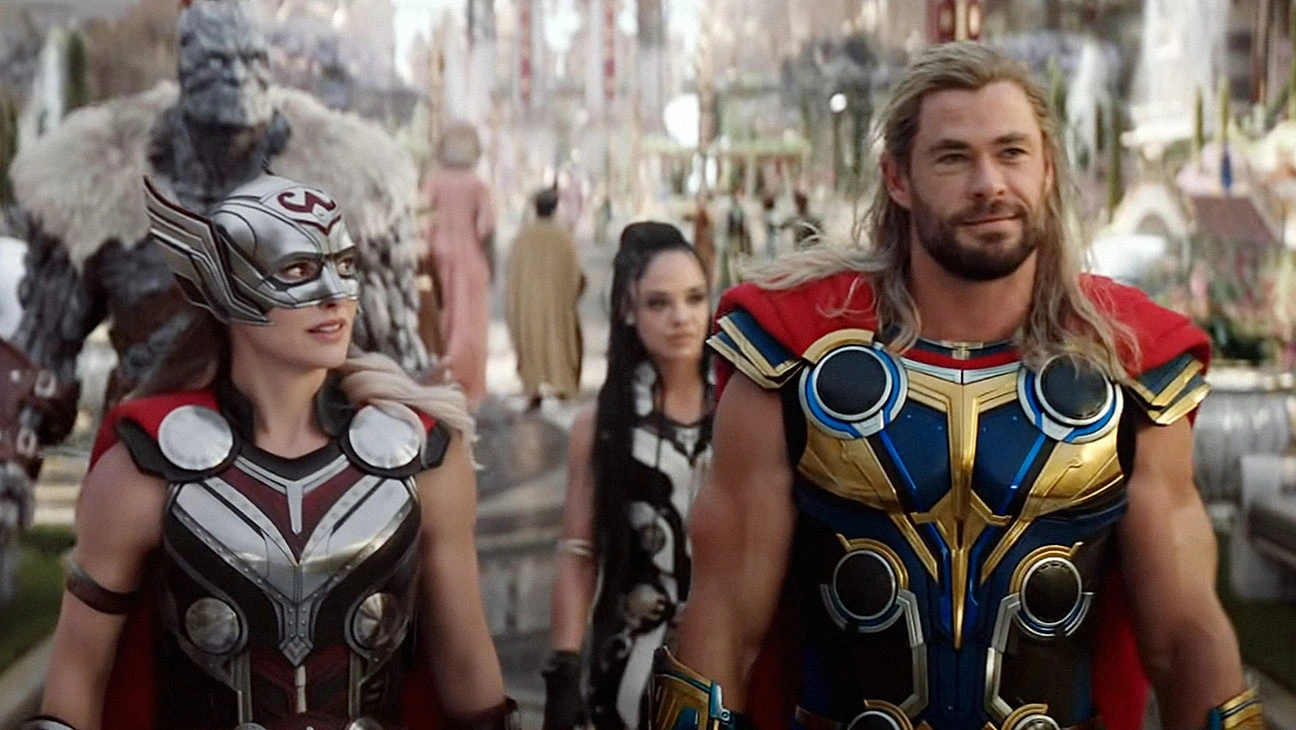
The film’s biggest misstep for me is the second-act visit to Omnipotence City, a realm of gods from across cultures and planets. Considering the first Thor was careful to clarify that Thor and the Asgardians were not actual gods but just wielders of alien powers and advanced technologies, this film muddies the waters enormously and begs the question “What is a god in the MCU?” We see the cowardly Zeus (a meh Russell Crowe), future threat Hercules (Brett Goldstein), and various other deities of all shapes and sizes, so it seems that all “gods” exist in this world except the one God of the Bible, the one that Captain America invoked in The Avengers. Then there’s the fight scene with Zeus’s guards, who leak an excessive amount of gold blood as Thor’s crew battle them. It would be a distressingly gory scene if the blood were red, but does that mean gold blood is a sign of a god? Thor and other Asgardians have shed red blood before, so are they somehow not gods like the others? The whole sequence adds little to the plot, sort of confirms Gorr’s negative opinion of gods in general, and irked me deeply with the questions it raises with no intention of answering them.
Thor: Love and Thunder is a decent superhero film on its own, so I’d probably watch it again, but it’s a glaring failure as a would-be conclusion to at least part of Thor’s story. Many revisions might have buffed out some of the plot flaws, improved the discordant tone, and found better uses for the characters, like the Guardians of the Galaxy who essentially are given a glorified cameo at the beginning, again contrasting with what the end of Endgame seemed to promise. I hope Hemsworth will return as Thor again with a tighter and more serious story, treating this as just a speedbump to something more satisfying. Even if I appreciate what they were going for with this film’s ending, Thor deserves better.
Best line: [Who am I kidding? Of course, it’s the screaming goats.]
Rank: Honorable Mention (barely)
© 2023 S.G. Liput
784 Followers and Counting
I hope everyone had a happy Easter!

