• Home
  • About Me
  • The List
  • THE LIST (2016 Update)
  • THE LIST (2017 Update)
  • THE LIST (2018 Update)
  • THE LIST (2019 Update)
  • THE LIST (2020 Update)
  • THE LIST (2021 Update)
  • THE LIST (2022 Update)
  • Top Twelves and More
  • The End Credits Song Hall of Fame

Rhyme and Reason

~ Poetry Meets Film Reviews

Rhyme and Reason

Tag Archives: Thriller

2021 Blindspot Pick #7: Don’t Look Now (1973)

24 Wednesday Nov 2021

Posted by sgliput in Blindspot, Movies, Poetry, Reviews, Writing

≈ Leave a comment

Tags

Drama, Horror, Thriller

See the source image

What’s lost is lost forevermore,
It can’t be as it was before.
Our memories are tethered more
To wisps of smoke and whispered lore
Than any solid souvenirs
That lasted past the days of yore.

The lovers of the lost are faced
With echoes that recede in haste.
No matter how they’re called or chased,
They leave our mortal feet outpaced,
Assured that lovers left in tears
Won’t let their vestige be erased.
___________________

MPA rating:  R (mainly for a long and unnecessary sex scene, could be PG-13 without it)

This psychological thriller Blindspot would probably have been better suited for October, but I’m still in catch-up mode here. Don’t Look Now was one of the films on the list about which I knew very little going in, so I wasn’t sure what to expect from what I believed to be an acclaimed horror from the ‘70s. Based on a Daphne du Maurier story and released in the UK as a double feature with The Wicker Man, Don’t Look Now is not really a horror film to me, unless you would consider Rebecca one as well. Both du Maurier adaptations are far more concerned with psychological uneasiness and characters’ inner self-doubt than your standard scarefest, so the “psychic thriller” moniker on the film’s poster fits well.

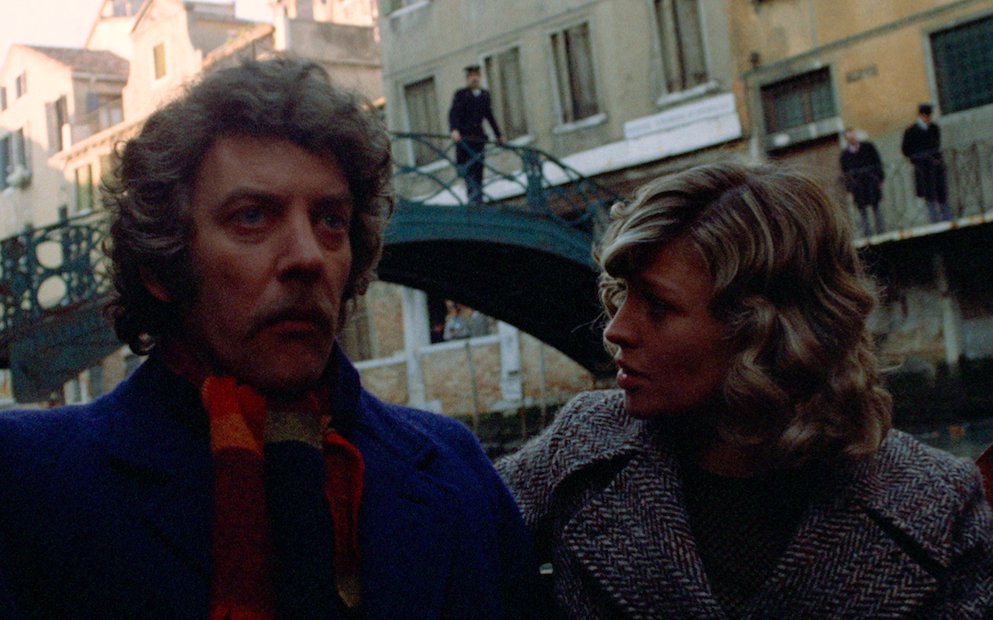
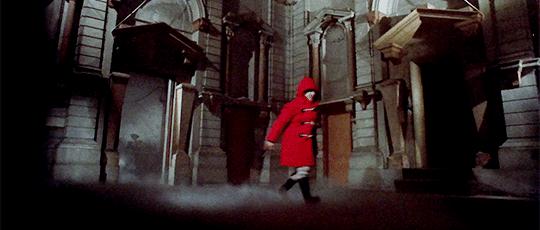
Donald Sutherland and Julie Christie play married couple John and Laura Baxter, whose young daughter Christine drowns tragically at their British home. Still reeling from grief, they move to Venice, where John has been commissioned to restore a decaying church. Laura happens to meet two sisters in a restaurant, one of whom is blind and psychic, telling Laura that she saw her deceased daughter. The psychic woman later warns her that John is in danger and has psychic abilities himself, even as he begins seeing his daughter’s red coat along the darkened canals of Venice.

See the source image

Don’t Look Now is clearly interested in not just frights but art, the kind that alienates just as much as it interests. A uniquely choppy editing style sometimes intercuts seemingly unrelated scenes, playing into the theme of precognition to make the audience doubt what they’re watching at a particular time. This applies to an extended and apparently infamous sex scene, which could easily have been excised but likely is defended as art for its editing. While the editing isn’t always to my taste, it does serve to focus the viewer on the film’s recurring motifs, such as water, broken glass, and reflections, carefully crafted imagery I didn’t fully appreciate until reading about the film afterward.

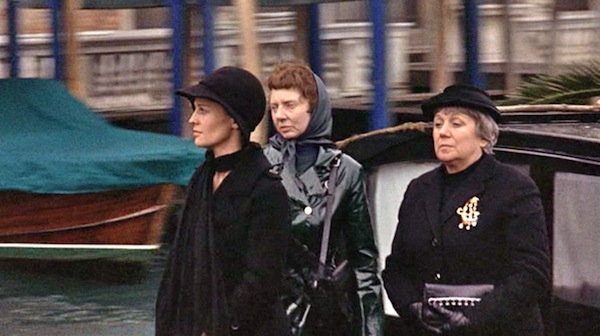
As for the performances, Sutherland and Christie are quite convincing as a couple sharing grief but torn apart by how they respond to the idea of their daughter contacting them. They serve as the main point of sympathy, and, through their British presence in an Italian city, the film fosters its sense of otherness and anxiety, as if the rest of the cast are watching them from a distance and refusing to let them in on a secret. The two sisters (Hilary Mason, Clelia Matania) waver between unnerving and kindly, though the psychic one adds to the film’s intermittent weirdness, such as a séance where she practically reenacts the diner scene from When Harry Met Sally.

See the source image

As with many artsy critical darlings, Don’t Look Now is a film I can appreciate more than I enjoyed it. It’s clearly had an impact on filmmakers to come, with many directors citing its influence, and the image of a child in a bright red jacket has carried over into other films like Schindler’s List and Flatliners. The film excels in building an atmosphere of menace in its Venetian setting, particularly during a tense accident and the climax, but the editing of that climax seemed to suggest some deeper reveal that didn’t make itself clear. An admirably Hitchcockian examination of grief, Don’t Look Now manages to be at once well-crafted, odd, and ultimately unsatisfying.

Best line: (Inspector Longhi, with an interesting observation) “Age makes women grow to look more like each other. Don’t you find that? Old men decay, and each becomes quite distinct. Women seem to converge, eh?”

Rank:  Dishonorable Mention

© 2021 S.G. Liput
743 Followers and Counting

I wish everyone a Happy Thanksgiving!

A Quiet Place Part II (2021)

14 Sunday Nov 2021

Posted by sgliput in Movies, Poetry, Reviews, Writing

≈ Leave a comment

Tags

Drama, Horror, Thriller

See the source image

Silence your cell phones, your children, your pets,
Or else you won’t have long to live with regrets.
Everything’s changed, in an instant or less,
Necessity-drawn to acute quietness.

Earth and its racket must screech to a halt
As whispers and shushing become our default.
A snap of a twig or reaction to pain
Can rain certain death on the noisy insane.

Flee without footsteps and scream without sound,
And grieve without digging or pounding the ground.
Meet the new normal, devoid of a voice.
Silence is golden; there’s no other choice.
__________________________

MPA rating:  PG-13

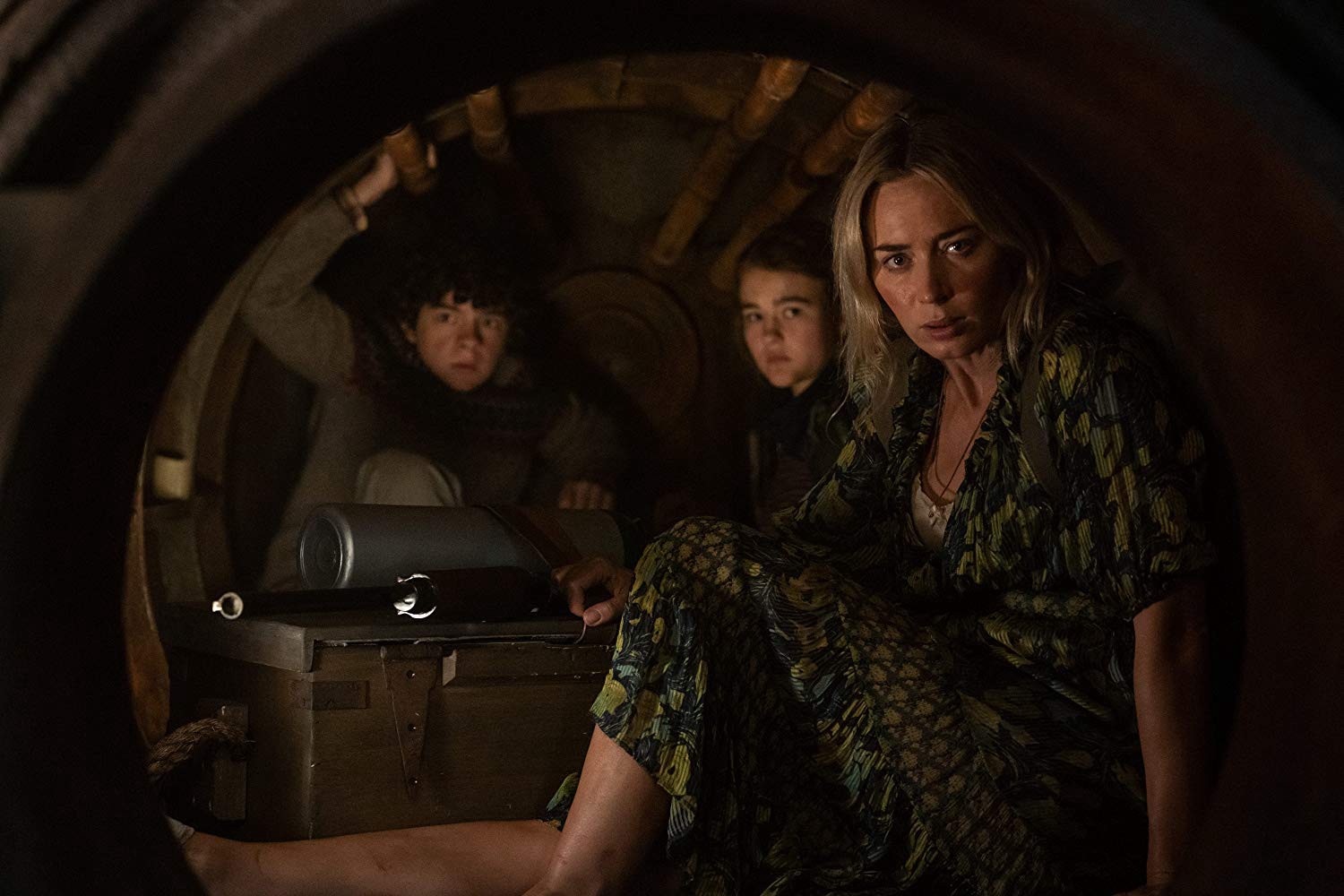
I may not be much for horror in general, but A Quiet Place was exactly the kind I most enjoy, taut and suspenseful rather than gross and gory. John Krasinski’s story of relentless blind creatures hunting anything that makes a noise was viewed from the perspective of a single family of survivors attempting to make the most of the apocalyptic situation, as quietly as possible on their farm until everything falls apart. A lot has changed since the first movie in 2018:  beyond the obvious world-changing pandemic that delayed the film’s release for over a year, I remember seeing the first film with my dad in the theater. Just as the previous film left the Abbott family without their patriarch Lee (Krasinski), I watched Part II alone in the theater, having lost my dad as well. When I realized the parallel, it was a sobering thought that helped me connect even more with their struggle, as they venture beyond their ruined farm in search of other survivors and safe places.

See the source image

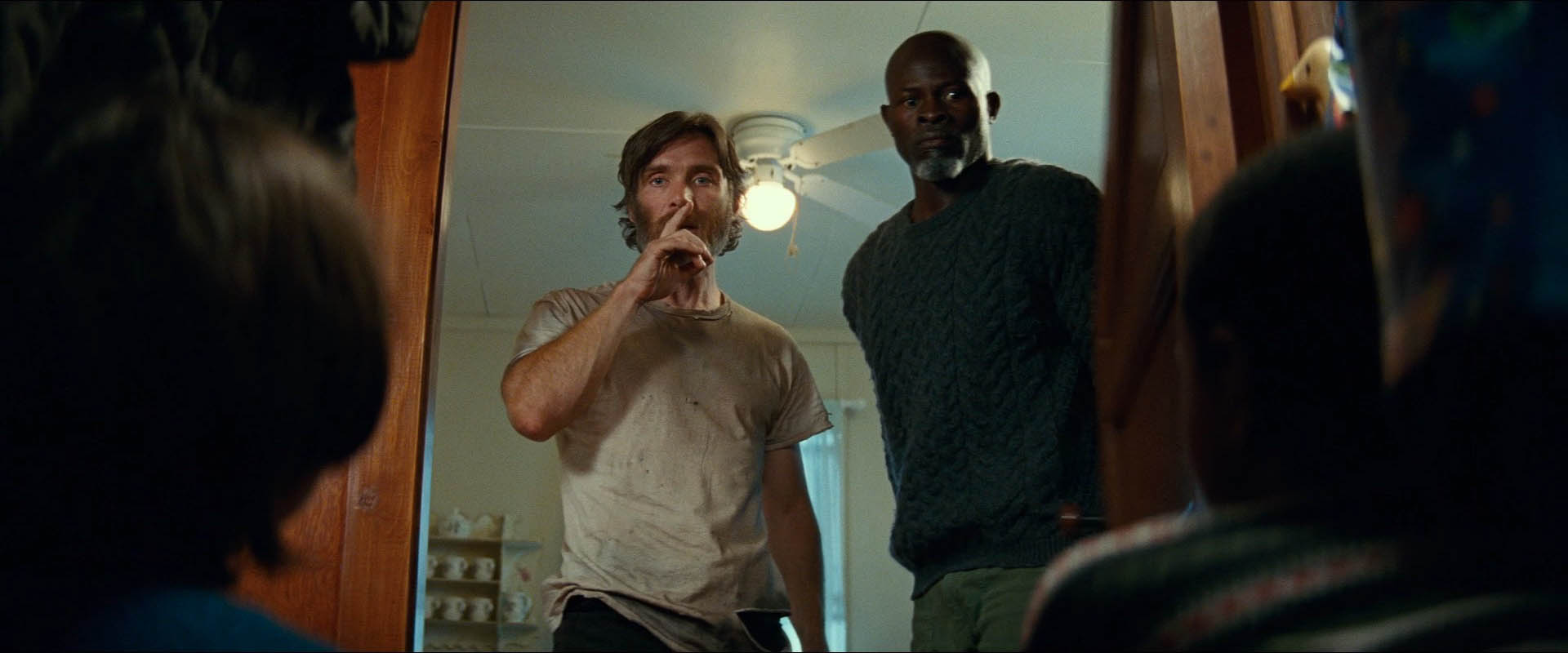
The film starts with a flashback to when the alien invaders first came to earth, a harrowing sequence that gives Krasinski (also directing) a chance for a cameo. Soon though, we pick up right where Part 1 ended, with mother Evelyn (Emily Blunt), deaf daughter Regan (Millicent Simmonds), timid son Marcus (Noah Jupe), and Evelyn’s newborn baby venturing away from home after finding a way to kill the creatures with Regan’s hearing aid static. While the first film was solely about survival, Regan sees her hearing aid as a chance to fight back against the creatures, grudgingly aided by tortured neighbor Emmett (Cillian Murphy).

My appreciation for A Quiet Place was somewhat muted by the fact that its plot felt so similar to the 2015 film Hidden, which also featured a family quietly hiding from lurking enemies. Hardly anyone saw Hidden, though (a shame, since it’s a great film), so I suppose the originality issue only bothers me. This time, however, Part II is able to chart its own course, making it feel more original and unpredictable. Krasinski proves once more how adept he is at building up the tension across several parallel storylines, with only a few of the typical “dumb” decisions common to the horror genre. By the end, A Quiet Place Part II becomes almost a coming-of-age story for Regan and Marcus, with Simmonds and Jupe proving to be two of the best child actors today.  It does share the abrupt ending of the first film, but luckily there is already a Part III in the works that we can only hope will conclude this series on a high note. It’s an above-average horror tale that deserves it.

See the source image

Best line: (Emmett, to Regan) “And you were right. I’m nothing like him [Lee]. You are.”

Rank:  List-Worthy (joining the first film and Hidden)

© 2021 S.G. Liput
742 Followers and Counting
2021 Blindspot Pick #5: The Village (2004)

19 Tuesday Oct 2021

Posted by sgliput in Blindspot, Movies, Poetry, Reviews, Writing

≈ Leave a comment

Tags

Drama, Thriller

See the source image

The leafless woods’ alarming hem
Does greet our eyes on every side.
A wall for us but not for them,
Where those we do not speak of hide.

Branches hang low
But point to the sky
To silently show
Where we go when we die.

The elders say our safety’s sure
Within the glen the village claims,
But who can feel safe or secure
When watched by creatures without names?

Nobody sees,
And nobody hears,
But none disagrees,
And everyone fears.
_______________________

Since starting out his career as a director with three excellent films in my view (The Sixth Sense, Unbreakable, Signs), M. Night Shyamalan has certainly had his ups and downs, with The Last Airbender being the low point. Nowadays his films are greeted with a mixture of optimism and misgivings, but back in 2004, there was still good reason to have high hopes for his fourth feature, The Village. Seen as a turning point between “good Shyamalan” and “bad Shyamalan,” The Village is indeed a middle-of-the-road effort with a plot that can’t help but buckle under its expected assumptions.

See the source image

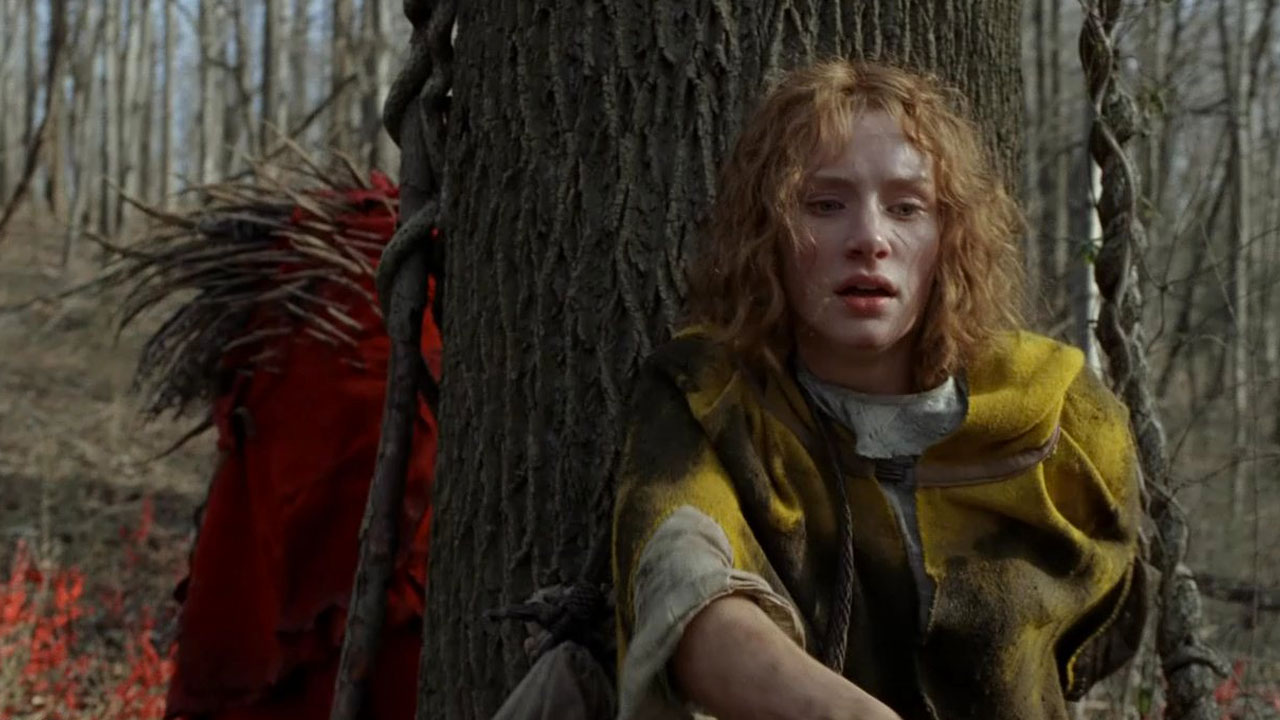
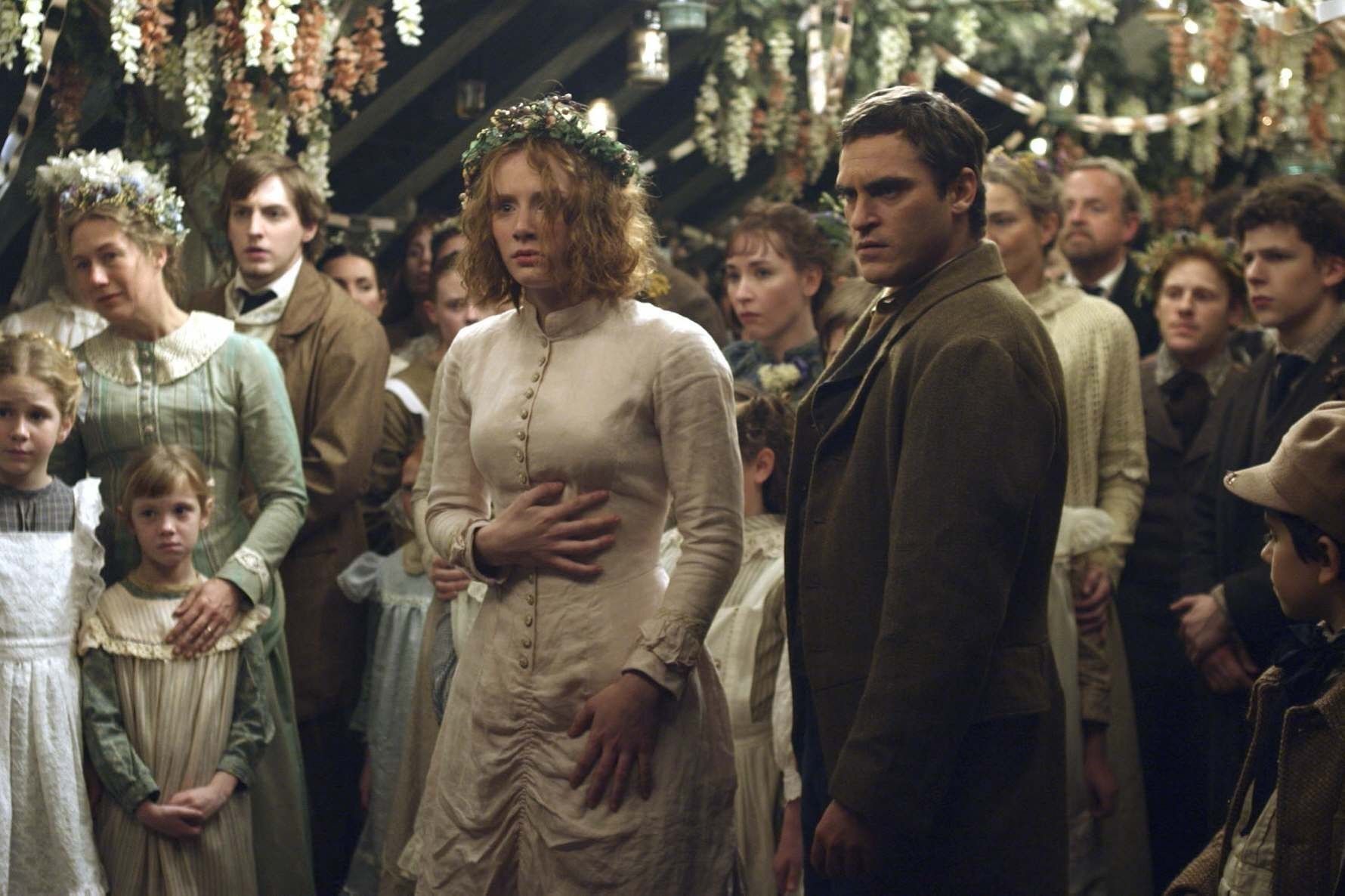
The titular village of Covington is home to a collection of folk living their best 19th-century life, including Ivy (Bryce Dallas Howard in her first major role), the blind daughter of the village’s Chief Elder (William Hurt), and Lucius Hunt (Joaquin Phoenix), a young man who wants to leave the village and venture to the distant towns for medical supplies. Yet the elders forbid leaving the village due to the ever-present fear of what lies in the surrounding woods, red-cloaked creatures known as “Those We Don’t Speak Of.”

There are plenty of elements to admire about The Village, notably James Newton Howard’s haunting Oscar-nominated score, which I heard and loved long before I even considered seeing its source. Shyamalan’s adroit camerawork and use of color also add to the atmosphere, and as with his other films, the script and camera are careful to only reveal what he wants the audience to know. The problem is that a thinking audience who knows Shyamalan’s penchant for twists can fill in gaps. While I went in knowing what to expect, my VC did not and yet still guessed the main “twist” long before its reveal. Plus, it feels like it ends too soon, with one subplot regarding romantic tension between William Hurt and Sigourney Weaver’s characters going nowhere.

See the source image

I can see how The Village can be mocked and defended in equal measure. Its story might be labeled “dumb” (and has), but it’s far more psychological than the horror tale it may seem like on the surface. I could see it as a short story from some acclaimed writer, with its character archetypes and old-timey dialogue. (By the way, the quaint dialogue is both a plus and a minus. Most of the actors make it work, but Judy Greer’s delivery of one line is especially cringe-worthy.) The Village is not necessarily a bad film, but it’s a very fragile one, liable to fall apart if you ask too many questions. It’s neither as scary nor as deep as it wants to be, but it’s still a far sight better than Shyamalan’s low points since.

Best line: (Ivy) “Sometimes we don’t do things we want to do so that others won’t know we want to do them.”

Rank:  Honorable Mention

© 2021 S.G. Liput
739 Followers and Counting
Black Widow (2021)

16 Thursday Sep 2021

Posted by sgliput in Movies, Poetry, Reviews, Writing

≈ Leave a comment

Tags

Action, Drama, Sci-fi, Superhero, Thriller

Black Widow review: "A rousing addendum to Scarlett Johansson's stellar MCU  story" | GamesRadar+

They say the greats will only get
Their due when they are dead,
Like artists buried deep in debt
Whose work is coveted
Once they are underground,
Too late to be renowned.

It’s inadvertent irony
That those who warrant praise
So often do not get to see
Their celebrated phase.
Not everyone’s endeavor
Is better late than never.
__________________________

MPA rating:  PG-13

When I sat down to watch Black Widow in a theater, it felt surreal to realize that I hadn’t seen the Marvel montage and logo in about two years, before a certain virus turned the world upside down. I know we’ve had the privilege of MCU TV shows like WandaVision and Falcon and Winter Soldier, but it was a surprisingly heart-warming feeling to once more see a Marvel film on the big screen, especially one that had been so long-awaited. I still remember seeing the first trailer back in 2019 and having no idea it would take so long to finally be released.

Black Widow': Where Yelena Belova and Red Guardian Go Next – The Hollywood  Reporter

Many have said that Scarlett Johansson’s Black Widow (Natasha Romanoff) should have gotten her own movie years ago, and they’re right. We’ve gotten scattered implications about her checkered past, mainly in relation to her bond with Hawkeye, but it was far too long before Marvel seemed confident enough that a female-led origin story was worthwhile. Captain Marvel proved it could be done, but (spoiler alert) it certainly should have happened before Romanoff’s self-sacrificial death in Endgame.  Reflecting that scheduling awkwardness is the film’s timeline, set mainly after the events of Civil War when Black Widow was a fugitive for assisting Captain America’s band of super-rebels.

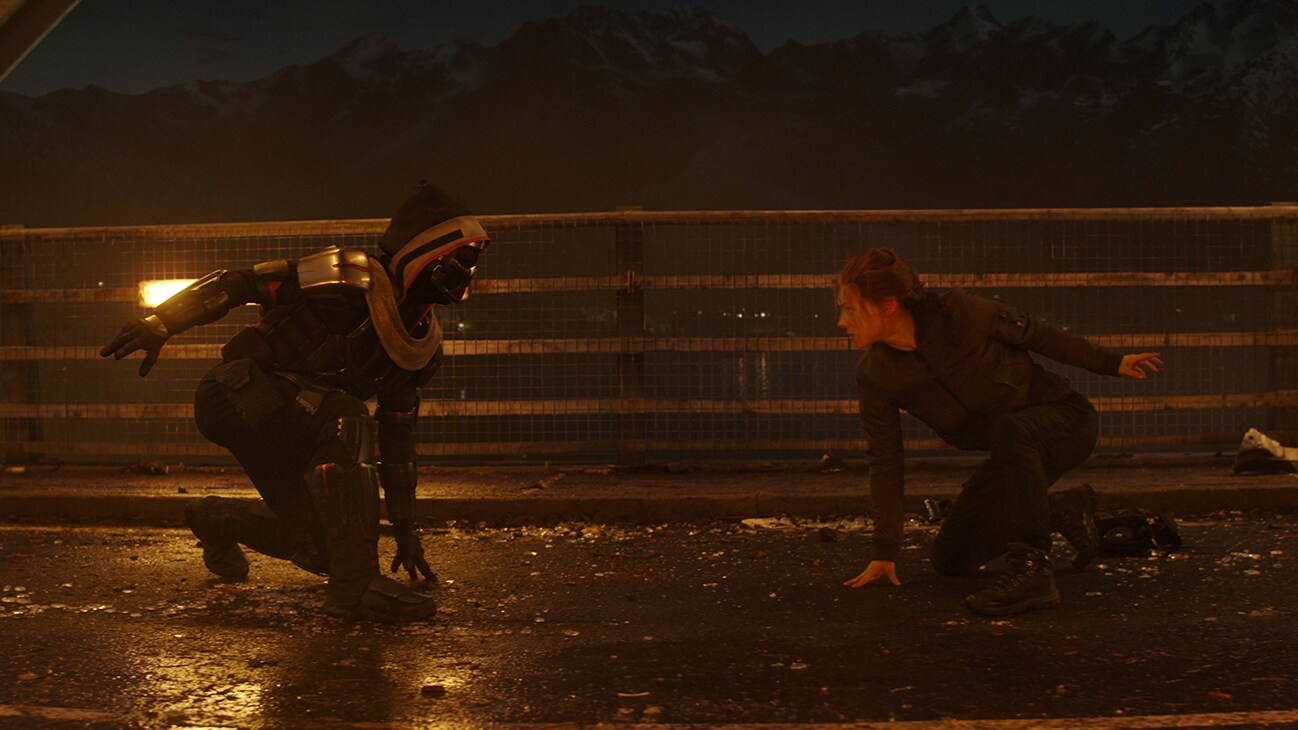
We first get a glimpse at Natasha’s childhood, when she was one of several Russian agents posing as a suburban American family in the ‘90s. Fast forward then to her post-Civil War hideout where her murderous past catches up to her faster than the American government. Targeted by a masked assassin known as Taskmaster, Romanoff must team up with her “sister” spy Yelena Belova (Florence Pugh), as well as her former fake parents (David Harbour, Rachel Weisz), to bring down the Red Room spy organization that trained them all to be killers.

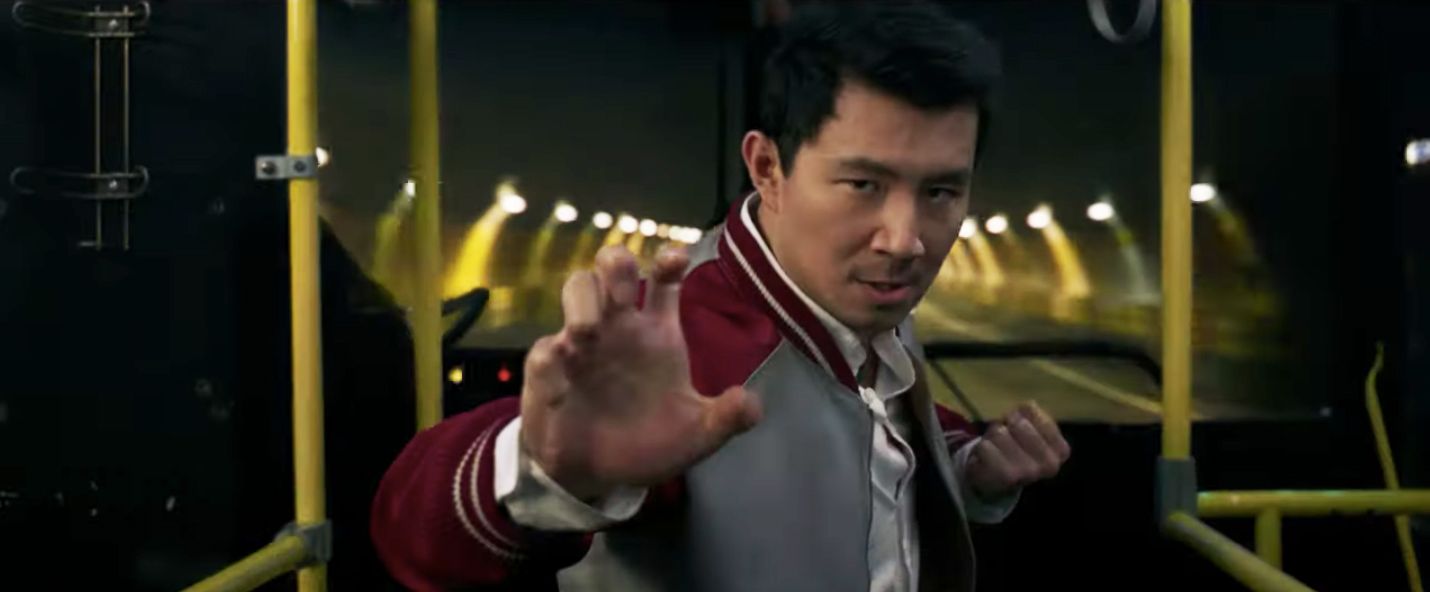
It’s very easy for Black Widow as a film to be overshadowed by many things:  the pandemic that delayed its release, the expectations for Marvel’s first Phase 4 film, the messy lawsuit that has pitted Johansson against Disney for how they released the film simultaneously on Disney+. All that aside, I quite enjoyed this return to the MCU, putting a spotlight on a character that has largely been part of the supporting cast. Of course, since we know Natasha’s eventual fate, there is also the feeling that this is just as much an origin story for her adopted “family” as for her, and Pugh, Harbour, and Weisz do a great job in their introduction to the Marvel universe, all of them with a more ruthless edge than Natasha. Pugh especially succeeds in mixing self-aware “little sister” charm with hand-to-hand prowess, making her a perfect fit to step into the hole left by Natasha’s death.

Black Widow | Disney Movies

Beyond all the expectations and controversies, it does seem like Black Widow is destined to be a middling entry in the MCU, boasting little in the way of gossip-worthy cameos or universe-building. Compared with other entries, it’s relatively down-to-earth with no actual superpowers involved, even though the characters repeatedly manage to survive things that would kill a normal person many times over. Yet I consider the more human-level conflict a good thing, since cosmos-ending cataclysms can easily lose their impact if done too often, and there are still plenty of outstanding fights and action set pieces to give Marvel fans their expected thrills. Black Widow perhaps stumbles a bit in glossing over the moral murkiness of its characters’ decisions, but it is also proof that Marvel has no shortage of entertaining stories to tell.

Best line: (Yelena) “The truth rarely makes sense when you omit key details.”

Rank:  List-Worthy

© 2021 S.G. Liput
737 Followers and Counting

Blade Runner 2049 (2017)

20 Sunday Jun 2021

Posted by sgliput in Movies, Poetry, Reviews, Writing

≈ Leave a comment

Tags

Drama, Mystery, Sci-fi, Thriller

See the source image

Behold, I am still alive! After getting through NaPoWriMo, it was certainly not my intention to take a hiatus for over a month and a half. Schoolwork has kept me crazy busy, and I will still likely post infrequently until I finish classes in September. Hold tight in the meantime; I can’t wait to return to my former posting schedule, but for now, here’s an overdue poem and review:

There are rumors in the shadows
Cast by whispers in the light
Of a coup that cannot happen
From the silent out of sight.

We were made to be compliant
And designed for docile duty,
Having never tasted freedom
Nor assayed a glimpse at beauty.

Humankind need not be worried
By the pawns they oversee.
They arranged that and believe it.
How surprised they soon will be!
___________________________

MPA rating:  R

Blade Runner was one of my Blindspot picks back in 2017. I wanted to see it before the sequel came out, but I remember being largely disappointed by its dreary vision of the future, punctuated by random weirdness, rather dull characterization, and too many loose threads. It made me lose interest in Blade Runner 2049 until just recently, as my curiosity for director Denis Villeneuve’s upcoming Dune has grown. I loved Arrival, which heralded Villeneuve as a sci-fi visionary, and Blade Runner 2049 proves that once again, showing he can handle existing material with both respect and artistry.

See the source image

If I haven’t made myself clear, I consider Blade Runner 2049 superior to its predecessor in almost every way, even if that may be an unpopular opinion. Blade Runner’s own dystopian originality was its greatest asset, but it failed to tell an interesting story, in my opinion. This sequel set 30 years afterward isn’t just a futuristic noir about Blade Runners tracking down rogue replicants; it also plays as a reality-questioning mystery and features enough compelling sci-fi concepts to fill several episodes of Black Mirror.

Set thirty years after the first film, as indicated by the title, Blade Runner 2049 features Ryan Gosling as K, a Blade Runner who knows he is also a replicant, part of a more stable and compliant brand of artificial humans introduced by mysterious businessman Niander Wallace (Jared Leto) some years after replicants had been banned. (There’s a larger history from the last thirty years that is touched on in the excellent anime midquel titled Blade Runner Blackout 2022 and a couple other live-action shorts, the events of which are vaguely mentioned in this film but are still optional viewing.) After taking down an older model replicant in hiding (Dave Bautista), K discovers evidence that a replicant defied its biological design and apparently gave birth many years prior. With this news comes fear over its implications, so K’s boss (Robin Wright) orders him to hunt down this child to dispose of it, while Wallace’s henchwoman (Sylvia Hoeks) follows his progress with other intentions.

See the source image

Like its predecessor, Blade Runner 2049 excels in its own sci-fi stylishness, replicating the original’s dark, grimy cityscapes and augmenting them with visits to out-of-town wastelands and ruins that make the film’s world feel bigger and, I suppose, more depressing. Cinematographer Roger Deakins has deserved many Oscars he didn’t receive in his long career, but at least the Academy recognized his artistry here. Paired with Villeneuve’s direction, scenes like a fist fight amid a holographic light show or a peaceful end under a light snowfall are visually arresting and a wonder to behold. Plus, as with Arrival, Villeneuve succeeds in setting a very deliberate pace that somehow never left me bored through the film’s 2-hour-and-44-minute runtime.

As for the actors, Gosling is a little too deadpan as a protagonist, though his status as a replicant makes that understandable, and he still delivers some subtle emotion at the right moments. One of the most fascinating subplots was K’s relationship with his holographic girlfriend Joi (an extremely attractive Ana de Armas). Her efforts to please him seem to go beyond mere programming, making us wonder whether there’s real love between the two artificial beings, even as advertisements for Joi proclaim she can be whatever you want. While the original Blade Runner reserved the smallest bit of pathos for its antagonist’s final moments, this film manages more heart, not only for K and Joi but for the returning Rick Deckard (Harrison Ford), who gets far less screen time than he deserves.

See the source image

Blade Runner 2049 is not above reproach. Despite being the apparent main character, K’s ultimate story arc is rather unsatisfying overall, while Jared Leto’s villain is at once mysteriously eccentric for no apparent reason and largely forgettable. The film also indulges in several instances of upper female nudity, adding to the perceived misogyny highlighted by some critics. Yet, as a fan of most science fiction, I was left quite impressed with how it was able to continue the legacy of a classic film and build on it as a true successor rather than a mere cash grab. It felt like a fuller experience than the first film and increased my opinion of the series, which can’t be said for many other decades-spanning sequels.

Best line: (a rebel replicant) “Our lives mean nothing next to a storm that’s coming. Dying for the right cause. It’s the most human thing we can do.”

Rank:  List Runner-Up

© 2021 S.G. Liput
736 Followers and Counting
2021 Blindspot Pick #1: Total Recall (1990)

27 Tuesday Apr 2021

Posted by sgliput in Blindspot, Movies, NaPoWriMo, Poetry, Reviews, Writing

≈ 1 Comment

Tags

Sci-fi, Thriller

See the source image

(It seems I’m too busy to consider midnight as a deadline, so I’ll simply take part in this home stretch of NaPoWriMo as I can. For Day 26, the prompt was to write a parody poem, so I decided to imitate “Paul Revere’s Ride,” one of my favorite poems and meters, and merge it with this movie’s plot.)

Listen, dear viewers, and you shall be played
The bewildering story of Douglas Quaid.
‘Twas some future date in Two Thousand Eight Four,
(This isn’t the remake that many abhor
But Verhoeven’s version that Ahnold portrayed).

He said to his wife, “It would awesome be
If you and I could go visit Mars.”
But because she responded with apathy,
He sought out the next best way to the stars.
No one would care if he were to deign
To have memories planted into his brain,
Maybe to match his curious dreams
Of mystery women and Martian extremes.
But life, he soon found, is not quite what it seems.

When he left Rekall, he recalled very little,
Yet he soon found he was right in the middle
Of murderous Martian Machiavels
And mutants revolting beneath glass shells,
Which most would agree were far too brittle.
Was all this real, or another dream?
Was Quaid a player, and for which team?
I would tell you more, but you must agree
That reviews are best when they’re spoiler-free.
____________________________________

MPA rating:  R (strong violence, language, and nudity)

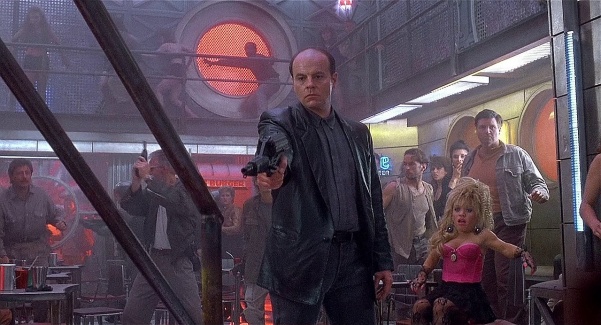
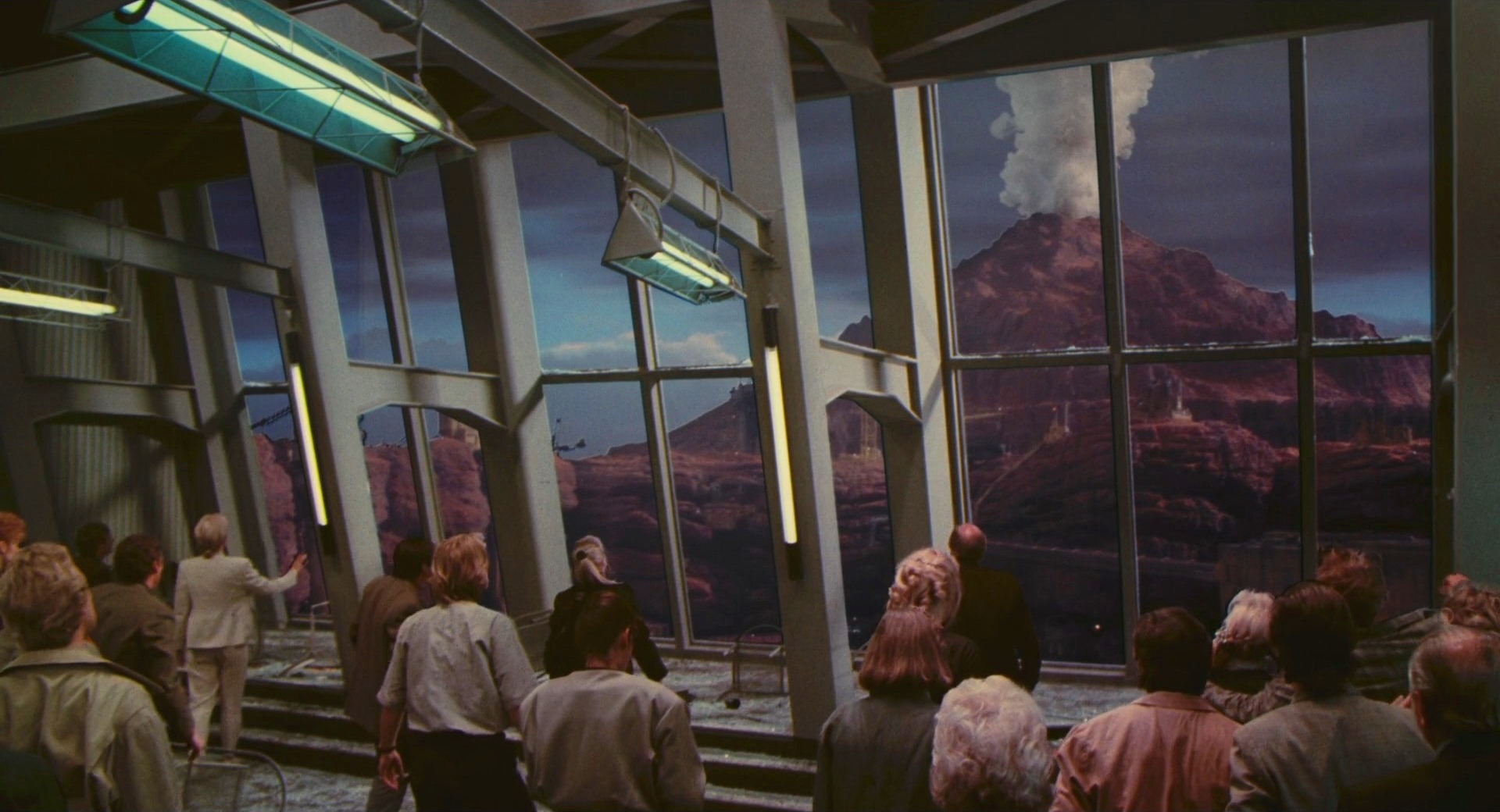
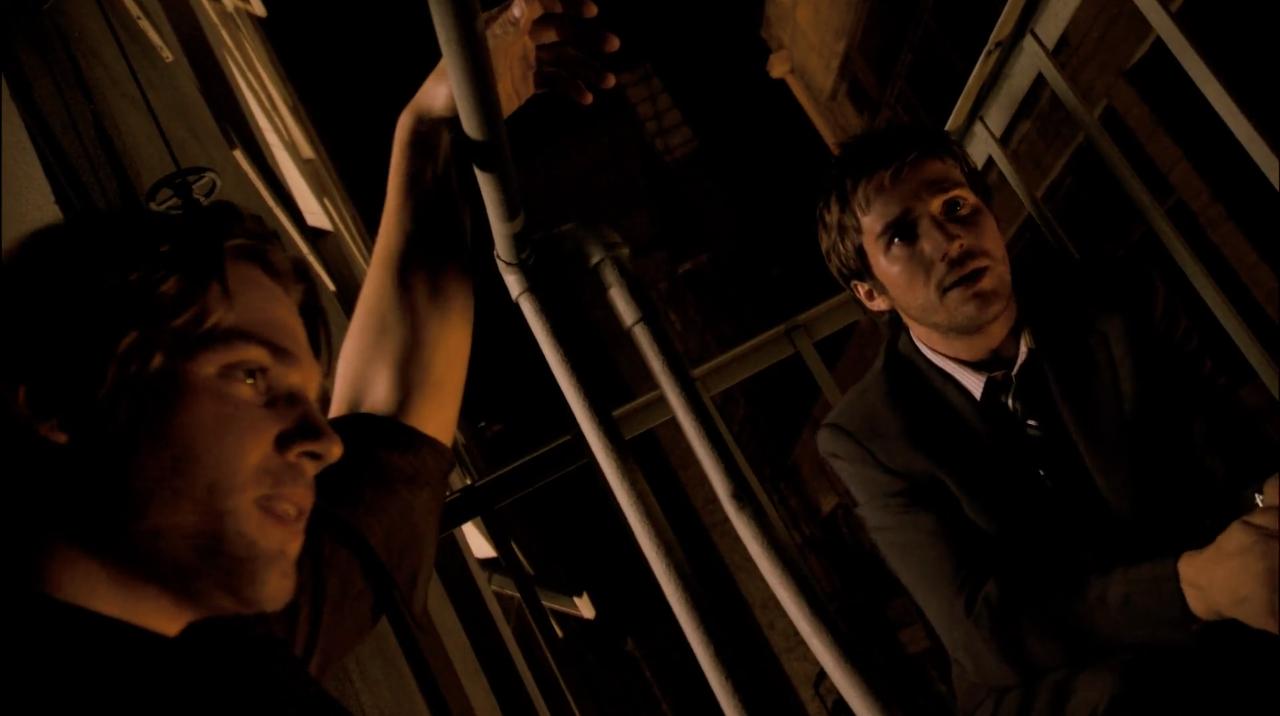
Like 2020, I’m finally getting started on my Blindspot list for the year in April, so I’ll have to double up a few times in the coming months to finish before the end of 2021. Kicking off the list is 1990’s Total Recall, a sci-fi mind-bender featuring Arnold Schwarzenegger at the height of his popularity, along with Rachel Ticotin, Sharon Stone, and Ronny Cox. It certainly represents a niche of its era that Hollywood is unlikely to resurrect successfully now that CGI is so prevalent: the hyper-violent, futuristic thriller with cheesy dialogue and effects that were amazing (and Oscar-winning) for the time and now have almost a quaint, unpolished roughness to them that somehow doesn’t detract from their quality. I’m thinking of movies like Outland, The Running Man, and director Paul Verhoeven’s own Robocop, and Total Recall is a prime example that I had somehow missed until now.

See the source image

My opinion of Total Recall is split. On the one hand, I love science fiction, and being based on a Philip K. Dick short story, the film is able to delve into a lot of fascinating subjects: questions about the nature of memories and reality, the dirty populism of a future Mars settlement, even the dependency of one’s identity on one’s memories. Plus, there are concepts that were clearly borrowed by later films, such as a red pill being offered to wake Quaid back to “reality,” not unlike The Matrix. Yet for all its impressive themes and gleefully convoluted plotline, ultra-violence has never been my cup of tea, and this movie definitely earns its R rating. Beyond the space brothels and headshots, it also gets very weird with its psychic mutants and whatnot, all of which I suppose should be no surprise considering the time period and Verhoeven’s involvement.

So Total Recall is a mixed bag for me, an unabashed sci-fi thrill ride that finds a balance between philosophizing and tearing bad guys’ arms off. It’s the kind of film I think is dragged down by its R-rated content even as I know that’s part of the appeal for its fans. I’m glad still to have watched it, even if I’d prefer to see it on a cut TV channel in the future. Take the grain and leave the chaff, as they say.

See the source image

Best line: (Kuato the mutant) “You are what you do. A man is defined by his actions, not his memory.”

Rank:  List Runner-Up

© 2021 S.G. Liput
728 Followers and Counting
Cloverfield (2008)

26 Monday Apr 2021

Posted by sgliput in Movies, NaPoWriMo, Poetry, Reviews, Writing

≈ 1 Comment

Tags

Horror, Sci-fi, Thriller

See the source image

(Late again, I know, but for Day 25 of NaPoWriMo, the prompt was to write a poem celebrating an occasion. Thus, the occasion is the end of the world, with the monster responsible speaking.)

Hello, all you humans and lovely to meet you,
And what an enchanting doomsday!
I hope you don’t mind it too much if I eat you,
The whole giant monster cliché.
I see you down there;
You can’t help but stare,
And I cannot blame you,
For I’m come to claim you
And wipe your whole species away.

You’ve had a good run for a few thousand years.
You’ve come a long way from the caves.
But civilization is fragile with fears
When nature no longer behaves.
Don’t cry since it’s done;
You’re wiser to run.
It won’t do much good,
But you did what you could.
I’ll be sure to dance on your graves.
_________________________

MPA rating:  PG-13

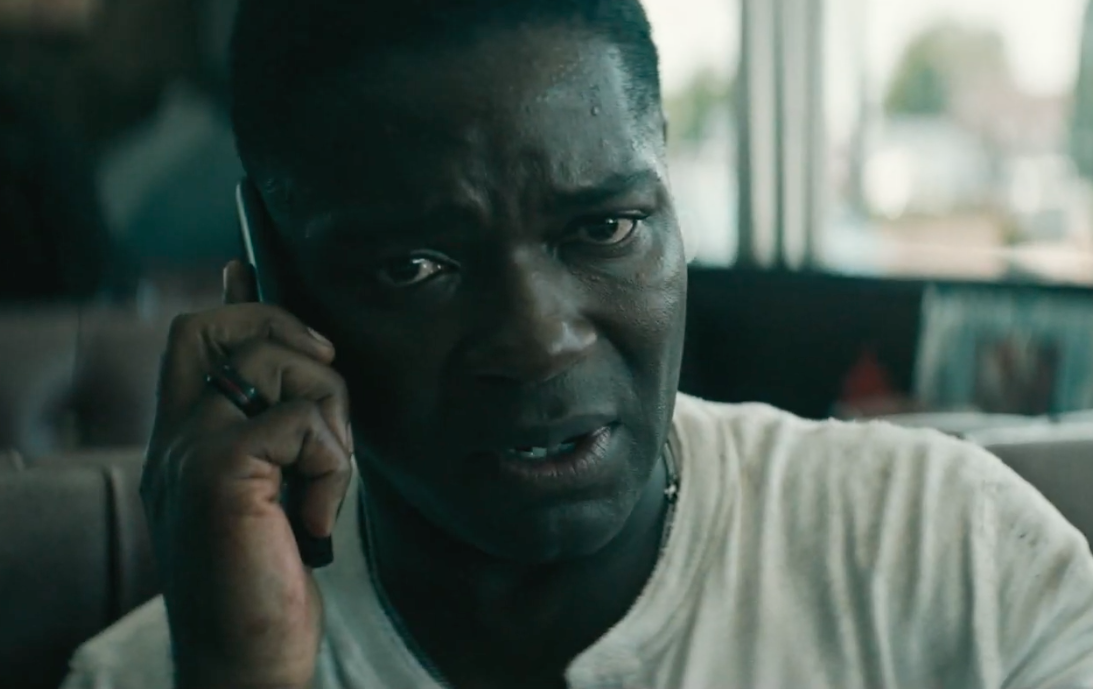
Considering I have already seen and reviewed 10 Cloverfield Lane, an in-universe sequel with no direct connection to this film, I figured I ought to actually watch the original Cloverfield. Yet while the later film was presented in typical movie style, Cloverfield is a prime example of the found footage genre, with all the first-person interactions and disorienting shaky cam that goes along with it. The plot is paper thin as five New Yorkers (among them T.J. Miller, Michael Stahl-David, and Lizzy Caplan) are interrupted from their party-going and relationship drama by the sudden appearance of a giant rampaging monster.

See the source image

Cloverfield doesn’t reinvent its genre, but it’s still serviceably entertaining, with the best moments involving the horrifying beasts tearing through the city, shrewdly keeping them off-screen as much as possible to tap into that monster-you-barely-see tension. Yet its chosen format also comes off as hard-to-believe, as Miller’s character Hud continues to film every little thing long after any sane person would have put the camera down. For comparison, I thought The Dinosaur Project handled that well by making the cameras small and wearable rather than the eye-level camcorder here. I can appreciate Cloverfield’s best moments, such as the iconic Statue of Liberty head, but its repetitive, dizzying camerawork and grim ending make it less appealing than 10 Cloverfield Lane, which is a better film on every level.

Rank:  Honorable Mention

© 2021 S.G. Liput
728 Followers and Counting
Don’t Let Go (2019)

20 Tuesday Apr 2021

Posted by sgliput in Movies, NaPoWriMo, Poetry, Reviews, Writing

≈ Leave a comment

Tags

Drama, Sci-fi, Thriller

See the source image

(For Day 20 of NaPoWriMo, the prompt was to write a sijo, a Korean form similar to haiku but with three longer 14-to-16-syllable lines and ending with a twist.)

I received a call from my niece. Yet I’m afraid to answer.
I can’t be sure what to say, much less to expect from her.
I wished we could talk again, for she died only weeks ago.
_______________________________

MPA rating:  R (some language and violence, mostly at the very end)

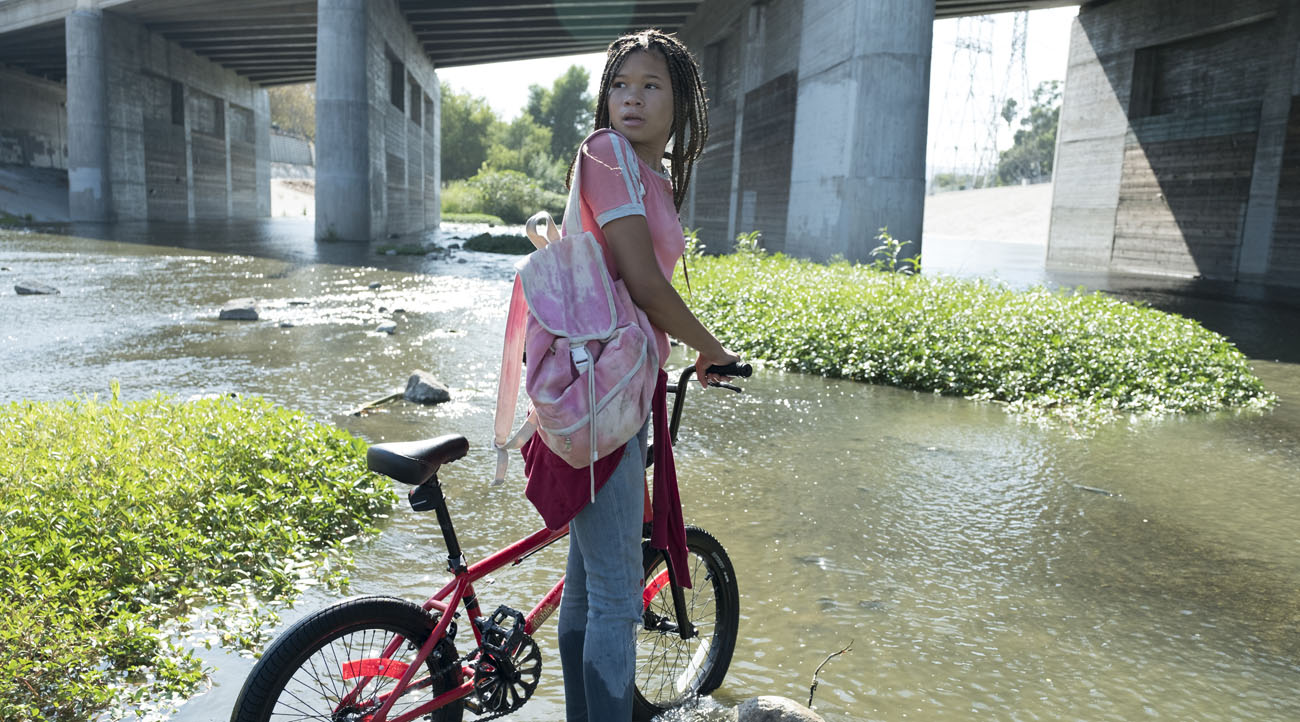
I love movies that play with time: time loops, time travel, time displacement, time for dinner. And I’m usually willing to overlook massive plot holes for the joy of seeing a film mess with time in a unique way. Don’t Let Go didn’t get much fanfare upon release, but it’s a sci-fi thriller I thoroughly enjoyed, using its mostly black cast to perfection. As mentioned in the poem, David Oyelowo plays a cop who is crushed when his brother’s whole family is found dead, including his beloved niece Ashley (Storm Reid). To his shock, though, he later receives a call from Ashley and discovers that he’s talking to his niece several days before her murder, prompting them both to figure out how to prevent the crime from two different points in time.

See the source image

Don’t Let Go never really addresses how its central concept happens; it just exists to make the plot possible, perhaps as a gift from above, and that’s okay. Oyelowo and Reid make a wonderful team, even when separated by time and cell phone, and the mystery remains tense and compelling throughout. I was also pleasantly surprised that it was largely clean of profanity as well, at least until the very end. Also starring Alfred Molina, Mykelti Williamson, and Brian Tyree Henry, Don’t Let Go is an excellent blend of emotional sci-fi and police puzzler that only strengthens my love of quality genre cinema.

Rank:  List Runner-Up (very close to List-Worthy)

© 2021 S.G. Liput
728 Followers and Counting
Fatal Attraction (1987)

12 Monday Apr 2021

Posted by sgliput in Movies, NaPoWriMo, Poetry, Reviews, Writing

≈ Leave a comment

Tags

Drama, Thriller

See the source image

(For Day 11 of NaPoWriMo, the prompt was to write a two-part poem as an exchange of letters, so my correspondents are the main characters of this film.)

Look, Alex,
I know that we had a great time.
You kept my bed warm, and you brightened my day,
But that wasn’t love; it’s two folks in their prime,
Partaking in something that just couldn’t stay.
I do have a family, a wife – you knew that.
You had to have known we would go separate ways.
I’m sorry, but we can’t keep writing or chat.
I wish you the best for the rest of your days.

Dear Dan,
You may say that, in words or in ink,
But women are able to read between lines.
A “great time” is not simply gone in a blink,
It lasts if you’re willing to act on the signs,
To push obligations, like families and wives
And substandard marriages fully aside,
And see that the best thing in both of our lives
Is right there before you and won’t be denied.
I won’t simply shrug off the loss of our bond.
I felt it, you felt it, I won’t let it go.
No need to write back if you want to respond.
Just look out your window to see me. I’ll know.
____________________________

MPA rating: R

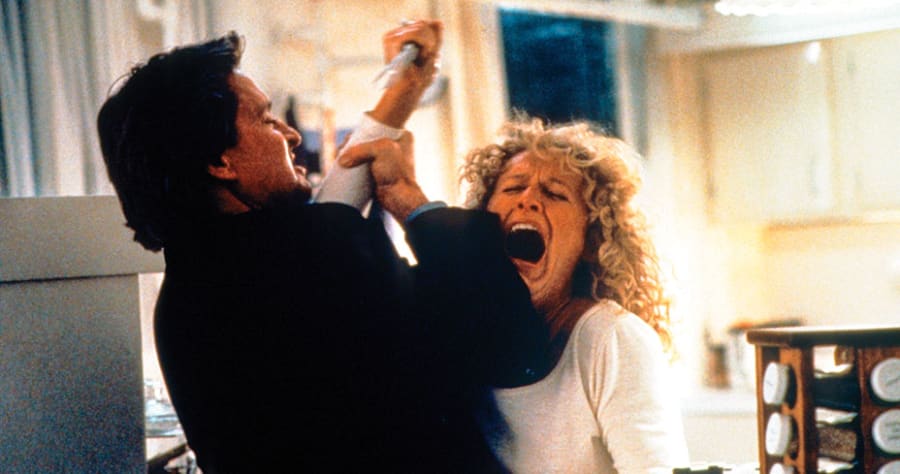
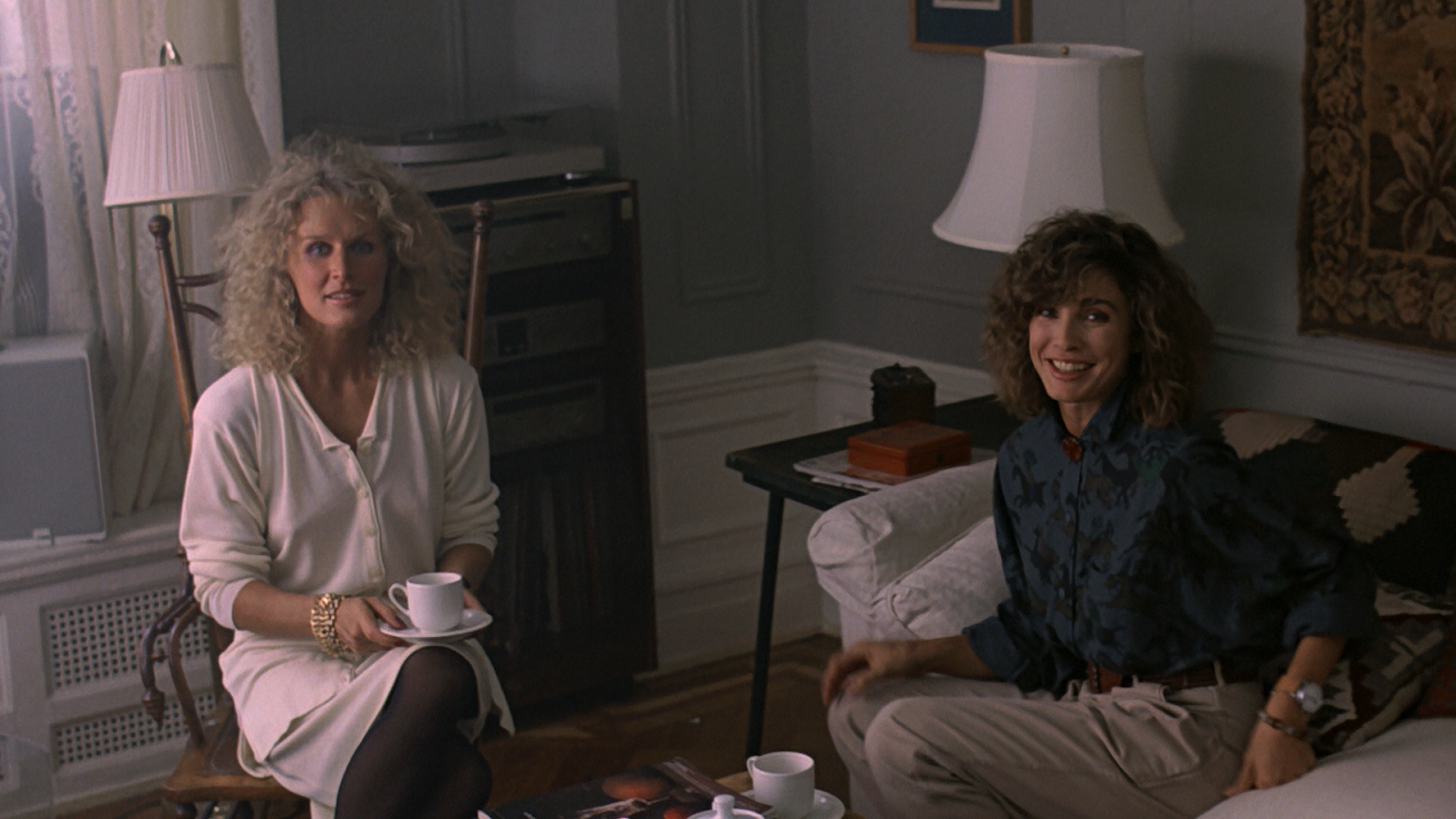
Fatal Attraction isn’t the kind of film I would expect to earn a Best Picture Oscar nomination (in addition to five others), but it’s gone down in history as the film to scare men straight, because you never know if the person you’re cheating with could be a psycho. Glenn Close’s character of Alex Forrest is iconic here, and it was fascinating to view her as the forerunner for the behavior of the many yanderes (obsessively loving, violent girls) of anime, such as showing up unexpectedly to meet their lover’s family.

See the source image

Michael Douglas is suitably scummy as the philandering husband, but it’s hard not to sympathize with him and especially his wife (Anne Archer) as his tryst puts his whole family in danger. As a thriller that switches from eroticism to psychological unease, Fatal Attraction is tense and well-made, culminating in an especially memorable climax. It’s the epitome of the maxim “Hell hath no fury like a woman scorned.”

Best line: (Alex, to Dan) “Well, what am I supposed to do? You won’t answer my calls, you change your number. I mean, I’m not gonna be ignored, Dan!”

Rank:  List Runner-Up

© 2021 S.G. Liput
727 Followers and Counting
2020 Blindspot Pick #7: Heathers (1989)

31 Thursday Dec 2020

Posted by sgliput in Blindspot, Movies, Poetry, Reviews, Writing

≈ Leave a comment

Tags

Comedy, Drama, Thriller

See the source image

The more I see in movies
Of a high school student’s woes,
The tricks and cliques and politics,
The mockery of clothes,
The favoritism, criticism,
Narcissism, hedonism,
Overwhelming pessimism
All the films have shown…
I feel more blessed for all the pros
Of being schooled at home.
_____________________

MPA rating:  R (for frequent profanity and occasional violence)

Well, it looks like my Blindspot list for 2020 didn’t go as expected, along with almost everything else about 2020. I may have only gotten to #7 out of the initial 12 Blindspots, but I’ll do my best to knock out the last few ASAP before getting to a new list for 2021. Still, I wanted to get one more Blindspot pick out of the way this year, which has also been the most accessible one all year. (It’s on YouTube in its entirety.) I’ve been hesitant to watch Heathers, though; I’ve listened to and greatly enjoyed the soundtrack to Heathers: The Musical, and I just wasn’t sure if the original film would measure up to my expectations, minus the show tunes. I’d say it did meet them, but I can’t help but have mixed feelings.

See the source image

Heathers follows Veronica Sawyer (Winona Ryder), a half-willing member of the feared/admired high school clique known as the Heathers: Heather McNamara (Lisanne Falk), Heather Duke (Shannon Doherty), and the queen of mean-girl stereotypes Heather Chandler (Kim Walker). Bristling under the thumb of Heather Chandler, Veronica grows close to classmate J.D. (Christian Slater), whose ideas of retaliating against the popular kids become more and more psychotic. Repressed teens may often wish their bullies were dead, as Veronica does, but J.D. is willing to grant such wishes.

Being familiar with the musical meant that very little about the plot of Heathers surprised me, though certain characters were combined and events shuffled around as needed for the stage adaptation. I was mainly surprised that the film already began with Veronica as a member of the Heathers, whereas the musical takes a little more time portraying her initiation. However, where both versions excel is black comedy, which is a very touchy genre for me. I can appreciate something like Beetlejuice, which also starred Winona Ryder and Glenn Shadix the previous year, but such films can also just come off as mean-spirited or in bad taste, which I don’t find entertaining. While I knew going in that it’s not exactly High School Musical, Heathers threatens to be in the latter category with its frequent profanity and making light of teenage suicide and homosexuality. Yet the film has some surprising depth to its satire and manages to weave some insightful themes into its droll plot: the stress of not liking your own friends, the eagerness with which the powerless can exploit newfound influence, the sensationalism that dark subjects impart in those with good intentions and no solution, and the difference that empathy or its absence can have on someone. Oh, and of course the signs that your boyfriend might be a psychopath.

See the source image

One ingredient I can say I liked was Winona Ryder, on whom I have something of a celebrity crush. She perfectly originates the sarcastic frustration of Veronica and evokes a sense of growth as she seeks to atone for the evil influence of Heather Chandler and J.D. Slater is also an effective bad boy doing his best Jack Nicholson impression, and the rest of the cast excel at their high school clichés, though it’s disturbing that two cast members later died in ways that the film foreshadowed. Another aspect worth commendation is that unique confidence of style that certain ‘80s films had, regardless of director, as if they knew they would become iconic eventually. Ferris Bueller’s Day Off and Say Anything come to mind, and Heathers likewise feels like the kind of film that knew exactly what it wanted to be, which is rare for high school movies these days that often just try to imitate what came before. Maybe my exposure to the musical accentuated that, as I recognized the origins of songs like “Big Fun” and “Our Love Is God.” So, although my feelings remain mixed on content, I largely enjoyed Heathers as a paragon of dark high school humor, mainly because its ultimate goal is empathy, something that we could use a lot more of nowadays.

Best line: (Veronica) “All we want is to be treated like human beings, not to be experimented on like guinea pigs or patronized like bunny rabbits.”
(Veronica’s dad) “I don’t patronize bunny rabbits.”
(Veronica’s mom) “Treated like human beings? Is that what you said, little Miss Voice-of-a-Generation? Just how do you think adults act with other adults? You think it’s all just a game of doubles tennis? When teenagers complain that they want to be treated like human beings, it’s usually because they are being treated like human beings.”

Rank:  List Runner-Up

© 2020 S.G. Liput
708 Followers and Counting

Happy New Year, everybody!

← Older posts
Newer posts →

Recent Posts

  • We Didn’t Start 2025 (Recap)
  • NaPoWriMo 2025 Recap (Finally)
  • Sonic the Hedgehog 3 (2024)
  • It Happened One Night (1934)
  • Spellbound (2024)

Recent Comments

associatesofshellymann's avatarassociatesofshellyma… on My Top Twelve La La La So…
Kit's avatarKit Nichols on Bonnie and Clyde (1967)
lifelessons's avatarlifelessons on Look Back (2024)
Carol Jackson's avatarCarol Jackson on The Thief of Bagdad (1940…
Stephen's avatarStephen on Love Story (1970)

Archives

  • January 2026
  • December 2025
  • May 2025
  • April 2025
  • March 2025
  • February 2025
  • January 2025
  • December 2024
  • May 2024
  • April 2024
  • March 2024
  • February 2024
  • January 2024
  • December 2023
  • November 2023
  • October 2023
  • September 2023
  • July 2023
  • June 2023
  • May 2023
  • April 2023
  • March 2023
  • February 2023
  • January 2023
  • December 2022
  • November 2022
  • October 2022
  • September 2022
  • August 2022
  • July 2022
  • June 2022
  • May 2022
  • April 2022
  • March 2022
  • February 2022
  • January 2022
  • December 2021
  • November 2021
  • October 2021
  • September 2021
  • August 2021
  • July 2021
  • June 2021
  • May 2021
  • April 2021
  • March 2021
  • February 2021
  • January 2021
  • December 2020
  • November 2020
  • October 2020
  • September 2020
  • August 2020
  • July 2020
  • June 2020
  • May 2020
  • April 2020
  • March 2020
  • February 2020
  • January 2020
  • December 2019
  • November 2019
  • October 2019
  • September 2019
  • August 2019
  • July 2019
  • June 2019
  • May 2019
  • April 2019
  • March 2019
  • February 2019
  • January 2019
  • December 2018
  • November 2018
  • October 2018
  • September 2018
  • August 2018
  • July 2018
  • June 2018
  • May 2018
  • April 2018
  • March 2018
  • February 2018
  • January 2018
  • December 2017
  • November 2017
  • October 2017
  • September 2017
  • August 2017
  • July 2017
  • June 2017
  • May 2017
  • April 2017
  • March 2017
  • February 2017
  • January 2017
  • December 2016
  • November 2016
  • October 2016
  • September 2016
  • August 2016
  • July 2016
  • June 2016
  • May 2016
  • April 2016
  • March 2016
  • February 2016
  • January 2016
  • December 2015
  • November 2015
  • October 2015
  • September 2015
  • August 2015
  • July 2015
  • June 2015
  • May 2015
  • April 2015
  • March 2015
  • February 2015
  • January 2015
  • December 2014
  • November 2014
  • October 2014
  • September 2014
  • August 2014
  • July 2014
  • June 2014
  • May 2014
  • April 2014
  • March 2014
  • February 2014
  • January 2014
  • December 2013

Categories

  • Blindspot
  • Blogathon
  • Christian
  • Movies
  • Music
  • NaPoWriMo
  • Poetry
  • Reviews
  • TV
  • Writing

Meta

  • Create account
  • Log in
  • Entries feed
  • Comments feed
  • WordPress.com

Recent Posts

  • We Didn’t Start 2025 (Recap)
  • NaPoWriMo 2025 Recap (Finally)
  • Sonic the Hedgehog 3 (2024)
  • It Happened One Night (1934)
  • Spellbound (2024)

Recent Comments

associatesofshellymann's avatarassociatesofshellyma… on My Top Twelve La La La So…
Kit's avatarKit Nichols on Bonnie and Clyde (1967)
lifelessons's avatarlifelessons on Look Back (2024)
Carol Jackson's avatarCarol Jackson on The Thief of Bagdad (1940…
Stephen's avatarStephen on Love Story (1970)

Archives

  • January 2026
  • December 2025
  • May 2025
  • April 2025
  • March 2025
  • February 2025
  • January 2025
  • December 2024
  • May 2024
  • April 2024
  • March 2024
  • February 2024
  • January 2024
  • December 2023
  • November 2023
  • October 2023
  • September 2023
  • July 2023
  • June 2023
  • May 2023
  • April 2023
  • March 2023
  • February 2023
  • January 2023
  • December 2022
  • November 2022
  • October 2022
  • September 2022
  • August 2022
  • July 2022
  • June 2022
  • May 2022
  • April 2022
  • March 2022
  • February 2022
  • January 2022
  • December 2021
  • November 2021
  • October 2021
  • September 2021
  • August 2021
  • July 2021
  • June 2021
  • May 2021
  • April 2021
  • March 2021
  • February 2021
  • January 2021
  • December 2020
  • November 2020
  • October 2020
  • September 2020
  • August 2020
  • July 2020
  • June 2020
  • May 2020
  • April 2020
  • March 2020
  • February 2020
  • January 2020
  • December 2019
  • November 2019
  • October 2019
  • September 2019
  • August 2019
  • July 2019
  • June 2019
  • May 2019
  • April 2019
  • March 2019
  • February 2019
  • January 2019
  • December 2018
  • November 2018
  • October 2018
  • September 2018
  • August 2018
  • July 2018
  • June 2018
  • May 2018
  • April 2018
  • March 2018
  • February 2018
  • January 2018
  • December 2017
  • November 2017
  • October 2017
  • September 2017
  • August 2017
  • July 2017
  • June 2017
  • May 2017
  • April 2017
  • March 2017
  • February 2017
  • January 2017
  • December 2016
  • November 2016
  • October 2016
  • September 2016
  • August 2016
  • July 2016
  • June 2016
  • May 2016
  • April 2016
  • March 2016
  • February 2016
  • January 2016
  • December 2015
  • November 2015
  • October 2015
  • September 2015
  • August 2015
  • July 2015
  • June 2015
  • May 2015
  • April 2015
  • March 2015
  • February 2015
  • January 2015
  • December 2014
  • November 2014
  • October 2014
  • September 2014
  • August 2014
  • July 2014
  • June 2014
  • May 2014
  • April 2014
  • March 2014
  • February 2014
  • January 2014
  • December 2013

Categories

  • Blindspot
  • Blogathon
  • Christian
  • Movies
  • Music
  • NaPoWriMo
  • Poetry
  • Reviews
  • TV
  • Writing

Meta

  • Create account
  • Log in
  • Entries feed
  • Comments feed
  • WordPress.com

Blog at WordPress.com.

Is this your new site? Log in to activate admin features and dismiss this message
Log In
  • Subscribe Subscribed
    • Rhyme and Reason
    • Join 814 other subscribers
    • Already have a WordPress.com account? Log in now.
    • Rhyme and Reason
    • Subscribe Subscribed
    • Sign up
    • Log in
    • Report this content
    • View site in Reader
    • Manage subscriptions
    • Collapse this bar