
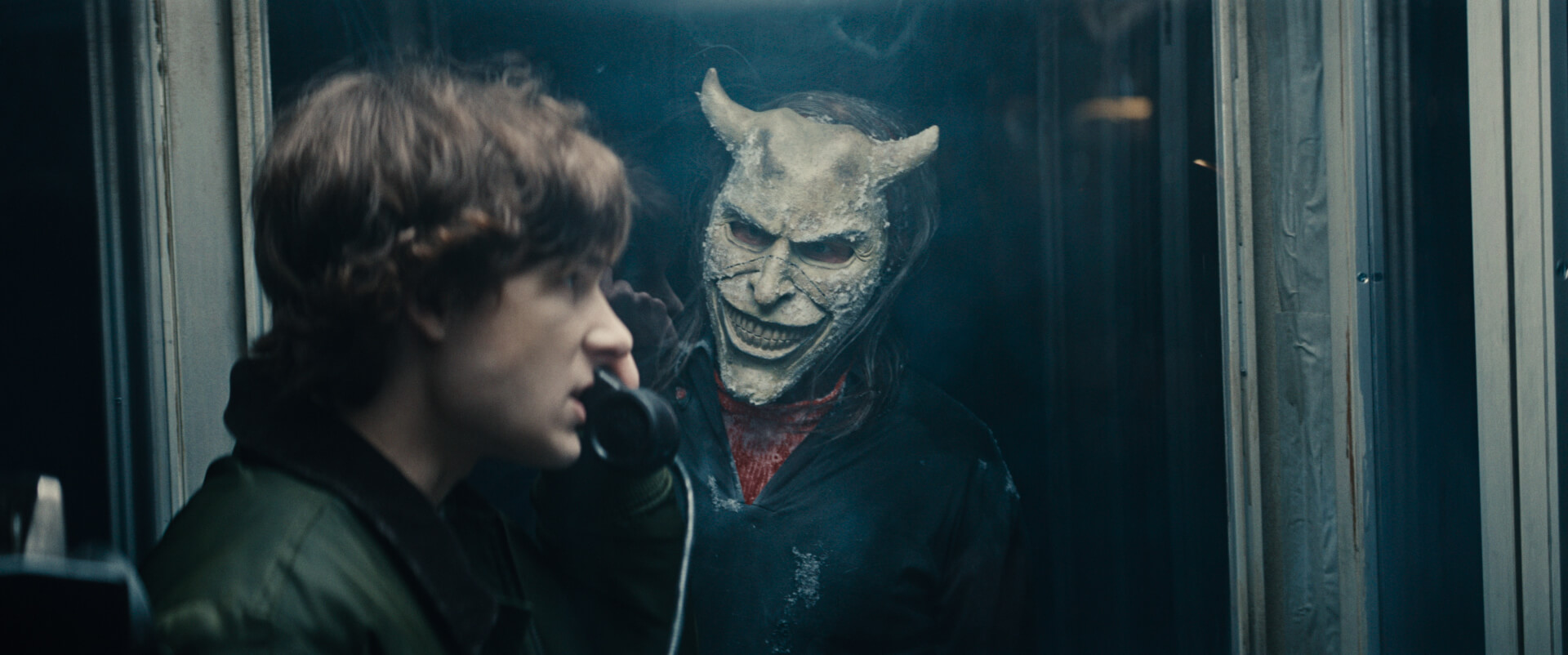
Ring once for heaven, twice for hell.
And purgatory… who can tell?
The joys get brighter, more diverse,
While every pain gets so much worse,
Depending on the path you dwell,
The choice to bless or curse.
Eyes up for heaven, hell straight down,
Like bodies floating where they drown
In hate or fear or blood to shed.
You’ll know which way you float once dead.
A person cannot fit a crown
With horns upon their head.
______________________
MPA rating: R (for frequent language and some gory violence)
Why should a horror franchise end when its main villain is dispatched in a climax of satisfying comeuppance? I can imagine that might have posed a bit of a hurdle to Scott Derrickson and company when the success of the first Black Phone inevitably made a follow-up a priority. And the result was surprisingly successful, creating a rare sequel that manages to surpass the original.
Set in 1982, four years after Finney Blake (Mason Thames) managed to execute the serial killer who had captured him, the story shifts to focus more on his psychic sister Gwen (Madeleine McGraw), who continues to have haunting dreams of murdered children. With her visions pointing to the remote Alpine Lake Camp where her mother once worked, Gwen convinces Finn and her beau Ernesto (Miguel Mora, who previously played Ernesto’s brother Robin, Finn’s friend who was killed in the first film) to become counselors at the Christian camp. They are quickly snowed in with a few employees and increasingly haunted by the vengeful soul of the Grabber (Ethan Hawke).
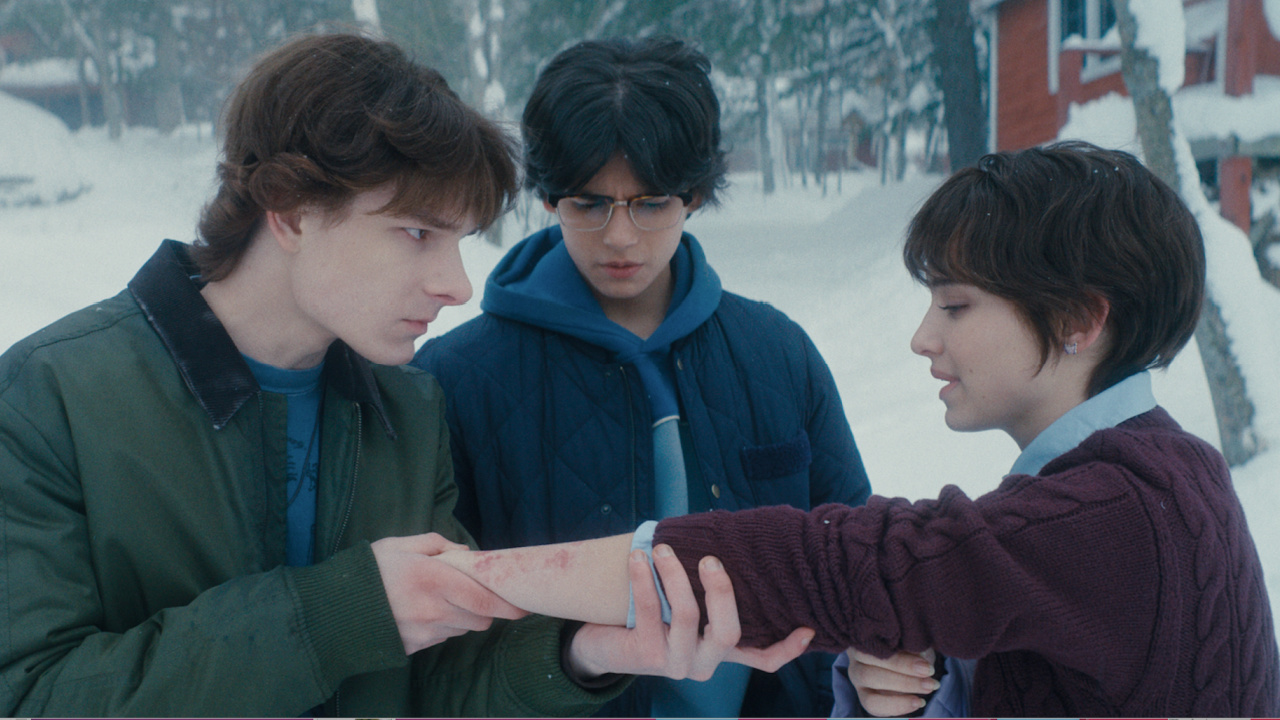
For starters, seeing this so soon after the first film really drove home how quickly tweens grow up. Thames, McGraw, and Mora all look like different people after only a few years, but luckily their acting skills have grown with them. The performances of fear, grief, and trauma are a clear highlight here, particularly McGraw, who gets far more to do than just pray and look around worriedly like the first movie. Her psychic dreams become the impetus for the search for past Grabber victims, as well as a method of attack for the now supernatural killer.
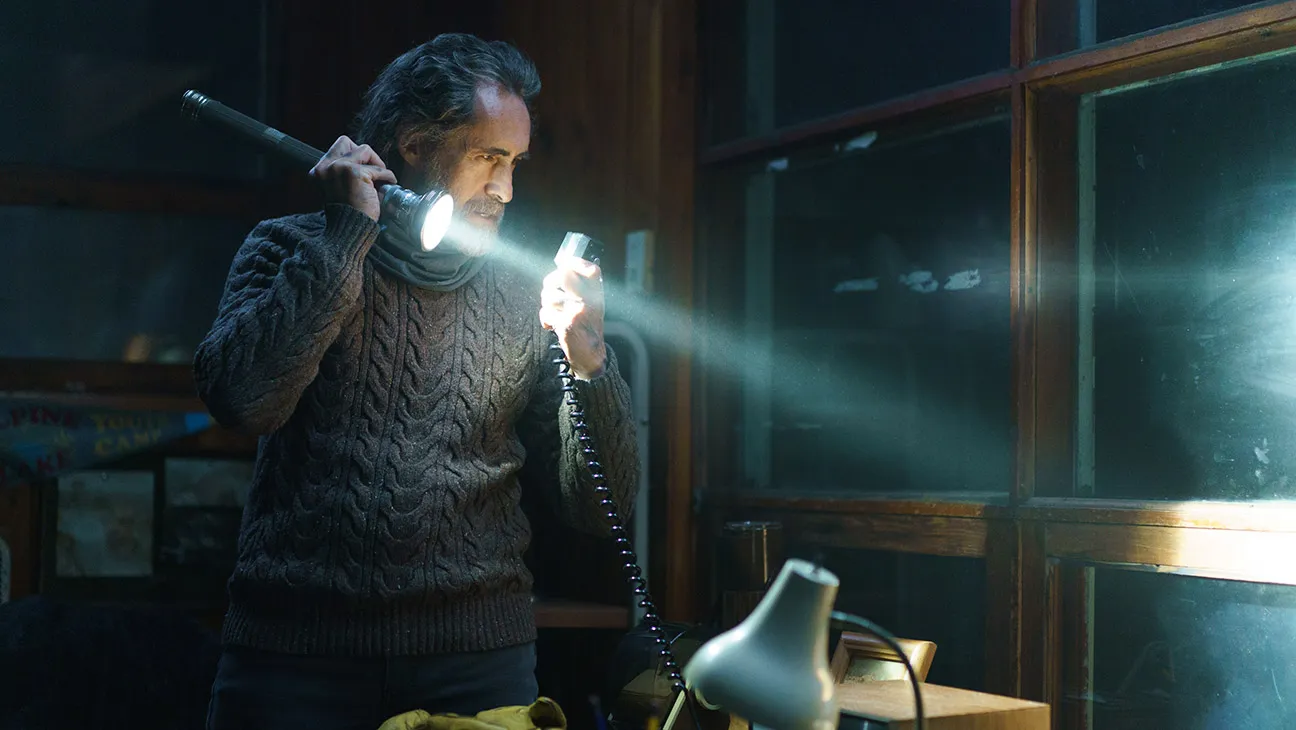
While the first Black Phone did feature Gwen’s desperate prayers, the sequel is surprisingly even more religious. Demián Bechir plays the earnest owner of the faith camp, and while a couple snooty employees exemplify the negative Christian stereotype, he and his niece (Arianna Rivas) call them out and provide a positive contrast. Likewise, there’s talk of heaven and hell and prayer throughout, leading to a quite moving final scene of catharsis. But of course, it’s also full of scares, from a dead payphone taking the place of the “black phone” from the Grabber’s basement to a series of horrific flashbacks, one of which goes a bit far on the gore, putting this movie on a different tier of violence than the first. Hawke remains as menacing a villain as ever and even more dangerous, now invisible and unfettered by flesh and blood.
Building well on the trauma of its predecessor, The Black Phone 2 is proof of how well child actors can grow into their roles, putting genuine emotion alongside the ghostly terror. It also furthers the fact that you should never trust someone nicknamed “Wild Bill.” Whether a third film ever continues the series, this is one sequel that goes above and beyond a mere cash grab.
Best line: (Finn) “You’re dead.” (the Grabber) “Oh, Finney. You of all people know that ‘dead’ is just a word.”
Rank: List Runner-Up
© 2026 S.G. Liput
799 Followers and Counting

