
Tags
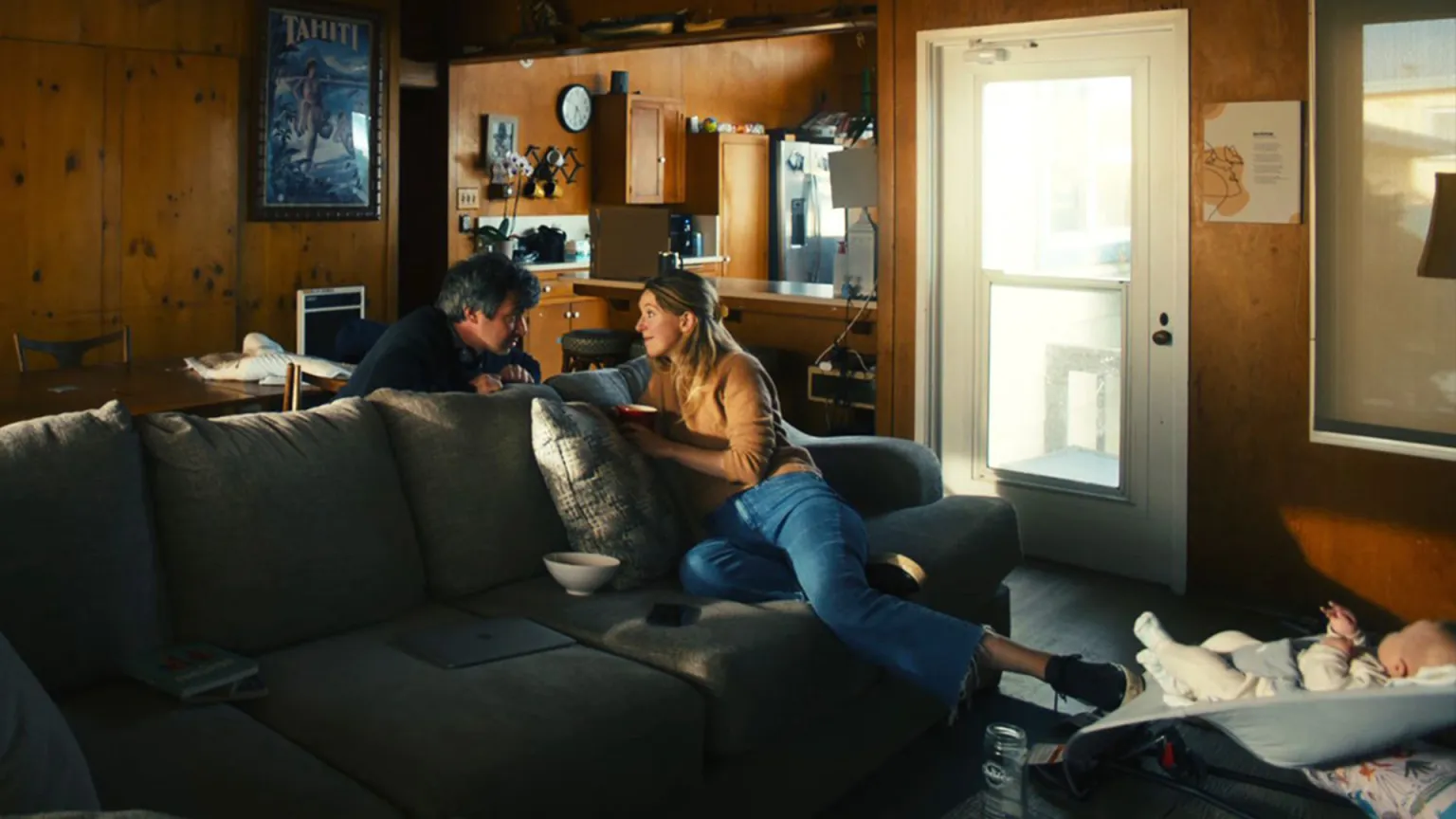
If you want to see everything,
Don’t hold your breath.
You can dig while their living
Or wait till their death,
But soon you’ll hit bedrock, impenetrable,
And nothing beyond is intelligible.
Go study their bios
And pick at their brains.
Examine their motives,
Their pleasures and pains,
But people are icebergs deliberately,
And everything’s only the little we see.
_____________________
MPA rating: R (for language and brief male nudity)
I am not a documentary fan. Even those I’ve enjoyed, like Dear Zachary, just aren’t the kinds of films I care to see more than once. I recognize their worth and artistic merit, but generally I prefer my films to be fiction. Yet what if reality is stranger than fiction? You Can See Everything is the buzz-worthy documentary asking that very question and so many others, the kind of film that is hard to believe actually exists and easily might not have but for the hubris of its patently weird subjects.
Most people have probably heard of Elizabeth Holmes, the disgraced founder of Theranos, who made false claims that their technology could run advanced tests on a single drop of blood and was subsequently sentenced to 11 years of prison for defrauding investors. There have been books and podcasts and an Emmy-winning Hulu miniseries about her, and while I had never read Bad Blood or watched The Dropout (starring Amanda Seyfried), I knew enough to consider her a notorious scammer. Bearing years of such reputational baggage, Holmes herself reached out to deadpan alt-comedian Nathan Fielder seeking to give him and a camera crew unfiltered access to her family life in the month leading up to her imprisonment in May 2023.
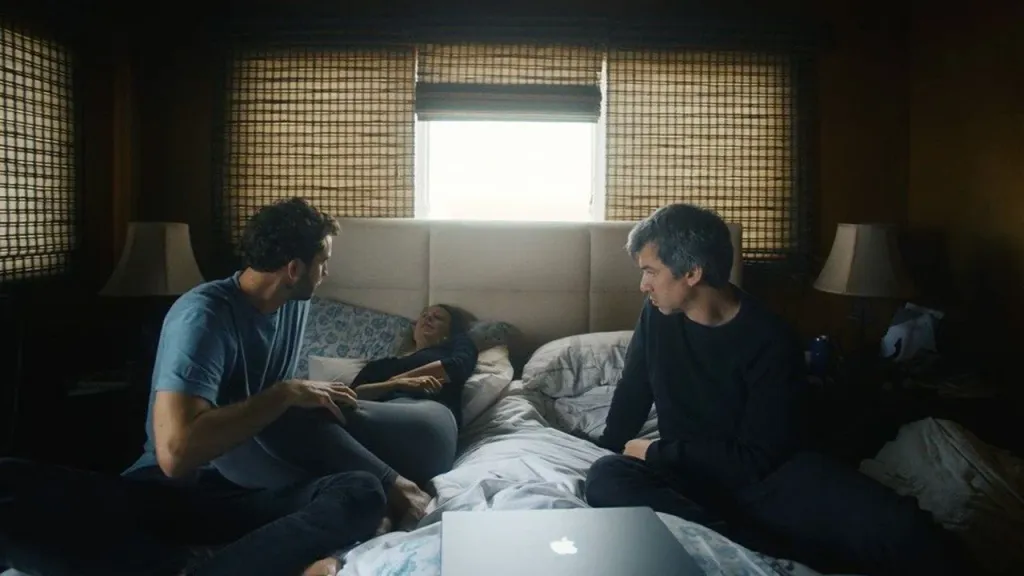
While it’s hard to imagine such a set-up could fill a nearly three-hour runtime, the length is surprisingly warranted. The film starts out letting Fielder alternate between being a fly on the wall to Holmes’ home life in a rented California beach house and asking frank, sometimes awkward questions to Holmes and her partner Billy Evans, both of whom continue to insist she did nothing wrong and simply wasn’t understood properly. Holmes is just naturally discomfiting with her wide eyes and strange mannerisms, which have been memed and parodied to no end, yet both Fielder and the audience are caught in this lack of surety about her intentions and even her guilt, though that has been publicized enough to leave little doubt.
By the time Holmes actually goes to jail about halfway through, it’s hard to imagine what else is left to fill the runtime, but that’s where the film really distinguishes itself, going down some surprising rabbit holes that expose Billy as a wildly unsympathetic character and pile on further doubt around what Holmes knows, does, and supports, as well as how deeply Fielder himself is invested. The way Fielder and co-director Lance Oppenheim present these developments is ingenious, pulling in Amanda Seyfried herself to dramatize events where Holmes couldn’t be filmed and to offer even more of an outside view of the whole affair. It’s all surprisingly thrilling trying to separate truth from assumption, especially when one development manages to get theatergoers personally invested in an outcome not revealed until the credits roll.
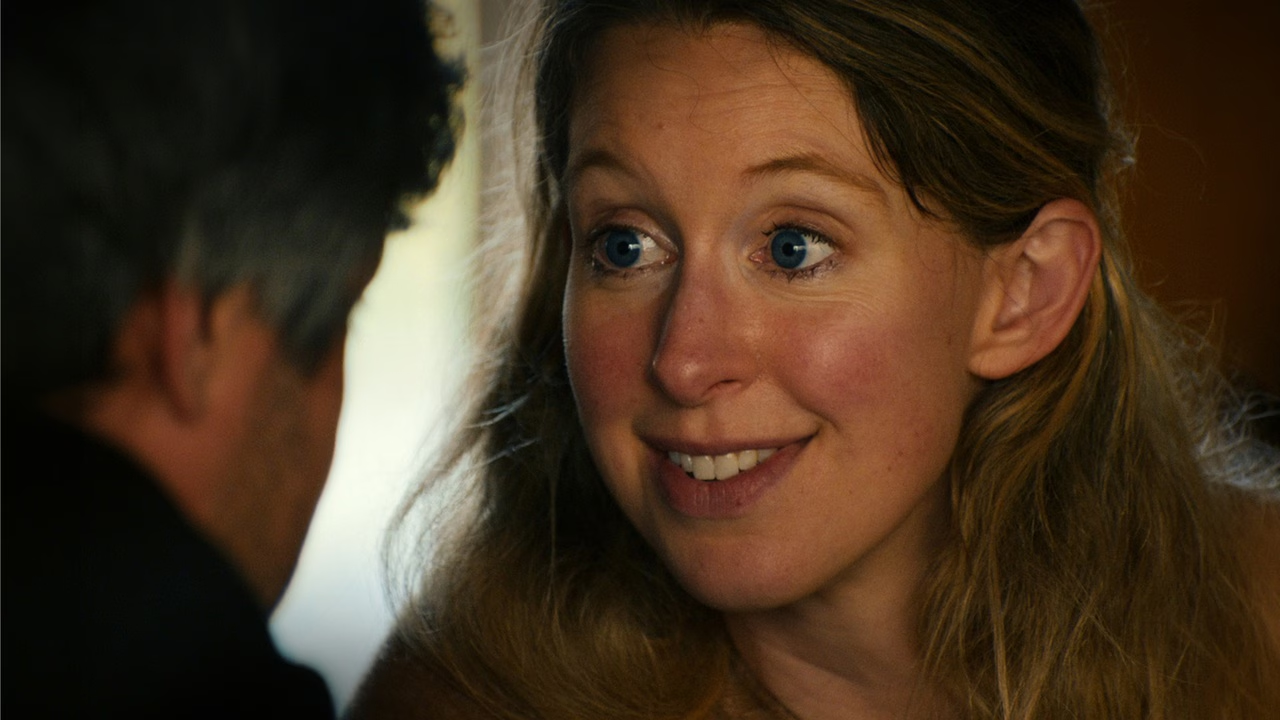
The ultimate takeaway for this exposé is unavoidably muddy, and for all the access that Holmes and Evans gave to the filmmakers, one is still left with more questions than answers about who these two walking red flags really are. The fact that they are still trying to launch a new “Theranos 2.0” start-up is mind-boggling, not unlike the strange alignment of intent that made this documentary possible. It’s no wonder that the film has become a critical, commercial, and cultural hit, the kind of unique psychodrama that rises above the usual documentary format. While it hasn’t changed my general opinion of documentaries, it’s the most compelling one I’ve seen.
Rank: List Runner-Up
© 2026 S.G. Liput
799 Followers and Counting

