Tags
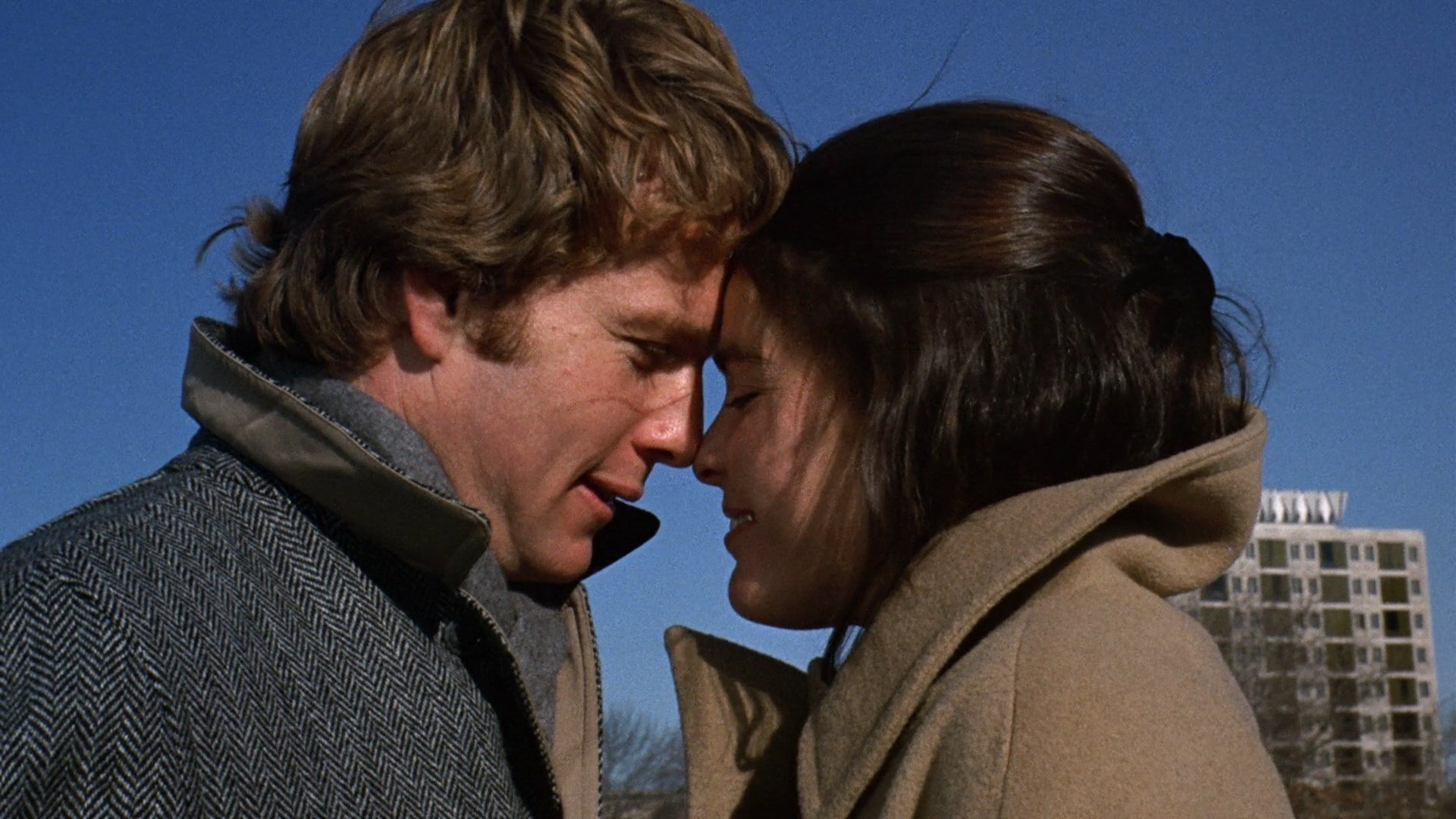
When I held your hand on the long walk home,
In the white twilight of a snowglobe’s gloam,
It warmed me through with the glow of you,
And I thrilled at the thought the world hadn’t a clue
Of the prize I held and the eyes I knew.
You tightened your grip; I tightened mine too,
Lest this moment should end.
When I held your hand as our vows were said,
I meant every word from the day we wed.
A promise once made some are prone to let fade,
But the sight of my bride is a terrible trade,
And your arm in my own as the rice was thrown
Had me feeling somehow young yet grown.
Alas that that moment should end!
When I held your hand after work that day,
Both our eyes had bags that were there to stay.
For richer or poorer, a bitch or a snorer,
A job that was either a bore or a horror,
Your grip reassured that the day was endured
For someone worth holding with barely a word,
Lest even this moment should end.
When I held your hand in the hospital bed,
I fondled your fingers from pallor to red.
You squeezed as a bluff to insist you were tough,
As I thought I had not held your hand near enough.
Why had I always let go first before?
You loosened your grip, but I tightened mine more,
Lest all of our moments should end.
________________________
MPA rating: PG (more like a PG-13)
There are romances, and then there are romantic tragedies, and Love Story has a strong claim as the epitome of the latter. Written by Erich Segal, who also penned a bestselling novel based on his screenplay ten months before the film’s release (the book was published on Valentine’s Day no less), Love Story is a film I only knew from reputation. I still chuckle at the reference to its most famous line in What’s Up, Doc? when Ryan O’Neal’s character replies to “Love means never having to say you’re sorry” with “That’s the dumbest thing I ever heard.” Yet, regardless of the quality of its quotable relationship advice, I was pleasantly surprised at how engrossing this iconic melodrama is.
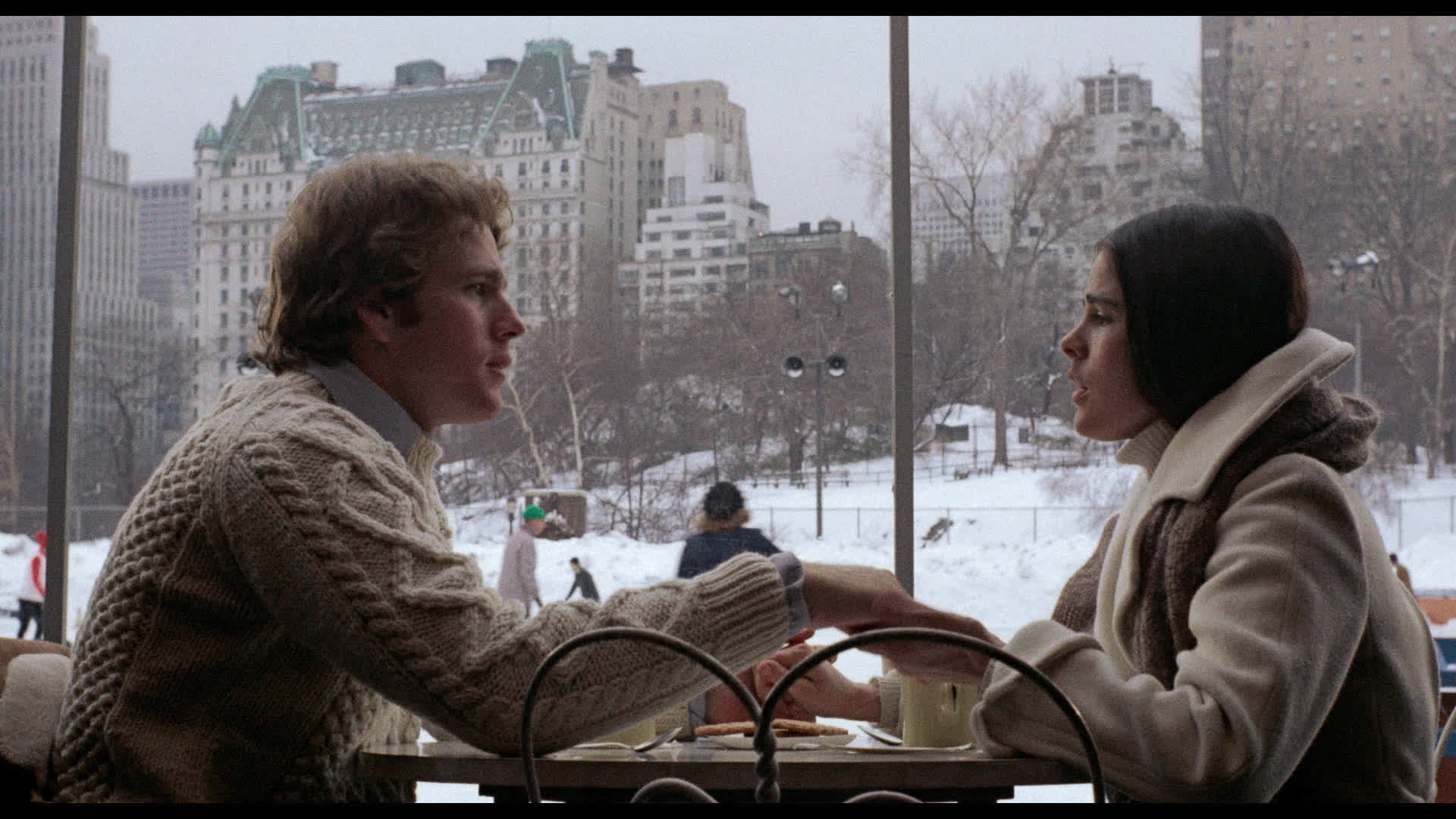
O’Neal plays wealthy Harvard student Oliver Barrett IV, who starts a relationship with the working-class Radcliffe student Jenny Cavilleri (Ali MacGraw), after a meet-cute born out of mutual antagonism. Despite the contrasts between them and the open disapproval of Oliver’s imperious father (Ray Milland), the two dive headlong into love and marriage, only for disease to sunder what no man could.
With the known melodrama in mind, I wasn’t expecting to especially like Love Story, and Ali MacGraw’s casually scornful Jenny didn’t seem like the kind of character to change my mind. But when paired with O’Neal, her abrasive qualities are matched by his stubborn charm, not-quite-opposites whose attraction is palpable. Even if I’m not a fan of their spurning of religion, to the humorous distress of Jenny’s Catholic father, the pair is easy to root for, making the eventual tragedy hit all the harder. Much has been said of the unrealistic beauty of Jenny even as she’s supposedly on her deathbed, but I wouldn’t say it took me out of the movie too much. While not above some deserved mockery at times, Love Story managed to live up to its genre-defining name, paving the way for the likes of The Fault in Our Stars and We Live in Time and jerking tears and jeers with the best of them.
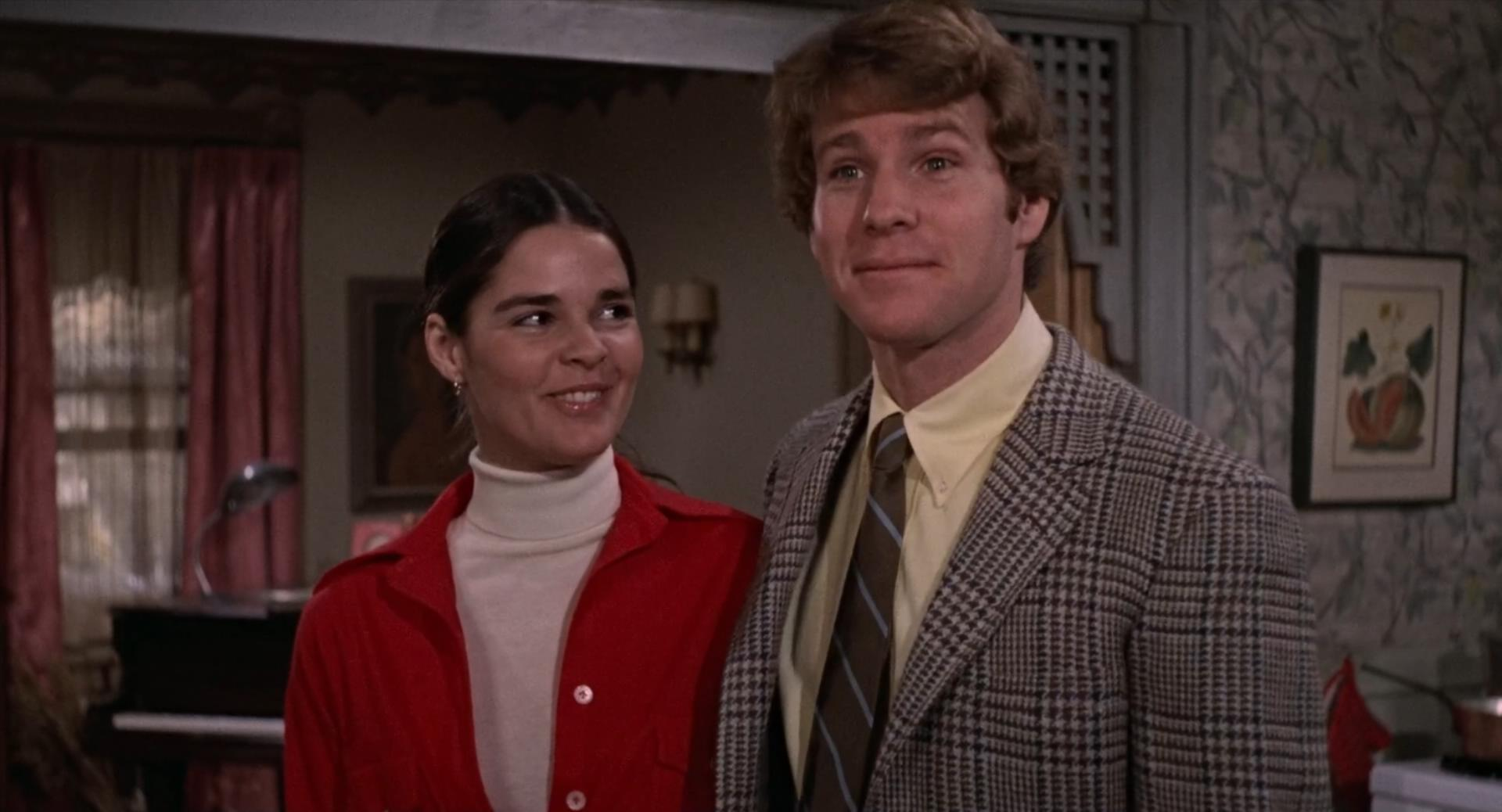
Best line: (Oliver’s opening voiceover) “What can you say about a twenty-five-year-old girl who died? That she was beautiful and brilliant? That she loved Mozart and Bach, the Beatles, and me?”
Rank: List Runner-Up
© 2025 S.G. Liput
801 Followers and Counting
 Rhyme and Reason
This came out my freshman year of college. I was a music major, and most of us agreed with Oliver’s reaction to Jenny’s “Love means never having to say you’re sorry.” (Really, who hasn’t ever screwed up? And who’d stay with a screw-up who never apologized?) The toughest guy in the music department went to that movie three times and cried all the way through.
This is a beautifully poignant pairing of poetry and film review, S.G. Liput! I learned a lot about the enduring impact of Love Story and how it continues to resonate even with those who might initially be skeptical. Your poem perfectly captures the essence of love through the simple act of holding hands at different stages of life, beautifully echoing the film’s themes. I appreciate your candid assessment of the movie, acknowledging its flaws while also recognizing its emotional power. What struck me most was the way you connected personal experiences and cultural impact, creating a multi-layered reflection on love, loss, and memory. Andrea’s comment further underscores the film’s ability to move even the most stoic individuals. Thank you for sharing this heartfelt piece!