
It seems that everyone’s aim is,
Put simply, to someday be famous.
They fight and they claw
And they shock and they awe
And they show off such gall
As they rise and they fall
That honestly, friend, who can blame us?
____________________
MPA rating: R (for frequent language, drugs, brief nudity and violence)
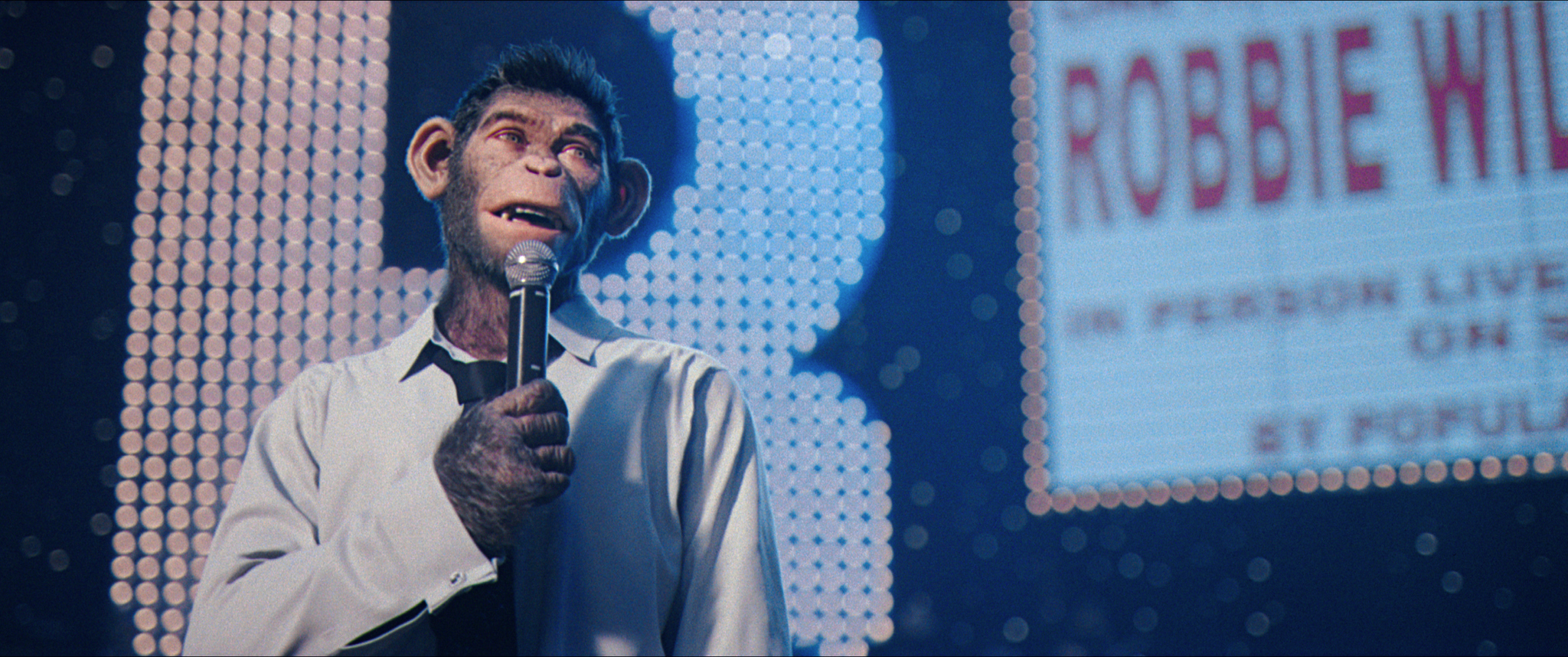
Musical biopics are well-worn cinematic territory, often covering the same age-old rags-to-riches success story undermined by sex, drugs, and hubris. They can still be quite good, offering a great outlet for actors to inhabit famous musicians and show off their singing chops, but when a biopic does something outside the mold, it’s rare enough to stand out. Covering the tumultuous career of England’s Robbie Williams, Better Man takes a big swing by replacing its star with a literal ape created via motion-capture, a risk that works far better than I would have expected.
Considering how well-known he is in Britain, it’s funny how few Americans have probably even heard of Robbie Williams, a likely reason for why the film bombed in the U.S. Coming from a poor working-class background, Robbie rose to fame as part of the British boy band Take That, eventually being fired for his unstable behavior and going solo to eventual immense success. Amid its effects-heavy sequences, the film manages to preserve a lot of heart, from Robbie’s bond with his grandmother (Alison Steadman) and his girlfriend and fellow pop star Nicole Appleton (Raechelle Banno) to his misguided admiration for his fame-chasing father Peter (Steve Pemberton).
The conceit of Robbie as an ape highlights both his feelings of inadequacy and “dancing monkey” showmanship, and though the difference in appearance is completely ignored by the other characters, the special effects do wonders integrating his simian self with everyone else, snagging an Oscar nomination for Best Visual Effects. It also allows the real Robbie Williams to provide his own singing vocals, while Jonno Davies provides the mocap performance and speaking voice.
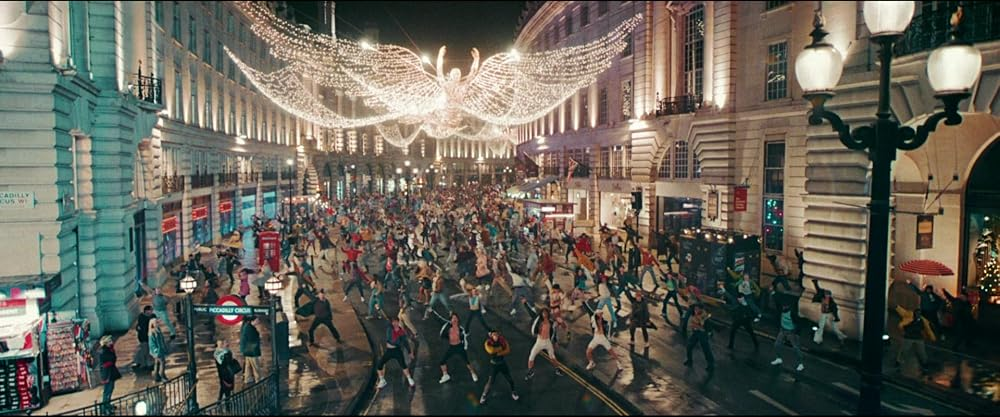
I have to applaud director and co-writer Michael Gracey for the visual flair that he brings to the story. While there are stretches of the usual paint-by-numbers biopic plot, certain scenes really dazzle, like how Robbie’s biggest concert turns into a giant battle scene against his own past selves or especially the tracking-shot extravaganza where the Take That members celebrate their record deal dancing to “Rock DJ.” Honestly, the latter scene is among the best musical numbers I’ve ever seen, and it’s a shame the rest of the film couldn’t match its brilliance.
As an unconventional musical that could have used even more musical numbers in my opinion, Better Man proves that risks can pay off, as it finds new ways to portray familiar story beats and internal conflict. It may be authentic to Williams’ life, but I wasn’t a fan of how foul-mouthed and crude a lot of the dialogue is, right to the final scene, so be warned that this is no family-friendly musical like Gracey’s previous film The Greatest Showman. Still, the visual ingenuity and emotional resonance make Better Man a welcome outlier in a crowded genre.
Best line: (Robbie, finally telling off his dad) “You’ve always been there for Robbie Williams, dad. Why couldn’t you just be there for Robert?”
Rank: List Runner-Up
© 2026 S.G. Liput
799 Followers and Counting

